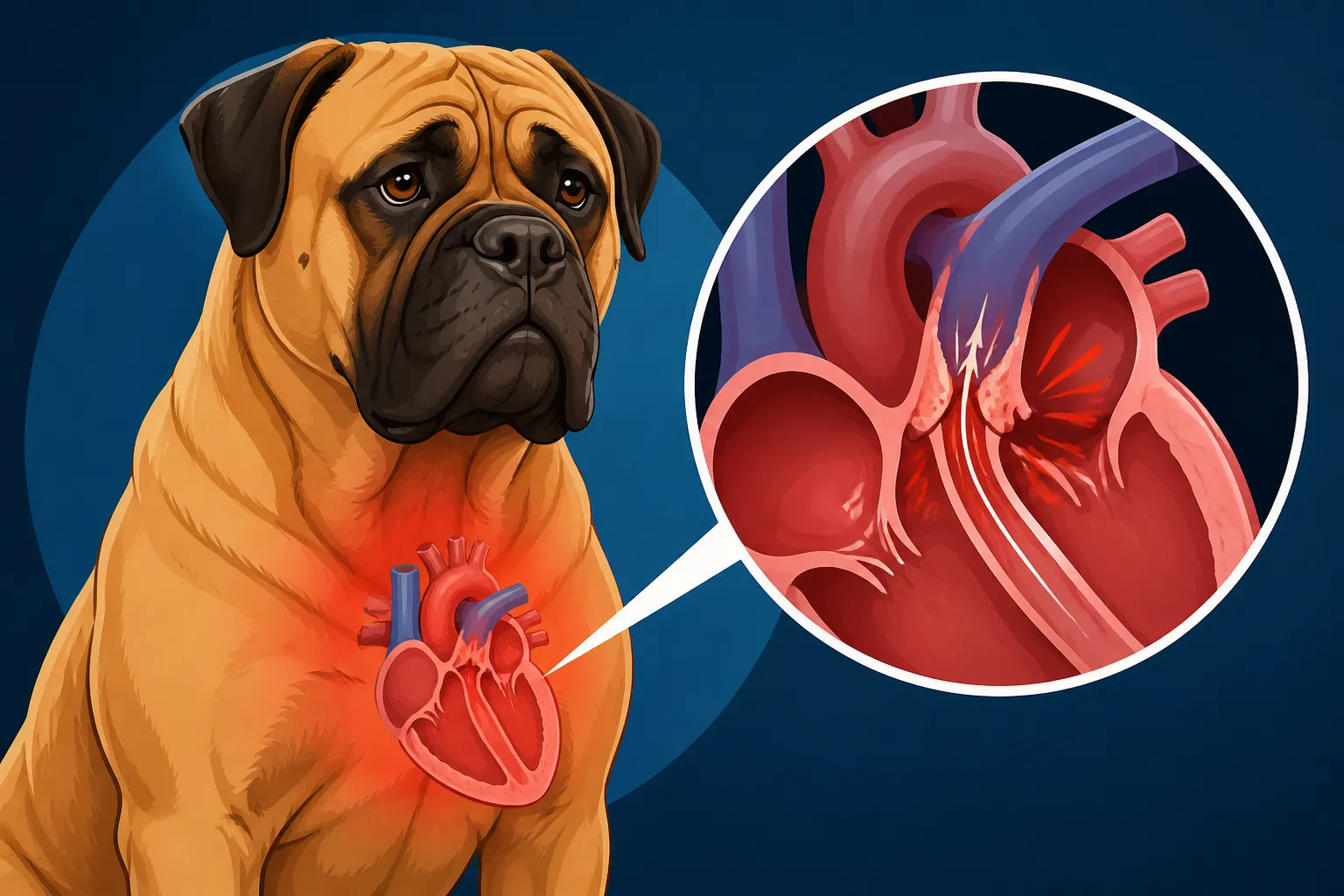
What Subaortic Stenosis Does to a Bullmastiff
Finding out your beloved Bullmastiff has a heart condition can be absolutely terrifying, turning your world upside down in an instant. The sound of a vet mentioning "heart murmur" or "Subaortic Stenosis" can send shivers down any dog owner's spine, especially when you know the breed can be prone to certain health challenges. This comprehensive guide is here to walk you through exactly what Subaortic Stenosis (SAS) means for your Bullmastiff, explaining its impact, how it's diagnosed, and what steps you can take to manage it.
Understanding Subaortic Stenosis in Bullmastiffs
When we talk about Subaortic Stenosis, or SAS, in Bullmastiffs, we're talking about a congenital heart defect. This isn't something that develops later in life due to diet or lifestyle; it's present from birth, even if the signs aren't immediately obvious. For a breed already predisposed to certain health issues, understanding SAS is a critical part of responsible ownership. It's a condition that can have a profound impact on a dog's quality and length of life, making early detection and careful management absolutely crucial.
What Exactly is Subaortic Stenosis?
At its heart, Subaortic Stenosis is a narrowing (stenosis) of the outflow tract from the left ventricle, just below the aortic valve. Think of your heart as a pump, with the left ventricle being the powerful chamber responsible for sending oxygen-rich blood out to the entire body through the aorta. In a Bullmastiff with SAS, there's an obstruction – usually a ring or ridge of fibrous tissue – that makes this job much harder. This narrowing forces the left ventricle to work extra hard to push blood through the constricted opening.
Over time, this increased workload causes the muscle walls of the left ventricle to thicken, a condition known as concentric hypertrophy. While the heart is trying its best to compensate for the obstruction, this thickening isn't a good thing. It reduces the amount of blood the ventricle can hold and makes the heart less efficient at pumping blood. It’s like trying to push water through a kinked hose; the pump has to work much harder, and less water gets through. This persistent strain is what ultimately leads to the serious complications associated with SAS.
Why Bullmastiffs Are Prone to SAS
Unfortunately, Bullmastiffs are one of the breeds with a significant genetic predisposition to Subaortic Stenosis. This isn't just bad luck; it's believed to be an inherited trait, often passed down through generations. While the exact mode of inheritance can be complex, involving multiple genes, the fact remains that if a Bullmastiff has SAS, it likely inherited it from its parents. Other breeds, like Newfoundlands, Golden Retrievers, and Rottweilers, also share this vulnerability, but it’s particularly prevalent in large, robust breeds like our Bullmastiffs.
This genetic component means that even seemingly healthy parents can produce puppies with SAS if they carry the gene. This is why screening is so important, not just for the affected individuals but for understanding the broader genetic health of the breed. It highlights the importance of choosing a reputable breeder who prioritizes health clearances and understands the genetic history of their lines. Without careful breeding practices, this condition continues to persist within the Bullmastiff population.
The Graded Severity of SAS
Subaortic Stenosis isn't a one-size-fits-all condition; its severity can vary significantly from dog to dog, and this severity is typically graded. Vets use a classification system, usually based on the pressure gradient across the obstruction, measured during an echocardiogram. This measurement helps determine how mild, moderate, or severe the narrowing actually is.
- Mild SAS: In mild cases, the obstruction is relatively minor, and the heart might compensate quite well for years. Some Bullmastiffs with mild SAS might live a relatively normal lifespan with few, if any, noticeable symptoms. However, even mild cases still carry a risk and require monitoring because the condition can sometimes worsen or lead to complications later. A Bullmastiff with mild stenosis might not exhibit immediate signs of illness, but it’s still crucial to be aware.
- Moderate SAS: With moderate SAS, the narrowing is more significant, and the heart has to work considerably harder. Dogs in this category are more likely to show symptoms like exercise intolerance or lethargy, and they often require medication to help manage the strain on their heart. The long-term prognosis for dogs with moderate SAS is less favorable than for those with mild forms, and careful medical management becomes essential.
- **Severe SAS: This is the most serious form, where the obstruction is substantial, placing extreme strain on the left ventricle. Bullmastiffs with severe SAS often experience significant symptoms, including fainting (syncope) or even sudden death, particularly during exertion. Their life expectancy is often significantly reduced, sometimes tragically short. Aggressive medical intervention is usually necessary, and their activity must be severely restricted. Understanding "Why a Bullmastiff with severe stenosis collapses" can help owners prepare for the worst, but it's a heartbreaking reality for many.
The Immediate and Long-Term Effects on Your Bullmastiff
The presence of Subaortic Stenosis in a Bullmastiff isn't just about a "hole in the heart" or a "funny beat"; it has profound physiological consequences that impact virtually every system in the body over time. The heart is the engine, and when it's under constant stress, the entire machine suffers. Owners often worry about their dog's comfort and future, and rightly so, as SAS can dramatically alter their companion's life.
How SAS Impacts the Heart and Body
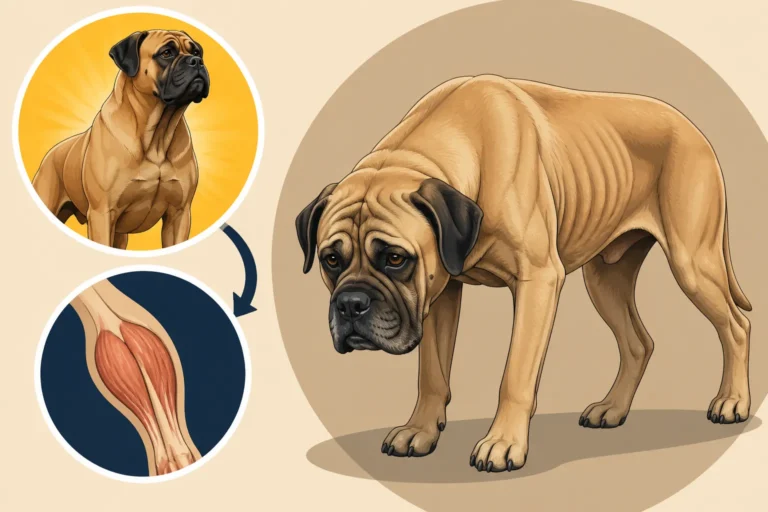
The primary impact of SAS is on the heart itself. The left ventricle, faced with the increased resistance of the narrowed outflow tract, undergoes compensatory changes. As mentioned, the muscle walls thicken (hypertrophy) in an attempt to generate more force. Initially, this adaptation helps maintain blood flow, but it's a double-edged sword. The thickened muscle becomes stiff, reducing the heart's ability to relax and fill properly with blood. This means less blood can be pumped out with each beat, leading to decreased cardiac output.
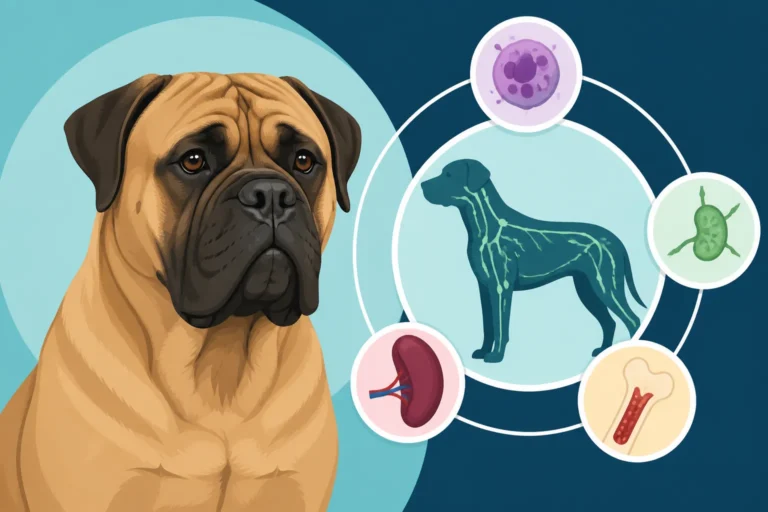
Beyond the heart, the reduced and often turbulent blood flow can have systemic effects. Organs throughout the body may receive less oxygen and nutrients, potentially leading to issues in kidney function, brain function, and overall energy levels. The turbulent blood flow itself can damage the delicate lining of the blood vessels, increasing the risk of bacterial endocarditis, a serious infection of the heart valves. The increased pressure in the left ventricle can also put a strain on the mitral valve, potentially leading to secondary mitral regurgitation, which further compromises heart function. It’s a cascading effect that slowly, but surely, wears down the cardiovascular system.
Common Symptoms and Red Flags
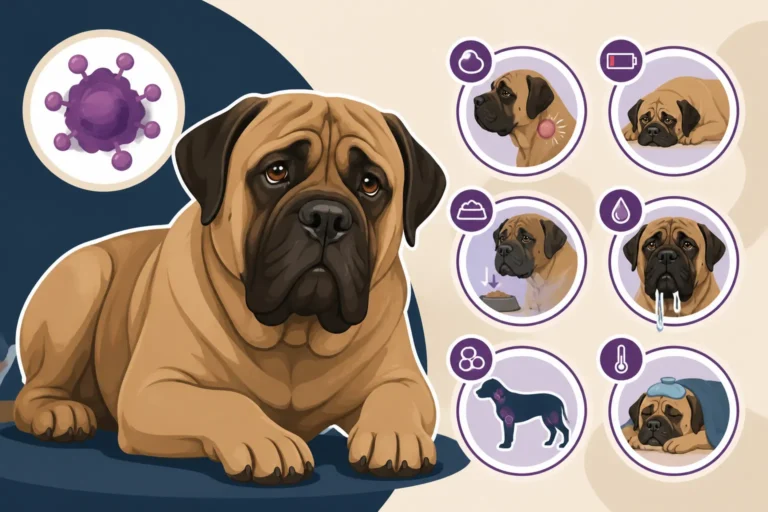
Recognizing the signs of SAS can be challenging, especially in the early stages when a Bullmastiff might appear perfectly healthy. However, as the disease progresses or in more severe cases, certain symptoms become more apparent. One of the earliest and most common red flags is exercise intolerance. Your normally robust Bullmastiff might tire more quickly on walks, lag behind, or be reluctant to play. They might also recover much slower after any exertion, panting excessively.
Other symptoms to watch out for include lethargy, where your dog seems unusually tired or uninterested in activities they once enjoyed. In more advanced stages, you might observe fainting spells, known as syncope, particularly after periods of excitement or physical activity. These collapses can be frightening and are a strong indicator of severe cardiac compromise. You might also notice difficulty breathing, particularly heavy or rapid breathing even when at rest. Coughing, though less common as a direct SAS symptom, can sometimes indicate fluid buildup in the lungs due if the heart failure progresses. If you notice "Signs a Bullmastiff has a heart murmur" during a routine check-up, it’s absolutely critical to follow up with further diagnostics.
The Silent Threat: When Symptoms Are Not Obvious
The insidious nature of SAS lies in its ability to remain largely asymptomatic for extended periods, especially in mild to moderate cases. Bullmastiffs are stoic dogs and masters at hiding pain or discomfort. Their natural calm demeanor and moderate exercise needs can mask subtle signs of cardiac insufficiency. Many owners might unknowingly attribute their dog's slightly reduced energy to age or just being a "lazy Bullmastiff."
This lack of obvious symptoms can lead to late diagnoses, by which time the heart has already undergone significant, irreversible changes. The body's compensatory mechanisms are remarkably efficient at first, allowing the dog to maintain a semblance of normal life even with a compromised heart. This is precisely why regular veterinary check-ups are so important, even for seemingly healthy dogs. Early detection, often triggered by a vet picking up a heart murmur during a routine physical, is truly the best defense against the devastating progression of this disease. Without this early warning, a severe cardiac event, like sudden collapse, can be the first overt sign something is gravely wrong.
Diagnosing Subaortic Stenosis Accurately
The journey to accurately diagnose Subaortic Stenosis in a Bullmastiff typically begins with a routine veterinary visit. For many owners, the first hint of trouble is the vet's stethoscope picking up an abnormal sound – a heart murmur. From there, a series of specialized diagnostic tests are usually required to confirm the diagnosis, determine its severity, and plan the best course of action. This multi-step process is crucial for distinguishing SAS from other cardiac conditions and providing a precise prognosis.
The Initial Vet Visit: Hearing a Murmur
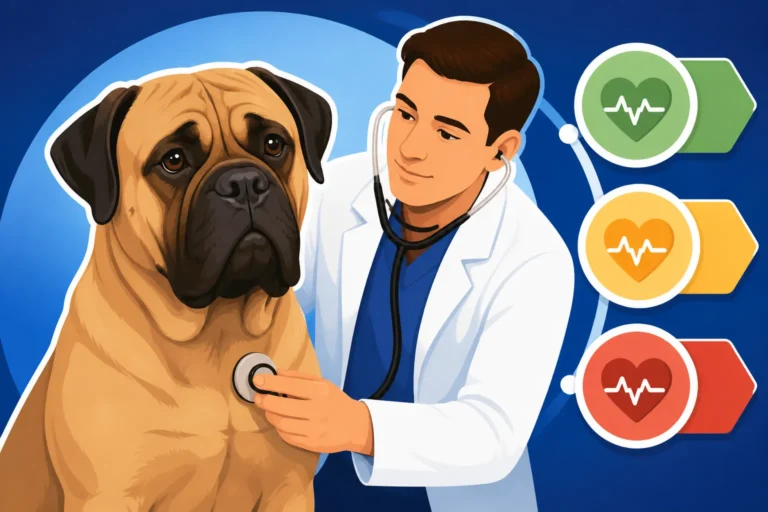
The initial detection of a heart murmur is often the first step towards an SAS diagnosis. During a physical examination, your veterinarian will listen to your Bullmastiff's heart using a stethoscope. A murmur is an abnormal whooshing sound, caused by turbulent blood flow through the heart. In the case of SAS, this turbulence is created by blood being forced through the narrowed subaortic region. The vet will grade the murmur, usually on a scale of I to VI, with higher numbers indicating a louder murmur. While a louder murmur can sometimes correlate with more severe stenosis, it's not always a definitive measure of severity.
It's important to remember that not all murmurs mean SAS, and not all murmurs are cause for immediate panic. Puppy murmurs, for example, can sometimes be innocent and disappear as the dog matures. However, given the Bullmastiff's predisposition to SAS, any murmur, particularly one heard in an adult dog or a persistent puppy murmur, warrants further investigation. This initial finding is a critical red flag that necessitates a referral to a veterinary cardiologist for more advanced testing. Ignoring a murmur, especially in a breed at risk, is simply not an option.
The Importance of an Echocardiogram
Once a heart murmur is detected, the gold standard for diagnosing and assessing Subaortic Stenosis is an echocardiogram. This non-invasive ultrasound of the heart provides real-time images of its structure and function. It allows a veterinary cardiologist to visualize the subaortic region directly, identifying the fibrous ring or ridge of tissue causing the obstruction. More importantly, it allows them to measure the velocity of blood flow across the narrowed area, from which a pressure gradient can be calculated. This pressure gradient is the key factor in determining the severity of the SAS – whether it's mild, moderate, or severe.
An echocardiogram also provides crucial information about the heart muscle itself. The cardiologist can assess the thickness of the left ventricular wall, identify any signs of hypertrophy, and evaluate the overall pumping efficiency of the heart. They can also check for secondary issues, such as mitral valve regurgitation or signs of early heart failure. This comprehensive assessment is vital for formulating an accurate prognosis and tailoring a treatment plan. Without an echocardiogram, a definitive diagnosis and severity grading of SAS are impossible, making it an indispensable tool for managing this condition. Many pet insurance providers, like Healthy Paws, recognize the critical nature of these advanced diagnostics and may offer coverage for such specialized procedures.
Other Diagnostic Tools and What They Tell Us
While the echocardiogram is paramount, other diagnostic tools can provide valuable supplementary information when diagnosing and managing SAS.
- Electrocardiogram (ECG): An ECG measures the electrical activity of the heart. While it doesn't directly diagnose SAS, it can reveal abnormalities in heart rhythm (arrhythmias) or electrical patterns that suggest ventricular enlargement or strain. Arrhythmias can be a complication of SAS, particularly in more severe cases, and an ECG can help monitor for these.
- Chest X-rays: Thoracic radiographs (X-rays) allow the veterinarian to look at the overall size and shape of the heart and check for fluid accumulation in the lungs (pulmonary edema), which can be a sign of congestive heart failure. While an X-ray won't show the SAS lesion itself, it's useful for assessing secondary effects and overall cardiac health.
- Blood Tests: Routine blood work can help assess organ function, particularly the kidneys and liver, which can be affected by reduced cardiac output or certain medications. Specific cardiac biomarkers, like NT-proBNP, can also be measured. Elevated levels of NT-proBNP indicate cardiac stretch and stress, providing another piece of the puzzle regarding the heart's workload and potential for heart failure.
Together, these diagnostic tools provide a comprehensive picture of your Bullmastiff's cardiac health, allowing your vet and cardiologist to make the most informed decisions about their care. This thoroughness is especially important for determining "The age Subaortic Stenosis is found in a Bullmastiff" and understanding its progression.
Managing Life with a Bullmastiff Diagnosed with SAS
Receiving a diagnosis of Subaortic Stenosis for your Bullmastiff can feel overwhelming, but it's important to remember that a diagnosis is the first step toward effective management. While SAS is a serious condition with no cure, many Bullmastiffs can lead comfortable lives with the right care. Management focuses on minimizing the heart's workload, controlling symptoms, and improving overall quality of life. This often involves a combination of lifestyle adjustments, medication, and regular veterinary oversight.
Lifestyle Adjustments and Exercise Restrictions
One of the most critical aspects of managing SAS in Bullmastiffs is carefully controlling their activity levels. The goal is to avoid strenuous exercise or over-excitement, which can significantly increase the heart's workload and put immense strain on a compromised cardiovascular system. For dogs with moderate to severe SAS, this means saying goodbye to long, vigorous runs, intense play sessions, or activities that cause excessive panting and exhaustion.
Instead, focus on short, gentle walks on a leash in cooler temperatures. Keep excitement levels low, especially during greetings or when anticipating food. Avoid situations that might trigger a sudden burst of activity, like dog parks or roughhousing with other pets. Think of a quiet, calm life that conserves your Bullmastiff's energy and minimizes cardiac stress. This doesn't mean no fun at all, but rather a redefinition of fun that prioritizes their well-being. Even "Whether a Bullmastiff with mild stenosis lives normally" largely depends on these careful lifestyle choices, as preventing progression is key.
Medications and Their Role
For many Bullmastiffs with SAS, medication becomes a vital part of their daily routine. The primary goal of these drugs is to reduce the workload on the heart and improve its efficiency.
- Beta-blockers (e.g., Atenolol): These are often the first line of defense. Beta-blockers work by slowing the heart rate and reducing the force of contraction. This gives the heart more time to fill with blood and decreases the oxygen demand of the overworked heart muscle. By easing the heart's burden, beta-blockers can help prevent or delay the progression of left ventricular hypertrophy and reduce the risk of arrhythmias and sudden death.
- ACE Inhibitors (e.g., Enalapril, Benazepril): These medications help relax blood vessels, reducing blood pressure and making it easier for the heart to pump blood out to the body. While not always used in early SAS, they may be introduced if there are signs of concurrent heart failure or kidney involvement.
- Diuretics (e.g., Furosemide): Diuretics are used if the Bullmastiff shows signs of congestive heart failure, such as fluid accumulation in the lungs or abdomen. They help the body excrete excess fluid, relieving pressure and improving breathing.
The specific "Which medication a Bullmastiff with stenosis takes" will depend on the severity of their condition, their symptoms, and the individual response to treatment. Regular follow-up appointments with a cardiologist are essential to adjust dosages and monitor efficacy. This specialized care often comes with significant costs, and having pet insurance from providers like Healthy Paws can be a huge relief, covering a portion of these ongoing medication and specialist fees.
The Prognosis and Quality of Life
The prognosis for a Bullmastiff with Subaortic Stenosis varies widely, directly correlating with the severity of the condition. Dogs with mild SAS may live into their senior years with minimal intervention, though they still require regular monitoring. However, for Bullmastiffs with moderate to severe SAS, the prognosis is often guarded, and their lifespan can be significantly shortened. Some studies suggest a median survival time of only 19 months for severely affected dogs from the time of diagnosis, though this can vary.
The primary concerns for dogs with severe SAS include progressive heart failure, life-threatening arrhythmias, and sudden cardiac death. Despite these serious risks, diligent management can significantly improve their quality of life. Regular veterinary check-ups, medication adherence, and strict lifestyle management are crucial. Owners must be vigilant for any worsening symptoms and communicate promptly with their vet. The focus shifts from curing the disease to providing the most comfortable and fulfilling life possible for the time they have, ensuring they are not in pain and can enjoy their favorite gentle activities.
Genetic Considerations and Responsible Breeding
Understanding the genetic component of Subaortic Stenosis is not only vital for individual pet owners but also for the health and future of the entire Bullmastiff breed. Because SAS is an inherited condition, responsible breeding practices play a paramount role in reducing its prevalence. This means going beyond just addressing symptoms in individual dogs and looking at the bigger picture of genetic health.
How SAS is Inherited in Bullmastiffs
The inheritance pattern of Subaortic Stenosis in Bullmastiffs is considered polygenic, meaning it's influenced by multiple genes rather than a single dominant or recessive gene. This makes it particularly challenging to eradicate from a breed's gene pool. While specific genetic markers are still being researched, it's clear that dogs carrying these genetic predispositions can pass them on to their offspring. This means that a dog can be a carrier and not show severe signs of SAS itself but still produce affected puppies when bred.
This complex inheritance is why "How Subaortic Stenosis is inherited in Bullmastiffs" remains a topic of ongoing research and concern for breeders. It complicates breeding decisions because simply removing all affected dogs from the breeding pool might not be enough to eliminate the trait, and could severely limit the gene pool. Therefore, screening all potential breeding stock for the condition is essential to make informed decisions and gradually reduce the incidence of SAS within the breed.
Why Pre-breeding Cardiac Exams Are Crucial
Given the inherited nature of SAS, comprehensive pre-breeding cardiac exams are not just recommended, they are absolutely crucial for any Bullmastiff used for breeding. These exams typically involve an echocardiogram performed by a board-certified veterinary cardiologist. The cardiologist will not only assess the presence and severity of SAS but also look for other structural heart defects. Reputable breeders will also submit these results to organizations like the Orthopedic Foundation for Animals (OFA) or participate in the Canine Health Information Center (CHIC) program, which provides a centralized database for health clearances.
Screening potential breeding dogs helps breeders make informed decisions, ideally selecting individuals with healthy hearts that are free of SAS or, at the very least, only those with very mild, non-progressive forms. This practice aims to minimize the risk of producing affected offspring and is a cornerstone of ethical breeding. Without such rigorous screening, breeders risk inadvertently perpetuating or even increasing the prevalence of SAS in future generations of Bullmastiffs. This is especially true for an issue like "Why a Bullmastiff puppy needs a cardiac exam," as early screening in offspring can also guide future breeding decisions.
The Ethical Dilemma: Breeding Dogs with SAS
The inherited nature of Subaortic Stenosis presents a significant ethical dilemma for Bullmastiff breeders. Should a dog with any degree of SAS, even mild, be bred? Most veterinary cardiologists and responsible breed clubs advocate against breeding dogs diagnosed with SAS, regardless of severity. Even a mild case indicates the presence of genetic predisposition, which can be passed on and potentially result in more severely affected offspring.
The difficult decision often comes down to balancing genetic diversity with disease eradication. While completely removing all carriers could drastically narrow the gene pool, continuing to breed affected dogs actively harms the breed's health. The general consensus is that preserving breed health in the long term requires careful selection, choosing to breed only those individuals with clear cardiac health clearances. This commitment to responsible breeding is the most powerful tool we have to reduce the suffering caused by SAS and ensure a healthier future for the magnificent Bullmastiff breed. This also ties into the larger discussion of "Whether a Bullmastiff with stenosis should be bred," which ultimately leans heavily towards no for the health of the breed.
| SAS Severity | Symptoms | Prognosis (Life Expectancy) | Recommended Management |
|---|---|---|---|
| Mild | Often asymptomatic, mild exercise intolerance possible | Near-normal lifespan possible, but risk of progression | Regular monitoring, moderate activity limits |
| Moderate | Exercise intolerance, lethargy, occasional syncope | Reduced lifespan (e.g., 2-5 years post-diagnosis) | Medication (beta-blockers), significant activity limits |
| Severe | Frequent syncope, severe exercise intolerance, sudden collapse, early death | Significantly reduced lifespan (e.g., <2 years post-diagnosis) | Aggressive medication, strict activity limits, palliative care |
Disclaimer
The information provided in this article is for educational and informational purposes only and does not constitute veterinary medical advice. Always consult with a qualified veterinarian or veterinary cardiologist for any health concerns or before making any decisions about your Bullmastiff's medical care.