Why an Aging Bullmastiff Loses Muscle
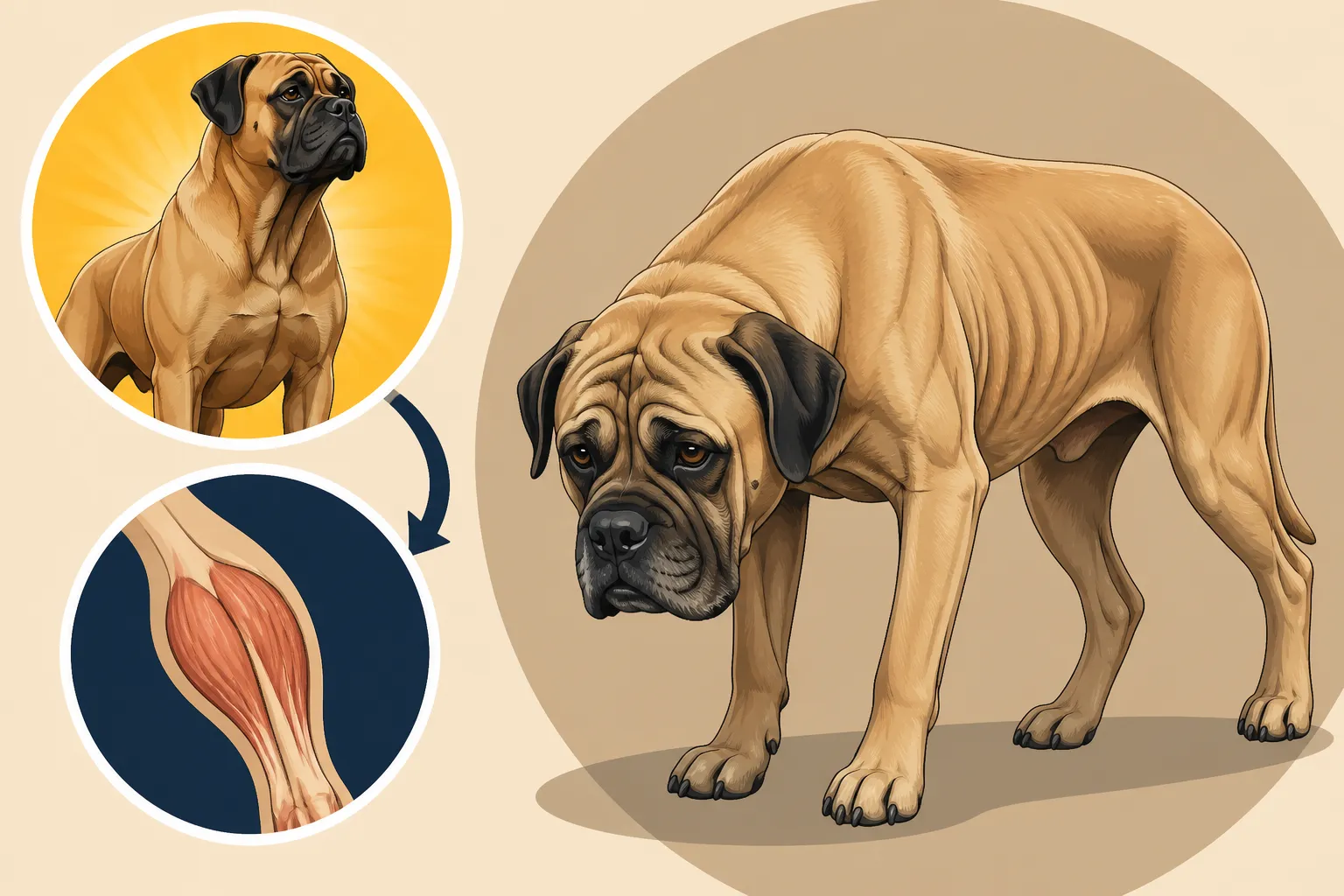
It’s a sight that tugs at the heart of any Bullmastiff owner: watching our magnificent, once-powerful companions start to thin out, their muscles noticeably shrinking, especially in their hindquarters. This loss of muscle mass in an aging Bullmastiff isn't just a cosmetic change; it's a genuine concern that affects their mobility, strength, and overall quality of life. Understanding why this happens and what we can do to support them is crucial for giving our big, beloved dogs the best possible golden years. This guide will walk you through the various factors contributing to muscle loss and provide actionable steps to help your senior Bullmastiff maintain their strength and comfort.
The Inevitable Shift: Why Muscle Mass Declines with Age in Bullmastiffs
Just like humans, dogs experience a decline in muscle mass as they age, even when they're otherwise healthy and active. For a large, heavy breed like the Bullmastiff, this natural process can have a profound impact, affecting their ability to move around with ease and maintain their characteristic robust physique.
Sarcopenia: The Natural Muscle Wasting of Seniority
The primary culprit behind age-related muscle loss is a condition known as sarcopenia. This isn't just about "getting old" and slowing down; sarcopenia is a progressive and generalized skeletal muscle disorder characterized by the accelerated loss of muscle mass and function. It's a complex process driven by multiple factors, including changes in nerve supply to muscles, decreased protein synthesis, increased protein breakdown, and systemic inflammation. For a Bullmastiff, who carries a substantial amount of muscle on their frame, the onset of sarcopenia can be particularly noticeable, often beginning around the age they are considered senior.
Unlike muscle atrophy that might occur after an injury or disuse of a limb, sarcopenia affects the entire body, though it often becomes most apparent in the hind legs and across the topline. It’s not simply about losing weight, either; a Bullmastiff can maintain their overall body weight (or even gain fat) while simultaneously losing crucial muscle tissue. This insidious decline means that even if your senior Bullmastiff looks generally "fine," they might be silently losing the strength and stability that their large body depends on. Understanding this distinction is key to recognizing the changes and addressing them appropriately, rather than simply dismissing them as normal aging.
The Vicious Cycle: Inactivity and Joint Discomfort
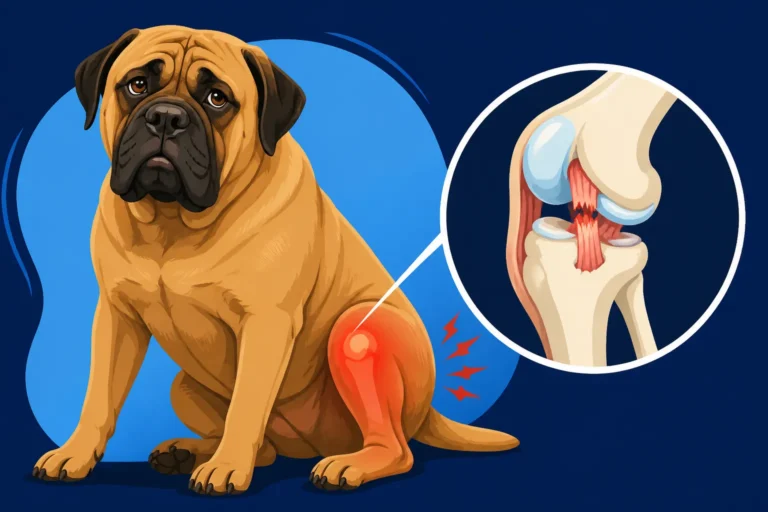
For a breed as massive as the Bullmastiff, every movement puts stress on their joints. As they age, it’s almost inevitable that many will experience some degree of arthritis or other joint conditions, leading to discomfort or pain. This pain, in turn, often leads to a reduction in activity. Think about it: if every step or rise from a lying position causes a twinge, a dog will naturally choose to move less. This reduced activity, unfortunately, creates a vicious cycle that significantly accelerates muscle loss. When muscles aren't used, they begin to atrophy more quickly.
For a Bullmastiff prone to conditions like Hip Dysplasia in a Bullmastiff or Elbow Dysplasia in a Bullmastiff, the pain can start earlier and be more pronounced. A dog that is reluctant to jump, climb stairs, or even walk as far as they used to is essentially telling you their body is hurting. This disuse atrophy, combined with sarcopenia, can lead to a rapid decline in their physical capabilities. It's not just about the pain; it's about the subsequent lack of muscle stimulation and engagement that directly impacts muscle retention. This is why addressing joint health and mobility proactively is so critical for these large dogs in their later years. The goal is to keep them moving comfortably, even if it's just gentle, short strolls, to preserve as much muscle as possible.
Metabolic and Hormonal Changes That Steal Strength
As Bullmastiffs enter their senior years, their bodies undergo a host of metabolic and hormonal shifts that can directly contribute to muscle loss. Their metabolism slows down, making it harder for their bodies to efficiently synthesize protein—the building blocks of muscle. At the same time, the rate at which muscle protein breaks down can increase, creating an imbalance where loss outpaces repair. Hormonal changes also play a significant role. Levels of anabolic hormones, like growth hormone and testosterone, naturally decrease with age, while levels of catabolic hormones, such as cortisol, can rise. This hormonal environment is less conducive to maintaining muscle mass.
Beyond these general age-related changes, specific endocrine conditions can exacerbate muscle wasting. For example, Hypothyroidism in a Bullmastiff can lead to lethargy and weight gain, but also muscle weakness and atrophy due to slowed metabolism. Cushing's disease (hyperadrenocorticism) can also cause muscle wastage, especially in the hind limbs, due to excessive cortisol production. These underlying conditions often require veterinary diagnosis and management, and can sometimes be overlooked if general "aging" is assumed to be the sole cause. A thorough veterinary examination, potentially including blood work, is important to rule out or manage these hormonal imbalances, as addressing them can often help improve muscle maintenance.
Beyond Just Aging: When Muscle Loss Signals Deeper Concerns
While sarcopenia and age-related changes are a normal part of aging, muscle loss can also be a red flag for underlying health issues that require immediate attention. It's crucial for Bullmastiff owners to learn to differentiate between typical age-related changes and signs that something more serious might be at play.
Distinguishing Muscle Wastage from Overall Weight Loss
One of the first steps in understanding your Bullmastiff's changing physique is to distinguish between true muscle wastage and general weight loss. Sometimes, an aging dog loses fat and muscle simultaneously, leading to a noticeable decrease in overall weight. Other times, a dog might lose muscle while maintaining or even gaining fat, meaning their total weight might stay the same or even increase, but their body composition has shifted, making them appear "softer" or bonier in certain areas.
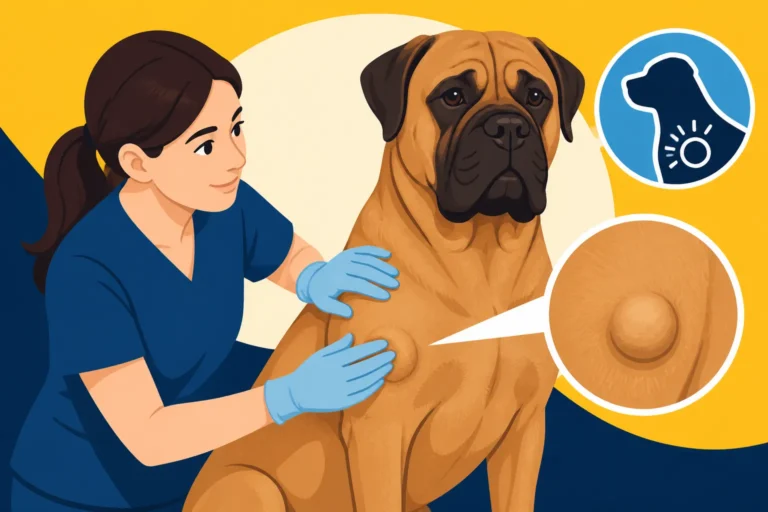
To properly assess this, you need to use your hands. Run your hands over your Bullmastiff’s body, paying close attention to their hips, spine, and the large muscles of their hind legs. You should be able to feel their ribs with a slight layer of fat over them, but also feel the solid muscle definition. If you notice a significant decrease in the fullness of their muscles, particularly over the hips (where they might look sunken in) or across the top of their skull, that's muscle loss. If they also feel boney, with ribs and hip bones protruding sharply, that suggests overall weight loss. Regular weigh-ins at home or at the vet (which may be partially covered by a plan from a provider like Healthy Paws) are helpful, but direct palpation of muscle groups is arguably more telling. A body condition score chart, often available at your vet's office, can also be a great visual aid to help you objectively assess their condition.
Common Medical Conditions That Accelerate Muscle Decline
While aging alone accounts for some muscle loss, a number of serious medical conditions can accelerate or cause significant muscle wasting in Bullmastiffs. Recognizing these early is paramount for their well-being.
- Chronic Pain: As mentioned, chronic pain from conditions like severe arthritis, old injuries, or even spinal issues can lead to disuse atrophy. A Bullmastiff might How a Bullmastiff Hides Pain, making it hard to detect, but a change in gait, reluctance to move, or struggling to rise (see Why an Aging Bullmastiff Struggles to Rise) are strong indicators. Unmanaged pain will inevitably lead to muscle loss because the dog avoids using the affected limbs.
- Neurological Diseases: Conditions affecting the nervous system, such as Degenerative Myelopathy (DM), can directly lead to muscle wasting and weakness, particularly in the hind limbs. While DM is less common in Bullmastiffs than some other breeds, it's a devastating disease that progresses rapidly, and muscle loss is a key symptom. Degenerative Myelopathy in a Bullmastiff is a serious consideration for any older dog showing hind end weakness.
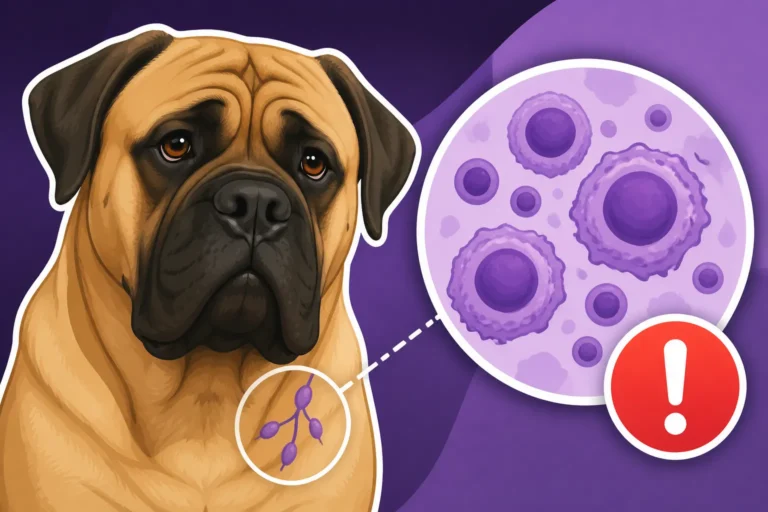
- Cancer: Various cancers can cause cachexia, a severe form of muscle and fat wasting that occurs even with adequate nutrition. Lymphoma, a tragically common cancer in Bullmastiffs (as highlighted in Lymphoma Kills More Bullmastiffs Than Anything Else), or bone cancers like Osteosarcoma in a Bullmastiff, can lead to muscle loss as the body diverts resources to fight the disease.
- Organ Failure: Chronic kidney disease or advanced heart disease, such as Dilated Cardiomyopathy in a Bullmastiff, can also contribute to muscle wasting due to the body's inability to process nutrients efficiently or due to the metabolic stress placed on the system.
- Other Endocrine Issues: Beyond hypothyroidism, conditions like diabetes can also indirectly contribute to muscle loss if not well-managed, due to metabolic derangements.
If you observe significant or rapid muscle loss, especially accompanied by other symptoms like lethargy, changes in appetite, or difficulty breathing, a prompt visit to your veterinarian is absolutely necessary. Early diagnosis of these conditions, often supported by diagnostics like blood tests or imaging, can make a huge difference in managing the disease and slowing muscle decline.
Nutritional Absorption: A Hidden Culprit in Older Dogs
It’s not just what your Bullmastiff eats, but how well their body can use it that matters. As dogs age, their digestive systems can become less efficient at absorbing vital nutrients, even if they're eating a high-quality diet. This decreased absorption, particularly of proteins and essential fatty acids, can directly contribute to muscle wastage.
Older Bullmastiffs might also have reduced appetite for various reasons – dental pain (see How Often a Bullmastiff's Teeth Need Cleaning), nausea from medications, or simply a general decline in their sense of smell and taste. If they're not eating enough, they're not getting enough calories or protein to maintain their muscle mass. Some senior dogs may also develop conditions like exocrine pancreatic insufficiency, which impairs digestion and nutrient absorption, leading to severe weight and muscle loss.
Working with your veterinarian to assess your Bullmastiff's nutritional needs is vital. They might recommend specific senior diets that are more easily digestible and higher in quality protein, or suggest supplements to aid absorption. You might also consider more frequent, smaller meals if appetite is an issue (refer to Whether an Aging Bullmastiff Needs Softer Food). Ensuring your Bullmastiff is getting the most out of every meal is a cornerstone of fighting muscle loss in their later years.
Empowering Your Senior Bullmastiff: Strategies for Muscle Support
While some muscle loss is inevitable with age, there's a lot you can do to slow its progression, mitigate its effects, and improve your Bullmastiff's comfort and quality of life. A multi-faceted approach involving nutrition, appropriate exercise, and pain management is usually most effective.
Optimizing Diet and Supplements for Muscle Retention
Nutrition plays a pivotal role in supporting muscle mass in aging Bullmastiffs. The conventional wisdom for senior diets used to be lower protein, but current research suggests that older dogs actually need more high-quality protein to combat sarcopenia. Protein provides the amino acids necessary for muscle repair and synthesis. Look for dog foods specifically formulated for senior large breeds that have a higher protein content (often 25-30% or more on a dry matter basis), ensuring it comes from easily digestible sources like chicken, beef, or fish.
Beyond a high-quality, protein-rich diet, certain supplements can be highly beneficial:
- Joint Supplements: Glucosamine, chondroitin, and MSM are mainstays for joint health, helping to reduce inflammation and protect cartilage. Fewer aches and pains mean more movement, which helps preserve muscle. Consider starting these early, as discussed in Whether an Aging Bullmastiff Needs Joint Medication Early.
- Omega-3 Fatty Acids: Fish oil (EPA and DHA) has powerful anti-inflammatory properties, beneficial for joints and overall cellular health. They can also help with appetite and coat quality.
- Creatine: While more common in human supplements, some veterinarians may recommend creatine for dogs to support muscle energy and growth.
- HMB (beta-hydroxy-beta-methylbutyrate): This metabolite of the amino acid leucine has been shown in some studies to help reduce muscle protein breakdown and promote muscle synthesis, particularly in older individuals.
- L-Carnitine: Can help with fat metabolism and lean muscle maintenance.
Always discuss any dietary changes or supplements with your vet to ensure they are appropriate for your Bullmastiff's specific health needs. They can help you calculate appropriate dosages and assess potential interactions, and having a good pet insurance plan like Healthy Paws can assist with the costs of these consultations or prescription supplements. Remember, Keeping a Bullmastiff Lean Is the Best Thing You Can Do throughout their life, but especially in old age, as excess weight puts undue strain on already compromised joints and muscles.
Adapting Exercise and Embracing Physical Therapy
It might seem counterintuitive, but consistent, gentle exercise is one of the best ways to combat muscle loss. The key word here is "gentle" and "adapted." A senior Bullmastiff cannot and should not be expected to engage in the same strenuous activities they enjoyed as a younger dog. High-impact activities can exacerbate joint pain and risk injury.
Instead, focus on low-impact activities that encourage muscle use without putting excessive stress on joints:
- Short, Frequent Walks: Instead of one long walk, try two or three shorter, slower walks throughout the day. This keeps muscles engaged, maintains circulation, and helps with mental stimulation. Consider Whether an Aging Bullmastiff Should Still Be Walked.
- Controlled Leash Walks: Avoid off-leash running or rough play that could lead to sudden twists or falls. Maintain a consistent, comfortable pace.
- Swimming or Hydrotherapy: If available and your Bullmastiff tolerates water, swimming is fantastic. The buoyancy of the water takes pressure off joints while providing excellent muscle resistance. Many veterinary physical therapy centers offer hydrotherapy pools, which can be an incredible boon for aging giants.
- Gentle Range-of-Motion Exercises: Your vet or a certified canine physical therapist can teach you simple passive range-of-motion exercises to keep joints flexible and stimulate muscles.
- Balance Exercises: Standing on unstable surfaces (like a thick dog bed or a wobble board, with supervision) can help strengthen core muscles and improve proprioception, which is crucial for stability.
A canine rehabilitation specialist can develop a tailored exercise program specifically for your Bullmastiff, taking into account any existing conditions. These professionals are invaluable for designing safe and effective routines that help your dog regain or maintain strength and mobility. The costs associated with physical therapy or rehab can be significant, so having a robust pet insurance plan can ease the financial burden.
Aggressive Pain Management to Promote Mobility and Comfort
Unmanaged pain is a primary driver of inactivity and, consequently, muscle loss in senior Bullmastiffs. If your dog is hurting, they won't move, and if they don't move, their muscles will waste away faster. Therefore, aggressive and proactive pain management is fundamental to supporting their muscle mass.
This often involves a multi-modal approach:
- Non-Steroidal Anti-Inflammatory Drugs (NSAIDs): Medications like carprofen, meloxicam, or robenacoxib are frequently prescribed for arthritis and chronic pain. They help reduce inflammation and pain, allowing your Bullmastiff to move more comfortably. Regular blood work is often recommended to monitor liver and kidney function while on NSAIDs.
- Other Pain Medications: Gabapentin can be excellent for neuropathic pain, while amantadine can help with chronic pain sensitization. Your vet might combine different medications for optimal pain control, as discussed in What a Bullmastiff's Medication Costs by Weight.
- Alternative Therapies: Acupuncture, therapeutic laser, and chiropractic adjustments can complement conventional pain relief, providing relief and promoting healing. Many owners report significant improvements in their dog's mobility and comfort with these options.
- Joint Injections: In some cases, veterinarians may recommend injecting anti-inflammatory or regenerative substances directly into arthritic joints to provide targeted relief.
The key is to work closely with your veterinarian to find the right combination of therapies that keeps your Bullmastiff comfortable enough to remain active. Remember that How a Bullmastiff Hides Pain, so you need to be observant of subtle changes in their behavior or gait. Don't wait until they're overtly limping; a slight hesitation, stiffness, or reluctance to perform certain movements can be an early sign of discomfort. Regular veterinary consultations, possibly covered by your Healthy Paws policy, are essential to adjust pain protocols as your dog's needs change.
Proactive Care for a Lifetime of Strength and Dignity
Caring for an aging Bullmastiff requires a shift in mindset from reactive treatment to proactive wellness. Every decision, from routine check-ups to environmental modifications, contributes to their ability to age gracefully and maintain their physical capabilities.
Prioritizing Regular Veterinary Oversight and Early Detection
As your Bullmastiff transitions into their senior years, regular veterinary check-ups become even more critical. While annual visits are standard for younger dogs, senior Bullmastiffs benefit immensely from biannual (every six months) exams. This increased frequency allows your vet to catch subtle changes or emerging health issues much earlier, when they are often more manageable.
During these visits, your vet will perform a thorough physical examination, paying close attention to joint health, muscle condition, and any signs of pain. They will likely recommend routine senior bloodwork (refer to Whether a Bullmastiff Needs Bloodwork Yearly), which can help detect organ dysfunction (like kidney or liver disease) or metabolic imbalances (like hypothyroidism) before they become severe. Early detection and intervention for these conditions can significantly impact your Bullmastiff’s overall health and help to slow down secondary muscle loss. Discussing any observed changes, no matter how minor they seem, with your veterinarian is crucial. They are your best partner in navigating the complexities of senior dog health, and the peace of mind knowing you're addressing issues promptly is priceless. This comprehensive approach to care, including regular diagnostics and check-ups, is where a reliable pet insurance provider like Healthy Paws can really shine, helping to manage the ongoing costs.
Creating an Environment That Supports Mobility
A Bullmastiff's large size means they need extra consideration in their home environment as they age. Simple modifications can make a world of difference in preventing falls, reducing joint strain, and encouraging continued mobility.
- Orthopedic Beds: Investing in a high-quality orthopedic bed with dense foam is not a luxury; it's a necessity. This provides critical support for their heavy joints and helps prevent pressure sores or calluses. See Which Bed a Bullmastiff Needs for guidance.
- Non-Slip Surfaces: Hardwood, tile, or laminate floors can become treacherous for an older Bullmastiff with reduced muscle strength and coordination. Lay down non-slip rugs or runners, especially in high-traffic areas and where they eat or sleep. This gives them better traction and reduces the risk of painful slips or falls, as explored in Whether Rugs Help a Bullmastiff on Hardwood.
- Ramps and Steps: If your Bullmastiff still enjoys car rides or needs to get onto furniture (if allowed), provide ramps or sturdy steps. Lifting a heavy Bullmastiff can be difficult and potentially injure both you and your dog. Ramps make these transitions smoother and safer.
- Elevated Food and Water Bowls: For dogs with arthritis in their neck or shoulders, elevated bowls can make eating and drinking more comfortable, reducing strain on their front end.
These seemingly small changes can significantly improve your Bullmastiff's daily comfort and confidence, encouraging them to move more and thus preserving more muscle mass.
The Heart of the Matter: Sustaining Quality of Life
Witnessing your once-powerful Bullmastiff lose muscle and mobility can be incredibly difficult, and it's natural to feel a mix of sadness and frustration. The ultimate goal in managing muscle loss in an aging Bullmastiff isn't just about prolonging life, but about enriching it. This means focusing on their overall quality of life and ensuring they remain comfortable, happy, and engaged.
This involves open communication with your veterinary team about pain management, mobility, and your Bullmastiff's general demeanor. Are they still enjoying their food? Do they still show interest in their favorite activities, even if modified? Are they comfortable resting? These are vital questions to ask. As discussed in Caring for an Aging Bullmastiff, their mental and emotional well-being is just as important as their physical health. Continue to provide mental stimulation with puzzle toys, gentle interactions, and short, sniffy walks. These activities can help keep their mind sharp and spirits high.
Ultimately, there may come a time when, despite all interventions, their quality of life significantly diminishes. Having honest conversations with your vet about these difficult decisions is part of responsible pet ownership. Until then, every effort you make to support their muscle health and manage their comfort contributes to a more dignified and joyful senior life for your beloved Bullmastiff.
| Cause of Muscle Loss | Key Characteristics | Common Signs to Look For | Intervention Strategies |
|---|---|---|---|
| Sarcopenia (Normal Aging) | Gradual, generalized loss of muscle mass, even with adequate food intake. More pronounced in hindquarters. | Hind legs appear thinner, hips may look sunken, less muscle definition, overall weakness. Usually not accompanied by pain (initially). | High-quality, higher protein diet; specific muscle-supporting supplements (HMB, creatine); gentle, consistent exercise; regular vet check-ups. |
| Disuse Atrophy (Inactivity) | Muscle loss due to reduced movement from pain, injury, or severe lethargy. Localized or generalized. | Limping, stiffness, reluctance to walk/play/climb; struggling to rise; visible thinning of muscles in affected limbs. Often accompanies pain. | Aggressive pain management (NSAIDs, gabapentin, alternative therapies); physical therapy/hydrotherapy; controlled, therapeutic exercise; supportive environment (ramps, rugs). |
| Underlying Medical Conditions | Rapid or disproportionate muscle loss, often accompanied by other specific symptoms (e.g., lethargy, appetite changes, coughing, neurological signs). | Unexplained weight loss (fat and muscle), severe weakness, organ-specific symptoms (e.g., increased thirst/urination for kidney disease, lumps for cancer). | Comprehensive veterinary diagnosis (blood tests, imaging, biopsies); targeted treatment for the specific disease (medication, surgery, chemotherapy); nutritional support tailored to illness. |
| Nutritional Deficiencies/Poor Absorption | Muscle and weight loss despite seemingly adequate diet, sometimes with poor coat quality or digestive upset. | Weight loss, muscle loss, dull coat, sometimes vomiting/diarrhea, ravenous appetite (if absorption issue). | Diet analysis and adjustment (higher quality protein, senior-specific formulas); digestive enzyme supplements; appetite stimulants; addressing underlying dental issues. |
Disclaimer
This article is for general informational purposes only and does not constitute professional advice. Laws, prices and regulations vary by location and change over time. Consult a qualified professional for guidance on your specific situation.