Hip Dysplasia in a Bullmastiff
Few things are as disheartening for a Bullmastiff owner as seeing their magnificent companion struggle with mobility, especially when it's due to painful joint issues. Hip dysplasia is a prevalent and often devastating condition in our beloved giant breeds, casting a shadow over what should be their prime years. This guide will walk you through everything you need to know about hip dysplasia in Bullmastiffs, from understanding its origins to exploring diagnosis, treatment, and proactive management strategies to help your gentle giant live as comfortably and happily as possible.
Understanding Hip Dysplasia in Bullmastiffs
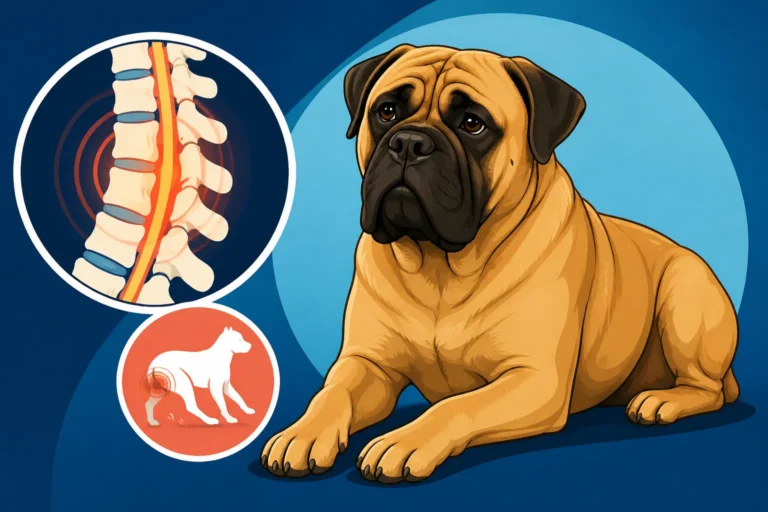
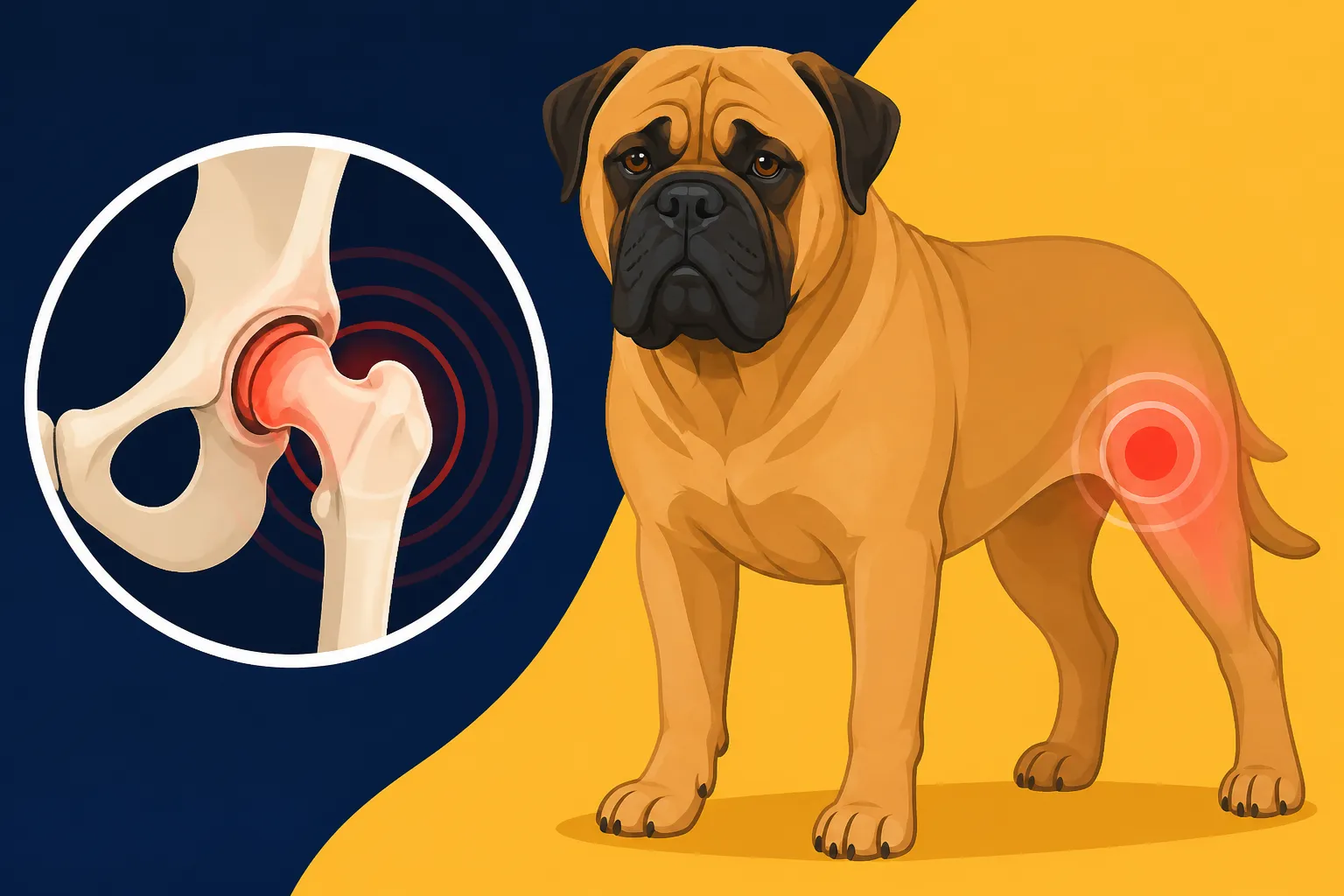
Hip dysplasia is a term that strikes fear into the hearts of large breed dog owners, and for good reason. It's a complex, often inherited condition where the hip joint doesn't form correctly, leading to a loose fit between the ball (femoral head) and socket (acetabulum) of the hip. This poor fit causes grinding and abnormal wear and tear over time, eventually leading to degenerative joint disease or osteoarthritis, which is painful and progressive. For a powerful, heavy dog like a Bullmastiff, the impact on their quality of life can be immense, making simple actions like standing, walking, or running incredibly difficult.
What Exactly Is Hip Dysplasia?
Imagine trying to fit a round peg into a square hole, or worse, a peg that's too small for a loose, oversized hole. That's essentially what happens with hip dysplasia. In a healthy hip, the head of the femur (the thigh bone) fits snugly into the acetabulum, the cup-shaped socket in the pelvis. Both surfaces are smooth, covered in cartilage, and lubricated by joint fluid, allowing for seamless, pain-free movement. With hip dysplasia, this perfect alignment is lost. The socket might be too shallow, the femoral head might be flattened, or the ligaments that hold them together might be too lax. This creates instability in the joint, and every movement causes the bones to rub against each other abnormally.
This constant friction and instability lead to inflammation and the body's attempt to stabilize the joint by laying down new bone, which ultimately results in the painful changes associated with osteoarthritis. It's a progressive disease, meaning it tends to worsen over time, and the degree of lameness and pain can vary widely depending on the severity of the malformation and the amount of secondary arthritis that develops. Early intervention and management are absolutely key to slowing its progression and keeping your Bullmastiff comfortable for as long as possible.
Why Bullmastiffs Are Particularly Susceptible
It's a tough truth that giant breeds, including our beloved Bullmastiffs, are disproportionately affected by hip dysplasia. Their rapid growth rate and sheer body mass put tremendous stress on developing joints. While all large and giant breeds have some predisposition, Bullmastiffs, with their massive bone structure and heavy musculature, face a significant challenge. The sheer force exerted on their hips daily means that even a minor architectural flaw in the joint can quickly become a major issue. Studies consistently show that breeds like Bullmastiffs have a higher incidence rate compared to smaller dogs or mixed breeds.
This breed-specific vulnerability is a critical factor for any potential or current Bullmastiff owner to understand. It means vigilance is paramount, from selecting a puppy to providing lifelong care. It’s not just about their size; it’s about their genetic makeup combined with the demands placed on their skeletal system. This is a topic closely related to How Common Hip Dysplasia Is in Bullmastiffs, where you can delve deeper into the statistics and breed prevalence.
The Role of Genetics and Environment
Hip dysplasia is considered a polygenic trait, meaning multiple genes contribute to its development, rather than a single "dysplasia gene." This makes breeding out the condition incredibly complex. If a Bullmastiff carries these predisposing genes, they are at a higher risk, but genetics aren't the sole dictator. Environmental factors play a huge, often underestimated, role in whether hip dysplasia manifests, and how severely. Rapid weight gain in puppies, excessive or inappropriate exercise during crucial growth periods, and even certain dietary imbalances can exacerbate genetic predispositions. For instance, feeding a giant breed puppy a diet formulated for smaller dogs or one with incorrect calcium-to-phosphorus ratios can negatively impact bone development.
This interplay between nature and nurture is why even dogs from parents with excellent hip scores can sometimes develop hip dysplasia, and conversely, why careful management can sometimes mitigate the severity in a genetically predisposed dog. It underscores the importance of a holistic approach: responsible breeding practices that screen parents, combined with careful management of the puppy's environment, nutrition, and exercise. For more information on this critical topic, consider reading Whether a Genetic Test for Bullmastiff Lymphoma Exists, which touches on the complexities of genetic conditions in Bullmastiffs, though for a different ailment.
Recognizing the Signs of Hip Dysplasia
Spotting hip dysplasia can be tricky because Bullmastiffs are stoic creatures. They are incredibly tolerant of pain and often mask discomfort until it's quite advanced. This makes early detection a challenge, but knowing what to look for can make all the difference. As a Bullmastiff parent, you become your dog's most important advocate, and noticing subtle changes in their gait or behavior is crucial.
Subtle Indicators in Puppies and Young Adults
In young Bullmastiffs, the signs of hip dysplasia might not be overt lameness. Instead, they can be subtle and easily dismissed as puppy clumsiness or a natural reluctance to exercise. One common indicator is a "bunny hop" gait, where the dog uses both hind legs simultaneously when running, almost like a rabbit. You might also notice a reluctance to go up or down stairs, or an unwillingness to jump into a car or onto furniture that they once managed easily. Your Bullmastiff might seem less enthusiastic about walks or playtime, tiring more quickly than their littermates or other dogs their age. They might shift their weight forward onto their front legs to alleviate pressure on their hips, leading to a more developed chest and shoulders compared to their hindquarters.
Sometimes, a young Bullmastiff might yelp or cry out when trying to stand up after resting, or show discomfort when you touch their hip area. Pay close attention if they seem stiff, especially after periods of rest or in the morning. These are all potential red flags that warrant a trip to your veterinarian. Remember, the sooner issues are identified, the more options you have for managing the condition and preserving their mobility.
Obvious Symptoms in Mature Bullmastiffs
As hip dysplasia progresses and secondary arthritis sets in, the symptoms become more pronounced and harder to ignore. In mature Bullmastiffs, you'll likely see more obvious lameness, often described as a sway or a limp in the hindquarters. They might have difficulty rising from a lying position, especially on slippery floors, and their hind legs may appear weak or wobbly. You might observe a noticeable loss of muscle mass in their hind legs, as they try to avoid using the painful joints. They might groan or grumble when changing positions, or when attempting to get comfortable.
A significant change in their overall demeanor can also be a sign. A dog in chronic pain might become less social, more irritable, or even show aggression if touched in a sensitive area. Their once enthusiastic tail wags might become less frequent, or their playful nature might diminish. They might start licking or chewing at their hips in an attempt to alleviate discomfort. This is often the point where owners realize something serious is wrong, but ideally, we want to catch it much earlier. For a deeper dive into recognizing pain, Signs a Bullmastiff's Hips Hurt provides more specific details to watch for.
When to Seek Veterinary Attention
If you notice any of the subtle or obvious signs mentioned above, it's time to schedule an appointment with your veterinarian. Don't wait for the symptoms to worsen dramatically. Early diagnosis allows for earlier intervention, which can significantly impact the long-term prognosis and your Bullmastiff's quality of life. Be prepared to describe exactly what you've observed: when the symptoms started, what makes them better or worse, and any changes in your dog's behavior or activity level.
Your vet will conduct a thorough physical examination, observing your Bullmastiff's gait and manipulating their hips to check for pain, range of motion, and joint laxity. They might suggest diagnostic imaging, most commonly X-rays, to confirm the diagnosis and assess the severity. It’s always better to be proactive than to let your beloved companion suffer in silence. This proactive approach is part of How Often a Bullmastiff Should Be Checked for Cancer, emphasizing the importance of regular health screenings for our Bullmastiffs.
Diagnosing Hip Dysplasia Accurately
Getting an accurate diagnosis for hip dysplasia is the first critical step toward managing the condition effectively. It's not always a straightforward process because, as we discussed, Bullmastiffs are masters at hiding pain. A comprehensive approach, combining a detailed history from you, a thorough physical examination by your veterinarian, and advanced imaging, is usually required.
The Physical Examination Process
When you bring your Bullmastiff to the vet with concerns about their hips, the appointment will begin with a thorough discussion about their history. Your vet will ask about their diet, exercise routine, and any specific behaviors you've noticed – like the "bunny hop," difficulty rising, or reluctance to jump. This is your chance to provide all those little details you've been observing.
Next, your vet will perform a comprehensive physical exam. They'll observe your Bullmastiff walking and trotting, looking for any abnormalities in their gait, posture, and muscle symmetry. Then comes the hands-on part: they'll palpate (feel) your dog's hips, feeling for crepitus (a grinding sensation), swelling, or pain. They'll also perform specific orthopedic maneuvers, such as the Ortolani sign or the Barden's test, which assess joint laxity. These tests involve gently manipulating the hip joint to feel for a "clunk" or instability, indicating a loose fit. While these tests can be suggestive, especially in younger dogs, they don't always provide a definitive diagnosis, particularly if significant arthritis has already developed.
The Crucial Role of X-rays and Imaging
X-rays are the gold standard for diagnosing hip dysplasia. They allow the veterinarian to visualize the bony structures of the hip joint and assess the degree of malformation and any secondary arthritic changes. To get clear and diagnostic images, your Bullmastiff will likely need to be sedated or anesthetized. This ensures they are perfectly still and relaxed, allowing for optimal positioning to capture the necessary views. Without proper positioning, the images can be misleading.
Standard views typically include a ventrodorsal extended hip view, where the dog lies on its back with legs extended straight back. Other views, like the PennHIP method, provide a more accurate and quantitative measure of hip laxity, even in young puppies. PennHIP involves taking three distinct radiographs and requires specific training and certification for the veterinarian. It's considered a more predictive tool for assessing a dog's genetic predisposition to hip dysplasia early in life. The results of these X-rays, often reviewed by a board-certified veterinary radiologist, will confirm the presence and severity of hip dysplasia. For a detailed look at the procedure, check out When a Bullmastiff Should Be X Rayed.
Grading and Severity of Hip Dysplasia
Once the X-rays are reviewed, your Bullmastiff's hips will typically be graded according to a standardized system, such as the Orthopedic Foundation for Animals (OFA) or PennHIP.
The OFA system evaluates hip conformation and assigns a grade from Excellent, Good, Fair (all considered "passing" for breeding purposes, meaning free of hip dysplasia), Borderline, to Mild, Moderate, or Severe dysplasia. These grades are determined by a panel of three independent radiologists and are typically performed when the dog is at least 24 months old, though preliminary readings can be done earlier.
PennHIP provides a Distraction Index (DI), which is a numerical value (0 to 1.0) quantifying hip laxity. A lower DI indicates tighter hips, while a higher DI indicates looser hips and a greater risk of developing osteoarthritis. PennHIP evaluations can be performed as early as 16 weeks of age, offering an earlier indicator of hip quality. Understanding these grading systems is crucial for both diagnosis and for breeders aiming to reduce the incidence of hip dysplasia in future generations.
| Grade/Index | Description | Implications |
|---|---|---|
| OFA: Excellent, Good, Fair | Tight, well-formed hip joints with minimal or no signs of laxity. | Minimal risk of developing hip dysplasia. Considered healthy for the lifetime of the dog, assuming no external trauma or excessive wear. |
| OFA: Borderline | Hips appear nearly normal but there's a slight question of conformation. | Re-evaluation recommended. May or may not develop dysplasia. Not clear for breeding by OFA standards. |
| OFA: Mild Dysplasia | Slight evidence of hip laxity and minor changes, often early signs of arthritis. | Increased risk of developing more severe arthritis over time. May show mild lameness. Not recommended for breeding. |
| OFA: Moderate Dysplasia | Significant laxity, shallow sockets, and noticeable degenerative changes. | Likely to experience pain, lameness, and reduced mobility. Arthritis is well-established. Not recommended for breeding. |
| OFA: Severe Dysplasia | Gross evidence of hip laxity, subluxation or dislocation, and extensive degenerative changes. | Severe pain, lameness, and significant impact on quality of life. Extensive arthritis present. Not recommended for breeding. |
| PennHIP: DI 0.0-0.3 | Very tight hips, minimal laxity. | Lowest risk of developing osteoarthritis. Excellent hip conformation. |
| PennHIP: DI 0.3-0.7 | Moderate laxity. | Increased risk of osteoarthritis, proportional to the DI. |
| PennHIP: DI 0.7-1.0 | Severe laxity. | Highest risk of developing severe osteoarthritis. Poor hip conformation. |
Managing Hip Dysplasia: Treatment Options
Receiving a diagnosis of hip dysplasia can feel overwhelming, but the good news is there are many ways to manage the condition and significantly improve your Bullmastiff's comfort and mobility. The best treatment plan will depend on the severity of the dysplasia, the dog's age, overall health, and your family's circumstances. Often, a multi-modal approach combining several strategies yields the best results.
Conservative Management for Mild Cases
For many Bullmastiffs with mild to moderate hip dysplasia, or for those where surgery isn't an option, conservative management is the first line of defense. This approach focuses on minimizing pain, reducing inflammation, and preserving joint function without invasive procedures. Key components include:
- Weight Management: This is arguably the most crucial factor. Every extra pound puts immense pressure on compromised joints. Keeping your Bullmastiff lean is the single best thing you can do. Your vet can help you determine an ideal body condition score and a tailored diet plan. For more on this, check out Keeping a Bullmastiff Lean Is the Best Thing You Can Do.
- Controlled Exercise: While strenuous activities like long runs or intense jumping should be avoided, moderate, consistent exercise is vital for maintaining muscle mass and joint health. Leash walks, controlled swimming, and gentle play are excellent options. The goal is to strengthen the muscles surrounding the hip joint, providing natural support, without overstressing the joint itself.
- Joint Supplements: Products containing glucosamine, chondroitin sulfate, MSM, and omega-3 fatty acids can help support cartilage health, reduce inflammation, and improve joint lubrication. Brands like Nutramax's Dasuquin or Cosequin are often recommended by vets. These supplements aren't a cure, but they can significantly help slow progression and reduce discomfort. You can learn more about costs in What Joint Supplements Cost for a Bullmastiff.
- Pain Relief and Anti-inflammatory Medications: Non-steroidal anti-inflammatory drugs (NSAIDs) like carprofen (Rimadyl), meloxicam (Metacam), or firocoxib (Previcox) are commonly prescribed to manage pain and inflammation. Your vet will monitor your dog for any side effects, especially with long-term use. Other pain medications, such as gabapentin or tramadol, might be added for more severe pain.
- Physical Rehabilitation: A certified canine rehabilitation therapist can develop a customized exercise program, including therapeutic exercises, underwater treadmill therapy, laser therapy, and massage, to improve strength, flexibility, and overall mobility. This can be incredibly effective in managing pain and improving quality of life.
Surgical Interventions for Severe Dysplasia
When conservative measures are no longer sufficient, or in cases of severe hip dysplasia, surgical options may be considered. These procedures aim to either alleviate pain or reconstruct the hip joint for better function.
- Femoral Head Ostectomy (FHO): This surgery involves removing the head and neck of the femur. The body then forms a "false joint" with scar tissue, eliminating bone-on-bone friction. FHO is typically reserved for smaller dogs, but can be an option for larger dogs like Bullmastiffs if cost is a major factor or if they are not candidates for a total hip replacement. Recovery involves intensive physical therapy to build muscle mass, which helps support the new joint.
- Triple Pelvic Osteotomy (TPO) / Double Pelvic Osteotomy (DPO): These procedures are usually performed in younger dogs (typically under 10-12 months) before significant arthritic changes have occurred. They involve cutting the pelvis in three (TPO) or two (DPO) places, rotating the acetabulum to better cup the femoral head, and then stabilizing it with plates and screws. This effectively improves the joint congruity, reducing laxity and preventing future arthritis.
- Total Hip Replacement (THR): This is the most effective surgical treatment for severe, debilitating hip dysplasia, offering the best chance for a pain-free, fully functional hip. It involves replacing both the femoral head and the acetabulum with prosthetic implants made of metal and plastic. While expensive and requiring a specialized veterinary surgeon, the success rates are very high, and it can dramatically improve a Bullmastiff's quality of life. The cost of such a procedure can be significant, so understanding What Hip Surgery Costs on a Bullmastiff is important for financial planning. Pet insurance providers like Healthy Paws often provide coverage for these types of procedures, which can be a huge relief for owners.
Palliative Care and Long-Term Support
Regardless of the chosen management strategy, long-term support and palliative care are crucial for Bullmastiffs with hip dysplasia. This means ongoing communication with your veterinarian, regular check-ups to monitor progression, and adjusting pain management as needed.
- Comfort and Mobility Aids: Investing in orthopedic beds can make a huge difference, providing cushioned support for their joints. Non-slip rugs on hard floors can prevent slips and falls, making it easier for them to navigate the home. Ramps or steps can help them get into cars or onto furniture without straining their hips. For aging Bullmastiffs, a lifting harness can assist them in standing or climbing stairs. Consider What an Orthopedic Bed for a Bullmastiff Costs to plan for this essential comfort.
- Nutritional Support: Beyond weight management, specific diets rich in anti-inflammatory ingredients, antioxidants, and joint-supporting nutrients can be beneficial. Your vet might recommend prescription diets formulated for joint health.
- Regular Monitoring: Be diligent about watching for any changes in your Bullmastiff's comfort level, activity, or appetite. Dogs are stoic, and sometimes a slight reluctance to walk or a slower pace can indicate increased pain. Regular vet visits allow for adjustments to medication and evaluation of the overall treatment plan. Caring for an Aging Bullmastiff outlines many considerations that become especially relevant when managing chronic conditions like hip dysplasia.
- Emotional Support for Owners: Living with a dog with a chronic condition can be emotionally taxing. It's important to acknowledge your feelings and seek support if needed. Connecting with other Bullmastiff owners facing similar challenges can be incredibly helpful.
Prevention Strategies for Bullmastiff Hips
While genetics play a significant role, there are many proactive steps owners can take to minimize the risk and severity of hip dysplasia in their Bullmastiff. Prevention starts long before you bring a puppy home and continues throughout their entire life.
Choosing a Responsible Breeder
This is perhaps the single most important preventative measure. A responsible Bullmastiff breeder will prioritize health and temperament above all else. They will not breed dogs with known hip dysplasia or those from lines with a high incidence of the condition.
- Health Clearances: Insist on seeing official health clearances for both parents of the puppy, not just a vet check. For hips, this means OFA (Orthopedic Foundation for Animals) certifications with a grade of Fair, Good, or Excellent, or PennHIP evaluations with a low Distraction Index. These certifications prove that the parents' hips have been screened and deemed healthy. Don't accept excuses or vague assurances. A reputable breeder will be transparent and proud to show you these documents. Which Health Tests a Bullmastiff Breeder Should Run offers a comprehensive list of what to look for.
- Pedigree Research: Ask about the hip health of previous generations in the pedigree. While not foolproof due to the polygenic nature of the disease, a history of good hips in a line improves the odds.
- Transparency: A good breeder will be open about potential health concerns in the breed and in their lines. They will educate you about the risks and discuss how they strive to minimize them. They should also provide a health guarantee for your puppy, though it's important to understand What a Bullmastiff Health Guarantee Actually Covers.
Nutrition and Controlled Growth for Puppies
The growth period for a Bullmastiff puppy is critical. Their bones and joints are rapidly developing, and how they are nourished and exercised during this time can profoundly influence their future hip health.
- Large Breed Puppy Food: Feed a high-quality, large breed specific puppy food. These diets are formulated to promote slower, more controlled growth, with appropriate calcium and phosphorus levels. Rapid growth, often fueled by standard puppy foods or diets too high in calories and calcium, has been linked to an increased risk of orthopedic issues like hip dysplasia.
- Avoid Overfeeding: Keep your puppy lean! Free-feeding should be avoided. Instead, feed measured meals according to the food manufacturer's guidelines, adjusting as needed to maintain a healthy body condition. You should be able to easily feel, but not see, your puppy's ribs. Why a Bullmastiff Puppy Should Be Kept Lean elaborates on the importance of maintaining an ideal weight during this vulnerable period.
- Appropriate Supplements: Do not supplement with extra calcium, phosphorus, or vitamins unless specifically instructed by your veterinarian. Excess supplementation can disrupt the delicate balance needed for healthy bone development and paradoxically increase the risk of orthopedic problems.
Exercise and Weight Management
Exercise is essential for a Bullmastiff puppy's development, but it must be appropriate for their age and growing joints. Over-exercising a puppy can cause irreversible damage.
- Controlled Exercise: Avoid forced, high-impact exercise like long runs, jumping activities, or extensive stair climbing, especially during the first 12-18 months. Instead, focus on short, frequent, controlled leash walks and gentle play on soft surfaces. Allow your puppy to play at their own pace, stopping when they seem tired.
Why a Bullmastiff Puppy Should Not Climb Stairsexplains the impact of such activities on developing joints. - Maintain a Lean Body Condition: As your Bullmastiff grows into adulthood, continue to monitor their weight vigilantly. An overweight Bullmastiff puts excessive strain on all their joints, including their hips, exacerbating any existing dysplasia or increasing the risk of developing it. Regular walks and a balanced diet are key to maintaining a healthy weight throughout their life. Your vet can provide guidance on ideal weight ranges and diet adjustments for your adult Bullmastiff.
Living with a Bullmastiff with Hip Dysplasia
A diagnosis of hip dysplasia is not the end of the world for your Bullmastiff. With thoughtful management and a little adaptation, many dogs can live full, happy lives. It requires commitment, patience, and often, a shift in how you approach their daily care and activities.
Adapting Your Home Environment
Making small changes around your home can significantly improve your Bullmastiff's comfort and safety, especially if they're struggling with mobility.
- Non-Slip Surfaces: Hardwood, tile, or laminate floors can be like ice rinks for a dog with hip pain. Place non-slip rugs or runners in high-traffic areas, especially where your Bullmastiff sleeps, eats, and enters/exits the home. This provides traction and prevents painful slips and falls when they're trying to stand or move around.
- Orthopedic Bedding: A high-quality orthopedic bed is not a luxury; it's a necessity. These beds provide superior support and cushioning for achy joints, relieving pressure points and making rest more comfortable. Look for beds with dense, supportive foam that won't flatten out under your Bullmastiff's weight. Elevated dog bowls can also make eating and drinking more comfortable by reducing strain on their neck and hips.
- Ramps and Steps: If your Bullmastiff loves to ride in the car or sleep on your bed, consider investing in ramps or steps to help them get up and down without jumping. Jumping puts tremendous stress on their hips and should be avoided. This also goes for Why a Bullmastiff Puppy Should Not Run on Concrete – impact on hard surfaces is a major concern.
- Accessibility: Arrange furniture to create clear, unobstructed pathways, minimizing the need for tight turns or navigating obstacles. If your dog struggles with stairs, consider setting up a comfortable living space on a single level.
Ongoing Care and Monitoring
Managing hip dysplasia is a marathon, not a sprint. It requires ongoing vigilance and a willingness to adjust as your Bullmastiff's needs change.
- Regular Veterinary Check-ups: Schedule routine visits with your veterinarian, even if your Bullmastiff seems to be doing well. These check-ups allow your vet to monitor the progression of the disease, assess the effectiveness of current medications or supplements, and make any necessary adjustments to their care plan. This is also a good time to discuss Whether a Bullmastiff Needs Bloodwork Yearly to monitor for side effects of long-term medications.
- Medication and Supplement Adherence: Be diligent about administering all prescribed medications and recommended supplements exactly as directed. Consistency is key to managing pain and inflammation effectively. Never adjust dosages or stop medications without consulting your vet.
- Observe and Adapt: You know your Bullmastiff best. Pay close attention to subtle signs of increased pain or discomfort, such as changes in gait, appetite, sleep patterns, or temperament. If you notice any regression, don't hesitate to contact your vet. Your Bullmastiff's comfort is paramount, and adapting their routine, exercise, or medication as needed will ensure they remain as comfortable as possible. Pet insurance plans like those offered by Healthy Paws can often help cover the recurring costs of medication, supplements, and physical therapy sessions, providing peace of mind.
The Emotional Toll on Owners
It's natural to feel a rollercoaster of emotions when caring for a Bullmastiff with hip dysplasia. You might feel guilt, sadness, frustration, or even anger at the unfairness of it all. Seeing your once robust companion struggle can be heartbreaking, and the financial burden of managing a chronic condition can add significant stress.
It's important to remember that you are doing everything you can for your dog. Validate your own feelings. Seek support from your vet, who can offer practical advice and reassurance. Connect with other Bullmastiff owners or online communities who understand what you're going through. Share your experiences, ask questions, and learn from others. Remember to also take care of yourself; a happy, well-supported owner is better equipped to care for their beloved Bullmastiff.
Disclaimer
The information provided in this guide is for general educational purposes only and should not be considered a substitute for professional veterinary advice. Always consult with a qualified veterinarian for any health concerns or before making any decisions related to your Bullmastiff's health and treatment plan.