How Often a Bullmastiff Should Be Checked for Cancer
The worry that accompanies owning a Bullmastiff is often tied to their magnificent size and stoic demeanor, but beneath that calm exterior lies a breed notoriously susceptible to cancer. It’s a heartbreaking reality that many dedicated Bullmastiff owners face, and the question of how often to check for this pervasive disease weighs heavily on our minds. This guide aims to ease some of that anxiety by detailing a proactive approach to cancer screening, helping you establish a vigilant routine for your beloved companion.
Why Bullmastiffs Face a Higher Cancer Risk
It’s a tough pill to swallow, but Bullmastiffs, like many large and giant breeds, are disproportionately affected by certain types of cancer. This isn't just bad luck; it's a deeply ingrained part of their genetic makeup and breed history. Understanding this predisposition isn't about fostering fear, but rather empowering us as owners to be extra diligent.
The Genetic Component and Breed History
When you look at the majestic Bullmastiff, you're looking at a dog bred for a very specific, demanding job. Their lineage, a blend of the tenacious Bulldog and the formidable Mastiff, contributed to their strength and guarding instincts, but unfortunately, also brought along certain genetic susceptibilities. Over generations, specific genetic markers that increase cancer risk have become more prevalent within the breed. It's a sad byproduct of selective breeding, even when breeders are striving for ideal conformation and temperament. This inherent vulnerability means that while cancer can strike any dog, for Bullmastiffs, it's a much more common concern. In fact, studies suggest that Why a Bullmastiff's Lymphoma Risk Is Five Times a Mixed Breed's compared to many other breeds, highlighting the urgent need for heightened awareness.
It's not just one specific gene, but often a complex interplay of inherited traits that can influence a Bullmastiff's susceptibility. This genetic lottery means that even dogs from seemingly healthy lines can develop cancer, although responsible breeders who track health in their pedigrees can help mitigate some risk. This genetic burden means that every lump, every subtle change, warrants attention, because the odds are simply not in their favor when it comes to dodging cancer entirely.
Common Cancer Types in Bullmastiffs
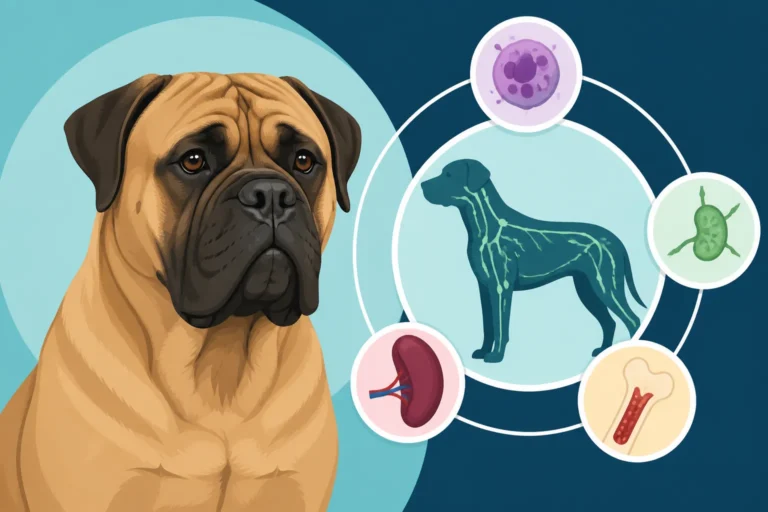
While many cancers can affect Bullmastiffs, a few stand out as particularly prevalent and aggressive within the breed. Lymphoma, for instance, is tragically common. This cancer of the lymphatic system can manifest in various ways, often appearing as swollen lymph nodes. Learning What Lymphoma Does to a Bullmastiff can help you recognize its signs early.
Another significant concern is mast cell tumors. These sneaky tumors can appear anywhere on or under the skin, or even internally, and can range from benign to highly aggressive. It's why we, as Bullmastiff parents, become experts in checking for every little bump and bruise. We even have a detailed guide on Mast Cell Tumors and the Lumps on a Bullmastiff to help you understand them better. Beyond these, osteosarcoma (bone cancer) and hemangiosarcoma (a cancer of the blood vessel lining, often found in the spleen or heart) are also known to strike Bullmastiffs, sometimes with little warning. The median Bullmastiff lives about The Median Bullmastiff Lives Eight and a Half Years, and unfortunately, cancer often plays a significant role in shortening that already limited lifespan.
Establishing a Regular Cancer Screening Schedule
Given their predisposition, a proactive and consistent screening schedule is not just helpful, it's absolutely vital for Bullmastiffs. This isn't about being overly paranoid, but about being an informed and responsible owner. Combining your daily observations with regular veterinary check-ups creates the strongest defense.
Vigilant Home Examinations
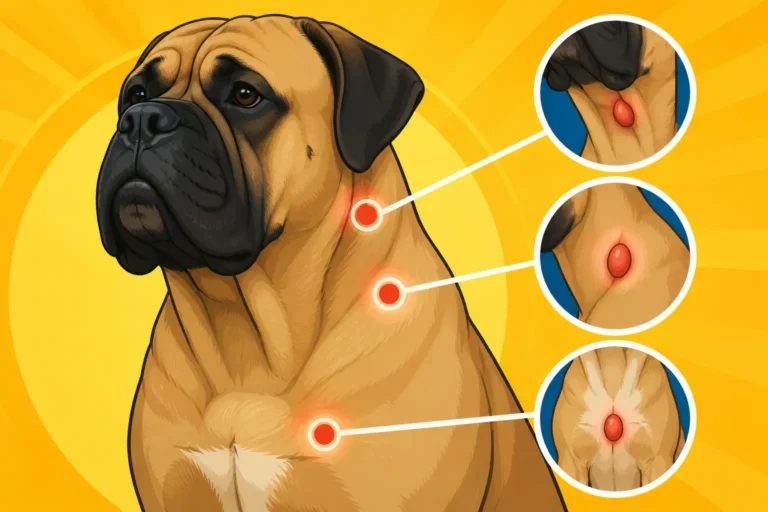
You are your Bullmastiff's first line of defense. Daily, or at the very least weekly, home checks are indispensable. This involves a full-body "pat down," where you systematically feel over every inch of your dog's body. Pay close attention to areas where lymph nodes are easily felt: under the jaw, in front of the shoulders, and behind the knees. Feel for any new lumps, bumps, or swellings. These might be as small as a pea or grow rapidly. Don't forget to check their paws, between their toes, their ears, and inside their mouth – mast cell tumors can appear in unusual spots.
Beyond physical palpation, observe your Bullmastiff's behavior. Are they eating normally? Is their energy level consistent? Any unexplained weight loss or gain? Are they showing any new lameness or difficulty rising? These subtle changes can sometimes be the earliest indicators of an internal issue, even before a lump is felt. For a more detailed walkthrough, consider reading How to Check a Bullmastiff for Lumps. Getting into this routine early on, even when they're a puppy, makes it less stressful for your dog as they grow, turning it into a normal, bonding activity rather than a scary inspection.
Partnering with Your Veterinarian for Routine Screenings
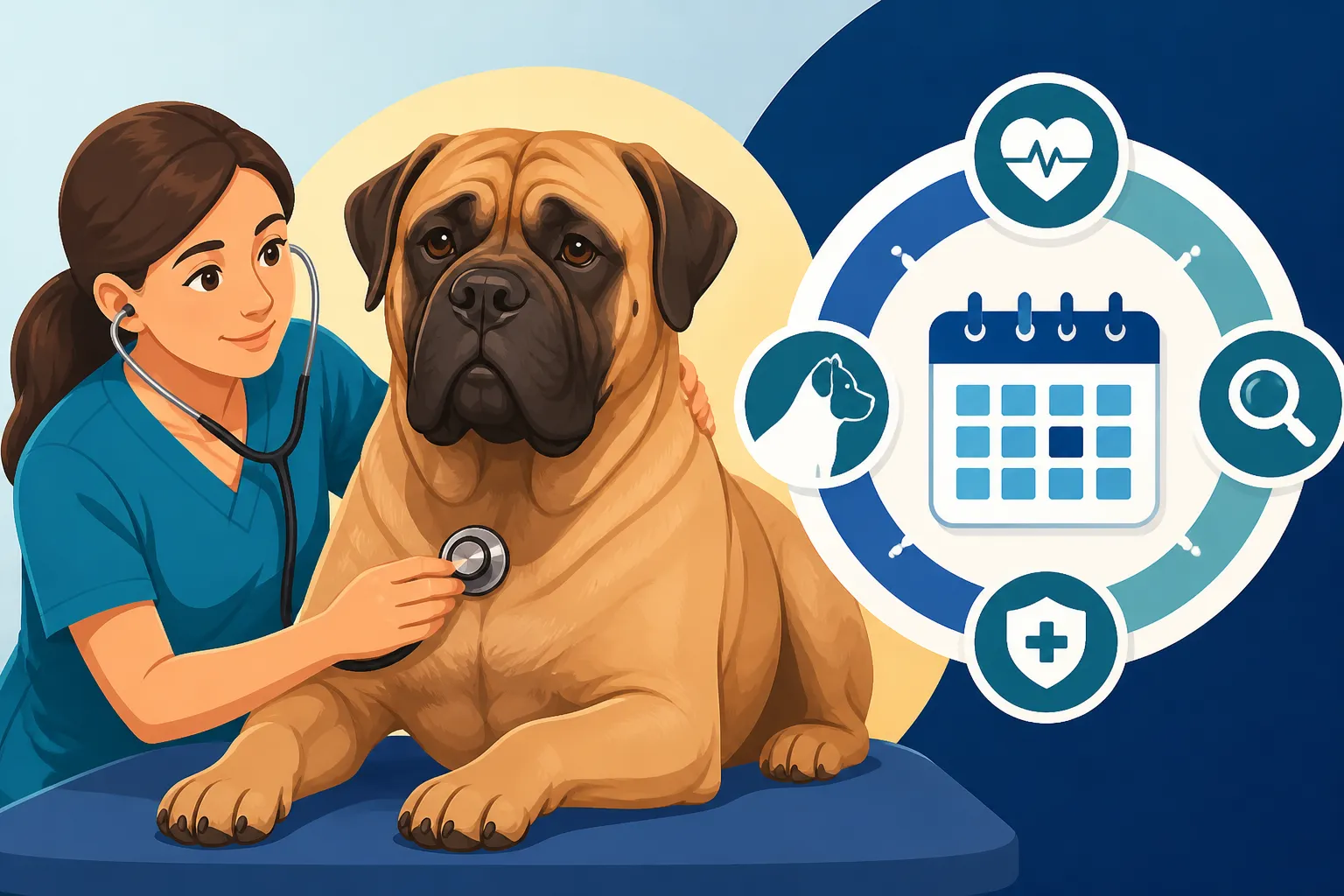
While your home checks are crucial, nothing replaces the expertise of a veterinarian. For Bullmastiffs, annual wellness exams are a baseline, but as they reach middle age (around 4-5 years) and certainly once they are considered senior (around The Age a Bullmastiff Is Considered Senior which is often as young as 6-7), bi-annual (twice a year) veterinary visits become highly recommended. During these visits, your vet will perform a thorough physical exam, palpating lymph nodes, checking internal organs, and assessing overall body condition.
These routine visits are also excellent opportunities for your vet to recommend age-appropriate bloodwork, urinalysis, and potentially even routine radiographs or ultrasounds, especially for senior Bullmastiffs. These diagnostics can often detect changes in organ function or the presence of internal masses that you wouldn't be able to feel or see at home. Discussing a comprehensive wellness plan with your vet is key. Be prepared for the costs associated with these advanced diagnostics and potential treatments; having a robust pet insurance plan like Healthy Paws can provide immense peace of mind, knowing that you're covered if a serious diagnosis is made. It allows you to focus on your Bullmastiff's health, not just the bill. You can learn more about general check-ups in How Often a Bullmastiff Needs a Wellness Exam.
Age-Specific Screening Considerations
The intensity and focus of cancer screening will naturally evolve as your Bullmastiff ages.
- Puppyhood (Up to 1 year): While cancer is less common in puppies, it's not impossible. Focus on establishing good habits for home checks, getting them comfortable with being handled, and ensuring they have their initial health screenings. Your vet will focus on growth, development, and ensuring no congenital issues.
- Adulthood (1-6 years): Continue your diligent home checks. Annual veterinary wellness visits are standard, where your vet will perform a thorough physical exam, focusing on any new lumps or bumps. This is a good time to discuss any subtle behavioral or physical changes you've noticed. Bloodwork might be recommended every year or two, depending on your vet's assessment and your Bullmastiff's overall health.
- Senior Years (6+ years): This is when vigilance must significantly increase. As Bullmastiffs move into their senior years, their risk of developing cancer, along with other age-related conditions, skyrockets. Bi-annual (every six months) veterinary check-ups are highly recommended. These visits should include comprehensive physicals, blood panels (CBC, chemistry, thyroid), urinalysis, and potentially baseline chest X-rays or abdominal ultrasounds to catch internal issues early. Regularly discuss with your vet the need for a specific cancer screening protocol tailored to your dog. Caring for a Bullmastiff Past Six involves a much more proactive approach to health.
Here's a quick reference table for a Bullmastiff cancer screening schedule:
| Age Group | Home Checks | Veterinary Exams | Recommended Diagnostics |
|---|---|---|---|
| Puppy (0-1 yr) | Daily gentle pat-downs | As per vaccination schedule, then annually | Basic physical, fecal exam |
| Adult (1-5 yrs) | Weekly full-body palpation | Annually | Comprehensive physical, yearly bloodwork (optional but recommended) |
| Senior (6+ yrs) | Daily full-body palpation, behavioral observation | Every 6 months | Comprehensive physical, blood panel, urinalysis, chest X-rays, abdominal ultrasound (as recommended) |
Early Detection: What to Look For and What It Means
Knowing what to look for can truly make a difference in your Bullmastiff's prognosis. Early detection means more treatment options and often, a better quality of life for longer.
Recognizing Subtle Signs of Illness
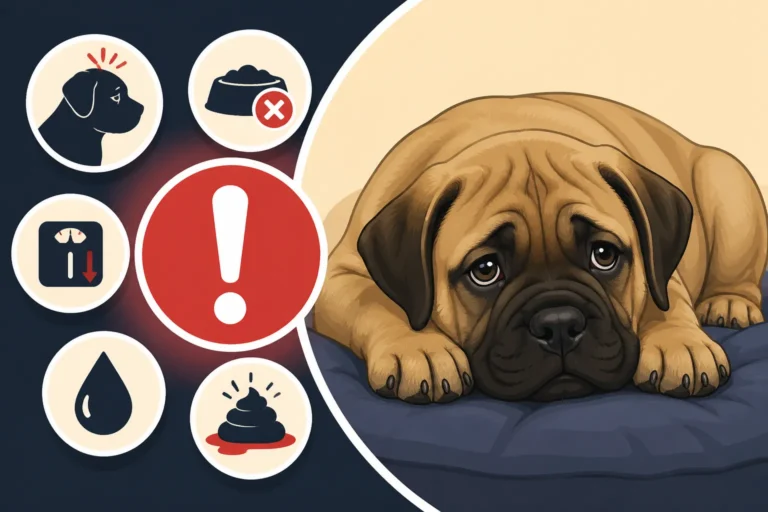
Bullmastiffs are notoriously stoic, and sometimes their large size can make it harder to spot subtle changes. They won't always cry out in pain. Beyond palpable lumps, keep an eye out for:
- Changes in appetite or thirst: Eating less, refusing favorite foods, or drinking significantly more or less can be a red flag.
- Unexplained weight loss: Even if their appetite seems normal, a sudden drop in weight warrants investigation. Conversely, sudden weight gain could indicate issues, especially if they are usually Keeping a Bullmastiff Lean Is the Best Thing You Can Do.
- Lethargy or decreased activity: While Bullmastiffs love to lounge, a marked decrease in their usual energy, reluctance to play, or excessive sleeping can be a sign something's wrong.
- Difficulty breathing or coughing: Persistent coughing, heavy panting, or labored breathing can indicate lung issues, including metastatic cancer.
- Vomiting or diarrhea: Chronic or recurrent gastrointestinal upset should always be investigated.
- Changes in urination or defecation: Straining, increased frequency, or blood in urine/stool are serious signs.
- Any new lameness or swelling: Especially if it's localized and doesn't resolve. Bone cancer can first present as lameness.
- Bleeding from any orifice: Nosebleeds, blood in vomit, or other unexplained bleeding needs immediate veterinary attention.
If you observe any of these signs, don't wait. Schedule a vet visit immediately. For specific details on lymphoma signs, you can refer to Signs a Bullmastiff Has Lymphoma.
The Diagnostic Process
Once you or your vet find a suspicious lump or notice worrying symptoms, the diagnostic process begins. This often starts with a fine needle aspirate (FNA), where cells are collected from a lump with a small needle and examined under a microscope. While often minimally invasive, an FNA doesn't always provide a definitive diagnosis, especially for certain types of cancer like mast cell tumors. You can learn more about What a Needle Aspirate Shows in a Bullmastiff.
If the FNA is inconclusive or suggests something serious, a surgical biopsy may be necessary. This involves removing a larger piece of tissue or the entire lump for histopathological examination. For internal cancers, ultrasounds, X-rays, and even more advanced imaging like CT scans or MRIs might be performed to determine the extent of the disease (staging). This process can be emotionally and financially draining. This is another area where financial preparation, whether through an emergency fund or a comprehensive insurance policy like Healthy Paws, becomes invaluable. It ensures you can pursue the necessary diagnostics without delaying treatment due to cost concerns, ultimately giving your Bullmastiff the best chance.
Proactive Health Management Beyond Screening
While regular screening is critical, integrating general proactive health measures into your Bullmastiff's daily life can further support their well-being and potentially reduce cancer risk. It's about creating an environment that fosters health from the inside out.
The Impact of Diet and Weight
Maintaining a healthy weight is paramount for Bullmastiffs, not just for joint health but also for cancer prevention. Obesity is a known inflammatory state that can contribute to many health issues, including certain cancers. Your Bullmastiff should be lean enough that you can easily feel their ribs without seeing them protruding, and they should have a discernible waist when viewed from above. Overweight dogs carry extra fat cells that produce hormones and inflammatory compounds, which can fuel cancer growth.
Feeding a high-quality, balanced diet appropriate for large breeds is essential. Discuss with your veterinarian about specific nutritional needs and any supplements that might be beneficial, such as omega-3 fatty acids, which have anti-inflammatory properties. Avoid overfeeding and limit high-calorie treats. Portion control and regular, appropriate exercise are key to managing their weight effectively. Ensuring your Bullmastiff stays lean can add years of comfortable life, as detailed in our guide on Keeping a Bullmastiff Lean Is the Best Thing You Can Do.
Environmental and Lifestyle Considerations
Beyond diet, considering your Bullmastiff's environment and daily routine can play a role in their overall health and potentially their cancer risk. Minimize exposure to environmental toxins such as pesticides, herbicides, and household chemicals. If you treat your lawn, ensure your Bullmastiff doesn't have access to it until it's completely dry and safe. Choose pet-safe cleaning products for your home.
Ensure they get consistent, moderate exercise. While Bullmastiffs aren't marathon runners, regular walks and playtime help maintain a healthy weight, muscle tone, and boost their immune system. However, be mindful of over-exercising, especially in hot weather, as Bullmastiffs can overheat easily. Mental stimulation through training and puzzle toys is also important for their overall well-being. A happy, well-adjusted dog in a healthy environment is often a healthier dog, reducing stress which can impact immune function. Remember, every little bit you do to support their health adds up, potentially extending their precious time with you.
Disclaimer
This guide provides general information about cancer screening in Bullmastiffs and is not a substitute for professional veterinary advice. Always consult with a qualified veterinarian regarding your individual Bullmastiff's health and any specific concerns. Treatment decisions and health plans should be made in conjunction with your veterinary care team.