How Often a Bullmastiff Needs a Wellness Exam
It’s a tough truth that loving a Bullmastiff means facing their unique health challenges head-on. Many owners worry constantly about the quiet giants in their lives, knowing full well that these magnificent dogs can be prone to certain health issues that might sneak up without warning. This guide is here to walk you through the essential rhythm of veterinary wellness exams for your Bullmastiff, from their bouncing puppy days right into their dignified senior years, ensuring you’re giving them the best chance at a healthy, happy life.
The Lifelong Importance of Regular Bullmastiff Wellness Exams
Bringing a Bullmastiff into your home is a commitment to a truly special dog, but it also means being prepared for their specific health landscape. These aren't just any big dogs; they come with their own set of predispositions that make consistent veterinary care not just a good idea, but an absolute necessity.
Why Breed-Specific Concerns Demand Vigilance
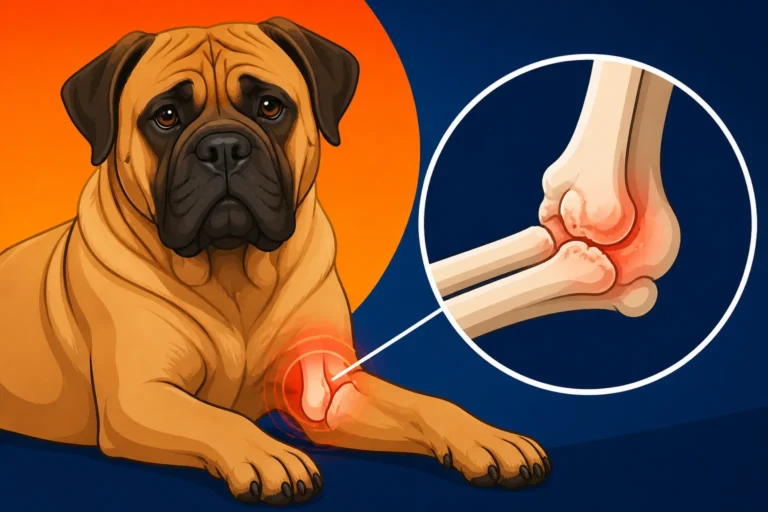
Bullmastiffs, for all their stoic charm, carry a higher risk for certain health conditions compared to many other breeds. We're talking about things like various cancers, particularly Lymphoma Kills More Bullmastiffs Than Anything Else and Mast Cell Tumors and the Lumps on a Bullmastiff, which can often be insidious in their early stages. Then there are orthopedic concerns like Hips and Elbows Under a Hundred and Thirty Pound Bullmastiff and even cardiac issues such as Subaortic Stenosis Is There Before a Bullmastiff's First Birthday, which can develop silently.
The problem is, these issues don't always announce themselves with obvious symptoms until they're quite advanced. A Bullmastiff, being the stoic creature they are, might even hide their discomfort. That’s why having a veterinarian regularly check them over, even when they seem perfectly fine, is absolutely crucial. Think of it like taking your car in for routine maintenance; you don't wait for the check engine light to come on before you change the oil or rotate the tires. You want to catch a small issue, like a subtle heart murmur or a developing joint stiffness, before it becomes a much larger, more painful, and more expensive problem. Early detection can lead to better treatment outcomes, improve quality of life, and often, help manage long-term costs, especially if you have a robust pet insurance plan like those offered by Healthy Paws.
More Than Just Shots: What a Wellness Exam Covers
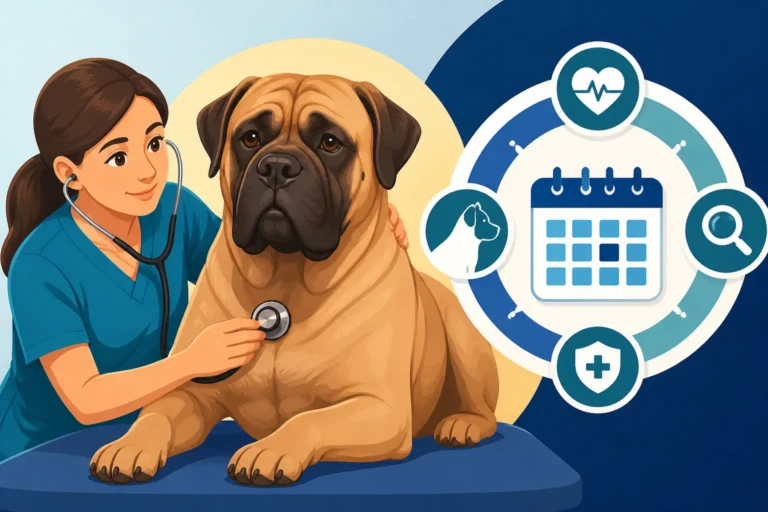
A wellness exam for your Bullmastiff is so much more than just a quick poke and a jab for vaccinations. It's a comprehensive, nose-to-tail assessment designed to give a complete picture of your dog's health. Your vet will conduct a thorough physical examination, feeling for any unusual lumps or bumps under their dense coat, checking for tenderness in their joints, and carefully listening to their heart and lungs. They’ll take a good look at your Bullmastiff’s eyes, ears, and teeth, assess their skin and coat quality, and even check their paws and nails.
Beyond the physical checks, these appointments are a vital opportunity for you to communicate any changes you’ve noticed in your Bullmastiff's behavior, appetite, energy levels, or bathroom habits. Maybe they've started to pant more on walks, or they're taking a little longer to get up in the mornings. No detail is too small. Your vet will also discuss preventative care, like parasite control, diet, and exercise tailored to your Bullmastiff’s age and lifestyle. It’s your dedicated time to ask all those little questions that might keep you wondering, giving you peace of mind and ensuring your majestic companion is thriving.
Puppy to Adolescent: Building a Foundation of Health
The early years of a Bullmastiff's life are a period of incredible growth and development, demanding a more frequent schedule of veterinary visits to set them up for a healthy future.
The Frequent Visits of a Bullmastiff Puppy
When you first bring home that adorable, wrinkled Bullmastiff puppy, prepare for a series of regular vet visits. Typically, a Bullmastiff puppy will need to see the veterinarian every three to four weeks until they are about 16 weeks old. These frequent visits are essential for their initial rounds of vaccinations, ensuring they are protected against common canine diseases. Your vet will meticulously follow The Vaccination Schedule a Bullmastiff Puppy Needs, ensuring your little giant builds a strong immune system. They’ll also receive regular deworming treatments, crucial for puppies who are often exposed to parasites.
Beyond preventative medications, these puppy check-ups are critical for monitoring their rapid growth. Bullmastiff puppies grow at an astonishing rate, but it's important that this growth is steady and not too fast, as overly rapid growth can put undue stress on developing joints. Your vet will keep a close eye on their weight and body condition, guiding you on proper nutrition and how to approach Feeding a Bullmastiff Puppy So It Grows Slowly. They'll also perform crucial early health screenings, such as listening for heart murmurs, which could indicate conditions like subaortic stenosis, or checking for any early signs of orthopedic issues. This is also a perfect time to discuss puppy socialization, house-training, and initial behavioral questions you might have as you navigate life with your new, rapidly expanding companion. Learning Weighing a Bullmastiff Puppy Every Week can also give you insights at home between visits.
Adolescence: Addressing Emerging Concerns
As your Bullmastiff puppy transitions into adolescence, typically between six months and one year of age, their veterinary needs evolve. While the intense schedule of puppy shots lessens, this period still warrants careful attention. Around this time, many owners schedule a visit to discuss or perform spaying or neutering. This is not just a surgical procedure; it's a significant health decision, and your vet can explain the best timing and potential health implications for your specific Bullmastiff, considering factors like growth plate closure and breed-specific cancer risks.
Adolescence is also a phase where behavioral quirks can emerge, or existing ones might intensify. Your vet can be a valuable resource, offering advice on training, socialization, and managing typical Bullmastiff teenage antics. Furthermore, continuing to monitor their orthopedic health remains vital. Even if a breeder has performed Which Health Tests a Bullmastiff Breeder Should Run on the parents, issues like hip or elbow dysplasia can still manifest during this rapid growth stage. Your vet will assess their gait and movement, and discuss appropriate exercise levels to support healthy joint development without overstressing them. This ongoing vigilance ensures that as your Bullmastiff matures into an impressive adult, they do so on a strong and healthy foundation.
Adulthood and Seniority: Tailoring the Schedule to Age
As your Bullmastiff moves through different life stages, their veterinary schedule needs to adapt to address their changing health requirements. What works for a young adult won't necessarily be enough for a seasoned senior.
The Adult Bullmastiff: Annual Check-ups are a Must
For most healthy adult Bullmastiffs, generally considered to be between one and six years of age, an annual wellness exam becomes the cornerstone of their preventative care. This yearly check-up is far from a formality; it’s an essential part of maintaining their health and catching any subtle changes that could indicate a brewing problem. During this visit, your vet will perform a comprehensive physical examination, assess their body condition score, and discuss their diet and exercise regimen. Maintaining an ideal weight is absolutely paramount for Bullmastiffs, as excess weight puts immense strain on their joints, exacerbates conditions like Hip Dysplasia in a Bullmastiff, and can shorten their already limited The Median Bullmastiff Lives Eight and a Half Years. Your vet is your best ally in ensuring Keeping a Bullmastiff Lean Is the Best Thing You Can Do by guiding you on appropriate caloric intake and activity levels.
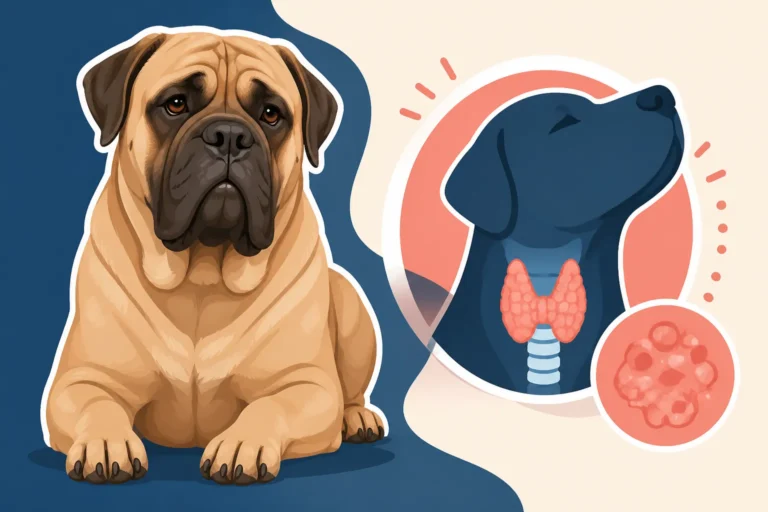
Annual wellness bloodwork is highly recommended for adult Bullmastiffs, even if they appear perfectly healthy. This often includes a complete blood count (CBC) and a chemistry panel, which can reveal underlying issues like organ dysfunction, early signs of certain cancers, or metabolic conditions such as Hypothyroidism in a Bullmastiff, which is common in larger breeds. This proactive approach allows for early intervention, often before clinical signs become apparent. Discussions about dental health are also critical; many owners don't realize that periodontal disease can lead to other serious health problems. Your vet can advise on at-home dental care and recommend professional cleanings as needed, guiding you on How Often a Bullmastiff's Teeth Need Cleaning. For those unforeseen medical curveballs that can still strike a healthy adult, having pet insurance from providers like Healthy Paws can be an invaluable safety net, covering a significant portion of diagnostic tests and treatments.
The Senior Bullmastiff: Doubling Down on Care
Once your Bullmastiff crosses the threshold into their senior years, typically around age six, the frequency of their veterinary visits should increase significantly. This is when twice-yearly wellness exams become highly recommended. For a breed with The Median Bullmastiff Lives Eight and a Half Years, every six months in a senior Bullmastiff’s life is akin to several human years, and a lot can change in that time. Increasing the frequency of exams allows for earlier detection of age-related diseases, which are sadly a common part of What Most Bullmastiffs Die Of.
During these more frequent senior check-ups, your vet will focus on monitoring for conditions such as arthritis, kidney disease, heart conditions, and various cancers. More extensive bloodwork and urine tests are often standard for senior Bullmastiffs, providing a deeper look into organ function and overall systemic health. You’ll discuss signs of cognitive decline, changes in mobility—like difficulty rising or navigating stairs—and pain management strategies for joint discomfort. Your vet can recommend supplements, medications, and lifestyle adjustments to improve their comfort and quality of life, which is paramount when Caring for a Bullmastiff Past Six. These conversations are crucial to ensure your senior companion maintains their dignity and comfort, and pet insurance like Healthy Paws becomes even more critical during these years, helping to manage the increasing costs associated with chronic conditions and geriatric care.
Recommended Wellness Exam Schedule for Your Bullmastiff
Here's a general guideline for how often your Bullmastiff should visit the vet. Remember, your individual veterinarian may recommend a slightly different schedule based on your dog's specific health history and local risks.
| Life Stage | Age Range | Recommended Frequency | Key Focus Areas |
|---|---|---|---|
| Puppy | 8 weeks – 4 months | Every 3-4 weeks | Vaccinations, deworming, growth monitoring, early health screenings, socialization |
| Adolescent | 4 months – 1 year | 1-2 visits (e.g., spay/neuter) | Continued growth monitoring, behavioral discussions, orthopedic health |
| Adult | 1 year – 6 years | Annually | Physical exam, yearly bloodwork, dental assessment, weight management, parasite control |
| Senior | 6 years and older | Every 6 months | Comprehensive physical, advanced blood/urine tests, arthritis/pain management, organ function |
This proactive approach to veterinary care is the greatest gift you can give your Bullmastiff. It empowers you and your vet to stay ahead of potential health problems, allowing for earlier intervention and better outcomes. Whether it's the exuberant puppy stage, the robust adult years, or the graceful golden age, consistent wellness exams ensure that your beloved Bullmastiff receives the dedicated care they deserve, helping them to live their fullest, healthiest life possible, a life that is precious and, for them, far too short. How Long a Bullmastiff Lives on Average often depends on this diligent care.
Disclaimer
This article is for general informational purposes only and does not constitute professional advice. Laws, prices and regulations vary by location and change over time. Consult a qualified professional for guidance on your specific situation.