How Long a Bullmastiff Lives on Average
It's a tough pill to swallow when you realize that the magnificent, loyal Bullmastiff you adore, or are planning to bring into your home, often has a shorter lifespan than many other breeds. We cherish every moment with our furry family members, and the thought of saying goodbye too soon is genuinely heartbreaking. This guide is here to walk you through the realities of how long a Bullmastiff lives on average, what factors play a role in their longevity, and crucially, what you can do to help ensure your beloved companion enjoys the healthiest, happiest, and longest life possible by your side.
The Heartbreaking Truth: What to Expect from a Bullmastiff's Lifespan
When you look at a robust, powerful Bullmastiff, it's easy to imagine them living a long, full life. Their sheer size and presence suggest an enduring quality. However, the reality for many large and giant breeds, including our beloved Bullmastiffs, is that their time with us is often shorter than we wish. It's a cruel twist that these gentle giants, who fill our homes with so much love and protection, tend to depart too soon.
What the Average Numbers Really Mean
Statistically, the average lifespan for a Bullmastiff hovers around 8 to 10 years, though many sources, including reputable veterinary studies, suggest that The Median Bullmastiff Lives Eight and a Half Years. This number can feel shockingly low, especially when compared to smaller breeds that might easily reach 12-15 years or even more. It's a stark reminder that every moment with them is precious, and it underscores the importance of quality over quantity, even as we strive for both. This average isn't just a number; it represents countless individual lives, each one a testament to the deep bond we share with these dogs.
For many Bullmastiff owners, the reality of this shorter average lifespan can be a significant source of anxiety and grief. You might find yourself constantly watching for signs of aging or illness, fearing the inevitable. It's a natural reaction to want to protect them and ensure they defy the statistics. While we can't completely control genetics or destiny, understanding these averages helps us be more proactive in their care and appreciate their presence even more profoundly. It also gives us a realistic expectation, allowing us to plan for their senior years and make every day count.
Why Larger Breeds Often Live Shorter Lives
There's a scientific theory behind why giant breeds like the Bullmastiff tend to have shorter lifespans compared to their smaller counterparts. It's often referred to as the "growth rate hypothesis." Essentially, larger dogs grow at an incredibly accelerated rate. Think about it: a Bullmastiff puppy goes from a tiny, adorable bundle to a massive, hundred-plus-pound adult in just a couple of years. This rapid growth can put immense stress on their bodies, leading to faster cellular aging and a higher incidence of age-related diseases developing earlier in life.
This accelerated growth impacts everything from their skeletal development to their organ systems. Their cells are working overtime, dividing and multiplying at a speed that smaller dogs don't experience. This intense metabolic activity over a shorter period can lead to oxidative stress and an earlier onset of conditions like cancer, heart disease, and joint issues. It's not that their bodies are "weaker," but rather that the sheer scale and speed of their development come with a biological cost.
The Big Challenges: Health Issues That Shorten Bullmastiff Lives
Unfortunately, several serious health conditions are disproportionately common in Bullmastiffs and significantly contribute to their shorter average lifespan. Being aware of these potential issues is not meant to instill fear, but to empower you with knowledge so you can work closely with your veterinarian on prevention, early detection, and management. It's about being prepared and giving your dog the best possible fight.
The Shadow of Cancer
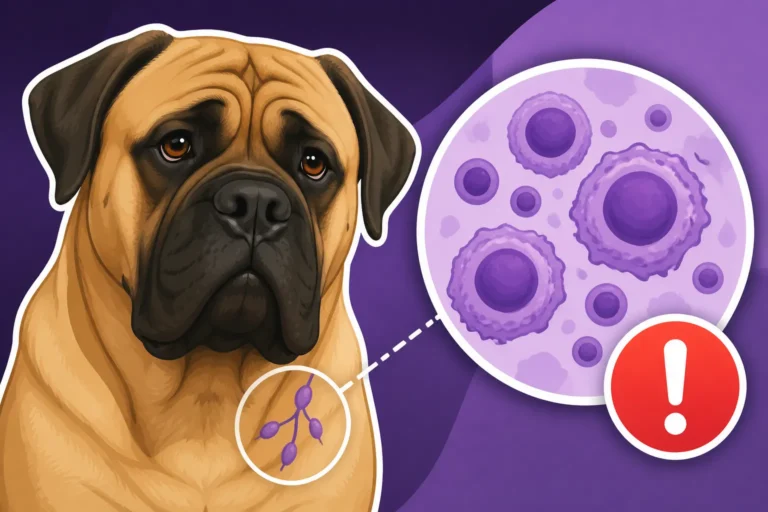
Cancer is, tragically, one of the leading causes of death for Bullmastiffs. It's a word no pet owner wants to hear, but for this breed, it's an all-too-common reality. Specifically, lymphoma and mast cell tumors are frequently diagnosed. Lymphoma Kills More Bullmastiffs Than Anything Else, appearing often in middle to senior years, but sometimes even earlier. The signs can be subtle, like swollen lymph nodes, lethargy, or a decreased appetite. Regular full-body checks at home, feeling for any unusual lumps or bumps, and routine veterinary check-ups are absolutely vital for early detection.
Mast cell tumors are another serious concern. These tumors can appear on or under the skin, or internally on organs. They are often tricky because their appearance can vary wildly; some might look like an innocent fatty lump, while others are aggressive, ulcerated masses. The unpredictable nature of these tumors, and their potential for rapid growth and metastasis, makes prompt veterinary attention crucial for any new lump you discover. Early surgical removal with wide margins is often the best course of action.
The Weight of Heart Disease
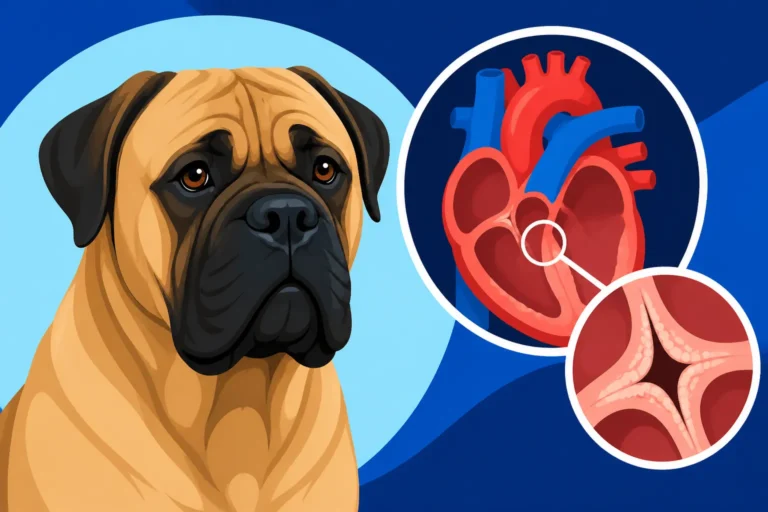
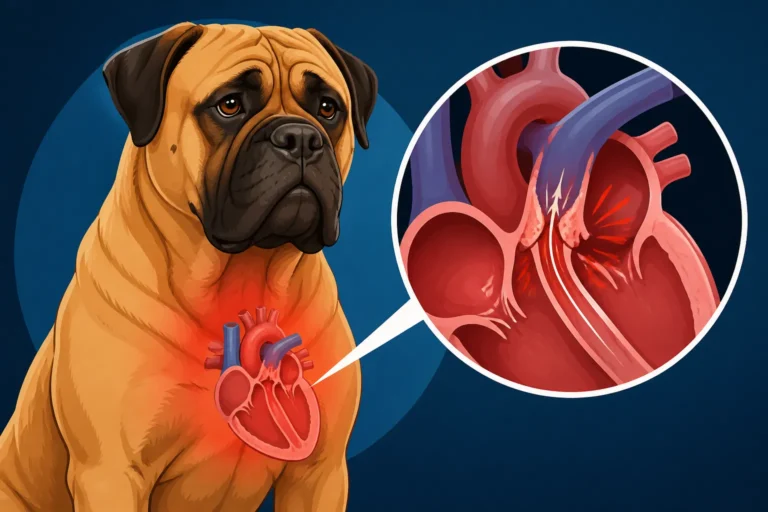
Heart conditions, particularly Subaortic Stenosis (SAS), are another significant threat to a Bullmastiff's longevity. SAS is a congenital heart defect, meaning it's present from birth, and it’s a concern that dedicated breeders actively try to screen for in their breeding lines. Subaortic Stenosis Is There Before a Bullmastiff's First Birthday, often going unnoticed until a veterinarian detects a heart murmur during a routine check-up. This narrowing of the outflow tract from the left ventricle of the heart forces the heart to work harder, which can lead to complications, including sudden death, even in seemingly healthy dogs.
An echocardiogram is the definitive diagnostic tool for SAS and other heart conditions. If your Bullmastiff is diagnosed with SAS, management often involves medication to reduce the heart's workload and regular monitoring by a veterinary cardiologist. While there's no cure, careful management can sometimes extend their quality of life. This condition highlights why selecting a puppy from a breeder who performs thorough cardiac screenings on their breeding dogs is so incredibly important, offering a better chance at a longer, healthier life for your furry friend.
Other Notable Health Concerns
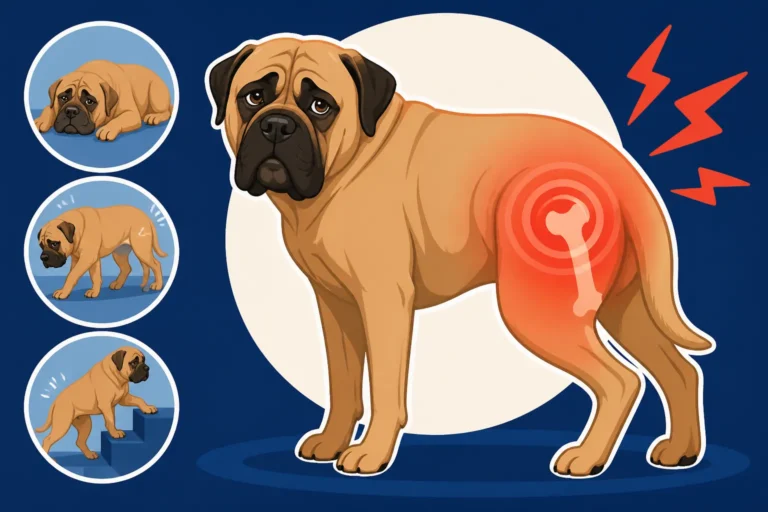
Beyond cancer and heart disease, Bullmastiffs are also prone to other conditions that, while perhaps not as immediately life-threatening, can significantly impact their quality of life and, by extension, their overall lifespan. Hip and elbow dysplasia are common orthopedic issues in large breeds, causing pain and mobility problems. While not typically fatal on their own, the chronic pain and reduced activity can lead to a decline in overall health and happiness.
Bloat (Gastric Dilatation-Volvulus or GDV) is another acute, life-threatening emergency common in deep-chested breeds like the Bullmastiff. This condition involves the stomach filling with gas and sometimes twisting, cutting off blood supply. It requires immediate emergency veterinary intervention and can be fatal if not treated promptly. Owners of Bullmastiffs must be educated on the signs of bloat and act quickly if they suspect it.
Nurturing Longevity: How Everyday Choices Impact Their Years
While some health challenges are genetic, many aspects of your Bullmastiff's health and lifespan are directly influenced by the care they receive every single day. From their diet to their exercise routine, and even their mental stimulation, every choice you make as an owner plays a critical role in supporting their well-being and potentially extending their time with you.
The Power of Proper Nutrition
What you put in their bowl matters immensely. For Bullmastiffs, feeding a high-quality, large-breed specific dog food is crucial, especially during their rapid growth as puppies. These specialized formulas are designed to promote slow, steady growth, which can help mitigate the risk of orthopedic issues like hip and elbow dysplasia. Overfeeding a Bullmastiff puppy can lead to overly rapid growth, putting undue stress on their developing joints and skeletal structure.
As adults, maintaining an ideal body weight is paramount. Keeping a Bullmastiff Lean Is the Best Thing You Can Do for their joint health and overall longevity. Obesity puts extra strain on their joints, exacerbates arthritis, and contributes to other health problems like diabetes and heart disease. Regularly assessing your Bullmastiff's body condition score—being able to easily feel their ribs without seeing them, having a visible waistline when viewed from above—is a simple yet powerful way to ensure they stay in peak physical condition. Consult with your vet to determine the best diet and portion sizes for your individual dog, adjusting as their activity level or age changes.
The Importance of Appropriate Exercise
Despite their imposing size, Bullmastiffs are not endurance athletes. They need regular, moderate exercise to maintain muscle tone and prevent obesity, but excessive or high-impact activity, especially during puppyhood, can be detrimental to their developing joints. Think of short, controlled walks rather than long runs or intense agility training. A couple of 20-30 minute walks a day, combined with some supervised playtime in a secure yard, is often sufficient.
Mental stimulation is just as important as physical exercise. Bullmastiffs are intelligent dogs who thrive on interaction and having a "job" to do, even if that job is just learning new tricks or solving puzzle toys. Boredom can lead to destructive behaviors and stress, which indirectly impacts their overall health. Providing consistent training, enrichment activities, and plenty of quality time with their human family will keep their minds sharp and their spirits high, contributing to a happy and well-adjusted dog.
The Role of Preventative Veterinary Care
Regular veterinary check-ups are absolutely non-negotiable for a Bullmastiff. These routine visits are not just for vaccinations; they are critical opportunities for your vet to perform thorough physical examinations, screen for potential health issues, and catch problems early when they are most treatable. For a breed prone to so many serious conditions, proactive care can make a world of difference.
Your vet can recommend appropriate screenings, such as cardiac exams for SAS, or discuss annual bloodwork that can detect issues like Hypothyroidism in a Bullmastiff before clinical signs become obvious. They can also advise on appropriate parasite prevention, dental care, and nutrition tailored to your dog's specific needs. Investing in a good pet insurance plan, like those offered by Healthy Paws, early in your Bullmastiff's life can also provide immense peace of mind, ensuring you can afford the best possible care should a major health issue arise.
Beyond Genetics: The Role of Responsible Breeding and Early Detection
While genetics certainly play a significant role in a Bullmastiff's predisposition to certain diseases, the choices made by responsible breeders and the diligence of owners in pursuing early detection can dramatically influence a dog's health trajectory and overall lifespan. It's a partnership between genetics and proactive care.
Choosing a Responsible Breeder
The foundation of a healthy Bullmastiff begins with the breeder. A responsible breeder will prioritize the health and temperament of their dogs above all else, and they will be transparent about the health history of their breeding lines. This means performing health screenings on both parents for conditions prevalent in the breed. When looking for a Bullmastiff puppy, inquire about health clearances for hips, elbows, heart (specifically for SAS), and eyes. Ask to see the official documentation for these tests.
A breeder who is genuinely invested in the breed's well-being will understand that What a Bullmastiff Breeder Should Have Screened goes beyond mere appearance. They will happily share results from the Orthopedic Foundation for Animals (OFA) or PennHIP for orthopedic issues, and evaluations from a board-certified veterinary cardiologist for heart health. They should also be open about the incidence of cancer in their dogs' pedigrees, as this transparency is a hallmark of ethical breeding practices aimed at reducing the prevalence of hereditary diseases.
The Power of Early Detection
Because Bullmastiffs are prone to conditions that can have subtle early symptoms, being observant and proactive is key. Learning to perform regular "lump checks" at home is a simple yet effective practice. Just a few minutes once a week, gently feeling over your dog's entire body, can help you detect new growths, swellings, or tender spots early on. If you find anything suspicious, don't wait—get it checked by your vet immediately.
Routine bloodwork, urinalysis, and sometimes even regular ultrasounds (especially for older dogs) can catch internal issues like kidney disease, liver problems, or certain cancers before they become advanced and untreatable. Your veterinarian can guide you on the appropriate screening schedule based on your Bullmastiff's age, breed-specific risks, and individual health history. Early detection often means more treatment options and a better prognosis, giving your dog a fighting chance and potentially many more precious months or years.
Embracing the Golden Years: Caring for Your Aging Bullmastiff
Even with the best care, the reality is that our Bullmastiffs will eventually enter their senior years. This phase of their life requires a shift in our care routines and an even greater commitment to ensuring their comfort and dignity. Caring for a Bullmastiff Past Six means anticipating their changing needs and providing thoughtful support.
Recognizing the Signs of Aging
Aging in a Bullmastiff can manifest in various ways, and it's important to recognize these changes as they occur. You might notice them slowing down, becoming less enthusiastic about walks, or struggling to get up after lying down. Arthritis and joint stiffness are common, often leading to a reluctance to climb stairs or jump into the car. Cognitive changes, such as disorientation, altered sleep patterns, or changes in interaction, can also occur.
Beyond physical and behavioral changes, their senses might decline. Their eyesight may dim, or they might develop cataracts, and their hearing could worsen. Pay attention to how they navigate their environment and respond to commands. Adjusting your home to make it more senior-friendly—such as adding ramps, orthopedic beds, and non-slip mats—can significantly improve their quality of life. Regular veterinary check-ups become even more crucial during these years, as your vet can help manage pain, monitor organ function, and adjust medications as needed.
Ensuring Comfort and Quality of Life
As your Bullmastiff ages, their comfort should be a top priority. Orthopedic dog beds, ideally elevated to reduce pressure on joints, are essential to provide supportive rest. Managing pain from arthritis or other conditions with medication, supplements, or even alternative therapies like acupuncture or hydrotherapy, can make a huge difference in their daily well-being. Keeping them at a lean weight is especially important now to minimize strain on aging joints.
Maintaining a routine, providing gentle exercise, and continuing mental stimulation through puzzle toys or gentle training sessions will help keep them engaged and happy. Quality of life isn't just about physical health; it's about their emotional well-being too. Spend extra time cuddling, grooming, and simply being present with them. As healthcare costs for senior dogs can rise, especially with chronic conditions, having pet insurance like Healthy Paws can be a tremendous asset, helping you provide the best possible care without added financial stress.
| Health Challenge | Average Onset (Years) | Impact on Lifespan | Prevention/Management |
|---|---|---|---|
| Lymphoma | 5-8 | Significant reduction | Regular lump checks, vet exams, early detection via biopsy |
| Mast Cell Tumors | Any age, often 6+ | Variable, can be aggressive | Prompt vet check for any new lumps, surgical removal with margins |
| Subaortic Stenosis | Congenital (birth) | Can cause sudden death early | Breeder screening (echocardiogram), vet cardiac exams, medication |
| Hip/Elbow Dysplasia | 1-3 (signs may worsen with age) | Reduces mobility & quality of life | Responsible breeding (OFA/PennHIP), slow growth as puppy, weight management, supplements |
| Bloat (GDV) | Any age, common 2-7+ | Acute, life-threatening | Avoid exercise after meals, slow feeders, prophylactic gastropexy |
| Hypothyroidism | 2-5+ | Affects metabolism, energy, coat | Annual blood tests, lifelong medication |
The Emotional Journey of Bullmastiff Ownership
Owning a Bullmastiff is an incredible privilege, but it also comes with the unique emotional challenge of their generally shorter lifespan. It’s important to acknowledge and prepare for this aspect of the journey, allowing yourself to fully embrace the time you have together while also being realistic about what lies ahead.
Making Every Moment Count
Given their shorter life expectancy, every day with your Bullmastiff becomes a precious gift. This isn't to say you should live in constant fear of their passing, but rather to encourage a deeper appreciation for their presence. Invest in experiences together, capture memories, and truly savor their companionship. Whether it's a quiet evening cuddle on the couch, a joyful romp in the yard, or a leisurely stroll through the neighborhood, these moments build the rich tapestry of your shared life.
Knowing that their time may be limited can also motivate you to be the best possible caregiver. It reinforces the importance of consistent training, proper nutrition, regular vet visits, and providing a loving, enriching environment. By focusing on their well-being and happiness, you’re not just potentially adding years to their life, but you’re certainly adding life to their years, creating an unbreakable bond that will last forever in your heart.
Navigating Grief and Loss
Eventually, all pet owners face the difficult reality of saying goodbye. For Bullmastiff owners, this moment often arrives sooner than anticipated. The grief associated with losing a beloved pet is profound and valid. It’s important to allow yourself to feel that sadness, to mourn, and to seek support from friends, family, or pet loss support groups. Many people don't understand the depth of the human-animal bond, so finding a community that does can be incredibly comforting.
While the shorter lifespan of a Bullmastiff can be heartbreaking, the immense love, loyalty, and joy they bring into our lives are immeasurable. They teach us about unconditional love, patience, and living in the present moment. Though their time with us may feel fleeting, the paw prints they leave on our hearts are permanent. The bond you forge with your Bullmastiff is a testament to the incredible journey you share, one that is truly worth every single moment.
Disclaimer
This article is intended for informational purposes only and does not constitute veterinary advice. Always consult with a qualified veterinarian for any health concerns or before making any decisions about your pet's health or treatment plan.