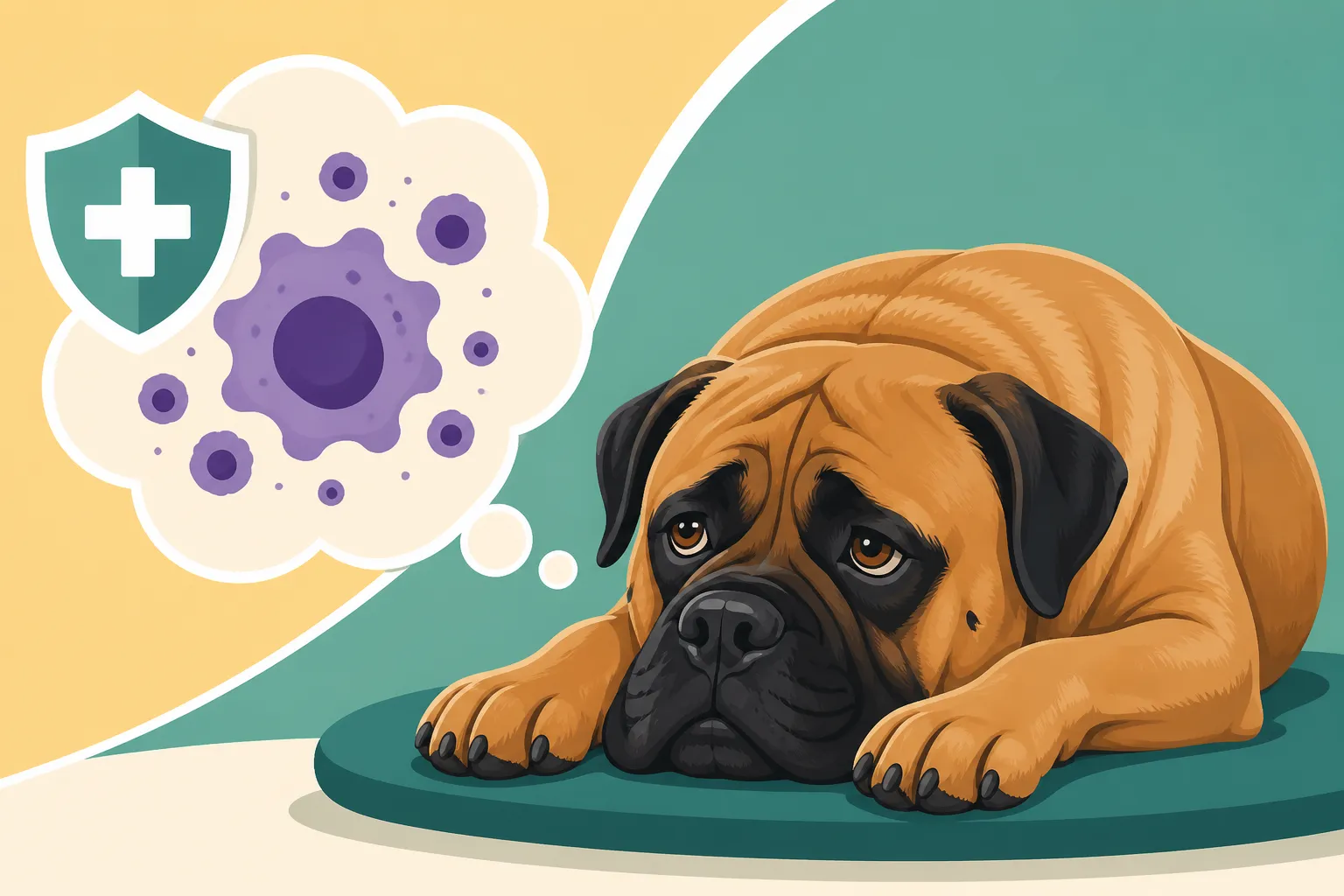
Whether a Bullmastiff With Lymphoma Feels Ill at First
It’s a heart-wrenching worry for any Bullmastiff owner: the fear that something serious, like cancer, could be brewing silently beneath their gentle giant's stoic exterior. Lymphoma, in particular, is a cruel reality for our beloved breed, and the thought of them suffering without us knowing can keep us up at night. This guide aims to shed light on how a Bullmastiff with lymphoma typically feels, especially in those crucial early stages, so you can be better equipped to notice even the faintest whispers of illness.
The Sneaky Start: Why Early Lymphoma in Bullmastiffs Can Be Hard to Spot
One of the most challenging aspects of lymphoma, particularly in a breed as resilient and devoted as the Bullmastiff, is its often insidious onset. You want to believe your dog would tell you if they were in pain, but their nature often leads them to mask discomfort, making early detection a true test of an owner's keen observation skills.
The Bullmastiff's Stoic Nature and Subtle Cues
Bullmastiffs are renowned for their calm, courageous, and somewhat stoic demeanor. They aren't typically the type to whine or make a big fuss over minor aches and pains. This admirable trait, while making them wonderful, unflappable companions, can unfortunately work against us when it comes to identifying subtle signs of illness. A slight decrease in their usual enthusiasm for a walk, a few missed bites at mealtime, or a bit more napping than usual might be dismissed as just a "lazy Bullmastiff day" or a sign of them just getting older. We often look for dramatic changes – vomiting, limping, outright refusal to eat – but lymphoma rarely starts that way. It creeps in slowly, often presenting initially as nothing more than a general "off" feeling that's hard to put your finger on. Their deep loyalty means they often try to carry on as normal for as long as possible, not wanting to worry their human family.
Vague Initial Symptoms Often Overlooked
Imagine your Bullmastiff, usually a connoisseur of every meal, leaving a few kibbles in the bowl. Or perhaps their greeting at the door, while still loving, lacks that full-body wag that usually rattles the whole house. These are the kinds of very vague initial symptoms that can be easily overlooked. You might notice they're a tiny bit less interested in playing fetch, or they're just a fraction slower to get up from their nap spot. There might be a barely perceptible dip in their energy levels, not enough to stop them from enjoying their favorite activities entirely, but just enough for you to wonder, "Are they feeling quite themselves?" They might also drink a bit more water or have slightly softer stools, changes that, in isolation, could be attributed to anything from a change in weather to a new treat. It's often not until these minor changes persist or intensify that an owner starts to think something more serious is at play. This is part of Why a Bullmastiff's Lymphoma Is Found Late for many dogs.
When the Signs Become More Apparent
While lymphoma can be stealthy in its early stages, it eventually reaches a point where the symptoms become more pronounced and harder to ignore. This transition from subtle to overt is a critical period where prompt action can make a significant difference.
The Physical Manifestation: Swollen Lymph Nodes
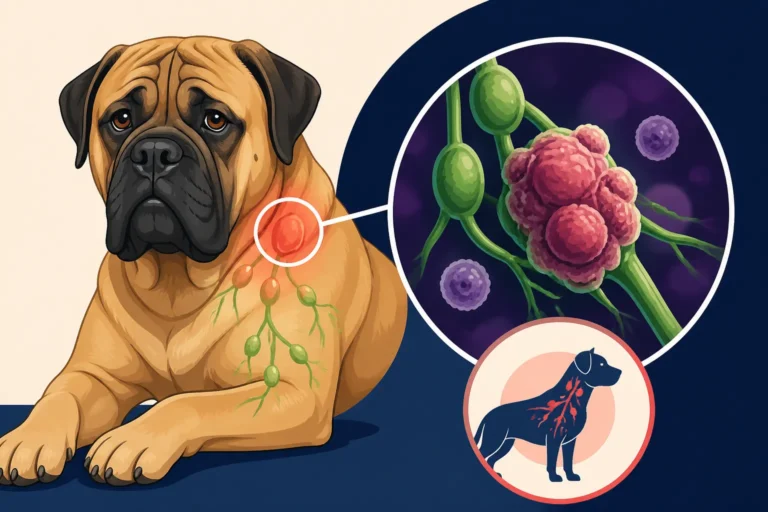
The most common and definitive early physical sign of lymphoma in Bullmastiffs is the enlargement of their lymph nodes. These small, bean-shaped glands are part of the immune system, and when cancer cells accumulate, they swell. Initially, these might only be slightly larger than normal and feel like firm, rubbery bumps under the skin. As the disease progresses, they can become quite prominent.
The key places to feel for swollen lymph nodes are:
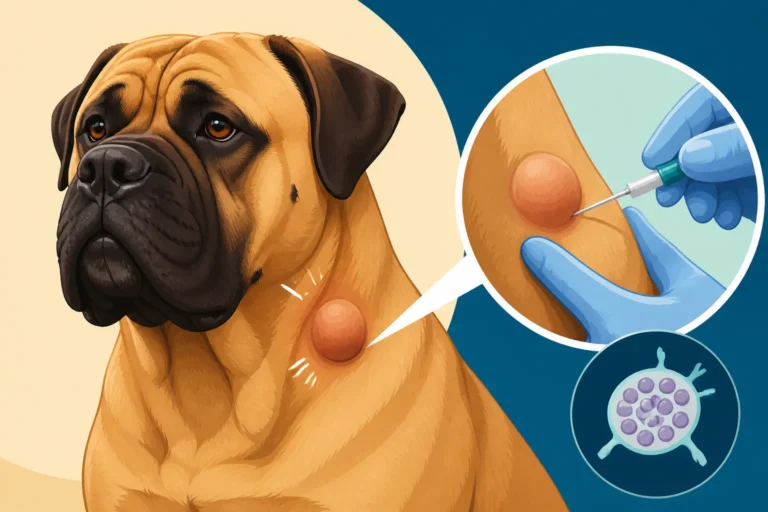
- Under the jaw (submandibular nodes): These are often the easiest to spot and feel, appearing like firm lumps right below the angle of their jawline.
- In front of the shoulders (prescapular nodes): Feel in the area just in front of their shoulder blades.
- Behind the knees (popliteal nodes): These are located at the back of their hind legs, above the hock joint.
You might also find them in the armpits or groin, though these are less commonly the first to become obviously enlarged. It's not uncommon for Bullmastiffs to develop a single enlarged node first, only for others to follow. These swollen nodes are typically non-painful, which again contributes to the dog's ability to mask their illness. You might just feel a firm, movable lump that doesn't seem to bother them at all, even when you press on it. For a more detailed understanding of What Lymphoma Does to a Bullmastiff, it's worth exploring the impact on their body.
Broader Systemic Changes and Energy Shifts
As lymphoma advances, it begins to affect the Bullmastiff's entire system. The general "off" feeling that was present earlier will deepen into more noticeable signs of illness. You'll likely see a more significant drop in energy, often described as lethargy. Your normally active (for a Bullmastiff!) companion might be reluctant to go for walks, or tire out much more quickly than usual. They might spend significantly more time sleeping, often in secluded spots, and show less interest in family activities. Their appetite will almost certainly decrease, leading to weight loss over time, even if they're still eating something. Some Bullmastiffs might develop intermittent vomiting or diarrhea, especially if the lymphoma is affecting internal organs like the gastrointestinal tract. A persistent cough, difficulty breathing, or increased thirst and urination can also occur if the disease spreads to the chest or kidneys. Fever can also be a sign of systemic inflammation or infection associated with the cancer. These are the signs that truly scream "something is wrong" and should prompt immediate veterinary attention.
Proactive Monitoring and Prompt Veterinary Action
Given the Bullmastiff's natural inclination to hide discomfort and the sneaky nature of lymphoma, proactive monitoring is your best defense. Regular checks at home, combined with prompt veterinary visits, are crucial for early detection and intervention.
Your Role in Regular Health Checks
As a Bullmastiff owner, you are your dog's first and best line of defense. Incorporating routine "lump checks" into your grooming or petting sessions can make a world of difference. At least once a week, take a few minutes to systematically feel your Bullmastiff's body, paying close attention to the areas where lymph nodes are located.
Here’s a simple routine:
- Start with the head and neck: Gently feel under their jaw, along their neck, and behind their ears. Run your fingers over their jowls and down their throat.
- Move to the front of the body: Feel in front of their shoulders and in their armpits.
- Check their torso: Run your hands along their ribs, spine, and flanks.
- Finish with the hindquarters: Feel in their groin area and behind their knees (popliteal nodes).
Feel for any lumps or bumps that weren't there before, or any that feel larger or firmer than usual. Remember, normal lymph nodes are very small and often not easily felt. If you feel anything unusual, make a note of its size and location. Beyond physical checks, simply being attuned to your Bullmastiff's daily habits – how much they eat, how much they drink, their bathroom habits, and their energy levels – is incredibly important. Any deviation from their norm, however slight, warrants your attention. Consider how How Often a Bullmastiff Should Be Checked for Cancer truly impacts early detection.
Navigating a Lymphoma Diagnosis
If you do find a suspicious lump or notice persistent changes in your Bullmastiff's behavior, don't delay in calling your veterinarian. Time can be critical. Your vet will perform a thorough physical exam, feeling all the lymph nodes and checking other systems. If they suspect lymphoma, the next step is usually a fine needle aspirate (FNA) of the enlarged node. This is a relatively quick and minimally invasive procedure where a small needle is used to collect cells from the lump, which are then examined under a microscope. While an FNA can often provide a presumptive diagnosis, a surgical biopsy might be recommended for a definitive diagnosis and to determine the specific type of lymphoma. This information is vital for determining How Lymphoma Is Diagnosed in a Bullmastiff and planning treatment.
After a diagnosis, your vet might recommend additional staging tests, such as blood work, urinalysis, abdominal ultrasound, and chest X-rays, to see if the cancer has spread. This helps establish the stage of the disease, which influences treatment options and prognosis. It’s a lot to take in, and the costs can be daunting, but many owners find that pet insurance providers, like Healthy Paws, can significantly alleviate the financial burden of these unexpected and expensive diagnostic procedures and subsequent treatments.
Understanding the Bullmastiff's Lymphoma Predisposition and Future Steps
Dealing with a lymphoma diagnosis in your Bullmastiff is an emotionally challenging experience. Understanding why this breed is at higher risk and what general support you can offer is crucial.
Why This Breed Faces Higher Risk
It's an unfortunate truth that Bullmastiffs, like several other large and giant breeds, have a higher genetic predisposition to certain cancers, with lymphoma being a significant concern. While the exact genetic mechanisms are still being researched, it's widely accepted within the veterinary community and among breeders that certain breed lines carry a higher risk. This means that even with the best care, some Bullmastiffs may develop lymphoma, often appearing in their middle to senior years, but sometimes earlier. For instance, The Age Lymphoma Appears in a Bullmastiff can vary widely, making regular checks even more important throughout their lives. Despite extensive research, a specific Whether a Genetic Test for Bullmastiff Lymphoma Exists that can definitively predict individual risk is not yet available, making proactive monitoring and early detection paramount.
Supporting Your Bullmastiff Through the Journey
Once lymphoma is diagnosed, your veterinarian, possibly in consultation with a veterinary oncologist, will discuss treatment options. These typically involve chemotherapy, which for many dogs, including Bullmastiffs, is aimed at achieving remission and improving their quality of life, rather than a definitive cure. Many owners worry about how their large dog will cope with treatments. Rest assured, many Bullmastiffs tolerate chemotherapy quite well, often with fewer severe side effects than humans experience. The goal is always to maintain their comfort and happiness. How a Bullmastiff Tolerates Chemotherapy often involves protocols designed to minimize discomfort.
The treatment journey can be extensive, with protocols that might span several months. Understanding How Many Weeks a Bullmastiff's Chemotherapy Runs helps in preparing for the commitment. Beyond medical treatment, your role involves providing exceptional supportive care, which includes maintaining their appetite, ensuring they stay hydrated, keeping them comfortable with soft bedding like an orthopedic bed, and continuing to offer them gentle companionship. This is a difficult path, but your presence and love are the most important things for your Bullmastiff. While considering the expenses involved, it's worth noting that many pet insurance plans, like those offered by Healthy Paws, help cover a significant portion of cancer treatments, making these critical decisions more manageable without the added stress of overwhelming costs. It’s a part of safeguarding your beloved companion's overall well-being and extending How Long a Bullmastiff Lives on Average, especially when facing a serious illness.
The table below summarizes the progression of symptoms you might observe:
| Symptom Category | Early Stage Lymphoma | Advanced Stage Lymphoma |
|---|---|---|
| Energy & Activity | Slightly less enthusiastic, more frequent naps | Pronounced lethargy, reluctance to move, fatigue after minor effort |
| Appetite | Fussy, leaves small amounts of food, slight decrease | Significant decrease or refusal to eat, rapid weight loss |
| Physical Lumps | Small, firm, non-painful lumps under jaw, shoulders | Large, multiple, very firm lymph nodes, potentially in other areas like armpits/groin |
| Gastrointestinal | Mild, intermittent soft stools or occasional vomit | Persistent vomiting/diarrhea, abdominal discomfort, organ involvement |
| General Health | "Off" feeling, subtle changes in demeanor | Unthrifty appearance, fever, difficulty breathing, increased thirst/urination |
| Pain | Typically no obvious pain | May show signs of pain if tumors are pressing on nerves or organs |
| Behavior | Slight withdrawal, less playful | Apathetic, depressed, seeks isolation |
Early detection, as challenging as it can be, truly is the best strategy. Staying vigilant, knowing the signs, and being proactive with your vet are the most powerful tools you have to protect your Bullmastiff.
Disclaimer
This article is for general informational purposes only and does not constitute professional advice. Laws, prices and regulations vary by location and change over time. Consult a qualified professional for guidance on your specific situation.