How a Bullmastiff Tolerates Chemotherapy
It's absolutely heartbreaking to hear that your beloved Bullmastiff has been diagnosed with cancer. The sheer weight of that news, coupled with the daunting prospect of chemotherapy, can feel incredibly overwhelming. Many of us grapple with the fear of how our big, gentle giants will endure such intense treatment. This guide is here to walk you through what to realistically expect regarding your Bullmastiff's tolerance to chemotherapy, shining a light on their potential experiences, side effects, and how you can be their steadfast support every step of the way.
Understanding Chemotherapy for Bullmastiffs
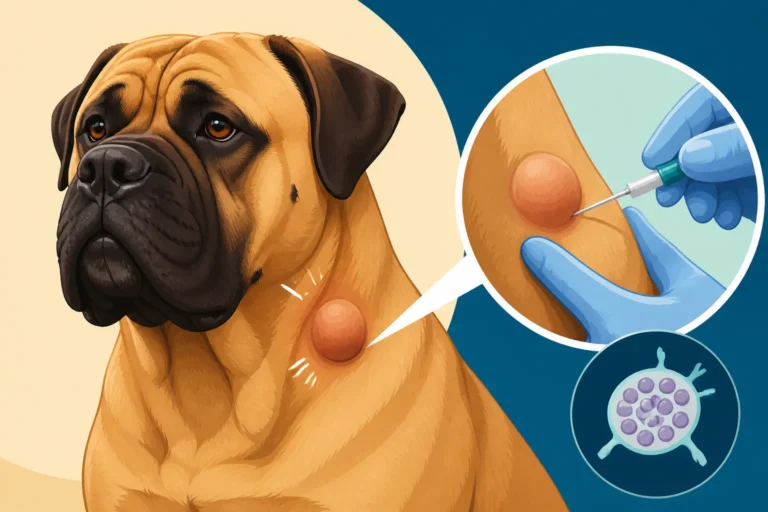
When a Bullmastiff receives a cancer diagnosis, especially something as aggressive and common in the breed as lymphoma or certain mast cell tumors, chemotherapy often enters the conversation. It's a scary word, conjuring images of human patients struggling, but canine chemotherapy is often a very different experience. The primary goal is almost always to prioritize quality of life while extending it.
What Chemotherapy Aims to Achieve
Chemotherapy isn't always about a "cure" in the way we might think of it for humans. For dogs, and particularly for giant breeds like Bullmastiffs who can sometimes face a shorter lifespan already, the aim is usually to achieve remission and significantly improve their quality of life for as long as possible. The drugs work by targeting and killing rapidly dividing cells, which is a hallmark of cancer cells. However, this also means they can affect other fast-growing cells in the body, like those in the gut lining or bone marrow, leading to potential side effects.
Your veterinary oncologist will work with you to decide on the most appropriate protocol. Sometimes, this means an aggressive multi-agent protocol to aim for a long remission, while other times, a more palliative approach using a single drug or lower doses might be chosen to simply manage symptoms and maintain comfort. For instance, with lymphoma, a highly responsive cancer to chemotherapy, the goal is often to induce a full remission, making your Bullmastiff feel healthy again for a period. It's crucial to have open conversations with your vet about these goals, understanding that every Bullmastiff's response can be unique.
The Typical Chemotherapy Protocol
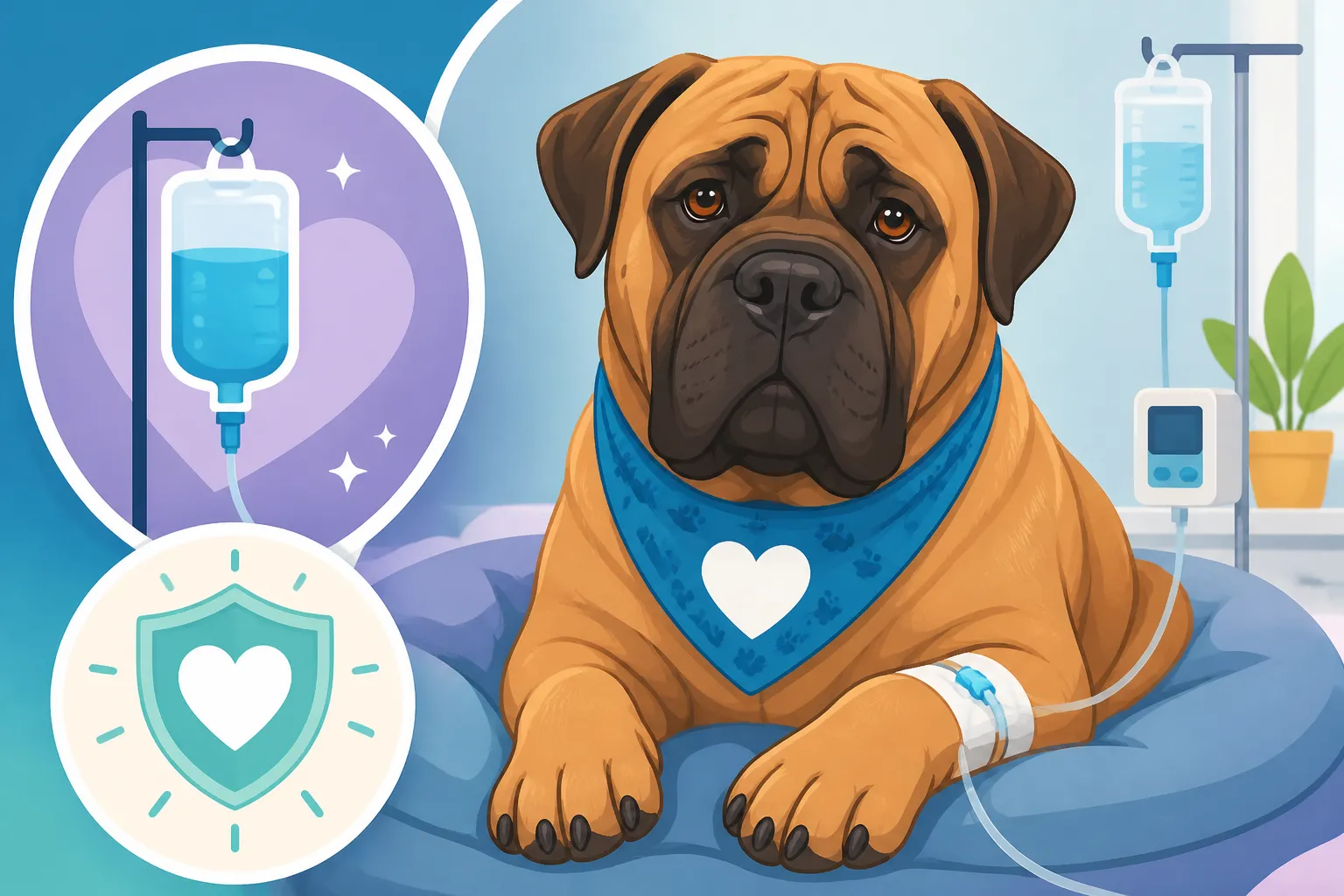
Chemotherapy for Bullmastiffs often involves a combination of different drugs, chosen specifically for the type of cancer they are battling. For a common cancer like lymphoma, a popular protocol is often based on variations of the University of Wisconsin-Madison (UW-25) protocol, which involves a rotating schedule of several intravenous and oral medications over several months. These typically include drugs like Vincristine, Cyclophosphamide, Doxorubicin, and the oral steroid Prednisone.
The frequency of treatment can vary widely. Some protocols require weekly visits for injections, while others might involve treatments every two or three weeks, often with daily oral medications administered at home in between. This schedule is carefully designed to hit cancer cells at different stages of their growth cycle and allow the body time to recover from treatment before the next dose. The duration of chemotherapy depends on the cancer type, how your Bullmastiff responds, and the chosen protocol. For many lymphoma protocols, treatments might run for a period of 16 to 25 weeks. Understanding How Many Weeks a Bullmastiff's Chemotherapy Runs can help you mentally prepare for the commitment. Before starting, your vet will likely perform comprehensive diagnostics to understand the cancer's extent, a process known as What Staging a Bullmastiff's Lymphoma Involves. This staging helps determine the best course of action and what you can expect in terms of prognosis and treatment duration.
Bullmastiff Tolerance and Potential Side Effects
One of the biggest anxieties for owners is how their Bullmastiff will physically cope with chemotherapy. It's natural to worry that they'll be sick and miserable, but thankfully, this is often not the case.
Why Bullmastiffs Often Tolerate Chemo Well
It might come as a surprise, but most dogs, including large breeds like Bullmastiffs, tend to tolerate chemotherapy much better than humans do. This isn't because dogs are tougher, but because the primary goal of veterinary oncology is different. For our canine companions, the focus is squarely on maintaining an excellent quality of life. This means veterinarians often use lower, but still effective, doses of chemotherapy drugs and are quick to prescribe supportive medications to counteract potential side effects.
Bullmastiffs, with their generally stoic nature, can sometimes hide discomfort, which means owners need to be extra vigilant. However, because the drugs are dosed carefully, and side effects are aggressively managed, many Bullmastiffs sail through treatment with minimal disruption to their daily lives. They might have a "down day" after treatment, but often rebound quickly. It's a common misconception that chemotherapy will make your dog constantly ill. In many cases, it brings them back to feeling good after a diagnosis that might have already been making them feel unwell. It's worth considering Whether a Bullmastiff With Lymphoma Feels Ill at First before treatment even begins, as their baseline might already be compromised.
Common and Less Common Side Effects
While tolerance is generally good, side effects can and do occur. Being prepared for them is half the battle in managing them effectively.
Gastrointestinal Issues: This is probably the most common category of side effects. Your Bullmastiff might experience nausea, vomiting, diarrhea, or a decreased appetite. These usually occur within a few days of treatment. The good news is that these are often very manageable with medications. Your vet will likely prescribe anti-nausea drugs like Cerenia or Ondansetron, and anti-diarrheals. Offering bland foods, such as boiled chicken and rice, or specialty gastrointestinal diets, can also help settle their stomach. It's a frustrating dance, trying to find what tempts their appetite while their stomach is unsettled, but persistence pays off.
Myelosuppression (Low White Blood Cell Count): This is a significant concern, especially with certain chemotherapy drugs and in large breeds. Chemotherapy can suppress the bone marrow, leading to a drop in white blood cells, particularly neutrophils (neutropenia). A low neutrophil count makes your Bullmastiff more susceptible to infection, which can be serious. Your vet will monitor this closely with blood tests before each chemotherapy session. If counts are too low, treatment might be delayed, or the dose adjusted. This is why vigilance for signs of infection, like lethargy or fever, is so important.
Lethargy: It's common for Bullmastiffs to be a bit more tired than usual after a chemotherapy session. They might want to sleep more, have less energy for walks, or just seem generally subdued. This fatigue usually peaks a day or two after treatment and then improves. It's vital to allow them to rest and not push them into strenuous activity during these periods.
Hair Loss: Unlike humans, significant hair loss isn't common in most dogs undergoing chemotherapy. Bullmastiffs have short, dense coats, so it's even less likely to be noticeable. However, some dogs might experience slight thinning or a dulling of their coat, especially with certain drugs like Doxorubicin. If your Bullmastiff has longer hair in specific areas, like whiskers or around their face, you might notice some changes there.
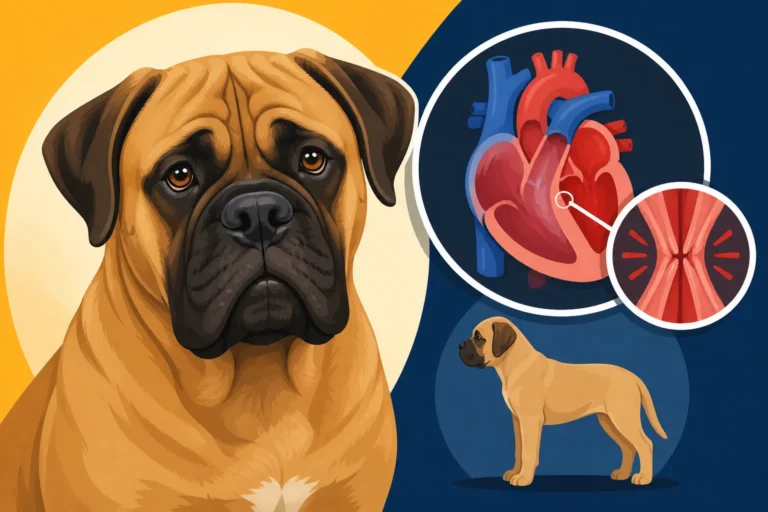
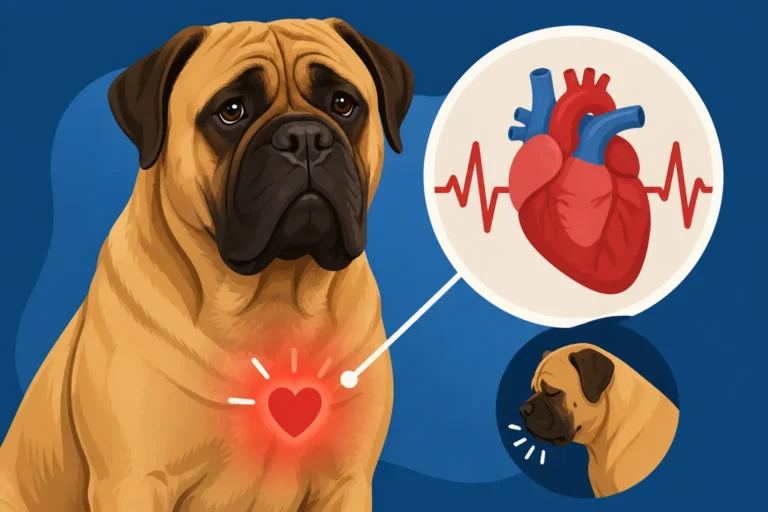
Cardiac Toxicity: This is a less common but serious side effect, particularly associated with Doxorubicin. This drug can be toxic to the heart muscle. Given that Bullmastiffs can have a predisposition to certain heart conditions, such as subaortic stenosis, your veterinary oncologist will likely perform a thorough cardiac workup, including an echocardiogram, before starting Doxorubicin, and may monitor heart function throughout treatment. If there are any concerns, alternative drugs or protocols will be considered.
Steroid Side Effects: Prednisone is frequently part of chemotherapy protocols for various cancers, especially lymphoma. While very effective, it comes with its own set of side effects, including increased thirst, increased urination (meaning more potty breaks, especially at night), increased appetite, and sometimes panting or restlessness. These are typically dose-dependent and subside once the Prednisone dose is tapered or discontinued.
Recognizing and Reporting Side Effects
Being observant is your superpower during your Bullmastiff's chemotherapy journey. Keeping a daily journal where you note down their appetite, water intake, urination/defecation habits, energy levels, and any changes in behavior can be incredibly helpful. This log provides concrete data for your vet and helps you spot trends.
It's important to know when to call your vet immediately. Don't hesitate if you observe:
- Persistent vomiting (more than once or twice)
- Severe or bloody diarrhea
- Extreme lethargy or weakness
- Any signs of fever (panting excessively, warm ears, reluctance to move)
- Any unusual swelling or pain
- Sudden disinterest in food or water that lasts more than 24 hours
Your oncology team would much rather you call with a minor concern than wait until a problem becomes severe. Early intervention can make a huge difference in managing side effects and keeping your Bullmastiff comfortable.
Here's a quick guide to common side effects and how they're often managed:
| Side Effect | What to Look For | Typical Management |
|---|---|---|
| Nausea / Vomiting | Lip licking, drooling, retching, refusal to eat, actual vomiting | Anti-nausea medications (e.g., Cerenia, Ondansetron), bland diet |
| Diarrhea | Loose or watery stools, increased frequency, straining | Anti-diarrheal medications (e.g., Metronidazole), bland diet, probiotics |
| Loss of Appetite | Refusal of food, picking at meals, disinterest | Appetite stimulants (e.g., Mirtazapine), bland diet, warmed food, hand-feeding |
| Lethargy / Fatigue | Increased sleeping, reduced activity, slow to respond | Rest, quiet environment, gentle exercise as tolerated |
| Low White Blood Cells (Neutropenia) | No visible signs; detected by blood test. Severe cases may show fever, infection. | Antibiotics if fever/infection, delay treatment, growth factors (rare) |
| Increased Thirst/Urination (from Prednisone) | Frequent drinking, needing more potty breaks, accidents inside | Ensure constant access to fresh water, more frequent potty trips |
Supporting Your Bullmastiff Through Treatment
Your role as a caregiver is absolutely vital during chemotherapy. Beyond administering medications and monitoring, your emotional support and practical care will make all the difference in your Bullmastiff's journey.
Maintaining Comfort and Routine
Consistency and comfort are key for a Bullmastiff undergoing chemotherapy. These big dogs thrive on routine and feeling secure. Provide a soft, comfortable bed in a quiet, low-traffic area of your home where they can rest undisturbed. An orthopedic bed is always a good idea for a Bullmastiff, and it's even more crucial when they might be feeling weak or achy. You can find more tips on Caring for a Bullmastiff Past Six that can apply to a dog undergoing medical treatment, as many of the needs for comfort and gentleness overlap.
When it comes to meals, try to stick to a consistent schedule. If their appetite is suppressed, offer smaller, more frequent meals. Warmed food can sometimes be more appealing, as can bland options like cooked chicken and rice, or prescription gastrointestinal diets provided by your vet. Gentle encouragement and hand-feeding might be necessary on some days. Ensure fresh water is always available, especially if they are on Prednisone, which increases thirst.
Exercise should be gentle and tailored to how your Bullmastiff is feeling. Short, slow walks are usually fine, but avoid strenuous activity, dog parks, or interactions with unknown dogs, especially if their white blood cell counts are low, as this increases the risk of infection. Focus on quiet companionship and familiar routines to reduce stress. Don't forget their daily maintenance, like wiping those beautiful jowls to prevent skin fold infections, which can be an added complication when their immune system might be compromised.
Financial and Emotional Considerations
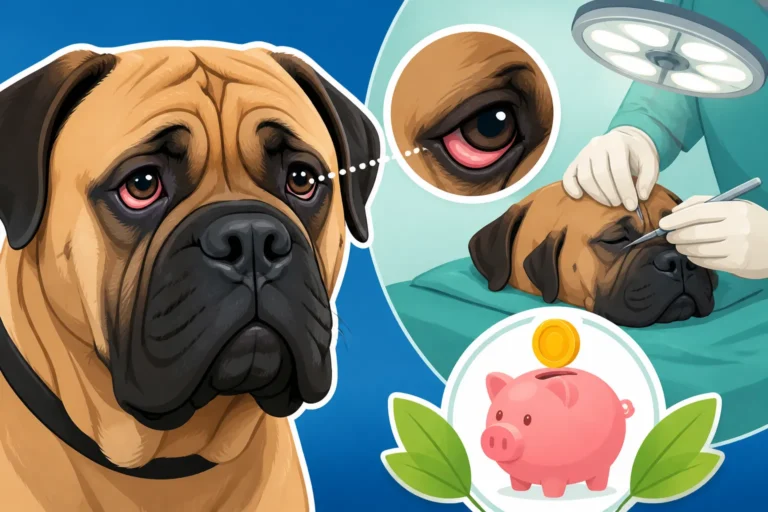
Let's be real: chemotherapy for a Bullmastiff can be incredibly expensive. From the initial diagnostics to the drugs, supportive care medications, and regular blood work, the costs can quickly add up. Many owners find themselves facing difficult financial decisions during this time. This is why having robust pet insurance can be a game-changer. Companies like Healthy Paws offer plans that can cover a significant portion of these costs, making advanced treatments more accessible. It's often said that having pet insurance, such as through Healthy Paws, for a Bullmastiff is not just a good idea, but a necessity, given their breed-specific health challenges. Exploring What Chemotherapy Costs for a Bullmastiff can help you prepare for the financial investment. If you're considering insurance, it's wise to enroll your Bullmastiff when they're young and healthy, as pre-existing conditions (like cancer that's already diagnosed) are typically not covered. Understanding Whether Insurance Covers a Bullmastiff's Chemotherapy is a critical step for any owner.
Beyond the financial strain, the emotional toll on owners is immense. Watching your beloved Bullmastiff go through this, dealing with the worry, the hope, and sometimes the disappointment, is exhausting. It's perfectly normal to feel overwhelmed, anxious, and sad. Reach out for support – talk to your veterinary team, connect with other owners in online communities, or lean on friends and family. Remember, you are doing everything you can for your companion, and that's an act of deep love.
When to Re-evaluate Treatment
This is one of the hardest parts of the journey. The goal of chemotherapy is always quality of life. If your Bullmastiff's side effects become too severe, or if the cancer isn't responding as hoped, you may reach a point where the treatment is causing more suffering than benefit. These are intensely personal decisions, and your veterinary oncologist will guide you through them with compassion and honesty.
It's crucial to regularly assess your Bullmastiff's overall well-being. Are they still enjoying their favorite activities? Are they eating? Are they having more good days than bad? If your Bullmastiff's quality of life is declining despite best efforts, it might be time to discuss transitioning to palliative care or hospice care, focusing purely on comfort and pain management. This is an extremely difficult conversation, but it's an act of kindness to prevent unnecessary suffering. For more insights on this tough decision, consider reading When Treatment Stops Being Right for a Bullmastiff and reflecting on your Bullmastiff's journey, including discussions about How Long a Bullmastiff Lives After a Lymphoma Diagnosis to set realistic expectations. Sometimes, easing their discomfort, even if it means discontinuing aggressive treatment, is the most loving choice you can make. Understanding What Palliative Care Costs for a Bullmastiff can also help in planning for this phase.
Long-Term Outlook and Management
Even after completing a chemotherapy protocol, the journey isn't necessarily over. Ongoing vigilance and support are crucial for your Bullmastiff's long-term health and well-being.
Monitoring for Relapse
Achieving remission is wonderful, but it often requires continued monitoring. For cancers like lymphoma, relapse is a possibility. Your veterinary oncologist will recommend a schedule for follow-up appointments, which may include physical exams, blood work, and sometimes imaging (like ultrasound) to check for any signs of the cancer returning. It's essential to keep these appointments and remain observant at home.
Knowing the signs of a relapse is important. For instance, with lymphoma, you might notice swollen lymph nodes (under the jaw, in the armpits, or behind the knees), unexplained weight loss, decreased appetite, or a general lack of energy. If you notice any of these signs, contact your vet immediately. Early detection of a relapse can sometimes allow for more effective intervention, though often the options are different than the initial treatment. You can learn more about What a Bullmastiff's Lymphoma Relapse Looks Like to better prepare yourself.
The Role of Diet and Supplements
Many owners seek out special diets or supplements hoping to boost their Bullmastiff's health and prevent cancer recurrence. While there's a lot of anecdotal evidence and marketing around "cancer diets," robust scientific evidence supporting specific dietary interventions to prevent or cure cancer in dogs is generally limited.
The best approach is to feed a high-quality, balanced diet that is palatable and easy for your Bullmastiff to digest. Your veterinary oncologist or a veterinary nutritionist can provide guidance tailored to your dog's specific needs, especially if they have lost weight or have ongoing gastrointestinal sensitivities. Avoid making drastic dietary changes or adding numerous unproven supplements without consulting your vet, as some could interact negatively with medications or cause other health issues. Focus on providing good, consistent nutrition and promoting overall well-being.
The Importance of a Strong Vet-Owner Relationship
Throughout your Bullmastiff's cancer journey, your relationship with your veterinary team, particularly your veterinary oncologist, is paramount. They are your partners in this fight, providing expertise, support, and a realistic perspective. Don't hesitate to ask questions, even if they seem minor. Clarify anything you don't understand about the diagnosis, treatment plan, potential side effects, or prognosis. You are your Bullmastiff's advocate, and a strong partnership with your vet ensures the best possible outcome for your beloved companion.
They will guide you through complex decisions, such as which specific chemotherapy protocol is best for How a Bullmastiff's Lymphoma Is Treated, or whether a simpler approach like Whether Prednisone Alone Helps a Bullmastiff is appropriate given your dog's specific circumstances. Trust their advice, but always feel empowered to discuss your concerns and make informed choices for your Bullmastiff's health and happiness.
Disclaimer
This article is intended for informational purposes only and does not constitute medical advice. Always consult with a qualified veterinary professional for any health concerns or before making any decisions about your Bullmastiff's medical care.