Signs a Bullmastiff Has a Heart Murmur
It’s truly unsettling when you notice your beloved Bullmastiff just isn't acting like themselves, especially when it comes to something as vital and often hidden as their heart health. Many of us have experienced that vague feeling that something is off, but pinning down exactly what can be incredibly difficult with these stoic giants. This guide is here to walk you through the subtle and overt signs that might indicate your Bullmastiff has a heart murmur, helping you understand what to look for so you can act quickly and confidently.
Understanding Heart Murmurs in Bullmastiffs
When you hear the term "heart murmur," it can sound incredibly frightening, bringing up all sorts of anxieties about your big, loving companion's future. But it’s important to understand what a heart murmur actually is and why it's a particular point of concern for breeds like our magnificent Bullmastiffs. It's not a disease itself, but rather an indication that something might be amiss with the heart's function.
What Exactly is a Heart Murmur?
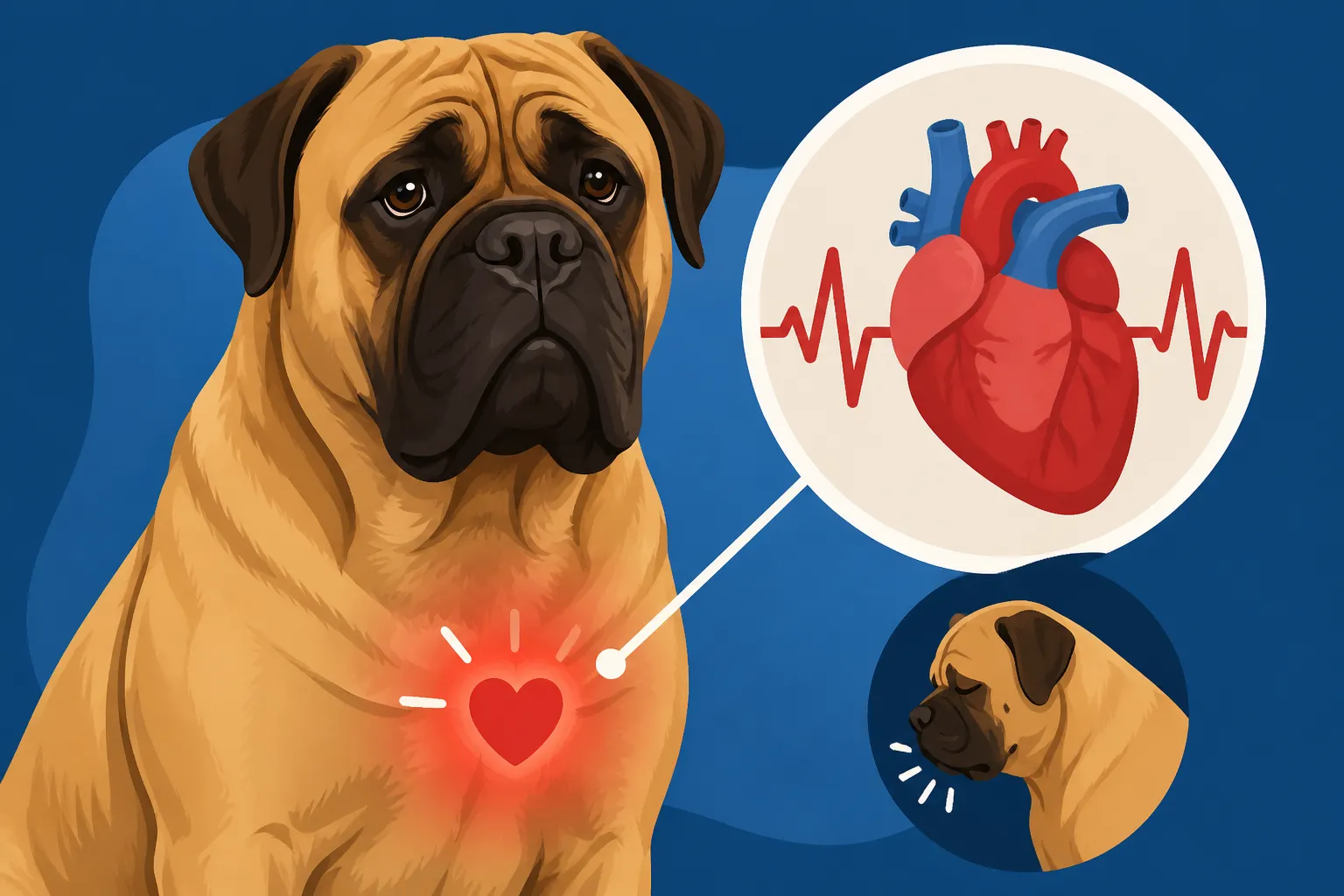
At its simplest, a heart murmur is an abnormal sound that a veterinarian can hear when listening to your dog's heart with a stethoscope. Think of your dog’s heart as a beautifully orchestrated pump, with valves opening and closing in perfect rhythm to push blood efficiently through the body. A murmur occurs when there’s turbulent blood flow, meaning the blood isn't moving smoothly. This turbulence creates an extra whooshing or swishing sound in addition to the normal "lub-dub" of the heartbeats. It could be due to blood leaking backward through a faulty valve, blood flowing through a narrowed valve or vessel, or even due to thin blood in an anemic dog. Sometimes, especially in young puppies, these are "innocent" murmurs that resolve on their own, but in an adult Bullmastiff, it almost always warrants further investigation.
Knowing what a murmur is doesn’t make it any less worrying, but it helps demystify it a bit. It’s an audible clue that your vet picks up, and it’s the starting point for figuring out why that turbulence is happening. Is it a minor issue, or a sign of a more significant underlying heart condition? That’s the critical question.
Why Bullmastiffs Are Prone to Heart Issues
Unfortunately, Bullmastiffs, like many large and giant breeds, carry a genetic predisposition to certain heart conditions that can manifest as murmurs. One of the most common and concerning conditions in Bullmastiffs is subaortic stenosis (SAS). This is a congenital heart defect, meaning it’s present from birth, where there’s a narrowing of the outflow tract from the left ventricle—the main pumping chamber—to the aorta. This narrowing forces the heart to work harder to push blood out, creating the turbulent flow that results in a murmur. You can learn more about What Subaortic Stenosis Does to a Bullmastiff.
Beyond SAS, Bullmastiffs can also be susceptible to conditions like dilated cardiomyopathy (DCM), which causes the heart muscle to become thin and weak, leading to an enlarged heart that struggles to pump blood effectively. While SAS often appears early in life, DCM might show up later. The sheer size and rapid growth rate of Bullmastiff puppies can also put strain on their developing cardiovascular systems. This is precisely why Why a Bullmastiff Puppy Needs a Cardiac Exam is so vital, even if they seem perfectly healthy. The genetic lines play a huge role, which is why a responsible breeder will always screen their breeding stock. These predispositions mean that as a Bullmastiff owner, you need to be extra vigilant about heart health throughout your dog’s life.
Common Physical Signs of a Heart Murmur
While a heart murmur itself is diagnosed by a vet listening with a stethoscope, it’s often the outward physical signs that prompt us owners to seek veterinary attention in the first place. These signs are essentially your Bullmastiff's way of telling you their heart isn't working as efficiently as it should be, and they demand our immediate attention.
Coughing and Breathing Difficulties
One of the most concerning and frequently observed signs of advancing heart disease, often associated with a murmur, is a persistent cough. This isn't just a regular "clearing the throat" cough; it's often a soft, hacking cough that might sound like your dog is trying to dislodge something from their throat. This cough can be particularly noticeable at night or when your Bullmastiff is resting. The reason behind this cough is often related to fluid buildup in the lungs (pulmonary edema), a common complication when the heart can't pump blood effectively, causing it to back up. Imagine your Bullmastiff struggling to find a comfortable position to sleep, waking up frequently with a quiet hack – it’s a tell-tale sign that warrants immediate investigation.
Accompanying the cough, or sometimes appearing independently, are breathing difficulties. You might notice your Bullmastiff breathing faster or with more effort than usual, even when they haven't been exercising. Their flanks might heave, or their chest might move more dramatically. Sometimes, their gums might appear bluish or pale instead of a healthy pink, indicating a lack of oxygen. This can be particularly alarming, as Bullmastiffs already have a somewhat brachycephalic (short-nosed) conformation, making any breathing issue more serious. If you see signs of labored breathing, don't wait; this is an emergency.
Fatigue and Reduced Stamina
Bullmastiffs are known for being relatively laid-back giants, not usually the breed that runs marathons. However, they still enjoy their walks and playtime. If you start noticing a significant drop in your Bullmastiff's energy levels or their willingness to engage in activities they once loved, it could be a sign of a heart murmur. Perhaps your normally enthusiastic companion now lags behind on walks, wants to cut playtime short, or simply spends more time sleeping than usual. This isn’t just "getting old" if it’s a sudden or noticeable change.
A heart that isn't pumping efficiently means that the body, including vital organs and muscles, isn't receiving enough oxygen-rich blood. This leads to a generalized feeling of weakness and fatigue. What used to be an easy stroll around the block might now leave your Bullmastiff panting excessively and needing to lie down. If your dog, who used to greet you at the door with a full body wag, now struggles to rise or only offers a half-hearted tail thump, it's a strong indicator that something is affecting their stamina and energy levels. Observing these changes carefully can be the first step in recognizing a deeper health issue.
Fainting or Collapse
Among the most dramatic and terrifying signs of a severe heart condition, particularly with certain types of murmurs like those associated with advanced subaortic stenosis, is syncope—more commonly known as fainting or collapse. This occurs when there's a temporary but significant reduction in blood flow to the brain. One moment your Bullmastiff might be walking, and the next, they suddenly stumble, become weak, and potentially lose consciousness for a few seconds or minutes. It's often triggered by excitement, strenuous activity, or even a sudden change in posture. For a Bullmastiff, who can weigh well over a hundred pounds, a sudden collapse is not only alarming but can also lead to injury.
Imagine your gentle giant, after a moment of playing zoomies in the yard, suddenly just dropping to the ground, appearing disoriented or even unconscious. While they might recover quickly, looking almost normal moments later, this is a profound warning sign that their heart is struggling to maintain adequate blood pressure and oxygen delivery to the brain. This is an urgent symptom, and if your Bullmastiff ever faints or collapses, they need immediate veterinary attention. Conditions like Why a Bullmastiff With Severe Stenosis Collapses directly relate to this frightening symptom.
| Symptom Category | Specific Signs to Watch For | Potential Implication | Urgency Level |
|---|---|---|---|
| Breathing | Persistent, soft cough (especially at night), increased breathing rate/effort, open-mouth breathing at rest, pale/bluish gums | Fluid in lungs, reduced oxygenation | High |
| Energy/Stamina | Lethargy, reluctance to exercise, tiring quickly on walks, spending more time sleeping, inability to keep up with normal activities | Inadequate blood flow/oxygen to muscles and organs | Moderate |
| Consciousness | Fainting (syncope), sudden collapse, disorientation, weakness | Temporary lack of blood flow to the brain (often severe) | Critical |
| Appearance/Body | Weight loss despite normal eating, swollen abdomen (ascites), muscle wasting | Poor circulation, fluid retention, metabolic changes | Moderate-High |
| Appetite | Reduced appetite, disinterest in food, nausea | General malaise, poor circulation, organ involvement | Moderate |
Behavioral Changes to Watch For
Beyond the obvious physical symptoms, our Bullmastiffs, being the perceptive and sometimes stoic creatures they are, might also display subtle shifts in behavior when they’re not feeling well. These changes can be easy to overlook or attribute to other causes, but for a keen owner, they can be critical indicators of underlying heart issues.
Changes in Eating Habits and Weight
A change in appetite can be one of the more subtle, yet significant, behavioral indicators that something is not right with your Bullmastiff's health. While some Bullmastiffs are notoriously food-motivated, a dog with heart problems might start to show a decreased interest in their meals. They might pick at their food, leave some behind, or even turn their nose up at treats they usually adore. This isn't necessarily just being "fussy"; it can stem from a general feeling of malaise, nausea due to poor circulation, or simply a lack of energy to eat heartily. If your Bullmastiff is also showing other symptoms, a diminished appetite is another piece of the puzzle.
Concurrently, you might notice unintentional weight loss. Even if your Bullmastiff is still eating somewhat normally, a heart that isn’t functioning optimally can lead to poor nutrient absorption and increased metabolic demand as it works harder. This can result in muscle wasting and a general decrease in body condition. Conversely, in some advanced stages of heart failure, fluid retention can actually lead to weight gain or a bloated appearance, particularly in the abdomen, known as ascites. So, whether it's unexplained weight loss or a sudden belly distention, any significant change in your Bullmastiff's weight or body shape, combined with appetite changes, warrants a visit to the vet. These subtle shifts can sometimes precede more dramatic signs.
Restlessness or Discomfort
It might seem counterintuitive, but a Bullmastiff with heart issues, particularly fluid buildup, can become restless, especially at night. Imagine trying to sleep when you feel like you can't get a full breath or when you have a persistent cough. Your dog experiences similar discomfort. They might pace, struggle to settle down, frequently change sleeping positions, or seem agitated. They might get up and lie down repeatedly, trying to find a comfortable spot, or stand for longer periods instead of lying down. This restlessness isn't a sign of being bored; it's often a desperate attempt to ease their breathing or alleviate chest discomfort.
A Bullmastiff's natural stoicism can make it hard to spot pain or discomfort, but restlessness can be a strong indicator they're struggling. This can be especially true if they are showing signs of pulmonary edema, where lying flat exacerbates breathing difficulties. If your usually calm and settled Bullmastiff seems anxious or unable to relax, particularly during evening hours, consider it a potential red flag that their heart might be contributing to their unease. Early detection through observing these nuances can make a big difference in management.
Reluctance to Play or Exercise
Our Bullmastiffs might be big, but they certainly have their playful moments and enjoy their daily routines. When a heart problem begins to develop, one of the first things to go is often their enthusiasm for these activities. You might notice they are no longer as keen to fetch their favorite toy, or they simply lie down sooner during a walk. The spark in their eyes for a romp in the park might diminish, replaced by a preference for lounging on their orthopedic bed. This isn't laziness; it's a physiological response to a heart that simply cannot keep up with the demands of even moderate activity.
A heart that isn't pumping enough oxygenated blood to the muscles means that physical exertion quickly leads to fatigue, weakness, and shortness of breath. Your Bullmastiff instinctively conserves energy, leading to this reluctance. For instance, if you have a multi-dog household, you might notice your Bullmastiff stepping back from playful interactions with the younger, more energetic dogs. They might watch from the sidelines, or even actively avoid situations that require much movement. If your Bullmastiff, who once loved a good tug-of-war, now just nudges the toy with their nose and walks away, pay close attention. It’s a quiet signal that their capacity for physical activity has decreased, and this could very well be a sign related to heart health. Remember, even Whether a Bullmastiff With Mild Stenosis Lives Normally can be impacted by changes in exercise tolerance over time.
When to Seek Veterinary Attention
Recognizing the signs is one thing, but knowing when to pick up the phone and make that appointment is crucial. With something as critical as heart health, delays can have serious consequences. Don's ever hesitate to call your vet if you're concerned.
Recognizing Urgent Symptoms
Some symptoms are clear indicators that your Bullmastiff needs immediate veterinary attention, not a "wait and see" approach. If you observe any of the following, do not delay:
- Sudden Collapse or Fainting: As mentioned earlier, this is a medical emergency. If your Bullmastiff loses consciousness, even briefly, it's a critical sign of insufficient blood flow to the brain.
- Severe Breathing Difficulty: This includes gasping for air, open-mouth breathing at rest, pronounced heaving of the chest, or very blue/purple gums. These indicate a severe lack of oxygen and potential fluid in the lungs, which can quickly become life-threatening.
- Persistent, Worsening Cough: A cough that becomes more frequent, productive (with foamy or bloody discharge), or prevents your dog from resting comfortably needs urgent care.
- Extreme Weakness or Lethargy: If your Bullmastiff is unwilling or unable to stand, walk, or respond to you, appearing profoundly weak or unresponsive.
These urgent symptoms often point to a critical stage of heart failure or a sudden cardiac event. Time is of the essence in these situations. It's always better to err on the side of caution and get your Bullmastiff checked out immediately. If your regular vet isn’t available, seek an emergency veterinary clinic. When facing such emergencies, having pet insurance like Healthy Paws can provide immense peace of mind, allowing you to focus on your dog's care without immediate financial strain.
Preparing for Your Vet Visit
Once you've made the appointment, especially if it's for less urgent but still concerning symptoms, a little preparation can make your vet visit much more productive. Vets rely heavily on the information you provide about your dog's daily life and changes you've observed.
- Keep a Symptom Log: Before your visit, jot down every symptom you've noticed. When did they start? How often do they occur? What makes them better or worse? For example, "Coughing mostly at night, started about two weeks ago, worse after a walk."
- Note Changes in Behavior: Has their appetite decreased? Are they more restless? Less playful? Record these changes, even if they seem minor.
- Medication History: Bring a list of any medications, supplements, or flea/tick preventatives your Bullmastiff is currently taking, including dosage and frequency.
- Diet Information: What food do they eat? How much? Any recent changes to their diet?
- Videos are Helpful: If your Bullmastiff has a coughing spell, breathing difficulty, or an episode of weakness or collapse, try to capture it on video. Seeing the actual event can be incredibly valuable for your vet, as symptoms might not be present during the exam.
- Questions to Ask: Prepare a list of questions you have. Don't be afraid to ask about diagnostic steps, potential treatments, prognosis, and cost. Understanding What a Bullmastiff's Cardiac Screening Costs can help you prepare for potential expenses.
This detailed information helps your vet build a complete picture, allowing them to make a more accurate diagnosis and recommend the most appropriate tests, such as X-rays, an EKG, or an echocardiogram. An echocardiogram, in particular, is the gold standard for diagnosing many heart conditions and understanding What an Echocardiogram Costs on a Bullmastiff is part of being prepared.
The Importance of Early Detection and Diagnosis
As with so many health conditions, catching heart issues early in Bullmastiffs can dramatically influence the outcome, the effectiveness of treatment, and ultimately, your dog's quality of life and lifespan. It’s not just about treating symptoms; it’s about understanding the root cause before it progresses too far.
Proactive Screening and Breeder Responsibilities
The journey to early detection often begins even before you bring your Bullmastiff puppy home. Reputable breeders play a critical role in minimizing the risk of inherited heart conditions by performing health screenings on their breeding dogs. For Bullmastiffs, this specifically includes cardiac evaluations by a veterinary cardiologist to screen for conditions like subaortic stenosis (SAS). A breeder should be able to provide clear documentation of these health clearances for both parents. Asking for OFA (Orthopedic Foundation for Animals) or equivalent certifications for cardiac health is non-negotiable. This is part of Which Health Tests a Bullmastiff Breeder Should Run.
Even if your Bullmastiff comes from carefully screened parents, proactive health management continues throughout their life. Regular veterinary check-ups are paramount, where your vet will routinely listen to your dog's heart. Murmurs can be dynamic; they can appear, change in intensity, or become more pronounced over time. Early murmurs, especially those linked to SAS, can often be detected when a Bullmastiff is still a puppy. A vet performing a thorough physical exam can pick up on these subtle sounds before obvious clinical signs develop. This is why The Age Subaortic Stenosis Is Found in a Bullmastiff is so important, as early identification allows for monitoring and potential intervention.
Impact on Lifespan and Quality of Life
The consequences of undiagnosed or late-diagnosed heart conditions in Bullmastiffs can be severe, impacting both their longevity and their ability to live a comfortable, happy life. If a heart murmur progresses to significant heart disease, the heart works inefficiently, leading to issues like fluid buildup in the lungs or abdomen, and reduced blood flow to vital organs. This can cause chronic discomfort, persistent coughing, difficulty breathing, and an inability to participate in normal daily activities. While the average Bullmastiff has a relatively short lifespan anyway – The Median Bullmastiff Lives Eight and a Half Years – undetected heart conditions can shorten that further, sometimes dramatically.
However, with early detection, there's often much that can be done. Depending on the specific condition causing the murmur, veterinarians can prescribe medications that help the heart function more efficiently, manage fluid retention, and improve blood flow. These treatments can slow the progression of the disease, alleviate symptoms, and significantly enhance your Bullmastiff's quality of life for months or even years. For example, Which Medication a Bullmastiff With Stenosis Takes can help manage symptoms and improve cardiac function. Without early intervention, your Bullmastiff might suffer unnecessarily, and their precious time with you could be cut tragically short. Investing in annual check-ups and paying attention to subtle changes truly makes a world of difference for these magnificent, but sometimes fragile, dogs.
Living with a Bullmastiff's Heart Murmur
Receiving a diagnosis of a heart murmur or an underlying heart condition can be overwhelming, but it's far from a death sentence. Many Bullmastiffs live fulfilling lives with careful management. It shifts from being a problem you didn't know you had to a condition you actively manage, with the goal of maintaining your beloved companion's comfort and well-being.
Managing Daily Life
Once a heart murmur is diagnosed and its underlying cause identified (for instance, if it’s due to Dilated Cardiomyopathy in a Bullmastiff or subaortic stenosis), adjustments to daily life are almost certainly necessary. The key is to reduce stress on the heart while still allowing your Bullmastiff to enjoy their life. This often means modifying exercise routines. Instead of long, strenuous walks or vigorous play sessions, your vet might recommend shorter, more frequent, and gentler outings. Avoiding overheating and extreme excitement can also be crucial, as these put extra strain on the cardiovascular system.
Dietary changes are also common. Depending on the condition, a low-sodium diet might be recommended to help manage fluid retention. Your vet or a veterinary nutritionist can guide you on the best nutritional plan. It’s also vital to monitor your Bullmastiff's weight; keeping them lean reduces the burden on their heart. Regular monitoring at home is also essential: keep an eye on their breathing rate, especially when resting, and note any changes in coughing or energy levels. You’ll become their most important advocate and observer, noticing subtle shifts that indicate whether their current management plan is effective. This level of consistent observation is paramount for dogs with heart conditions, helping you provide the best possible care.
Medication and Follow-up Care
For most Bullmastiffs diagnosed with a significant heart murmur and underlying disease, medication will become a part of their daily routine. These medications are typically aimed at improving heart function, controlling fluid buildup, reducing blood pressure, and managing arrhythmias. They can include diuretics to help shed excess fluid, ACE inhibitors to relax blood vessels, and beta-blockers or other medications to regulate heart rate and rhythm. Administering medication to a large dog like a Bullmastiff can sometimes be a challenge, but with practice, it becomes second nature. Many medications can be given with food or hidden in a treat. Consistency is vital; missing doses can undo the progress made and lead to a worsening of symptoms.
Beyond daily medication, a strict schedule of follow-up veterinary appointments is absolutely critical. Your vet or a veterinary cardiologist will want to re-evaluate your Bullmastiff regularly, typically every few months, to monitor the progression of the disease, assess the effectiveness of the medication, and make any necessary adjustments. These check-ups might involve repeat auscultation (listening to the heart), blood pressure measurements, X-rays to check for fluid in the lungs, and repeat echocardiograms. Knowing Whether a Bullmastiff's Heart Should Be Rechecked Yearly or more frequently, depending on the severity, is something your vet will advise. These regular evaluations are your best tools for staying ahead of the disease and ensuring your Bullmastiff continues to receive the optimal care they need to thrive despite their heart condition. Investing in pet insurance like Healthy Paws can also help cover these ongoing diagnostic tests and medications, making long-term care more manageable.
Disclaimer
The information provided in this article is for general informational purposes only and is not a substitute for professional veterinary advice. Always consult with a qualified veterinarian regarding any health concerns or before making any decisions about your Bullmastiff's care.