Whether a Bullmastiff’s Heart Should Be Rechecked Yearly
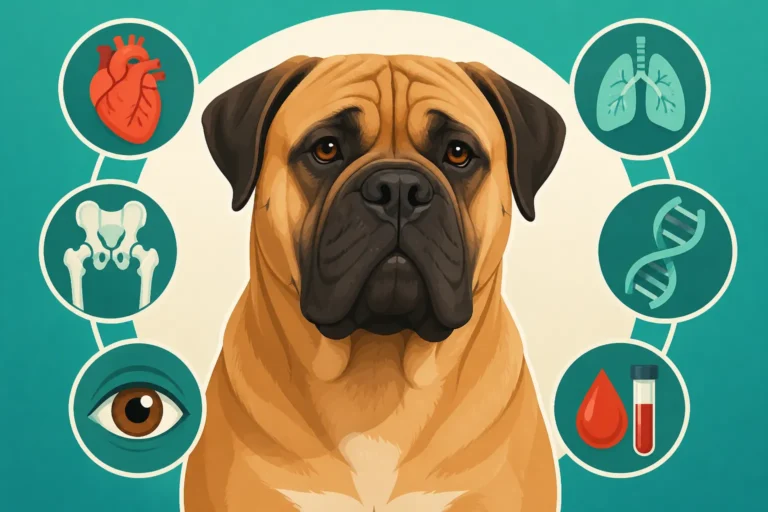
It’s a common and completely understandable worry for Bullmastiff owners: after that initial puppy check-up, how often do we really need to get their hearts looked at? Many of us assume that if a puppy passes its first cardiac exam, we’re in the clear. But with a breed as magnificent and yet as prone to certain health challenges as the Bullmastiff, that assumption can unfortunately lead to missed opportunities for early intervention. This guide will walk you through why annual cardiac rechecks are not just a good idea, but a crucial part of responsible Bullmastiff ownership, helping you understand the unique risks and what proactive steps you can take.
Understanding Bullmastiff Cardiac Health Concerns
Bullmastiffs, like many large and giant breeds, have specific vulnerabilities when it comes to heart health. It's not just about age; some conditions can emerge early, while others develop silently over time, making consistent monitoring absolutely vital.
The Silent Threat of Subaortic Stenosis SAS in Bullmastiffs
One of the most concerning and prevalent heart conditions in our beloved Bullmastiffs is Subaortic Stenosis, often abbreviated as SAS. This isn't just a minor issue; it's a congenital condition, meaning it's present from birth, although its severity can vary and it might not be immediately obvious. SAS involves a narrowing of the outflow tract from the left ventricle of the heart, right where the blood tries to leave for the rest of the body through the aorta. This narrowing forces the heart to work much harder to pump blood, which over time can lead to significant stress on the heart muscle and eventually heart failure.
What makes SAS particularly insidious is its often silent progression. A Bullmastiff puppy might have a mild form that doesn't cause noticeable symptoms for years. You might not see any overt signs of discomfort or reduced activity. This is why a breeder should have screened the parents, and why a Why a Bullmastiff Puppy Needs a Cardiac Exam is so important. However, even with an initial clean bill of health, the condition can progress. A dog that seemed fine at six months could develop a more severe obstruction by two years old. This hidden danger is precisely why we can't afford to be complacent after that initial vet visit. Understanding What Subaortic Stenosis Does to a Bullmastiff is the first step to proactive care.
Other Heart Conditions to Watch For
While SAS gets a lot of attention in Bullmastiffs due to its prevalence, it’s not the only cardiac concern. Another condition to be aware of is Dilated Cardiomyopathy (DCM). Unlike SAS, which is often congenital, DCM is typically acquired, meaning it develops later in life, usually in adult to senior dogs. In DCM, the heart muscle becomes thin and weak, and the chambers of the heart, particularly the ventricles, enlarge or "dilate." This makes the heart less efficient at pumping blood, leading to a buildup of fluid and eventually heart failure.
Symptoms of DCM can be subtle at first, like a slight decrease in exercise tolerance or a soft cough, which many owners might mistakenly attribute to normal aging. These conditions underscore the fact that heart health isn't a "one-and-done" check. The long lifespan of a dog, even for a breed like the Bullmastiff where The Median Bullmastiff Lives Eight and a Half Years, means many years for these conditions to potentially manifest or worsen. Being informed about these potential issues helps you understand why ongoing vigilance is paramount for your Bullmastiff's well-being.
The Importance of Annual Cardiac Rechecks for Bullmastiffs
Given the breed's predispositions, regular check-ups aren't merely routine; they are a critical defense against the silent progression of heart disease. Skipping these appointments can have serious consequences, both for your dog's health and your wallet.
Why Early Detection is Critical
Catching heart disease early in a Bullmastiff can be the difference between managing a condition effectively for years and facing a sudden, devastating crisis. Bullmastiffs are known for their stoic nature; they often hide pain or discomfort until a condition is quite advanced. This inherent trait makes them wonderful, brave companions, but it also means that by the time you notice clear symptoms like severe coughing, extreme lethargy, or collapse, the heart disease might have progressed significantly, limiting treatment options and prognosis.
Early detection allows your veterinarian to initiate interventions that can slow the progression of the disease, improve your dog's quality of life, and potentially extend their life. For instance, medications can help the heart pump more efficiently, manage fluid retention, or control arrhythmias. Starting these treatments when the disease is mild often yields much better results than waiting until the heart is severely compromised. It’s about being proactive rather than reactive, giving your Bullmastiff the best chance at a long, comfortable life. This preventative mindset is not just beneficial for your dog, but also for your peace of mind, knowing you're doing everything you can.
Beyond the Puppy Exam: Lifelong Vigilance
Many Bullmastiff owners, quite rightly, ensure their puppies receive a thorough cardiac exam. However, a clean bill of health at eight weeks doesn't guarantee a lifetime free of heart problems. As we discussed with SAS, the severity of the condition can increase as the dog grows. Other conditions, like DCM, often don't present until adulthood or senior years. This means that a single cardiac exam during puppyhood, while essential, is simply not enough. Your Bullmastiff needs lifelong vigilance when it comes to their heart.
Think of it like our own health: we don't just get a check-up as a child and then never see a doctor again. Similarly, as your Bullmastiff moves through adolescence, maturity, and into The Age a Bullmastiff Is Considered Senior, their heart continues to change, and potential issues can develop or worsen. Annual cardiac rechecks provide a consistent baseline, allowing your vet to track any subtle changes over time, identify new murmurs, or detect shifts in heart rhythm. These regular appointments might seem like just another vet bill, but they are an investment in your dog's future health. In fact, comprehensive pet insurance plans, like those offered by Healthy Paws, can be incredibly valuable here, helping to cover the costs of these routine screenings and any subsequent diagnostics or treatments, making lifelong vigilance more financially manageable.
What to Expect During a Yearly Heart Recheck
Understanding what happens during a cardiac recheck can demystify the process and help you feel more prepared. It's more than just a quick listen; it's a comprehensive assessment designed to catch subtle clues.
The Comprehensive Physical Exam
During a yearly heart recheck, your veterinarian will perform a thorough physical examination, with particular attention paid to cardiac indicators. The most fundamental step is auscultation, which means listening to your Bullmastiff's heart with a stethoscope. The vet will listen for any unusual sounds, specifically heart murmurs. A heart murmur is an abnormal whooshing sound caused by turbulent blood flow, and its presence, location, and intensity can provide crucial information. Vets often grade murmurs from 1 to 6, with Grade 1 being very faint and Grade 6 being very loud and easily felt. The higher the grade, generally, the more significant the turbulent flow.
Beyond listening, your vet will also palpate your dog's pulse, checking its strength and regularity. They'll examine the color of their mucous membranes (gums) for signs of poor circulation, and check their overall body condition. They might ask you about your dog's energy levels, any changes in breathing, or if you've noticed a cough – all potential Signs a Bullmastiff Has a Heart Murmur. Sometimes, a heart condition might be suspected just from observing subtle signs during this routine exam. Knowing How a Vet Grades a Bullmastiff's Murmur helps you understand the severity of any findings.
When Further Diagnostics Are Recommended
If your veterinarian detects a new or worsening murmur, or other signs that suggest a potential heart issue during the physical exam, they will likely recommend further diagnostic tests. The gold standard for assessing heart structure and function in dogs is an echocardiogram, often referred to as an "echo." This is a non-invasive ultrasound of the heart that allows the veterinary cardiologist to visualize the heart's chambers, measure their size, assess valve function, and observe blood flow in real-time. For a Bullmastiff, an echo can definitively diagnose conditions like SAS, reveal its severity, and identify early signs of DCM.
In addition to an echocardiogram, chest X-rays might be recommended to evaluate the size and shape of the heart, as well as to check for fluid buildup in the lungs, which is a common sign of congestive heart failure. An electrocardiogram (ECG) might also be used to assess the heart's electrical activity and detect any arrhythmias (irregular heartbeats). These advanced diagnostics can come with a significant cost, which is a real concern for many owners. However, this is precisely where having pet insurance can provide immense relief. Companies like Healthy Paws offer coverage that can significantly offset the expense of these crucial tests and subsequent treatments, ensuring you can make decisions based on your Bullmastiff's health needs rather than financial constraints. Don't let the thought of costs deter you from pursuing these vital steps When an Echocardiogram Is Needed on a Bullmastiff. Be aware that What a Cardiac Exam Costs for a Bullmastiff can vary, but the information gained is invaluable.
| Diagnostic Test | What It Involves | What It Reveals for Bullmastiffs | Common Cost Range (Estimate) |
|---|---|---|---|
| Physical Exam (Auscultation) | Vet listens to heart with stethoscope | Presence, grade, and location of heart murmur | Included in general wellness exam |
| Echocardiogram (Echo) | Ultrasound of the heart | Detailed imaging of heart structure, function, blood flow; detects SAS, DCM | $500 – $1,200+ |
| Chest X-rays | Radiographs of the chest | Heart size, shape, presence of fluid in lungs (heart failure) | $150 – $400+ |
| Electrocardiogram (ECG) | Measures electrical activity of the heart | Detects arrhythmias or abnormal heart rhythms | $100 – $300+ |
Note: Costs are estimates and can vary significantly based on location, veterinary practice, and complexity.
Proactive Steps for Bullmastiff Heart Health Beyond Vet Visits
While annual vet visits are paramount, you, as the owner, play a massive role in supporting your Bullmastiff's heart health every single day. Your daily choices around diet, exercise, and vigilance at home are powerful tools.
Diet and Exercise: A Balanced Approach
Maintaining a healthy weight and ensuring appropriate exercise are foundational to heart health for any dog, but especially for a large breed like the Bullmastiff. Excess weight puts additional strain on the heart, making it work harder and exacerbating any underlying cardiac conditions. It's incredibly important to Keeping a Bullmastiff Lean Is the Best Thing You Can Do. A lean Bullmastiff is a healthier Bullmastiff, reducing the risk of developing or worsening heart disease. Work with your veterinarian to determine the ideal weight for your dog and establish a feeding plan that avoids overfeeding.
When it comes to exercise, a balanced approach is key. Bullmastiffs are not high-energy dogs, and too much strenuous activity can be detrimental, particularly if they have an undiagnosed or existing heart condition. Moderate, consistent exercise is best, such as daily walks. Avoid intense activities during hot weather, as Bullmastiffs are prone to overheating, and excessive heat can put extra stress on the cardiovascular system. Pay close attention to your dog's stamina; if you notice them tiring more quickly, panting excessively, or lagging behind, it's a sign to slow down and consult your vet. This is particularly crucial if you have a Bullmastiff with a heart condition, as excessive exertion could lead to collapse, as seen in cases where Why a Bullmastiff With Severe Stenosis Collapses.
Recognizing Subtle Signs at Home
As your Bullmastiff's primary caregiver, you are uniquely positioned to notice subtle changes in their behavior or physical condition that might indicate a developing heart issue. Never underestimate your intuition. Bullmastiffs are masters at masking discomfort, so your keen observation skills are invaluable. Be on the lookout for persistent coughing, especially if it seems to worsen at night or after exercise. Watch for reduced stamina or reluctance to engage in activities they once enjoyed. Excessive panting, even when not hot or active, can be a red flag, as can restless nights or difficulty getting comfortable.
Any fainting spells or episodes of weakness, no matter how brief, warrant immediate veterinary attention. Don't simply dismiss these signs as "just getting old" or typical breed quirks. While some changes are indeed part of aging, ruling out a treatable medical condition is always the best approach. Keeping a log of these observations can be helpful for your vet. Being proactive and seeking veterinary advice when you notice anything amiss is critical. Having robust pet insurance coverage, like a plan from Healthy Paws, can give you the freedom to act immediately without the added stress of unexpected costs, ensuring your Bullmastiff gets the prompt attention they deserve if you ever see Signs a Bullmastiff Is Bloating or any other alarming symptom. By understanding Caring for an Aging Bullmastiff, you can be better prepared to monitor and advocate for your loyal companion throughout their years.
Disclaimer
This article is intended for informational purposes only and does not constitute medical advice. Always consult with a qualified veterinarian for any health concerns or before making any decisions about your pet's health or treatment plan.