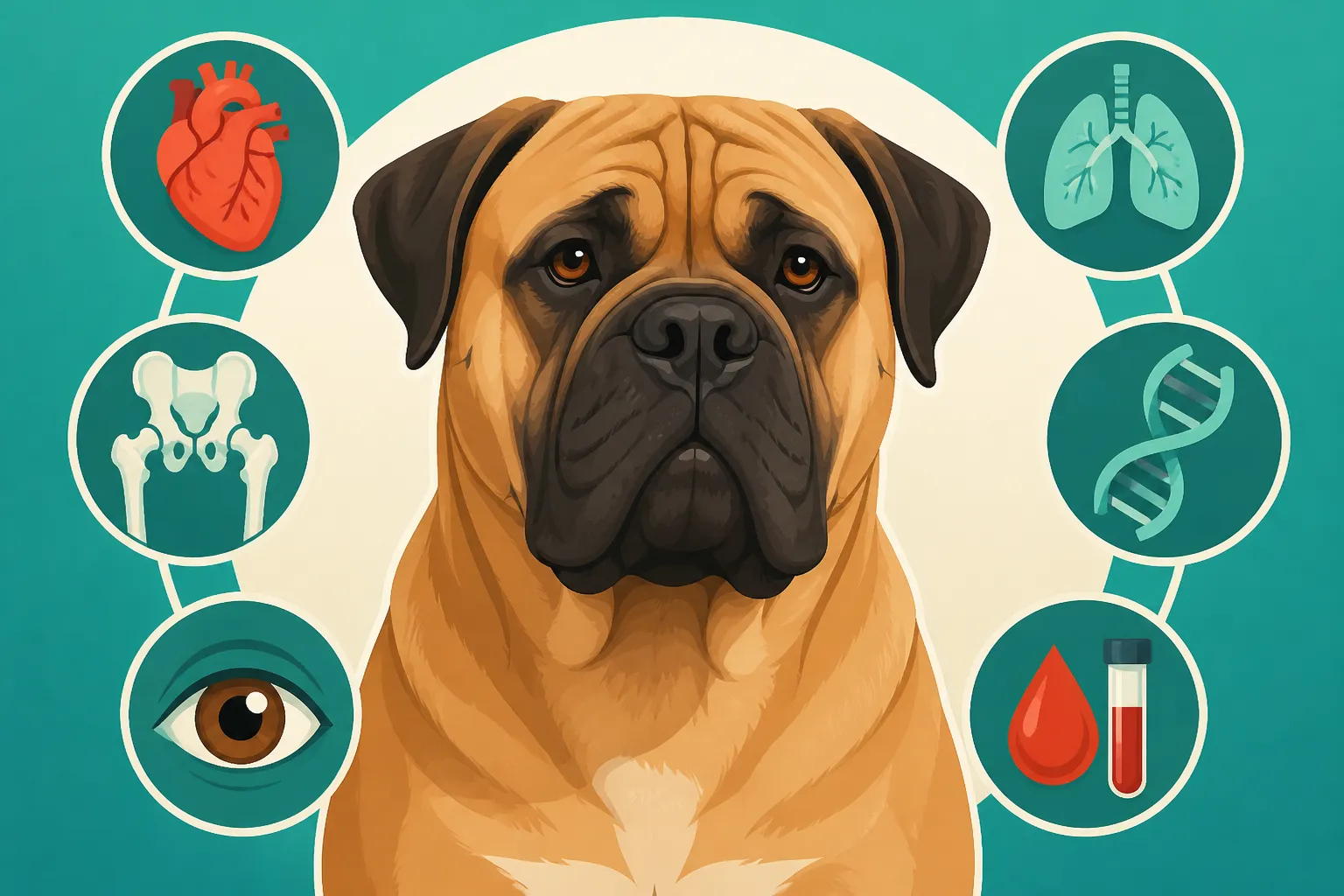
Which Health Tests a Bullmastiff Breeder Should Run
Bringing a Bullmastiff puppy home is a dream for many, full of visions of a loyal, protective, and gentle giant. But the heartbreaking reality for too many owners is discovering their beloved companion is battling serious genetic health issues, often leading to significant vet bills and a shortened life. It’s a gut-wrenching experience that no one should have to face unprepared. This comprehensive guide is here to shed light on the critical health tests a responsible Bullmastiff breeder must run to give their puppies the best possible start and provide future owners with peace of mind.
Understanding the Importance of Health Screening in Bullmastiffs
When you're looking for a Bullmastiff, you're not just picking a puppy; you're investing in a family member who will share your life for hopefully many years. Unfortunately, without proper health screening, those years can be dramatically cut short by preventable or manageable genetic conditions. It’s not enough to simply love the breed; we have to acknowledge its vulnerabilities.
Why Bullmastiffs Face Unique Health Challenges
Bullmastiffs, like many large and giant breeds, are predisposed to a range of health issues that can be devastating. Their massive size, rapid growth rate, and specific genetic lineage contribute to conditions that are less common in smaller, more genetically diverse breeds. For instance, joint problems are a significant concern, given the immense stress placed on their developing bones and cartilage. Their unique head structure can also predispose them to certain eye conditions. Beyond these structural issues, Bullmastiffs, heartbreakingly, have a notoriously short lifespan, with The Median Bullmastiff Lives Eight and a Half Years being a stark reminder of the importance of good breeding practices. Many of these health problems are inherited, meaning they are passed down from parent dogs to their offspring. Without rigorous screening of breeding stock, these issues proliferate through the breed, causing immense suffering for dogs and their families. This is why a breeder's commitment to health testing isn't just a suggestion; it's a moral imperative.
The Role of a Responsible Breeder
A truly responsible Bullmastiff breeder acts as the first line of defense against these inherited diseases. They don't just breed two dogs because they "look nice" or have good temperaments; they delve deep into the health history of their breeding stock, their siblings, and their ancestors. This involves a significant financial and time commitment to perform various health screenings and interpret the results. It's about being transparent with prospective puppy buyers, openly discussing potential risks, and providing verifiable proof of all health clearances. When a breeder confidently shares certifications from organizations like the Orthopedic Foundation for Animals (OFA) or the Canine Eye Registration Foundation (CERF), it shows they understand the gravity of their role. They are not merely selling a dog; they are entrusting you with a legacy, and that legacy should be one of health and longevity. Asking a breeder, "Which Health Tests a Bullmastiff Breeder Should Run" is the bare minimum; a truly responsible breeder will have this information readily available and proactively discuss it with you.
Essential Cardiac Health Screenings
Heart health is a paramount concern for Bullmastiffs, with certain conditions being particularly prevalent and potentially life-threatening if undetected. Ignoring cardiac screening is akin to playing Russian roulette with a puppy's future.
Echocardiograms for Subaortic Stenosis (SAS)
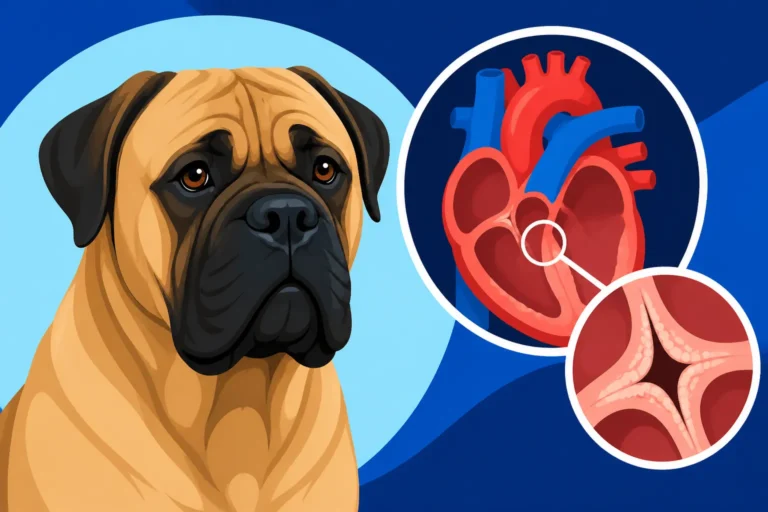
One of the most devastating cardiac conditions in Bullmastiffs is Subaortic Stenosis (SAS). This is a congenital heart defect, meaning it's present from birth, where a fibrous ring of tissue forms just below the aortic valve, partially obstructing blood flow out of the left ventricle. Over time, the heart has to work harder to pump blood, leading to thickening of the heart muscle and, eventually, heart failure or sudden cardiac death. What makes SAS particularly insidious is that Subaortic Stenosis Is There Before a Bullmastiff's First Birthday, meaning a puppy can be born with it, and it can progress rapidly.
A breeder committed to cardiac health will ensure that all breeding dogs undergo a specialized cardiac examination, specifically an echocardiogram performed by a board-certified veterinary cardiologist. This isn't just a stethoscope listen; an echocardiogram is an ultrasound of the heart that allows the cardiologist to visualize the heart's structure, measure blood flow velocity, and definitively diagnose SAS or rule it out. The results are typically registered with the OFA, providing an official record. A "normal" OFA cardiac certification for SAS means the dog has been examined and found free of the condition. Without this specific test, a breeder is simply guessing about the heart health of their dogs, potentially perpetuating a serious genetic problem.
Yearly Cardiac Exams for Breeding Dogs
Beyond the initial screening for SAS, ongoing cardiac health monitoring is crucial, especially for dogs actively used in a breeding program. While SAS is congenital, other cardiac issues can develop later in life. Therefore, responsible breeders will have their breeding dogs re-evaluated annually by a cardiologist. This typically involves another auscultation (listening with a stethoscope) and, often, a repeat echocardiogram, particularly if any murmurs are detected. It's about catching any changes early and ensuring that the breeding dog remains free of any emergent cardiac concerns that could impact their offspring.
Think of it like this: if you were buying a house, you'd want a recent inspection, not just one from ten years ago. The same applies to a breeding dog's heart. These regular check-ups help ensure that parents remain healthy and that no new, subtle signs of heart disease have appeared. Moreover, asking Why a Bullmastiff Puppy Needs a Cardiac Exam highlights the importance of this early detection. Sometimes, a puppy might have a 'flow murmur' that resolves, but an experienced cardiologist can differentiate this from a pathological murmur indicative of a serious condition like SAS. A thorough breeder will be proactive in these screenings, providing peace of mind for both themselves and future owners.
Orthopedic Evaluations: Hips and Elbows
Given their impressive size and powerful build, Bullmastiffs are particularly susceptible to joint problems. Dysplasia of the hips and elbows are common concerns in large breeds, leading to pain, arthritis, and significant mobility issues.
Understanding Hip Dysplasia
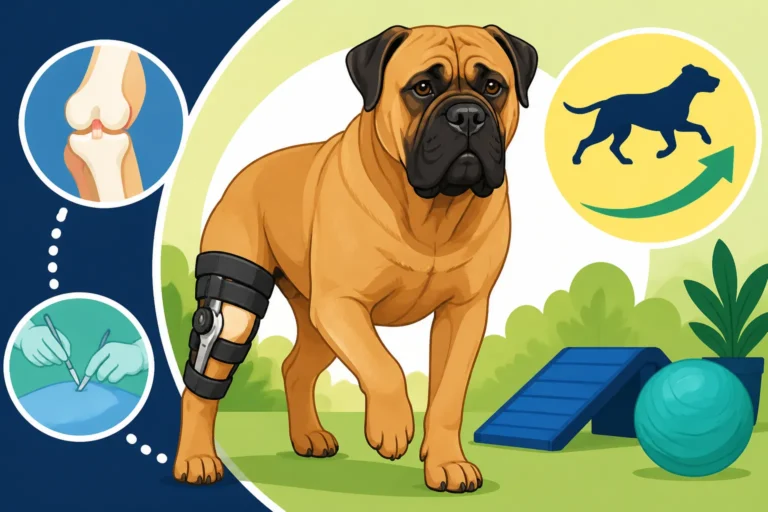
Hip dysplasia is a malformation of the hip joint, where the ball (femoral head) and socket (acetabulum) don't fit together properly. This misalignment leads to friction, wear and tear, and eventually, painful arthritis. It's a polygenic trait, meaning multiple genes contribute to its development, but environmental factors like rapid growth and excessive exercise in puppyhood can exacerbate it. A dog with severe hip dysplasia can experience chronic pain, lameness, and a significantly reduced quality of life. For a large breed like a Bullmastiff, managing hip dysplasia can involve extensive medical treatment, physical therapy, or even costly surgeries like total hip replacement.
To combat this, responsible breeders will have their breeding dogs' hips X-rayed and evaluated by a veterinary radiologist, usually through the OFA or PennHIP. The OFA provides a single evaluation at two years of age or older, grading hips as Excellent, Good, Fair (all considered passing), Borderline, or Dysplastic. PennHIP, on the other hand, can be performed as early as 16 weeks and provides a quantitative measurement of hip laxity, offering a higher predictive value for hip dysplasia risk. Both systems are valuable, and a breeder using either (or ideally, both) demonstrates a commitment to reducing the incidence of Hip Dysplasia in a Bullmastiff in their lines. Insisting on seeing these certifications for both parents is non-negotiable.
Addressing Elbow Dysplasia
Similar to hip dysplasia, elbow dysplasia is a complex condition encompassing several developmental abnormalities of the elbow joint. These include ununited anconeal process (UAP), fragmented coronoid process (FCP), osteochondrosis dissecans (OCD), and elbow incongruity. All these conditions lead to abnormal bone growth, joint instability, and eventually, debilitating arthritis in the elbow. The pain and lameness caused by elbow dysplasia can be just as severe as hip dysplasia, if not more so, significantly impacting a Bullmastiff's ability to move comfortably.
Elbow dysplasia is also screened via X-rays, typically submitted to the OFA. Elbows are graded as Normal, Grade I, Grade II, or Grade III, with Grades I, II, and III indicating increasing severity of dysplasia. Only dogs with "Normal" elbow grades should be used for breeding. A breeder who proudly presents OFA certifications for both hips and elbows is showing a deep understanding of breed health priorities. Remember that When a Bullmastiff Should Be X Rayed for these conditions is typically after two years of age for OFA, as the joints need to be fully developed for an accurate assessment. Don't settle for a breeder who claims their vet "checked" the hips and elbows without official OFA or PennHIP clearances. This is a red flag. Checking to see Whether a Bullmastiff Breeder Hip Scores is a fundamental question every prospective owner should ask.
Eye Health: Beyond What Meets the Eye
While not as immediately life-threatening as cardiac or severe orthopedic issues, inherited eye conditions can significantly impact a Bullmastiff's quality of life, potentially leading to discomfort, impaired vision, or even blindness.
Ophthalmologist Examinations for Hereditary Conditions
Just like humans need regular eye check-ups, Bullmastiffs require specialized evaluations to detect hereditary eye diseases. A comprehensive eye exam performed by a board-certified veterinary ophthalmologist is crucial. These specialists use specific equipment and techniques to examine all parts of the eye, looking for conditions such as progressive retinal atrophy (PRA), cataracts, and other less common inherited eye disorders. The results of these exams are typically registered with the Canine Eye Registry Foundation (CERF), now part of the OFA.
A "normal" or "clear" CERF/OFA eye certification means the dog has been examined and found free of observable, inheritable eye diseases at the time of the exam. Because some conditions can develop later in life, responsible breeders will have their breeding dogs' eyes examined annually, ensuring ongoing clearance. This is especially important as certain eye conditions can progress over time, and annual checks provide a continuous record of health. Don't be shy about asking to see the most recent eye clearances for both parent dogs.
Checking for Entropion and Ectropion
Beyond generalized hereditary conditions, Bullmastiffs are prone to specific eyelid abnormalities due to their breed characteristics, namely entropion and ectropion.
- Entropion: This is a condition where the eyelid rolls inward, causing the eyelashes and fur to rub against the surface of the eye. This constant irritation can lead to pain, corneal ulcers, conjunctivitis, and scarring, potentially affecting vision. It's incredibly uncomfortable for the dog.
- Ectropion: This is the opposite, where the eyelid rolls outward, exposing the delicate conjunctiva. While often less painful than entropion, it can lead to chronic irritation, dryness, and infections due to increased exposure to foreign particles and reduced tear film distribution.
Both conditions are typically managed with surgery, which can be costly and requires careful post-operative care. A responsible breeder will carefully inspect the eyelids of their breeding stock and puppies for any signs of these conditions. While mild cases might not disqualify a dog from breeding if they aren't causing problems, any breeding dog with a history of needing surgical correction for entropion or ectropion should be carefully considered, as these traits can be passed on. The article on Entropion in a Bullmastiff further details this specific concern. Breeders should strive to produce dogs with correct, functional eyelids to prevent these painful issues for future owners.
Thyroid Function: A Silent Contributor to Health
The thyroid gland plays a vital role in regulating a dog's metabolism, and when it's not functioning correctly, it can lead to a host of health problems that might initially be mistaken for other issues.
Screening for Hypothyroidism
Hypothyroidism is a condition where the thyroid gland doesn't produce enough thyroid hormones. It's surprisingly common in Bullmastiffs and can manifest in a wide array of symptoms, often subtly at first. These can include unexplained weight gain, lethargy, poor coat quality (dry, brittle, or excessive shedding), skin issues, cold intolerance, and even behavioral changes like aggression or anxiety. Because the symptoms are so varied and can mimic other conditions, hypothyroidism is often called the "great imitator."
Responsible breeders regularly test their breeding stock for thyroid function. This involves a blood test that measures various thyroid hormone levels (T3, T4, free T4, and TSH). The OFA also offers a thyroid registry, certifying dogs based on these blood panels. A "normal" OFA thyroid certification indicates healthy thyroid function. Since hypothyroidism can have a genetic component, breeding dogs should be screened periodically, usually annually or bi-annually, especially if they are part of an active breeding program. While hypothyroidism is treatable with daily medication, it's a lifelong commitment for the owner, and breeders strive to produce dogs from lines with healthy thyroid function to minimize this risk. Understanding How Hypothyroidism Presents in a Bullmastiff is crucial for both breeders and owners.
The Importance of Regular Thyroid Panels
Just as with cardiac health, one-time thyroid testing isn't sufficient. A Bullmastiff can develop hypothyroidism later in life, even if their initial tests were clear. This is why a pattern of regular testing for breeding animals is so important. A breeder who shows continuous OFA thyroid clearances over several years for their breeding dogs demonstrates a thorough and ongoing commitment to health. If a dog in their breeding program does develop hypothyroidism, a responsible breeder will typically remove that dog from the program and transparently discuss it with prospective buyers.
The goal is to select breeding animals with consistently healthy thyroid function across generations. While hypothyroidism is manageable with medication, it's still a chronic condition, and preventing its inheritance is a key aspect of responsible breeding. Knowing that the parent dogs have a history of clear thyroid panels provides reassurance that you're less likely to face this particular challenge down the line. Moreover, some breeders even consider the thyroid health of close relatives, not just the direct parents, to get a more complete picture of genetic predisposition.
Other Important Considerations for Bullmastiff Health
Beyond the core genetic tests, a responsible Bullmastiff breeder will also be keenly aware of other significant health challenges prevalent in the breed and take proactive steps to address them.
Evaluating for Bloat Risk and Proactive Measures
Gastric Dilatation-Volvulus (GDV), commonly known as bloat, is a life-threatening condition that all large breed owners, especially Bullmastiff owners, dread. It occurs when the stomach fills with gas and twists, cutting off blood flow and trapping air, food, and fluid. It's a true veterinary emergency, requiring immediate surgery, and even with prompt treatment, the mortality rate can be high. While the exact cause is complex and not fully understood, factors like genetics, deep-chested conformation, eating habits (eating too fast, eating one large meal), and stress are believed to contribute.
A breeder cannot "test" for bloat in the same way they test for hip dysplasia, as it's not a simple genetic marker. However, a responsible breeder will be intimately familiar with the bloat history in their lines. They will openly discuss any instances of bloat in the parents, grandparents, or siblings of their breeding dogs. While a single case might not disqualify an otherwise exceptional dog, a pattern of bloat in a pedigree would be a serious red flag. Good breeders will also educate new puppy owners on preventative measures, such as feeding multiple smaller meals, avoiding strenuous exercise around meal times, and considering a prophylactic gastropexy (surgically tacking the stomach to the abdominal wall to prevent twisting) when the dog is spayed or neutered. This kind of transparency and education is invaluable.
Understanding Cancer Risk and Pedigree Transparency
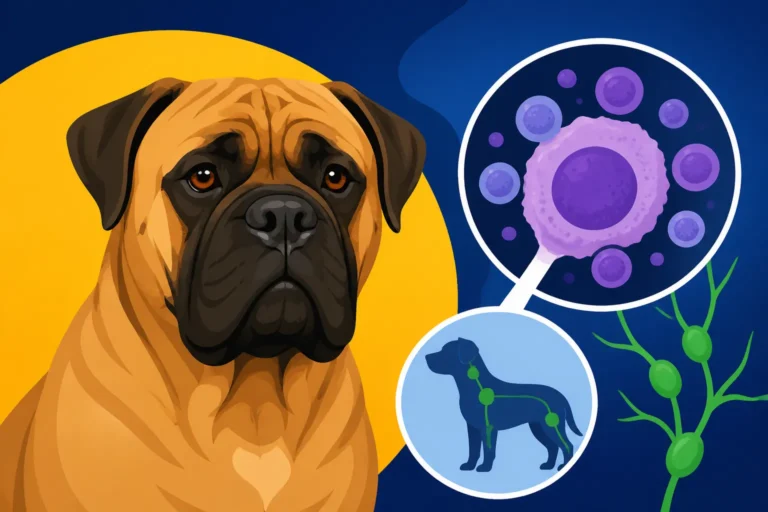
Cancer is a devastating reality for many Bullmastiff owners, sadly accounting for a significant portion of deaths in the breed. Lymphoma, mast cell tumors, and osteosarcoma are among the more common cancers seen. The median lifespan of How Long a Bullmastiff Lives on Average is already shorter than many breeds, and cancer tragically often strikes in their prime.
While there isn't a single genetic test that can predict all forms of cancer, a responsible breeder will be hyper-aware of cancer incidence in their pedigrees. They should be able to discuss the causes of death for dogs in their lines, particularly parents and grandparents. Some breeders are incredibly proactive, even publishing health data including cancer information on databases like the OFA, allowing prospective owners to research longevity and health history. Asking a breeder, "Whether a Bullmastiff Breeder Publishes Cancer History" is a good way to gauge their transparency.
No breeder can guarantee a dog will never get cancer, but a breeder who understands the breed's vulnerabilities will strive to select breeding stock from lines with long-lived, cancer-free ancestors. They will also educate new owners on the signs of common cancers, emphasizing the importance of regular vet check-ups and being vigilant about any new lumps, bumps, or changes in behavior. Support for research into Bullmastiff cancers, perhaps through organizations like the Bullmastiff Health Foundation or working with pet insurance providers like Healthy Paws, also indicates a breeder's long-term commitment to the breed's well-being. Knowing the pedigree history, while not a guarantee, offers a clearer picture of potential risks.
The Role of Genetic Testing Beyond Physical Exams
While physical exams and imaging are foundational, advancements in genetic science offer additional layers of screening for Bullmastiffs, revealing predispositions that might not be visible in physical examinations. These tests can identify specific genetic mutations linked to certain diseases.
DNA Tests for Identified Genetic Conditions
For some breeds, specific DNA tests exist for known inherited conditions, allowing breeders to identify carriers or affected dogs before they ever show symptoms. For Bullmastiffs, while there isn't a universal panel that covers every single potential issue, reputable genetic testing companies like Embark or Wisdom Panel offer comprehensive breed-specific panels that include many conditions relevant to large breeds. These might include conditions like Degenerative Myelopathy (DM), a progressive neurological disease, or certain kidney conditions.
A responsible Bullmastiff breeder will utilize these DNA tests for their breeding stock, especially for conditions known to affect the breed or its close relatives. If a dog tests as a carrier for a recessive genetic disease, it doesn't necessarily mean they can't be bred, but it does mean they must be carefully paired with a non-carrier to avoid producing affected puppies. A breeder who understands and applies genetic testing proactively demonstrates a forward-thinking approach to breed health. Always ask to see proof of these DNA clearances, just as you would for OFA certifications.
Understanding the Limitations of Genetic Testing
It’s important to understand that genetic testing, while powerful, has its limitations. Not every disease has an identified genetic marker, and some conditions are polygenic, meaning multiple genes contribute to them, making a simple "clear/affected" test impossible. For instance, while certain genetic predispositions to cancer might be researched, there isn't one definitive "cancer gene test" that guarantees a dog will never develop cancer. This means that a combination of genetic testing, physical examinations, and a thorough understanding of pedigree health history is the most robust approach to breeding healthy Bullmastiffs.
Moreover, genetic tests are only as good as the labs that perform them and the breeders who interpret and act upon the results. A responsible breeder will use reputable laboratories and understand the nuances of what each test means for their breeding program. They won't rely solely on genetic tests but will integrate them into a holistic health screening strategy, combining them with expert veterinary opinions and physical clearances. For instance, even with genetic testing, a breeder would still perform orthopedic evaluations for Elbow Dysplasia in a Bullmastiff because the interplay of genetics and environment is complex.
The Importance of Pedigree and Longevity
Beyond individual health tests, a truly responsible breeder looks at the bigger picture: the health and longevity of the entire lineage. This genealogical approach adds another critical layer to ensuring healthy puppies.
Researching Health in Ancestral Lines
A pedigree is more than just a list of names; it's a map of a dog's genetic history. A responsible Bullmastiff breeder doesn't just look at the health clearances of the immediate parents; they dig deeper. They research the health and causes of death of grandparents, great-grandparents, and even siblings of their breeding stock. They want to identify any recurring patterns of disease, especially those with suspected genetic components. For example, if several dogs in a particular line have died prematurely from certain cancers or heart conditions, a conscientious breeder might decide against breeding from that line, even if the immediate parents have passed their individual health tests.
This level of pedigree research requires dedication, networking with other ethical breeders, and maintaining detailed records. It’s about building a comprehensive understanding of genetic strengths and weaknesses within their breeding program. This commitment to historical data helps mitigate risks that individual tests might miss, particularly for complex conditions like certain cancers where genetic markers are still being researched. It also speaks to the breeder's long-term vision for the health of the breed, contributing to a longer, healthier average lifespan for the Bullmastiff.
Selecting for Longevity
Ultimately, one of the most compelling indicators of overall health is longevity. While no one can predict the exact lifespan of an individual dog, selecting breeding stock from lines where dogs consistently live to a ripe old age (for a Bullmastiff) is a powerful strategy. A breeder who prioritizes longevity will often track the age and cause of death of every dog they breed, as well as those in the pedigrees of their breeding stock. They will openly share this information with prospective owners, sometimes even making it available through public databases or their own websites.
When considering a puppy, ask the breeder about the average lifespan of the dogs in their lines. Do their dogs typically reach The Median Bullmastiff Lives Eight and a Half Years or even surpass it? This information, combined with all the specific health clearances, provides the most holistic view of a puppy's potential health. While accidents happen and health challenges can arise unexpectedly, choosing a puppy from lines known for health and longevity significantly increases your chances of sharing a long and happy life with your Bullmastiff. Reputable pet insurance companies, like Healthy Paws, often track breed-specific health trends, further underscoring the importance of breeders striving for better longevity and reduced incidence of common ailments.
Summary of Essential Bullmastiff Health Tests
To make it easier to keep track, here's a quick overview of the essential health tests a Bullmastiff breeder should be running:
| Health Condition | Test Method | Minimum Age for OFA/CHIC | Certifying Body (Examples) | Frequency |
|---|---|---|---|---|
| Cardiac Health | Echocardiogram by Cardiologist | 12 months+ (OFA) | OFA (Advanced Cardiac) | Annually for breeding dogs |
| Hip Dysplasia | X-rays | 24 months | OFA, PennHIP | Once (OFA), Can be younger for PennHIP |
| Elbow Dysplasia | X-rays | 24 months | OFA | Once |
| Eye Health | Ophthalmologist Exam | 12 months+ | OFA (CERF) | Annually |
| Thyroid Function | Blood Panel (T3, T4, Free T4, TSH) | 12 months+ | OFA (Thyroid) | Annually / Bi-annually |
| Bloat Predisposition | Pedigree Research, Conformation | N/A | N/A (Breeder Knowledge) | Ongoing |
| Cancer Risk | Pedigree Research, Longevity Tracking | N/A | N/A (Breeder Transparency) | Ongoing |
| Genetic Conditions | DNA Panel (e.g., DM, Cystinuria if applicable) | Any age | Embark, Wisdom Panel, OFA (some DNA) | Once |
Remember, this table is a summary. Each test requires a detailed understanding of its purpose and limitations, as discussed in the sections above.
Questions to Ask a Bullmastiff Breeder About Health Testing
When you're speaking with a potential breeder, it's vital to come prepared with specific questions about their health testing protocols. Don't be afraid to ask for proof; a truly responsible breeder will welcome your thoroughness. This is about making an informed decision for a family member's health.
Verifying Certifications and Results
Always ask to see copies of health certifications for both the sire (father) and dam (mother) of the litter. These aren't just verbal assurances; they are official documents from organizations like the OFA, PennHIP, or CERF. For example, for hip and elbow evaluations, you should see clear "Excellent," "Good," or "Fair" for hips, and "Normal" for elbows on the OFA certificate. For cardiac screening, look for "Normal" for SAS, ideally from an echocardiogram performed by a board-certified cardiologist. For eyes, you'll want to see recent "Normal" or "Clear" certifications.
Don't accept "my vet checked them, and they're fine" as sufficient proof. A good breeder will readily provide you with the OFA numbers or links to their dogs' public OFA database listings. This allows you to independently verify the results. If a breeder hesitates or cannot produce these documents, it's a significant red flag. This also applies to DNA tests; ask for the specific tests performed and the results. A breeder who genuinely invests in these tests will be proud to share them. Furthermore, check the dates on these certifications – they should be current, especially for annual screenings like eyes and thyroid. Ensuring that Whether a Bullmastiff Breeder Screens for Heart Disease is not just a casual check but a formal, documented process is paramount.
Inquiring About Pedigree Health History and Transparency
Beyond the immediate parents, a responsible breeder will be an open book about the health history of their entire breeding program and the pedigrees of their dogs. Ask them directly about the longevity of the dogs in their lines: "How old did the grandparents of this litter live, and what were their causes of death?" Inquire about any instances of chronic diseases, such as bloat, specific cancers, or severe allergies, appearing in close relatives.
A breeder who is truly committed to transparency will not shy away from discussing these sensitive topics. They might even proactively share information about health challenges they've encountered and how they've adjusted their breeding program in response. This kind of open dialogue is a hallmark of an ethical breeder. They understand that health is a journey, not just a destination, and they're committed to continuous improvement. Some might even mention pet insurance options like Healthy Paws, or other reputable providers, as a way to help new owners manage potential health costs, demonstrating an understanding of the long-term commitment. Remember, you're looking for a partner in this journey, not just a vendor, and their transparency about health history is key.
Disclaimer
Please note that this guide provides general information about health tests for Bullmastiff breeders. While every effort has been made to provide accurate and up-to-date information, it is not a substitute for professional veterinary advice. Always consult with a qualified veterinarian or a board-certified specialist for diagnosis and treatment of any health conditions. Health screening recommendations can evolve, and individual dogs may have unique needs.