Which Type of Lymphoma a Bullmastiff Gets
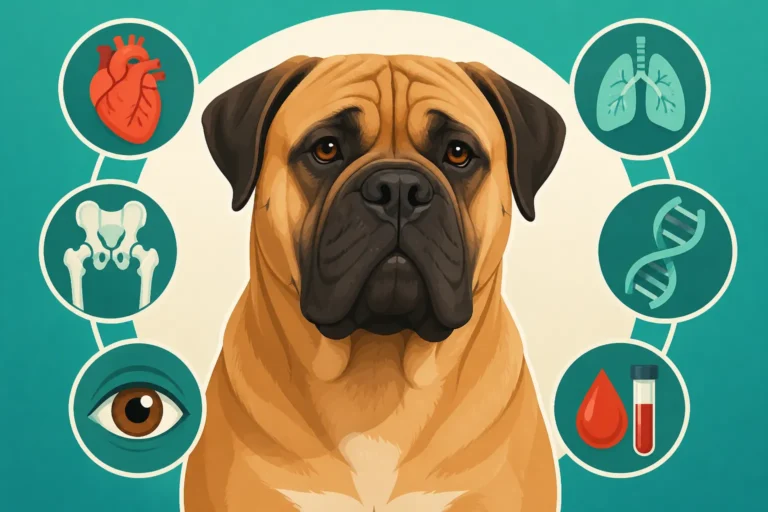
It’s a gut-wrenching moment for any Bullmastiff owner: that discovery of a lump, the sudden lethargy, or the alarming news from the vet that your beloved, stoic companion might have lymphoma. This devastating diagnosis is, unfortunately, all too common in our breed, and understanding which type of lymphoma a Bullmastiff typically gets is crucial for early detection, treatment discussions, and ultimately, providing the best care for your gentle giant. This guide aims to shed light on the specific forms this aggressive cancer often takes in Bullmastiffs, offering clarity and support in a truly difficult time.
Understanding Canine Lymphoma in Bullmastiffs
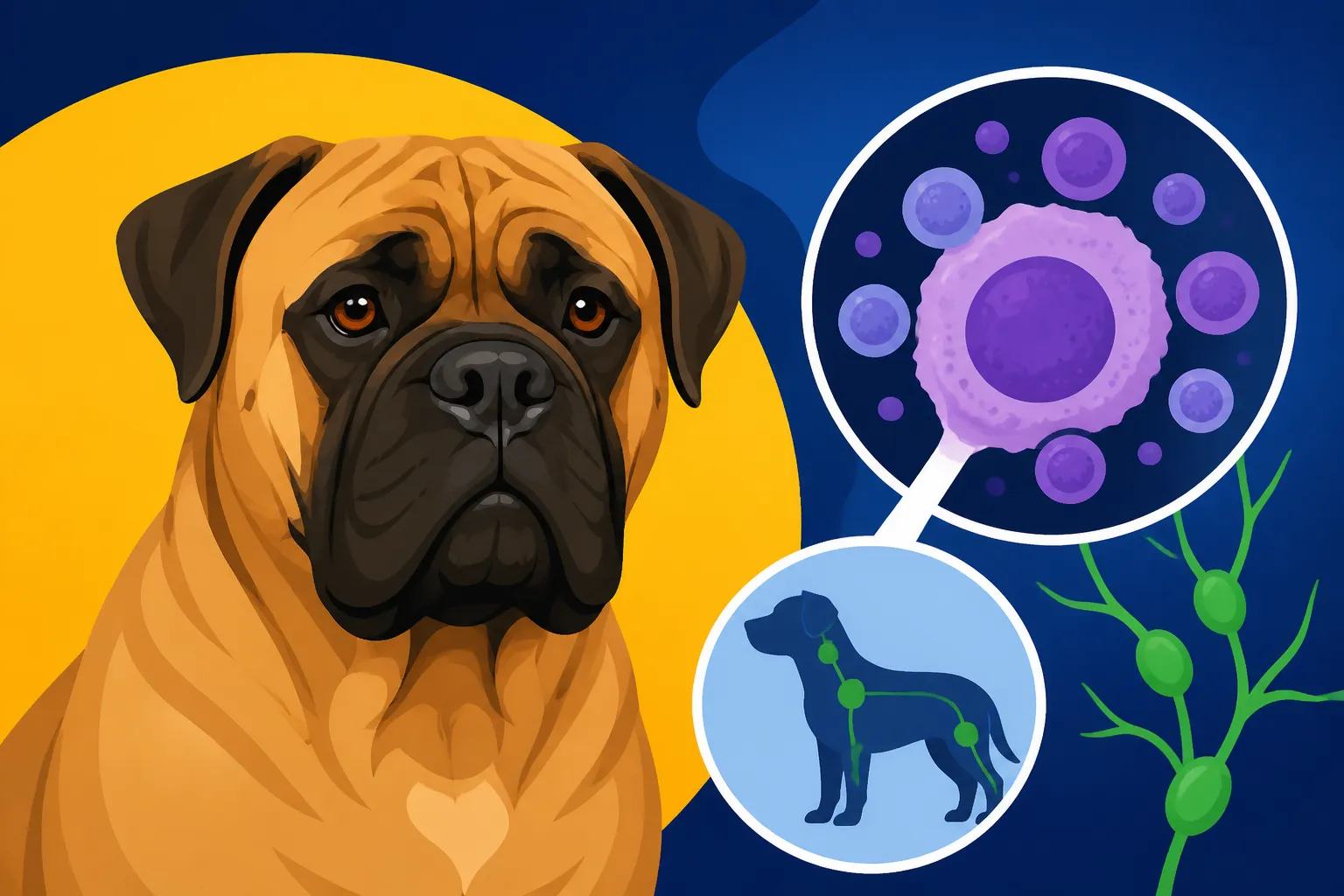
Lymphoma is one of the most frequently diagnosed cancers in dogs, and tragically, Bullmastiffs carry a significantly higher risk compared to many other breeds. It’s not just a single disease; rather, lymphoma is a complex group of cancers originating from lymphocytes, a type of white blood cell that plays a vital role in the immune system. Because lymphocytes are found throughout the body, lymphoma can literally show up almost anywhere, making it a tricky and insidious foe.
For Bullmastiff owners, the reality is that Lymphoma Kills More Bullmastiffs Than Anything Else, and recognizing the general nature of this cancer is the first step. When lymphocytes become cancerous, they multiply uncontrollably, forming tumors and overwhelming healthy tissues. This can impact various organs, leading to a cascade of health issues. It's a systemic disease, meaning it doesn't just stay in one spot, which is why a thorough diagnostic process is so important once a suspicion arises. Our big, loving Bullmastiffs, despite their robust appearance, are sadly prone to this particular vulnerability in their immune systems.
The Specific Forms of Lymphoma Affecting Bullmastiffs
When we talk about "which type" of lymphoma, it's not a simple answer because the disease is classified in several ways, each providing a piece of the puzzle for prognosis and treatment. In Bullmastiffs, specific anatomical locations and cell types are more common, painting a clearer, albeit grim, picture of what owners often face.
Anatomical Classification: Where Lymphoma Appears
The most straightforward way vets classify lymphoma is by where it manifests in the body. While it can theoretically appear anywhere, certain locations are much more prevalent in Bullmastiffs.
-
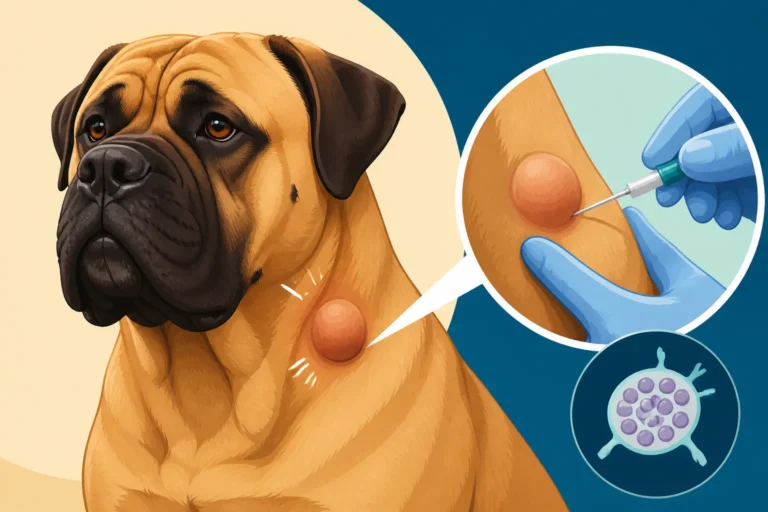
Multicentric Lymphoma: This is, by far, the most common form of lymphoma in dogs, accounting for 80-85% of all cases. For Bullmastiffs, this type is a frequent culprit. Owners typically notice it first as enlarged, firm, and non-painful lymph nodes. These nodes, normally small and unnoticeable, can swell dramatically, often to the size of grapes or even golf balls, especially in areas like behind the jaw (submandibular), in front of the shoulders (prescapular), in the armpits (axillary), in the groin (inguinal), and behind the knees (popliteal). You can feel these swollen nodes under their loose skin, which is why regularly checking your Bullmastiff for unusual lumps is so important. When you discover these enlarged nodes, it often means the cancer is already fairly widespread, impacting multiple lymph node chains. This makes the article Where a Bullmastiff's Swollen Nodes Are Felt First an invaluable resource for early detection.
-
Alimentary (Gastrointestinal) Lymphoma: While less common than multicentric, alimentary lymphoma is another form that can affect Bullmastiffs. This type primarily targets the stomach and intestines. Symptoms are often vague and can mimic other digestive issues, making it harder to diagnose initially. Owners might notice chronic vomiting, diarrhea, weight loss despite a good appetite, loss of appetite, or simply a general decline in energy. The insidious nature of these symptoms can sometimes lead to delays in diagnosis, as they don't immediately scream "cancer" to many owners or even general practitioners.
-
Mediastinal Lymphoma: This type is less common but particularly concerning because it affects the lymph nodes within the chest cavity, specifically those in the mediastinum (the space between the lungs). When these nodes enlarge, they can press on the trachea (windpipe) or major blood vessels, leading to symptoms like coughing, difficulty breathing, or swelling of the face and front limbs due to obstructed blood flow. The signs can be quite sudden and severe, often requiring emergency veterinary attention.
-
Extranodal Lymphoma: This refers to lymphoma that arises in an organ other than the lymph nodes, spleen, or bone marrow. While rarer, it can still affect Bullmastiffs. Common extranodal sites include the skin (cutaneous lymphoma), eyes, central nervous system, or kidneys. Cutaneous lymphoma might appear as red, flaky patches, nodules, or plaques on the skin that don't respond to typical treatments. Lymphoma of the bone can cause lameness or pain. These cases can be especially challenging to diagnose given their varied presentations.
Histological and Immunophenotypic Classification: The Cellular Story
Beyond where the lymphoma is, vets also classify it by how the cells look under a microscope (histology) and what kind of lymphocytes are involved (immunophenotype). These details are critical because they heavily influence prognosis and treatment choices.
-
High-Grade vs. Low-Grade:
- High-Grade Lymphoma: This is the most common form seen in Bullmastiffs and dogs in general. It's characterized by rapidly dividing cancer cells and aggressive tumor growth. High-grade lymphoma progresses quickly and without aggressive treatment, the prognosis is often poor. This swift progression means that owners often have very little time to make critical decisions once diagnosed.
- Low-Grade (Indolent) Lymphoma: This type is less common and tends to be slower-growing and less aggressive. It might not cause severe symptoms for a longer period. However, even low-grade lymphoma can eventually transform into a more aggressive form, and while it might be managed for a longer time, it's still a serious condition.
-
B-Cell vs. T-Cell Lymphoma: This distinction is perhaps the most important for predicting how a Bullmastiff’s lymphoma will respond to treatment. It refers to whether the cancer originated from B-lymphocytes or T-lymphocytes.
- B-Cell Lymphoma: Generally, B-cell lymphoma tends to have a better prognosis and response rate to standard chemotherapy protocols compared to T-cell lymphoma. While still a life-threatening disease, dogs with B-cell lymphoma often achieve longer remissions.
- T-Cell Lymphoma: This is a particularly devastating type, and unfortunately, it is believed that Bullmastiffs are disproportionately affected by T-cell lymphoma. T-cell lymphoma is often more aggressive, has a poorer prognosis, and can be more resistant to conventional chemotherapy. The presence of T-cell lymphoma can significantly impact How Long a Bullmastiff Lives After a Lymphoma Diagnosis. This is a major factor in Why a Bullmastiff's Lymphoma Risk Is Five Times a Mixed Breed's often leading to a more challenging fight.
Understanding these classifications helps your veterinary oncologist tailor the most effective treatment plan. A Bullmastiff diagnosed with high-grade T-cell multicentric lymphoma, for instance, faces a more aggressive disease course than one with low-grade B-cell lymphoma.
To help visualize these crucial differences, here’s a quick overview of B-cell versus T-cell lymphoma:
| Feature | B-Cell Lymphoma | T-Cell Lymphoma |
|---|---|---|
| Origin | B-lymphocytes (antibody production) | T-lymphocytes (cell-mediated immunity) |
| Prevalence | More common overall in dogs | Less common overall, but higher in Bullmastiffs |
| Response to Chemo | Generally better prognosis, more responsive | Often more aggressive, poorer prognosis, less responsive |
| Typical Appearance | Often multicentric, affecting lymph nodes | Can also be multicentric; sometimes associated with hypercalcemia |
| Breed Specific | Not particularly linked to specific breeds | Stronger breed predisposition in Bullmastiffs, Boxers, Golden Retrievers |
Recognizing the Signs and Importance of Early Diagnosis
The insidious nature of lymphoma means that early signs can be subtle, and Bullmastiffs, being the stoic creatures they are, are masters at hiding pain or discomfort until a disease is quite advanced. This makes an owner’s vigilance absolutely paramount. Paying close attention to any changes in your Bullmastiff's behavior or physical condition can make a significant difference.
What to Look For
The most common sign, especially with multicentric lymphoma, is palpable enlarged lymph nodes. These can often be felt in areas like the neck (under the jaw), armpits, or groin. Beyond lumps, however, there are other important indicators to watch for. Signs a Bullmastiff Has Lymphoma include general lethargy, decreased appetite, unexplained weight loss, increased thirst or urination, or even difficulty breathing if the mediastinal form is present. Sometimes, you might notice swelling in the legs or face. Any persistent, unexplained change in your Bullmastiff’s demeanor or physical state warrants a prompt visit to your veterinarian. Do not delay, hoping it will resolve itself; with lymphoma, time is of the essence.
The Diagnostic Process
Once your vet suspects lymphoma, a diagnostic journey begins. It typically starts with a physical exam and blood work, but definitive diagnosis requires sampling the abnormal cells. A fine needle aspirate (FNA) is often the first step, where a small needle is used to collect cells from an enlarged lymph node. While an FNA can often confirm the presence of lymphoma, it might not always provide enough information to determine the specific type (B-cell vs. T-cell) or grade. For a more definitive diagnosis and staging, a surgical biopsy of an affected lymph node is often recommended. This allows a pathologist to examine a larger tissue sample, providing crucial details for prognosis and treatment planning. The article What a Needle Aspirate Shows in a Bullmastiff and When a Bullmastiff Needs a Node Biopsy delve deeper into these diagnostic tools.
Staging the cancer, which involves assessing how far it has spread, is also vital. This usually includes blood tests, urine analysis, chest X-rays, and an abdominal ultrasound to check the spleen, liver, and other internal lymph nodes. This comprehensive approach helps determine the extent of the disease and guides the oncology team in formulating the most effective strategy for How a Bullmastiff's Lymphoma Is Treated.
Why Bullmastiffs are Prone to Lymphoma
It's heartbreaking to face a diagnosis of lymphoma, and it's natural to wonder why our beloved Bullmastiffs seem to be so disproportionately affected. While the exact mechanisms are complex and still being researched, it's clear that genetics play a significant role in the breed's predisposition.
Genetic Predisposition and Breed Lines
Bullmastiffs, like several other purebred dogs, carry genetic factors that make them more susceptible to certain types of cancer, and lymphoma is high on that list. It's not uncommon to hear of multiple related Bullmastiffs within a family or a specific breeding line succumbing to lymphoma. This indicates a clear inherited component, even if a specific "lymphoma gene" hasn't been definitively identified. Research is ongoing, and while Whether a Genetic Test for Bullmastiff Lymphoma Exists for some cancers, a specific one for Bullmastiff lymphoma is not yet widely available. This makes the breeder's role in tracking health a challenging but critical one.
Responsible Bullmastiff breeders are acutely aware of the prevalence of lymphoma in the breed and, while there's no perfect way to screen for it in young dogs, many diligently track the health and longevity of their breeding stock's ancestors and progeny. The information in Whether Bullmastiff Breeders Track Cancer in Pedigrees highlights the importance of asking about cancer history when looking for a puppy. Despite these efforts, the genetic predisposition remains a significant factor in Why Lymphoma Kills More Bullmastiffs Than Anything Else.
The Role of Immunophenotype (T-Cell Dominance)
As mentioned earlier, the higher prevalence of T-cell lymphoma in Bullmastiffs is a key factor in their vulnerability and often poorer prognosis. T-cell lymphomas are often more aggressive and less responsive to standard chemotherapy protocols. This isn't to say that B-cell lymphoma doesn't occur, but the breed appears to have a higher propensity for the more challenging T-cell variant, contributing to the breed's overall cancer burden. This inherent genetic makeup means that even with the best care and nutrition, a Bullmastiff can still be struck by this devastating disease, underscoring the urgent need for awareness and early action.
Facing a diagnosis of lymphoma for your Bullmastiff can be emotionally and financially daunting. This is where pet insurance, like a comprehensive policy from Healthy Paws, can be an absolute lifeline, helping to cover the often substantial costs of diagnosis and treatment. Many Bullmastiff owners have found immense relief in knowing that a significant portion of their veterinary bills, including those for a comprehensive cancer workup and chemotherapy, can be mitigated by a robust plan from providers such as Healthy Paws. These plans can help offset the expense of multiple oncology visits, advanced diagnostics, and ongoing medications. It’s a vital consideration for any Bullmastiff owner, given the breed’s susceptibility to serious health issues like lymphoma, which often come with high veterinary costs for treatments such as a What a Bullmastiff's Cancer Workup Costs and ongoing chemotherapy. Thinking about Whether Insurance Covers a Bullmastiff's Chemotherapy early on can save you immeasurable stress later.
It’s a tough reality that Bullmastiffs, with their incredible loyalty and gentle spirit, are prone to such a formidable opponent. However, being informed about the types of lymphoma they most commonly get, recognizing the signs, and being proactive with veterinary care can significantly impact their journey. While The Median Bullmastiff Lives Eight and a Half Years, a cancer diagnosis means we cherish every single moment and fight as hard as we can for them.
Disclaimer
This article is intended for informational purposes only and does not constitute medical advice. Always consult with a qualified veterinary professional for any health concerns or before making any decisions about your Bullmastiff's care.