Whether Bullmastiff Breeders Track Cancer in Pedigrees
It's incredibly frustrating when you're deeply in love with a breed like the Bullmastiff, but you're constantly aware of the shadow of health issues, especially cancer, that seems to follow them. Many prospective and current owners worry about what lies beneath the surface, wondering if breeders are truly diligent in their efforts to mitigate these risks. This guide dives deep into whether Bullmastiff breeders track cancer in pedigrees, exploring what that actually means and what steps dedicated breeders take to promote healthier, longer-lived dogs.
The Heartbreaking Reality of Cancer in Bullmastiffs
For anyone who has opened their home and heart to a Bullmastiff, the potential for cancer is a deeply painful, ever-present concern. These magnificent, gentle giants are known for their unwavering loyalty and protective instincts, but sadly, they are also disproportionately affected by certain types of cancer, often at younger ages than many other breeds. It’s a reality that can cast a heavy cloud over the joy of ownership, making every lump, every subtle change in behavior, a cause for anxiety.
Why Bullmastiffs Face Such High Cancer Risk
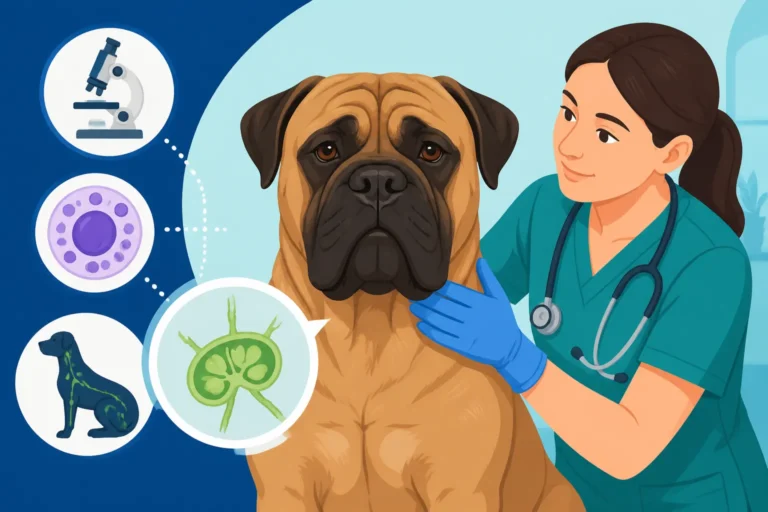
When we talk about cancer in Bullmastiffs, we're not just speaking in generalities; there are specific types that frequently appear. Lymphoma is particularly devastating, and unfortunately, Lymphoma Kills More Bullmastiffs Than Anything Else. It's a cruel twist of fate that these dogs, known for their powerful physique, often succumb to a disease that targets their lymphatic system. Research and anecdotal evidence strongly suggest that Why a Bullmastiff's Lymphoma Risk Is Five Times a Mixed Breed's points to a significant genetic component within the breed itself.
Beyond lymphoma, mast cell tumors are another common culprit. These unpredictable tumors can appear anywhere on the body, sometimes as seemingly innocuous bumps, only to prove aggressive. You can learn more about Mast Cell Tumors and the Lumps on a Bullmastiff to understand how vigilant owners need to be. The genetic predisposition to these cancers means that even with the best care, owners often find themselves facing difficult decisions and expensive treatments, all while knowing that The Median Bullmastiff Lives Eight and a Half Years, a lifespan often cut short by these diseases.
The Emotional Toll on Owners
Discovering your beloved Bullmastiff has cancer is a moment that can stop your world. The initial shock gives way to a whirlwind of veterinary appointments, tests, and the agonizing decision-making process for treatment. It's a heavy burden, not just financially, but emotionally. Owners often grapple with guilt, wondering if there was anything they could have done differently, or if they somehow missed a sign. The desire to find a "healthier" dog from a responsible breeder stems from this deep emotional space – a hope that perhaps, by choosing carefully, they can avoid such heartbreak down the road. This longing for preventative measures from breeders is a valid and urgent plea from a community that loves these dogs fiercely.
The Complexities of Tracking Cancer in Bullmastiff Pedigrees
The idea of "tracking cancer" in pedigrees sounds straightforward enough: just identify which dogs got cancer and breed away from them. However, the reality is far more intricate and challenging than many people realize. It's not as simple as checking a box on a form, especially when dealing with diseases that often manifest later in life.
What "Tracking Cancer" Truly Means for a Breeder
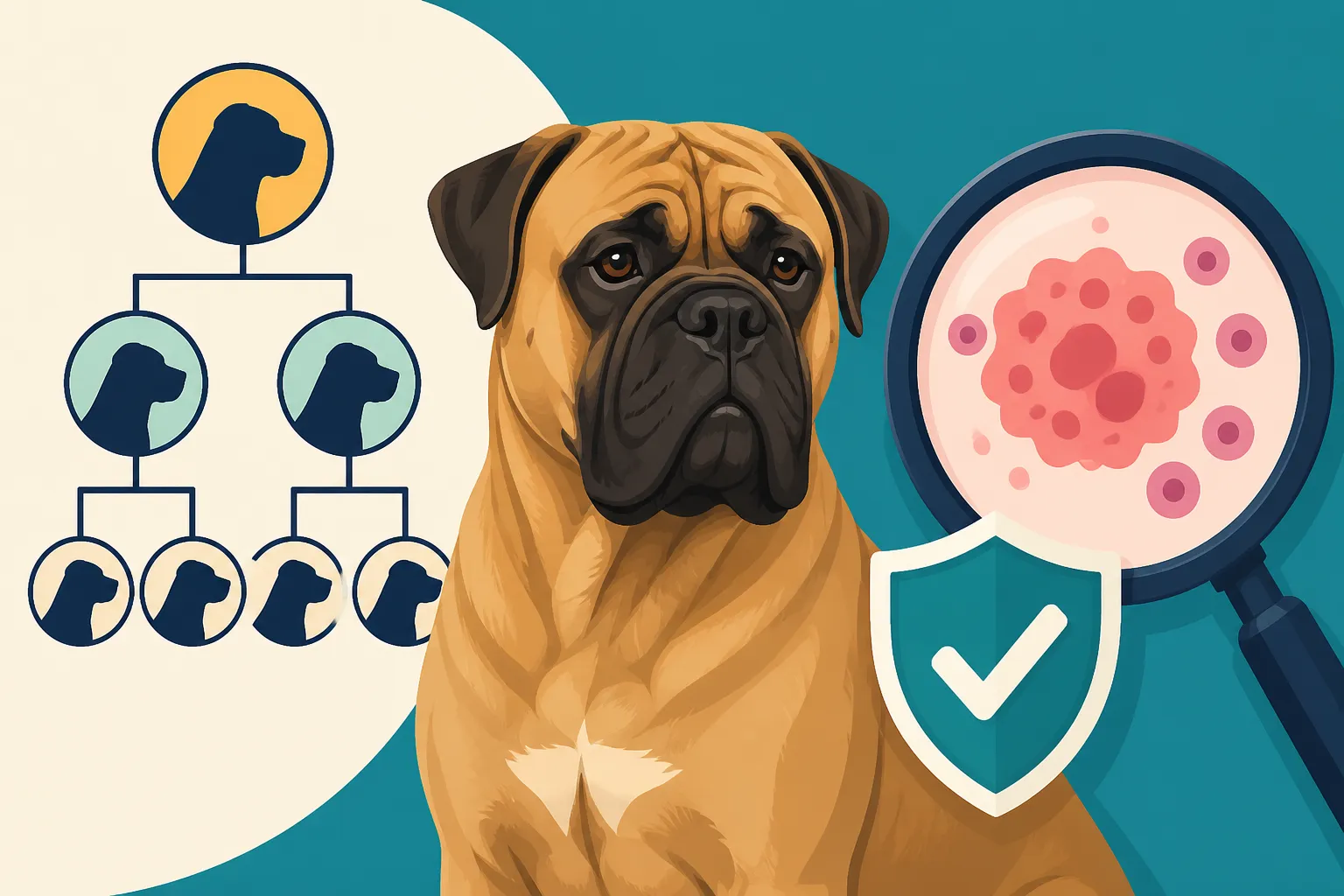
For a breeder, tracking cancer means trying to identify patterns of disease within their lines and across the broader breed. This isn't just about noting if a dog developed cancer, but also considering the type of cancer, the age of onset, and whether the dog was a parent, sibling, or close relative to breeding stock. It’s a proactive, often deeply personal commitment to maintaining health.
One of the biggest hurdles is the voluntary nature of reporting. Not all owners report their dog's cancer diagnosis back to the breeder, and even fewer submit full diagnostic reports or necropsy results. Cancer also often strikes in middle to older age. A Bullmastiff might be bred and have several litters before developing cancer at, say, seven years old. This makes it challenging for a breeder to retroactively adjust their breeding program or pull dogs from future breedings. Furthermore, unlike hip or elbow dysplasia, where there are clear X-ray scores, cancer diagnosis and prognosis can be incredibly specific, making it harder to generalize for tracking purposes. Currently, Whether a Genetic Test for Bullmastiff Lymphoma Exists is still a question with no easy answers, adding another layer of difficulty.
Public Databases and Private Knowledge
When it comes to official health clearances, organizations like the Orthopedic Foundation for Animals (OFA) are invaluable for issues like hip and elbow scores, cardiac clearances, and thyroid testing. These results are publicly accessible, providing a degree of transparency for prospective buyers. However, the OFA's cancer database is largely reliant on voluntary submissions and often doesn't capture the full picture of cancer prevalence within a breed. It’s a helpful starting point, but it's not exhaustive.
This is where the dedication of truly ethical breeders comes into play. They don't just rely on public databases; they maintain extensive, private health records for generations of their dogs, often keeping in close contact with puppy buyers for the dog's entire life. They want to know everything – not just the good news, but also the challenges their puppies face. This private knowledge, shared among a tight-knit community of responsible breeders, forms a crucial, albeit informal, database that informs breeding decisions. These breeders are often members of organizations like the American Bullmastiff Association (ABA), which promotes health and ethical breeding practices, encouraging members to be transparent about health concerns. They understand that while a beautiful dog might be tempting, health must come first to ensure the longevity and well-being of the breed.
How Reputable Bullmastiff Breeders Approach Cancer Prevention
Given the complexities, how exactly do responsible Bullmastiff breeders navigate the challenging landscape of cancer prevention? It's a multi-faceted approach that involves careful selection, continuous learning, and open communication with prospective owners.
Asking the Right Questions About Health Clearances and History
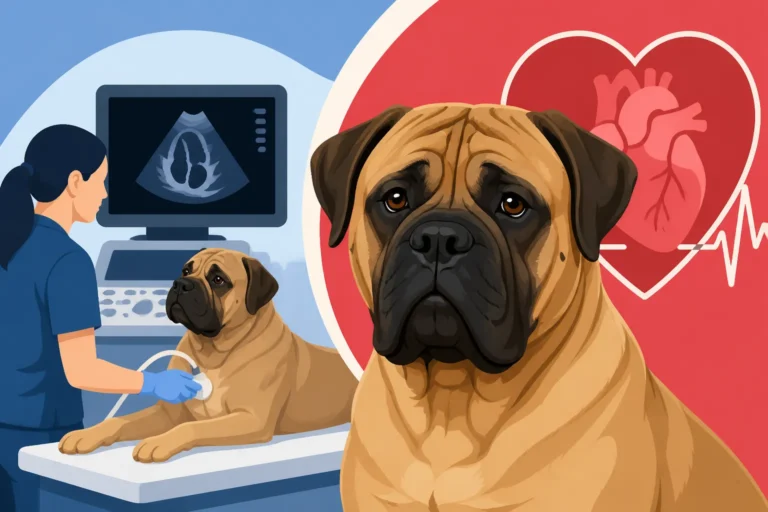
As a prospective buyer, you have the right – and the responsibility – to ask detailed questions about the health of the puppies' parents and their lineage. A reputable breeder will not only provide proof of standard health clearances (like hips, elbows, and cardiac exams, which you can read about in Finding a Bullmastiff Breeder Who Screens Hearts) but will also be transparent about any known health issues in their lines.
Here are some specific questions to consider:
- What is the lifespan of the dogs in your breeding program's pedigrees, particularly the parents and grandparents?
- Have any dogs in the immediate lineage (parents, grandparents, full siblings of the parents) been diagnosed with cancer? If so, what type, and at what age?
- Are you willing to share the names of the sire and dam so I can look up their OFA clearances and potentially K9data information?
- What percentage of dogs in your lines reach 8, 9, or even 10 years of age without significant health issues?
- How do you use health information from past litters to inform your future breeding decisions?
- What happens if a puppy from your litter develops a serious genetic condition like cancer at a young age?
A breeder who is truly invested in the health of their dogs will welcome these questions and be prepared to discuss them openly and honestly. They won't just say "my dogs are healthy"; they'll provide evidence and context. They understand that transparency builds trust, and that educating buyers is part of their role.
The Role of Selective Breeding in Reducing Risk
Reputable Bullmastiff breeders are constantly striving to make informed choices that reduce the incidence of hereditary diseases, including cancer. This means carefully selecting breeding pairs that come from lines with good longevity and minimal reported health problems. They will often research pedigrees extensively, looking at health data collected by other ethical breeders and tracking common causes of death.
However, it's crucial to understand that selective breeding isn't a silver bullet. Cancer is a complex disease influenced by multiple genes and environmental factors. A dog from a "healthy" line can still develop cancer, and sometimes, a dog with an otherwise excellent pedigree might carry a gene that predisposes to a certain condition. The goal is to minimize risk, not eliminate it entirely, which is an impossible task in any living creature. Breeders aim to make the most educated choices possible with the information at hand, hoping to improve the overall health of the breed one generation at a time. This is part of what makes What a Bullmastiff Breeder Should Have Screened so important for the breed's future.
Beyond Pedigrees: Other Preventative Measures
While pedigree tracking is vital, responsible breeders also emphasize that owners have a significant role to play in their Bullmastiff's health. They will often educate new owners on best practices for lifelong care, which can help mitigate some health risks. This includes recommending appropriate nutrition, maintaining a healthy weight to reduce stress on joints and organs, and ensuring regular, moderate exercise.
Crucially, they stress the importance of regular veterinary check-ups and being proactive about early detection. This means knowing How Often a Bullmastiff Should Be Checked for Cancer and becoming adept at performing routine checks at home, such as feeling for lumps and bumps. You can learn How to Check a Bullmastiff for Lumps to stay vigilant. Many breeders also recommend pet insurance, like a plan from Healthy Paws, from an early age, knowing that Why a Bullmastiff's Bills Come Early and treatment for diseases like cancer can be incredibly expensive. This proactive approach, combining careful breeding with diligent owner care, offers the best chance for a Bullmastiff to lead a full and healthy life.
Below is a table summarizing the different approaches to cancer information you might encounter when dealing with Bullmastiff breeders:
| Feature | Less Reputable Breeder (or Uninformed) | Reputable Breeder (Committed to Health) |
|---|---|---|
| Cancer History | "My dogs are healthy, never had issues." | Openly discusses cancer types, ages of onset, and affected relatives. |
| Pedigree Info | Provides minimal info, no details on health of ancestors. | Provides multi-generational pedigree with known health info, including deaths. |
| Transparency | Reluctant to share vet records or contact info for past puppy buyers. | Willing to share relevant health documents and provide references from past buyers. |
| Genetic Testing | May not be aware of breed-specific genetic predispositions or current research. | Stays informed on new research and tests for available genetic markers. |
| Support for Buyers | Limited or no follow-up after sale. | Maintains lifelong contact, encourages health updates, and offers guidance. |
| Post-Diagnosis | May dismiss or deny problem is related to their lines. | Wants to know details, records information, and uses it to inform future decisions. |
What You Can Do as a Prospective Bullmastiff Owner
Navigating the world of Bullmastiff breeding and health can feel overwhelming, but your proactive involvement is one of the most powerful tools you have to ensure you bring home a healthy companion. Don't be afraid to be an advocate for yourself and your future dog.
Being Your Own Advocate
The best advice I can give any prospective Bullmastiff owner is to be thorough, patient, and persistent. Don't rush into a purchase, no matter how cute those puppies are. Take the time to have detailed conversations with multiple breeders. Ask the hard questions about health, longevity, and cancer history in their lines. A truly ethical breeder will appreciate your diligence and be eager to educate you.
Go beyond the initial phone call or email. If possible, visit the breeder's kennel to see their dogs in person. Observe the temperament of the adult dogs and the living conditions. Ask to see health certificates for the parents – not just a verbal assurance. Talk to previous buyers; a good breeder will happily provide references. Consider investing in pet insurance from day one, like a comprehensive plan from Healthy Paws. Understanding What Insurance Covers on a Bullmastiff can be a lifeline if your dog, despite all precautions, faces a serious illness like cancer down the line. It's an investment in peace of mind.
Supporting Breeders Committed to Health
Ultimately, your choices as a buyer influence the future of the Bullmastiff breed. By choosing to purchase a puppy from a breeder who is demonstrably committed to health tracking, rigorous health screening, and transparent communication, you are supporting responsible breeding practices. This demand for health-conscious breeding encourages others to follow suit, slowly but surely improving the overall health of the breed.
Look for breeders who do more than just the basic hip and elbow screenings. They should also be screening for cardiac issues (Subaortic Stenosis is a serious concern, for example), thyroid, and eye conditions. While direct genetic tests for Bullmastiff cancer are still largely elusive, a breeder’s commitment to knowing their lines, being transparent, and actively trying to breed for longevity speaks volumes. It's a long-term commitment, often spanning decades, to ensure that the Bullmastiff remains the magnificent, healthy companion they are meant to be.
Disclaimer
Please remember that while this article provides extensive information, it is not a substitute for professional veterinary advice. Always consult with a qualified veterinarian for any health concerns or before making any decisions related to your Bullmastiff's care. Breed-specific information is for educational purposes only.