What Bloat Surgery Involves on a Bullmastiff
One of the most terrifying emergencies a Bullmastiff owner can face is bloat, or Gastric Dilatation-Volvulus (GDV). It's a condition that strikes without much warning, turning a healthy dog into one in severe distress within hours, sometimes even minutes. Understanding what bloat surgery involves on a Bullmastiff isn't just about curiosity; it's about being prepared for a life-or-death situation where every second counts and knowing what to expect during this incredibly stressful time.
Understanding Gastric Dilatation-Volvulus in Bullmastiffs
Bloat is a complex and highly dangerous condition that disproportionately affects large, deep-chested breeds like our beloved Bullmastiffs. It's not just an upset stomach; it's a critical medical emergency where the stomach first fills with gas and fluid (dilatation) and then often twists on its axis (volvulus). This twisting cuts off blood flow to the stomach and spleen, prevents gas from escaping, and can quickly lead to shock, organ damage, and death.
Why Bloat is a Bullmastiff Emergency
For a Bullmastiff, bloat isn't something that can wait until morning. The anatomical structure of their deep chest and strong abdominal ligaments is thought to contribute to their susceptibility. When the stomach twists, it rapidly expands, putting immense pressure on other organs, especially the diaphragm, making breathing difficult. The lack of blood flow means stomach tissue starts to die, and toxins can be released into the bloodstream. This cascade of events can lead to rapid deterioration, making immediate veterinary intervention not just recommended, but absolutely vital for survival. You might notice your Bullmastiff showing signs like restlessness, pacing, dry heaving, excessive drooling, and a visibly distended abdomen.
Recognizing the Urgent Signs of Bloat
It's crucial for every Bullmastiff owner to be vigilant about the signs of bloat because early recognition can mean the difference between life and death. Your dog might be restless, unable to lie down comfortably, or repeatedly attempting to vomit without producing anything. They might drool excessively or pace around anxiously. As the condition progresses, their abdomen will become noticeably distended and feel tight, like a drum. The dog may start to show signs of pain, such as whimpering or panting, and their gums might become pale. If you see these symptoms, especially the non-productive retching and abdominal distension, do not hesitate—get to an emergency vet immediately. Time is truly of the essence.
The Immediate Veterinary Response and Stabilization
When you arrive at the emergency veterinary clinic with a suspected bloat case, the veterinary team will jump into action. There’s no waiting around for non-urgent cases; your Bullmastiff will be triaged immediately. The initial focus is on stabilizing your dog and assessing the severity of the bloat before any surgical intervention can begin. This critical phase can take minutes or several hours depending on your dog's condition.
Initial Diagnostics and Stabilization Steps
Upon arrival, the veterinary team will perform a rapid assessment. This usually involves checking vital signs, listening to the heart and lungs, and feeling the abdomen. They will typically place an intravenous (IV) catheter to administer fluids and medications for shock, pain, and to stabilize cardiac function. Blood tests may be run to check for electrolyte imbalances or organ damage.
One of the most important diagnostic tools is an X-ray of the abdomen. This image confirms whether the stomach is dilated and, more critically, whether it has twisted (volvulus). A twisted stomach often presents a classic "double bubble" or "Popeye arm" sign on an X-ray. If the X-ray confirms volvulus, surgery is the only definitive treatment. While awaiting surgery, the vet may try to decompress the stomach by passing a tube down the esophagus into the stomach to release gas and fluid. This is often difficult or impossible if the stomach is severely twisted, but if successful, it can provide temporary relief and help stabilize your dog. If a tube cannot be passed, a large-bore needle (trocar) might be inserted through the side of the abdomen directly into the stomach to release gas, though this carries risks and is a temporary measure.
Preparing for Emergency Surgery
Once your Bullmastiff is stabilized and bloat is confirmed, the veterinary team will prepare for emergency surgery. This involves a rapid workup, including further blood tests to assess clotting ability and overall organ function, especially if shock is severe. The veterinary staff will discuss the procedure, risks, and prognosis with you. This is a terrifying conversation, but it's important to understand the gravity of the situation. They will also administer pre-operative pain medication and antibiotics. The goal is to get your dog into surgery as quickly and safely as possible to untwist the stomach and assess any damage. This is a situation where having pet insurance like Healthy Paws can be incredibly helpful, as the costs associated with emergency bloat treatment, including diagnostics, stabilization, and surgery, can be substantial and unexpected.
The Surgical Procedure: What Happens During Bloat Surgery
Bloat surgery, medically known as gastrectomy, is a complex and often lengthy procedure that requires skilled veterinary surgeons. The primary goal is to de-rotate the stomach, evaluate its viability, and perform a gastropexy to prevent future episodes.
De-rotation and Stomach Assessment
Your Bullmastiff will be anesthetized and carefully prepped for surgery. A large incision is made in the abdomen to access the stomach. The surgeon will first carefully assess the position of the stomach, which is often severely distended and rotated. The spleen may also be involved, often being displaced or engorged with blood due to the twisting.
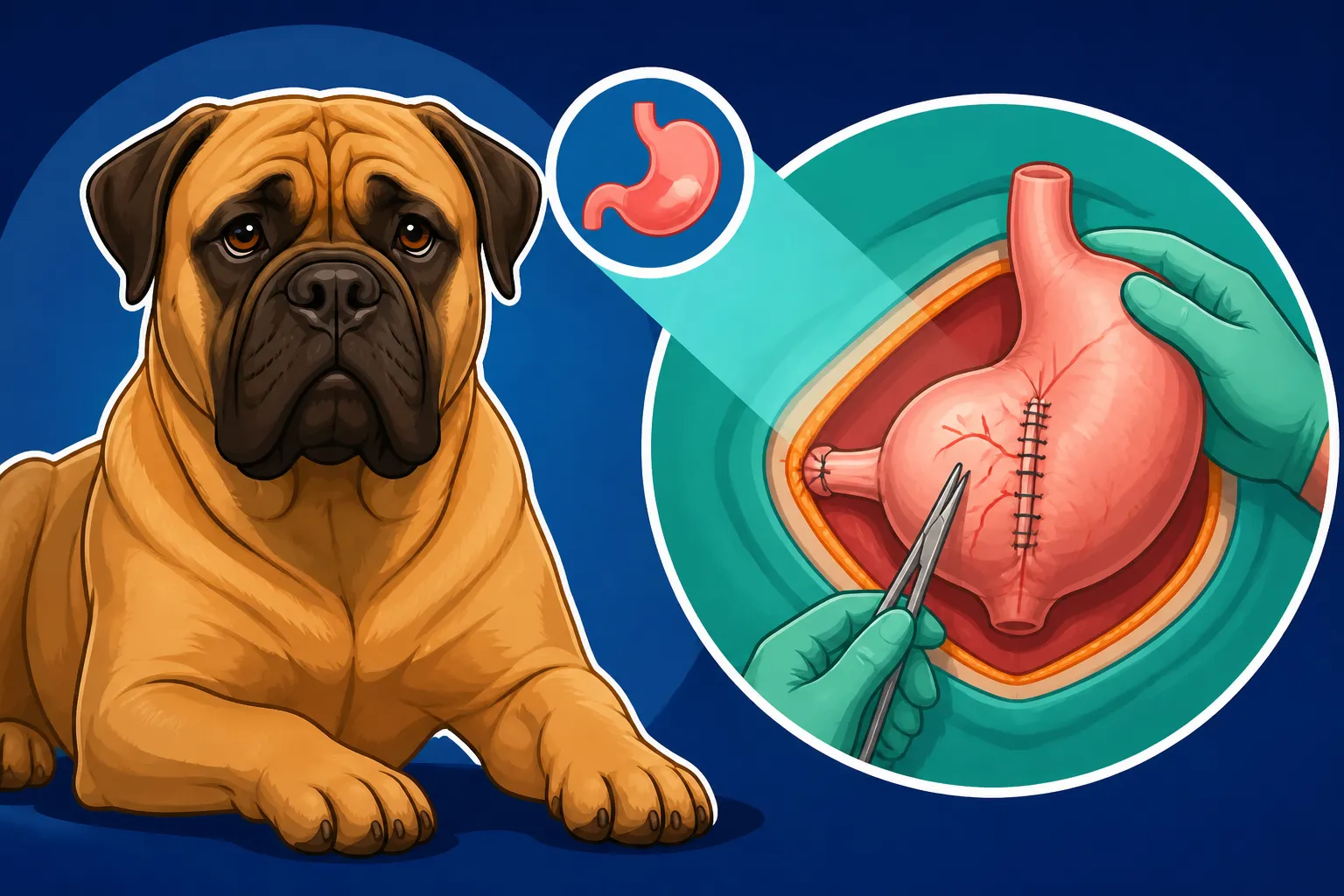
The first critical step is to gently de-rotate the stomach back to its normal anatomical position. This can be challenging due to the distension and pressure. Once de-rotated, the surgeon will carefully examine the stomach wall for any signs of tissue damage or necrosis (dead tissue) resulting from the compromised blood flow. Areas of severe damage may appear dark blue, purple, or even black. If a portion of the stomach wall is necrotic, it will need to be surgically removed, a procedure called a partial gastrectomy. This is a more complicated and risky addition to the surgery but is essential to prevent peritonitis and sepsis from dead tissue. The spleen is also examined; if it's severely damaged or ruptured, it may also need to be removed (splenectomy). The prognosis is generally better if no portion of the stomach needs to be removed.
Performing a Gastropexy
Once the stomach is back in its correct position and any damaged tissue is addressed, the surgeon will perform a gastropexy. This procedure is absolutely crucial for preventing future episodes of GDV. A gastropexy involves surgically attaching the stomach to the abdominal wall. This creates a permanent adhesion, preventing the stomach from twisting again. There are several techniques for gastropexy, but a common one is an incisional gastropexy, where a strip of the outer stomach wall is sutured to a corresponding strip of muscle in the abdominal wall.
This preventative measure is highly effective. While a gastropexy doesn't prevent the stomach from dilating (filling with gas), it does prevent the dangerous volvulus (twisting). Given the high recurrence rate of bloat in Bullmastiffs who don't undergo gastropexy, this step is non-negotiable during bloat surgery. Even if your Bullmastiff has signs of bloat but it resolves without surgery (rare for volvulus but possible for simple dilatation), many vets recommend an elective gastropexy to safeguard against future, potentially fatal events. This elective procedure can even be done laparoscopically, which is less invasive.
Recovery and Post-Operative Care
The surgery is only half the battle. The post-operative period is incredibly critical for a Bullmastiff recovering from bloat, often requiring intensive care and vigilant monitoring. The risks of complications remain high for several days following the procedure.
Immediate Post-Surgical Care
After surgery, your Bullmastiff will be closely monitored in the veterinary hospital's intensive care unit. They will continue to receive IV fluids, pain medication, and antibiotics. Monitoring will include heart rate, blood pressure, respiratory rate, and temperature. The vet team will watch for signs of arrhythmias (irregular heartbeats), which are common complications after bloat surgery, as well as signs of further shock, infection, or peritonitis. They will also assess appetite and encourage small sips of water. Usually, your dog will stay in the hospital for at least 2-3 days, sometimes longer, depending on their recovery progress and any complications. During this time, the support of your veterinary team is invaluable. If you have pet insurance like Healthy Paws, knowing that the ongoing costs of hospitalization and medication are covered can provide immense peace of mind.
Home Care and Long-Term Recovery
Once your Bullmastiff is stable enough to go home, your vet will provide detailed instructions for home care. This typically includes restricting activity, administering oral medications (antibiotics, pain relievers, stomach protectants), and carefully managing their diet. You’ll likely start with small, frequent meals of easily digestible food, gradually transitioning back to their regular diet. The surgical incision will need to be monitored for redness, swelling, or discharge. Your dog will probably wear an Elizabethan collar (the "cone of shame") to prevent licking or chewing at the stitches.
Full recovery can take several weeks. It's crucial to follow your vet's advice on exercise restrictions, as too much activity too soon can compromise the surgical site. You'll also need to be vigilant for any signs of complications, such as lethargy, vomiting, diarrhea, or a refusal to eat. Your vet will schedule follow-up appointments to check the incision and monitor overall recovery. This period can feel overwhelming, but consistency and patience are key to your Bullmastiff's successful long-term recovery. Remember that even with a gastropexy, you still need to be aware of the signs a Bullmastiff is bloating, as the stomach can still distend, even if it cannot twist.
Reducing the Risk of Bloat in Bullmastiffs
While bloat can be a terrifying and unpredictable event, there are several preventative measures you can take to reduce your Bullmastiff's risk. Understanding and implementing these strategies can help safeguard your gentle giant.
Dietary and Feeding Strategies
How and what your Bullmastiff eats can significantly impact their bloat risk. Instead of one large meal, feed smaller, more frequent meals throughout the day, typically two or three. This reduces the amount of food and gas in the stomach at any one time. Avoid elevated feeding bowls, as research suggests they might actually increase bloat risk in large breeds, contrary to popular belief. Slow feeder bowls can be beneficial if your Bullmastiff tends to gulp their food, as rapid eating can lead to swallowing excessive air.
It's also important to ensure your Bullmastiff rests after eating. No vigorous exercise, playtime, or running around for at least an hour before and two hours after meals. Access to fresh water should always be available, but avoid letting them drink large quantities immediately after eating or exercising. While there's no single "bloat-proof" diet, some studies suggest that diets with fat listed as one of the top four ingredients may increase risk, while those containing probiotics and digestive enzymes might be helpful. Discuss your Bullmastiff's diet with your vet, especially if you have concerns about their food contributing to potential issues.
Lifestyle Adjustments and Awareness
Beyond diet, certain lifestyle adjustments can play a role in prevention. Manage any stress your Bullmastiff might experience, as stress can sometimes trigger gastrointestinal issues. If your Bullmastiff is particularly anxious, consider ways to mitigate their stress. Regular, moderate exercise is important for overall health, but avoid intense exercise right before or after meals, as mentioned. Make sure your Bullmastiff has consistent access to fresh water throughout the day.
Being aware of the early symptoms and being prepared for an emergency are paramount. Know the location of your nearest 24-hour emergency veterinary clinic and have their number programmed into your phone. Understanding the financial implications of emergency care is also important; this is where pet insurance providers like Healthy Paws can offer crucial support by covering a significant portion of unexpected veterinary bills. Proactive care, from proper feeding techniques to immediate action when symptoms appear, can significantly improve the outcome for your Bullmastiff if bloat ever strikes. For more on general health, you might want to read about Caring for an Aging Bullmastiff, or even delve into specific conditions like Lymphoma Kills More Bullmastiffs Than Anything Else or Subaortic Stenosis Is There Before a Bullmastiff's First Birthday. Staying informed about How Long a Bullmastiff Lives on Average and The Median Bullmastiff Lives Eight and a Half Years also helps frame a realistic approach to their care. Understanding Why a Bullmastiff Overheats So Easily can also prevent another serious emergency.
| Stage of Bloat | Symptoms | Urgency | Treatment |
|---|---|---|---|
| Dilatation (Simple Bloat) | Abdominal distension, discomfort, restlessness, pacing, drooling, possibly mild retching. | High | Immediate vet visit. May respond to stomach decompression via tube or medical management if no twist. Close monitoring for progression to volvulus. |
| Volvulus (Twisted Stomach) | Severe abdominal distension (drum-tight), non-productive retching, severe pain, weakness, pale gums, rapid breathing, signs of shock (collapse, lethargy). | Critical Emergency | Immediate emergency surgery (gastrectomy with gastropexy) to de-rotate the stomach, assess tissue damage, and prevent recurrence. Stabilization for shock is also critical. |
Disclaimer
This article is intended for informational purposes only and is not a substitute for professional veterinary medical advice. If you suspect your Bullmastiff is suffering from bloat or any other medical emergency, seek immediate veterinary attention. Always consult with a qualified veterinarian for diagnosis and treatment.