Whether a Gastropexy Is Worth It for a Bullmastiff
The sudden onset of bloat, or Gastric Dilatation-Volvulus (GDV), is a terrifying reality for many Bullmastiff owners, transforming a perfectly healthy dog into a critical emergency in mere minutes. This condition, which can quickly become fatal, causes immense distress and forces owners into difficult, often life-or-death decisions. This comprehensive guide will explore whether a gastropexy, a preventative surgical procedure, is a worthwhile investment in the health and longevity of your beloved Bullmastiff.
Understanding Bloat: The Silent Killer in Bullmastiffs
For anyone who loves a large, deep-chested breed like the Bullmastiff, the word "bloat" can send a shiver down your spine. It's not just a tummy ache; it's a true veterinary emergency that demands immediate action. Ignorance isn't bliss here; it's dangerous.
What Happens During Gastric Dilatation-Volvulus GDV
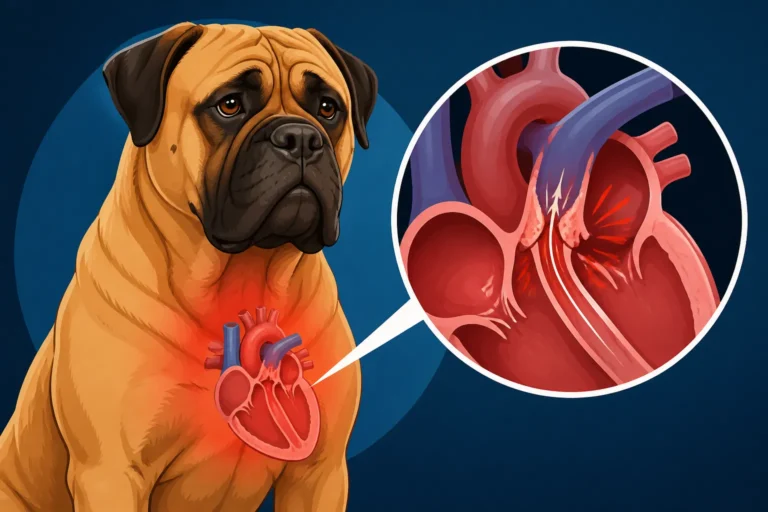
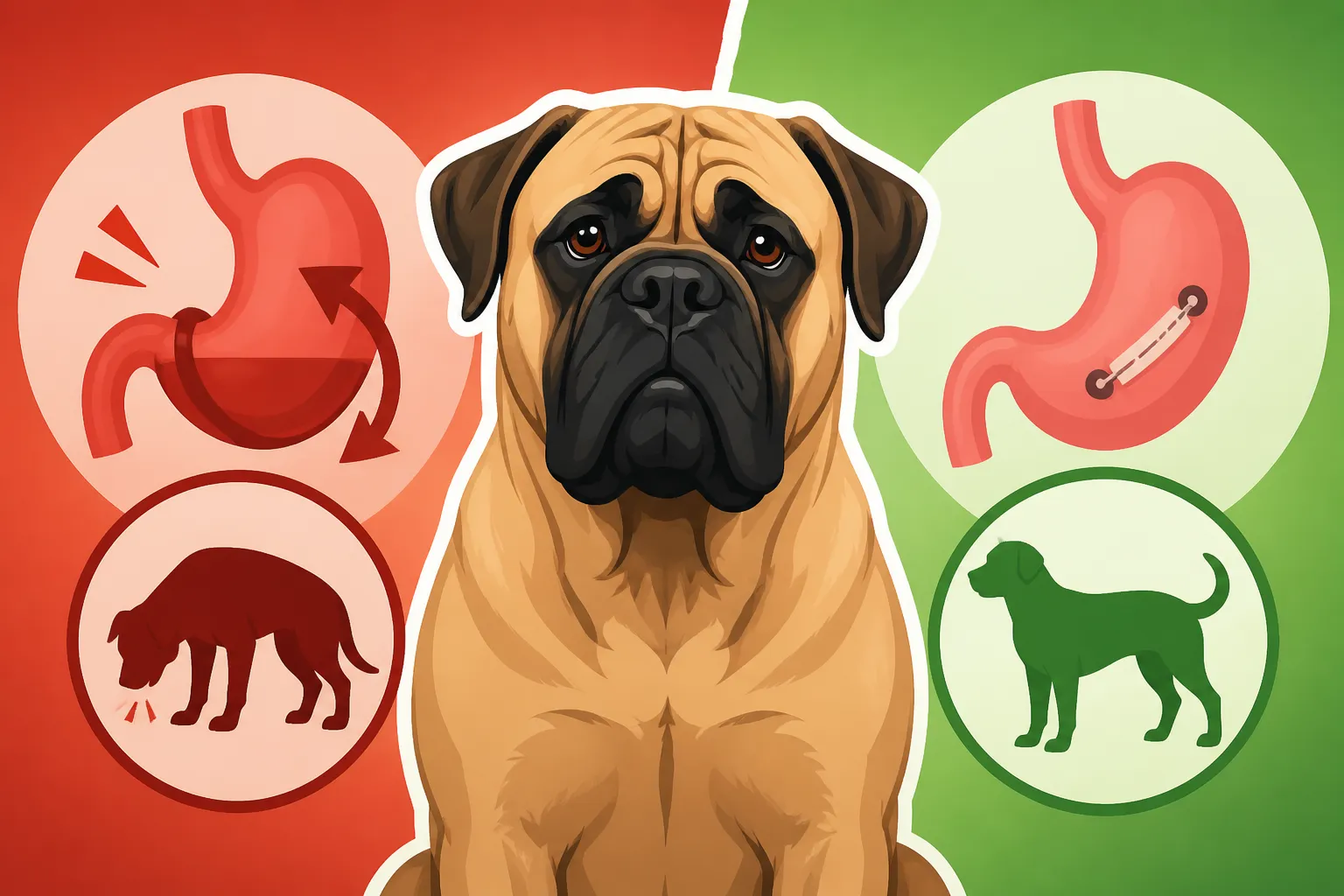
Imagine your Bullmastiff's stomach, usually a flexible, J-shaped organ, suddenly distending with gas and fluid like an overinflated balloon. That's the "dilatation" part of GDV. But it gets worse. In many cases, this distended stomach then twists upon itself, a phenomenon known as "volvulus." When this twist occurs, both the entrance and exit of the stomach are sealed off. Gas, food, and fluids become trapped, unable to escape. Worse still, the twisting stomach cuts off blood flow to vital organs, including the stomach itself, and can put immense pressure on other organs and large blood vessels, severely impacting circulation back to the heart. This rapidly leads to shock, organ damage, and if not treated within hours, certain death. It’s a race against the clock, and every minute counts. To truly grasp the urgency, consider How Often a Bullmastiff Survives Bloat.
Why Bullmastiffs Are So Susceptible to Bloat
It's heartbreaking to know that some breeds are simply predisposed to certain conditions, and for Bullmastiffs, GDV is high on that list. Their large size and deep, narrow chests are significant anatomical risk factors. The exact cause is often multifactorial and can include genetic predisposition, feeding habits, and activity levels around meal times. For instance, gulping down food quickly, eating one large meal a day instead of smaller, more frequent ones, or exercising vigorously right after eating can all increase risk. Even stress or anxiety can play a role. It’s a cruel twist of fate that our gentle giants, so robust in appearance, carry such a vulnerability. Understanding Meal Timing and Bloat in a Bullmastiff is crucial for prevention.
Recognizing the Urgent Signs of Bloat
One of the most insidious aspects of bloat is how quickly it escalates. Initially, your Bullmastiff might just seem a little uncomfortable. They might pace restlessly, attempt to vomit without bringing anything up (what we call "non-productive retching"), or drool excessively. As the stomach continues to distend, you might notice a visibly swollen abdomen, especially on the left side, which will feel taut, like a drum. Your dog may whine, pant heavily, be reluctant to move, and eventually show signs of shock: pale gums, rapid heart rate, and collapse. Recognizing these Signs a Bullmastiff Is Bloating is literally a matter of life and death, requiring immediate transport to the nearest emergency veterinary clinic. There's no time to wait and see if it gets better.
What is a Gastropexy and How Does It Work?
Given the terrifying nature of bloat, it's natural to seek ways to protect our Bullmastiffs. This is where the gastropexy procedure comes into play – a surgical intervention specifically designed to prevent the stomach from twisting.
The Surgical Procedure Explained
A gastropexy is essentially a surgical tacking of the stomach to the abdominal wall. The goal isn't to prevent the stomach from dilating with gas – that can still happen. Instead, it prevents the life-threatening twist (the "volvulus") that accompanies the dilation. By securing a portion of the stomach lining to the inside of the body wall, the stomach is anchored in place. If your Bullmastiff still experiences gastric dilatation, the trapped gas and fluid might cause discomfort, but the stomach cannot rotate, giving you more time to get to the vet for treatment without the immediate, deadly threat of lost blood supply. It's a preventive measure, not a cure-all, but it eliminates the most dangerous component of bloat.
Different Gastropexy Techniques
Veterinary medicine has evolved, and so have the techniques for performing a gastropexy. There are a few common approaches:
- Open Abdominal Gastropexy: This is the traditional method, performed during an open abdominal surgery. It provides the surgeon with a full view of the stomach and abdominal cavity, allowing for a strong, secure attachment. This method is often done if a dog is already undergoing another abdominal surgery, like spaying or neutering.
- Laparoscopic Gastropexy: This minimally invasive technique uses a camera (laparoscope) and specialized instruments inserted through small incisions. It results in smaller scars, less pain, and generally a faster recovery time compared to open surgery. Many owners opt for this when performing a prophylactic gastropexy on a healthy dog.
- Assisted Laparoscopic Gastropexy: A hybrid approach where a small incision is made to allow manual manipulation and suturing of the stomach, while still utilizing laparoscopic guidance for precision. This can be a good balance between minimizing invasiveness and ensuring a secure attachment.
The choice of technique often depends on the individual dog, the vet's expertise, and the owner's preference and budget. Discussing these options thoroughly with your veterinarian is crucial.
Recovery and Post-Operative Care
No matter the technique, recovery from a gastropexy requires careful attention. Immediately after surgery, your Bullmastiff will need pain management and close monitoring in the veterinary clinic. Once home, restricting activity is paramount for several weeks to allow the surgical site to heal properly and the stomach to form a strong adhesion to the abdominal wall. This means no jumping, running, or strenuous play. A cone will likely be necessary to prevent licking or chewing at the incision. Your vet will provide specific instructions regarding feeding, often recommending smaller, more frequent meals, and potentially a soft diet for a short period. Keeping the incision clean and dry, and watching for any signs of infection or complications, are essential. While What Bloat Surgery Involves on a Bullmastiff describes a different scenario, many post-operative care principles are similar.
Weighing the Benefits and Risks of Gastropexy for Your Bullmastiff
Deciding whether to proceed with a gastropexy for your Bullmastiff is a significant choice, involving careful consideration of the potential advantages against any inherent risks. It's about proactive health management for a breed known for its vulnerabilities.
The Lifesaving Advantages of Prophylactic Gastropexy
The primary and most compelling advantage of a prophylactic gastropexy is peace of mind. Knowing that the most life-threatening aspect of bloat – the twisting of the stomach – has been surgically prevented offers an invaluable sense of security for Bullmastiff owners. While your dog can still experience gastric dilation, which requires veterinary attention, it buys critical time and removes the immediate fatal emergency. This significantly increases their chances of survival should dilation occur. Consider this: a dog that undergoes emergency bloat surgery (where the stomach has already twisted) faces a much higher mortality rate and a more complex, expensive recovery. A prophylactic gastropexy, performed on a healthy dog, is a much less invasive and less risky procedure with a faster recovery time, specifically preventing the volvulus. For breeds with such a high predisposition, like the Bullmastiff, this procedure can genuinely add years to their life by mitigating one of the leading causes of premature death.
Potential Complications and Considerations
Like any surgical procedure, a gastropexy is not without potential complications, though they are generally low when performed on a healthy dog. Risks include those associated with general anesthesia, such as adverse reactions to medication or breathing difficulties. Post-surgically, there's always a chance of infection at the incision site, bleeding, or suture dehiscence (where the sutures fail). In rare cases, the gastropexy may not hold perfectly, or scar tissue could cause minor discomfort.
It's also important to manage expectations: a gastropexy prevents volvulus, but not dilatation. Your Bullmastiff could still bloat with gas, become uncomfortable, and require a trip to the emergency vet to decompress their stomach. However, without the twist, the urgency is less extreme, and the outcome is far more favorable. Owners need to understand that this is a risk-reduction strategy, not a complete elimination of bloat-related issues.
The Financial Aspect: Cost vs. Peace of Mind
The cost of a prophylactic gastropexy can vary widely depending on your location, the veterinary clinic, the surgical technique (open vs. laparoscopic), and whether it's combined with another procedure like spaying or neutering. Generally, you can expect to pay anywhere from $800 to $2,500 or more. This might seem like a significant upfront investment, but it pales in comparison to the cost of emergency bloat surgery, which can easily exceed $5,000 to $10,000, especially if complications arise or extensive post-operative care is needed. Many owners find that the one-time cost of a prophylactic gastropexy is a worthwhile investment when weighed against the potential emotional and financial burden of an emergency bloat situation.
Furthermore, some pet insurance providers, like Healthy Paws, may offer coverage for prophylactic procedures if certain conditions are met, especially for high-risk breeds. It's always wise to check your specific policy details or inquire about this when considering insurance, as it can significantly offset the financial strain. Understanding What a Bullmastiff Costs Over Its Lifetime certainly includes factoring in preventative measures like this.
Making the Informed Decision: Is Gastropexy Right for Your Bullmastiff?
Deciding on a gastropexy is a deeply personal choice, but one that every Bullmastiff owner should actively consider. It's about proactively protecting your gentle giant from a devastating condition.
Discussing with Your Veterinarian
The very first step in this decision-making process is an in-depth conversation with your trusted veterinarian. They know your Bullmastiff's individual health history, their temperament, and your local breed-specific risk factors. Your vet can provide specific statistics on bloat incidence in Bullmastiffs, explain the procedural details in full, and discuss the nuances of recovery. They can assess if your Bullmastiff is a good candidate for the surgery, considering factors like age, overall health, and any existing medical conditions. Don't hesitate to ask every question that comes to mind, from the choice of surgical technique to the post-operative pain management protocol. This open dialogue ensures you have all the necessary information to make a confident choice.
When to Consider the Procedure
The ideal time for a prophylactic gastropexy is often when your Bullmastiff is still young and healthy, typically between 6 months to 2 years of age. This frequently coincides with the timing for spaying or neutering, allowing both procedures to be performed under a single anesthetic event, which is more cost-effective and reduces overall anesthetic exposure. Performing it when they are young also means they are generally healthier, handle anesthesia better, and recover more quickly. However, a gastropexy can be performed on older Bullmastiffs as well, provided they are in good health. If your Bullmastiff is already older, your vet may recommend additional pre-surgical diagnostics, such as blood work or an echocardiogram, to ensure they are fit for anesthesia. Considering that The Median Bullmastiff Lives Eight and a Half Years, any procedure that prolongs a healthy life is often worth discussing.
| Decision Factor | Description |
|---|---|
| Breed Risk | Bullmastiffs are inherently high-risk due to their deep chests and genetics. |
| Age | Ideally performed young (6 months – 2 years) often concurrently with spay/neuter, but possible in older, healthy dogs. |
| Health Status | Best for healthy dogs; pre-surgical screening is vital, especially for older dogs. |
| Cost | Prophylactic gastropexy cost (approx. $800-$2,500) significantly lower than emergency bloat surgery ($5,000-$10,000+). |
| Owner Peace of Mind | Prevents the life-threatening twist (volvulus), greatly improving survival odds and reducing immediate panic during a dilatation episode. |
| Veterinary Advice | Essential to discuss individual dog's suitability, surgical options, and recovery with your vet. |
| Insurance Coverage | Check if pet insurance (e.g., Healthy Paws) covers prophylactic procedures for high-risk breeds. |
Life Beyond Gastropexy: Continued Vigilance
Even with a gastropexy, vigilance remains key. While the most dangerous part of bloat is mitigated, your Bullmastiff can still experience gastric dilatation. This means you should still be aware of Signs a Bullmastiff Is Bloating—the pacing, discomfort, non-productive retching, and abdominal distention. If these signs appear, even after a gastropexy, contact your veterinarian immediately. It may not be a sudden death sentence, but decompression of the stomach might still be necessary. Continuing to manage risk factors like feeding smaller, more frequent meals, discouraging rapid eating (perhaps with a slow feeder bowl – consider Whether a Bullmastiff Needs a Slow Feeder), and limiting strenuous exercise around mealtimes are still important habits to maintain. Regular wellness exams, as outlined in How Often a Bullmastiff Needs a Wellness Exam, will allow your vet to continuously monitor your Bullmastiff's overall health and discuss any new concerns. A gastropexy is a powerful tool in your Bullmastiff's health arsenal, but it complements, rather than replaces, ongoing attentive care.
Disclaimer
The information provided in this article is for educational purposes only and is not a substitute for professional veterinary advice. Always consult with a qualified veterinarian for any health concerns or before making any decisions about your Bullmastiff's medical care.