The Bullmastiff Is Sixty Percent Mastiff and Forty Percent Bulldog
The Bullmastiff genetic recipe combines sixty percent Mastiff and forty percent Bulldog to create a guardian dog.

The Bullmastiff genetic recipe combines sixty percent Mastiff and forty percent Bulldog to create a guardian dog.
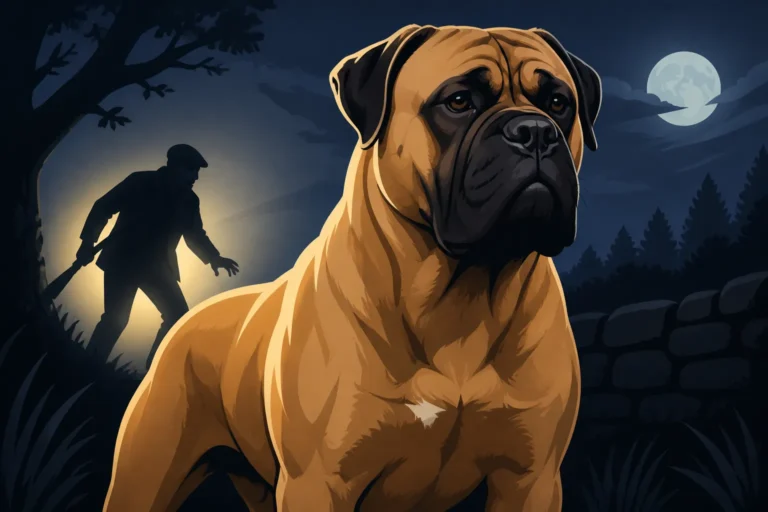
The Bullmastiff’s origins in 19th-century England explain how gamekeepers bred a silent dog to catch poachers.
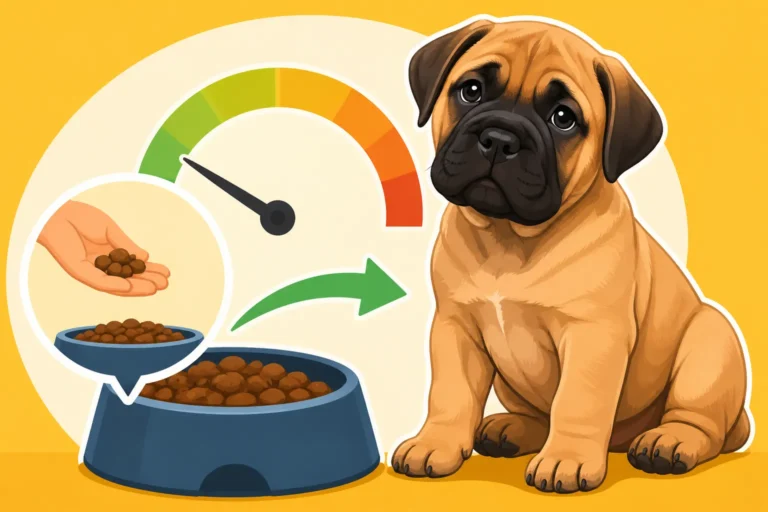
Proper feeding methods for Bullmastiff puppies support slow skeletal development to prevent joint problems and painful arthritis.

Bullmastiff jowls trap excess saliva, explaining why these dogs produce heavy drool after drinking water or eating meals.
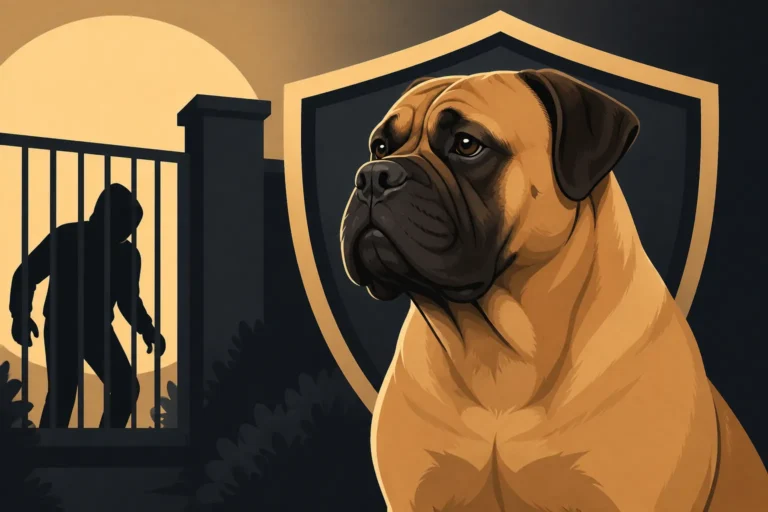
Bullmastiff quietness stems from 19th-century English gamekeepers breeding dogs for stealth to catch poachers without warning.
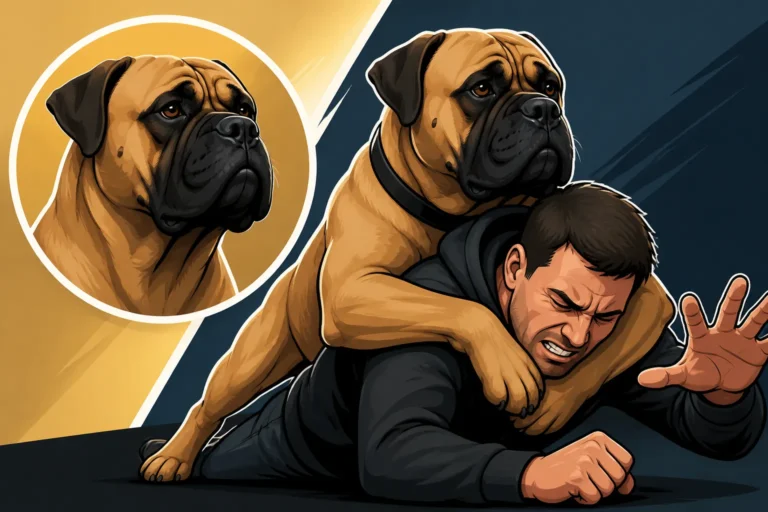
Bullmastiff history reveals how 19th-century gamekeepers bred these dogs to apprehend poachers by holding them down instead of biting.

Bullmastiff lymphoma treatment costs and chemotherapy expenses, explaining financial realities and genetic predispositions.

Bullmastiff purchase prices and ongoing giant breed care expenses for 2026 puppy buyers facing health testing costs.
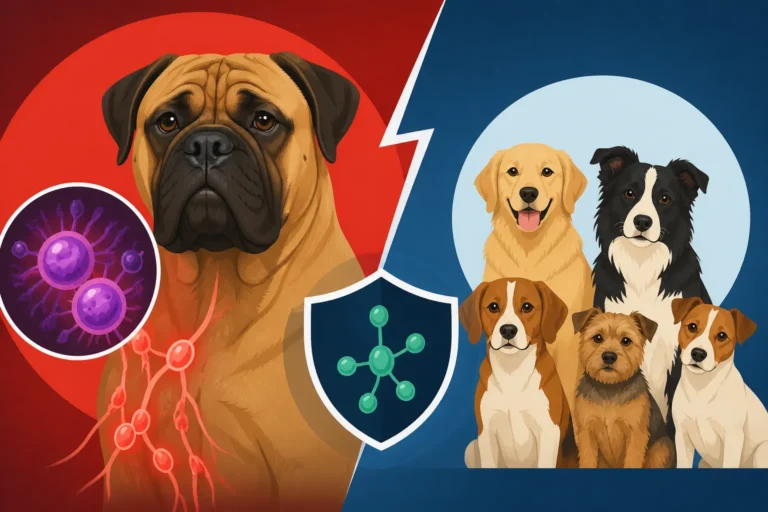
Bullmastiff lymphoma risk is five times higher than mixed-breed dogs, explaining white blood cell cancer and affected organs.
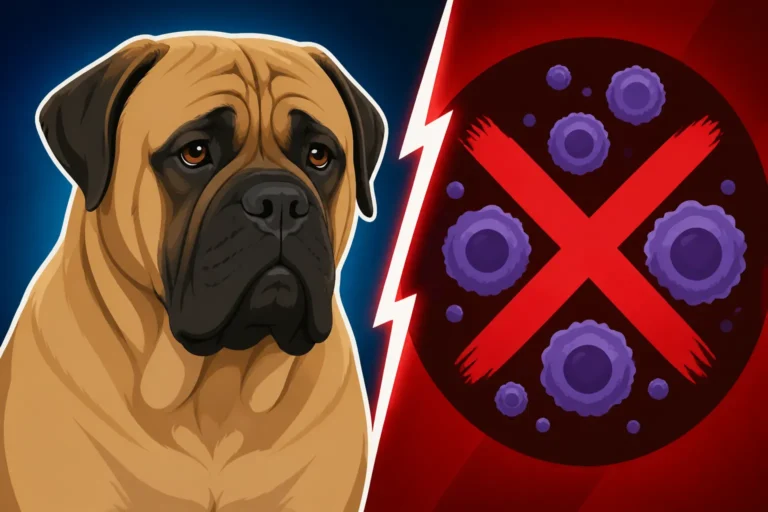
Lymphoma cancer kills more Bullmastiffs than anything else, presenting high genetic risks and early diagnoses for the breed.

Bullmastiff ownership realities include drool, strength, heat sensitivity, and training needs that challenge buyer expectations.

A second Bullmastiff increases daily care needs, requiring separate training, home space, and safety plans for large dogs.

Bullmastiff lifespan concerns and shorter life expectancies affect adoption decisions for owners weighing future heartbreak against deep companionship.
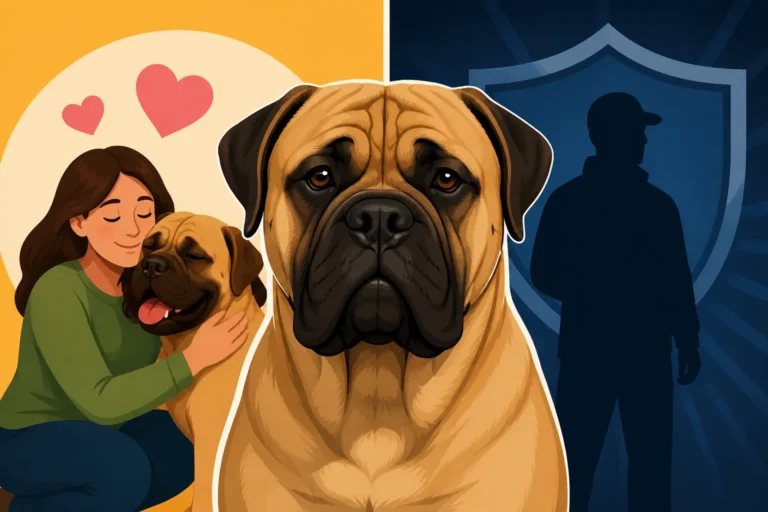
Bullmastiff temperament, guarding instincts, training needs, and supervision shape life with this large, affectionate working dog.

The Bullmastiff temperament reveals why this powerful estate guardian is calm indoors yet watchful with strangers.
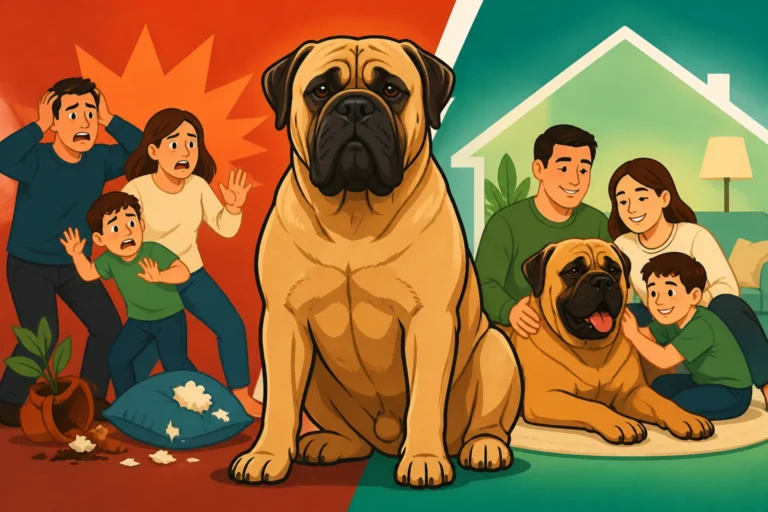
Bullmastiff care requirements, home space, and physical strength explain whether this large breed suits your household.
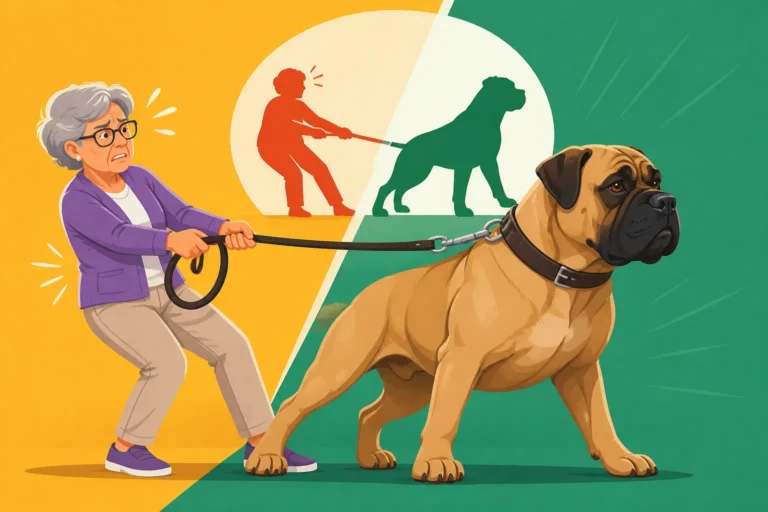
Walking a Bullmastiff safely requires assessing your physical strength, balance, and the dog’s leash training before adopting.

A Bullmastiff as a first dog requires managing immense strength, early training commitment, drool, and health care needs.

Bullmastiff safety in Arizona and Florida requires adapted walks, indoor cooling, and strict limits on hot weather exercise.

Bullmastiff apartment living requires assessing building layouts, elevator access, and daily bathroom routines without a yard.