The Bullmastiff Was Built to Catch Poachers in the Dark
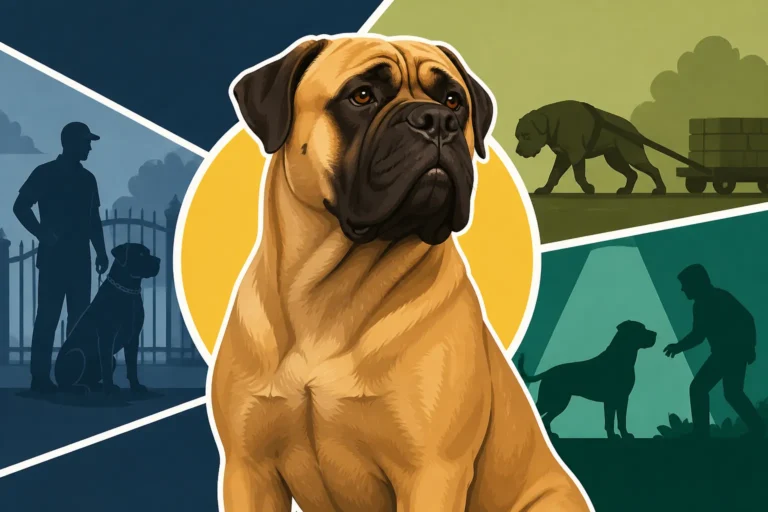
Imagine trying to protect vast tracts of land, teeming with valuable game, from determined poachers under the cloak of night, all without modern surveillance or security systems. That was the daunting reality for gamekeepers on large estates in 19th-century England. They needed a specific kind of canine partner, one that was strong enough to apprehend an adult man, quiet enough not to alert others, and loyal enough to work faithfully in dangerous conditions. This guide delves into the fascinating origins of the Bullmastiff, exploring how its unique design was meticulously crafted for the solitary, perilous task of catching poachers in the dark and how that history shapes the beloved breed we know today.
The Genesis of the Bullmastiff: A Night Watchman's Companion
The Bullmastiff isn't just another big, strong dog; it's a living piece of history, born out of necessity on the sprawling estates of England. These were places where game, from deer to pheasants, was a valuable commodity, a source of food and sport for the landowners. Protecting this game wasn't just a matter of principle; it was an economic imperative. But the vastness of the land and the darkness of night made traditional human patrols incredibly difficult and often dangerous.
The Gamekeeper's Predicament
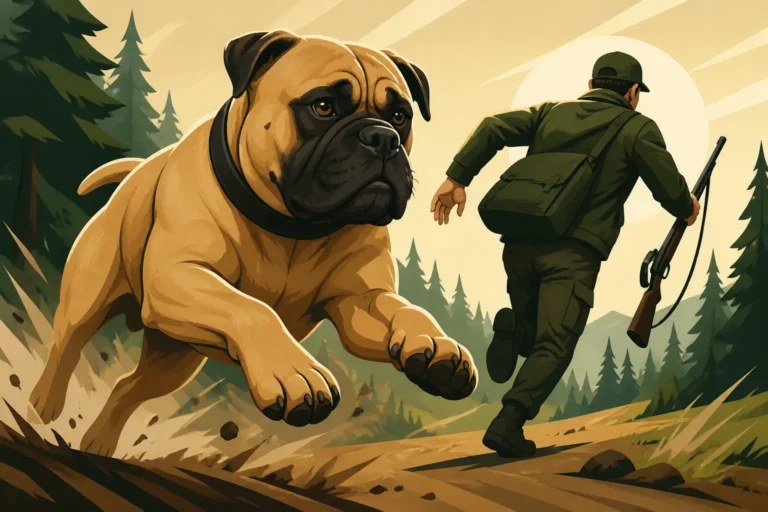
For a gamekeeper in the 1800s, life was a constant vigil. Their primary role was to manage the game population and, crucially, to prevent poaching. Poachers weren't just petty thieves; they were often desperate individuals, sometimes armed, and always looking for an easy meal or a quick profit from selling poached meat. A lone gamekeeper patrolling hundreds or even thousands of acres on a dark night was at a severe disadvantage. They needed a partner, a silent sentinel, that could cover ground, detect intruders, and, if necessary, apprehend them without causing undue harm or making enough noise to alert other poachers or disturb the estate. It was a tall order, far beyond the capabilities of most existing breeds.
Traditional guard dogs of the era, like the larger Mastiff, were powerful but often too slow or cumbersome for the agile pursuit required. Terriers, while quick, lacked the necessary strength to hold a man. The gamekeepers were essentially looking for a blend of power, speed, silence, and control – a true "Gamekeeper's Night Dog." This specific need for a highly specialized canine led directly to the development of the Bullmastiff.
Defining the "Gamekeeper's Night Dog"
The term "Gamekeeper's Night Dog" wasn't just a catchy phrase; it encapsulated a very precise set of requirements. This dog needed to be large enough to deter, but not so massive that it couldn't move swiftly and silently through underbrush. It needed courage and an innate protective instinct, but also the discernment to differentiate between an innocent wanderer and a genuine threat. Most importantly, it had to be trainable to hold a poacher, pinning them down or blocking their escape, rather than attacking or severely injuring them. The goal was apprehension, not mauling. This distinction is vital when understanding the breed's foundational temperament.
Consider the scenario: a gamekeeper, perhaps with a single lamp, walking the perimeter of a forest in the dead of night. His dog needed to be his eyes, ears, and enforcer. If the dog gave a loud, barking alarm, it would betray the gamekeeper's position, allowing poachers to escape or even set an ambush. Silence was paramount. The dog also needed incredible stamina for long patrols and the resilience to handle rough terrain and changing weather conditions. This challenging blueprint laid the groundwork for the breed we celebrate today.
The Poaching Problem: Why a Specialized Dog Was Needed
The rise of the Bullmastiff is inextricably linked to the socio-economic conditions of Victorian England. Poaching wasn't just a minor nuisance; it was a significant problem that threatened the livelihoods and prestige of wealthy landowners. Understanding the depth of this issue helps illuminate why such a specialized dog was not just desired, but absolutely essential.
What Poaching Meant on a Victorian Estate
On a grand estate, game was more than just dinner; it represented wealth, status, and the owner's sporting prowess. Losing game to poachers was not only an economic hit but also a direct challenge to the authority and prestige of the landowner. Poaching often involved organized gangs who knew the land intimately and were prepared to use violence if confronted. These individuals were often skilled, stealthy, and desperate, making them formidable adversaries. For more detail, you might find What Poaching Meant on a Victorian Estate particularly enlightening.
The gamekeepers themselves were often solitary figures, operating in isolated areas, and their safety was a constant concern. A human patrol could easily be overwhelmed, and relying on firearms was often not the preferred solution due to the legal implications and the sheer chaos of a nighttime confrontation. The ideal solution needed to be non-lethal, efficient, and capable of operating with a degree of independence while still being responsive to the gamekeeper's commands. This was where the "Night Dog" came into its own, providing an undeniable presence and a powerful deterrent that could bring a confrontation to a swift, controlled conclusion.
Limitations of Existing Breeds for Night Work
Before the Bullmastiff, gamekeepers tried to adapt existing breeds, but each fell short in crucial areas. The Mastiff, while an imposing presence, was often too slow and its temperament, while protective, wasn't always suited for the precise apprehension required. Imagine trying to chase down a nimble poacher with a dog that preferred to lumber rather than sprint. Why a Mastiff Alone Was Too Slow for the Job further explains these challenges. Their large size also meant they weren't particularly silent movers, making it harder to surprise an intruder.
On the other end of the spectrum, smaller, more agile dogs like various Bulldog types of the era (which were quite different from today's compact show Bulldogs) had the tenacity and low-slung power but lacked the sheer size and reach to effectively stop and hold a full-grown man without causing serious injury. Why a Bulldog Alone Was Too Small for the Job delves into why they couldn't quite fill the role. What was needed was a perfect fusion: the bulk and intimidation of a Mastiff combined with the agility, fearlessness, and determined grip of a Bulldog. This realization sparked the deliberate cross-breeding that would ultimately give us the Bullmastiff.
The Bullmastiff's Unique Job Description: Holding, Not Harming
The most defining characteristic of the Bullmastiff's original purpose was the emphasis on apprehension over aggression. This wasn't a dog bred to savage an intruder, but to disable them, to pin them down until the gamekeeper could arrive and take over. This crucial distinction sets the breed apart and speaks volumes about its inherent temperament.
The Instinct to Hold and Pin
The gamekeepers specifically bred for a dog that possessed a strong "holding" instinct. This meant a dog that, upon encountering a poacher, would use its formidable size and strength to knock the person down and then hold them, typically by the arm or clothing, without biting or tearing. The dog was trained to stay calm but firm, preventing escape. This required immense self-control and discernment from the dog. It couldn't be easily agitated into a frenzy; rather, it needed to be a calculated force. How a Gamekeeper Used a Bullmastiff on a Poacher offers a great look into these specific techniques.
This "holding" behavior is still evident in many modern Bullmastiffs, even if they aren't apprehending poachers. You might notice your Bullmastiff lean its entire body against you, a subtle but powerful physical presence. They often use their bulk to block pathways or gently herd you in a certain direction. This inherent body language is a direct echo of their ancestors' work, a testament to the success of the gamekeepers' breeding program.
Why Not Biting Was Essential
The choice to breed a dog that held rather than bit was not merely for ethical reasons; it had practical implications for the gamekeeper. If a dog severely injured a poacher, the gamekeeper could face legal repercussions. The goal was to secure the poacher, identify them, and turn them over to the authorities, not to hospitalize them. Excessive force could complicate legal proceedings and reflect poorly on the estate owner.
Furthermore, a dog that indiscriminately bit and fought would be harder to control in the heat of the moment and could inadvertently harm the gamekeeper or innocent bystanders if mistakes were made. The Bullmastiff was a tool of control, not chaos. This requirement for controlled force meant selecting for dogs with stable temperaments, high pain tolerance (to withstand a struggling poacher), and an unwavering focus on their task. It truly highlights the nuanced understanding of canine behavior that these early breeders possessed. This fundamental aspect of their role is why we often say A Bullmastiff Was Bred to Hold a Man, Not Bite Him.
Breeding for Purpose: The Mastiff and Bulldog Blend
The journey to create the Bullmastiff was a deliberate and calculated effort, essentially an early form of genetic engineering to combine the most desirable traits of two very different breeds. This strategic cross-breeding resulted in a dog that was more than the sum of its parts.
The Sixty-Forty Formula
The generally accepted "formula" for the Bullmastiff's creation was approximately 60% Mastiff and 40% Bulldog. This ratio wasn't arrived at by chance; it was the result of extensive trial and error by gamekeepers who were looking for that precise balance. The Mastiff contributed the essential size, substance, and protective instinct. Without the Mastiff's bulk, the dog wouldn't have the physical presence to intimidate or the strength to hold an adult man. They provided the gravitas and the impressive stature that would make a poacher think twice.
The Bulldog, on the other hand, brought the tenacity, courage, agility, and a powerful, determined grip. While the Bulldogs of the 19th century were more athletic and longer-legged than their modern counterparts, they still possessed that characteristic lower center of gravity and strong bite that was invaluable for gripping and holding. This combination meant the resulting dog had the strength to stand its ground and the agility to navigate the rough terrain of the estates. This strategic blend is why we can confidently state that The Bullmastiff Is Sixty Percent Mastiff and Forty Percent Bulldog.
Selecting for Desired Traits
The breeding process wasn't simply about mixing two breeds; it was about rigorous selection over generations. Gamekeepers would choose only those puppies from the crosses that displayed the ideal characteristics: a calm but watchful demeanor, a strong holding instinct, minimal barking, good stamina, and, crucially, a dark coat to blend into the night. Any dog that showed excessive aggression, timidity, or a tendency to bark excessively was culled from the breeding program.
This intense selection pressure created a breed where specific traits were not just desirable but absolutely essential for survival and successful work. The goal was to produce a dog that was formidable without being savage, silent without being shy, and powerful without being unwieldy. The early breeders were not concerned with show ring aesthetics; their focus was purely on functional utility, producing a working dog that excelled at its very specific, dangerous job. This dedication to purpose is what ultimately solidified the Bullmastiff's unique characteristics.
Physical Traits for the Task: Built for the Dark
Every physical characteristic of the early Bullmastiff was a direct response to the demands of its job. From its coat color to its bone structure, the breed was literally built to operate efficiently and stealthily in the dark of night.
Dark Brindle: The Ultimate Camouflage
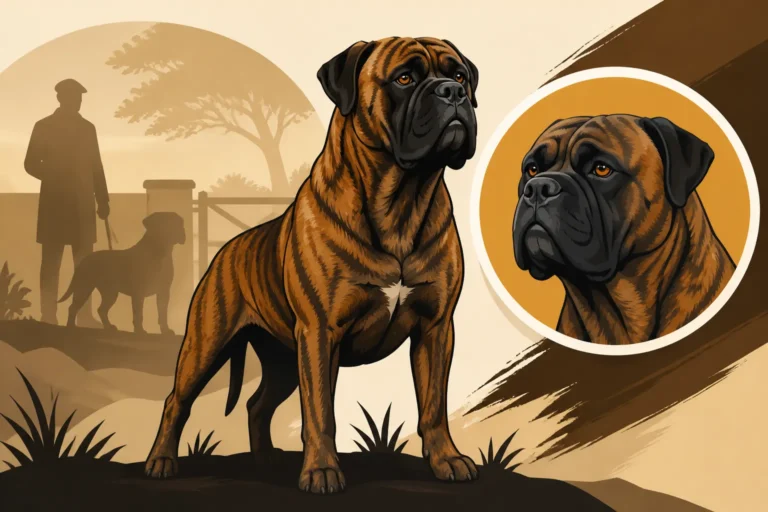
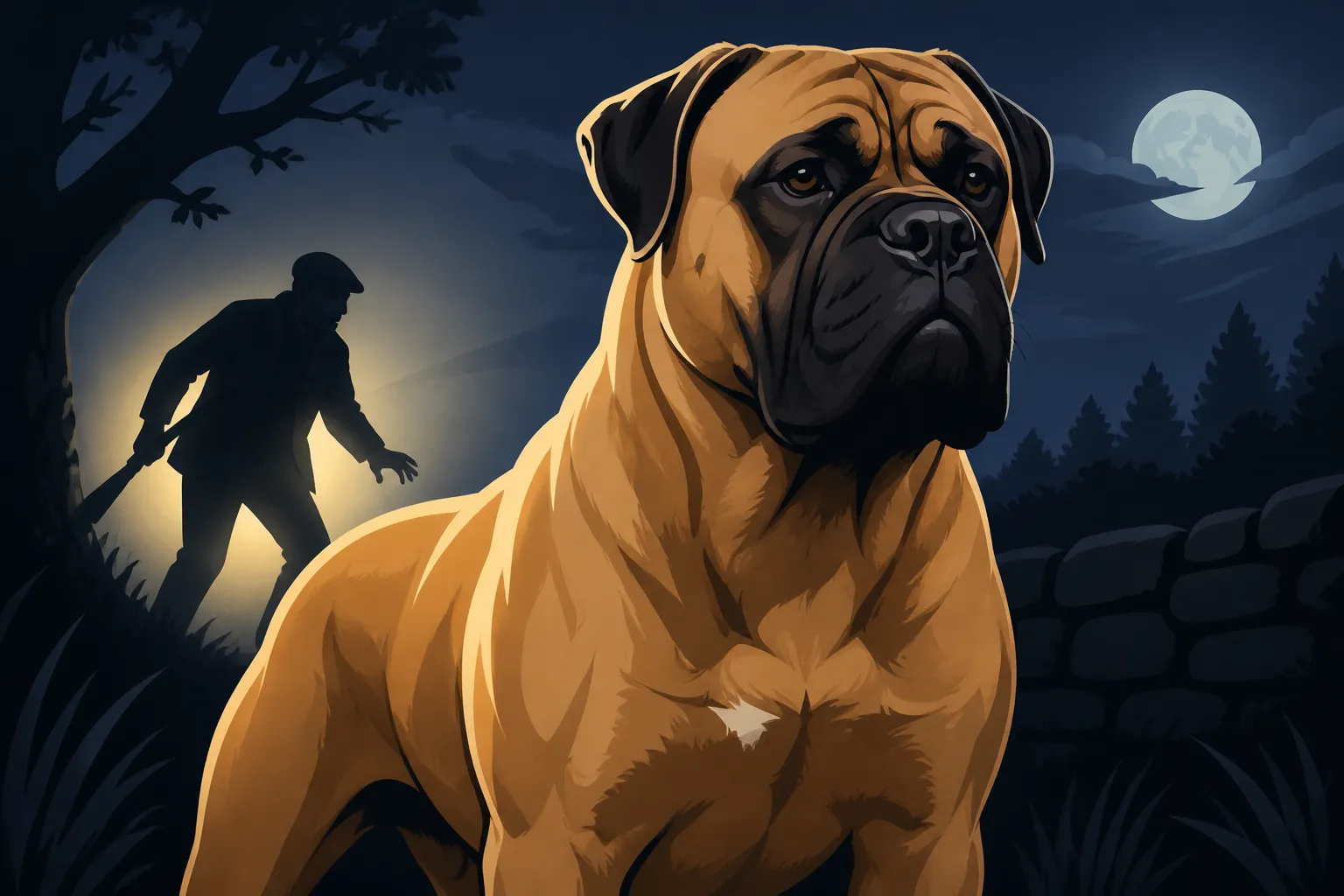
One of the most defining physical traits of the early Bullmastiffs, and a highly valued one, was their dark brindle coat. In the moonless nights of the English countryside, a dark brindle dog effectively became invisible. Its stripes broke up its outline, making it incredibly difficult for a poacher to spot even at close range. This natural camouflage was a critical advantage for the gamekeeper and his dog, allowing them to approach undetected.
Imagine the effectiveness: a poacher, focused on their illicit activity, suddenly finds a large, silent dog at their side, emerging from the shadows. The element of surprise was a powerful weapon. While fawn and red Bullmastiffs are common today, the original preference was overwhelmingly for dark brindle, simply because it was the most practical color for the job. This emphasis on stealth through coloration is why Why Dark Brindle Hid a Bullmastiff at Night was so important for the breed's development. Even the distinctive black mask, which almost every Bullmastiff has, helped them disappear further into the night, protecting their face from being easily seen.
Power and Agility in a Balanced Frame
The ideal Bullmastiff for gamekeeping needed to be large and powerful enough to tackle a man but also agile and athletic enough to pursue and move quickly through varied terrain. They couldn't be clumsy or slow; speed and endurance were critical for successful apprehension. This meant a body type that was muscular and well-boned, but without excessive bulk that would hinder movement or lead to overheating during strenuous activity.
Their broad chest and strong hindquarters provided the power for bursts of speed and the stability to stand their ground. Their somewhat shorter muzzle, inherited from the Bulldog, also played a role. While it can sometimes lead to breathing challenges in extreme heat, in its working context, it provided a powerful, wide jaw for a secure, non-damaging grip. The Bullmastiff's physical structure was a testament to its functional design, a careful balance of strength, speed, and stamina crafted for a very specific environment.
| Trait | Original Purpose for Bullmastiff | Why it was crucial for gamekeepers |
|---|---|---|
| Dark Brindle Coat | Camouflage in low light | Enabled stealthy approach, surprise element against poachers. |
| Broad Skull | Strong bite and powerful jaw | For a firm, non-damaging "hold" on a poacher. |
| Muscular Build | Strength to tackle and hold | Physical dominance to subdue and restrain an adult man. |
| Moderate Size | Large enough to deter, agile enough to move | Balance of intimidation and speed; not too cumbersome. |
| Short Muzzle | Powerful grip, reduces snagging | Provided strong jaw for holding without impeding breathing during exertion. |
| Short Coat | Easy maintenance, quick drying | Less prone to snags or carrying burrs, easier to clean after patrols. |
Temperament Tailored for the Field: Silent and Steadfast
Beyond physical attributes, the temperament of the Bullmastiff was meticulously cultivated to meet the precise demands of its nighttime role. This was a dog that needed intelligence, courage, and an almost eerie silence.
The Art of the Silent Approach
One of the most remarkable aspects of the original Bullmastiff was its ability to work silently. A barking dog would betray the gamekeeper's position, allowing poachers to escape or prepare for a confrontation. Therefore, breeders actively selected against dogs that were prone to excessive barking. The Bullmastiff was designed to be a stealth operative, moving quietly through the woods and surprising its target. This trait of being a "silent guard" is something many Bullmastiff owners still appreciate today; they are generally not nuisance barkers. The Silent Guard: Why a Bullmastiff Barks So Little explores this further.
This inherent quietness meant the dog had to rely on its keen senses of smell and hearing to detect intruders, rather than vocalizing a warning. It had to be observant and patient, waiting for the opportune moment to act. This level of self-control and focused attention is a hallmark of the breed's temperament, a direct inheritance from its working past. It's a truly unique trait in a large guard breed.
Courage, Loyalty, and Discernment
A gamekeeper's dog needed unwavering courage to confront a potentially dangerous poacher. It couldn't be easily intimidated or deterred. But equally important was discernment – the ability to distinguish between a genuine threat and an innocent individual. A Bullmastiff needed to be loyal to its gamekeeper, completely devoted to its task, and intelligent enough to follow complex commands under pressure. This blend of courage and intelligence allowed the dog to act decisively when needed, but also to exercise restraint.
This inherent sense of judgment and loyalty translates into the modern Bullmastiff's personality. They are known for being devoted family companions, protective but generally gentle with those they know and trust. They often observe situations carefully before reacting, demonstrating that "pause to decide" nature that was so crucial for their working ancestors. The Bullmastiff That Pauses to Decide Whether You Are Worth It is a fantastic title that perfectly captures this aspect of their personality. They form deep bonds with their owners and are naturally suspicious of strangers, a trait that directly stems from their historical role.
The Evolution Beyond the Gamekeeper's Estate
As the need for gamekeepers' night dogs diminished with changing laws and societal shifts, the Bullmastiff found a new purpose: a devoted family companion and protector. However, transitioning from a highly specialized working dog to a beloved pet wasn't without its considerations.
From Working Dog to Family Companion
With the decline of large estates and the strict game laws of the past, the Bullmastiff's original job became largely obsolete. However, its exceptional traits—loyalty, courage, protectiveness, and relative quietness—made it an attractive candidate for a family guardian. People began to appreciate their imposing presence as a deterrent and their generally calm demeanor indoors. They became known as "gentle giants" in the right hands, capable of forming deep bonds with their human families, especially children, while still maintaining that inherent watchfulness.
This transition, however, required owners to understand the breed's deep-seated instincts. While no longer apprehending poachers, a Bullmastiff still carries that protective drive. Early socialization and consistent training became even more critical to channel these instincts appropriately in a modern household setting. Owners quickly learned that a Bullmastiff's natural inclination to guard its territory and family needed to be managed with a firm but fair hand. They were not a breed for the faint of heart, or for someone unwilling to put in the time for proper guidance.
Adapting to Modern Living
Today's Bullmastiff still embodies many of the characteristics bred into its ancestors, but the demands of modern living are vastly different from patrolling a Victorian estate. While they retain their impressive size and strength, they are no longer required to pursue and hold men for hours in the dark. Instead, their lives revolve around being cherished family members. This means owners must provide adequate exercise, mental stimulation, and a safe, loving environment.
Their relatively low exercise needs (compared to many other large working breeds) make them adaptable to various home environments, even some apartments, provided they get their daily walks and don't suffer from boredom. However, their physical presence still means they need space and robust equipment. For example, finding durable toys and beds that stand up to their size is crucial. Many owners turn to reputable online retailers like Chewy for sturdy, large-breed specific products, from orthopedic beds to durable chew toys designed for powerful jaws. Proper early training is non-negotiable, especially considering their strength. Training a Bullmastiff That Weighs More Than You Do is a key resource for any prospective owner.
The Enduring Legacy: How History Shapes Today's Bullmastiff
The rich history of the Bullmastiff as a "Gamekeeper's Night Dog" isn't just a fascinating anecdote; it's the very foundation of the breed's modern identity. Every trait, from its physical appearance to its deepest instincts, can be traced back to its original purpose.
Instincts Alive in the Modern Dog
Even generations removed from their working heritage, Bullmastiffs retain many of the instincts honed over decades of selective breeding. Their watchful nature, their tendency to "body block" or lean on their owners, and their generally quiet disposition are all echoes of their past. A Bullmastiff might not be guarding pheasants, but it will instinctively guard its family and home. They are keenly aware of their surroundings and often take their role as protectors very seriously, sometimes startling owners with their silent, imposing presence when an unexpected visitor arrives.
This historical imprint means that Bullmastiff owners must be prepared for a dog with a strong will and an independent streak. They aren't always eager to please in the same way a retriever might be; they often "pause to decide" if a command is truly worth their effort, a trait that goes back to their need for discernment in dangerous situations. Understanding this heritage allows owners to appreciate these traits as part of the breed's unique charm, rather than seeing them as stubbornness. It helps us remember What a Bullmastiff Was Bred to Do to a Poacher.
Health Considerations Linked to Breeding History
While the original breeding focused heavily on temperament and working ability, some physical aspects of the breed’s development have led to modern health considerations. Their rapid growth and large size, while beneficial for their original job, make them prone to certain orthopedic issues like hip and elbow dysplasia if not managed correctly as puppies. The drive for a powerful jaw and specific head structure can also contribute to brachycephalic tendencies, meaning a shorter muzzle which can impact their ability to cool themselves effectively in heat.
Responsible breeding today focuses on mitigating these risks through health testing and careful selection. Owners also play a crucial role by providing appropriate nutrition, managing exercise during growth, and being vigilant about temperature regulation. Products like cooling mats or elevated feeding bowls, easily found at stores like Chewy, can help manage some of these breed-specific needs, demonstrating how modern care practices adapt to inherited traits.
The Bullmastiff's Place in Our Hearts and Homes
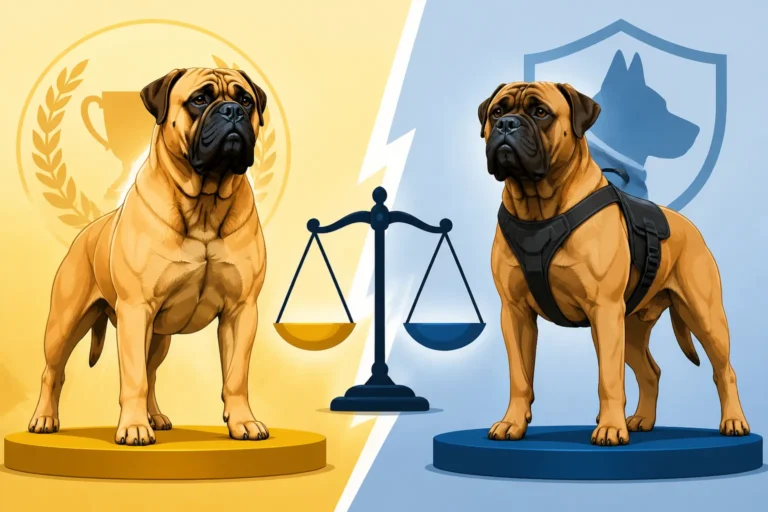
Today, the Bullmastiff has firmly cemented its place as a cherished member of families worldwide. While the gamekeeper's life is a distant memory, the qualities that made them indispensable—their unwavering loyalty, formidable presence, and gentle nature with their own—continue to resonate with those who choose to share their lives with these magnificent dogs. They are not for everyone, requiring a committed owner who understands their needs and respects their heritage.
But for those who open their hearts and homes, the Bullmastiff offers a companionship unlike any other. They are a powerful reminder that history, in the form of careful breeding and purpose-driven selection, can create a legacy that enriches our lives in profound ways. From the dark forests of England to the comfortable couches of modern homes, the Bullmastiff truly is a testament to purposeful design, a breed built for a specific mission that continues to charm and protect its human family.
Disclaimer
This article is for general informational purposes only and does not constitute professional advice. Laws, prices and regulations vary by location and change over time. Consult a qualified professional for guidance on your specific situation.