Why the Bullmastiff Is in the Working Group
Many people, upon meeting a Bullmastiff for the first time, are immediately charmed by their often calm, almost lazy demeanor around the house. They see a giant, loving companion who enjoys a good nap as much as a gentle stroll, and it can leave them scratching their heads: this dog is in the Working Group? It's a fair question, but one with deep roots in the breed's very origin. This comprehensive guide will explore the fascinating history, unique physical attributes, and innate temperament that unequivocally earns the Bullmastiff its place among the working breeds, and what that truly means for dedicated owners like us.
The Bullmastiff's Genesis: A Job-Oriented Creation
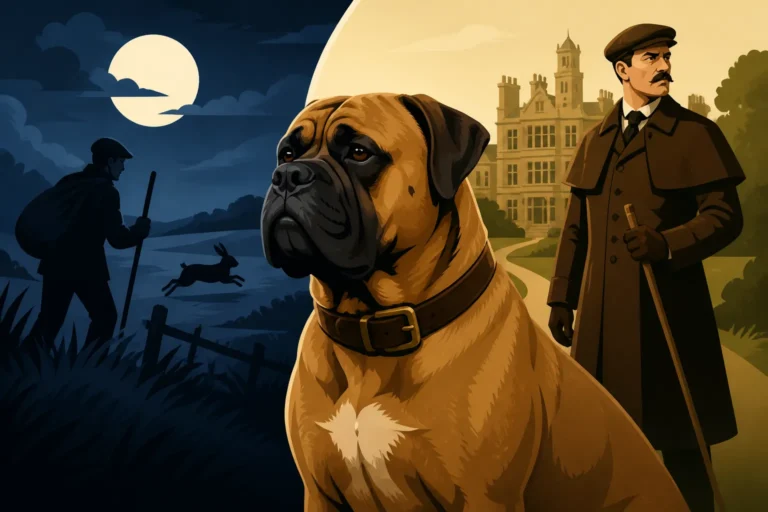
The Bullmastiff didn't just emerge spontaneously; this magnificent breed was meticulously developed for a very specific, demanding job in 19th-century England. Imagine vast estates brimming with game, and the constant threat of poachers who viewed these lands as their personal larder. Landowners and their gamekeepers desperately needed a dog that could patrol silently, deter intruders, and, if necessary, subdue a grown man without causing excessive harm. This wasn't a casual breeding project; it was a matter of economic security and personal safety, solidifying the Bullmastiff's role as a genuine working-class hero from its inception.
Hunting Poachers in the Dead of Night
The problem of poaching was a relentless plague across English estates during the Victorian era. Gamekeepers, often outnumbered and facing desperate individuals, required a significant advantage. They needed a canine partner that possessed immense physical presence, formidable strength, and an almost preternatural stealth. This was no task for a small, yappy dog or a breed designed purely for speed; it demanded a dog that could track, intimidate, and, crucially, hold an adult human. The objective was not to kill the poacher, but to apprehend them and hold them until the gamekeeper arrived. This specific, high-stakes role demanded a unique blend of traits that no single existing breed could perfectly offer, leading to a deliberate and calculated crossbreeding effort. This critical historical context explains much about the Bullmastiff's inherent drives and capabilities, which are still evident in their temperament today. They required a dog with immense courage and loyalty to confront a potentially dangerous individual, coupled with the intelligence to act independently yet remain obedient under extreme pressure. What a Gamekeeper Needed a Night Dog For delves deeper into the challenging operational environment these dogs were bred for.
The Perfect Blend: Mastiff and Bulldog Contributions
To create this ideal "Gamekeeper's Night Dog," two distinct breeds were carefully selected for their complementary attributes: the powerful Mastiff and the tenacious Old English Bulldog. The Mastiff contributed its sheer size, immense strength, and intimidating presence, ensuring the resulting progeny had the bulk and gravitas to stand its ground against a human adversary. However, the Mastiff, while imposing, could sometimes be too slow, perhaps even too gentle, for the direct confrontation required. This is where the Bulldog came into play. The Bulldog, though smaller, brought incredible courage, a lower center of gravity for stability, and a powerful "grip and hold" instinct, combined with a fierce willingness to engage. The careful balance decided upon was sixty percent Mastiff for power and overwhelming size, and forty percent Bulldog for speed, agility, and uncompromising grit. This precise genetic combination was far from arbitrary; it was a meticulous exercise in canine engineering, purposefully designed to produce a highly specialized working animal. The Bullmastiff Is Sixty Percent Mastiff and Forty Percent Bulldog further details this foundational mix that created the breed we know today.
Bred to Apprehend, Not to Harm
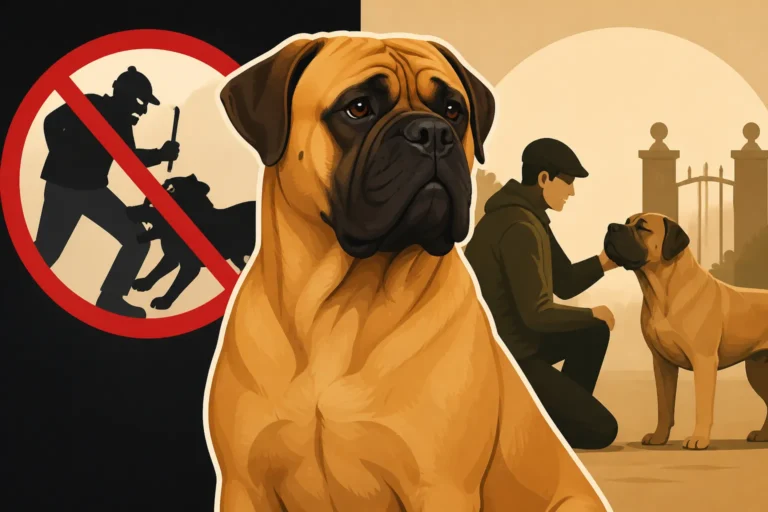
Crucially, the Bullmastiff was not bred to maul or kill. A dead poacher represented a legal nightmare and social scandal for the estate owner, bringing unwanted attention and complications. The primary goal was to apprehend the individual, secure them without causing severe injury, and perhaps intimidate them sufficiently to deter any future poaching attempts. This required immense control and an uncanny sense of discrimination from the dog. They needed to be able to track a human quietly, rush them, knock them down, and then pin them without biting excessively or tearing flesh. This "holding" instinct is a defining characteristic of the breed's historical purpose and a key reason why they are often described as having a "soft mouth" when interacting playfully with humans, despite their immense power. This nuanced approach to their job demanded a specific temperament that combined raw strength with an underlying gentleness and a profound desire to please their handler. Understanding this unique and specific purpose is absolutely vital to appreciating the Bullmastiff's rightful place in the Working Group. Why a Bullmastiff Was Bred Not to Kill explores this fascinating, humane aspect of their breeding in greater detail.
Physical Attributes Tailored for the Task
A single glance at a Bullmastiff immediately reveals a dog built for purpose. Their physique isn't merely for aesthetic appeal; every inch of their musculature, every aspect of their conformation, speaks directly to their heritage as a canine security officer. They present a magnificent display of raw power and athletic capability, deliberately designed to be both formidable and agile enough to perform their duties effectively. Their structure is inherently robust, enabling them to withstand the physical demands of patrolling and confrontation, while also being capable of surprisingly swift bursts of speed when the situation demanded it.
Size, Strength, and Imposing Presence
When you stand alongside a Bullmastiff, their sheer size and considerable bulk are undeniably impressive. Males commonly tip the scales at upwards of 130 pounds, with females not far behind, making them profoundly formidable beings for any potential intruder. This substantial weight, combined with their dense, powerful musculature, was absolutely essential for physically stopping and holding a human. Their broad chest, thick, muscular neck, and powerfully developed legs provided the brute strength needed for tackles and effective restraint. Their imposing presence alone often served as a natural deterrent, communicating a clear message even before any overt action was taken. They are built like a four-legged, heavily muscled athlete, designed for both impact and sustained pressure.
Agility and Endurance for Patrol and Pursuit
While their power is undeniable, the Bullmastiff also possesses a surprising degree of agility and endurance, particularly for a breed of their considerable size. They were required to cover significant ground silently and quickly across varied and often challenging terrain during their nocturnal patrols. They were not merely static guards; they had to be dynamic and responsive. The influence of the Bulldog in their ancestry contributed to their lower center of gravity and powerful hindquarters, enabling them to execute quick bursts of speed and to pivot and change direction swiftly when pursuing a target. Furthermore, they needed the stamina to maintain a vigil for hours and to pursue a fleeing poacher for a reasonable distance. This crucial combination of strength, speed, and endurance meant they were far more than just heavy-set dogs; they were athletic guardians fully capable of sustained physical effort when their job demanded it.
Physical Adaptations for a "Night Watchman"
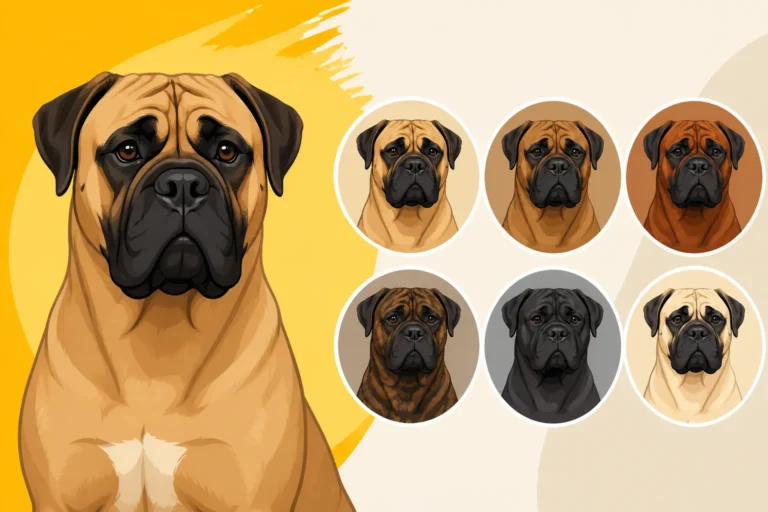
Beyond their general powerful build, specific physical adaptations further underscore their working heritage. Their short, dense coat, for instance, required minimal grooming, making it eminently practical for a working dog consistently exposed to the elements. More importantly, their darker brindle and fawn coats, coupled with the distinctive black mask, provided exceptional camouflage under the cloak of night, allowing them to blend seamlessly into shadows and approach unseen. Their moderate muzzle length, while not as extreme as some highly brachycephalic breeds, offered a powerful bite for holding without being overly pronounced, which might have hindered their silent approach or risked injury in a physical scuffle. Even their dropped ears, which naturally lie flat against the head, would have minimized the chances of injury during a physical confrontation with a struggling poacher. All these elements combined to create a dog perfectly optimized for its demanding, nocturnal duties. The Bullmastiff Was Built to Catch Poachers in the Dark provides more details on this crucial aspect of their design.
Temperamental Traits: The Mind of a Guardian
A Bullmastiff's inclusion in the Working Group isn't solely about their impressive physical prowess; it's profoundly about their mental and emotional makeup. These dogs possess a unique combination of courage, discernment, unwavering loyalty, and a natural, deeply ingrained protective instinct that truly sets them apart. They are not mindless aggressors; rather, they are intelligent, calculating guardians who meticulously assess situations before acting—a crucial trait for their original, high-stakes role.
Inherent Protective Instincts
The protective instinct is arguably the most defining temperamental trait of the Bullmastiff. This isn't merely generalized aggression; it's a deep-seated, instinctual drive to protect their family and their perceived territory. They are acutely aware of their surroundings and possess a remarkable ability to differentiate between a known, friendly visitor and a potential threat. While often calm, affectionate, and accepting of invited guests, their demeanor can shift with startling rapidity if they perceive genuine danger to their loved ones or home. This inherent guarding nature is precisely what made them invaluable to gamekeepers and continues to make them exceptional home guardians today. They are vigilant, remarkably observant, and possess an unwavering loyalty that manifests as a powerful desire to keep their human family safe. How Protective a Bullmastiff Is explores this fundamental aspect of their character in more detail.
The "Hold and Deter" Mentality
As discussed earlier, Bullmastiffs were meticulously bred to apprehend and control, not to attack aggressively or cause severe harm. This philosophy translates into a distinct "hold and deter" mentality. When confronted with an intruder, their primary instinct is often to block, pin, or physically hold the person without resorting to severe biting. They leverage their immense physical presence, often body-checking or standing over an individual, effectively immobilizing them. This deliberate restraint requires an extremely high level of impulse control and nuanced judgment, distinguishing them sharply from dogs bred purely for aggression. It's a sophisticated form of guarding that demands both innate intelligence and an inherently steady temperament. They are undeniably capable of immense force, but they are also capable of wielding that force with remarkable precision and control, making them safe yet extraordinarily effective protectors. Why a Bullmastiff Holds Instead of Biting dives deeper into this crucial behavioral trait.
Discernment and Independent Thought
One of the most fascinating and sometimes puzzling aspects of the Bullmastiff temperament is their inherent capacity for discernment and independent thought. They are not simply mindless followers; they are thinking dogs, capable of complex processing. They will often "pause to decide" whether a command or a given situation truly warrants their immediate and full attention or a specific response. This isn't stubbornness in the typical sense, but rather a reflective intelligence. In their original role, a gamekeeper might be out of sight, requiring the dog to make critical judgment calls about potential poachers independently. This intelligent independence meant they could act on their own initiative while still being highly trainable and maintaining an unbreakable loyalty to their handler. This discerning nature means they typically won't overreact to minor stimuli, but when they do genuinely decide a threat is real, they act with profound conviction. The Bullmastiff That Pauses to Decide Whether You Are Worth It offers valuable insights into this characteristic and often endearing trait.
The Official Designation: What the Working Group Means
Understanding the rich historical context and the inherent traits of the Bullmastiff naturally leads us to the question of its official classification. Kennel clubs around the world meticulously organize dog breeds into groups based primarily on their original purpose, and the Working Group is specifically reserved for dogs developed to perform a diverse range of utilitarian tasks for humans. This isn't merely an arbitrary label; it signifies a shared heritage of function, capability, and a historical role that goes far beyond simple companionship.
Kennel Club Standards and Classification
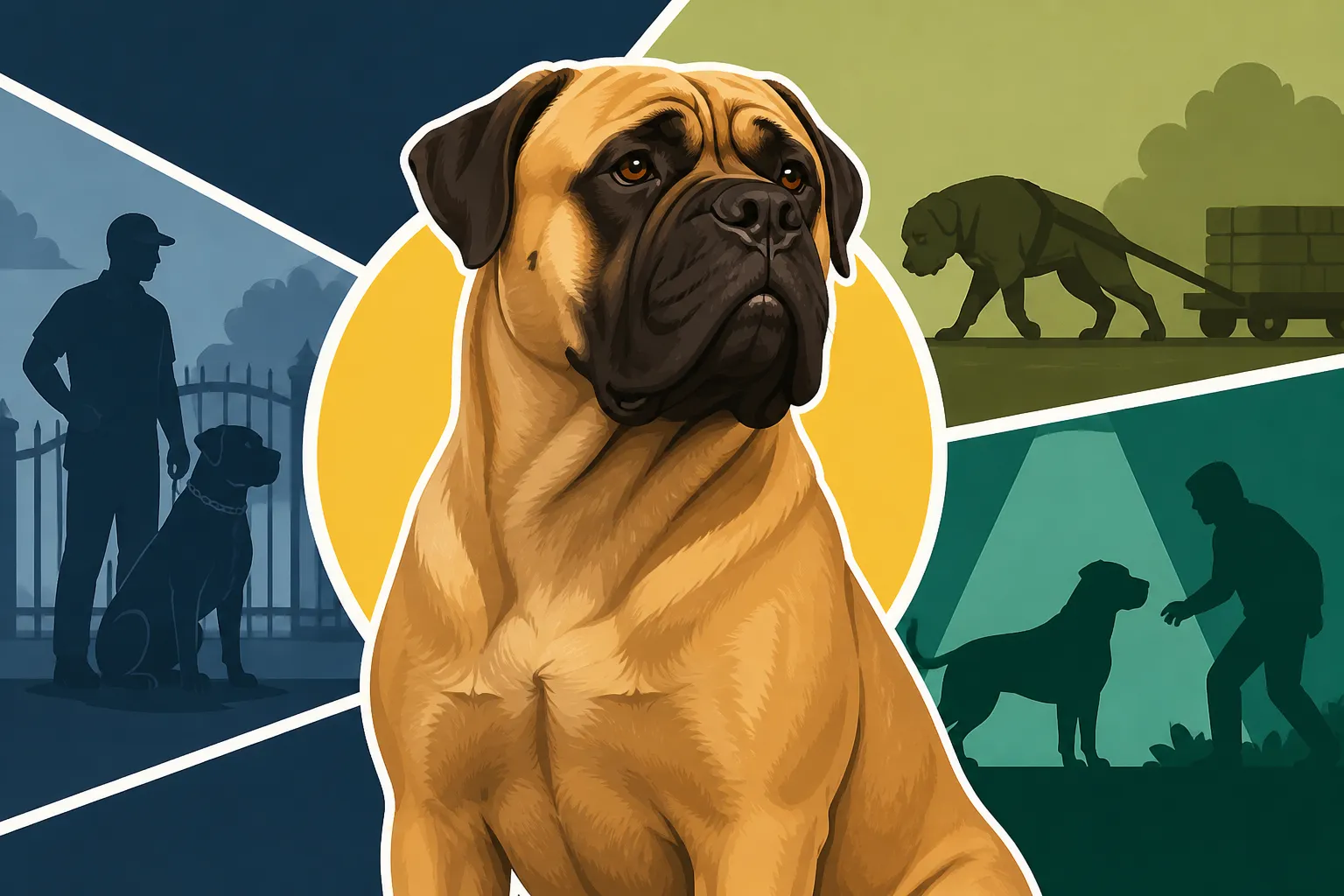
When a breed is officially classified into the Working Group by prestigious organizations like the American Kennel Club (AKC) or The Kennel Club (UK), it fundamentally means that, historically, these dogs were specifically developed to perform particular jobs that extended beyond just companionship or hunting. This distinguished group encompasses a diverse array of breeds such as Boxers, Doberman Pinschers, Great Danes, Siberian Huskies, and, of course, the magnificent Bullmastiff. The tasks these dogs were bred for often involved crucial roles like guarding property, pulling sleds over vast distances, performing intricate rescues, or, in the Bullmastiff's unique case, acting as formidable human deterrents and precise apprehenders. The breed standards established for these dogs meticulously reflect the physical and temperamental attributes deemed necessary for these demanding roles, consistently emphasizing traits like immense strength, profound courage, keen intelligence, and a high degree of trainability for their specific functions. The Working Group classification is thus a profound acknowledgment of their ancestry and the very reason for their existence and development.
Historical Purpose vs. Modern Function
While the Bullmastiff's original, highly specialized purpose was the apprehension of poachers in rural England, their predominant modern function for the vast majority of owners today is that of a devoted family companion and steadfast guardian. However, it is crucial to understand that the deeply ingrained traits developed for their historical role are still very much present and active within the breed. Their innate protective instincts, immense physical strength, and discerning temperament mean they inherently possess the full capabilities of a working dog, even if they spend the majority of their days lounging comfortably on the sofa (a pastime at which they truly excel, it must be said!). It is incredibly important for prospective owners to recognize that even a family pet Bullmastiff comes with these powerful, intrinsic working drives. Ignorance or disregard of this fundamental aspect of their nature can unfortunately lead to behavioral issues, misunderstandings, or even frustration regarding the dog's true personality and needs. While they may no longer be actively chasing poachers, their ancestral instincts still require appropriate outlets and a deep understanding from their human companions.
| Trait Category | Bullmastiff Characteristic | Relevance to Working Group |
|---|---|---|
| Physical Build | Large, muscular, powerful, yet surprisingly agile | Ideal for subduing and holding individuals, enduring long patrols |
| Coat & Color | Short, dense, dark brindle/fawn with distinctive black mask | Low maintenance, provides excellent camouflage for night work |
| Temperament | Courageous, protective, discerning, loyal | Essential for confronting intruders, making independent judgments |
| Instincts | "Hold and deter," highly territorial, keen environmental awareness | Core to their historical role as a gamekeeper's night dog |
| Trainability | Intelligent, but can be deliberate and independent | Capable of complex tasks, but requires consistent, firm, and patient training |
Bullmastiffs in Contemporary Working Roles
Even though the highly specific role of a gamekeeper's night dog is largely a relic of the past, the Bullmastiff's inherent working capabilities mean they can still excel in a wide variety of modern working or sport disciplines. Engaging in these activities provides crucial mental and physical stimulation, effectively channeling their ancestral drives into productive and genuinely enjoyable outlets. Ignoring these powerful natural inclinations can, unfortunately, lead to a bored, frustrated, and potentially destructive dog, underscoring the importance of providing appropriate engagement for a working breed.
The Modern Guard Dog and Family Protector
The most evident contemporary working role for a Bullmastiff remains that of a vigilant guard dog or a devoted family protector. Their imposing size, deep, resonant bark, and deeply ingrained protective instincts naturally serve as a significant deterrent to potential intruders. Many Bullmastiff owners find immense comfort and peace of mind in having such a vigilant and physically capable guardian by their side. However, it is absolutely vital to remember that true protection stems from a well-socialized and thoroughly trained dog. While they possess the innate instinct, without proper guidance and boundaries, their protective drive can regrettably become misdirected or problematic. They need to clearly understand what genuinely constitutes a real threat and how to respond appropriately and proportionally. This invariably means consistent early socialization and training to ensure they are discerning and controlled protectors, rather than indiscriminate or overly aggressive responders. Whether a Bullmastiff Makes a Guard Dog discusses this crucial role in greater detail.
Exploring Dog Sports and Activities
Beyond formal guarding, Bullmastiffs can enthusiastically participate in several dog sports and activities that skillfully tap into their rich working heritage. While they might not consistently be the fastest or the most agile in every single sport, their incredible strength, remarkable endurance, and inherent problem-solving abilities can truly shine. Chewy offers a fantastic selection of durable toys and training aids that can help facilitate these activities, making engagement accessible for owners.
- Obedience and Rally: Their intelligence and underlying desire to please, once properly motivated and guided, can lead to impressive success in precision obedience work and Rally competitions.
- Weight Pulling: Their sheer, immense strength makes them natural contenders for weight-pulling competitions, offering a superb and controlled way to channel their formidable physical power.
- Tracking: Their keen sense of smell and methodical approach can make them excellent tracking dogs, effectively mirroring their ancestral role of locating hidden poachers or lost items.
- Therapy Work: Despite their formidable appearance, many Bullmastiffs possess incredibly gentle, calm, and empathetic temperaments, making them truly wonderful therapy dogs in settings such as hospitals, schools, or nursing homes. This role beautifully harnesses their serene presence and comforting nature.
- Conformation: While not strictly a "working" role in the traditional sense of a specific task, competing in conformation events requires significant training, discipline, and a high level of presentation, showcasing the dog's adherence to breed standards that were, after all, originally developed for a working dog.
Engaging in these diverse activities, often supported by accessible resources from trusted retailers like Chewy, which provides a wide array of training aids, enrichment toys, and high-quality food, is absolutely crucial for a Bullmastiff's overall well-being. It effectively prevents boredom, channeling their intelligence and physical capabilities into positive and constructive outlets. Which Dog Sports Suit a Bullmastiff provides even more ideas for suitable activities that cater to their working drives.
The Reality for Owners: Living with a Working Breed
Bringing a Bullmastiff into your home signifies more than merely acquiring a large, affectionate dog. It means wholeheartedly committing to a lifestyle that conscientiously acknowledges and caters to their working breed heritage. While they might appear incredibly docile and relaxed indoors, their profound needs for mental stimulation, appropriate physical exercise, and consistently applied training are absolutely paramount for ensuring they grow into a happy, balanced, and well-adjusted companion.
Understanding Their Exercise Needs
Despite their impressive size, Bullmastiffs generally require less intense, sustained exercise than many other high-energy working breeds, such as a Border Collie or a Belgian Malinois. They are not specifically built for prolonged, high-speed running marathons. However, they are still fundamentally working dogs and absolutely need regular, moderate exercise to maintain healthy muscle tone, prevent obesity, and provide vital mental stimulation. Daily walks, engaging playtime in a securely fenced yard, and perhaps some structured training sessions are typically sufficient to meet their physical needs. It is also important to note that over-exercising a rapidly growing Bullmastiff puppy can be detrimental to their developing joints, so a measured and appropriate approach to activity is key. When it comes to their physical activity, it's often more about quality and engagement than sheer quantity. Long, leisurely walks where they are allowed to sniff and explore their environment can be just as enriching and satisfying as a more vigorous play session. How Much Exercise a Bullmastiff Needs delves further into this important topic.
The Importance of Early Socialization and Training
Given their powerful protective instincts and immense size, early and exceptionally thorough socialization is an absolute non-negotiable for any Bullmastiff owner. Exposing them to a diverse range of people, unfamiliar places, different sounds, and other friendly, well-behaved dogs from a very young age will significantly help them develop into confident, well-adjusted adults who can accurately discern genuine threats from everyday, normal situations. Consistent, positive reinforcement training is equally essential. Considering their deliberate nature and formidable strength, waiting until they are fully grown to address potential behavioral issues is a perilous path. Basic obedience commands such as "sit," "stay," "come," and "leave it" transcend mere tricks and become critical safety commands for a dog of their substantial stature. Resources found on reliable platforms like Chewy for high-value training treats and durable long lines can prove invaluable during these crucial formative years of their development.
What a "Working Group" Dog Does All Day
For many Bullmastiff owners, their dog's primary "work" today consists of being an incredibly dedicated family member, a loyal furry shadow, and, on occasion, an utterly convinced lap dog (who often conveniently forgets they weigh upwards of 130 pounds!). Yet, even within a domestic setting, their working traits subtly manifest. They are frequently quiet and remarkably observant, constantly taking in everything happening around them. They will often follow you diligently from room to room, casually leaning against your leg, subtly asserting their watchful presence and readiness to guard. They thrive on routine and possess a deep sense of purpose, even if that purpose is simply to keep a watchful eye on the children playing in the backyard or to provide a comforting, solid presence at your feet while you work. A bored Bullmastiff can very quickly transform into a destructive Bullmastiff, so even their periods of "down time" need to be thoughtfully structured with appropriate chew toys, stimulating puzzle feeders, or simply by being actively included in family activities. What a Bullmastiff Does All Day provides a deeper look into their daily life and inherent drives.
Debunking Misconceptions About Working Bullmastiffs
Because of their impressive size, their official "Working Group" classification, and their historical role, Bullmastiffs are regrettably often subject to various misconceptions. It is absolutely crucial for responsible owners and the general public alike to clearly distinguish between their inherent capabilities and often unfair stereotypes. Understanding the true reality of the breed not only helps promote responsible ownership but also effectively dispels unwarranted fears and prejudices.
"Aggressive" vs. "Protective": A Crucial Distinction
One of the most pervasive and damaging misconceptions is that Bullmastiffs are inherently aggressive. This belief is profoundly far from the truth. A properly bred and thoroughly socialized Bullmastiff is typically calm, remarkably gentle, and deeply affectionate with their immediate family. Their protective instincts are often quiet, discerning, and nuanced, not overtly aggressive or reactive. They are far more likely to instinctively stand between their family and a perceived threat, perform a body-block, or issue a low, rumbling growl than to launch an unprovoked attack. Aggression in a Bullmastiff is almost always a tell-tale sign of poor breeding, a critical lack of socialization, deep-seated fear, or severely inadequate training, rather than a natural, inherent trait of the breed itself. It is vital to understand that protection is a complex, discerning behavior, while aggression is an uncontrolled, often dangerous, and indiscriminate response.
"Stubborn" vs. "Deliberate" Intelligence
Another frequent mislabeling applied to Bullmastiffs is calling them stubborn. While it's true they may not exhibit the same eager-to-please, instant obedience of some retriever breeds, their apparent hesitation or slowness to respond isn't necessarily stubbornness but rather a thoughtful, highly deliberate approach to commands and situations. They methodically process information, meticulously assess the situation at hand, and then, based on their judgment, decide whether and how to comply. This inherent trait, which made them so exceptionally effective at independent decision-making on a dark, sprawling estate, can occasionally be frustrating for owners seeking instant, robotic obedience. However, it also speaks volumes about their intelligence and deep-seated self-reliance. Effective training with a Bullmastiff demands immense patience, unwavering consistency, and a profound understanding of their unique motivations, which often center around food rewards or sincere praise. They consistently respond best to fair, clear communication and a strong, trust-based bond with their handler.
The Myth of the "Low Maintenance" Giant
Some individuals might erroneously assume that because Bullmastiffs are relatively low-energy indoors, they are inherently low-maintenance pets. While their grooming needs are indeed minimal and they don't typically require miles of high-speed running, their immense size, specific health considerations, and significant ongoing training requirements make them anything but low-maintenance. Their potential predispositions to serious health issues, such as hip and elbow dysplasia or a concerning propensity for certain cancers, necessitate regular veterinary visits and meticulous management of their diet and exercise throughout their lives. Their sheer bulk means that virtually everything, from their leash and collar to their dog beds and food bowls, needs to be "giant-sized," adding to the practical demands. Furthermore, the ongoing, unwavering commitment to rigorous socialization and consistent training to effectively manage their powerful protective instincts and formidable strength is a considerable, lifelong undertaking. These are decidedly not dogs for the faint of heart or for those who prefer a hands-off approach to pet ownership.
Responsible Ownership: Honoring the Bullmastiff's Working Heritage
For those individuals contemplating bringing a Bullmastiff into their lives, or for current owners seeking to deepen their understanding of this magnificent breed, responsible ownership is the absolute cornerstone to honoring this breed's unique working heritage. It is fundamentally about providing an environment where their powerful working traits are not only understood and respected but also effectively channeled into positive, constructive behaviors, ultimately ensuring a happy, healthy, and fulfilling life for both the dog and its human companions.
Choosing a Reputable Breeder Who Screens Hearts
Given the Bullmastiff's predispositions to certain serious health issues, including critical cardiac problems like Subaortic Stenosis, finding a truly reputable breeder is of paramount importance. A responsible and ethical breeder will conduct extensive health screenings on all of their breeding stock, meticulously checking not just for common issues like hip and elbow dysplasia, but, crucially, for cardiac health. They will be entirely transparent about the health history of their breeding lines and readily provide verifiable documentation for all tests. Such breeders prioritize the long-term health and stable temperament of their puppies far above fleeting trends or quick profits, ensuring that puppies are as healthy as possible and originate from lines known for stable, working-appropriate temperaments. This meticulous diligence in selecting a puppy from a health-tested background is perhaps the most significant single step an owner can take to prevent future heartache and significantly increase the chances of a long, healthy life for their cherished Bullmastiff. Finding a Bullmastiff Breeder Who Screens Hearts is an invaluable resource for guiding this critical selection process.
Lifelong Commitment to Training and Socialization
The Bullmastiff's working group status inherently implies a need for lifelong engagement and mental stimulation. While intensive puppy training and socialization are absolutely crucial during their formative months, the commitment does not end there. Continuing to reinforce good manners, consistently exposing them to new experiences, and providing appropriate mental challenges throughout their entire lives will ensure they remain well-adjusted, confident, and highly responsive companions. This might involve enrolling in advanced obedience classes, trying out a new dog sport or activity, or simply engaging in daily, structured training games at home. A Bullmastiff who feels engaged and has their intelligent mind regularly stimulated is, unequivocally, a happy Bullmastiff. This ongoing commitment is essential for effectively managing their powerful physique and strong protective instincts, ultimately allowing them to be wonderful, safe, and respected members of society. Even seasoned adult dogs greatly benefit from periodic refreshers, and positive reinforcement methods should always be the preferred approach for these sensitive giants. Consider enriching their lives with interactive puzzle toys and engaging interactive feeders, readily available on platforms like Chewy, to keep their minds sharp and engaged.
Providing Appropriate Physical and Mental Outlets
Recognizing the Bullmastiff's deeply ingrained working background means consciously providing suitable outlets for their powerful natural drives. This extends far beyond just daily walks; it's about giving them a "job," however simple it may seem. This could be tasks such as carrying the newspaper in from the driveway, participating in stimulating tracking games in the backyard, or diligently practicing advanced obedience routines. For dogs with a particularly strong protective drive, structured "boundary training" can be an excellent and effective way to channel their territorial instincts, teaching them when and how to alert without becoming overly reactive or indiscriminate. Mental enrichment, facilitated through challenging puzzle toys, engaging scent work exercises, or teaching them new tricks, is just as profoundly important as physical exercise. A tired Bullmastiff, both physically and mentally, is almost always a good Bullmastiff. This holistic and proactive approach to their care ensures that their working heritage is honored and fulfilled within a modern home environment, leading to a well-balanced and contented dog.
Understanding the Bullmastiff's Short Lifespan and Preparing for It
It's a bittersweet and often difficult reality that Bullmastiffs, like many other large and giant breeds, have a comparatively short lifespan, often averaging around eight and a half years. This characteristic, while not directly tied to their "Working Group" status, profoundly impacts the ownership experience in every way. Knowing this stark fact from the outset means that every moment shared with them is incredibly precious, and decisions regarding their health, diet, and general care take on an added weight and urgency. Owners must be emotionally and financially prepared for potential health challenges that can regrettably arise later in life. Understanding their breed's propensity for serious conditions like cancer (lymphoma being a significant concern) or debilitating joint issues means being proactive about regular wellness checks and being financially prepared for potential, sometimes substantial, veterinary costs. The historical intensity of their working lives, even in generations past, may have inadvertently contributed to a shorter, albeit impactful, existence. The Median Bullmastiff Lives Eight and a Half Years and Caring for a Bullmastiff Past Six are invaluable resources for emotionally and practically preparing for this reality.
Disclaimer
This article is for general informational purposes only and does not constitute professional advice. Laws, prices and regulations vary by location and change over time. Consult a qualified professional for guidance on your specific situation.