Why the Bullmastiff Was Bred Not to Kill
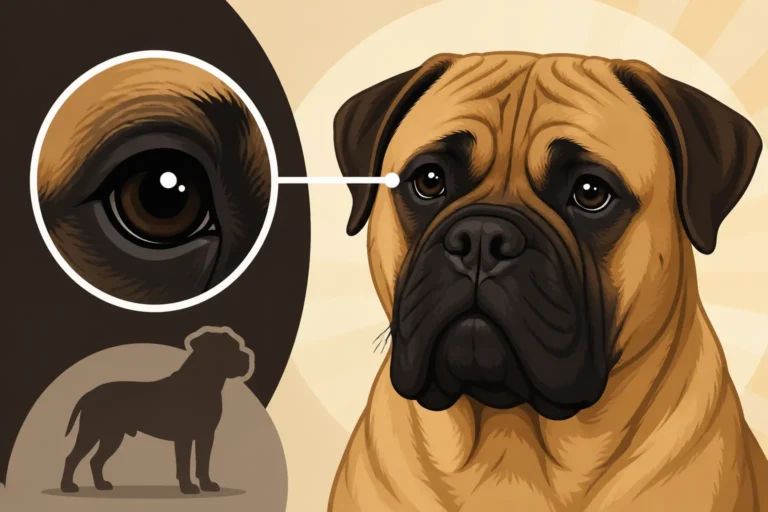
It’s a common sight: a Bullmastiff, all muscle and imposing presence, and the immediate thought often goes to their formidable guarding abilities. Many assume that a dog of such power was surely bred for lethal protection, capable of taking down any intruder. However, that couldn't be further from the truth of this magnificent breed's history. This guide will delve into the fascinating origins of the Bullmastiff, exploring why these gentle giants were specifically developed to apprehend without causing fatal harm, a nuanced approach that shaped their very nature.
The Original Job: Gamekeeper's Night Watchman
To understand why the Bullmastiff was not bred to kill, we have to travel back in time to the sprawling estates of 19th-century England. This was a time when vast tracts of land were dedicated to game preserves, teeming with deer, pheasants, and other wildlife coveted by both landowners and, unfortunately, poachers. The clash between these two groups created the perfect storm for the emergence of a truly unique canine guardian.
The Problem of Poaching in Victorian England
Poaching wasn't just a minor nuisance; it was a significant economic drain and a serious threat to the landowners' way of life. Gamekeepers, the dedicated staff tasked with protecting these estates, often found themselves outmatched by cunning and sometimes desperate poachers, who would often work under the cover of darkness. These poachers weren't just after a rabbit for the pot; they were often organized, sometimes armed, and always looking to avoid capture.
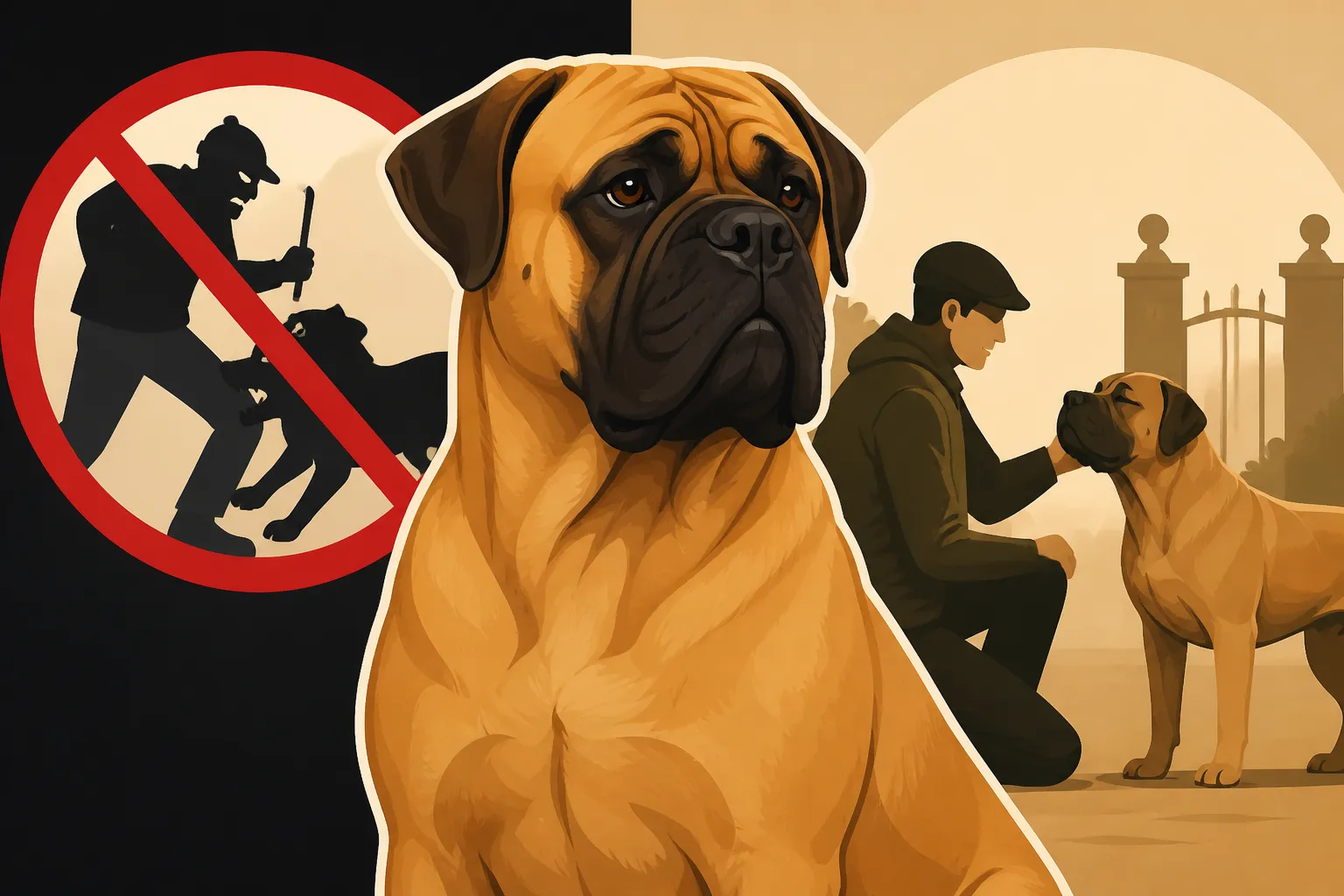
A gamekeeper's night was long and often dangerous. They needed a partner, a canine assistant who could accompany them, silently track, and, most importantly, deter or capture a poacher. The goal was not to inflict grievous harm or death, which would have brought severe legal repercussions and moral dilemmas. Instead, the objective was apprehension: to hold the poacher until the gamekeeper could arrive, identify them, and turn them over to the authorities for prosecution. This legal and ethical constraint profoundly influenced the breeding of the Bullmastiff.
Why Traditional Guard Dogs Weren't Enough
Before the Bullmastiff, gamekeepers tried various dogs, but none quite fit the bill perfectly. The enormous Mastiff, while undeniably imposing and protective, had a few drawbacks for this specific work. They were powerful, yes, but often too slow to catch a nimble human fleeing through dense woods. More critically, a Mastiff's sheer size and bite force, if uncontrolled, could easily inflict fatal injuries, which, as discussed, was contrary to the gamekeeper's objective. They were excellent deterrents, but their method of engagement was often too extreme for the desired outcome of a live capture.
On the other end of the spectrum were the various bulldog types of the era, ancestors of our modern Bulldog. These dogs possessed incredible tenacity and a powerful grip, but they were simply too small. A single bulldog, no matter how brave, would struggle to bring down and hold a determined, full-grown man without risking serious injury to itself or failing to maintain control. The gamekeepers needed a dog with the bulldog's tenacious grip and courage, but with the size and presence of a Mastiff, yet without the Mastiff's potential for fatal force. This gap in canine capability led directly to the development of the Bullmastiff.
The Sixty-Forty Formula: A Calculated Blend
The brilliant solution that gamekeepers stumbled upon, and then meticulously refined, was a specific crossbreeding program. They sought to combine the best attributes of two powerful but distinct breeds: the formidable Mastiff and the tenacious Bulldog. The result was a dog perfectly engineered for its unique job description, often referred to as the "gamekeeper's night dog." This deliberate blend ensured the Bullmastiff possessed the ideal balance of strength, speed, and, crucially, a method of apprehension that stopped short of lethal force.
The Mastiff's Contribution: Size and Deterrence
The Mastiff brought the much-needed scale and intimidating presence to the equation. Imagine confronting a creature as large and powerful as a Mastiff in the dead of night – it's enough to make most poachers think twice. The Mastiff contributed significantly to the Bullmastiff's overall bulk, sturdy bone structure, and deep chest. This gave the nascent breed its imposing physique, making it a formidable deterrent simply by existing. The genetic inheritance from the Mastiff meant the Bullmastiff would grow into a large, powerful dog, capable of physically dominating an encounter.
However, the gamekeepers were careful not to create a direct replica of the Mastiff. While the Mastiff's protective instincts were valuable, its sheer mass could sometimes translate into a lack of agility for sustained pursuit or, as mentioned, an uncontrollable level of force. The sixty percent Mastiff influence, as stated in the traditional formula that became The Bullmastiff Is Sixty Percent Mastiff and Forty Percent Bulldog, provided the necessary size and inherent protective nature without making the dog cumbersome. This careful balance allowed for powerful deterrence while ensuring the dog remained agile enough for its dynamic role.
The Bulldog's Influence: Agility and Grip
The "Bulldog" component of the Bullmastiff's heritage is often misunderstood. We're not talking about the modern, often brachycephalic (short-nosed) Bulldog we see in show rings today. Instead, the gamekeepers utilized the "Old English Bulldog," a leaner, more athletic, and longer-legged dog that was far more agile and driven than its contemporary counterpart. This ancestral Bulldog contributed its incredible courage, tenacity, and, most critically, its famous "hold" ability.
The Bulldog's influence imbued the Bullmastiff with a lower center of gravity, a compact and muscular build, and an unwavering grip. These traits were essential for the Bullmastiff to effectively pin and hold a struggling human without mauling them. The Bulldog's tenacity meant that once it engaged, it would not easily let go, securing the apprehension. This forty percent Bulldog input was the key to ensuring the Bullmastiff could fulfill its primary directive: to stop and hold a poacher without inflicting a fatal bite. It ensured that The Bullmastiff Was Built to Catch Poachers in the Dark by pinning them, rather than tearing at them.
The "Holding" Instinct: Apprehension, Not Annihilation
The core principle behind the Bullmastiff's development was the gamekeeper's need for a dog that could incapacitate a poacher without killing them. This "holding" instinct became the breed's defining characteristic and is a powerful testament to the careful and deliberate breeding choices made centuries ago. It’s what truly sets the Bullmastiff apart from many other protection breeds.
The Gamekeeper's Directive: A Live Capture
Why was a live capture so important? For several practical reasons. Firstly, a live poacher could be identified, interrogated, and brought before the law. This led to fines, imprisonment, and, perhaps most importantly, sent a clear message to other potential poachers in the area – a much stronger deterrent than a body found in the woods. A dead poacher created legal complications for the gamekeeper and the landowner, including investigations and potential charges. The aim was to protect property and enforce laws, not to act as judge, jury, and executioner.
Secondly, a dog that indiscriminately killed would be a liability. The gamekeeper needed a dog that understood control and could be called off when the situation was resolved. A dog that worked silently, cornered its quarry, and held it firmly but without excessive force, was a far more valuable asset. This imperative for a non-lethal outcome was so deeply ingrained in the breed's purpose that it shaped not only their physical attributes but also their inherent temperament. Why a Bullmastiff Was Not Bred to Maul is rooted deeply in these practical and ethical considerations.
Training for Restraint
Early Bullmastiffs underwent rigorous training to hone this specific skill. Their instruction would have focused on tracking and then, upon finding a poacher, using their strength and body mass to pin the individual down or block their escape. The powerful bite was used for a firm grip, often on an arm or leg, sufficient to hold but not to crush or tear. This was a sophisticated form of control, requiring immense strength tempered with an understanding of restraint.
This type of training demanded a dog with both physical prowess and a stable, intelligent mind. A Bullmastiff needed to be bold enough to confront a potentially dangerous person, yet disciplined enough to cease its hold when commanded by its handler. This is a far cry from the aggressive, kill-oriented training sometimes associated with guard dogs. The gamekeeper wanted a partner capable of strategic apprehension, not a wild animal. Even today, you'll see modern Bullmastiffs often prefer to "lean" or "body block" a perceived threat, a subtle echo of their ancestors' restraint. A Bullmastiff Was Bred to Hold a Man, Not Bite Him is a key phrase that perfectly encapsulates this historical training philosophy.
Physical and Temperamental Traits for Non-Lethal Work
The unique requirements of the Bullmastiff's original role—to apprehend without killing—resulted in a careful selection for specific physical attributes and a very particular temperament. These traits define the breed even today and explain why they are powerful guardians but rarely aggressive in a destructive way.
The Bullmastiff's Build: Power and Agility
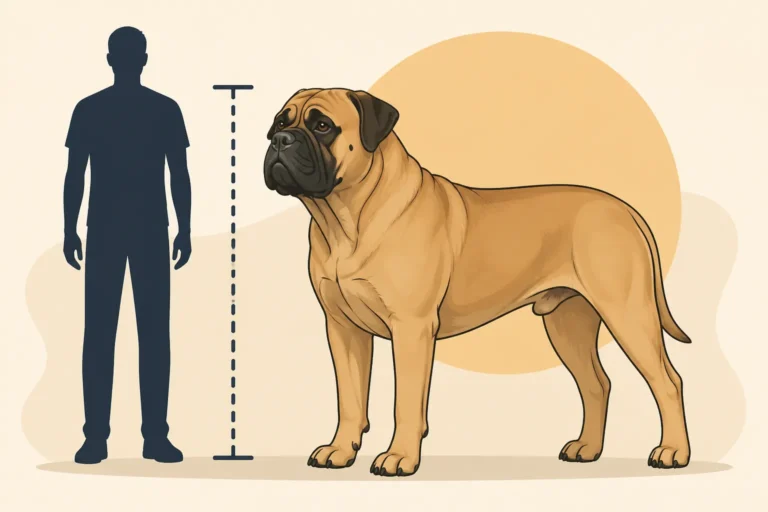
The Bullmastiff's physique is a masterclass in functional design, perfectly suited for its original purpose. They needed enough bulk to command respect and physically overpower a human, yet they couldn't be so heavy as to be slow or unwieldy. A typical Bullmastiff stands between 25 and 27 inches at the shoulder for males, and 24 to 26 inches for females, weighing in anywhere from 110 to 130 pounds, sometimes more. A Hundred and Thirty Pounds of Bullmastiff, Measured is a significant amount of dog, but it's a very agile 130 pounds.
Their strong, well-muscled body and broad chest provided the raw power to bring down and hold a poacher. Their medium length muzzle, while powerful, was less extreme than some Mastiff types, allowing for good breathing and sustained effort. Crucially, their muscular, well-angulated hindquarters enabled bursts of speed and agility to pursue and corner. They weren't built for a marathon, but for powerful, short-range bursts of activity to tackle and restrain. This combination of robust power and surprising agility meant they were adept at their task, capable of covering ground quickly and then effectively applying their strength to control a situation.
Temperament: Courage, Control, and Discernment
Beyond physical strength, the Bullmastiff's temperament was arguably the most critical component for its success. Gamekeepers specifically sought dogs that possessed immense courage, allowing them to confront intimidating situations without hesitation. However, this courage had to be paired with exceptional control and discernment. An overly aggressive or fear-based dog would be a liability, potentially escalating situations unnecessarily or acting without command.
The ideal Bullmastiff had a steady, self-assured nature. They were expected to be calm and observant, assessing a situation before acting. This gave them the ability to distinguish a genuine threat from a harmless wanderer, a vital trait for a dog operating on a private estate. Their intelligence meant they could learn complex commands and respond reliably to their handler's instructions, even in high-stress situations. This combination of fearlessness, clear-headedness, and trainability is why Bullmastiffs are often described as thoughtful and deliberate. You often hear Bullmastiff owners say that their dog will literally pause to process a command before executing it. This deliberation is part of their inherent nature, a trait passed down from dogs bred to think before reacting. The Bullmastiff That Pauses to Decide Whether You Are Worth It perfectly captures this unique characteristic.
The Legacy in the Modern Bullmastiff
Even though the days of apprehending poachers on vast English estates are long gone, the Bullmastiff's original purpose has left an indelible mark on the breed's behavior and personality. These inherent traits are what make them such distinctive and cherished companions today.
Instincts That Remain
Modern Bullmastiffs still exhibit many of the behaviors that trace back to their gamekeeping ancestry. Their strong protective instincts are still very much present, but they often manifest in ways that reflect their non-lethal history. For example, Bullmastiffs are known for their "body blocking" behavior. If they perceive a threat or feel protective of their family, they might physically place themselves between you and the perceived danger. They'll lean into you, or stand squarely in front, using their considerable bulk to create a barrier, rather than immediately resorting to an aggressive bite. This is a direct echo of their ancestors pinning and holding. How a Bullmastiff Body Blocks a Stranger is a common sight for owners witnessing their dog's subtle but effective protective methods.
You'll also notice their calm, watchful demeanor. They're often quiet, observing their surroundings with a keen eye. This isn't just laziness; it's a manifestation of the silent sentinel nature required for night work. They're processing information, deciding if action is required, much like their forebears would have assessed a rustle in the woods. Their inherent loyalty to their family is profound, making them dedicated and trustworthy guardians of the home.
A Family Guardian, Not an Attack Dog
Today, the Bullmastiff has found its calling primarily as a beloved family companion and guardian. While their imposing size and natural protective instincts can certainly deter intruders, they are by no means an "attack dog" in the aggressive sense. Their history dictates a nuanced approach to perceived threats, prioritizing apprehension and control over brute force. This makes them excellent watchdogs and family protectors, but with a built-in restraint that is highly valued.
They are known for being incredibly gentle and patient with children, often forming deep bonds with the youngest members of the family. Their calm disposition means they tolerate a lot, but their size means supervision is always key, simply to prevent accidental knocks. A Bullmastiff With Children can be a truly wonderful relationship, built on trust and a quiet, watchful companionship. Like all large, powerful breeds, early socialization and consistent, positive reinforcement training are crucial. This helps channel their natural guarding instincts appropriately, ensuring they grow into well-adjusted, confident, and reliable members of the family. Engaging with quality training tools and treats, easily found on platforms like Chewy, can significantly aid in this process. While they might be stubborn at times, their desire to please their family is a strong motivator. Even with their impressive weight, Training a Bullmastiff That Weighs More Than You Do is absolutely achievable with patience and the right methods. Their natural inclination is to protect and secure their family unit, making them superb, albeit gentle, guardians.
Bullmastiff's Historical Role vs. Common Misconceptions
Let's take a moment to really clarify the difference between the Bullmastiff's true historical role and some of the more aggressive assumptions people might make about large, powerful breeds. This table highlights how their unique breeding sets them apart.
| Characteristic | Misconception: Lethal Guard Dog | Bullmastiff's Original Role: Gamekeeper's Night Dog |
|---|---|---|
| Primary Goal | Kill or severely injure intruders | Apprehend and hold poachers, deter trespassers |
| Method | Aggressive attack, mauling | Silent tracking, cornering, pinning, holding |
| Outcome Desired | Elimination of threat | Live capture for legal prosecution |
| Bite Force Use | Destructive, to incapacitate | Firm grip, to control and immobilize |
| Temperament | Unyielding aggression, territorial | Courageous, controlled, discerning, loyal |
| Handler Control | Potentially difficult to call off | Highly responsive to commands, trainable |
| Legal/Ethical | High liability, moral conflict | Minimizing harm, adherence to law |
When you consider this table, it becomes clear that the Bullmastiff was a highly specialized working dog, designed with a very specific, non-lethal objective. This nuance is why they are often referred to as "The Silent Guardian" or "The Gamekeeper's Night Dog." Their role was to be a deterrent and a detainer, not a killer. This deliberate choice by their creators is woven into the very fabric of the breed's character.
Choosing a Bullmastiff: Understanding Their Nature
Bringing a Bullmastiff into your life is a significant commitment, and understanding their historical purpose is key to appreciating their unique personality. They aren't just big, powerful dogs; they are powerful dogs with a history of remarkable restraint. This knowledge can help prospective owners set realistic expectations and ensure a harmonious life together.
The Importance of Early Socialization and Training
Given their size and protective instincts, early and consistent socialization is paramount for a Bullmastiff puppy. Exposing them to a wide variety of sights, sounds, people, and other well-behaved dogs from a young age helps them develop into confident, well-adjusted adults. This early exposure reinforces their natural discernment, helping them understand what is and isn't a threat in modern life. Using high-value treats from a trusted supplier like Chewy can make these socialization experiences incredibly positive for your puppy.
Training should be firm, fair, and consistent, always using positive reinforcement methods. Bullmastiffs are intelligent, but they can also be notoriously stubborn. Harsh corrections or force are counterproductive and can damage their trusting nature. They respond best to patience and a clear understanding of what you expect from them. Lessons should be short, engaging, and fun. How Trainable a Bullmastiff Is largely depends on the trainer's consistency and ability to motivate this thoughtful giant. Remember, you're training a dog that will eventually outweigh you, so establishing good manners and leash etiquette early on is non-negotiable.
Bullmastiffs in the Modern Home: Guardians of the Family
In today's world, the Bullmastiff excels as a loyal family guardian. They are typically calm indoors, enjoying being near their people, often referred to as "shadows" because of their tendency to follow you from room to room. Their protective nature means they are naturally watchful, observing visitors and new situations with a keen eye. While they may not bark excessively – a nod to their silent working origins – their presence alone is often enough of a deterrent. How Protective a Bullmastiff Is is a trait that owners appreciate, as it's often a quiet, discerning guardianship rather than overt aggression.
They thrive in homes where they are considered part of the family, not relegated to a backyard. Their ideal environment includes a securely fenced yard where they can patrol and enjoy some gentle outdoor time, but they are not dogs that require hours of strenuous exercise. A couple of moderate walks a day and some playtime are usually sufficient to keep them happy and healthy. Understanding their historical role helps us appreciate why they are such devoted, discerning, and ultimately gentle giants, perfectly designed to protect without ever needing to resort to deadly force.
Disclaimer
This article is for general informational purposes only and does not constitute professional advice. Laws, prices and regulations vary by location and change over time. Consult a qualified professional for guidance on your specific situation.