How Trainable a Bullmastiff Is
One of the biggest concerns new Bullmastiff owners, or even seasoned dog people considering the breed, often grapple with is just how trainable these magnificent giants truly are. It's a valid question when you're looking at a dog that can easily outweigh an adult human and possesses a strong, protective instinct. This guide aims to peel back the layers of the Bullmastiff's temperament, explore effective training strategies, and set realistic expectations for anyone sharing their life with one of these incredible dogs.
Understanding the Bullmastiff Mindset: Not Your Average Obedience Star
Let's be real: when you hear "trainable," your mind might jump to a Border Collie zipping through an agility course or a German Shepherd flawlessly executing complex commands. The Bullmastiff, bless their earnest hearts, operates on a slightly different wavelength. They are intelligent, yes, but their intelligence is often paired with a deep-seated independent streak and a deliberate nature that can sometimes be mistaken for stubbornness. Understanding this fundamental difference is the first step to successful training.
The "Thinking Dog" Syndrome
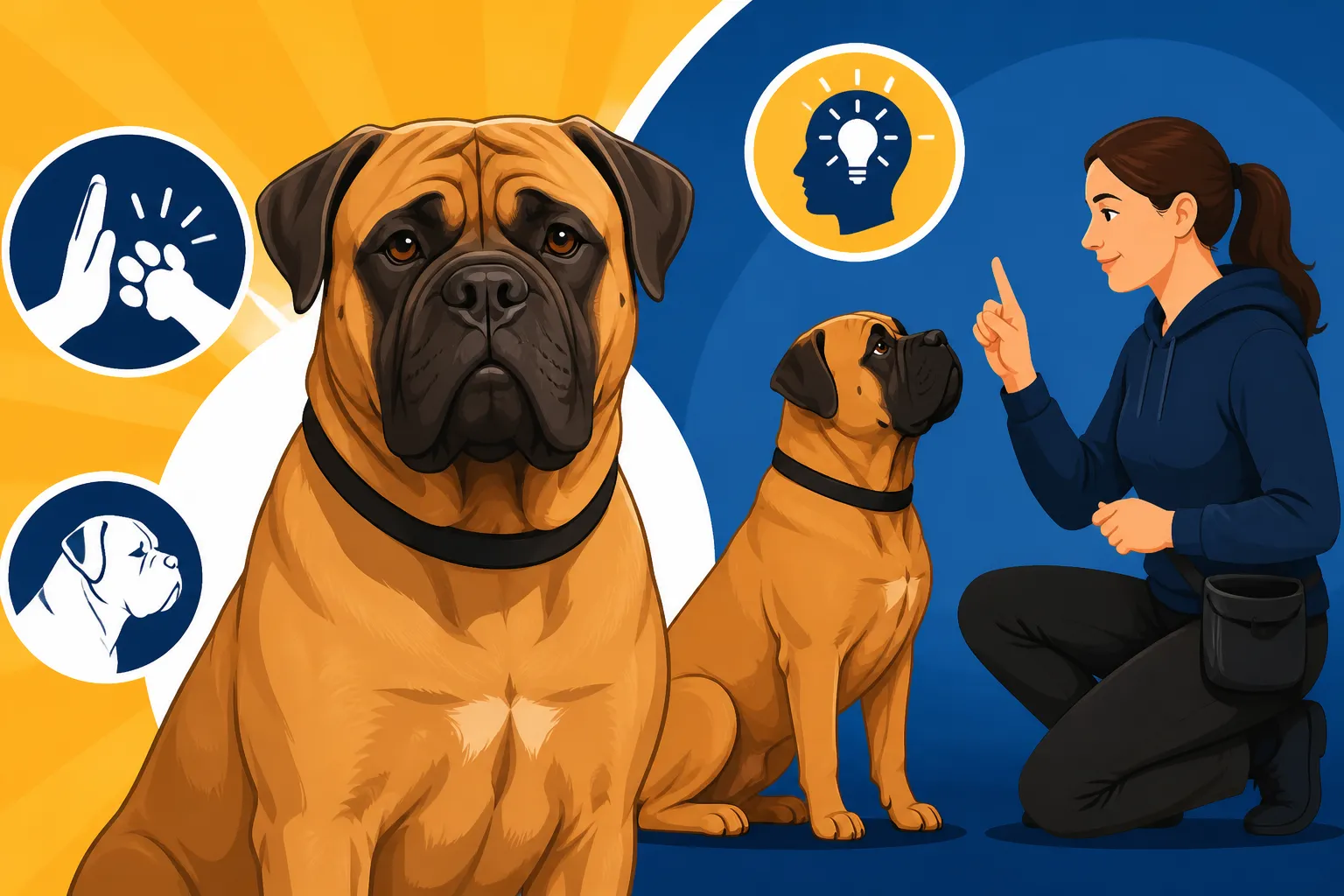
Bullmastiffs aren't automatons who spring into action the second you give a command. Instead, they often engage in what I affectionately call "The Bullmastiff Pause." You'll give a command, and they'll look at you, then at the thing you want them to do, then maybe back at you again, as if processing the request. They're not being defiant; they're genuinely thinking it through. They're weighing the request against their current comfort, their desires, and what they perceive as important in the moment. This can be frustrating if you're expecting instant gratification, but it's part of their charm once you learn to appreciate it.
This contemplative nature means that repetition, consistency, and making the why of a command clear are paramount. They need to understand the benefit to them, even if it's just pleasing you. A Bullmastiff thrives on routine and clear expectations, but they will absolutely test boundaries if those expectations aren't consistently reinforced. Don't mistake their calm demeanor for a lack of cognitive function; they're just usually thinking about whether your request is truly worth their effort, or if there's a better way to do it.
A History of Independent Judgment
To truly grasp their trainability, you have to look back at The Bullmastiff Was Built to Catch Poachers in the Dark. These dogs weren't bred to be mindless followers. They were developed by gamekeepers to patrol vast estates, often alone, and to silently track and hold poachers without inflicting harm. This required immense independent judgment, problem-solving skills, and a strong sense of discretion. They had to decide when to act, when to remain hidden, and when to merely observe.
This history means that while they are devoted to their families, they retain that inherent ability to make their own decisions. They aren't going to slavishly follow commands if they don't see the point, or if they feel there's a more logical course of action. This independent spirit is why early and consistent training is so vital; you're not breaking their spirit, but rather guiding their strong will toward behaviors that are compatible with living in a human household. This isn't a breed that you can simply boss around; you need to earn their respect and cooperation.
When Motivation Matters Most
So, if a Bullmastiff isn't always keen on immediate obedience, what does make them tick? The answer, unequivocally, is motivation. These are not dogs who work for nothing. They need a compelling reason to engage, and for most Bullmastiffs, that reason usually comes in the form of food, praise, or affection. They are often incredibly food-motivated, which can be a huge asset in training, but it's not the only thing. Many also crave genuine positive attention and physical affection from their beloved humans.
Understanding What Motivates a Bullmastiff is key to unlocking their potential. A dry, unenthusiastic command won't get you far. You need to be engaging, make training a game, and use high-value rewards. For some, it might be tiny bits of cheese; for others, a favorite squeaky toy or a vigorous ear scratch could be the ultimate prize. Experiment to find what truly excites your individual Bullmastiff, and then use it strategically. Without strong motivation, they will politely, or sometimes not so politely, choose to do their own thing.
Early Training and Socialization: Building the Foundation for a Giant
With a breed that grows to 100-130 pounds (or more!) and possesses a natural guarding instinct, early and consistent training isn't just a good idea; it's absolutely non-negotiable. You cannot wait until your Bullmastiff puppy is a rambunctious teenager to start. The habits and manners you instill in those crucial first months will shape the adult dog you share your home with.
The Critical Puppy Period
Puppyhood, especially for a large breed like a Bullmastiff, is a whirlwind of rapid growth and learning. When to Start Training a Bullmastiff Puppy is right when they come home, typically around 8 weeks old. At this age, they are sponges, eager to learn and form positive associations with their world. Focus on basic manners: sit, stay, come, down, and polite leash walking. Keep sessions short, fun, and frequent. Think five-minute bursts multiple times a day, rather than one long, arduous session.
This early period is also critical for house-training. A Bullmastiff puppy, like any other, needs consistency in potty breaks and positive reinforcement for going in the right spot. Remember, they will quickly outgrow "cute" puppy behaviors that become problematic in an adult dog. Nipping and jumping are adorable at 15 pounds, but dangerous at 115. Address these behaviors gently but firmly from day one. Many new Bullmastiff owners find resources like online puppy courses, such as those offered by BAXTER & Bella, incredibly helpful for structured, positive reinforcement-based training right from the start.
Socialization Beyond the Dog Park
Socialization means introducing your Bullmastiff puppy to a wide variety of sights, sounds, smells, people, and other dogs in a positive and controlled manner. It's not just about throwing them into a dog park. For a Bullmastiff, whose natural inclination is to be reserved with strangers and protective of their family, thoughtful socialization is even more important. The First Year With a Bullmastiff Puppy should be filled with safe, positive experiences.
Expose them to different environments: busy streets (from a distance at first), quiet parks, the vet's office (just for happy visits, not shots), car rides, and varied surfaces like grass, concrete, and gravel. Introduce them to different types of people: men with hats, children, people with wheelchairs, delivery drivers. Always make these encounters positive with treats and praise. The goal is for your Bullmastiff to learn that new things and new people are not threats, but rather neutral or even pleasant parts of their world. This helps prevent fear-based aggression or over-protectiveness as they mature.
Leash Training a Future 130-Pounder
Teaching a Bullmastiff to walk politely on a leash is arguably one of the most important aspects of their training. Imagine trying to control a strong, determined 130-pound dog who decides to lunge at a squirrel or pull towards another dog. It's not just difficult; it's potentially dangerous for both of you. Teaching a Bullmastiff to Walk on Leash must begin with your tiny puppy. Start in a quiet area, using a comfortable harness or flat collar, and positive reinforcement.
Practice walking nicely by your side, rewarding them for every step without pulling. If they pull, stop immediately. Only move forward when the leash is loose. This teaches them that pulling gets them nowhere, while polite walking earns them forward momentum and treats. As they grow, you might explore tools like a front-clip harness, available on Amazon, which can help redirect their pulling power without causing discomfort to their throat. Consistency here is key. Never let them practice pulling, even for a short distance, because they'll quickly learn that it sometimes works.
Effective Training Methods for Bullmastiffs: Patience and Positive Reinforcement
Given their thoughtful nature and independent streak, Bullmastiffs respond best to specific training methods. They are sensitive souls beneath their tough exterior, and harsh techniques will not only be ineffective but can also damage your relationship with your dog and potentially exacerbate behavioral issues.
Why Force-Based Methods Fail
You might encounter advice suggesting dominance theory or physical corrections for a strong-willed breed. For a Bullmastiff, this approach is almost guaranteed to backfire. Why Harsh Correction Fails on a Bullmastiff is simple: they don't respond well to intimidation or pain. Instead of learning, they are likely to shut down, become fearful, or even develop defensive aggression. A Bullmastiff who feels threatened by their handler is a dangerous situation waiting to happen.
Positive reinforcement, on the other hand, builds trust and encourages cooperation. It teaches your Bullmastiff what you want them to do, rather than punishing them for what you don't want. This involves rewarding desired behaviors with something your dog values – treats, praise, toys, or a game. This creates a positive association with training and with you, making them more eager to engage and less likely to resist. Remember, these dogs were bred to hold without biting; trust is paramount to prevent them from misinterpreting your intentions.
Harnessing Food and Praise
As we discussed, Bullmastiffs are often highly food-motivated. This is your secret weapon! Use small, high-value treats for training, especially in the beginning. As they become more proficient, you can gradually reduce the food rewards and substitute them with enthusiastic praise and petting. Keep training sessions upbeat and exciting. Your tone of voice matters immensely; a cheerful, encouraging voice can do wonders.
Think about incorporating verbal markers like "Yes!" or a clicker, immediately followed by a treat, to pinpoint the exact moment your Bullmastiff performs the correct action. This clarity helps them understand precisely what they are being rewarded for. Don't be shy about lavishing praise when they get it right. A Bullmastiff wants to please you, even if they take a moment to consider it, and positive feedback reinforces that connection.
Keeping Training Sessions Short and Sweet
A Bullmastiff's attention span, especially as a puppy or young adult, isn't endless. Trying to force them into long, repetitive training drills will lead to boredom, frustration, and a quick disengagement. How Short a Bullmastiff's Training Session Should Be is typically 5-10 minutes, maybe 15 at most for an older, more focused dog. It's far better to have multiple short, successful sessions throughout the day than one long, unproductive one.
End every training session on a positive note, even if it means asking for a simple "sit" that you know they'll ace, then rewarding heavily and releasing them to play. This ensures they associate training with positive experiences and look forward to the next session. This approach respects their deliberate nature and prevents them from becoming "burnt out" on training. It also aligns with their historical role: short bursts of intense focus followed by periods of calm observation.
Common Training Challenges and How to Overcome Them
Despite their many wonderful qualities, Bullmastiffs do present a few common training challenges that owners should be prepared for. These aren't insurmountable, but they do require patience, understanding, and a consistent approach.
The Art of the "Bullmastiff Pause"
We've talked about it already, but the "Bullmastiff Pause" deserves its own section for problem-solving. It's the moment when you give a command, and your Bullmastiff looks at you, looks away, scratches their ear, sighs, and then maybe considers doing what you asked. This isn't defiance; it's deliberation. The key is to wait it out. Don't repeat the command incessantly, as this teaches them that they don't have to respond to the first request.
Instead, give the command once, in a clear, confident tone, and then wait. Stand still, maintain eye contact if appropriate, and be patient. The moment they show any inclination to comply, praise and reward. If they eventually perform the action, reward them enthusiastically. Over time, they will learn that the "pause" isn't necessary, and responding promptly leads to good things. Think of it as teaching them efficiency in their thought process. Why a Bullmastiff Pauses Before Obeying is ingrained, but it can be refined.
Dealing with Stubbornness and Selective Hearing
Oh, the dreaded "selective hearing"! How Stubborn a Bullmastiff Is can be legendary. They know exactly what you want, but they've decided it's not worth their while at that particular moment. This often happens when you're asking them to do something they find unappealing, or when there are more interesting distractions around. The solution here boils down to two things: higher value rewards and increased consistency.
If your Bullmastiff is ignoring you, are you offering something truly irresistible? A boring kibble might not cut it when a squirrel is teasing them from a tree. Elevate your rewards. Also, ensure you are practicing commands in various environments, gradually increasing distractions. If they only obey "sit" in the living room, they haven't truly learned "sit" everywhere. Practice, practice, practice in different locations, with different levels of noise and activity, always starting easy and building up. If they fail, go back to a simpler environment where they can succeed, then slowly reintroduce the challenge.
Managing Guarding Instincts Through Training
Bullmastiffs were bred to guard, and that instinct is deeply ingrained. They are naturally wary of strangers and intensely protective of their family and territory. While this is a desirable trait for many owners, it needs careful management through training and socialization to ensure it doesn't become problematic. A Bullmastiff Was Bred to Hold a Man, Not Bite Him, which is important to remember. Their guarding should be a deterrent, not an aggression.
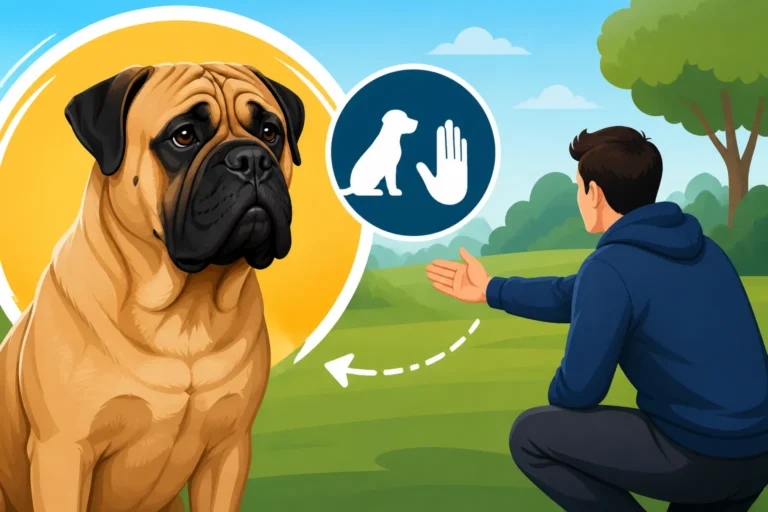
Training should focus on teaching your Bullmastiff appropriate responses to strangers and visitors. For example, teach a "place" command, so they can go to their bed when guests arrive, giving them a job and a secure spot to observe. Reward calm, neutral behavior around new people. If you see signs of excessive guarding or fear-based reactivity, seek guidance from a professional positive reinforcement trainer experienced with large guardian breeds. Never encourage aggression, as this can lead to dangerous situations and liability issues.
Advanced Training and Activities: What a Bullmastiff Can Do
While they might not be top contenders in every dog sport, Bullmastiffs are capable of much more than basic obedience. Their intelligence, strength, and desire to please their owners (when motivated!) mean they can excel in certain activities, enriching their lives and strengthening your bond.
Beyond Basic Obedience
Once your Bullmastiff has mastered fundamental commands like sit, stay, come, and down, you can absolutely push them further. Think about teaching them tricks: shake a paw, roll over, fetch specific items, or even more complex sequences. These mental exercises are incredibly beneficial for Bullmastiff, as they provide an outlet for their intelligence and keep their minds sharp. What Mental Work a Bullmastiff Needs is often underestimated.
Consider working on advanced obedience cues like a reliable "stay" for extended periods or from a distance. A solid "recall" is paramount for safety, and while Why a Bullmastiff's Recall Is Unreliable for some, consistent training can make a huge difference. Enroll in advanced obedience classes or consider online programs that offer higher-level challenges. The satisfaction of watching your big, calm Bullmastiff perform a complex task is truly rewarding.
Exploring Canine Sports (and Their Limitations)
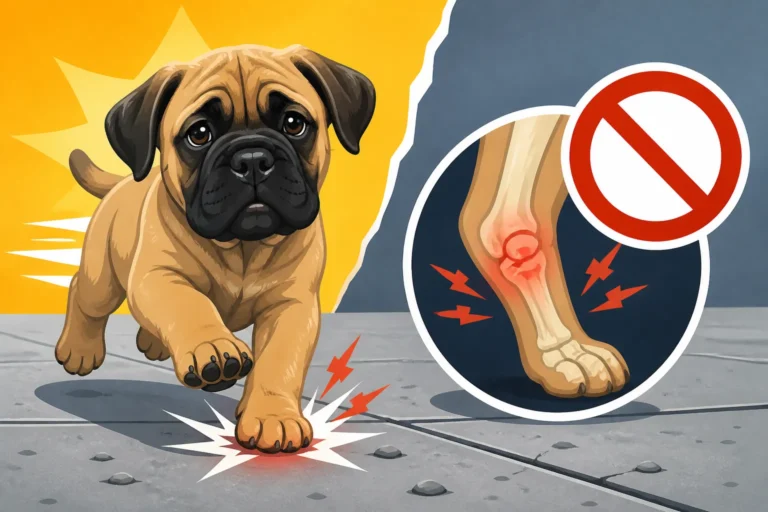
Bullmastiffs aren't built for high-impact, lightning-fast sports like agility or flyball. Their heavy build and susceptibility to joint issues mean these activities are often unsuitable. However, there are still several canine sports and activities where they can shine:
- Weight Pulling: Given their sheer strength and muscular build, many Bullmastiffs naturally excel at weight pulling. It's a sport that celebrates their power and drive.
- Carting/Drafting: Similar to weight pulling, carting involves teaching your Bullmastiff to pull a cart or wagon. It's a fun way to engage their strength and provides a practical skill.
- Therapy Work: Their calm, gentle, and affectionate nature makes many Bullmastiffs excellent candidates for therapy dog work. Their imposing size can be surprisingly comforting to people in hospitals or nursing homes. Whether a Bullmastiff Makes a Therapy Dog is a common question, and the answer is often yes, with the right temperament and training.
- Conformation/Show: For those interested in showcasing the breed standard, conformation events are a natural fit for a well-structured Bullmastiff.
Always consult with your veterinarian before starting any new physical activity, especially with a large breed predisposed to certain health issues like Hips and Elbows Under a Hundred and Thirty Pound Bullmastiff and Subaortic Stenosis Is There Before a Bullmastiff's First Birthday.
The Therapy Dog Potential
A well-socialized and properly trained Bullmastiff can make an exceptional therapy dog. Their calm demeanor, combined with their imposing yet gentle presence, can have a profoundly positive effect on people. I've known several Bullmastiffs who regularly visited hospitals and nursing homes, bringing immense joy and comfort. Their soft eyes and quiet strength seem to resonate deeply with people of all ages.
Becoming a therapy dog requires rigorous training, often going beyond basic obedience, and passing specific temperament tests administered by organizations like Therapy Dogs International or Pet Partners. It demands a dog who is unfazed by strange sights, sounds, equipment (like wheelchairs or IV poles), and unfamiliar handling. If your Bullmastiff has the right temperament – inherently calm, friendly, and unflappable – pursuing therapy work can be a incredibly rewarding journey for both of you, allowing your gentle giant to share their unique love with the world.
Here's a quick overview of Bullmastiff training considerations:
| Aspect | Bullmastiff Tendency | Effective Approach | Why It Works |
|---|---|---|---|
| Response Time | Deliberate, "The Pause" | Patience, single command, wait for response | Respects their thinking nature, prevents "tuning out" |
| Motivation | High food drive, seeks affection | High-value treats, enthusiastic praise, positive cues | Taps into their desire to please and their love for rewards |
| Training Style | Sensitive, strong-willed | Positive reinforcement, consistency, clear boundaries | Avoids fear/shutdown, builds trust and cooperation |
| Attention Span | Short bursts, easily bored by repetition | Short (5-15 min), frequent, fun sessions | Keeps them engaged, prevents frustration |
| Leash Manners | Can pull significantly due to strength | Start early, front-clip harness, stop-and-go method | Teaches polite walking before strength becomes an issue |
| Socialization | Reserved with strangers, protective | Broad, positive exposure to varied stimuli, controlled intros | Prevents fear/aggression, encourages neutrality or polite acceptance |
| Patience Required | High | Consistent effort, understanding their breed traits | Acknowledges their unique learning style and temperament |
Disclaimer
This article is for general informational purposes only and does not constitute professional advice. Laws, prices and regulations vary by location and change over time. Consult a qualified professional for guidance on your specific situation.