Why a Bullmastiff Pauses Before Obeying
It's a familiar scenario for many Bullmastiff owners: you give a command, clear as a bell, and your big, beautiful dog looks at you, then perhaps at the ground, then back at you, almost as if debating the merits of your request. This isn't usually defiance or a lack of understanding; it's often a characteristic pause that can be both endearing and frustrating. This guide will delve into why Bullmastiffs tend to pause before obeying, unraveling the unique blend of their temperament and historical purpose that contributes to this trait, and providing actionable strategies to foster a more responsive and willing companion.
Understanding the Bullmastiff Mindset
When you're dealing with a Bullmastiff, it's crucial to understand that their cognitive process isn't always a direct "command -> action" pipeline like some other breeds. They're often deep thinkers, taking in more than just your words.
The Deliberate Thinker, Not a Slow Learner
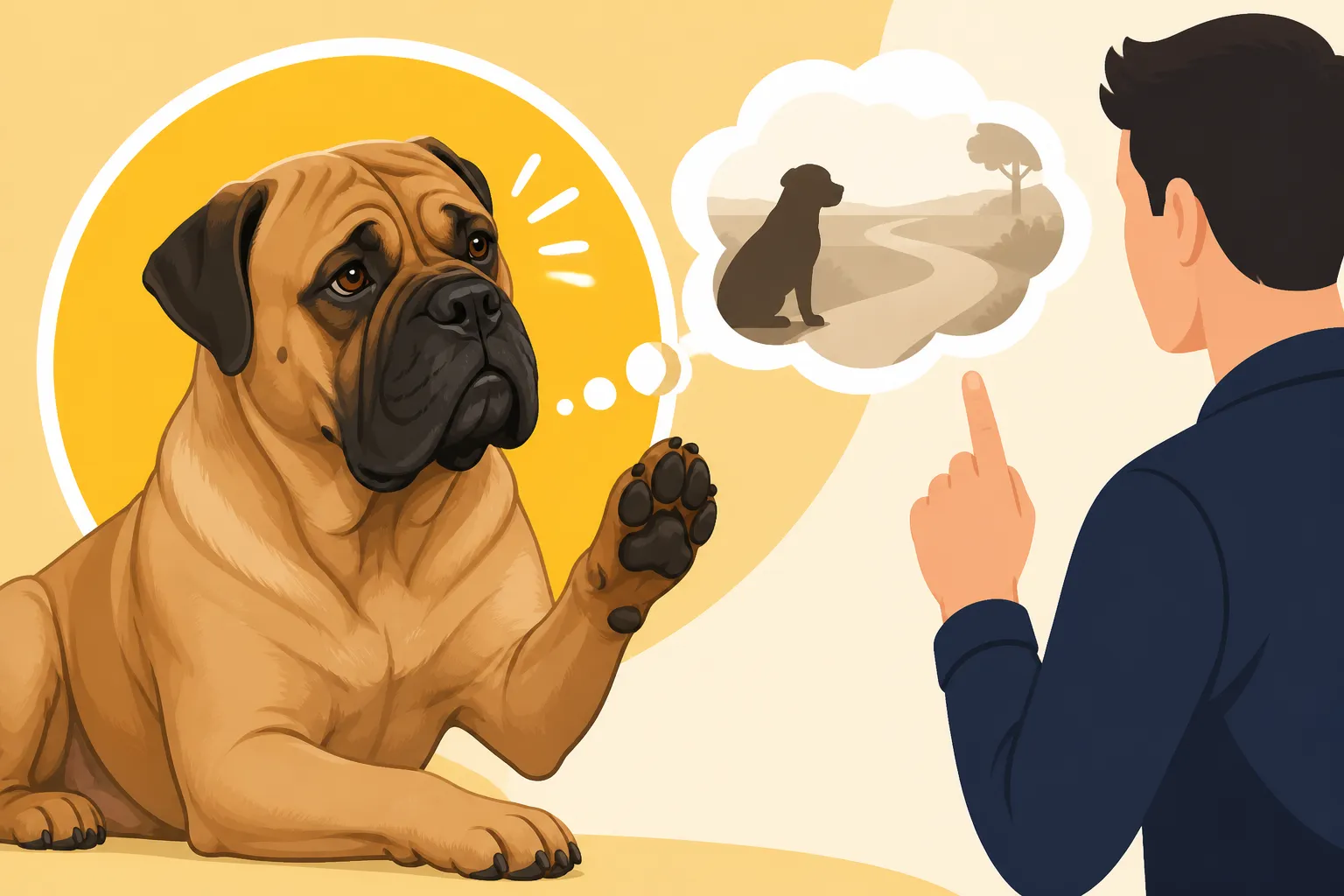
Many people mistakenly interpret a Bullmastiff's pause as a sign of low intelligence or stubbornness. In reality, it's often quite the opposite. These dogs possess a deliberate nature, a calm confidence that leads them to process information rather than react impulsively. They aren't slow to learn; they're simply slow to act. Think of it less as a computer freezing and more like a very sophisticated system running a quick risk-reward analysis or gathering all available data before committing to an output. They absorb the command, the tone of your voice, the surrounding environment, and any potential motivators, all before deciding on their next move. This thoughtful approach means that once they do respond, their action is often more measured and reliable. They want to be sure they understand the expectation and that their effort will be worthwhile. Where the Bullmastiff Ranks for Obedience Intelligence might give you more insight into their capabilities.
Historical Roots of Independent Thought
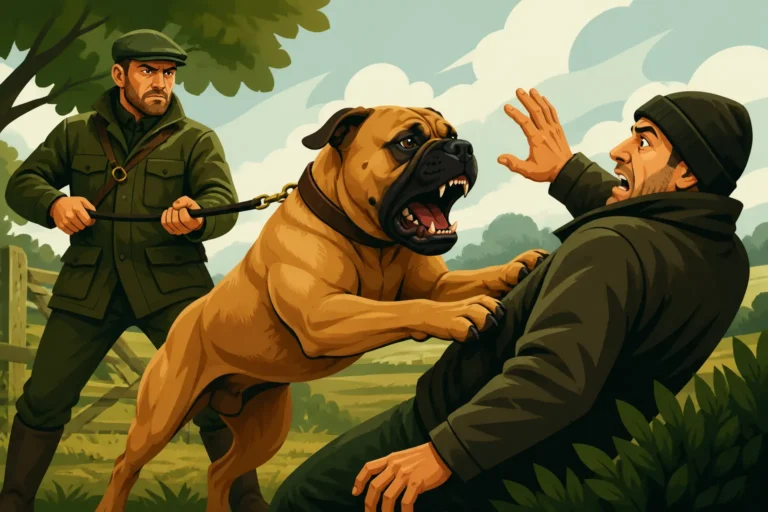
To truly grasp this trait, we need to look back at the Bullmastiff's origins. They weren't bred to be high-drive, eager-to-please working dogs that jump at every command, like a Border Collie or a German Shepherd. Their role was very specific: to be a gamekeeper's night dog, catching and holding poachers without inflicting serious harm. This required a dog with immense strength, incredible quietness, and a significant degree of independent thought. They had to assess situations, follow a scent trail, corner a human, and then hold them, often in the dark, without direct, constant instruction from their handler. They couldn't afford to be mindless automatons; they needed to make judgments. This history ingrained a certain level of autonomy and deliberation into the breed. That instinct to analyze and decide, rather than immediately comply, is still very much present in our modern Bullmastiffs, making The Bullmastiff Was Built to Catch Poachers in the Dark a fascinating read for context.
Temperament and Personality Traits
Beyond their historical purpose, the inherent temperament of a Bullmastiff contributes greatly to their pausing habit. They are known for being confident, calm, and self-assured dogs. They aren't typically anxious or desperate to please in a frantic way. This calm demeanor means they don't feel the urgent need to react instantly. They're not looking for constant reassurance or validation in the same way a more sensitive or insecure dog might be. Instead, their confidence allows them to take their time, to weigh their options, and to move with purpose. This steady, unhurried nature is part of their charm, but it's also the root of that characteristic delay. When they look at you, they're not asking "What do you want?" with confusion, but often "Is this what you really mean, and why should I do it?" The Bullmastiff That Pauses to Decide Whether You Are Worth It truly hits the nail on the head.
Common Reasons for the "Pause"
Understanding that they pause is one thing; figuring out why in a given moment can help you adjust your approach. There are several factors that frequently contribute to this behavior.
Processing Information and Context
When you issue a command, your Bullmastiff isn't just hearing the words. They're also taking in the environment, your body language, your tone of voice, and any other cues present. If the command is new, if it's given in a distracting environment, or if your delivery is inconsistent, they will take longer to process all of this. For example, if you've only ever taught "sit" in the living room, asking for a sit at a busy park will likely result in a longer pause. They're not just recalling the word "sit" but also evaluating if the rules apply in this new, stimulating context. Is that squirrel more interesting? Is the delivery truck noise more pressing? This comprehensive evaluation is a hallmark of their deliberate nature. They need to integrate all these pieces of information before they feel confident enough to act, and sometimes that internal computation just takes a moment longer than we'd like.
Weighing the Rewards and Consequences
Bullmastiffs are highly intelligent but also incredibly practical. They operate on a clear system of "what's in it for me?" If the reward for obeying isn't enticing enough, or if they perceive no immediate consequence for not obeying, they might just decide it's not worth their effort at that particular moment. A piece of dry kibble might be enough for a "sit" in the kitchen, but for a "come" when they're investigating a fascinating smell in the yard, you'll need a much higher-value motivator – maybe a chunk of cheese or a squeaky toy. Their pause is often a moment of internal negotiation: "Is this treat good enough for me to interrupt what I'm doing?" If the perceived value of ignoring you outweighs the perceived value of obeying, they will absolutely take that extra moment to consider their options. This isn't stubbornness, but a logical (from their perspective) cost-benefit analysis. What Motivates a Bullmastiff provides excellent insight into their drives.
Distractions and Sensory Input
Let's be real, the world is a fascinating place, especially for a dog with a keen sense of smell and hearing. For a Bullmastiff, every new scent, every rustle in the bushes, every distant siren, can be a piece of information that demands their attention. When you give a command, and they're simultaneously processing the smell of a rabbit that passed by five minutes ago, the sound of children playing down the street, and the sight of a leaf blowing across the yard, it adds layers to their decision-making process. They're not ignoring you maliciously; their brain is simply overloaded with sensory input. The pause gives them time to sort through it all, prioritize, and then, maybe, get back to your request. This is why training in calm, low-distraction environments is so crucial before expecting perfect responses in stimulating situations. You're competing with a whole world of interesting things.
Strategies to Improve Responsiveness
While the "Bullmastiff pause" is inherent, you can absolutely work to reduce its duration and increase overall responsiveness with the right approach. It's all about consistent, clear, and rewarding communication.
Building a Strong Foundation with Positive Reinforcement
The cornerstone of effective Bullmastiff training is positive reinforcement. These powerful, sensitive dogs do not respond well to harsh corrections or force. Why a Bullmastiff Cannot Be Physically Made to Do Anything is a must-read if you think you can simply overpower them. Instead, focus on making obedience a positive, rewarding experience. Use high-value treats, praise, and play to mark correct responses immediately. The instant they even start to move into position, reward them. This helps them connect the action with the reward, shortening the processing time. Consistency is key here; everyone in the household needs to use the same commands and reward system. If you're looking for structured guidance, online platforms like BAXTER & Bella offer comprehensive training programs that can help you establish these foundational behaviors from puppyhood, making sure everyone is on the same page. Regular, short training sessions, perhaps 5-10 minutes each, several times a day, are far more effective than one long, tedious session for a Bullmastiff. How Short a Bullmastiff's Training Session Should Be is a good resource to consult.
Clear Communication and Consistency
Your Bullmastiff needs to understand exactly what you're asking. Use short, clear, consistent verbal cues, paired with a hand signal if possible. Avoid rambling or using different words for the same command ("sit," "sit down," "sit boy"). Your body language also plays a huge role. Stand tall, make eye contact, and project calm confidence. If you're fidgeting, frustrated, or giving mixed signals, your Bullmastiff will pick up on that and their pause might lengthen as they try to decipher your true intent. Practice commands in various locations once they are solid in a quiet environment, gradually introducing distractions. This "generalization" helps them understand that "sit" means "sit" whether they are in the living room or at the dog park.
A consistent routine also helps. Dogs thrive on predictability. If they know that after their morning walk comes breakfast, and a "sit" before the bowl always yields food, they're more likely to offer that behavior without much thought.
Here's a quick comparison of communication styles:
| Communication Style | Bullmastiff Reaction | Outcome |
|---|---|---|
| Clear & Consistent | Processes command, understands expectation, usually responds with a deliberate but prompt action, motivated by clear reward. | Reliable, quicker responses; strengthens bond and trust. |
| Ambiguous & Inconsistent | Pauses to analyze conflicting signals, struggles to understand, may "shop" for a different command, or ignore. | Slow, unreliable responses; frustration for both, potential for learned disobedience. |
| Harsh & Forceful | Shuts down, becomes resistant, fearful, or potentially reactive; may comply out of fear but at cost to trust and willingness. | Damage to relationship, potential behavioral issues, short-term compliance based on fear, not understanding. |
Managing Environmental Factors
Since distractions are a major culprit for the Bullmastiff's pause, actively manage their environment during training. Start in a quiet room with minimal distractions. As they improve, slowly introduce controlled distractions. For example, have a family member walk by quietly, or play some soft music. Gradually increase the level of distraction. When you move to a new environment, like the backyard or a park, mentally take a step back in your expectations. What they do perfectly at home might require more patience and higher rewards in a busy park.
Consider using tools to help manage distractions, especially when working on recall or loose-leash walking. A long line, easily found on Amazon, can give them the feeling of freedom while still allowing you control. This prevents them from practicing self-rewarding behaviors (like chasing a squirrel) that undermine your commands. Always remember that a Bullmastiff puppy needs proper early socialization and exposure to different environments, but these exposures should be positive and managed to prevent overwhelming them. When to Start Training a Bullmastiff Puppy offers excellent advice.
When to Seek Professional Guidance
While the Bullmastiff's deliberate nature is normal, sometimes a prolonged pause or a consistent refusal to obey can signal something more. Knowing when to call in the cavalry can save you a lot of heartache and ensure your Bullmastiff gets the support they need.
Recognizing Underlying Issues
If your Bullmastiff's pauses are becoming increasingly long, or if a previously reliable command suddenly meets with outright refusal, it's worth investigating further. First, rule out any physical discomfort or pain. An aching hip (not uncommon in large breeds, see Hip Dysplasia in a Bullmastiff), an ear infection, or even dental pain can make a dog hesitant to perform certain actions or simply make them less amenable to training. A trip to the vet is always a good starting point to check for any health issues that might be impacting their willingness or ability to respond.
Beyond physical health, consider behavioral changes. Is the pause accompanied by other signs of anxiety, fear, or aggression? A Bullmastiff that freezes or glares might be experiencing something more profound than simple deliberation. Changes in the home environment, such as a new pet, a move, or a change in routine, can also contribute to behavioral shifts. If you notice a sudden downturn in responsiveness that isn't easily explained by the environment or a clear lack of motivation, it's time to consider external help.
Finding the Right Trainer or Behaviorist
If you've ruled out medical issues and feel you're hitting a wall with your training, don't hesitate to seek professional help. However, choosing the right professional is critical for a Bullmastiff. Look for trainers who specialize in positive reinforcement and understand large, powerful, and deliberate breeds. Avoid anyone who suggests harsh corrections, dominance theory, or punitive methods; these approaches are not only ineffective for Bullmastiffs but can actively damage your relationship and lead to fear or aggression. How a Bullmastiff Responds to Correction further explains this.
A certified professional dog trainer (CPDT) or a veterinary behaviorist can observe your interactions with your Bullmastiff, assess their behavior in different contexts, and provide tailored strategies. They can help you identify specific triggers for the pauses, fine-tune your communication, and develop engaging training exercises that tap into your Bullmastiff's unique motivations. Sometimes, an experienced eye can spot subtle cues you're missing, or suggest a novel approach that finally clicks with your thoughtful companion. Remember, professional help isn't a sign of failure; it's a commitment to your Bullmastiff's well-being and a testament to your desire for a harmonious partnership.
Disclaimer
This article is for general informational purposes only and does not constitute professional advice. Laws, prices and regulations vary by location and change over time. Consult a qualified professional for guidance on your specific situation.