How a Bullmastiff Responds to Correction
It’s a common scenario for Bullmastiff owners: you give a command, and your giant, gentle companion looks at you with an expression that seems to say, "Are you serious? Do I really have to?" You might even try a firmer tone, expecting a swift response, only to be met with a slow blink or a deliberate shift of weight. This isn't defiance in the way many other breeds might show it; it's a unique Bullmastiff characteristic that can be incredibly frustrating if you don't understand how their minds work. This guide will explore exactly how a Bullmastiff responds to correction, helping you build a more harmonious and effective training relationship.
Understanding the Bullmastiff Temperament and Its Impact on Correction
When it comes to training a Bullmastiff, it's crucial to remember that they aren't your typical high-drive working dog. They weren't bred for lightning-fast obedience or eager-to-please antics. Instead, their historical role as gamekeeper's night dogs required a thoughtful, observant, and often independent nature. This inherent disposition profoundly influences how they interpret and react to any form of correction.
Their Deliberate Nature
Bullmastiffs are often described as deliberate, and that's putting it mildly. They don't react impulsively. Instead, they process information, weigh their options, and then decide if your request is worth their effort or makes sense to them. Imagine a stoic, thoughtful guardian, and you're getting closer to understanding their internal monologue. When you give a correction, they don't immediately jump to comply out of fear or an overwhelming desire to please. They're asking, "Why?"
This isn't stubbornness in a malicious sense; it's a deep-seated part of their character. They want to understand the reason behind the command or correction. If you've ever tried to rush a Bullmastiff, you know it's a losing battle. Their "thinking pause" is legendary. You might think they're ignoring you, but often, they're just taking their sweet time to compute. Forcing them to move faster or comply more quickly with harsh methods usually backfires, creating resentment or a total shutdown.
Sensitivity Beneath the Tough Exterior
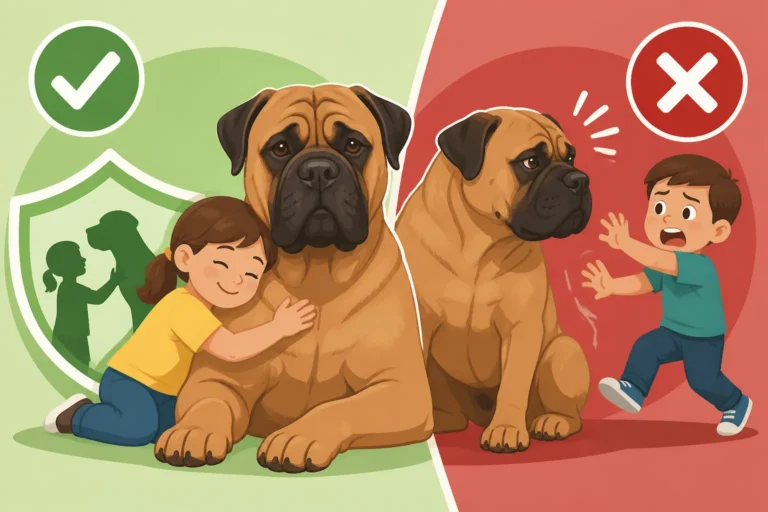
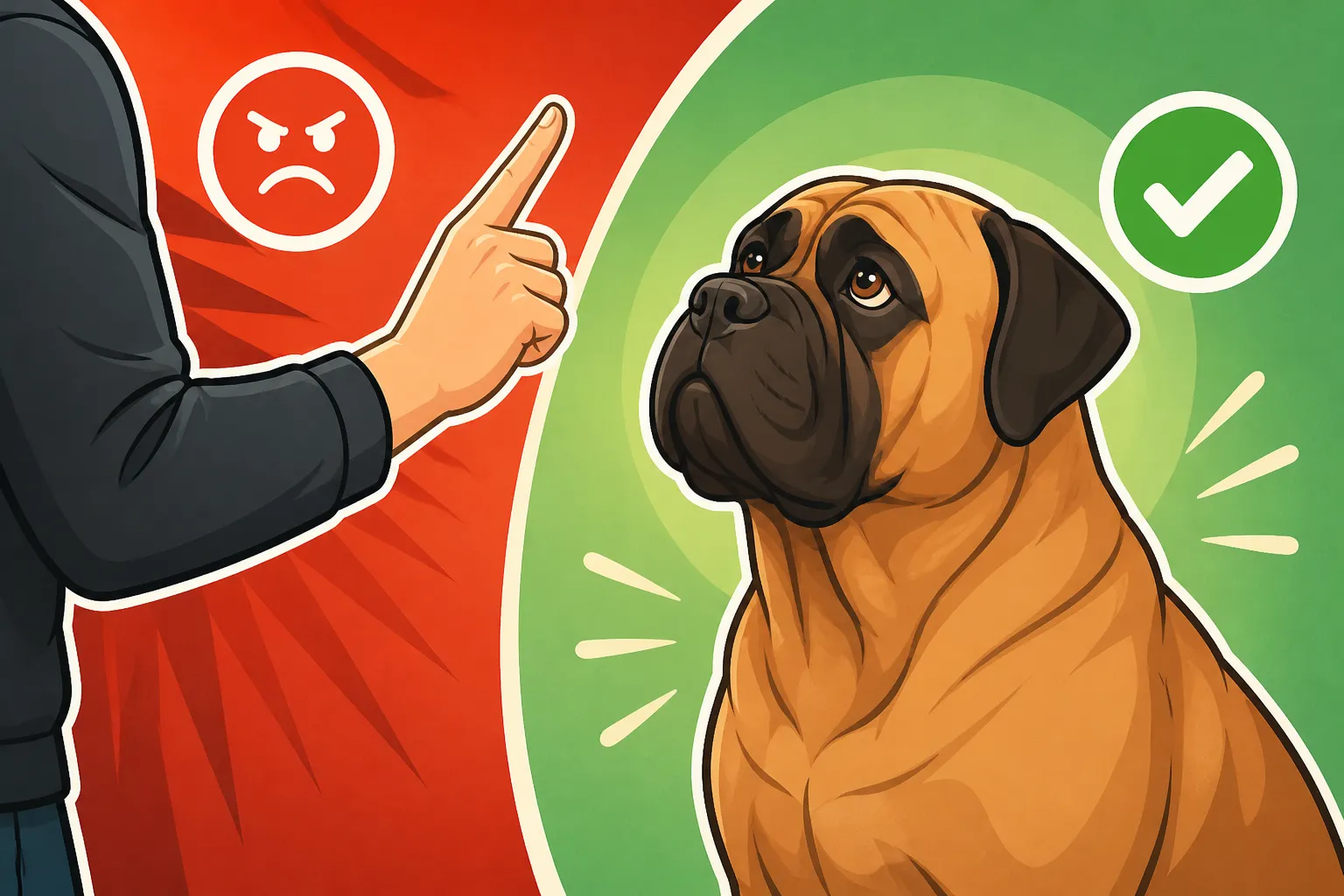
Despite their formidable size and imposing presence, Bullmastiffs are surprisingly sensitive souls. They form deep bonds with their families and are keenly aware of their owners' moods and intentions. A harsh word or an angry tone can wound them far more deeply than you might realize. They are not dogs that respond well to yelling, physical reprimands, or a "yank and crank" approach to leash training. Such methods can easily damage the trust you're working so hard to build, leading to fear, anxiety, or even aggression as a defensive mechanism.
Think of it this way: your Bullmastiff sees you as their trusted leader and companion. If that trust is broken by unfair or frightening corrections, they may withdraw, become avoidant, or simply refuse to engage. Instead of learning what you want, they learn to fear your disapproval, which is counterproductive to any training goal. This sensitivity is why understanding Why a Bullmastiff Pauses Before Obeying is so critical. They need a relationship built on mutual respect, not intimidation.
The Guardian Instinct and Compliance
The Bullmastiff's protective instincts are another layer to consider. They were bred to silently deter intruders and hold them until the gamekeeper arrived. This means they are inherently confident and possess a strong sense of self-preservation. They are not naturally submissive in the way some herding or sporting breeds might be. This guardian nature, while wonderful for protection, also means they won't automatically defer to every command, especially if they perceive it as arbitrary or unnecessary.
Their compliance stems from respect and understanding, not from a desire to be constantly told what to do. If a correction feels like an attack on their autonomy or a threat to their perceived role, they can dig their heels in. They want to be part of the decision-making, even if it’s just the decision to comply. This is a breed that, while loyal, also possesses a strong will. Ignoring this aspect of their temperament will lead to endless frustration for both of you.
Why Traditional "Alpha" Correction Methods Fail Bullmastiffs
In the past, many dog training philosophies centered around the idea of owners needing to be the "alpha" or "pack leader" through dominance-based corrections. For a Bullmastiff, this approach is not just ineffective; it can be actively harmful. Their unique psychological makeup means they process and react to these methods in ways that lead to undesirable outcomes.
The Misconception of Dominance
The idea of establishing dominance over your dog by being a "pack leader" often involves physically or verbally correcting them into submission. However, modern canine behavior science has largely debunked the concept of applying wolf pack dynamics to domestic dogs, especially in the context of forcing submission. Bullmastiffs, with their inherent confidence and deliberate nature, are particularly resistant to this. They don't see harsh corrections as you asserting leadership; they often see it as unpredictable, frightening, or even aggressive behavior from someone they should be able to trust.
When you try to dominate a Bullmastiff, you're not speaking their language. They're not looking for a "top dog" to fear; they're looking for a consistent, fair, and trustworthy leader. Instead of forging a stronger bond, these dominance tactics can create a rift, making your Bullmastiff less likely to engage with you positively. They might simply shut down, refusing to offer any behavior rather than risk a negative interaction.
Creating Fear, Not Respect
Harsh corrections, whether they are yelling, leash jerks, or physical punishments, might temporarily stop an unwanted behavior. But what often happens with a Bullmastiff is that they stop the behavior out of fear, not out of an understanding of what to do instead. This kind of training teaches them to avoid punishment, rather than to learn the correct response. Imagine you're trying to teach a child to read, but every time they make a mistake, you shout at them or hit their book. They might stop trying to read altogether, or they might try to hide their mistakes, but they're not learning the skill itself.
For a Bullmastiff, this can manifest as an unwillingness to offer behaviors, a general timidity, or a dog that is constantly "walking on eggshells." They become anxious about making mistakes, which stifles their natural curiosity and desire to interact. This is especially detrimental during critical developmental phases, as explored in When a Bullmastiff Finishes Maturing. Their learning becomes paralyzed by fear, and their personality can become suppressed, losing the very qualities that make them such wonderful companions.
The Risk of Aggression or Shut Down
When a Bullmastiff is subjected to dominance-based correction, there are two common, equally undesirable outcomes. One is that they can become aggressive. A confident dog, feeling threatened and having its trust violated, may learn to defend itself. This isn't defiance; it's a natural reaction to perceived threats. A Bullmastiff, capable of What a Bullmastiff's Bite Force Is, becoming defensive due to fear-based training is a dangerous situation for everyone involved. They are capable of serious damage when they feel cornered.
The other, perhaps more heartbreaking outcome, is that they shut down entirely. This looks like a dog that stops engaging, stops making eye contact, and often moves very slowly or not at all when asked to do something. They might appear "obedient" because they're not actively resisting, but in reality, they're simply disengaging from the interaction. This is a sign of learned helplessness, where the dog has given up trying to understand or respond because all attempts have been met with negative reinforcement. Neither of these outcomes is what any loving owner wants for their Bullmastiff.
The Power of Positive Reinforcement for Bullmastiffs
If traditional, forceful corrections aren't the answer, then what is? For a Bullmastiff, the path to a well-behaved and happy companion lies almost entirely in positive reinforcement. This approach focuses on rewarding desired behaviors, making learning a joyful and collaborative experience, rather than a punitive one.
Rewarding Desired Behaviors
Positive reinforcement is all about making the "right" choice rewarding for your Bullmastiff. When your Bullmastiff offers a behavior you like – sitting when asked, staying in place, coming when called – you immediately follow it with something they value. This could be a tasty treat, a favorite toy, enthusiastic praise, or a quick game of tug. The key is that the reward is given immediately after the desired behavior, so your Bullmastiff clearly understands what they did to earn it. Over time, they learn that performing these actions leads to good things, and they'll be much more likely to repeat them.
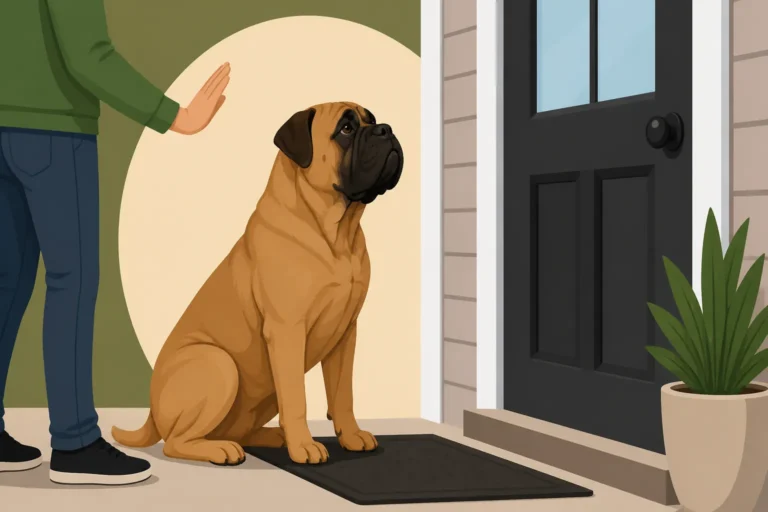
This method leverages their intelligence and desire for positive interaction. Instead of punishing what you don't want, you're strengthening what you do want. For instance, if your Bullmastiff tends to jump on guests, rather than kneeing them or yelling, you'd reward them profusely when all four paws are on the floor as guests arrive. You're teaching them the appropriate greeting behavior, which is much more effective than just telling them "no." Which Rewards a Bullmastiff Works For often vary, so understanding your dog's personal motivators is crucial.
Lure and Shape for Success
Sometimes, your Bullmastiff might not even know how to offer the desired behavior. This is where luring and shaping come in. Luring involves using a treat to guide your dog into the correct position. For example, to teach a "sit," you might hold a treat above their head and move it back towards their tail; as their nose follows the treat, their rear end naturally lowers into a sit. The moment their rear touches the ground, mark the behavior (with a verbal marker like "yes!" or a clicker) and reward them.
Shaping takes this a step further, rewarding successive approximations of a desired behavior. If you want your Bullmastiff to lie down, you might start by rewarding them for looking at the floor, then for lowering their head, then for lying down with their elbows on the floor, and finally for a full down. This method builds confidence and allows your Bullmastiff to "figure it out" with your guidance, making them an active participant in their learning. Products like specific training treats available on Amazon can be great for this, as they are small and palatable for frequent rewards.
High-Value Rewards Are Key
While praise and pets are nice, for a large, discerning breed like the Bullmastiff, "high-value" rewards are often necessary, especially in the initial stages of training or when teaching challenging behaviors. High-value rewards are things your Bullmastiff absolutely loves. This could be small pieces of cooked chicken, cheese, hot dogs, or a favorite squeaky toy. The higher the distraction or the more difficult the task, the higher the value of the reward should be.
Varying your rewards can also keep your Bullmastiff engaged. Don't always use the same treat or toy. Keep them guessing! This makes training a fun, exciting game rather than a chore. Remember, a Bullmastiff's motivation is often tied to the perceived value of what's being offered in return for their effort. If the reward isn't worth the effort, they simply might not bother. This understanding applies to their response to correction; if the positive outcome of listening is clear and desirable, they'll be far more receptive.
Effective Communication: What a Bullmastiff Does Understand
Training isn't just about what you say or what treats you offer; it's about clear, consistent communication. A Bullmastiff, with its thoughtful nature, thrives on predictability and understanding. When your communication is confusing, inconsistent, or emotionally charged, that's when you'll see them "tuning you out."
Consistency is Your Best Friend
Perhaps the most critical aspect of effective communication with a Bullmastiff is consistency. Every member of the household needs to use the same commands, the same hand signals, and have the same expectations for behavior. If "sit" means one thing to you and another to your partner, or if sometimes jumping is tolerated and other times it's not, your Bullmastiff will become confused and frustrated. They will learn to gamble on whether they need to comply. This is particularly true when you are trying to teach a Bullmastiff to respond to a correction – if the correction (or the desired alternative behavior) is not consistently reinforced, they will struggle to understand its meaning.
Think about how you want your Bullmastiff to respond in various situations. Do you want them to always sit before getting their meal? Do you want them to stay off the sofa? Make these rules clear and apply them every single time, without exception. This consistency builds a framework of understanding for your Bullmastiff, making them feel secure and confident in what's expected of them. A program like BAXTER & Bella's online puppy school emphasizes consistency, which can be invaluable for large breeds.
Clear, Calm Cues
Bullmastiffs don't respond well to frantic, emotional, or overly complex commands. A clear, calm, and concise cue is far more effective. Use single words for commands ("sit," "stay," "come," "leave it") and accompany them with a consistent hand signal. Your tone of voice matters too; it should be firm but not angry, confident but not aggressive. If you're stressed or yelling, your Bullmastiff will pick up on your emotional state, which can make them anxious or shut down, rather than comply.
For a correction, this means redirecting their energy calmly. Instead of screaming "NO!" when they're chewing something inappropriate, calmly say "leave it" and immediately offer an appropriate chew toy, rewarding them for taking it. This teaches them what to do instead of just what not to do. Remember, their deliberate nature means they need a moment to process. Give the cue, wait a beat, and then follow through with your consistent expectation. You might find some helpful gear, like extra-strong leashes, on Amazon for teaching clear leash cues.
Reading Your Bullmastiff's Body Language
Communication isn't a one-way street. To effectively "correct" or guide your Bullmastiff, you need to understand what they are telling you. Pay close attention to their body language: their ears, tail, posture, and gaze. Are they relaxed, happy, stressed, or confused? A Bullmastiff who is lowering their head, avoiding eye contact, or licking their lips might be showing signs of stress or discomfort. Pushing a correction when they are already feeling uneasy will only exacerbate the problem.
Learning to read these subtle cues allows you to intervene before a problem behavior escalates, turning a potential "correction" into a proactive redirection. If you see your Bullmastiff getting overly excited around guests, for example, you can preemptively ask for a "sit" or "place" before they even have a chance to jump. Understanding their unique signals can give you insight into How a Bullmastiff Hides Pain or discomfort, which might be influencing their behavior. This reciprocal understanding fosters a stronger bond and makes your guidance much more effective.
Navigating Stubbornness: When Correction Feels Like Hitting a Wall
Let's be honest, Bullmastiffs can be stubborn. That deliberate pause, that thoughtful gaze, can sometimes feel like a stone wall when you're in a hurry or dealing with a challenging situation. But understanding the root of this "stubbornness" is key to navigating it without resorting to ineffective or harmful corrections.
Identifying the "Thinking Pause"
What often appears as stubbornness in a Bullmastiff is frequently their characteristic "thinking pause." They aren't trying to defy you; they're genuinely processing your request and deciding whether to comply. This isn't the same as a smaller, more impulsive dog who might immediately comply or immediately refuse. With a Bullmastiff, there's a moment of contemplation. Your job is to respect this pause, within reason, and guide them through it patiently.
If you rush them or become frustrated during this pause, they're more likely to dig in their heels. Instead, give your command clearly, then remain calm and still. Allow them a few seconds to process. If they don't respond, you might gently re-state the command, or physically lure them into the desired position with a treat, reinforcing the success immediately. This patience is a form of correction itself: you're correcting your expectation of instant gratification and teaching them that calm compliance is always rewarded. Understanding How Stubborn a Bullmastiff Is helps manage expectations.
Breaking Down Complex Tasks
Sometimes, a Bullmastiff's "stubbornness" isn't a refusal, but a lack of understanding. If a task is too complex, involves too many steps, or is introduced in a highly distracting environment, they might simply not grasp what you want. Expecting them to perform a perfect "stay" in a busy park when they've only practiced it in your quiet living room is setting them up for failure. This applies to corrections too; if you're trying to correct a complex behavior, ensure they understand the simpler components first.
Break down tasks into tiny, manageable steps. Reward each successful step. Gradually increase the difficulty, duration, and distractions. This stepwise approach builds their confidence and ensures they truly understand what's being asked. For example, when teaching "come," start in a quiet room, then move to a backyard, then a low-distraction public space, always using high-value rewards. This is also how you teach How to Walk a Bullmastiff That Outweighs You by breaking down leash skills into micro-behaviors.
When to Redirect, Not Force
Forcing a Bullmastiff to do something they are resistant to is almost always a mistake. Their sheer size and strength mean that a physical confrontation is not only dangerous but also destructive to your relationship. When you encounter that wall of "stubbornness," the best "correction" is often redirection. Instead of trying to overpower them, change the scenario or offer an alternative behavior that is more acceptable.
If your Bullmastiff is pulling on the leash, rather than yanking them back, you might stop walking until the leash loosens, then reward the slack. Or you could change direction entirely, which often resets their focus. If they are fixated on something inappropriate, call their name, get their attention, and ask for a simple "sit" for a treat, then move them away from the original distraction. This is a subtle yet powerful form of correction, teaching them to shift their focus to you, which is an invaluable skill for such a powerful dog.
Building a Strong Relationship: The Foundation for Any Correction
Ultimately, how a Bullmastiff responds to correction isn't just about the technique you use; it's deeply rooted in the relationship you've built with them. A strong, trusting bond makes them more receptive to your guidance, whether it's a simple command or a necessary redirection of behavior.
Trust as the Ultimate Motivator
For a Bullmastiff, trust is the ultimate motivator. If they trust you to be fair, consistent, and to always have their best interests at heart, they will be far more willing to listen and comply. This trust isn't built overnight; it's cultivated through countless positive interactions, predictable routines, and gentle leadership. Every time you reward a desired behavior, every time you calmly guide them, and every time you respect their deliberate nature, you reinforce that trust.
Conversely, every time you use harsh methods, lose your temper, or are inconsistent, you erode that trust. A Bullmastiff will tolerate a lot out of loyalty, but their trust is not limitless. Once broken, it can be incredibly difficult to rebuild. So, approach every training session and every moment of guidance as an opportunity to strengthen that bond. Their desire to please you, when you are a trusted leader, is the most powerful "correction" you have.
Training as a Partnership
Think of training your Bullmastiff not as a master-dog dynamic, but as a partnership. You are guiding them, teaching them how to navigate the human world, and they are offering their cooperation and companionship in return. This perspective changes how you view "correction." It moves away from punishment and towards clear, empathetic communication and problem-solving. When your Bullmastiff makes a mistake, instead of instantly seeing it as defiance, consider what you could do differently to help them succeed next time.
This partnership approach means understanding their limits. A Bullmastiff puppy, for instance, has a very short attention span, as discussed in How Short a Bullmastiff's Training Session Should Be. Pushing them past that limit will only lead to frustration for both of you. Recognizing when they're tired, distracted, or simply not understanding is part of being a good partner. Training should be fun and engaging for your Bullmastiff, fostering their love for learning and interaction.
Professional Guidance for Complex Issues
Even with the best intentions and a solid understanding of Bullmastiff temperament, some behavioral challenges can be overwhelming. If you're struggling with persistent "stubbornness," aggression, or other complex issues, don't hesitate to seek professional guidance. A certified professional dog trainer or veterinary behaviorist specializing in positive reinforcement methods can offer invaluable insights and personalized strategies.
They can help you decipher your Bullmastiff's specific cues, identify triggers for unwanted behaviors, and develop a tailored training plan. Remember, seeking help isn't a sign of failure; it's a responsible step towards ensuring your Bullmastiff lives a happy, well-adjusted life and strengthens your bond. It's an investment in your shared future, helping you navigate the unique challenges of training such a magnificent, thoughtful breed.
| Correction Method Type | Impact on Bullmastiff | Why it Works/Fails | Best Use Case |
|---|---|---|---|
| Positive Reinforcement | Builds trust, encourages engagement, fosters clear understanding. | Bullmastiffs are sensitive and intelligent; they respond well to rewards and positive associations. | Teaching new commands, reinforcing desired behaviors, building confidence. |
| Verbal "No" (Calm & Clear) | Can redirect attention if used sparingly and consistently. | Overuse makes it background noise; harsh tone creates fear. Needs to be followed by desired action. | Interrupting minor unwanted behaviors, then immediately redirecting to an appropriate alternative. |
| Leash Corrections (Jerks) | Creates fear, can cause physical discomfort, damages trust. | Bullmastiffs resist force; they learn to brace against it or fear the handler. | Avoid at all costs; use loose-leash training with positive reinforcement instead. |
| Physical Punishment | Leads to aggression, fear, or complete shutdown. | Bullmastiffs will defend themselves or disengage; it's seen as a direct threat. | Never use. Damages the dog physically and psychologically. |
| Redirection & Management | Highly effective for problem-solving, prevents unwanted behaviors. | Addresses the root cause or changes the environment, offering acceptable alternatives. | Managing chewing, jumping, counter-surfing, preventing escalation of issues. |
Disclaimer
This article is for general informational purposes only and does not constitute professional advice. Laws, prices and regulations vary by location and change over time. Consult a qualified professional for guidance on your specific situation.