How Stubborn a Bullmastiff Is
Anyone who has ever lived with a Bullmastiff knows the distinct feeling of communicating with a creature who occasionally operates on their own internal clock, seemingly immune to your urgent requests or perfectly reasonable commands. It’s not aggression, and it’s rarely outright defiance; it’s more of a profound, deliberative pause, a mental shrug that leaves you wondering if your words even registered. This guide is dedicated to dissecting that infamous Bullmastiff stubbornness, helping you understand where it comes from, how it manifests, and practical strategies to work with your magnificent companion, rather than against their inherent, strong-willed nature.
Understanding the Bullmastiff's Independent Nature
When we talk about Bullmastiff stubbornness, it's not simply a quirk or a flaw; it's deeply ingrained in their very being, a remnant of their original purpose. These dogs were not bred to be eager-to-please, high-drive working dogs in the traditional sense, like a Border Collie or a German Shepherd. Their job was different, and that difference shaped their temperament profoundly.
Historical Roots of Bullmastiff Independence
Imagine the English gamekeeper on a sprawling estate centuries ago, needing a dog that could track, hold, and guard against poachers in the dead of night. This wasn't a job for a dog that needed constant reassurance or minute-by-minute instructions. This was a job for a dog that could think for itself, assess a situation, and act decisively, often independently of its handler once a task was initiated. The Bullmastiff, a carefully blended mix of Mastiff and Bulldog, inherited this blend of strength, courage, and self-reliance. The Mastiff contributed the bulk, the intimidating presence, and a certain calm steadfastness, while the Bulldog brought grit, tenacity, and that undeniable "don't mess with me" attitude.
This historical role meant that a Bullmastiff had to be smart enough to understand its objective but resolute enough not to be easily swayed or distracted. They weren't meant to be subservient; they were meant to be partners in a dangerous, solitary task. They needed to trust their own judgment. This heritage manifests today as what we often label "stubbornness." It's not that they don't understand you; it's that they are weighing your request against their own assessment of the situation, their comfort, or simply their current desire to comply. It's a hallmark of their guardian breed status, where independent thought was once a valuable asset. To learn more about their original purpose, check out The Bullmastiff Was Built to Catch Poachers in the Dark.
The "Thinking" Dog Versus the "Obeying" Dog
Many popular breeds, especially those found in competitive obedience or traditional working roles, are often described as "eager to please." They thrive on praise, repetition, and a clear, almost robotic adherence to commands. The Bullmastiff is different. They are more of a "thinking" dog. They'll process your request, often with that characteristic slow blink or a deliberate shift in weight, and then decide if it's worth their effort. This isn't rudeness; it's deliberation. They tend to have a higher inherent threshold for compliance, meaning you often need to offer a more compelling "why" for them to spring into action.
They're not easily tricked or cajoled into doing something they genuinely don't want to do, especially if they perceive it as unnecessary or uncomfortable. This isn't to say they can't be trained – far from it! They are quite capable of learning and performing complex tasks. However, their training often requires a deeper understanding of their motivations and a willingness on the owner's part to be patient, consistent, and creative. You'll find that a Bullmastiff respects a fair leader, but they won't blindly follow one they perceive as arbitrary or wishy-washy. This unique approach to learning is why understanding How Trainable a Bullmastiff Is is so crucial for success.
Common Manifestations of Bullmastiff Stubbornness
If you live with a Bullmastiff, you've likely witnessed these scenarios firsthand. They are the moments that can simultaneously frustrate and endear you to your giant companion, illustrating their deep-seated self-possession.
The Leash Walk Stand-Off
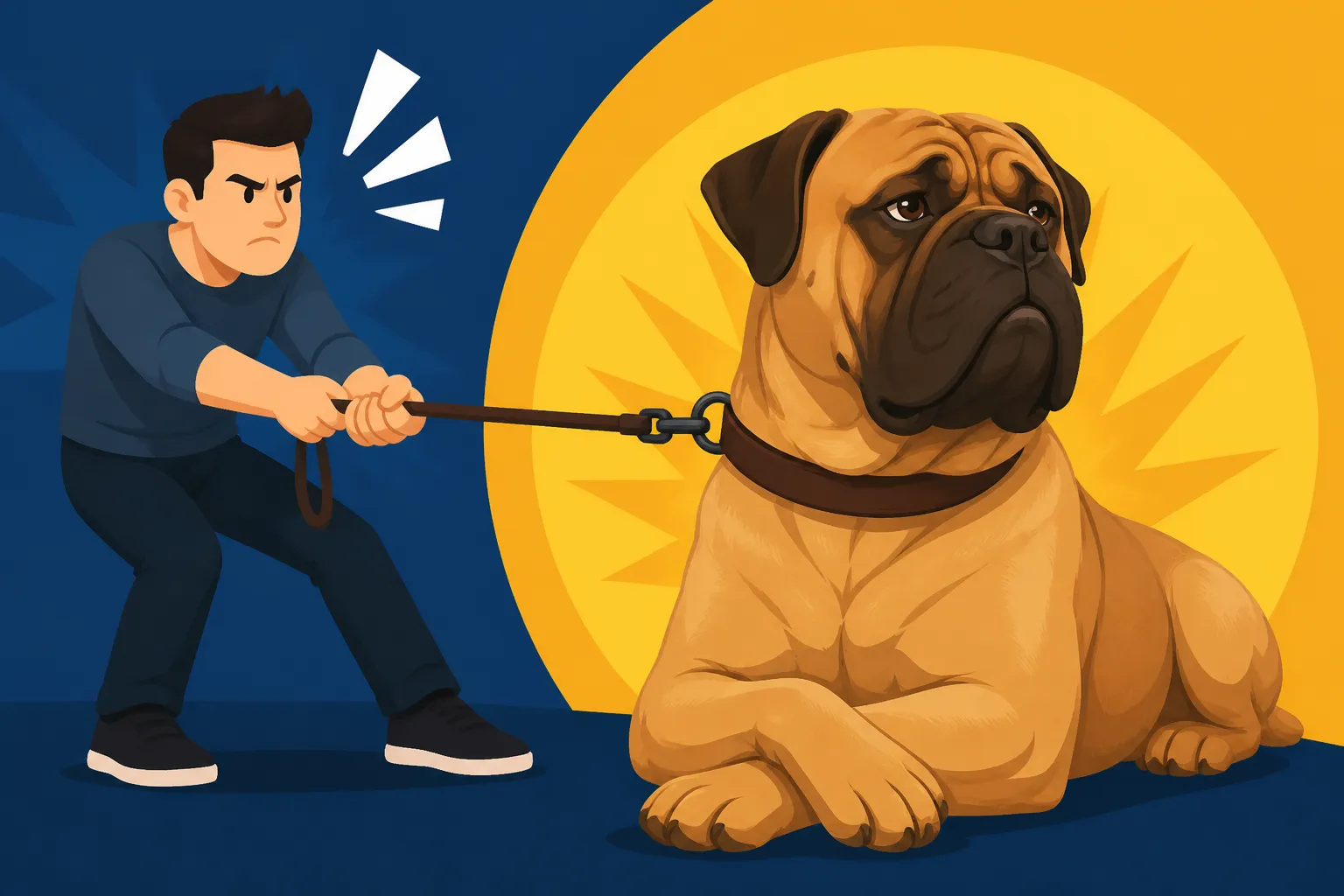
This is perhaps one of the most classic displays of Bullmastiff stubbornness. You're out for a lovely walk, and suddenly, your Bullmastiff decides they are done. Maybe a scent caught their interest, a particularly intriguing patch of grass needs further investigation, or perhaps they simply feel like sitting down right where they are. You pull, you coax, you plead, but your hundred-plus-pound dog transforms into an immovable statue, firmly planted on the sidewalk. It's not that they don't understand you want to keep moving; it's that they don't want to. Their sheer weight and muscular build make it nearly impossible to physically force them.
This stand-off can happen anywhere – in the middle of a busy street, at the entrance to the dog park, or just a few houses down from home. It's their way of saying, "I have other priorities right now," or "I'm asserting my choice." Overcoming this often requires a shift in strategy, not a tug-of-war. Instead of pulling, sometimes a silly sound, a high-value treat, or even turning your back and walking a few steps away can break the spell. They are very much aware that Why a Bullmastiff Cannot Be Physically Made to Do Anything when they decide otherwise. Teaching them to walk nicely on a leash is paramount, and you might find useful tips in Teaching a Bullmastiff to Walk on Leash.
Selective Hearing and the "Bullmastiff Pause"
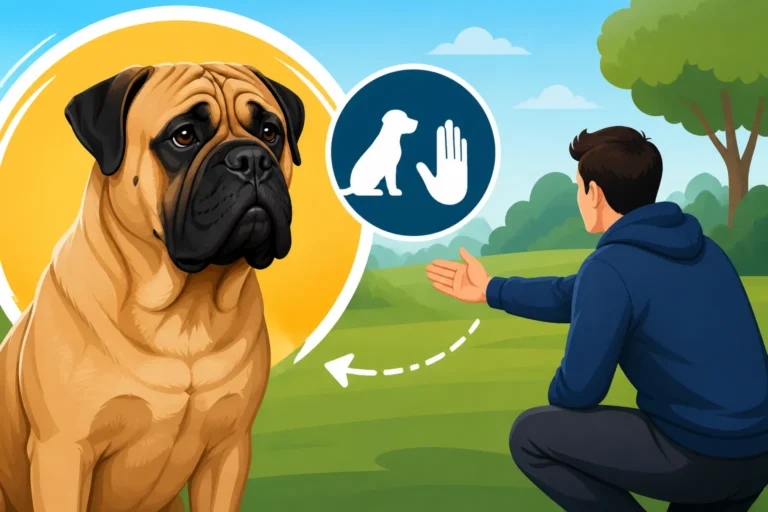
You call your Bullmastiff from across the yard, or ask them to "sit" while you're preparing dinner. They look at you, their ears might twitch, their tail might give a tentative thump, but they don't move immediately. They pause. This isn't confusion; it's the "Bullmastiff Pause." In that moment, they are assessing the request, the situation, and what's in it for them. Is it worth getting up for? Is your tone sufficiently convincing? Is there a treat involved? This isn't malicious, but it can certainly feel that way when you're in a hurry.
This selective hearing becomes particularly apparent when there are distractions. A squirrel running across the yard, a new person approaching, or an interesting smell can override any command, no matter how well-rehearsed. Their focus can be intense on what they deem important, making it seem as if your voice has suddenly become inaudible. It's a test of your patience and consistency, and a reminder that their motivations are key. The length of this pause can vary from a few seconds to a full minute, leaving you to wonder if they’ve simply forgotten English.
Refusing to Perform Known Commands
Another common scenario is when your Bullmastiff knows a command perfectly well, has performed it flawlessly a hundred times, but in a specific moment, just… doesn't. You ask for a "down-stay" and they stare at you, or they give a half-hearted attempt that quickly fizzles. This isn't a lack of understanding; it's a lack of desire in that particular instant. They might be tired, bored, or simply have decided that the current command doesn't serve their immediate interests.
This can be especially frustrating in public or during training classes, making you feel like your dog is deliberately making you look bad. But for a Bullmastiff, it's rarely about spite. It's often about context, motivation, or simply an assertion of their independent will. If the reward isn't compelling enough, or if the environment is too distracting, they may opt out. This is why understanding What Motivates a Bullmastiff is paramount to consistent success, as their compliance is often directly tied to the value of the reinforcement.
Why Your Bullmastiff Might Be Stubborn (Beyond Just Breed Traits)
While the Bullmastiff breed inherently possesses a certain independent streak, it's important to remember that not every instance of perceived stubbornness is solely due to their genetic makeup. Often, there are underlying factors in their environment, training, or even physical health that contribute to their reluctance to comply.
Lack of Clear Communication and Consistency
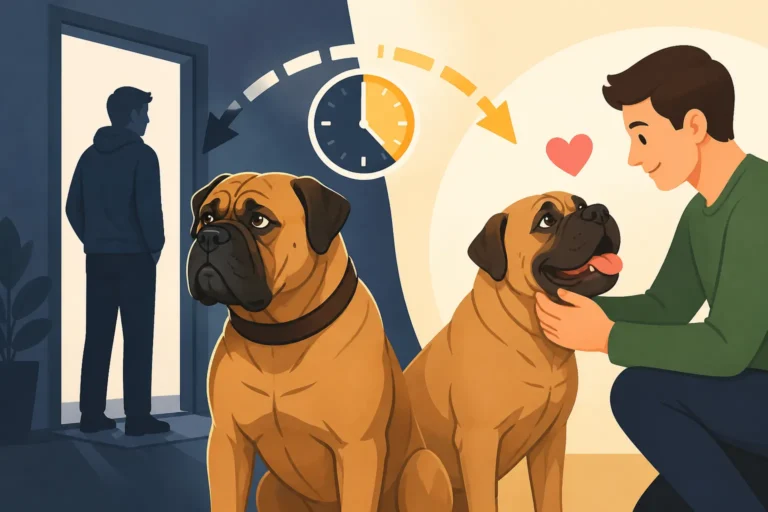
Dogs thrive on routine and predictability, especially a breed that values clear leadership like the Bullmastiff. If your commands are inconsistent, or if different family members use different words or cues for the same action, your Bullmastiff can become confused. When a dog is confused, they often default to doing nothing, which can easily be mistaken for stubbornness. For example, if sometimes "come" means a treat, and other times it means bath time, they might start to ignore "come" altogether.
Consistency extends beyond just commands. It involves rules and boundaries too. If jumping on guests is sometimes allowed and sometimes not, your Bullmastiff won't understand the expectation. Their large size means that inconsistent rules can quickly lead to big problems. A Bullmastiff needs to know exactly what is expected of them, every single time. Without this clarity, they will logically choose the path of least resistance or the one that benefits them most, which often looks like defiance. This is a powerful breed, and establishing clear communication and firm, fair rules from a young age is essential, perhaps even enrolling in programs like those offered by BAXTER & Bella, which provide structured guidance.
Insufficient Motivation and Rewards
This is a huge one for Bullmastiffs. Unlike some breeds who live to please their owners, Bullmastiffs often have a "what's in it for me?" attitude. If your rewards aren't compelling enough, or if you're not offering them consistently, your Bullmastiff will quickly decide that obeying isn't worth their effort. A verbal "good boy" might work for a quick sit, but for something more challenging or something they're less enthusiastic about, you'll need higher-value motivators. Think prime cuts of chicken, cheese, or their absolute favorite toy.
Consider the effort involved for your Bullmastiff. Getting up from a comfy nap on their orthopedic bed, especially for an older dog, requires a significant physical investment. If the reward is low-value, why bother? Their drive to work for you might be lower than their drive to relax or investigate a smell. Therefore, understanding and utilizing What Motivates a Bullmastiff is not just helpful, it's absolutely critical to effective training. Without adequate motivation, any dog can appear stubborn, but with a Bullmastiff's size and inherent deliberation, it's amplified.
Physical Discomfort or Health Issues
Sometimes, what looks like stubbornness is actually your dog trying to tell you something is wrong. A Bullmastiff might refuse to get up, or be slow to respond to commands involving movement, if they are experiencing pain. This is particularly relevant as they age, or if they suffer from common breed ailments such as hip or elbow dysplasia, arthritis, or even a low-grade infection. A dog in discomfort might not want to jump into the car, go for a walk, or even shift positions on the floor, and their reluctance can easily be misinterpreted as deliberate defiance.
Always consider their physical well-being. Are they limping slightly? Are they licking a particular joint? Have they been less energetic than usual? Even subtle changes can indicate underlying pain. If your Bullmastiff suddenly becomes more "stubborn" than usual, especially regarding movement, a vet visit is always a good idea to rule out any medical causes. Sometimes, a comfortable bed, like those found on Amazon designed for large breeds, can even make a difference in their willingness to move. It's important to be aware of conditions like Hip Dysplasia in a Bullmastiff or Elbow Dysplasia in a Bullmastiff that can affect their mobility.
Strategies for Navigating Bullmastiff Stubbornness
Working with a Bullmastiff's stubborn streak isn't about breaking their will; it's about channeling their intelligence and independence towards desirable behaviors. It requires a specific approach rooted in understanding, patience, and effective communication.
Building a Strong Foundation of Trust and Respect
At the heart of successful Bullmastiff training is a bond built on mutual trust and respect. Your Bullmastiff needs to see you as a fair, consistent, and confident leader. They won't respect a pushy, overly dominant, or inconsistent handler. Instead, they respond best to someone who offers clear guidance, positive reinforcement, and who understands their unique personality. This means being predictable in your responses and following through on your commands, but always doing so in a way that respects their intelligence.
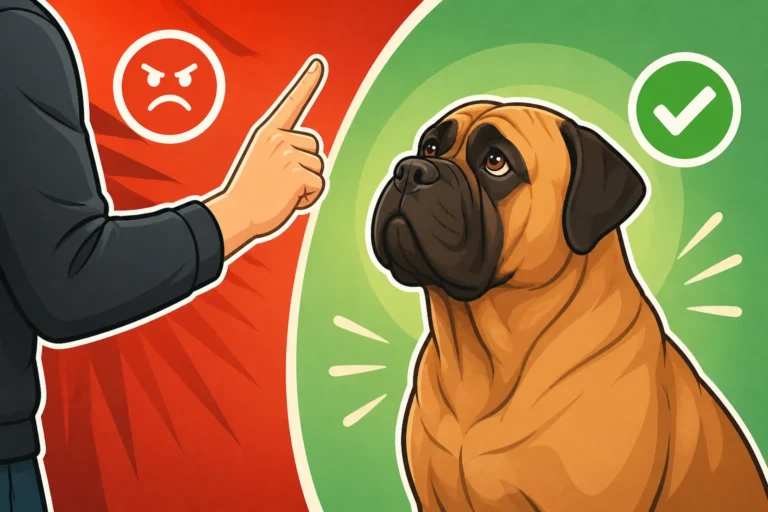
Avoid physical punishment or harsh corrections. These methods often backfire with a Bullmastiff, leading to resentment, fear, and an even greater reluctance to comply. Remember, How a Bullmastiff Responds to Correction is usually by shutting down or digging in their heels further. Instead, focus on positive reinforcement, making every interaction a positive one where they learn that listening to you leads to good things. When they trust you, they are far more likely to consider your requests, even if they still take a moment to deliberate. This foundation starts from puppyhood; understanding When to Start Training a Bullmastiff Puppy is key to establishing this early bond.
Mastering Motivation: Finding Your Bullmastiff's Currency
Since Bullmastiffs have that "what's in it for me?" mentality, unlocking their motivation is paramount. This means finding out what truly excites them. For some, it might be a specific type of high-value treat – cooked chicken, cheese, or bits of hot dog. For others, it could be a favorite squeaky toy, a game of tug, or even just a vigorous belly rub. What motivates them can change over time and even depending on the situation, so be prepared to experiment and be flexible.
Always have these high-value rewards readily available during training sessions, especially when teaching new behaviors or practicing in distracting environments. The reward needs to be worth their effort, especially when you're asking them to overcome their natural inclination to be still or focus on something else. Vary your rewards to keep them engaged, and don't be afraid to make a big fuss when they do something right. Your enthusiasm can be a motivator in itself, signaling to them that they've done a great job. This strategy is vital for keeping their attention, especially since How Long a Bullmastiff Will Work in a Session is typically quite short.
Short, Positive, and Engaging Training Sessions
Bullmastiffs aren't built for long, repetitive training drills. Their attention spans are generally shorter than those of some other working breeds, and they can quickly become bored or frustrated if sessions are too long or tedious. Instead, aim for frequent, short, and highly positive training sessions, ideally no more than 5-10 minutes at a time. This keeps them engaged, makes training feel like a fun game, and prevents them from "tuning out."
Focus on one or two commands per session, ending on a high note with success. Keep the energy light and fun. Incorporate play into your training to make it more interactive. Remember, you're not just teaching commands; you're building a relationship and making learning an enjoyable experience. If training feels like a chore to you, it will certainly feel like one to your Bullmastiff, and their stubbornness will quickly resurface. For some, the journey of maturity also plays a role in their attention span and willingness to engage, so understanding When a Bullmastiff Finishes Maturing can offer perspective on their development.
Tools and Resources to Aid Your Training Journey
Navigating the unique challenges of Bullmastiff stubbornness often requires more than just patience and treats. The right tools and access to reliable resources can make a world of difference in your training success and overall relationship with your dog.
Effective Leash and Collar Choices
Given their immense size and strength, an ill-fitting or ineffective collar and leash can turn a pleasant walk into a battle of wills. When your Bullmastiff decides to plant their feet or pull in a specific direction, you need equipment that gives you control without causing discomfort or injury to your dog. Traditional flat collars are often insufficient for a determined Bullmastiff, as they can easily pull through them or cause tracheal damage with excessive pulling.
Many owners find success with a front-clip harness, which redirects a dog's pulling power back towards them, making it harder for them to forge ahead. Brands like Blue-9 Balance Harness or Freedom No-Pull Harness are popular choices that can be found on platforms like Amazon. Head halters can also be incredibly effective, giving you control over their head, and thus their body, with minimal physical effort. While these tools don't train your dog, they provide mechanical advantage and safety while you work on teaching proper leash manners and discouraging the infamous stand-off. It’s also important to pick a leash that is comfortable for your hands but robust enough for a heavy dog; a wide, padded handle can prevent rope burn during those unexpected moments of Bullmastiff conviction. For more on this, consider Which Harness Suits a Bullmastiff.
Professional Guidance and Online Programs
Sometimes, despite your best efforts, you might feel like you're hitting a wall with your Bullmastiff's stubborn streak. This is where professional help can be invaluable. A certified professional dog trainer, especially one with experience with large or "stubborn" breeds, can offer personalized strategies tailored to your dog's specific personality and your family's lifestyle. They can identify subtle cues you might be missing and help you refine your communication.
If in-person training isn't feasible, online programs can be an excellent resource. Companies like BAXTER & Bella offer comprehensive online puppy and dog training programs that provide structured lessons, live Q&A sessions, and a supportive community. These programs often break down complex behaviors into manageable steps, which is perfect for the deliberate Bullmastiff learner. They can help you stay consistent and provide fresh ideas for motivating your dog, which is vital for a breed that thrives on novelty in rewards and engagement. Remember, investing in good training is one of the most important things you can do for a Bullmastiff, given Why a Bullmastiff Must Be Trained Before It Is Strong.
| Stubborn Behavior | Common Causes | Effective Strategies | Recommended Tools/Resources |
|---|---|---|---|
| Leash Stand-Off | Distraction, boredom, physical discomfort, asserting will | High-value treats, change direction, make a fun sound, positive lures | Front-clip harness, head halter, long training leash (Amazon) |
| Selective Hearing | Low motivation, high distraction, inconsistent cues, confusion | Higher-value rewards, train in quiet environments first, consistent command words | Training treats, clicker, online courses (BAXTER & Bella) |
| Refusing Known Commands | Boredom, low perceived reward, physical discomfort, testing boundaries | Vary rewards, keep sessions short & fun, check for health issues, end on success | Variety of high-value treats/toys, positive reinforcement methods |
| Ignoring Recall | Distraction, stronger external motivation, lack of practice | Practice in low-distraction areas, "party" recall, extremely high-value rewards | Long line, squeaky toys, professional trainer guidance |
| Resisting Grooming/Vet | Fear, discomfort, lack of positive association, restraint | Desensitization, counter-conditioning with treats, gentle handling | Non-slip mats, favorite treats, calm environment, vet's assistance |
Conclusion
Living with a Bullmastiff is an incredible journey filled with loyalty, love, and undeniably, moments that test your patience. Their "stubbornness" isn't a flaw to be eradicated, but rather a characteristic deeply rooted in their history and intelligence. It's a testament to their self-reliant nature and their capacity for independent thought. By understanding that deliberate pause, recognizing their need for strong motivation, and committing to clear, consistent, and positive training, you won't just overcome their perceived stubbornness – you'll build an even stronger, more respectful bond. Embrace their unique personality, find their currency, and approach every interaction with patience and a sense of humor. The rewards of working with, rather than against, your magnificent Bullmastiff are immeasurable.
Disclaimer
This article is for general informational purposes only and does not constitute professional advice. Laws, prices and regulations vary by location and change over time. Consult a qualified professional for guidance on your specific situation.