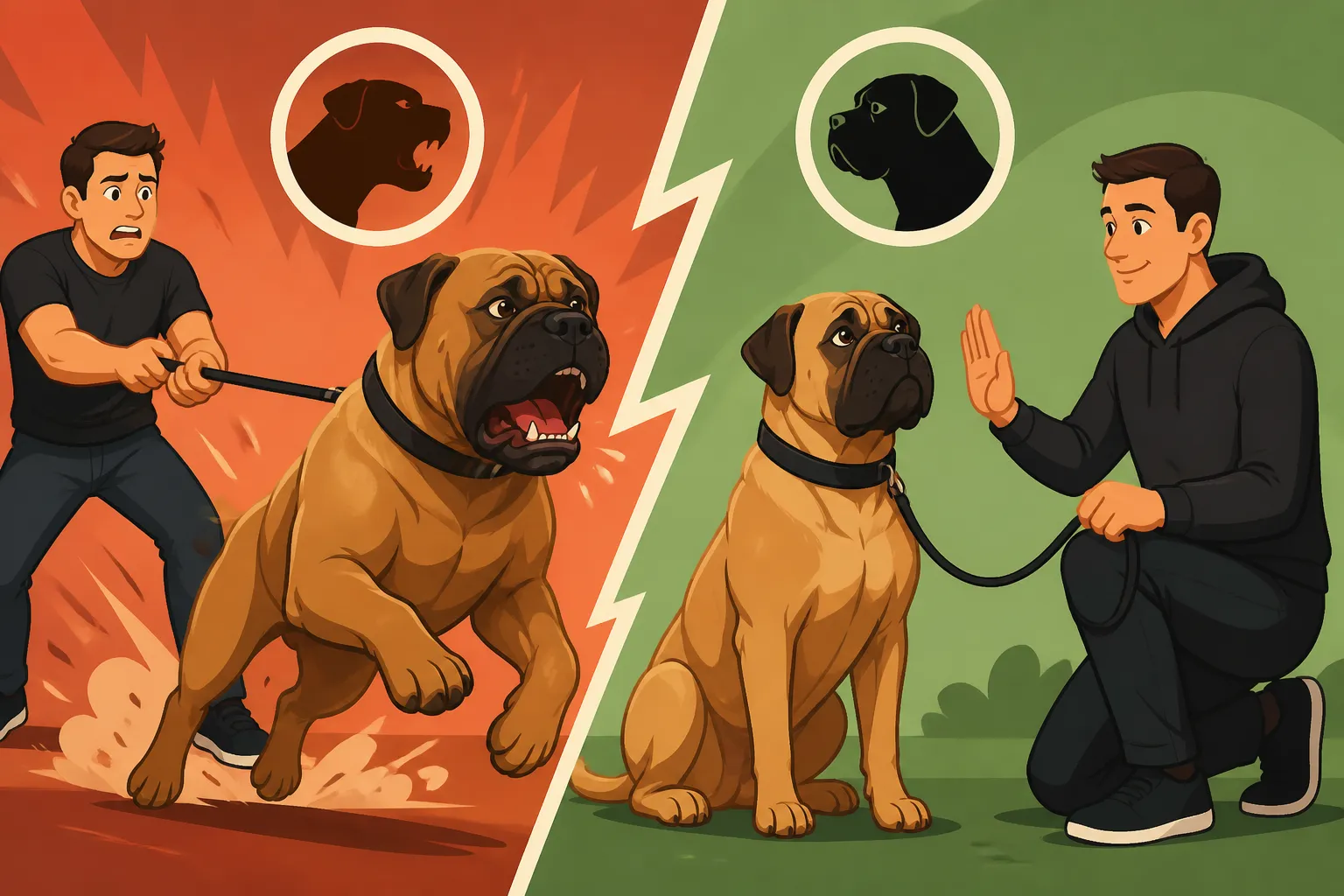
Why a Bullmastiff Must Be Trained Before It Is Strong
It's a common misconception that because Bullmastiffs are known as "gentle giants" and often appear quite placid, that training can be put off until they're older. Many new owners fall into the trap of thinking their sweet, clumsy puppy will just naturally grow into a well-behaved adult. The harsh reality, however, is that this breed grows incredibly fast and gains immense strength quickly. Waiting until your Bullmastiff is already a powerful, opinionated adult to start serious training is not just difficult, it can be downright dangerous and deeply frustrating for both you and your dog. This guide is here to explain precisely why early, consistent training is non-negotiable for a Bullmastiff, and what steps you can take to ensure your big beautiful companion is a joy, not a challenge.
The Inescapable Reality: A Bullmastiff's Imposing Size and Strength
Let's not sugarcoat it: a Bullmastiff is a lot of dog. They aren't just large; they are incredibly strong, powerful animals built for a specific, demanding job. Understanding this fundamental aspect of their physique is the first step in appreciating why early training is so utterly vital.
More Than Just a "Big Dog"
When you bring home that adorable Bullmastiff puppy, it's easy to forget that it's a miniature version of a future powerhouse. These dogs grow at an astonishing rate. What starts as a cuddly, wobbly ball of fur will, in a matter of months, transform into a lean, muscular adolescent pushing 100 pounds. By the time they reach full maturity, often around two or three years of age, a male Bullmastiff can easily weigh 130 pounds or more, with females not far behind. This isn't just about their weight; it's about sheer, raw power.
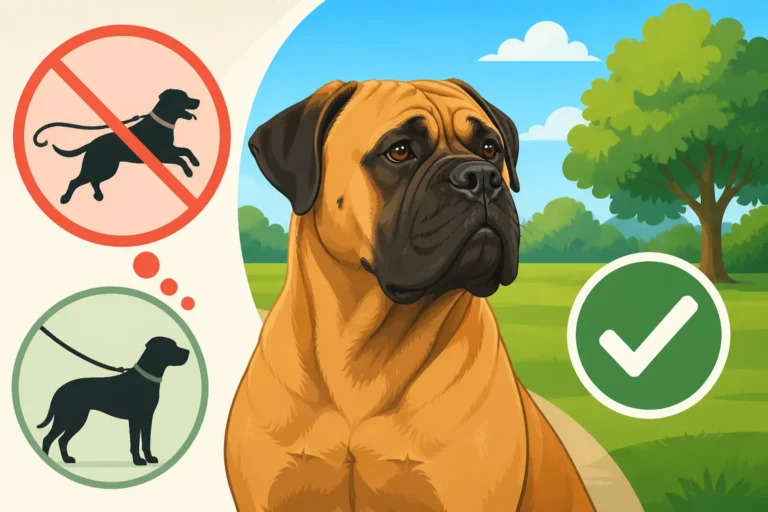
Consider this: an average adult male human might weigh around 180 pounds, but very few possess the dense musculature and low center of gravity of a Bullmastiff. Imagine trying to stop a 120-pound dog who suddenly spots a squirrel and decides it absolutely must give chase, pulling with every ounce of its considerable strength. Without proper leash training, that kind of force can easily yank you off your feet, dislocate a shoulder, or send you sprawling onto concrete. It's not a matter of intention; it's physics. This incredible physical capacity means that from the moment they are old enough to leave their mother, every interaction is a training opportunity to teach them how to navigate the human world safely and politely. If you're looking for guidance on how to manage this power, I highly recommend reading Training a Bullmastiff That Weighs More Than You Do.
The "Gentle Giant" Myth vs. Reality
Yes, Bullmastiffs are renowned for their calm, devoted, and often gentle nature, especially within their own family. This reputation is well-deserved, and it's one of the reasons so many people fall in love with the breed. However, this "gentle giant" label can sometimes foster a dangerous complacency when it comes to training. A Bullmastiff's inherent gentleness doesn't negate their size or their natural instincts.
Even the most well-meaning, sweet-tempered Bullmastiff can inadvertently cause problems if they haven't learned boundaries and control. A playful nudge from a 130-pound dog can send a toddler tumbling or an elderly person off balance. A Bullmastiff's natural guarding instincts, which were originally bred to silently deter poachers on large estates, are deeply ingrained. Without careful, consistent training and socialization from a young age, these protective tendencies can manifest as over-guarding, fear-based reactivity towards strangers, or inappropriate territoriality. They need to be taught who to trust, when to be vigilant, and perhaps most importantly, to look to you for guidance in every situation. If they don't see you as the confident leader, they will assume the role themselves, and that's a responsibility too heavy for any dog, especially one this powerful. It is wise to consider How Protective a Bullmastiff Is when embarking on training.
Why "Later" Is Already Too Late for Foundational Habits
The idea of putting off training until a dog is "ready" or "a bit older" is a recipe for disaster with a Bullmastiff. Their formative months are a critical window that, once passed, makes remedial training exponentially harder.
The Critical Window for Learning
Puppyhood and early adolescence are like sponges for learning. From eight weeks onwards, Bullmastiff puppies are soaking up information about their world, and forming habits – both good and bad – at an incredible pace. This is the prime time for socialization, exposing them to a wide variety of people, sounds, sights, and other friendly dogs. It's also the ideal period to begin teaching basic obedience commands, house manners, and leash etiquette. Think about it: it's far easier to teach a 30-pound Bullmastiff puppy not to jump up than to physically correct a 120-pound adolescent who has been practicing jumping for months.
When you wait, those undesirable behaviors become deeply ingrained patterns. They're not just cute puppy antics anymore; they're established habits that require significant effort and consistency to undo. Imagine trying to teach a strong-willed, fully grown Bullmastiff to accept nail trims or ear cleanings if they've never been handled that way before. What might have been a minor struggle with a puppy becomes a wrestling match with a powerful adult. The time to lay the groundwork for a well-behaved dog is when they are small and impressionable. Don't delay; When to Start Training a Bullmastiff Puppy is now.
Building a Reliable Relationship, Not Just Obedience
Training a Bullmastiff isn't merely about teaching them to sit or stay on command. It's about establishing a profound bond of trust, respect, and clear communication between you and your dog. When you engage in consistent, positive reinforcement training from an early age, you're not just teaching commands; you're building a relationship where your Bullmastiff looks to you for direction, understands your expectations, and is eager to please.
Without this early foundation, you risk facing a battle of wills later on. Bullmastiffs are known for being deliberate, and sometimes they appear stubborn. This trait is eloquently discussed in How Stubborn a Bullmastiff Is. If they haven't learned to value your guidance and respect your authority when they're small, by the time they're massive and confident, they'll simply "pause to decide whether you are worth it," as the saying goes with this breed. This isn't malice; it's simply a strong-willed dog acting on its own judgment if a clear leader hasn't been established. Early training helps them understand that you are the reliable source of all good things and that listening to you leads to positive outcomes. This solidifies their desire to cooperate, making future challenges much easier to navigate.
The Tangible Risks of an Untrained, Powerful Bullmastiff
Neglecting early training for a Bullmastiff isn't just an inconvenience; it carries real, tangible risks for everyone involved, including the dog itself.
Safety Concerns for Family and Public
The most immediate and concerning risks revolve around safety. A large, untrained dog can be a danger, even unintentionally.
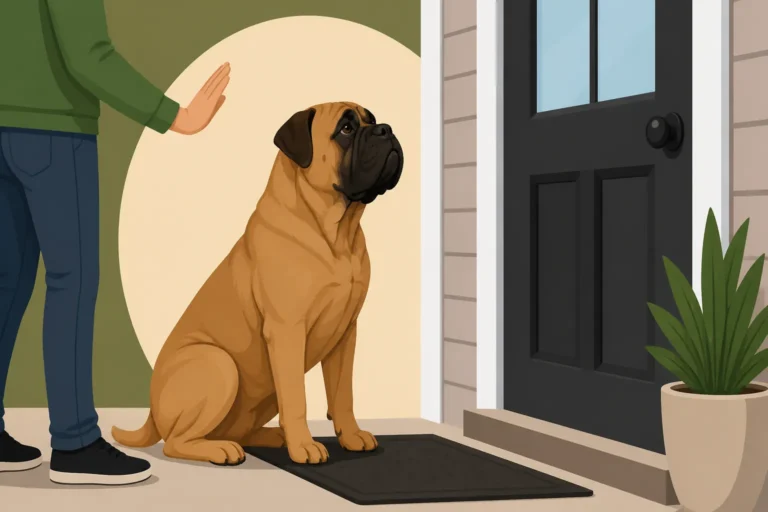
- Accidental Injuries: Picture this: your beloved Bullmastiff, excited to see a guest, bounds forward. Without a solid "off" or "four on the floor" command, they can easily knock over children, elderly family members, or even sturdy adults. Their sheer bulk, combined with youthful exuberance or lack of spatial awareness, can lead to sprains, fractures, or concussions.
- Leash Pulling Hazards: An adult Bullmastiff that pulls on the leash is not only unpleasant to walk but genuinely dangerous. They can pull you into traffic, drag you through mud, or escape your grasp entirely. A strong leash and harness, readily available on platforms like Amazon, are tools, but they are no substitute for training. Without proper training outlined in articles like Teaching a Bullmastiff to Walk on Leash, every walk can become a strenuous tug-of-war, limiting your ability to take your dog to public places or even enjoy a simple stroll around the block.
- Public Perception and Liability: Unfortunately, some larger breeds already carry unfair stigmas. An untrained Bullmastiff, even if perfectly gentle, can appear intimidating to strangers simply due to its size and unruliness. Lunging at other dogs, jumping on people, or generally being out of control can lead to fearful reactions from the public, complaints, and in some cases, even legal liability. You need your Bullmastiff to be a canine ambassador, not a cause for concern.
Impact on Quality of Life for Dog and Owner
Beyond safety, a lack of early training significantly diminishes the quality of life for both the Bullmastiff and its human family.
- Confinement and Isolation: An unruly, powerful dog that cannot be reliably controlled is often a dog that is confined to the house or yard. They miss out on vital socialization, new experiences, and the mental stimulation that comes from exploring the world with their owner. This can lead to boredom, frustration, and a host of secondary behavioral issues like destructive chewing or excessive barking. It's a sad reality when a dog built for companionship and guarding a family is effectively isolated due to poor manners.
- Owner Stress and Frustration: Living with a large, strong dog that dictates the terms of engagement can be incredibly stressful. Imagine dreading walks, having to crate your dog every time guests arrive, or constantly cleaning up after destructive behaviors. This level of stress can erode the joy of pet ownership and strain the human-animal bond.
- Relinquishment to Rescue: Tragically, a significant number of Bullmastiffs end up in shelters or breed-specific rescues precisely because their owners couldn't manage them once they reached full size and strength without adequate training. This heartbreak for both the dog and the owner is often entirely preventable with early intervention. For more insight into this difficult topic, consider Why Bullmastiffs Come Into Rescue. It serves as a powerful reminder of the importance of proactive training.
Practical Steps for Early and Effective Bullmastiff Training
So, if early training is so crucial, what does it actually look like? It's about being proactive, consistent, and understanding the unique Bullmastiff temperament.
Start Early, Start Gentle
The moment your Bullmastiff puppy steps into your home, training begins. This doesn't mean harsh corrections or overwhelming drills. It means gentle guidance, positive reinforcement, and consistent boundaries.
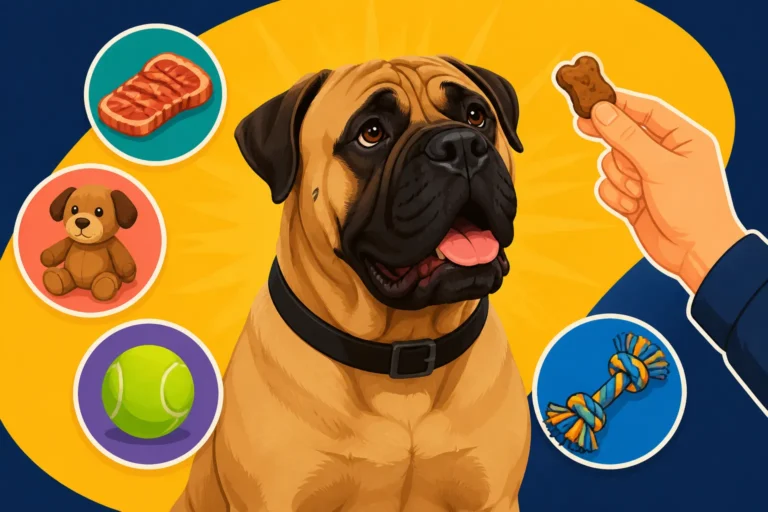
- Positive Reinforcement is King: Bullmastiffs respond beautifully to positive reinforcement. Use high-value treats, praise, and favorite toys to reward desired behaviors. They want to please you, but they also respond to what's in it for them! Avoid punishment-based methods, as these sensitive giants can shut down or become resistant.
- Puppy Classes are Invaluable: Enroll your Bullmastiff puppy in a good puppy kindergarten class as soon as they have appropriate vaccinations. These classes are not just for obedience; they are crucial for early socialization in a controlled environment. They learn appropriate play with other puppies and get exposed to different people and sounds.
- Consistency is Key: Every member of the household needs to be on the same page regarding rules, commands, and expectations. If one person allows jumping and another corrects it, your Bullmastiff will become confused and inconsistent.
- Appropriate Tools: Invest in quality training tools. A sturdy leash and a comfortable, well-fitting harness (like those found on Amazon) are essential for managing a growing Bullmastiff on walks, even as you work on leash manners. A flat buckle collar for ID is fine, but for walking, a harness distributes pressure more effectively.
Focus on Foundational Behaviors
While advanced tricks are fun, your primary focus in the early months should be on foundational behaviors that ensure safety and good manners.
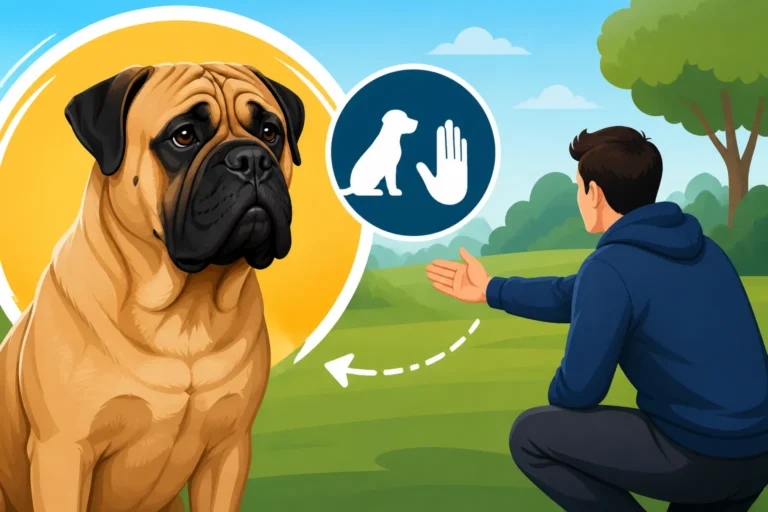
- Recall ("Come"): This is perhaps the most critical command for any dog, especially a large one. A reliable recall can prevent countless dangerous situations. Practice it frequently in a variety of environments.
- Leash Manners: Teach your Bullmastiff to walk politely on a loose leash from day one. You do not want a 130-pound freight train dragging you down the street.
- Polite Greetings: Teach them not to jump on people by rewarding all four paws on the floor.
- "Leave It" and "Drop It": These commands are vital for preventing them from picking up dangerous items or letting go of something they shouldn't have.
- "Sit" and "Down": These basic obedience commands are building blocks for more complex behaviors and also great ways to manage excitement.
- Socialization, Socialization, Socialization: Beyond puppy class, expose your Bullmastiff to a wide array of positive experiences. Controlled visits to pet-friendly stores, meeting new people, hearing different noises – all of this builds a confident, well-adjusted dog. Programs like BAXTER & Bella offer structured online training and socialization guides that can be incredibly helpful for new owners wanting guidance from home. These resources can give you the confidence to tackle training proactively.
Understanding the Bullmastiff Learning Style
Bullmastiffs are not typically the "eager to please" Labrador type who will instantly perform for a treat. They have a distinct learning style that requires patience and understanding.
- Deliberate, Not Dumb: Bullmastiffs are intelligent, but they are often described as deliberate thinkers. They might "pause to decide" if a command is really worth their effort, or if they truly understand what you're asking. Don't mistake this for lack of intelligence; it's just how The Bullmastiff That Pauses to Decide Whether You Are Worth It operates.
- Short, Fun Sessions: Their attention span, especially as puppies, is limited. Keep training sessions brief (5-10 minutes), positive, and fun. Multiple short sessions throughout the day are far more effective than one long, tedious one. This is key to success, as explored in How Short a Bullmastiff's Training Session Should Be.
- Food Motivation is Powerful: Most Bullmastiffs are highly food motivated. Use this to your advantage! Find treats they absolutely adore and reserve them for training. This will help them focus and see training as a rewarding activity. For more on what motivates them, check out How Food Motivated a Bullmastiff Is.
- Patience and Persistence: You will have days that feel like two steps forward, one step back. Don't get discouraged. Consistency over time is what builds a well-trained Bullmastiff. Remember, A Bullmastiff Is Not Grown Up Until Three, so you have plenty of time for development, but the early foundation is paramount.
Here’s a quick overview of why early training makes such a huge difference:
| Aspect | Bullmastiff Puppy (8-16 weeks) | Adolescent Bullmastiff (6-18 months) | Adult Bullmastiff (18+ months) |
|---|---|---|---|
| Physical Strength | Manageable, easy to guide | Significant, can easily pull an adult | Immense, requires physical strength to control if untrained |
| Learning Capacity | Highly impressionable, forms habits rapidly | Still learning, but bad habits are established and harder to break | More set in ways, remedial training is a significant challenge |
| Socialization | Critical window for positive exposure | Can be more wary, re-socialization is tougher | Fixed reactions, difficult to alter deep-seated fears/aggressions |
| Behavioral Impact | Small mistakes are minor, easily corrected | Unruly behavior is impactful and potentially dangerous | Unacceptable behavior requires intense intervention or leads to severe issues |
| Owner Effort | Proactive, positive, building foundation | Remedial work, battling ingrained habits, potentially frustrating | Crisis management, significant time and resource investment |
In conclusion, training your Bullmastiff before they are strong isn't just a recommendation; it's a necessity for their safety, your peace of mind, and their ability to live a full, happy life as a cherished member of your family. Start early, be consistent, and enjoy the incredible journey of raising a well-behaved giant.
Disclaimer
This article is for general informational purposes only and does not constitute professional advice. Laws, prices and regulations vary by location and change over time. Consult a qualified professional for guidance on your specific situation.