The Bullmastiff That Pauses to Decide Whether You Are Worth It
It’s a common scenario for many Bullmastiff owners: you give a command, and your impressive canine companion doesn't immediately spring into action. Instead, they often pause, tilt their head slightly, and seem to be mulling over your request. This deliberate nature can sometimes be mistaken for stubbornness or disobedience, leading to frustration for well-meaning owners. This comprehensive guide will delve into the unique Bullmastiff psyche, explaining why they take their time to "decide if you're worth it" and how understanding this trait can transform your training approach and strengthen your bond.
Understanding the Bullmastiff's Deliberate Nature
If you've spent any time around a Bullmastiff, you've likely witnessed their thoughtful, often unhurried approach to life. It's a hallmark of the breed, and one that, once understood, becomes one of their most endearing qualities. This isn't laziness or a lack of intelligence; it's a deep-seated characteristic that speaks volumes about their historical purpose and innate personality. They aren't quick to react; they are quick to assess.
The Historical Roots of Thoughtful Action
To truly grasp the Bullmastiff's deliberate nature, we have to journey back to their origins. These magnificent dogs were bred in 19th-century England by gamekeepers to protect vast estates from poachers. Their job wasn't to attack or maul, but to silently track, corner, and hold intruders until the gamekeeper arrived. This required a dog with immense strength, sure-footedness, and, crucially, a clear head. A Bullmastiff couldn't afford to be impulsive; a wrong move could injure the poacher (which was not the goal) or put the gamekeeper at risk. They needed to assess the situation, understand the threat, and then act with controlled power. This isn't the kind of job for a dog that reacts on pure instinct without a moment's consideration. They were bred to be thinking dogs, making calculated decisions under pressure. This heritage means they process information, weigh the options, and then, and only then, decide on the best course of action.
Not Stubborn, But Considered
Many owners describe their Bullmastiff as stubborn. I've been there, staring at my own Bullmastiff, wondering if she's suddenly gone deaf or just decided my request isn't worth her effort. But what often appears as stubbornness is actually deep consideration. Imagine asking a Bullmastiff to do something they don't quite understand, or something that seems illogical to their protective, self-preserving mind. They won't blindly follow. They'll pause, look at you, look at the environment, and perhaps even offer a soft groan or sigh that screams, "Are you sure about this, human?" It’s a moment of internal debate, not defiance. They are assessing the value of compliance, the clarity of the command, and whether it aligns with their internal programming. This is why building a strong relationship based on clear communication and positive reinforcement is absolutely critical. They want to please you, but they also want to understand. They are not like some high-drive breeds that live to work; a Bullmastiff works to please their people, but only if the request makes sense to them and is delivered in a way they respect.
Why Immediate Obedience Isn't Always Their Style
For breeds like Border Collies or German Shepherds, a command is often met with instantaneous, eager execution. For a Bullmastiff, it's more of a negotiation. This isn't to say they can't be obedient – quite the contrary! A well-trained Bullmastiff is a joy, but their response time might differ. They often have what's sometimes affectionately called the "Bullmastiff five-second delay." You ask them to sit, and they might look at you, process the request, shift their weight, and then sit. This delay can be frustrating if you're used to other breeds, but it's part of their charm. It reflects their thoughtful nature and their desire to fully comprehend what's being asked. They are also incredibly sensitive dogs, despite their intimidating appearance. Harsh corrections or impatient repetitions will likely shut them down rather than speed them up. They respond best to calm, confident, and consistent leadership, where they feel valued and understood, not just commanded. If you rush them, they'll likely just plant their substantial feet and decide the conversation is over.
The Bullmastiff's Unique Learning Style
Understanding how your Bullmastiff learns is paramount to successful training. Their approach isn't always linear or immediate, but it is deeply ingrained and incredibly loyal once established. Patience, consistency, and a deep dive into their motivations will be your best allies.
Processing Information Takes Time
Bullmastiffs are intelligent, no doubt about it. But their intelligence manifests differently. They aren't necessarily problem-solvers in the same rapid-fire way some other breeds are. Instead, they are excellent at observation, memory, and making connections over time. When you teach a new command, don't expect instant mastery. They'll need time to chew on it, process it, and understand its relevance. Imagine them like a ponderous sage, absorbing information, rather than a quick-witted student. This means short, frequent training sessions are far more effective than long, drawn-out ones. Overwhelming them with too much too fast will only lead to disengagement. They thrive on routine and repetition, not because they are slow, but because they are building a solid, reliable foundation of understanding. This deliberate processing is also why early socialization is so critical; they need ample, positive exposure to various sights, sounds, people, and other animals so they can process and categorize them as safe, without feeling rushed or threatened. When to Start Training a Bullmastiff Puppy is not something you can delay!
Motivation: What Really Moves a Bullmastiff
Forget endless repetitions and sharp commands; these will get you nowhere fast with a Bullmastiff. Their motivation often comes down to two key things: comfort and connection. They are deeply bonded to their families and inherently desire to be part of the pack's harmonious existence. This means praise, gentle encouragement, and a loving tone from their trusted human are powerful motivators. But let's be realistic – food plays a huge role too! High-value treats, like small pieces of cooked chicken, cheese, or even their favorite kibble during training, can work wonders. They are not always "food-driven" in the sense of constantly seeking snacks, but when it comes to learning, a tasty reward goes a long way. Toys can also be motivators, especially a favorite squeaky or tug toy, but usually after the initial excitement wears off. The real trick is finding what your Bullmastiff values most in a specific moment. Sometimes it's a belly rub, sometimes it's a quiet moment on the couch, and sometimes it's that irresistible piece of hot dog. Understand What Motivates a Bullmastiff and you unlock their potential.
The Importance of Consistency and Clarity
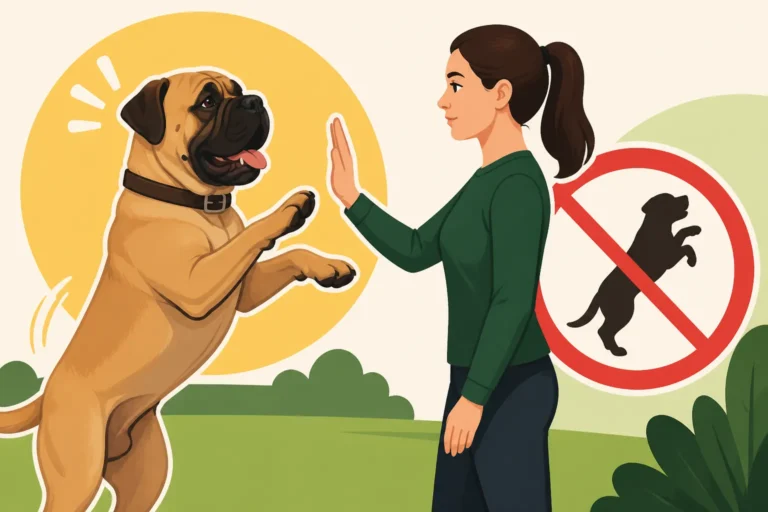
Because Bullmastiffs take their time to process, consistency and clarity in your commands are non-negotiable. If you say "sit" one day and "plop" the next, or if your "stay" command sometimes means two seconds and sometimes means two minutes without clear progression, you will confuse them. They thrive on predictability. Use the same words, the same hand signals, and demand the same outcome every single time. Every member of the household must be on the same page. If one person lets them jump on guests and another punishes it, your Bullmastiff won't understand the rules. This lack of clarity creates uncertainty, and an uncertain Bullmastiff is likely to revert to their "pause and think" mode, or even decide not to comply at all because the rules feel arbitrary. Consider a structured online training program like those offered by BAXTER & Bella. They provide step-by-step guidance that helps ensure every family member uses consistent cues and methods, which is incredibly beneficial for a deliberate learner like a Bullmastiff. This builds trust and helps them understand that your requests are always reliable and fair.
Building a Foundation of Trust and Respect
Before you can ask a Bullmastiff to do anything, you must establish a bond built on trust and mutual respect. This isn't about dominance; it's about clear, benevolent leadership that your Bullmastiff can rely on. Without this foundation, their deliberate nature can easily translate into a lack of cooperation.
Establishing Yourself as a Benevolent Leader
A Bullmastiff isn't looking for a dictator; they're looking for a leader who is calm, consistent, and fair. They need to know you're in charge and that you'll make good decisions for the family pack. This means setting clear boundaries, enforcing rules kindly but firmly, and providing for all their needs – physical, mental, and emotional. Think of it as a quiet confidence rather than an aggressive assertion of power. When you calmly ask them to move off the couch, and they initially hesitate, simply wait them out with a relaxed demeanor, rather than resorting to force or anger. They will eventually move, and that quiet win reinforces your leadership. It's about earning their respect through your actions, not demanding it through fear. A Bullmastiff values your approval, but they value your reliable guidance even more. They are naturally protective, and they look to you to set the tone for what is safe and what is expected.
Positive Reinforcement: The Only Way to Go
Given their sensitive and thoughtful nature, positive reinforcement is the gold standard for training a Bullmastiff. This means rewarding desired behaviors with something they love – treats, praise, toys, or even a favorite scratch behind the ears. When they offer that "sit" after their five-second deliberation, celebrate it! Make it clear that they made the right choice. Why Harsh Correction Fails on a Bullmastiff is simple: it breaks down trust. A Bullmastiff subjected to harsh verbal or physical corrections will quickly learn to avoid interaction or simply shut down. They won't learn what you want; they'll only learn to fear your disapproval. This breed responds exceptionally well to feeling like they've figured things out on their own and been generously rewarded for it. It reinforces their cooperative spirit and their desire to please the people they adore. If they're struggling, go back a step, make the task easier, and then reward success.
Early Socialization and Exposure
Because a Bullmastiff is a guardian breed, proper socialization is non-negotiable. It's not just about them being "friendly" but about teaching them to discern between a true threat and an everyday occurrence. Early and continuous exposure to a wide variety of people, places, sounds, and other calm, vaccinated dogs is crucial. This helps them process new information and situations calmly, rather than reacting with their natural protective instincts. Think about taking them to dog-friendly stores, quiet parks (after vaccinations, of course), and inviting diverse groups of people to your home. The goal isn't to make them overly exuberant with strangers, but rather to teach them to be calm, accepting, and discerning. A Bullmastiff who has met 100 different friendly strangers by the time they are six months old is far less likely to be suspicious or fearful of a new person later in life. This foundation helps to build a confident, well-adjusted adult dog who uses their deliberation to assess, not to fear.
Practical Training Strategies for the Thoughtful Bullmastiff
Training a Bullmastiff requires a slightly different approach than you might use for other breeds. Their size, strength, and thoughtful disposition mean that smart, consistent strategies are far more effective than brute force or endless repetition.
Keeping Training Sessions Short and Engaging
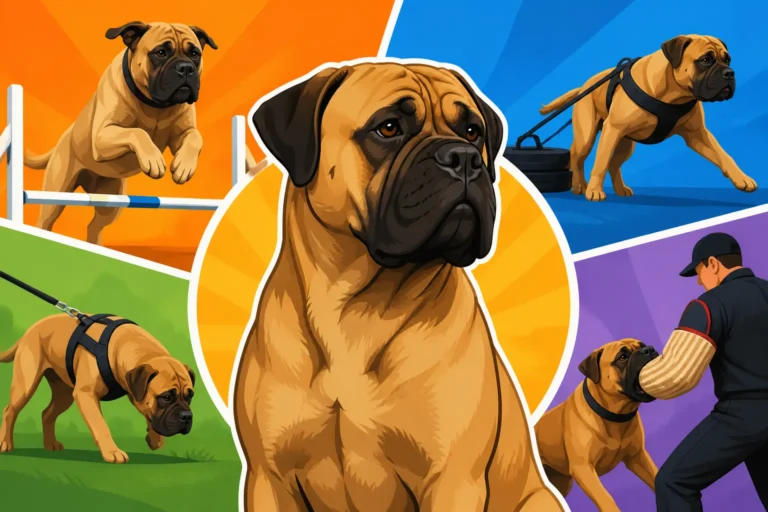
Given their tendency to process information deliberately, long, drawn-out training sessions are a recipe for disengagement. Bullmastiffs have a relatively short attention span for formal "work." Aim for short bursts of training – perhaps 5-10 minutes, two or three times a day. These sessions should be fun, positive, and end on a high note, even if it's just a simple "sit" they've mastered. This keeps them enthusiastic and eager for the next session. During these mini-sessions, focus on one or two commands, and once they've demonstrated understanding, reward them generously and end the session before they get bored or frustrated. Variety within these short sessions can also help. One session might focus on "stay," another on Teaching a Bullmastiff to Walk on Leash, and a third on a fun trick. This keeps their intelligent minds stimulated without overwhelming them.
Breaking Down Commands into Small Steps
For a dog that pauses to think, breaking down complex commands into their simplest components is incredibly effective. Instead of expecting a perfect "heel" from day one, start by rewarding them for simply walking beside you for one step, then two, then three. Use a technique called "luring" with a treat to guide them into position, then fade the lure as they understand the verbal command. For a command like "stay," start with just a second of stillness, then reward. Gradually increase the duration and distance. This method, often called "shaping," builds confidence and allows the Bullmastiff to "figure it out" in manageable chunks. It respects their processing time and ensures they're successful at each stage, making them more likely to continue trying. This is particularly important when training larger, more powerful commands like reliable recall, as a Bullmastiff's size means their mistakes can have significant consequences.
Harnessing Their Natural Guardian Instincts
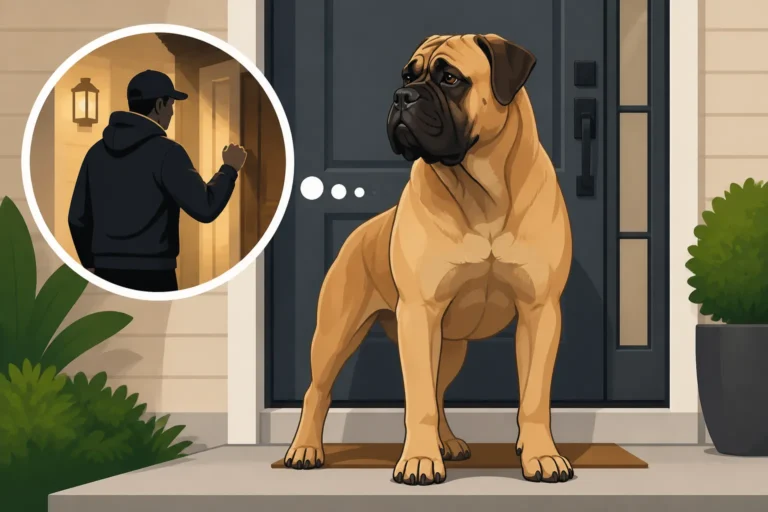
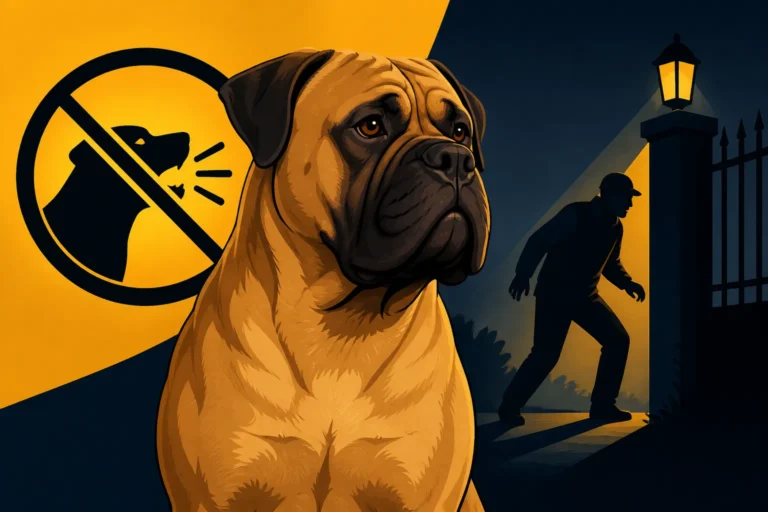
While you should never encourage aggression, you can certainly channel a Bullmastiff's natural guardian instincts in positive ways. They are inherently observant and protective of their home and family. Instead of trying to suppress this, understand it. Teach them a solid "alert" bark (e.g., one or two barks when someone comes to the door) followed by a "quiet" command. Reward the quiet. This teaches them to communicate threats appropriately, rather than endlessly barking or being overly suspicious. Their natural inclination to A Bullmastiff Was Bred to Hold a Man, Not Bite Him means they are often more inclined to body block or stand between you and a perceived threat rather than engaging aggressively. You can reinforce this calm, protective presence by giving them a designated "place" command when guests arrive, or teaching them to sit calmly near the door. Products available on Amazon, such as durable, puzzle-style treat dispensers, can also help redirect their energy and focus when new people are around, giving them a "job" to do rather than letting their guardian instincts take over in an untrained manner.
Addressing Common Challenges with a Deliberate Dog
Owning a Bullmastiff means accepting their unique approach to the world, which sometimes comes with specific challenges. Understanding these and having strategies to address them will make your life together much smoother.
The "Wait and See" Approach to New Situations
One of the most defining aspects of the Bullmastiff's deliberate nature is their "wait and see" response to anything new or potentially startling. A sudden loud noise, a strange object, or an unexpected encounter might not elicit a jump or a bark, but rather a solid pause. They will plant their feet, assess, and decide if it's worth a reaction. This can sometimes be perceived as fear or uncertainty, but it's often their way of processing. If they decide it's not a threat, they'll usually move on. If they deem it suspicious, they might offer a low growl or subtle body block. The key for you, as the owner, is to remain calm and confident in these moments. Your reaction will heavily influence theirs. If you tense up or show fear, they will interpret that as validation of a threat. If you calmly investigate the new object or sound, they will often follow your lead. This is another reason why A Bullmastiff Is Not Grown Up Until Three is so important to remember; their maturity means they continue to refine this "wait and see" assessment well into their adult years.
Managing Leash Reactivity and Pulling
Walking a Bullmastiff can be a true test of strength and patience. Their sheer bulk means Training a Bullmastiff That Weighs More Than You Do is a serious endeavor, and they can easily pull an unprepared handler off their feet. Many Bullmastiffs develop leash reactivity not out of aggression, but out of their natural protective instincts combined with a desire to investigate. Their "wait and see" can turn into a stubborn refusal to move, or a sudden lunge if something catches their eye. A well-fitting, comfortable harness that discourages pulling, like a front-clip harness from brands widely available on Amazon, can be incredibly helpful. These harnesses redirect their pulling power back towards you, making it harder for them to drag you. Consistency in training is vital here. Practice loose-leash walking in quiet environments, rewarding every step taken without tension on the leash. If they hit the end of the leash and pull, simply stop moving. Wait for the tension to release, then praise and continue. This teaches them that pulling gets them nowhere. For dogs with significant pulling issues, working with a professional trainer can provide tailored strategies and support to help How to Walk a Bullmastiff That Outweighs You.
When a Bullmastiff Refuses to Comply
There will be times when your Bullmastiff, despite all your patient training, simply refuses to do what you ask. They might sit there, looking at you with that all-knowing stare, and not budge. Before you get frustrated, take a breath. First, ask yourself: are they in pain or uncomfortable? Even the most stoic Bullmastiff will resist if something hurts. Second, is the environment too distracting? Sometimes they are so busy processing everything else that your voice gets lost. Third, is the command clear? Have you been consistent? If you’ve ruled out pain and confusion, then it might be a test of wills – not defiance, but their inherent decision-making process. In these moments, avoid shouting or physical force. Instead, try to reset. Walk a few steps away, then calmly ask again. Offer a high-value treat as a lure. Sometimes, simply walking away and then reappearing with renewed enthusiasm (and a treat!) can break the stalemate. Remember, How a Bullmastiff Responds to Correction is usually by shutting down, so keep it positive and persuasive.
Living with a Bullmastiff Who Thinks Before Acting
Embracing the Bullmastiff's deliberate nature is key to a harmonious relationship. Once you learn to appreciate their thoughtful approach, you'll find immense joy and loyalty in their unique personality.
Patience as Your Most Important Virtue
If there's one trait every Bullmastiff owner must possess, it's patience. Loads of it. From their puppyhood, when The First Year With a Bullmastiff Puppy involves slower physical and mental development compared to many breeds, to their adult years, their deliberate nature means things often happen on "Bullmastiff time." You’ll learn to wait for them to finish their meal, to consider your command, to slowly get up from their nap. Rushing a Bullmastiff rarely works and often leads to them digging in their heels even more. Instead, practice mindfulness. Take a deep breath. Use those moments of pause to appreciate their calm presence. This patience isn't just for training; it's for daily life. It allows you to anticipate their actions, understand their subtle cues, and build a relationship based on mutual understanding rather than constant demands.
Appreciating Their Loyal and Calm Demeanor
The flip side of a Bullmastiff's deliberate nature is their incredibly calm and loyal demeanor. They aren't prone to frantic energy or incessant barking. Once they've assessed a situation and deemed it safe, they are usually content to observe quietly, often from a comfortable spot near their family. This calm presence is one of the most treasured aspects of the breed. They become a comforting, steady anchor in your home. That "pause to decide" eventually leads to a rock-solid commitment to you and your family. Their loyalty runs deep, and their calm, watchful eyes convey a profound sense of protection and affection. They might not leap at your every command, but when it truly matters, they will be there, steady and unshakeable. What a Bullmastiff Does All Day is often a lot of quiet observation and napping near their people, interspersed with short bursts of activity.
The Deep Bond Formed Through Understanding
When you take the time to truly understand your Bullmastiff's unique psychology, the bond you form becomes exceptionally deep. It's a relationship built not on blind obedience, but on respect, communication, and mutual understanding. You learn their subtle cues, their particular sighs, the tilt of their head that means they're processing. They learn that you are a reliable, fair leader who communicates clearly and rewards generously. This isn't a dog that merely tolerates your presence; it's a dog that truly partners with you. That moment when they finally understand a command, after their characteristic deliberation, and then execute it with that big, pleased Bullmastiff grin, is incredibly rewarding. It signifies that they've not only done what you asked but chosen to do it, making the effort all the more meaningful.
Recognizing the Difference Between Deliberation and Disobedience
While a Bullmastiff's deliberate nature is a hallmark of the breed, it's important to distinguish between their thoughtful processing and genuine behavioral issues or health concerns. Sometimes, a "pause" might be a sign of something more than just contemplation.
Health Concerns vs. Behavioral Traits
Occasionally, what appears to be a sudden increase in "stubbornness" or a reluctance to move could be a sign of an underlying health issue. Bullmastiffs are a large breed and prone to certain orthopedic problems like hip or elbow dysplasia, even at a young age, and as they get older, arthritis is common. If your usually willing Bullmastiff suddenly becomes more resistant to getting up, climbing stairs, or going for walks, your first step should always be a vet visit. They are stoic dogs and can hide pain well, so a change in their willingness to move or comply could be their subtle way of communicating discomfort. Other issues, like low thyroid (How Hypothyroidism Presents in a Bullmastiff), can also cause lethargy or a lack of enthusiasm. Never assume it's "just being a Bullmastiff" if there's a noticeable shift in their behavior or willingness.
Age and Maturity in Bullmastiffs
It's crucial to remember that Bullmastiffs mature slowly, both physically and mentally. While many breeds are considered adult by 18 months, a Bullmastiff truly isn't "grown up" until around three years old. This means that throughout their adolescence (When a Bullmastiff Hits Adolescence), they are still developing their understanding of the world, their role in the family, and their responses to commands. What might seem like deliberate defiance in a younger Bullmastiff could simply be immaturity or a lack of full comprehension. Patience is key during these formative years. Consistent, positive reinforcement training must continue well past their first birthday. Just because they know a command doesn't mean they'll execute it perfectly or immediately every time, especially if they are still mentally "filling out." Keep training fun and engaging, reinforcing good habits and gently redirecting unwanted ones.
Seeking Professional Guidance
While much can be achieved through self-education and consistent effort, sometimes you might encounter challenges that require a professional eye. If you find your Bullmastiff's deliberate nature is truly hindering your ability to live harmoniously, if they are displaying any signs of aggression, or if you're struggling with specific training issues like severe leash pulling or reactivity, don't hesitate to seek professional help. A qualified positive reinforcement trainer or a veterinary behaviorist can provide invaluable insight and tailored strategies specific to your dog's needs and your family's dynamics. They can help you decipher whether your Bullmastiff is truly being deliberate, struggling with anxiety, or if there's a misunderstanding in your communication. Organizations like BAXTER & Bella offer online resources and even one-on-one coaching that can be a fantastic way to get expert guidance from the comfort of your home, ensuring your Bullmastiff receives the specialized training they need. Whether a Bullmastiff Needs a Professional Trainer often comes down to the owner's experience and the dog's individual challenges.
In summary, the Bullmastiff who "pauses to decide whether you are worth it" isn't being disrespectful; they are being true to their heritage. They are thoughtful, discerning, and deeply loyal. With patience, understanding, and consistent positive reinforcement, you’ll find that their thoughtful approach to life is one of their most endearing qualities, leading to a profound and rewarding partnership.
| Bullmastiff Behavior Observation | Common Misinterpretation | Underlying Reason/Strategy |
|---|---|---|
| Pauses before obeying a command | Stubbornness, defiance | Deliberate processing; assessing command clarity and value |
| Reluctance to move or engage | Laziness, lack of drive | May be processing, uncomfortable, or need higher motivation |
| Slowly warms up to strangers | Shyness, unsociable | Inherently protective; needs time to assess new individuals |
| Doesn't jump up or bark excessively | Unresponsive, aloof | Bred for silent guardian work; calm and observant nature |
| Resistant to harsh corrections | Spiteful, untrainable | Highly sensitive; shuts down with negative reinforcement; needs positive methods |
| Slow to learn new tricks quickly | Not intelligent | Learns by observation & repetition, not rapid-fire problem solving |
Disclaimer
This article is for general informational purposes only and does not constitute professional advice. Laws, prices and regulations vary by location and change over time. Consult a qualified professional for guidance on your specific situation.