Teaching a Bullmastiff to Walk on Leash
It's one of the most common frustrations Bullmastiff owners face: that moment when your big, loving companion decides a squirrel, a leaf, or another dog is far more interesting than walking politely by your side. Suddenly, you're not walking your dog; your dog is walking you, often with the force of a small horse! This guide is here to help you navigate the unique challenges of leash training a Bullmastiff, offering empathetic, practical advice to turn those walks into enjoyable bonding experiences for both of you.
Understanding Your Bullmastiff's Leash Walking Habits
Before we even talk about collars and cues, it's vital to understand why your Bullmastiff behaves the way they do on a leash. They aren't being malicious or deliberately disobedient; their actions stem from their natural instincts, immense size, and often, a lack of clear communication from us.
The Sheer Power of a Bullmastiff
Let's be real: you're tethered to a dog that can easily weigh over 100 pounds, sometimes pushing towards 130 or even more for a large male. That's a lot of muscle, bone, and sheer mass. When a dog of this magnitude decides to pull, it's not just a little tug; it's a full-body commitment. Many Bullmastiff owners, even those who are fit and strong, can quickly find themselves off-balance, dragged, or feeling completely overwhelmed. This physical reality means that traditional training methods that might work for a smaller, less powerful breed simply aren't as effective, or safe, for a Bullmastiff. It's not about winning a tug-of-war; it's about preventing it from ever starting.
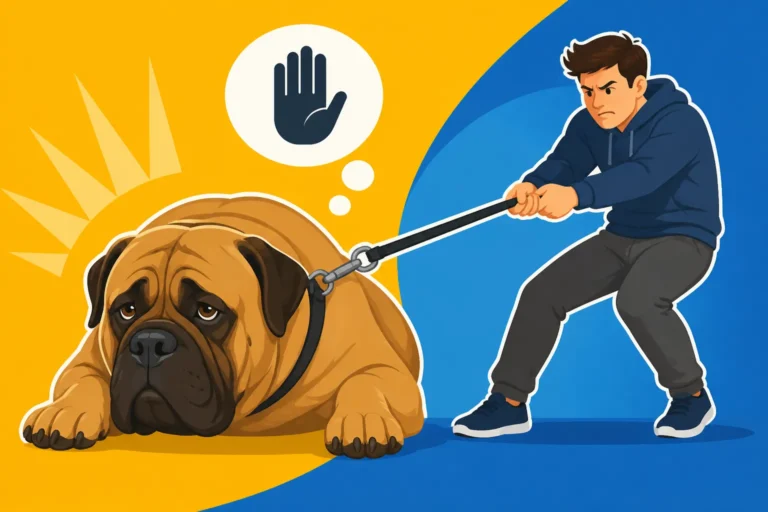
Furthermore, their deliberate nature, which is so charming indoors, can sometimes translate to stubbornness on walks. A Bullmastiff can plant its feet and decide that it's simply not moving. This isn't usually defiance; it's often a sign that they're unsure, overstimulated, or simply decided they'd rather investigate that interesting smell for another five minutes. They are generally not a breed that thrives on being physically forced to comply, which is why understanding Why a Bullmastiff Cannot Be Physically Made to Do Anything is crucial for effective training.
Natural Instincts and Distractions
Bullmastiffs were originally bred as gamekeepers' night watchmen, tasked with silently tracking and holding poachers. While they aren't often asked to perform those duties today, remnants of those instincts remain. They have a strong sense of smell and a natural curiosity about their surroundings. Every new scent, every rustle in the bushes, every passing dog or person is an invitation to investigate. This intense focus on their environment can easily override any polite leash manners they might have learned.
They might not pull constantly, but the moment something catches their attention, that natural impulse to follow, investigate, or even guard can kick in, resulting in a sudden, powerful lunge. It's not that they forget their training; it's that the environmental stimulus is incredibly powerful, and they haven't learned how to politely manage that impulse while on a leash. Recognizing What Motivates a Bullmastiff will help you use their natural inclinations for good during training.
Essential Tools and Gear for Leash Training
Having the right equipment is not a substitute for training, but it can make the training process significantly easier and safer for both you and your Bullmastiff. Given their size and strength, you'll want to invest in sturdy, reliable gear.
Collar Options
When it comes to collars, you have a few choices, each with its own benefits and drawbacks for a Bullmastiff:
- Flat Collars: These are your standard buckle or clip collars. They are good for carrying ID tags and general use, but they offer very little control for a pulling Bullmastiff. If your dog pulls significantly, a flat collar can put undue pressure on their throat, potentially causing discomfort or even injury. For initial training or for dogs that rarely pull, they're fine, but they're not the best primary training tool.
- Martingale Collars: Also known as "limited-slip" collars, these are designed to provide more control without choking your dog. When your Bullmastiff pulls, the martingale tightens, but only to a certain point, preventing them from slipping out of the collar (which is a real concern for broad-necked breeds like Bullmastiffs) and giving you a bit more leverage. They distribute pressure more evenly around the neck than a flat collar when tightened. These can be a good intermediate step.
- Head Halters: These tools loop around your dog's muzzle and behind their ears, attaching the leash under their chin. The principle is that where the head goes, the body follows. A head halter gives you a lot of control with minimal physical effort, making it a great option for owners who struggle to manage a strong puller. It redirects their head, gently turning them back towards you when they pull. For many Bullmastiff owners, a head halter can be a game-changer, especially when you need to walk your dog safely in public areas. However, some dogs initially resist them, trying to paw them off, and they require a proper introduction to ensure comfort. You might want to consider Whether a Head Halter Suits a Bullmastiff for your dog.
Harness Choices
Harnesses are another popular option, and they come in different styles:
- Back-Clip Harnesses: These harnesses attach the leash at the dog's back. While comfortable and reducing pressure on the neck, they often exacerbate pulling in strong dogs like Bullmastiffs. The way the leash attaches actually encourages them to lean into the pull, making it easier for them to drag you along. For this reason, they are generally not recommended for Bullmastiffs that are still learning polite leash manners, unless used in conjunction with other training strategies.
- Front-Clip Harnesses: This style features a leash attachment point on the dog's chest. When your Bullmastiff pulls, the leash attachment redirects them sideways, essentially turning them back towards you instead of allowing them to lunge forward. This can significantly reduce pulling power and help them understand that pulling is counterproductive. Many owners find these to be incredibly effective. Look for a robust, well-padded front-clip harness to ensure comfort for your substantial dog. Checking Which Harness Suits a Bullmastiff for specific recommendations can be helpful.
Leash Selection
Don't underestimate the importance of your leash! For a Bullmastiff, you need a strong, durable leash.
- Material: Opt for thick nylon or leather. Avoid thin, flimsy leashes that can snap or cause rope burn on your hands.
- Length: A 4-6 foot leash is generally ideal for everyday walking. It provides enough slack for your dog to explore a bit while still keeping them close enough for you to maintain control. Retractable leashes are a definite no-go for Bullmastiffs; they teach dogs that pulling extends their range and offer very little control when you need to quickly intervene.
You can explore various options for sturdy leashes and harnesses on platforms like Amazon, ensuring you find something built to withstand the strength of a Bullmastiff.
| Leash Training Tool | Pros for Bullmastiffs | Cons for Bullmastiffs | Best Use Case |
|---|---|---|---|
| Flat Collar | Lightweight, comfortable for non-pullers | Little control, can hurt throat if dog pulls | Carrying ID, trained polite walkers |
| Martingale Collar | Prevents slipping, good control without choking | Still applies neck pressure if dog pulls hard | Intermediate training, preventing escape |
| Front-Clip Harness | Redirects pulling effectively, reduces pulling power | Can sometimes cause awkward gait if ill-fitting | Primary training tool for active pullers |
| Head Halter | Maximum control with minimal effort, gentle | Requires careful introduction, some dogs resist initially | For strong pullers, owners needing maximum control |
| Standard 4-6 ft Leash | Durable, clear communication, consistent length | No inherent pull-reduction, relies on handler | All training and walking, paired with effective collar/harness |
Step-by-Step Leash Training Techniques
Now that you're geared up, let's talk about the actual training. The key with a Bullmastiff is consistency, patience, and positive reinforcement. They learn best when they understand what you want them to do, rather than being constantly corrected for what they're doing wrong.
Start Indoors or in a Quiet Area
Don't dive into a busy park on day one. Begin your leash training journey in a low-distraction environment, such as your living room or a quiet backyard. The goal here is to get your Bullmastiff comfortable with wearing the collar/harness and the leash, and to understand the very basic concept of walking politely beside you.
- Getting Used to the Gear: Let your Bullmastiff wear their collar or harness for short periods, especially around meal times or during playtime, so they associate it with positive experiences. Don't leave it on unsupervised, especially the leash.
- First Steps with the Leash: Attach the leash and let them drag it around for a few minutes while you supervise (again, don't leave them alone with it). This helps them get used to the feel. Then, pick up the leash and simply walk a few steps. As they walk beside you (or even just near you without pulling), immediately praise them and offer a high-value treat. Keep these sessions very short and positive. The moment they start to pull, stop. The moment there's slack, reward.
The "Be a Tree" Method
This is a classic for a reason, and it's incredibly effective for powerful dogs. The concept is simple: if your Bullmastiff pulls on the leash, you immediately stop moving. Become a "tree." Stand still, don't say anything, and don't yank the leash back. Just wait.
- The Moment of Slack: The instant your Bullmastiff stops pulling and the leash slackens, even for a second, immediately take a step forward and praise them with a cheerful "Good!" or "Yes!" and offer a treat.
- Consistency is Key: Every time they pull, you stop. Every time they create slack, you move forward and reward. Your Bullmastiff will quickly learn that pulling gets them nowhere, but a loose leash means forward momentum and good things. This might mean your first few "walks" are very short and involve a lot of stopping and starting, but it builds a strong foundation. This teaches them that you control the forward movement, not their pulling.
Rewarding Position, Not Just Slack
Beyond just a loose leash, you want your Bullmastiff to learn to walk in a specific, comfortable position, usually by your side (heel position).
- Lure and Reward: Hold a treat near your hip on the side you want them to walk. Lure them into position and, as they walk a step or two correctly, mark the behavior with a verbal cue like "Heel" or "Let's go," and reward them.
- Frequent Rewards: Especially in the beginning, reward frequently – every few steps if they are maintaining a good position and a loose leash. As they improve, you can gradually reduce the frequency of treats, but always keep praise consistent.
- Change of Direction: Bullmastiffs can be very focused. To keep their attention on you, incorporate frequent changes of direction. If they start to forge ahead, simply turn and walk in the opposite direction. This forces them to pay attention to you to avoid being pulled. When they adjust and catch up, reward them. This technique is great for reinforcing that you are leading the walk.
For some owners, getting these techniques down pat can be challenging. Online training programs, such as those offered by BAXTER & Bella, can provide excellent structured guidance and video demonstrations to help you implement these steps effectively.
Troubleshooting Common Leash Walking Challenges
Even with the right tools and consistent training, you'll encounter specific Bullmastiff-related hurdles. Their unique temperament and sheer size can present some interesting challenges.
The Bullmastiff Who Becomes a "Statue"
It's a common Bullmastiff maneuver: they stop dead in their tracks, refusing to move forward. This can happen for many reasons – they've picked up an interesting scent, they're unsure about something ahead, or they simply don't feel like moving right now. Trying to physically drag a 100+ pound Bullmastiff is usually futile and potentially damaging to your relationship.
- Assess the Situation: First, calmly assess why they've stopped. Are they scared? Overstimulated? Just plain stubborn?
- Patience and Luring: If it's pure stubbornness or curiosity, often a little patience and gentle luring will work. Get down to their level, show them a high-value treat, and offer an encouraging verbal cue like "Let's go!" or "Come on!" You might need to gently back away a step or two, creating a small amount of tension that encourages them to step forward towards you and the treat.
- Change of Direction: If luring doesn't work, sometimes a sharp, cheerful turn in a completely different direction (even if it's just a few feet) can break their focus and get them moving again. The key is not to get frustrated; remain calm and persistent. This is a perfect scenario for remembering What to Do When a Bullmastiff Refuses to Move.
Dealing with Distractions
Bullmastiffs can be surprisingly sensitive to their environment, and distractions can easily derail even the best-trained dog. Other dogs, people, squirrels, loud noises, or unfamiliar objects can all trigger a pull or a stop.
- Proactive Management: Start training in quiet areas and gradually introduce more distractions as your Bullmastiff improves. When you see a potential distraction coming, immediately work to get your Bullmastiff's attention before they react. Use a treat, a happy voice, or a unique sound to get them to look at you.
- "Watch Me" Command: Teach a solid "Watch Me" command. When a distraction appears, ask for their attention, reward them for looking at you, and then continue walking. This teaches them that focusing on you, even with distractions around, leads to good things.
- Distance is Your Friend: If your Bullmastiff is highly reactive to certain distractions (like other dogs), increase the distance between them and the distraction. Find a spot where they can observe without reacting, reward them for calm behavior, and slowly decrease the distance over time as they gain confidence. Remember that their adolescent phase can bring new challenges, so patience is especially important When a Bullmastiff Hits Adolescence.
Consistency, Patience, and Realistic Expectations
Leash training a Bullmastiff is not a one-and-done event. It's an ongoing process that requires consistent effort throughout their lives. Bullmastiffs are not known for being the fastest learners, and their deliberate nature means they often pause to "think" about a command before executing it. This can be mistaken for defiance, but it's often just their process.
- Short, Frequent Sessions: Instead of long, frustrating training sessions, aim for short, frequent bursts of training throughout the day. Five to ten minutes, several times a day, will yield much better results than one hour-long session once a week.
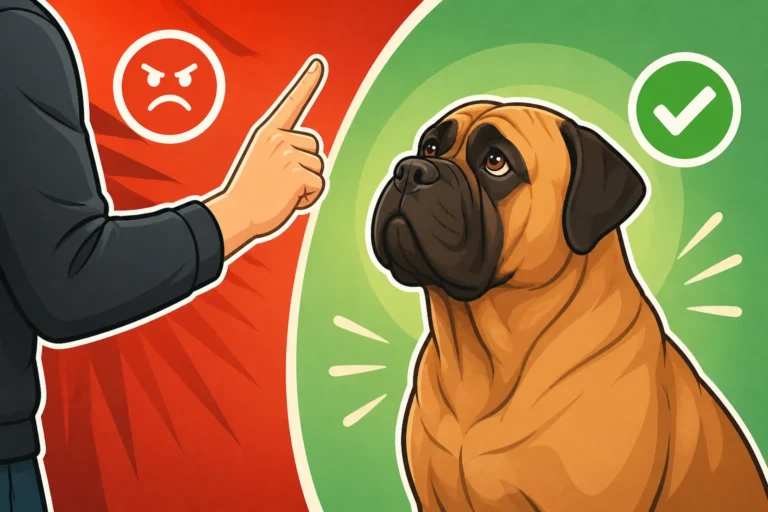
- Positive Reinforcement is Paramount: Yelling, yanking on the leash, or using harsh corrections will likely make your Bullmastiff shut down or become resistant. They respond much better to positive reinforcement, praise, and high-value treats. Keep it upbeat and fun! Understanding How a Bullmastiff Responds to Correction will highlight why gentle methods are best.
- Don't Expect Perfection: You're working with a large, powerful animal with natural instincts. There will be days when they're fantastic, and days when they seem to have forgotten everything. Celebrate the successes, learn from the setbacks, and remember that every walk is a new opportunity to reinforce good habits. Their maturity comes later than many breeds, so keep in mind When a Bullmastiff Finally Settles Down before you expect absolute perfection. While they may require less strenuous exercise than some breeds, consistent walks are still important for How Much Exercise a Bullmastiff Needs and for reinforcing good habits.
With the right approach and unwavering patience, you can transform your Bullmastiff's leash manners, making walks a joy for both of you.
Disclaimer
This article is for general informational purposes only and does not constitute professional advice. Laws, prices and regulations vary by location and change over time. Consult a qualified professional for guidance on your specific situation.