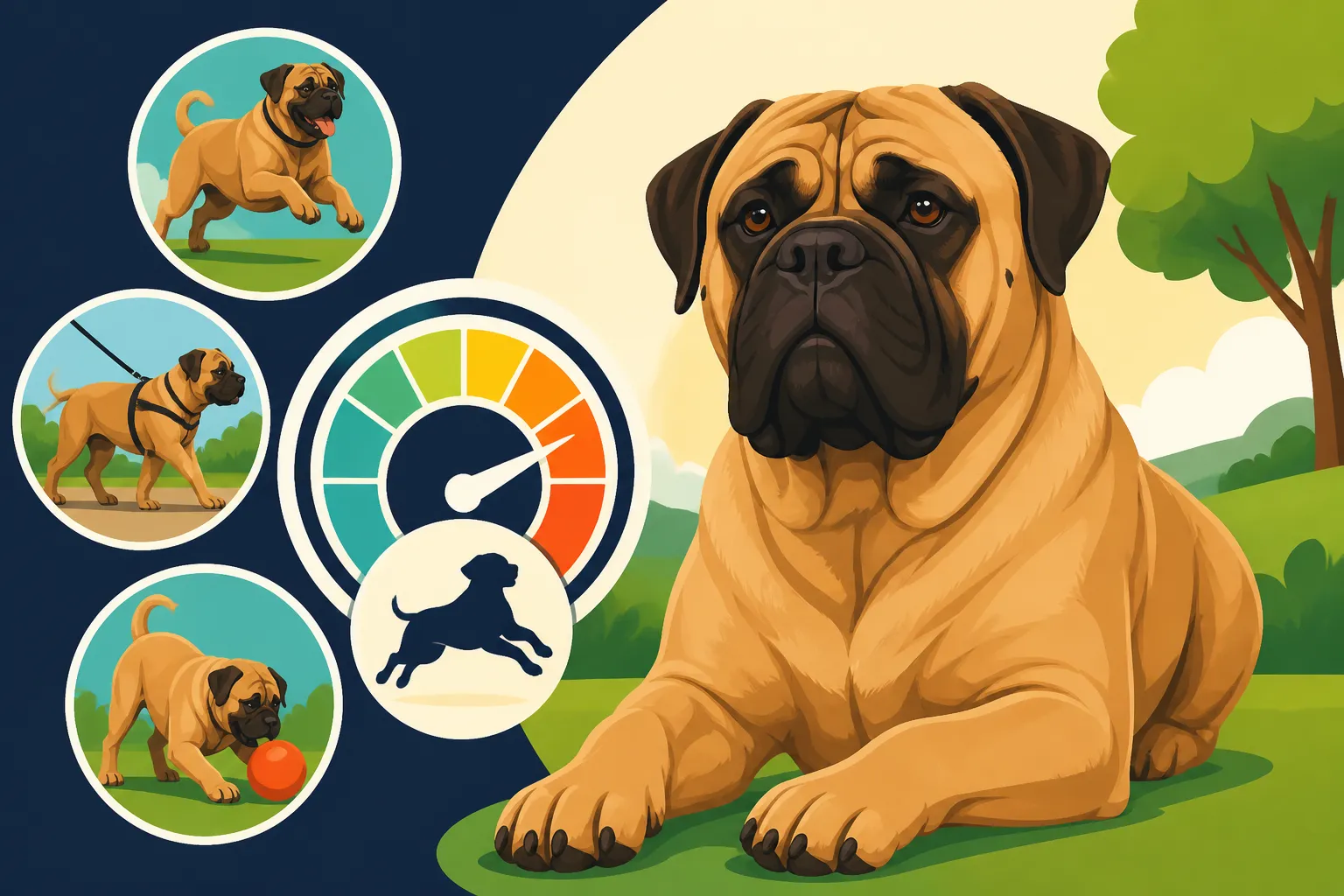
How Much Exercise a Bullmastiff Needs
It's easy to look at a majestic Bullmastiff and assume they either need to run marathons or are content to be a permanent fixture on the sofa. The truth is, neither extreme quite hits the mark, and misunderstanding their unique exercise needs can lead to behavioral issues, joint strain, or even dangerous overheating. This comprehensive guide will help you understand just how much, and what kind, of exercise your Bullmastiff truly thrives on, ensuring a happy, healthy, and well-adjusted companion.
Understanding the Bullmastiff's Energy Profile
Many people are surprised by a Bullmastiff's exercise requirements. They are a large, powerful breed, but their history and physical build dictate a different kind of activity level than, say, a high-energy working dog. It's crucial to appreciate this balance.
Breeding History and Energy Levels
The Bullmastiff was originally developed in England to be a "Gamekeeper's Night Dog." Their job was to silently track and hold poachers without mauling them, working primarily under the cover of darkness. This meant they needed bursts of speed and immense strength, but also incredible patience and the ability to conserve energy for long periods of watchful waiting. They were not bred for endurance running across vast fields all day.
This heritage means your Bullmastiff isn't going to be a dog that needs to log five miles a day to stay sane. Their energy is often described as "bursty" – they can play hard for a short while, or maintain a powerful walk, but they're not built for sustained, high-impact activities. Understanding this helps you manage expectations and plan appropriate activities that respect their physical limitations and historical role. The Bullmastiff Was Built to Catch Poachers in the Dark sheds more light on their origins.
Temperament and Drive for Activity
Beyond their physical build, a Bullmastiff's temperament also plays a huge role in their activity drive. They are known for being calm, confident, and somewhat deliberate. They're not typically the frantic, bouncing-off-the-walls type of dog that constantly seeks action. This calm demeanor often leads owners to underestimate their need for structured exercise and mental stimulation.
While they might appear lazy, a bored or under-stimulated Bullmastiff can still become destructive or develop unwanted behaviors. Their intelligence and protective instincts mean they need purpose, even if that purpose is just a daily "patrol" of the neighborhood with you. They thrive on routine and knowing what's expected of them, which includes their exercise schedule.
Exercise Needs by Age
A Bullmastiff's exercise requirements change significantly throughout their life, from fragile puppyhood to their senior years. Tailoring activity to their age is paramount for their long-term health, especially given the breed's propensity for joint issues.
Puppyhood: Slow and Controlled Growth
This is perhaps the most critical stage for managing a Bullmastiff's exercise. Growing too fast, or engaging in too much high-impact activity, can wreak havoc on their developing joints, particularly hips and elbows. A Bullmastiff puppy needs carefully moderated exercise to ensure their bones and growth plates develop correctly. Think short, frequent play sessions on soft surfaces rather than long walks or intense running.
Puppies need plenty of free play in a safe, confined yard – chasing a ball, wrestling with a littermate or another well-socialized, gentle dog, exploring. But keep these sessions short, typically no more than 5-10 minutes a few times a day, especially on hard surfaces. Forced exercise, like long walks on a leash, should be kept very brief initially, gradually increasing as they grow. A good rule of thumb often cited is five minutes of structured exercise per month of age, twice a day, but even this needs careful observation of your puppy. The Exercise Limit for a Bullmastiff Puppy provides more specific guidance.
Adolescent Energy Bursts
Around 6 months to 18 months, your Bullmastiff enters adolescence. This phase can be a bit of a rollercoaster. They might have bursts of seemingly boundless energy, followed by long naps. While their bones are still developing, they can handle a bit more activity than in their youngest puppy days, but caution is still advised. Avoid activities that involve excessive jumping, twisting, or hard stops and starts, which can stress still-developing joints.
This is a great time to focus on structured walks, obedience training that incorporates movement, and perhaps light trotting. These activities build muscle tone, which supports their joints, and burn off some of that adolescent exuberance without overtaxing their system. Remember, consistency is key, and mental engagement during these activities is just as important as the physical exertion. When a Bullmastiff Finishes Maturing highlights the extended growth period of the breed.
Adult Routine: Consistent, Moderate Activity
Once your Bullmastiff is fully mature, typically around 18 months to 2 years, they'll settle into a more predictable routine. Adult Bullmastiffs generally thrive on 30-60 minutes of moderate exercise daily, broken into one or two sessions. This could be a brisk walk around the neighborhood, some playtime in a securely fenced yard, or a gentle hike. The goal is to keep them physically fit and mentally stimulated without overdoing it.
Consistency is vital. Skipping days or weeks of exercise and then trying to compensate with an intense session can be detrimental. Regular, moderate activity helps maintain a healthy weight, strengthens muscles, and keeps their joints mobile. A solid routine also provides structure, which Bullmastiffs appreciate. Keeping them lean is paramount for their joint health, making exercise an important part of their overall wellness plan. Keeping a Bullmastiff Lean Is the Best Thing You Can Do offers more insight.
Senior Adjustments: Comfort and Gentleness
As your Bullmastiff enters their senior years, typically around 6-7 years old, their exercise needs will naturally decrease. Arthritis, joint pain, and reduced stamina become more common. It's important to be observant and adjust their routine accordingly. Short, gentle walks, perhaps more frequent but even shorter, become the norm. Focus on maintaining mobility and muscle tone without causing discomfort.
Swimming can be an excellent low-impact exercise for senior Bullmastiffs if they enjoy it and have access to a safe, supervised environment. It allows them to use their muscles without putting strain on their joints. Consider orthopedic bedding to support their aging bodies after exercise. Bedding and Joints for a Hundred and Thirty Pound Bullmastiff discusses important considerations for older dogs. Always consult your vet to tailor an exercise plan that suits your senior dog's specific health status.
Types of Exercise and Activities
Not all exercise is created equal, especially for a Bullmastiff. While they might not be agility champions, there are plenty of ways to keep them active and engaged.
Walking and Leash Work
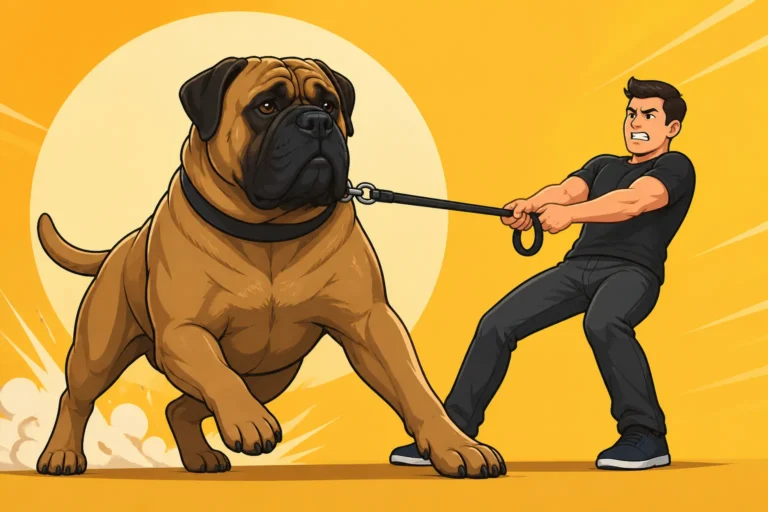
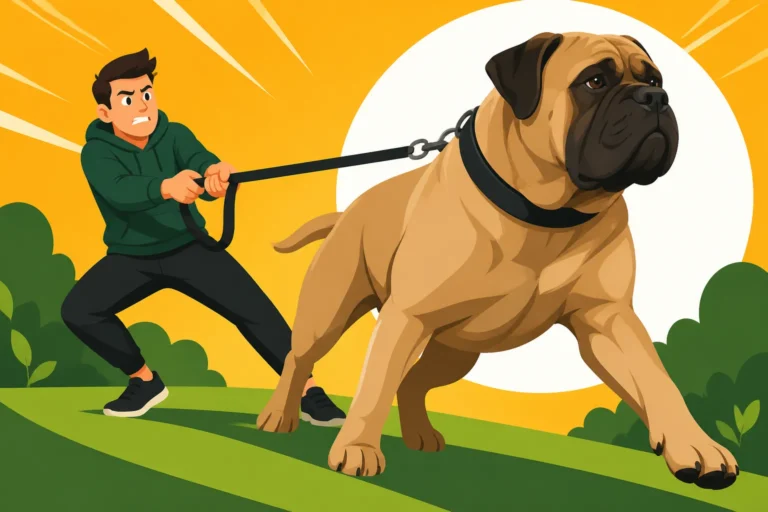
Daily walks are the cornerstone of a Bullmastiff's exercise routine. These shouldn't just be a quick potty break; they should be a purposeful stroll that allows them to explore scents, see new sights, and engage their minds. A 20-30 minute brisk walk, twice a day, is often ideal for an adult Bullmastiff. For their safety and yours, reliable leash manners are non-negotiable, given their size and strength. A well-fitting harness can help manage their power. You might find a sturdy, comfortable harness on Amazon that distributes pressure evenly.
Beyond the physical exertion, walks offer immense mental enrichment. The world is full of interesting smells and sounds, which stimulate their brains. Vary your routes to keep things interesting. Practicing polite leash walking, heeling, and checking in with you transforms a simple walk into a valuable training and bonding session. Training a Bullmastiff That Weighs More Than You Do can offer more tips on managing a powerful dog on leash.
Mental Stimulation and Brain Games
For a breed as intelligent and thoughtful as the Bullmastiff, mental exercise is just as important as physical activity. A mentally tired Bullmastiff is often a well-behaved Bullmastiff. Puzzle toys, snuffle mats, and scent games are excellent ways to engage their minds. Hiding treats around the house and encouraging them to find them uses their natural tracking abilities and provides a sense of accomplishment.
Enrolling in an online training program can also offer fantastic mental stimulation. Platforms like BAXTER & Bella provide structured lessons that go beyond basic obedience, teaching tricks, advanced cues, and problem-solving skills. These activities challenge their intellect, prevent boredom, and strengthen the bond between you and your dog. Even short, daily training sessions of 10-15 minutes can make a big difference in their overall well-being.
Playtime and Games
While not built for sustained running, Bullmastiffs often enjoy short bursts of play. Tug-of-war (with clear rules about dropping the toy), fetch (on soft surfaces and for limited duration), and interactive play with a flirt pole can all be great ways to burn energy. Always ensure play is supervised and appropriate for their age and physical condition. For instance, a Bullmastiff puppy should not be encouraged to jump excessively for toys.
Remember to tailor the intensity. A few throws of a ball followed by a rest, or a brief tugging session, is usually enough. Observe your dog for signs of fatigue or overheating, especially on warmer days. Play should be about enjoyment and engagement, not exhaustion.
Recognizing Signs of Under or Over-Exercise
It's a delicate balance to strike, and your Bullmastiff will communicate their needs if you know how to listen. Paying attention to both behavioral and physical cues is essential.
Behavioral Cues
An under-exercised Bullmastiff might display a range of undesirable behaviors. This could manifest as destructive chewing, excessive barking, digging, or general restlessness around the house. They might seem "antsy" or constantly seek attention in disruptive ways. A Bullmastiff that's always leaning on you or nudging you for interaction, even after a meal, might be telling you their mind isn't tired enough.
Conversely, a Bullmastiff that's been over-exercised might seem lethargic, reluctant to move, or even a bit grumpy. They might refuse to go for their usual walk or seem less enthusiastic about playtime. Pay close attention to changes in their usual demeanor. A Bullmastiff is typically a calm dog, so persistent restlessness or unusual irritability could be a sign their exercise routine isn't quite right.
Physical Indicators
Physical signs are critical, especially given the Bullmastiff's health predispositions.
An under-exercised Bullmastiff might start to gain weight, leading to health issues down the line. They might lose muscle tone and appear less athletic. Check their body condition regularly: you should be able to easily feel their ribs without seeing them, and they should have a discernible waist.
| Exercise Level | Common Behavioral Signs | Common Physical Signs |
|---|---|---|
| Under-Exercised | Destructive chewing, restlessness, excessive barking, seeking disruptive attention, lethargy (paradoxically due to lack of stimulation) | Weight gain, poor muscle tone, stiff movement from lack of use |
| Well-Exercised | Calm, content, sleeps well, eager to engage in appropriate activities, responsive to training | Healthy weight, good muscle tone, agile movement for their breed |
| Over-Exercised | Reluctance to move, excessive panting, limping, irritability, excessive sleeping | Lameness, joint pain, excessive panting, overheating, muscle soreness, exhaustion |
Signs of over-exercise can be more immediately dangerous. These include limping, stiffness, excessive panting that doesn't subside quickly, staggering, or a refusal to move. Overheating is a major concern for Bullmastiffs due to their brachycephalic (short-nosed) structure. If your dog is panting heavily, drooling excessively, has bright red gums, or seems disoriented, they could be overheating. This is a medical emergency. Signs a Bullmastiff Has Heatstroke details these critical indicators. Always err on the side of caution and end exercise if you notice any concerning physical signs.
Making Exercise Fun and Safe
Safety should always be your top priority when exercising your Bullmastiff. Their size, strength, and physical characteristics demand extra consideration.
Appropriate Gear and Equipment
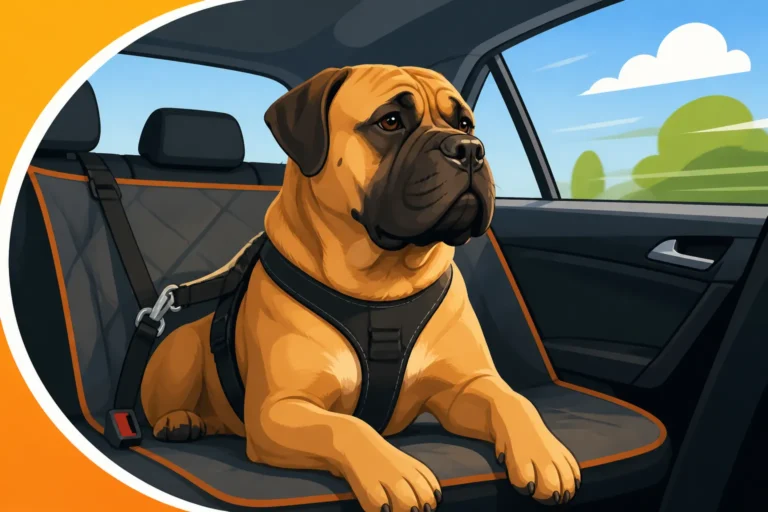
Having the right gear makes a huge difference in both safety and enjoyment. A well-fitting, sturdy harness is often preferable to a neck collar for walks, as it distributes pressure more evenly across their chest and helps prevent tracheal damage from pulling. Look for harnesses designed for large, powerful breeds; many excellent options are available on Amazon. A heavy-duty leash is also essential.
For play, choose durable, appropriately sized toys. Ropes, heavy rubber balls, and strong chew toys are usually good choices. Avoid toys that are too small and could be swallowed or easily destroyed, leading to choking hazards. If you're going for walks in low light, consider reflective gear for both you and your dog to ensure visibility.
Training and Consistency for Safety
Training isn't just about obedience; it's about safety, especially with a dog as powerful as a Bullmastiff. A reliable "leave it" command can prevent them from ingesting something harmful on a walk. A strong recall is vital if they're ever off-leash in a safe, fenced area. Consistent training ensures they respond to your cues, making walks and outings much safer and more enjoyable for everyone.
Think about consistent training not as a chore, but as an ongoing conversation and partnership with your dog. Positive reinforcement methods work best for Bullmastiffs, who are sensitive and respond poorly to harsh corrections. Regular, short training sessions, perhaps incorporated into your daily walks or playtime, will reinforce good habits and keep their minds sharp. The Bullmastiff That Pauses to Decide Whether You Are Worth It delves into their unique training approach.
Special Considerations for Bullmastiff Exercise
Bullmastiffs have specific needs that impact how and when they can exercise safely. Ignoring these can lead to serious health problems.
Weather and Brachycephalic Needs
This is perhaps the most critical consideration for Bullmastiffs. Their brachycephalic (short-nosed) structure makes them highly susceptible to overheating, as they cannot cool themselves as efficiently as long-nosed breeds. Even moderate temperatures can be dangerous, let alone hot, humid weather. Avoid exercising your Bullmastiff during the hottest parts of the day, especially in summer. Early mornings and late evenings are often the safest times.
Always carry water for your Bullmastiff, and offer frequent breaks in the shade. If you notice heavy panting, drooling, or a reluctance to move, stop immediately and get them to a cooler environment. Consider a cooling vest or mat on warmer days. Concrete and asphalt can get incredibly hot and burn their paw pads, so stick to grass or shaded trails. Why a Bullmastiff Overheats So Easily is essential reading for any Bullmastiff owner.
Joint Health and Long-Term Care
Given their size and rapid growth, Bullmastiffs are prone to orthopedic issues like hip and elbow dysplasia, as well as cruciate ligament tears. This is why careful exercise management from puppyhood onwards is so important. High-impact activities like repeated jumping, long-distance running, or intense agility work can put excessive strain on their joints and should generally be avoided or heavily moderated throughout their lives.
Supportive care, like maintaining a lean weight and potentially introducing joint supplements (always in consultation with your vet), can help. If your Bullmastiff suffers an injury like a cruciate tear, their recovery will involve specific, carefully controlled exercise. How a Bullmastiff Recovers From Cruciate Surgery outlines what that might entail. Regular veterinary check-ups, including discussions about their mobility and joint health, are crucial for a long and comfortable life.
Nutrition and Hydration
Exercise and diet go hand-in-hand. Ensuring your Bullmastiff receives appropriate nutrition supports their energy levels for activity and helps maintain a healthy weight, which is critical for joint health. Feed a high-quality, large-breed dog food appropriate for their life stage. Avoid overfeeding, as excess weight puts enormous strain on their skeletal system.
Hydration is equally important, especially during and after exercise. Always provide access to fresh, clean water. On walks or during play sessions, offer water frequently. Dehydration can quickly become dangerous, particularly for Bullmastiffs who are more susceptible to overheating. A portable water bottle and bowl can be a worthwhile investment for any outing.
Disclaimer
This article is for general informational purposes only and does not constitute professional advice. Laws, prices and regulations vary by location and change over time. Consult a qualified professional for guidance on your specific situation.