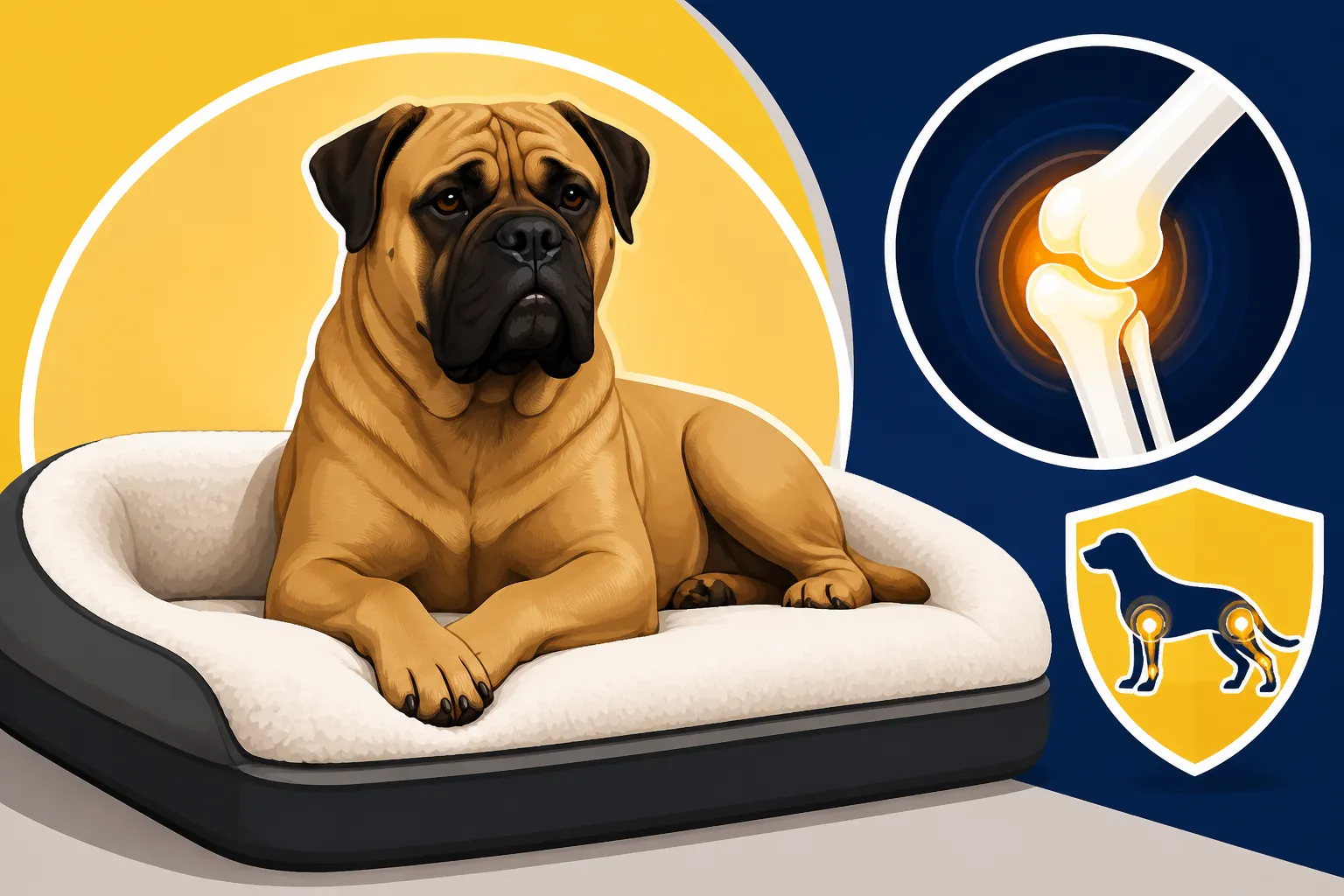
Bedding and Joints for a Hundred and Thirty Pound Bullmastiff
Bringing a magnificent 130-pound Bullmastiff into your home is an incredible joy, but it also comes with unique responsibilities, especially when it comes to their long-term comfort and joint health. These gentle giants, with their impressive size and loving nature, are unfortunately predisposed to certain orthopedic challenges that can profoundly impact their quality of life. This comprehensive guide is dedicated to helping you understand why proper bedding and proactive joint care aren't just luxuries, but absolute necessities for your Bullmastiff's well-being, from their clumsy puppy days to their golden years.
Understanding Bullmastiff Joint Health: The Foundation of Mobility
Our beloved Bullmastiffs, with their powerful builds and deep chests, carry a significant amount of weight on their joints, making them particularly susceptible to wear and tear over their lifespan. It's a reality that can be tough to face, but acknowledging these predispositions early is the first step in providing the best care.
Common Joint Ailments Bullmastiffs Face
Many Bullmastiff owners, myself included, have walked the difficult path of navigating joint issues with our big dogs. The most commonly diagnosed conditions are hip and elbow dysplasia. Hip Dysplasia in a Bullmastiff refers to a malformation of the hip joint, where the ball and socket don't fit together properly, leading to grinding and deterioration over time. Similarly, Elbow Dysplasia in a Bullmastiff involves abnormal development of the elbow joint, causing pain and lameness. These aren't just "old dog" problems; they can manifest early and, if left unmanaged, lead to debilitating arthritis. Osteoarthritis, or degenerative joint disease, is often a secondary complication of these developmental issues, causing chronic pain and reduced mobility as the cartilage wears away. It's truly heartbreaking to watch your once-bouncy companion struggle with simple movements.
The Impact of Weight and Growth on Developing Joints
It’s easy to want our Bullmastiff puppies to grow into magnificent adults as quickly as possible, but rapid growth can be a huge detriment to their developing joints. Puppyhood is a critical time for bone and joint formation, and if they gain weight too fast or are over-exercised, it puts immense stress on their soft, growing cartilage. Imagine trying to build a sturdy house on a shaky foundation – that's what happens when a Bullmastiff puppy grows too quickly. Overweight Bullmastiffs, regardless of age, also face an accelerated breakdown of joint cartilage due to the constant excess load. Keeping your Bullmastiff lean is arguably the single most impactful thing you can do for their joint health. We explore this further in Keeping a Bullmastiff Lean Is the Best Thing You Can Do.
The Importance of Early Intervention and Prevention
Preventative care is worth its weight in gold when it comes to Bullmastiff joints. Waiting until your dog is visibly limping or struggling to get up means that significant damage has likely already occurred. Early signs can be subtle: a slight hesitation before jumping into the car, a less enthusiastic greeting in the morning, or a preference for lying on one side. Being observant and working closely with your vet from puppyhood can help identify potential issues before they become severe. This might involve appropriate exercise modifications, careful diet management, and the early introduction of joint support supplements. Catching issues when they're small can make a world of difference in your Bullmastiff's long-term comfort and mobility.
Why the Right Bedding is Crucial for Giant Breeds: More Than Just Comfort
When you have a dog that weighs as much as an adult human, their bed isn't just a plush place to nap; it's a vital piece of their health management arsenal. For a Bullmastiff, a quality orthopedic bed is a non-negotiable item, contributing significantly to joint preservation and overall well-being.
Preventing Pressure Sores and Calluses
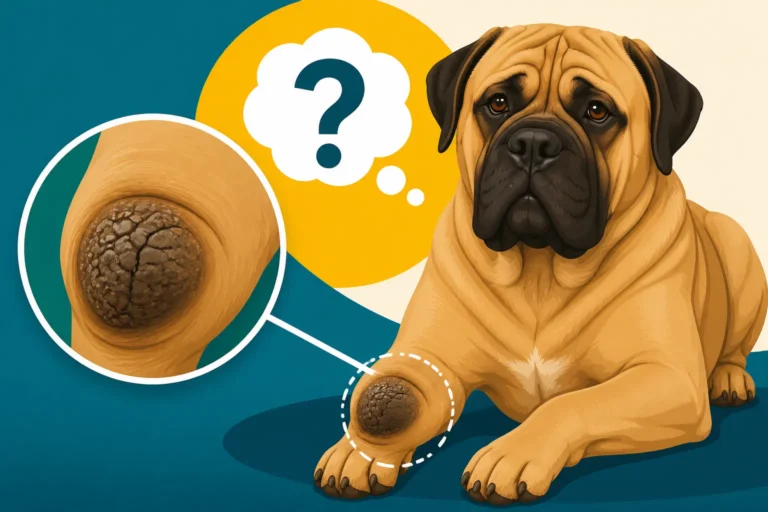
Anyone who has owned a large breed dog knows about the dreaded elbow calluses. These tough, sometimes painful, patches of skin form when a dog repeatedly lies on hard surfaces, creating pressure points, particularly on elbows, hocks, and hips. While calluses themselves aren't life-threatening, they can crack, bleed, and become infected, leading to discomfort and further complications. More importantly, hard surfaces don't just affect the skin; the constant pressure on underlying joints can exacerbate conditions like arthritis and dysplasia. A supportive bed distributes your Bullmastiff’s massive weight evenly, cushioning these pressure points and preventing the skin and joints from taking a constant beating. It's a simple act of kindness that makes a huge difference.
Supporting Spinal Alignment and Muscle Relaxation
Imagine trying to sleep on a saggy mattress every night. You'd wake up with aches and pains, right? The same goes for your Bullmastiff. A bed that sags or offers inadequate support forces their spine into unnatural positions, putting strain on their back, neck, and hips. This can lead to muscle stiffness, pinched nerves, and increased discomfort, especially for a heavy dog. An orthopedic bed, with its dense, supportive foam, cradles their body and maintains proper spinal alignment, allowing their muscles to truly relax and recover after a day of being a 130-pound shadow. It’s not just about comfort; it's about anatomical support that helps prevent further deterioration of their large frame.
Warmth and Comfort for Aching Joints
As Bullmastiffs age, or if they're dealing with joint conditions like arthritis, cold and dampness can really make their aches and pains worse. Just like for humans, warmth can provide significant relief for stiff joints and muscles. A good quality bed, especially one with a dense foam core, provides insulation from cold floors. Many orthopedic beds also come with plush, removable covers that add an extra layer of warmth and coziness. Providing a warm, supportive haven helps soothe their joints, encouraging deeper, more restorative sleep. This is particularly important as your Bullmastiff enters its senior years, as discussed in What Changes in a Bullmastiff After Six.
Choosing the Best Orthopedic Bed for Your Bullmastiff: A Real Investment
Selecting the right bed for a Bullmastiff isn't like picking out a cute little cushion for a Chihuahua. This is a serious investment in their health, comfort, and longevity. You need something that can stand up to their size and weight, year after year.
Memory Foam vs. Other Fillings
When it comes to orthopedic beds for giant breeds, memory foam is king for a reason. Unlike cheaper options filled with recycled shredded foam, cotton batting, or simple egg crate foam, memory foam conforms to your dog's body, distributing their weight evenly and relieving pressure points. Shredded foam tends to clump and flatten quickly, offering little real support. Egg crate foam might feel soft initially, but it compresses easily under a heavy Bullmastiff, allowing their body to sink to the hard floor. High-density, solid slab memory foam, often combined with a supportive base foam layer, is what you're truly looking for. It might seem like a bigger upfront cost, but these beds last longer and provide superior support, making it a wise long-term decision. You can find many excellent options on Amazon and Chewy, but always read reviews from other large dog owners.
Size, Support, and Durability Are Non-Negotiable
A Bullmastiff needs a bed large enough for them to stretch out fully in any position – not just curled up. Measure your dog from nose to tail while they're stretched out, and then add a few inches. A bed that's too small will negate all the benefits of orthopedic support.
As for support, aim for at least 4-6 inches of high-density foam, with memory foam being the top layer. Anything thinner simply won't hold up to their weight. Durability is equally important. Bullmastiffs are strong, and even if they aren't chewers, they will put a bed through its paces. Look for robust, tear-resistant covers, often made from heavy-duty canvas or microsuede. Reinforced stitching is a good sign. Some beds even offer waterproof liners, which are a lifesaver for accidents or just managing drool. Remember, a cheap bed that collapses in six months is more expensive than a quality one that lasts for years. We often hear owners asking Which Bed a Bullmastiff Needs, and the answer is always: the biggest, most supportive, and most durable one you can find!
Washability and Practicality
Let's be realistic: living with a Bullmastiff means living with drool, shed hair, and the occasional muddy paw print. A bed that isn't easy to clean quickly becomes unsanitary and unpleasant. Look for beds with removable, machine-washable covers. Ideally, the cover should zip off easily and be made of a fabric that holds up well to repeated washing without shrinking or losing its integrity. Some high-end beds even have multi-part covers, allowing you to wash different sections or replace them if needed. Waterproof liners are another fantastic feature, protecting the valuable foam core from spills and accidents, which is especially beneficial for puppies or aging dogs. Practicality also extends to placement; ensure the bed fits comfortably in your chosen spot without obstructing walkways.
Beyond the Bed: Creating a Joint-Friendly Home Environment
While a fantastic orthopedic bed is paramount, your Bullmastiff interacts with the entire house, not just their sleeping spot. Thinking about their movement throughout your home can uncover other areas where you can provide valuable joint support and prevent injuries.
Non-Slip Surfaces and Ramps for Safer Movement
Hardwood, tile, and laminate floors are beautiful, but they can be treacherous for a heavy Bullmastiff, especially one with existing joint issues. Their sheer weight, combined with the lack of grip, can lead to slips and falls, which can cause acute injuries or worsen chronic conditions. Laying down area rugs or runners, particularly in high-traffic areas and where they get up and down, can make a huge difference. Yoga mats or carpet tiles are also great, affordable options for temporary non-slip zones. For elevated surfaces like couches or beds, or getting into a vehicle, consider a dog ramp. While a Bullmastiff might be able to jump onto a low couch when young, repeated impact takes its toll on their joints. A ramp provides a gentler, safer way to access these spots, reducing strain on their hips and elbows.
Elevated Food and Water Bowls: A Note of Caution and Convenience
Many large breed owners use elevated food and water bowls, believing they aid digestion and reduce neck strain. For some dogs, this can be true, offering a more comfortable eating posture, especially as they get older or if they have neck issues. However, there's a long-standing debate and some research suggesting that elevated bowls might actually increase the risk of bloat (gastric dilatation-volvulus) in certain deep-chested breeds, including Bullmastiffs. Bloat is a life-threatening emergency, so this is not a decision to take lightly. My advice: discuss this with your vet. If you do opt for elevated bowls, ensure they are stable and at a comfortable height – not too high, not too low – for your Bullmastiff without requiring them to stretch or stoop excessively. Regardless of bowl height, always ensure your Bullmastiff rests quietly for at least an hour after eating to minimize bloat risk. We talk more about this in Why a Bullmastiff Should Rest After Eating.
Managing Stairs and Jumps: Minimizing Impact
Stairs are a common feature in many homes, but for a Bullmastiff, they can be a daily challenge that contributes to joint wear. While a young, healthy Bullmastiff can navigate stairs, limiting their use, especially for puppies and seniors, is wise. For puppies, excessive stair climbing can put undue stress on their developing growth plates and joints. Why a Bullmastiff Puppy Should Not Run on Concrete also applies to the repetitive impact of hard staircases. For older Bullmastiffs, stairs can become a painful obstacle, increasing the risk of falls. Consider blocking off access to certain staircases, or if unavoidable, use a ramp or assist them with a sling or harness. Similarly, discourage jumping on and off furniture or out of cars. Even a short jump can create significant impact on their joints. Providing appropriate ramps or lifting aids can safeguard their precious mobility for years to come.
Nutrition and Supplements for Joint Support: Fueling Healthy Movement
What you feed your Bullmastiff plays a massive role in their joint health, from managing their weight to providing the essential building blocks for cartilage and connective tissue. It's not just about filling their belly; it's about nourishing their body from the inside out.
Maintaining a Healthy Weight: The Single Most Important Factor
I cannot stress this enough: keeping your Bullmastiff lean is the absolute best thing you can do for their joint health. Every extra pound on their large frame translates to increased stress on their hips, elbows, and spine. It accelerates cartilage breakdown, worsens arthritis, and makes movement more painful. A lean Bullmastiff has less load on their joints, reducing inflammation and slowing the progression of degenerative conditions. It can literally add years of comfortable mobility to their life. Work with your vet to determine your Bullmastiff's ideal body condition score. You should be able to easily feel, but not see, their ribs without pressing hard. Their waist should tuck in slightly when viewed from above, and they should have an abdominal tuck when viewed from the side. If you're struggling to get weight off, consult your vet for a weight loss plan, which might involve switching to a lower-calorie food or carefully measuring portions. Brands like Ollie focus on fresh, healthy ingredients that can be great for weight management.
Key Nutrients and Supplements for Joint Health
Beyond calorie control, certain nutrients and supplements are invaluable for supporting joint health in Bullmastiffs.
- Glucosamine and Chondroitin: These are the superstars of joint supplements. They are natural components of healthy cartilage, and supplementing with them can help support cartilage repair, reduce inflammation, and improve joint lubrication. Many Bullmastiff owners start these supplements early, even before signs of arthritis, as a preventative measure.
- Omega-3 Fatty Acids (EPA and DHA): Found in fish oil, these powerful anti-inflammatory agents can significantly reduce joint pain and stiffness associated with arthritis. They also contribute to overall skin and coat health. Always choose a high-quality fish oil supplement specifically formulated for dogs.
- MSM (Methylsulfonylmethane): This natural sulfur compound has anti-inflammatory and pain-relieving properties, often included in comprehensive joint supplements.
- Green-Lipped Mussel: Another natural source of glucosamine, chondroitin, and Omega-3s, green-lipped mussel extracts are gaining popularity for their joint-supportive benefits.
Always discuss any supplements with your veterinarian before starting them, as dosages can vary by your dog’s weight and condition, and some supplements can interact with medications. Many of these supplements are readily available through reputable pet suppliers like Chewy.
When to Start Joint Supplements
The general consensus among large breed enthusiasts and many veterinarians is to start joint supplements preventatively, especially for breeds prone to orthopedic issues like Bullmastiffs. This often means beginning around 1-2 years of age, or even earlier for puppies diagnosed with hip or elbow dysplasia. Don't wait until your Bullmastiff is showing obvious signs of pain or stiffness, because by then, significant damage has likely occurred. Early intervention aims to slow down the progression of joint disease, maintain cartilage health, and keep them comfortable for as long as possible. Think of it like taking care of your own joints as you age – it’s easier to maintain health than to reverse damage. Whether a Bullmastiff Needs Joint Medication Early is a common question, and for many, the answer is a resounding yes, in the form of these supportive supplements.
Exercise and Physical Therapy for Joint Health: Keeping Them Safely Moving
It might seem counterintuitive, but appropriate exercise is vital for joint health, even for dogs with orthopedic issues. Movement helps maintain muscle mass, flexibility, and joint lubrication. The key, however, is appropriate exercise.
Appropriate Exercise Routines for Bullmastiffs
Bullmastiffs are not endurance athletes, nor should they be. Their exercise needs are moderate, and pushing them too hard, especially during puppyhood, can be detrimental. For puppies, the general rule of thumb is five minutes of exercise per month of age, twice a day, up to their full adult growth. So, a four-month-old puppy might get 20 minutes of playtime twice a day. This helps build muscle and stamina without overstressing developing joints. As adults, daily walks of 30-60 minutes, spread over one or two outings, are usually sufficient. They enjoy leisurely strolls and can participate in short bursts of play. The focus should always be on controlled, low-impact activities rather than vigorous, high-impact running or jumping. Over-exercising a Bullmastiff, even a young one, can contribute to joint problems down the line.
Low-Impact Activities for Joint Preservation
When it comes to exercise, think quality over quantity and low-impact options. Swimming is a fantastic choice for Bullmastiffs as it provides excellent cardiovascular exercise and builds muscle without any impact on their joints. If you have access to a safe pool or calm body of water, it can be a game-changer. Leash walks on soft surfaces like grass or dirt trails are also preferable to pavement. Short, controlled play sessions with soft toys are good, but avoid excessive jumping or twisting motions. Interactive puzzle toys can provide mental stimulation and burn energy without putting strain on their body. For an aging Bullmastiff or one with known joint issues, even gentle range-of-motion exercises prescribed by a vet or physical therapist can be beneficial.
The Role of Canine Physical Therapy and Rehabilitation
For Bullmastiffs diagnosed with hip or elbow dysplasia, arthritis, or recovering from an injury or surgery, canine physical therapy can be transformative. Just like in humans, a certified canine rehabilitation therapist can develop a tailored program to strengthen supporting muscles, improve range of motion, reduce pain, and enhance overall mobility. This might include hydrotherapy (underwater treadmill), therapeutic exercises, massage, laser therapy, and more. Physical therapy isn't just for recovery; it can also be a proactive measure to manage chronic conditions and delay the progression of arthritis. If your Bullmastiff is showing any signs of discomfort or stiffness, ask your vet about a referral to a canine rehabilitation specialist. It can dramatically improve their comfort and quality of life.
Veterinary Care and Early Detection: Your Partner in Joint Health
Your veterinarian is your most important ally in managing your Bullmastiff's joint health. Regular check-ups and open communication are vital for early detection and effective management of any orthopedic issues that arise.
Regular Check-ups and Screening: Staying Ahead of the Game
Don't wait until your Bullmastiff is limping to talk about their joints. Regular veterinary check-ups, especially annual wellness exams, are crucial. During these visits, your vet will perform a physical examination, assessing your dog's gait, range of motion, and checking for any signs of pain or stiffness. For breeds like Bullmastiffs, early screening for hip and elbow dysplasia is highly recommended. This often involves X-rays, typically performed when the dog is mature enough for definitive results, usually around two years of age. Some breeders even perform preliminary X-rays on puppies. Being proactive with screening can help you understand your dog’s genetic predispositions and allow you to implement management strategies before severe symptoms develop. How Often a Bullmastiff Needs a Wellness Exam is a good read if you want to know more.
Managing Pain and Inflammation: Providing Relief
Once a Bullmastiff is diagnosed with a joint condition, managing pain and inflammation becomes a priority. Non-steroidal anti-inflammatory drugs (NSAIDs) are commonly prescribed by veterinarians to reduce pain and inflammation, greatly improving a dog's comfort and mobility. There are various types of NSAIDs, and your vet will choose the most appropriate one for your dog, monitoring for any side effects. Other pain management options include gabapentin, tramadol, and amantadine, often used in conjunction with NSAIDs for multi-modal pain control.
Beyond medication, complementary therapies can also provide relief. Acupuncture, for example, is increasingly recognized for its efficacy in managing chronic pain in dogs. Laser therapy can reduce inflammation and promote healing. Your vet can guide you through the various options to create the most effective pain management plan for your Bullmastiff, ensuring they remain as comfortable and active as possible.
Advanced Treatments and Surgical Options
While many joint conditions can be managed with conservative care, some severe cases or specific injuries may require advanced treatments or surgical intervention. For severe hip dysplasia, options like total hip replacement (THR) can offer a complete cure for the affected joint, providing excellent long-term outcomes. For elbow dysplasia, various surgical procedures aim to address the underlying anatomical issues, ranging from arthroscopic debridement to more complex osteotomies. Cruciate ligament tears, a common injury in large breeds, often require surgical repair, such as Tibial Plateau Leveling Osteotomy (TPLO) or Tibial Tuberosity Advancement (TTA), to restore stability to the knee. These surgeries are significant undertakings, both emotionally and financially, but they can dramatically improve a Bullmastiff's quality of life. Your veterinary specialist will discuss the pros, cons, and potential outcomes of any advanced treatment, helping you make the best decision for your beloved companion.
Conclusion: Investing in a Lifetime of Comfort
Caring for a 130-pound Bullmastiff means making mindful choices every day, especially when it comes to their joint health. From the orthopedic bed they sleep on, to the food they eat, to the way they move around your home, every decision contributes to their comfort and mobility. These magnificent dogs fill our lives with so much love and gentle companionship, and they deserve every measure we can take to ensure their years are as comfortable and pain-free as possible. Being proactive, partnering with your vet, and creating a supportive environment are the greatest gifts you can give your Bullmastiff, allowing them to enjoy their life with as much joy and movement as possible.
Bedding & Joint Care Considerations for Bullmastiffs
| Feature/Aspect | Importance for Bullmastiffs | Key Considerations |
|---|---|---|
| Orthopedic Bed | Crucial for weight distribution, pressure relief, spinal support. | High-density memory foam (4-6 inches thick), appropriate size for stretching, durable and washable cover. |
| Weight Management | The most critical factor for preventing joint stress and arthritis. | Maintain a lean body condition, regular vet checks, measured portions, high-quality large-breed specific food. |
| Joint Supplements | Proactive support for cartilage health, inflammation reduction. | Glucosamine, Chondroitin, Omega-3s, MSM. Start early (1-2 years), consult vet for dosage. |
| Non-Slip Flooring | Prevents slips, falls, and acute/chronic joint injuries. | Area rugs, runners on hard surfaces. Avoid excessive jumping, especially for puppies and seniors. |
| Ramps/Assistance | Reduces impact on joints from jumping onto furniture or into vehicles. | Essential for car access, can be helpful for steps/couches. Consider slings/harnesses for aging dogs. |
| Exercise Routine | Builds supportive muscle, maintains flexibility, but must be low-impact. | Moderate daily walks, swimming, short play sessions. Avoid high-impact activities, especially for puppies. |
| Veterinary Care | Early detection, accurate diagnosis, pain management. | Annual wellness exams, hip/elbow screening, prompt attention to limping or stiffness. |
Disclaimer
This article is for general informational purposes only and does not constitute professional advice. Laws, prices and regulations vary by location and change over time. Consult a qualified professional for guidance on your specific situation.