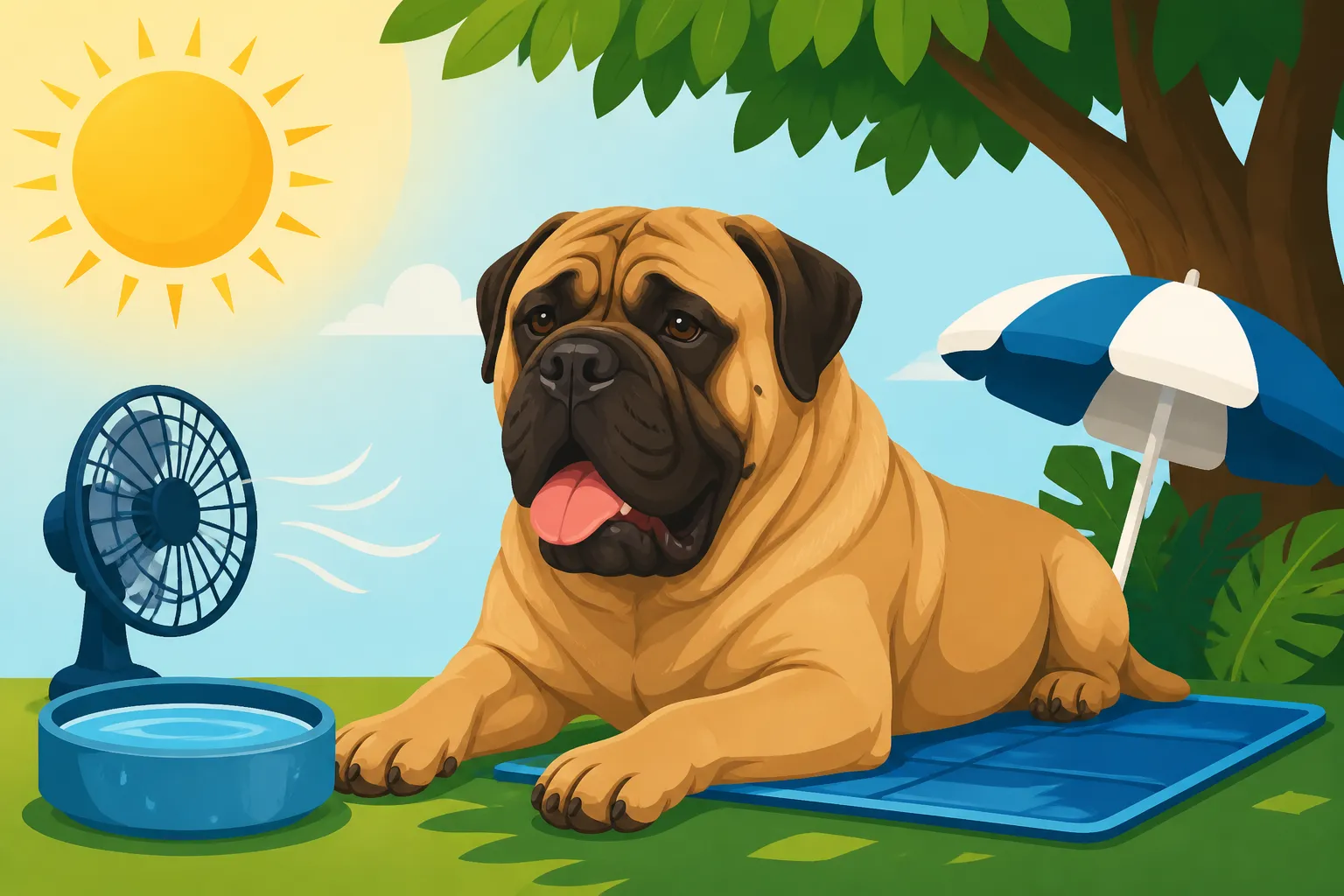
Getting a Bullmastiff Through Summer
One of the most heart-wrenching realities of owning a magnificent Bullmastiff is their vulnerability to heat. These gentle giants, with their imposing size and endearing wrinkles, simply aren't built for sweltering temperatures, and the summer months can quickly turn from pleasant to perilous. This guide is dedicated to helping you navigate the warmer seasons, equipping you with the knowledge and practical strategies needed to keep your beloved Bullmastiff safe, comfortable, and healthy when the mercury rises.
Why Bullmastiffs Struggle in the Heat
It’s easy to look at a Bullmastiff, calm and unbothered, and underestimate the silent struggle they might be having with the heat. But their unique physiology puts them at a distinct disadvantage compared to many other breeds. Understanding these inherent challenges is the first step in becoming their best advocate during summer. It’s not just about them being "hot"; it's about their entire system being under stress.
The Brachycephalic Challenge
At the core of a Bullmastiff's heat intolerance lies their brachycephalic (short-nosed) head structure. While that adorable, broad muzzle is part of their charm, it significantly hinders their ability to cool down efficiently. Dogs primarily regulate their body temperature through panting. Unlike humans who sweat profusely across their skin, dogs rely on the evaporation of moisture from their respiratory tract. A Bullmastiff's shortened airways, combined with extra soft tissue in their throat and palate, mean that the air they breathe in to cool themselves has a much harder time circulating and exchanging heat. It's like trying to cool a house with a tiny, constricted air vent – the system just isn't efficient enough. This often leads to labored breathing even in moderate heat, a clear sign their body is working overtime. This is a critical factor in Why a Bullmastiff's Short Muzzle Cannot Cool It.
Think of it this way: a longer-nosed dog has a larger surface area in its nasal passages where heat can be exchanged and moisture evaporated. For a Bullmastiff, that internal cooling system is compromised. They have to pant harder and more rapidly to achieve the same cooling effect, which in itself generates more body heat. This vicious cycle can quickly escalate, especially if they are excited or trying to exert themselves. The snoring and snorting that might seem cute indoors can become a red flag when temperatures climb, indicating that their respiratory system is already under strain.
Body Mass and Insulation
Beyond their brachycephalic nature, a Bullmastiff's sheer size and dense coat add to their summer woes. Weighing anywhere from 100 to 130 pounds or more, these are substantial dogs. That large body mass retains heat far more effectively than a smaller, leaner dog's body would. Imagine trying to cool a large, well-insulated oven – it takes a lot more energy to bring the temperature down. Their short, dense coat, while not long and fluffy, still provides a layer of insulation that traps body heat rather than allowing it to dissipate easily. It’s not a coat designed for desert climates; it’s one that evolved in cooler, damper English conditions.
This combination of significant body mass and an insulating coat means that even if the ambient temperature isn't scorching, their internal temperature can rise quickly, especially if they're active. They don't have the luxury of a smaller dog's faster heat dissipation. Every pound of muscle and fat contributes to heat retention, making them essentially walking heat reservoirs. This is why keeping a Bullmastiff lean is so important for their overall health, and especially critical in summer. An overweight Bullmastiff will suffer significantly more in the heat.
Genetic Predisposition to Overheating
It's not just the physical traits; Bullmastiffs also have a general physiological predisposition to overheating. This isn't a specific disease, but rather a breed-specific vulnerability. Their deep chests and substantial musculature, while perfect for their original purpose of holding poachers, aren't conducive to agile, long-duration activity in heat. They are built for short bursts of power, not sustained exertion, particularly when it's warm. The cumulative effect of their brachycephalic structure, large body, and general metabolic rate means their "safe zone" for temperature and activity is much narrower than many other breeds.
This means that a temperature that might be perfectly comfortable for a Labrador or a Border Collie could be dangerously hot for a Bullmastiff. Owners often struggle with this realization, thinking that a brief walk in 75-degree weather isn't a big deal. However, for a Bullmastiff, especially if it's humid or if they're excited, that 75-degree walk could be pushing them into heat stress territory. It's vital to recognize that your Bullmastiff's tolerance is unique and significantly lower than what you might be accustomed to with other dog breeds. Understanding Why Eighty Degrees Is Dangerous for a Bullmastiff is crucial for their well-being.
Recognizing the Signs of Heat Stress and Heatstroke
Knowing why your Bullmastiff struggles with heat is important, but being able to quickly identify the signs that they are struggling is paramount. Heatstroke can escalate terrifyingly fast in these dogs, and what starts as mild discomfort can quickly become a life-threatening emergency. Every Bullmastiff owner needs to be intimately familiar with the progression of symptoms.
Early Warning Signs
The initial signs of heat stress can be subtle, and often mistaken for just "being hot." Your Bullmastiff might begin panting more heavily than usual, even when at rest or after minimal activity. This panting will be shallow and rapid, often accompanied by visible effort in their chest and abdomen. You might notice their tongue starting to hang out further than normal, or becoming a brighter red, almost cherry-colored. Their gums may also appear very red and tacky, indicating mild dehydration. They might seek out cooler spots on the floor more intensely, or refuse to engage in play that they would normally enjoy.
Another tell-tale sign is a change in their demeanor. They might become lethargic, moving slowly or showing a reluctance to stand up. Some dogs might become restless, unable to settle, pacing or shifting as they try to find a comfortable spot. You might also observe excessive drooling, beyond their usual Bullmastiff slobber, which is another mechanism their body uses to try and cool down. If you notice any of these signs, even if it's just one or two, it's time to take immediate action to cool them down and remove them from the heat. Ignoring these early warnings can have dire consequences.
Advanced Symptoms of Heatstroke
As heat stress progresses into full-blown heatstroke, the symptoms become far more alarming and require emergency intervention. The rapid, labored panting will often intensify, sometimes becoming noisy and distressed, with raspy sounds or even gasping. Their gums and tongue might turn a very dark red or even purplish-blue, indicating a lack of oxygen. You might see thick, ropey drool, or even vomit, sometimes with blood in it. Diarrhea, which can also be bloody, is another severe sign.
Neurological symptoms are particularly concerning. Your Bullmastiff might appear disoriented, stumbling, staggering, or showing a lack of coordination. They could collapse, have muscle tremors, or even suffer seizures. In the most severe cases, they may lose consciousness. Their body temperature will be extremely high – often above 104°F (40°C) – though you may not always have a thermometer handy. If you see any of these advanced Signs a Bullmastiff Has Heatstroke, do not hesitate. This is a medical emergency requiring immediate veterinary attention. Every minute counts in preventing irreversible organ damage or worse.
Distinguishing Between Heat Stress and Full-Blown Heatstroke
While both heat stress and heatstroke are serious, recognizing the distinction helps you determine the urgency of your actions. Heat stress is the precursor, the "warning stage." Your dog is uncomfortable, panting excessively, seeking shade, and might have bright red gums. At this stage, prompt cooling measures (getting them into air conditioning, offering water, applying cool towels) can often reverse the situation without permanent damage, though a vet check-up is always a good idea. Think of it as your Bullmastiff being very, very hot and struggling, but still conscious and responsive.
Heatstroke, however, is a full-blown medical crisis. This is when the body's temperature regulation system has completely failed, and the internal temperature is dangerously high, leading to cellular damage. Symptoms include severe lethargy, collapse, vomiting, diarrhea, seizures, and loss of consciousness. If your Bullmastiff is exhibiting these advanced signs, they are no longer just "hot"; they are in critical condition. While you should begin first aid cooling measures, your primary goal must be to get them to an emergency veterinary clinic as quickly and safely as possible. Don't wait to see if they improve; time is of the essence to save their life.
Preventative Measures: Keeping Your Bullmastiff Cool Indoors
The safest place for your Bullmastiff during summer's peak heat is often indoors, in a climate-controlled environment. But simply being inside isn't always enough. You need to actively create a cool, comfortable sanctuary for them, considering their specific needs. This involves more than just cracking a window; it's about strategic management of their immediate surroundings.
Air Conditioning and Strategic Cooling
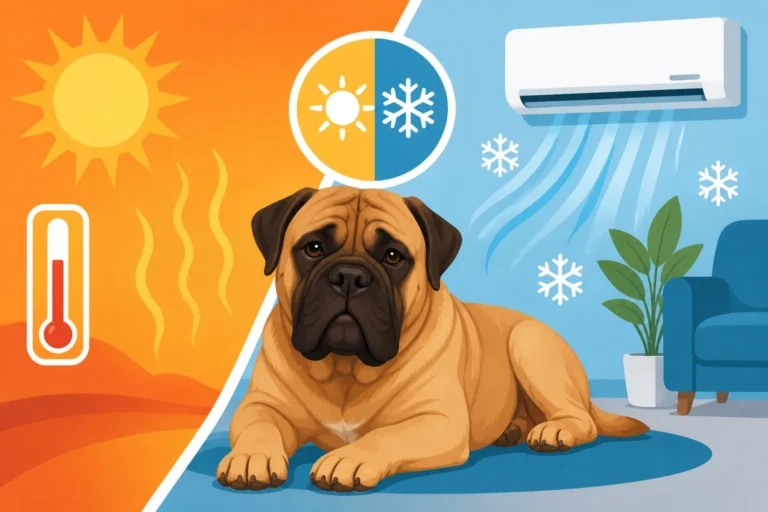
For a Bullmastiff, air conditioning isn't a luxury; it's often a necessity during hot spells. Their physiology simply can't cope with sustained high temperatures. If you have central air, keep it running, even if it feels a little chilly to you. Remember, What Temperature a Bullmastiff Is Comfortable At is often lower than what humans prefer. If central air isn't an option, window units or portable AC units should be considered for the rooms your Bullmastiff spends the most time in. Position fans strategically to circulate air, but remember that fans primarily cool by evaporation from sweating skin, which dogs don't do much of. They help circulate air past your dog's wet tongue and respiratory passages when panting, but they won't significantly lower their core body temperature if the ambient air itself is hot.
Consider using blackout curtains or blinds on windows that receive direct sunlight, especially during the hottest parts of the day. This can significantly reduce the internal temperature of your home. You might also find that closing off unused rooms helps concentrate the cooling efforts in the areas where your Bullmastiff spends their time. The goal is to create one or two truly cool zones where they can retreat and relax without overheating. For many Bullmastiff owners, a comfortable indoor temperature is paramount, even if it means a higher electricity bill. It's a non-negotiable part of responsible ownership in hot climates.
Hydration and Water Access
Keeping your Bullmastiff adequately hydrated is a round-the-clock job in the summer. Always ensure they have access to fresh, cool water in multiple locations throughout your home. Don't just rely on one bowl in the kitchen. Place bowls in their favorite resting spots, in shaded areas outdoors, and even in different rooms. This encourages more frequent drinking. Consider using a large, heavy ceramic or stainless steel bowl that won't tip over and will help keep water cooler longer than plastic. You can even add ice cubes to their water bowls to make it more appealing and help slightly lower their internal temperature as they drink.
Beyond regular water bowls, consider investing in a large water dispenser that continuously filters and provides fresh water. Some dogs are enticed by moving water, making a pet drinking fountain a great option. For those hot days, you can even freeze water in a large Kong or other chew toy, or make "pupsicles" with diluted low-sodium broth, which provides both hydration and a stimulating treat. Regularly check and refresh their water throughout the day, as stale or warm water is far less appealing. Knowing How Much Water a Bullmastiff Drinks a Day is a useful benchmark, but they will likely need even more in summer.
Creating a Cool, Shady Retreat
Even indoors, your Bullmastiff will benefit from having a designated "cool zone" or shady retreat. This might be a tile floor in the bathroom or kitchen, an area near an air conditioning vent, or simply a spot away from direct sunlight. Consider placing a cooling mat here – products like the ones found on Chewy or Amazon can provide instant relief as your dog lies on them. These mats often contain a gel that activates with pressure, absorbing body heat. Alternatively, an elevated dog bed allows air to circulate underneath them, preventing heat buildup from contact with a solid surface.
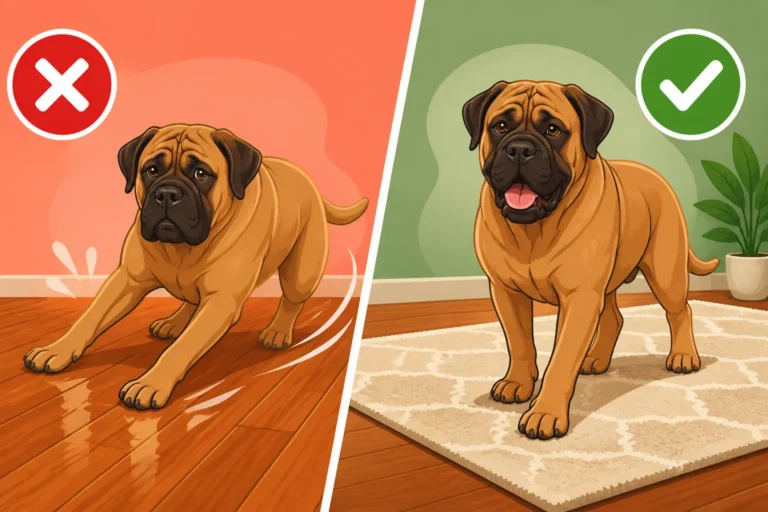
Ensure their primary bed isn't in a sunny spot or against a wall that bakes in the afternoon sun. If your Bullmastiff loves to sprawl on the floor, make sure that surface is clean and cool. You can even mist a small area of a hard floor with cool water (making sure it's not slippery) for them to lie on, allowing for evaporative cooling. Providing them with a consistent, comfortable, and cool place to rest reduces the effort their body has to expend trying to regulate its temperature, allowing them to conserve energy and stay safer.
Safe Outdoor Practices for Summer
While keeping your Bullmastiff indoors during the hottest hours is crucial, they still need to go outside for potty breaks and some mental stimulation. Outdoor time in summer requires careful planning and constant vigilance to prevent overheating. Simply letting them into the yard without thought can be just as dangerous as a long walk.
Timing Walks Wisely
When the sun beats down, a Bullmastiff's tolerance for outdoor activity plummets. Whether a Bullmastiff Should Be Walked in Summer is a question of when, not if. You absolutely must adjust your walking schedule to avoid peak heat. This means venturing out in the very early morning, often before 7 or 8 AM, and then again late in the evening, after the sun has set and temperatures have significantly dropped. Even then, keep walks short, focusing on potty breaks and a leisurely sniff, rather than strenuous exercise. A quick 10-15 minute outing might be all they can safely handle.
Avoid midday walks at all costs, even if it feels "cooler" than yesterday. The cumulative heat in the pavement, the air, and your dog's body can quickly become overwhelming. Remember that humidity also plays a huge role; high humidity makes it much harder for dogs to cool themselves through panting. Always check the weather forecast for both temperature and humidity before considering an outdoor excursion. If there's any doubt, err on the side of caution and opt for a short potty break in the shade right outside your door instead of a full walk.
Avoiding Hot Surfaces
One of the most overlooked dangers of summer walks is the temperature of the ground itself. Pavement, asphalt, and even artificial turf can reach extreme temperatures, easily exceeding 120-150°F (50-65°C) on a sunny 85°F (29°C) day. These surfaces can quickly burn your Bullmastiff's sensitive paw pads, causing pain, blisters, and even infection. If it's too hot for you to comfortably walk barefoot on the surface for more than a few seconds, it's too hot for your dog's paws. The "seven-second rule" is a great guideline: place the back of your hand on the pavement; if you can't hold it there for seven seconds, don't walk your dog on it.
Stick to grassy areas or shady dirt paths whenever possible. If your route is unavoidable, consider paw protection like dog booties, but introduce these gradually and ensure they fit well and don't cause additional heat retention around the paws. Even then, the risk of ambient heatstroke remains, so booties are not a license for extended hot weather walks. Prioritize keeping them on soft, cool surfaces, and if that's not possible, keep outdoor excursions to a bare minimum until the sun goes down.
Providing Outdoor Shade and Water
If your Bullmastiff needs to spend any time outdoors, even for a short potty break, ensure they have immediate access to deep, dense shade. A small patch of shade cast by a thin tree won't cut it. Look for solid structures like a covered patio, a large awning, or a dense grove of trees that offers consistent protection from direct sunlight. The ground under this shade should ideally be grass or cool earth, not hot concrete or paving stones.
Crucially, always have fresh, cool water readily available in a sturdy, tip-proof bowl. Even a few minutes in the sun can make a Bullmastiff thirsty. Some owners even set up a small, shallow kiddie pool filled with just a few inches of water in a shaded area. Many Bullmastiffs enjoy wading or lying in the cool water, which can provide excellent relief from the heat. This can be a fantastic way to cool their undersides and paws, acting as a gentle way to bring down their core temperature. Remember, supervised water play is key to ensuring their safety and enjoyment.
Cooling Aids and Accessories
In the battle against summer heat, a little extra help can go a long way. Beyond air conditioning and strategic timing, there's a host of products designed specifically to keep your Bullmastiff comfortable. These tools can make a significant difference in their ability to cope with warmer temperatures.
Cooling Vests and Bandanas
Cooling vests and bandanas are excellent practical accessories for Bullmastiffs, especially if they must be outdoors for short periods or even just moving around the house on a warm day. These items typically work in one of two ways: they either contain absorbent material that you soak in water before use, allowing for evaporative cooling, or they use phase-change materials that absorb heat from the dog's body. When wet, the vest or bandana creates a cooling sensation as the water evaporates from the fabric, drawing heat away from your dog's body. This is particularly effective around the neck and chest, where major blood vessels are close to the surface.
When selecting a cooling vest, look for one that covers a good portion of the back and chest but isn't overly bulky, allowing for good airflow. Brands available on Amazon or Chewy offer a variety of options. Ensure it fits snugly but doesn't restrict movement or breathing. A wet bandana can be surprisingly effective for cooling the neck and throat area, and you can easily re-wet it as needed. These aren't magic bullets for heatstroke prevention during long walks in the sun, but they can certainly enhance comfort and provide a crucial layer of cooling during short outdoor excursions or even while lounging indoors.
Elevated Beds and Cooling Mats
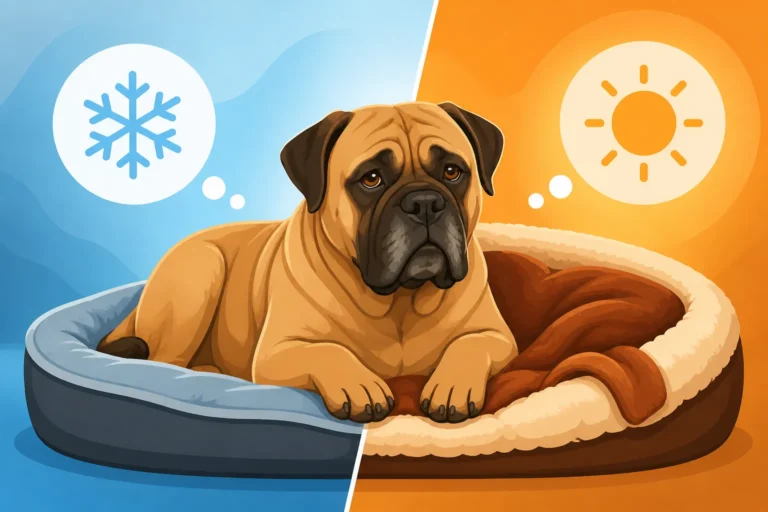
The surface your Bullmastiff sleeps or rests on can greatly impact their comfort in the heat. Traditional padded beds can trap heat, creating an uncomfortable warm spot. Elevated dog beds, often made with a sturdy frame and a breathable mesh fabric, are fantastic for summer. They lift your dog several inches off the floor, allowing air to circulate freely beneath them. This prevents heat buildup from their body transferring to the floor and then radiating back up. This simple change can make a huge difference in their ability to regulate their temperature while resting.
Coupled with an elevated bed, or as a standalone solution, cooling mats are another highly effective aid. As mentioned before, these often contain a non-toxic gel that absorbs and dissipates heat from your dog's body on contact. They don't require refrigeration or electricity, making them convenient for use anywhere. Simply place it where your Bullmastiff likes to lie down. Many Bullmastiffs instinctively seek out these cool spots. Whether a Cooling Mat Helps a Bullmastiff is almost universally answered with a resounding yes, as they provide immediate, localized relief. Ensure you choose a durable, puncture-resistant mat, especially for a large dog prone to nesting or digging. You can find a wide range of sizes and styles suitable for a Bullmastiff on Chewy or Amazon.
Splash Pools and Water Play
For many Bullmastiffs, a shallow splash pool can be a fantastic way to cool down and have some fun during the summer. A sturdy plastic kiddie pool, filled with just a few inches of cool water, offers a safe and enjoyable way for them to wade, lie down, and cool their paws and belly. This direct contact with cool water is incredibly effective for bringing down their body temperature, especially the parts closest to their core. Always place the pool in a shaded area to keep the water from heating up too quickly, and ensure the surrounding area isn't slippery.
Supervised water play can also be a form of enrichment. Some Bullmastiffs enjoy gently bobbing for toys in the water, or simply sitting and watching the world go by from their cool oasis. Never leave your Bullmastiff unsupervised with a pool, even a shallow one, as accidents can happen. Ensure the water is clean and refresh it regularly. This isn't just about cooling; it's about providing a safe, engaging activity that also helps them beat the heat, making those long summer days a little more bearable.
Dietary Considerations and Hydration Strategies
What and how your Bullmastiff eats and drinks plays a significant role in their comfort and safety during summer. A heavy, rich meal or inadequate hydration can exacerbate their heat sensitivity, putting unnecessary strain on their system. Adjusting their diet and actively promoting water intake becomes a critical part of their summer care routine.
Maintaining Hydration Through Food
While water is the primary source of hydration, the food your Bullmastiff eats can also contribute. Wet or fresh dog food, which typically has a higher moisture content than dry kibble, can add a little extra fluid to their daily intake. Brands like Ollie, known for their fresh, human-grade ingredients, offer meals that are naturally richer in moisture. This isn't to say you should drastically change their diet without consulting your vet, especially if they have sensitive stomachs, but incorporating a small amount of wet food or adding water to their kibble can be beneficial.
Another strategy is to offer frozen treats. As mentioned, pupsicles made from diluted, low-sodium chicken or beef broth can be a hydrating and refreshing snack. You can also freeze small amounts of plain, unsweetened yogurt (check for xylitol, which is toxic to dogs) or pureed fruit like bananas or watermelon (seeds removed) into ice cube trays. These not only provide a cool treat but also a small boost of hydration. Just remember to introduce new foods gradually to avoid upsetting their digestion and consider these as supplements to their main meals, not replacements.
Encouraging Water Intake
Sometimes, just providing water isn't enough; you need to actively encourage your Bullmastiff to drink more. As discussed earlier, multiple water bowls in different locations, with fresh, cool water (and perhaps ice cubes), are key. Some dogs are picky about their water temperature, so experimenting with colder water might help. Consider bringing a portable water bottle and bowl on any outdoor excursions, no matter how short. Even a quick potty break can lead to thirst.
Flavored water can also be an enticement. A very small amount of low-sodium broth added to their water bowl can make it more palatable, encouraging them to lap up more. Just be mindful of added salt. For Bullmastiffs who are very active (even if it's just a short burst of zoomies in the cooler evening), electrolyte solutions designed for dogs can be considered, but always consult your vet before adding any supplements to their regimen. The goal is to make drinking a regular, appealing activity throughout the day.
Avoiding Heavy Meals During Peak Heat
Digesting a large, heavy meal requires energy, and that metabolic process generates heat. During the hottest parts of the day, it's wise to lighten your Bullmastiff's meal load. Instead of one or two large meals, consider splitting their daily food allowance into three smaller meals, with the largest portions offered during the cooler morning and evening hours. Avoid feeding them right before or after any planned outdoor activity, even if it's just a short walk, as their body will be working harder to digest and regulate temperature simultaneously.
If your Bullmastiff is particularly sensitive to heat, or if the day is exceptionally scorching, you might even consider skipping a small meal or offering a lighter, more easily digestible option during the peak heat, making up the calories later in the evening when it's cooler. Always ensure they are still getting their daily nutritional requirements, but timing and portion size can be adjusted to minimize internal heat generation. It’s about working with their body’s natural response to heat, rather than inadvertently adding to their burden.
Emergency Protocol: What to Do If Your Bullmastiff Overheats
Despite all your best preventative efforts, sometimes a Bullmastiff can still overheat. This isn't a failure on your part, but a stark reminder of their vulnerability. When it happens, knowing exactly what to do, and doing it quickly, can be the difference between a full recovery and a tragic outcome. This is a situation where panic helps no one; calm, decisive action is essential. For more detailed information on emergency actions, refer to What to Do When a Bullmastiff Overheats.
Immediate First Aid Steps
If you suspect your Bullmastiff is overheating (panting heavily, bright red gums, lethargy, stumbling), your first priority is to immediately get them to a cooler environment. Move them indoors into air conditioning, or at the very least, into dense shade with a fan blowing on them. Do NOT plunge them into ice water; this can cause their blood vessels to constrict, hindering the release of heat and potentially inducing shock. Instead, use cool (not freezing cold) water. Soak towels in cool water and place them on their head, neck, armpits, and groin – areas where major blood vessels are close to the surface. You can also gently hose them down with cool water.
Offer small amounts of cool water to drink, but don't force it if they're disoriented or struggling to swallow, as they could aspirate it. Continuously monitor their temperature if you have a rectal thermometer; your goal is to slowly bring their temperature down to around 103°F (39.4°C). Once they reach this temperature, stop active cooling to avoid overcooling, which can be just as dangerous. Keep the cool towels on, but swap them for fresh ones frequently. It's critical to start this cooling process before you even head to the vet.
When to Seek Veterinary Attention
Even if your Bullmastiff seems to recover from mild heat stress with your first aid efforts, it is always advisable to contact your veterinarian immediately for guidance. If they show any signs of advanced heatstroke – severe lethargy, collapse, vomiting, diarrhea (especially if bloody), seizures, or loss of consciousness – this is an absolute emergency. Call your vet or the nearest emergency veterinary clinic while you are initiating first aid cooling. Let them know you are coming and what symptoms your dog is experiencing.
The danger with heatstroke is not just the immediate high temperature but the delayed complications. Even if they appear to recover on the surface, heatstroke can cause damage to internal organs such as the kidneys, liver, heart, and brain, which may not be immediately apparent. Your vet will want to perform blood tests to check organ function and potentially intravenous fluids to support their system and prevent kidney damage. Do not assume that once they cool down, they are completely out of the woods. Veterinary follow-up is non-negotiable for any suspected heatstroke incident.
Transporting an Overheated Bullmastiff
Getting a large, overheated Bullmastiff to the vet can be a challenge, but it's a crucial step. Continue cooling efforts during transport. If possible, have someone drive while you continue applying cool, wet towels to your dog. Ensure the car's air conditioning is on full blast, directed towards your dog. Lay them on a cool, wet towel if possible, but prioritize keeping them stable and calm. If your Bullmastiff is unresponsive or having seizures, extra care is needed to prevent injury during transport.
For extremely large or unresponsive Bullmastiffs, you might need a makeshift stretcher or a sturdy blanket to carefully lift them into the vehicle. Moving a heavy, distressed dog can be difficult and even dangerous for both of you, so don't hesitate to ask for help if available. Speed is of the essence, but safety is too. Drive carefully and directly to the veterinary clinic, avoiding any unnecessary stops. Every second counts, and a calm, efficient transport can significantly impact the outcome.
Long-Term Summer Care and Planning
Getting through one summer with a Bullmastiff is a feat, but responsible ownership means thinking ahead and incorporating long-term strategies into your routine. This isn't just about reacting to hot days, but proactively preparing your Bullmastiff and your lifestyle for the challenges the warmer seasons bring year after year.
Annual Vet Check-ups for Heat Tolerance
Before summer truly kicks in, it's an excellent idea to schedule a wellness check-up for your Bullmastiff. Discuss their heat tolerance with your veterinarian. Your vet can assess their overall health, looking for any underlying conditions that might exacerbate their heat sensitivity. Conditions like heart murmurs, respiratory issues, or being overweight can significantly increase their risk of heatstroke. Your vet can offer personalized advice based on your dog's age, health status, and your local climate.
This appointment is also a good opportunity to discuss appropriate exercise levels for the summer months and to ensure they are up-to-date on any preventative medications, such as flea, tick, and heartworm protection. These parasites can cause additional stress on their system, making them even more vulnerable to heat. Your vet can provide guidelines on When It Is Too Hot to Walk a Bullmastiff and recommend specific cooling strategies or supplements if needed. For an aging Bullmastiff, these check-ups are even more critical, as their ability to cope with heat often diminishes with age.
Understanding Your Local Climate
While general advice on summer care is helpful, understanding the specifics of your local climate is paramount. A 90°F (32°C) day in a dry desert climate feels very different and poses different risks than a 90°F (32°C) day with 80% humidity in the subtropics. Humidity significantly impairs a dog's ability to cool itself through panting, making humid climates particularly dangerous for Bullmastiffs even at moderately high temperatures. Pay attention to both the temperature and the dew point or humidity index in your area.
If you live in a region with consistently hot and humid summers, you may need to adopt a more extreme approach to summer care, potentially limiting outdoor time to only brief potty breaks for several months. For those in milder climates, vigilance during heatwaves will be key. Research how Whether a Bullmastiff Can Live in a Hot State requires significant lifestyle adjustments. Familiarize yourself with how quickly temperatures rise in your specific area, and when the sun's intensity is highest. Knowing your environment allows you to make informed decisions about your Bullmastiff's daily routine, rather than relying on guesswork.
Vacation and Travel Planning
Summer often means vacations and travel, but a Bullmastiff's needs must heavily factor into your plans. Leaving your Bullmastiff in a hot car, even for "just a few minutes," is incredibly dangerous. How Fast a Bullmastiff Overheats in a Car is terrifyingly quick, even with windows cracked, due to the rapid temperature increase inside a vehicle. Avoid traveling with your Bullmastiff during the hottest parts of the day, and ensure air conditioning is fully operational in your vehicle. Always have plenty of fresh water and a cool bowl accessible.
If you're planning a trip that involves activities or climates unsuitable for a Bullmastiff, consider professional pet sitting services or a boarding facility that offers robust climate control and experienced staff. Never leave your Bullmastiff with someone unfamiliar with the breed's specific heat vulnerabilities. If you're staying in a hotel or rental, confirm their pet policies and ensure the accommodation has reliable air conditioning. Thinking through these details well in advance ensures your Bullmastiff's safety and comfort, allowing you to enjoy your summer plans without unnecessary stress or risk.
Disclaimer
This article is for general informational purposes only and does not constitute professional advice. Laws, prices and regulations vary by location and change over time. Consult a qualified professional for guidance on your specific situation.