How Much an Adult Bullmastiff Eats
It’s a common question that swirls in the minds of every Bullmastiff owner: exactly how much food should my gentle giant be eating every day? You’ve got this magnificent, powerful creature in your home, and you want to ensure they’re getting everything they need to thrive, but it can feel like a guessing game. Those feeding guides on the back of dog food bags often seem vague, or worse, they recommend amounts that feel either too little or wildly excessive for your particular dog. You worry about underfeeding, leading to a gaunt look or lack of energy, but you’re equally concerned about overfeeding, which can lead to rapid weight gain and put undue stress on their already hardworking joints. This guide is here to cut through the confusion and give you a comprehensive understanding of how to properly fuel your adult Bullmastiff, taking into account all the variables that make your dog unique.
Understanding Your Bullmastiff's Unique Nutritional Blueprint
Feeding a Bullmastiff isn't like feeding a smaller, more spry breed. These are dogs of significant stature and muscle, and their nutritional requirements are distinct. It's not just about tossing a scoop of kibble in a bowl; it's about providing the right balance to support their massive frame, dense bones, and relatively moderate activity level without encouraging rapid, unhealthy growth or excessive weight gain. Getting this balance right is foundational to their long-term health and wellbeing.
The Energetic Demands of a Gentle Giant
Despite their imposing size, adult Bullmastiffs aren't typically high-energy dogs that need to run miles every day. They are powerful, but also deliberate and often quite content to be couch potatoes after a good walk. This means their caloric needs, while certainly higher than a Chihuahua's, might not be as astronomical as you’d assume for a dog weighing well over 100 pounds. Their metabolism can be surprisingly efficient, which is both a blessing and a curse. It means they don't always need a huge volume of food, but it also means they can put on weight very easily if overfed.
The key is to think about their purpose: they were bred to guard, to hold a poacher, which required bursts of power and strength, not sustained endurance. Therefore, their diet needs to provide energy for short, powerful activity and maintain muscle mass, rather than fueling a marathon runner. You’ll be looking for a diet that supports steady energy levels, promotes lean muscle, and maintains joint health, without excess calories that turn into fat. This is particularly important because Keeping a Bullmastiff Lean Is the Best Thing You Can Do for their overall health and longevity.
Macronutrients and Micronutrients: What Really Counts
When you're scrutinizing dog food labels, it's easy to get lost in the percentages. For an adult Bullmastiff, the focus should be on high-quality protein, moderate fat, and appropriate carbohydrates, alongside a full spectrum of vitamins and minerals.
- Protein: This is paramount for muscle maintenance and repair. Look for named meat sources like "chicken meal," "beef," or "lamb" as the first ingredient. A diet with a protein content generally in the 22-26% range is often suitable for adult Bullmastiffs, though more active individuals might benefit from slightly higher.
- Fat: Healthy fats provide concentrated energy and support skin and coat health. Moderate fat levels, around 12-16%, are usually appropriate. Too little fat can leave your Bullmastiff feeling unsatisfied and lacking energy, while too much will quickly lead to weight gain. Omega-3 and Omega-6 fatty acids are crucial for joint health and inflammation reduction, which is vital for a breed prone to orthopedic issues.
- Carbohydrates: These offer readily available energy. Complex carbohydrates like sweet potatoes, brown rice, or oats are preferable to simple, highly processed grains. They provide sustained energy and fiber for digestive health.
- Vitamins and Minerals: Ensure the food is complete and balanced, fortified with essential vitamins and minerals, including calcium and phosphorus in appropriate ratios for a large breed. Glucosamine and chondroitin are often added to large breed formulas to support joint health, which is a definite plus for a Bullmastiff. You might also consider Whether a Bullmastiff Needs Joint Supplements in addition to their food as they age.
Think of it as building blocks for their impressive physique. Without the right balance, their body can't function optimally, and you might start seeing issues with energy, coat quality, or even more serious health problems down the line.
The Daily Food Equation: Factors That Shift the Scale
There's no single magic number for how much an adult Bullmastiff eats. It's a dynamic equation, constantly shifting based on a variety of factors unique to your dog and their environment. Relying solely on the bag's recommendations can be misleading, as those are just averages. Your Bullmastiff isn't average; they are an individual with their own specific needs.
Age, Activity, and Individual Metabolism: No One-Size-Fits-All
The most significant factors influencing your Bullmastiff's food intake are their age, how active they are, and their individual metabolic rate.
- Age: A young, still-maturing adult Bullmastiff (from about 1 to 3 years old) will generally require more calories than a senior Bullmastiff (typically considered senior after 6 years old). While they've reached their full height, they're still "filling out" and developing dense muscle well into their second and even third year. Once they hit their true senior years, their metabolism often slows, and their activity naturally decreases, meaning their caloric needs will drop. Caring for an Aging Bullmastiff involves careful dietary adjustments.
- Activity Level: This is huge. A Bullmastiff that gets regular, brisk walks and playtime will burn more calories than one who primarily lounges. If you have an exceptionally active Bullmastiff who enjoys dog sports or longer hikes, their food intake will need to be on the higher end of the recommended range, or even slightly above, to sustain that energy. Conversely, a Bullmastiff with a more sedentary lifestyle will need fewer calories. Be honest about your dog's actual activity. A quick trip to the backyard isn't the same as a 30-minute power walk.
- Individual Metabolism: Just like people, dogs have different metabolic rates. Some Bullmastiffs are naturally lean and seem to burn through calories quickly, while others tend to put on weight easily, even on moderate rations. This is where observation and adjusting come in. You'll learn your dog's unique metabolic quirks over time. Some might need slightly more or less than what their size and activity would suggest, purely due to their internal machinery.
It’s about striking that perfect balance for your dog. This often means starting with a recommendation and then fine-tuning it based on how your Bullmastiff looks and feels.
Environmental Influences and Health Considerations
Beyond age and activity, external factors and health can also play a significant role in how much your Bullmastiff needs to eat.
- Environmental Temperature: Dogs burn more calories trying to stay warm in cold weather. If your Bullmastiff spends a significant amount of time outdoors in a colder climate (though most Bullmastiffs are primarily indoor dogs and not built for extreme cold), they might need a slight increase in food during winter months. Conversely, in hot weather, their activity might decrease, and their appetite might wane slightly. It’s also important to remember that Why Eighty Degrees Is Dangerous for a Bullmastiff, and heat can impact their overall energy levels.
- Health Status: Any health issue can impact appetite and nutritional needs. A Bullmastiff recovering from surgery, dealing with an illness, or on certain medications might have altered caloric demands. For example, a dog with hypothyroidism, a condition common in Bullmastiffs, might gain weight easily and require fewer calories, even on medication. Hypothyroidism in a Bullmastiff is a good example of how health can shift dietary needs. Pregnant or lactating females, of course, have significantly increased caloric and nutrient needs, but this guide focuses on typical adult maintenance. Even simple things like parasites can affect nutrient absorption, making a dog seem hungrier but not gaining weight. Always consult your vet if you notice a sudden, unexplained change in appetite or weight.
Consider this table as a general guide to how different factors influence your Bullmastiff's daily food intake:
| Factor | Impact on Caloric Needs (General) | Notes |
|---|---|---|
| Age | ||
| Young Adult (1-3 yrs) | Higher | Still developing muscle and bone density. |
| Mature Adult (3-6 yrs) | Moderate to High | Stable needs, dependent on activity. |
| Senior (6+ yrs) | Lower | Metabolism slows, activity often decreases; careful weight management critical. |
| Activity Level | ||
| Low Activity (couch potato) | Lower | Prone to weight gain if overfed. |
| Moderate Activity (daily walks) | Moderate | Standard maintenance level. |
| High Activity (working, sports) | Higher | Requires more fuel for energy output. |
| Metabolism | ||
| Fast Metabolism | Higher | May need slightly more food to maintain weight. |
| Slow Metabolism | Lower | Prone to weight gain, requires careful portion control. |
| Environment | ||
| Cold Weather | Slightly Higher | Dogs burn calories to stay warm. |
| Hot Weather | Slightly Lower | Activity may decrease, appetite can lessen. Risk of overheating is high for Bullmastiffs. |
| Health Status | ||
| Illness/Recovery | Variable | Consult vet; needs can increase (healing) or decrease (loss of appetite). |
| Pregnancy/Lactation | Significantly Higher | Specialized diet required. |
This table helps illustrate why a static feeding recommendation simply doesn't work for every Bullmastiff.
Navigating the Dog Food Aisle: Quality Over Quantity
The sheer volume of dog food options available can be overwhelming. From premium kibbles to fresh-cooked meals, raw diets, and everything in between, how do you choose what’s best for your Bullmastiff? The core principle is always quality over quantity. A highly digestible, nutritionally dense food means your dog gets more out of each meal, often requiring less volume than a food filled with cheap fillers.
Decoding Labels: Ingredients and Nutritional Guarantees
When you pick up a bag of dog food, don't just glance at the front; flip it over and dive into the ingredient list and the nutritional analysis. This is where the real story is told.
- First Ingredients: Look for a named meat protein (e.g., "chicken," "beef," "lamb meal") as the first one or two ingredients. Generic terms like "meat by-products" or "animal digest" are less desirable as their source can be inconsistent.
- Avoid Fillers: Corn, wheat, and soy are often used as cheap fillers. While not inherently harmful to all dogs, they offer less nutritional value for the space they take up and can be common allergens for some. Look for complex carbohydrates instead.
- Guaranteed Analysis: This section provides percentages of crude protein, crude fat, crude fiber, and moisture. Ensure the protein and fat levels fall within the ranges discussed earlier for adult Bullmastiffs. Crude fiber should be moderate (around 3-5%) for good digestive health.
- AAFCO Statement: This is critical. Look for a statement from the Association of American Feed Control Officials (AAFCO) that explicitly says the food is "formulated to meet the nutritional levels established by the AAFCO Dog Food Nutrient Profiles for Adult Maintenance" (or "All Life Stages" if it's suitable for puppies too, which some large breed foods are formulated for, though often with specific calcium/phosphorus considerations for growing giants). This stamp means the food meets recognized nutritional standards.
Investing in a higher-quality food might seem like a bigger upfront cost, but often, your Bullmastiff will eat less of it because it's more nutrient-dense, and you might see fewer health issues down the line, potentially saving vet bills. Brands like Purina Pro Plan, Royal Canin, or Eukanuba often have breed-specific or large-breed formulas that consider these needs. Websites like Chewy or Amazon offer a vast selection, allowing you to compare ingredients and reviews easily.
Exploring Food Formats: Kibble, Canned, and Fresh Options
The format of your Bullmastiff's food also matters, both for nutrition and practicality.
- Dry Kibble: This is the most common and often most economical choice. High-quality large breed kibble is formulated to provide complete nutrition. It's convenient to store and feed, and the abrasive action of chewing kibble can help keep teeth cleaner. Many excellent options specifically designed for large breeds exist, often incorporating joint support ingredients.
- Canned/Wet Food: Wet food is highly palatable and can be a good option for picky eaters or dogs needing extra hydration. However, it's typically much more expensive per calorie than kibble, and its lower caloric density means you'd need to feed a huge volume to meet a Bullmastiff's needs if fed exclusively. It can be a great topper to kibble to increase appeal or for medication administration.
- Fresh/Cooked/Raw Diets: These diets, often from companies like Ollie, involve feeding lightly cooked or raw ingredients. Proponents highlight the freshness and lack of preservatives. If considering this route, it is absolutely essential to work with a veterinary nutritionist to ensure the diet is complete and balanced for your Bullmastiff. Unbalanced homemade or raw diets can lead to serious deficiencies or excesses, particularly dangerous for a large, growing breed. While fresh food delivery services are growing in popularity, ensure they are formulated by veterinary nutritionists and meet AAFCO standards. The convenience and freshness can be appealing, but it's vital to prioritize nutritional completeness.
Regardless of the format you choose, ensure it's appropriate for a large breed adult and provides all the necessary nutrients without overdoing it on calories. A Bullmastiff's stomach can be sensitive, and large breed-specific formulas often consider issues like bloat and joint health.
Strategic Feeding Practices for Optimal Health and Bloat Prevention
How you feed your Bullmastiff is almost as important as what you feed them. Given their deep chests and the breed's predisposition to bloat (gastric dilatation-volvulus), feeding strategies are critical to minimize risk and promote healthy digestion. Bloat in a Bullmastiff is a serious and often fatal condition, making preventative feeding measures non-negotiable for responsible Bullmastiff ownership.
The Rationale Behind Multiple Smaller Meals
For adult Bullmastiffs, dividing their daily food ration into two or even three smaller meals is highly recommended. This practice has several important benefits:
- Bloat Prevention: This is the primary reason. Eating one large meal causes the stomach to distend significantly, which is a major risk factor for bloat. Smaller, more frequent meals keep the stomach from becoming overly full. It helps the digestive system work more efficiently and reduces the likelihood of gas buildup and twisting.
- Improved Digestion and Nutrient Absorption: Smaller meals are easier for the digestive system to process. Nutrients can be absorbed more effectively, and there's less strain on the organs involved in digestion. This can also help prevent issues like regurgitation or indigestion.
- Stable Energy Levels: Rather than a sudden spike and crash, smaller meals provide a more consistent supply of energy throughout the day, which can lead to a calmer, more balanced temperament in some dogs.
- Reduced Hunger Between Meals: For a dog like a Bullmastiff, who can be quite food-motivated, spreading out their meals can help them feel more satisfied throughout the day, potentially reducing begging or counter-surfing behaviors.
While some might find feeding twice a day a bit more of a commitment than once, the benefits for your Bullmastiff's health and well-being are immeasurable. It's a simple, proactive step that can make a huge difference.
Bowls, Routines, and Post-Meal Rest
Beyond meal frequency, other feeding habits contribute to your Bullmastiff's health and safety.
- Slow Feeder Bowls: If your Bullmastiff tends to "bolt" their food (eat very quickly), a slow feeder bowl is a worthwhile investment. These bowls have raised ridges or obstacles that force the dog to eat around them, significantly slowing down their ingestion. This reduces the amount of air they swallow with their food and prevents their stomach from filling too rapidly, again, mitigating bloat risk. You can find many effective slow feeder bowls on Chewy or Amazon.
- Consistency is Key: Dogs thrive on routine. Feeding your Bullmastiff at roughly the same times each day helps regulate their digestive system and creates a sense of security. Try to establish a consistent schedule and stick to it.
- Raised Bowls: A Note of Caution: For many years, raised feeding bowls were recommended for large breeds to prevent bloat. However, recent research has indicated that raised bowls may actually increase the risk of bloat in some deep-chested breeds. While opinions still vary, it's generally safer to feed your Bullmastiff from bowls placed directly on the floor. If you've been using a raised bowl, discuss this with your vet.
- The Golden Rule: Rest After Eating: This is arguably one of the most important rules for Bullmastiff owners. Vigorous exercise, running, or even excited play immediately before or after eating is a significant risk factor for bloat. Therefore, Why a Bullmastiff Should Rest After Eating cannot be stressed enough. Aim for at least 30-60 minutes of quiet rest before and at least an hour, preferably two, after meals. This allows their stomach to digest without being jostled or twisted. A quiet crate time after eating can be beneficial.
These seemingly small adjustments to your feeding routine can have profound positive impacts on your Bullmastiff's health and longevity. They are simple preventative measures that are well worth the effort.
Keeping Your Bullmastiff at Their Ideal Weight
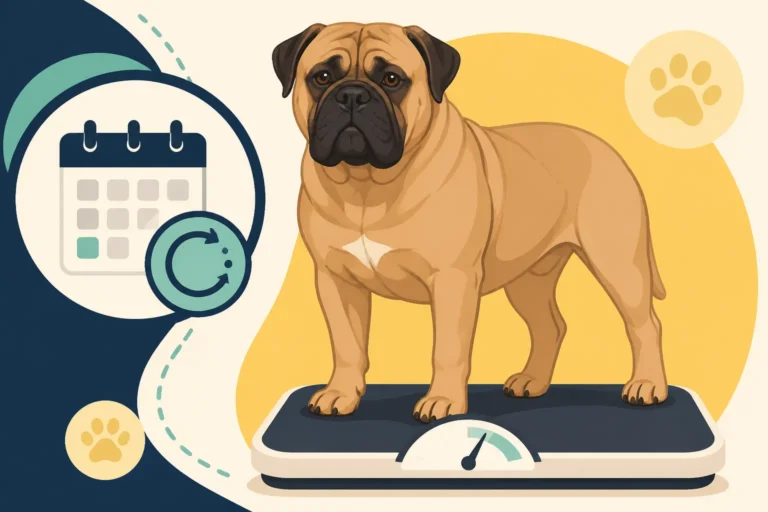
One of the most crucial aspects of feeding your Bullmastiff correctly is ensuring they maintain an ideal body weight. Overweight Bullmastiffs face a litany of health problems, from exacerbated joint issues like Hip Dysplasia in a Bullmastiff and Elbow Dysplasia in a Bullmastiff to increased risk of heart disease, diabetes, and even a shortened lifespan. Conversely, an underweight Bullmastiff might lack muscle mass and energy, and it could signal underlying health problems. Learning to assess their body condition accurately is a skill every Bullmastiff owner needs.
Mastering the Body Condition Score and Rib Test
You can't just rely on the scale alone; you need to feel and look at your Bullmastiff. The Body Condition Score (BCS) is a universally recognized system, usually on a 1-5 or 1-9 scale, that assesses a dog's fat reserves. Ideally, a Bullmastiff should be a 4-5 out of 9, or a 2.5-3 out of 5.
Here's how to perform the "rib test" and assess their overall condition:
- Feel the Ribs: Gently run your hands along your Bullmastiff's sides, over their rib cage. You should be able to feel their ribs without pressing hard, like feeling the back of your hand. If you can see the ribs easily, especially the last few, they might be too thin. If you have to push to feel them, or can't feel them at all, they are likely overweight. How to Feel a Bullmastiff's Ribs is a hands-on skill that becomes second nature.
- Observe the Waist: Stand above your Bullmastiff and look down. They should have a discernible waist, a slight tuck behind the ribs before their hips. It won't be as dramatic as a sighthound, but it should be there. From the side, their abdomen should tuck up slightly from their chest, not hang low or be straight across.
- Palpate the Spine and Hips: You should be able to feel their spine and hip bones with a thin layer of muscle and fat over them. If these bones are sharply protruding, they are too thin. If you can't feel them at all, they are too heavy.
Learning these indicators will empower you to make informed adjustments to their food intake. The goal is a dog that is lean and athletic, not bony, but certainly not carrying extra pounds. For a mature male Bullmastiff, What an Adult Bullmastiff Should Weigh typically falls in the range of 110-130 pounds, and females slightly less, around 100-120 pounds, but individual variations are normal.
Recognizing Signs of Under or Over-Feeding
Being vigilant about changes in your Bullmastiff's body condition is key to their health.
-
Signs of Overfeeding:
- Weight Gain: The most obvious sign. Your dog feels heavier than usual.
- Loss of Waist: The "tuck" behind the ribs disappears, and they appear more barrel-shaped.
- Ribs Difficult to Feel: You have to press hard to feel their ribs, or they're completely covered by a layer of fat.
- Fat Deposits: You might notice fat pads over their hips, at the base of their tail, or around their neck.
- Reduced Stamina: They may be less enthusiastic about walks or tire more easily.
- Increased Panting: Carrying extra weight makes them work harder, leading to more panting, especially in moderate temperatures. Signs a Bullmastiff Is Overweight can creep up slowly, so consistent monitoring is essential.
-
Signs of Underfeeding:
- Weight Loss: Noticeable reduction in body mass.
- Prominent Ribs, Spine, Hips: These bones are easily visible or feel sharp to the touch.
- Lack of Muscle Mass: Muscles might appear less defined, and they may seem weaker.
- Low Energy: Lethargy, disinterest in activity.
- Dull Coat: Nutritional deficiencies can affect coat health.
- Increased Hunger: They seem constantly ravenous or scavenge more.
If you suspect your Bullmastiff is significantly overweight or underweight, the first step is always a vet visit. They can rule out any underlying medical conditions before you adjust their diet. If the issue is simply too much or too little food, they can help you formulate a plan for Getting Weight Off a Bullmastiff or building healthy mass. Remember, even a few extra pounds can be detrimental to a large breed like the Bullmastiff.
Adapting the Diet Through Life's Stages and Changes
Your Bullmastiff's nutritional needs aren't static. They evolve as your dog moves through different life stages and potentially faces new health challenges. What worked perfectly for an energetic young adult might not be suitable for a greying senior. Thoughtful adaptation is a hallmark of responsible Bullmastiff ownership.
From Active Adult to Graceful Senior: Evolving Needs
The transition from a mature adult to a senior dog brings significant changes that necessitate dietary adjustments. Bullmastiffs are generally considered seniors around 6-7 years of age, though some may act younger or older depending on their individual health.
- Decreased Caloric Needs: As mentioned, metabolism slows, and activity levels naturally decrease. A senior Bullmastiff often needs about 20-30% fewer calories than their active adult counterpart to maintain their ideal weight. Continuing to feed the same amount can quickly lead to unwanted weight gain, putting stress on aging joints and organs.
- Joint Support: Joint issues are prevalent in large breeds, and they often become more pronounced with age. Senior dog foods often contain higher levels of glucosamine, chondroitin, and omega-3 fatty acids to support joint health and reduce inflammation.
- Digestive Health: The digestive system can become less efficient with age. Senior formulas often include prebiotics and probiotics to support gut health and fiber to help with regularity.
- Protein for Muscle Maintenance: While calories decrease, the importance of high-quality protein for maintaining muscle mass remains vital, even increases in some cases, to combat sarcopenia (age-related muscle loss). Look for senior diets with good protein content that isn't excessively high in fat.
- Softness and Palatability: Some senior Bullmastiffs might develop dental issues or simply find harder kibble less appealing. Switching to a slightly softer kibble or adding warm water or wet food to their meals can make eating more comfortable and enjoyable for them.
The goal is to keep them lean, comfortable, and well-nourished, supporting their body as it ages.
Dietary Adjustments for Specific Health Concerns
Beyond the natural aging process, specific health conditions can also require targeted dietary interventions. Always consult your veterinarian before making significant dietary changes, especially if it's related to a diagnosed health issue.
- Allergies or Sensitivities: If your Bullmastiff develops skin issues, digestive upset, or ear infections, food allergies or sensitivities might be the culprit. A veterinarian might recommend a limited ingredient diet or a hydrolyzed protein diet to identify and manage the allergen. Common allergens include chicken, beef, dairy, wheat, and soy.
- Weight Management (Obesity): If your Bullmastiff has become overweight, simply reducing their current food portion might not be enough or could leave them feeling perpetually hungry. Your vet might recommend a specific weight management or "light" formula. These foods are typically lower in calories and fat but higher in fiber and protein to promote satiety and muscle retention while shedding pounds.
- Hypothyroidism: Since Hypothyroidism in a Bullmastiff is relatively common, knowing its impact on diet is crucial. Hypothyroid dogs tend to gain weight easily due to a slowed metabolism. Even with medication, careful calorie control is often necessary to prevent obesity.
- Kidney or Liver Disease: These conditions require highly specialized prescription diets that aim to reduce the workload on the affected organs while providing complete nutrition. These diets are strictly formulated by veterinary nutritionists and are only available through your vet.
- Bloat Prevention (Gastropexy): While surgical prevention (gastropexy) can dramatically reduce the risk of future bloat episodes, it doesn't eliminate the need for careful feeding practices. Continue with multiple smaller meals, slow feeders, and rest after eating. Whether a Bullmastiff Should Have a Gastropexy is a serious consideration for many owners.
Your Bullmastiff's diet is a powerful tool in managing their health throughout their life. By staying informed, observant, and working closely with your veterinarian, you can ensure your gentle giant receives the optimal nutrition they need to live their best, healthiest life.
Disclaimer
This article is for general informational purposes only and does not constitute professional advice. Laws, prices and regulations vary by location and change over time. Consult a qualified professional for guidance on your specific situation.