Getting Weight Off a Bullmastiff
It’s incredibly disheartening to realize your beloved Bullmastiff has put on too many pounds. You see that once powerful, athletic frame starting to look a little soft, a little less agile, and you know deep down it’s not just about aesthetics—it’s about their health and quality of life. The worry sets in because you want the very best for your loyal companion, but getting weight off a big dog like a Bullmastiff can feel like an uphill battle, especially when they master the art of the soulful, hungry stare. This guide is here to walk you through practical, empathetic steps to help your Bullmastiff shed those extra pounds safely and effectively, improving their comfort and extending their potentially short life.
Understanding Why Bullmastiffs Gain Weight Easily
Bullmastiffs, with their impressive size and somewhat relaxed demeanor, can unfortunately be prone to packing on extra weight. It's not always just about too much food or too little exercise; several factors conspire against them. Understanding these reasons is the first step toward effective weight management and getting your Bullmastiff back to a healthy physique.
The Bullmastiff's Metabolism and Lifestyle
Unlike some high-energy breeds that burn calories just by existing, Bullmastiffs generally have a more sedate metabolism. They were bred for short bursts of activity, like catching a poacher, rather than sustained, all-day work. This means their caloric needs are often lower than many owners assume for such a large dog. If you're comparing their activity level to, say, a Border Collie, you're going to overfeed your Bullmastiff every time. Their natural inclination is to be a loyal, calm companion who enjoys lounging, which means they aren't constantly expending energy. This combination of a naturally lower metabolic rate and a tendency towards a relaxed lifestyle creates a perfect storm for weight gain if their diet isn't carefully managed.
Moreover, many Bullmastiff owners, myself included, can sometimes mistake their dog's calm nature for a need for less exercise than they truly require. While they don't need to run marathons, consistent, moderate exercise is still crucial. A Bullmastiff who spends most of its day on the couch, even if it has a yard, isn't burning enough calories to offset anything more than a precisely measured maintenance diet. It's a tricky balance, knowing that over-exercising a growing or older Bullmastiff can be detrimental to their joints, but under-exercising sets them up for a lifelong struggle with their weight. For more on their activity needs, check out Why a Bullmastiff Needs Less Exercise Than It Looks.
Genetics and Predisposition to Weight
Just like people, some dogs are genetically more predisposed to gain weight than others. While there isn't a specific "obesity gene" widely identified in Bullmastiffs, their breed type can play a role. They are a large, heavy-boned breed, and historically, larger dogs can sometimes have a slower metabolism compared to smaller, more agile breeds. Furthermore, certain health conditions that Bullmastiffs are prone to, such as hypothyroidism, can directly impact their weight. Hypothyroidism, which means an underactive thyroid, can slow down their metabolism significantly, making weight gain almost inevitable even on a strict diet. This is a crucial point to discuss with your vet if you're struggling to get weight off your Bullmastiff.
Beyond specific medical conditions, the sheer size of a Bullmastiff means that even a small percentage of extra weight translates to many pounds of unnecessary strain on their joints, heart, and other organs. A ten-pound gain on a 130-pound Bullmastiff is much more impactful than a ten-pound gain on a 30-pound terrier. This predisposition isn't a death sentence, but it highlights the need for owners to be extra vigilant and proactive in managing their Bullmastiff's diet and exercise from a young age.
Assessing Your Bullmastiff's Current Condition
Before you can tackle the problem of getting weight off a Bullmastiff, you need to honestly assess just how much weight they truly need to lose. This isn't just about stepping on a scale; it's about understanding their body condition score, which tells you much more about their health than a number alone ever could.
The Importance of Body Condition Scoring
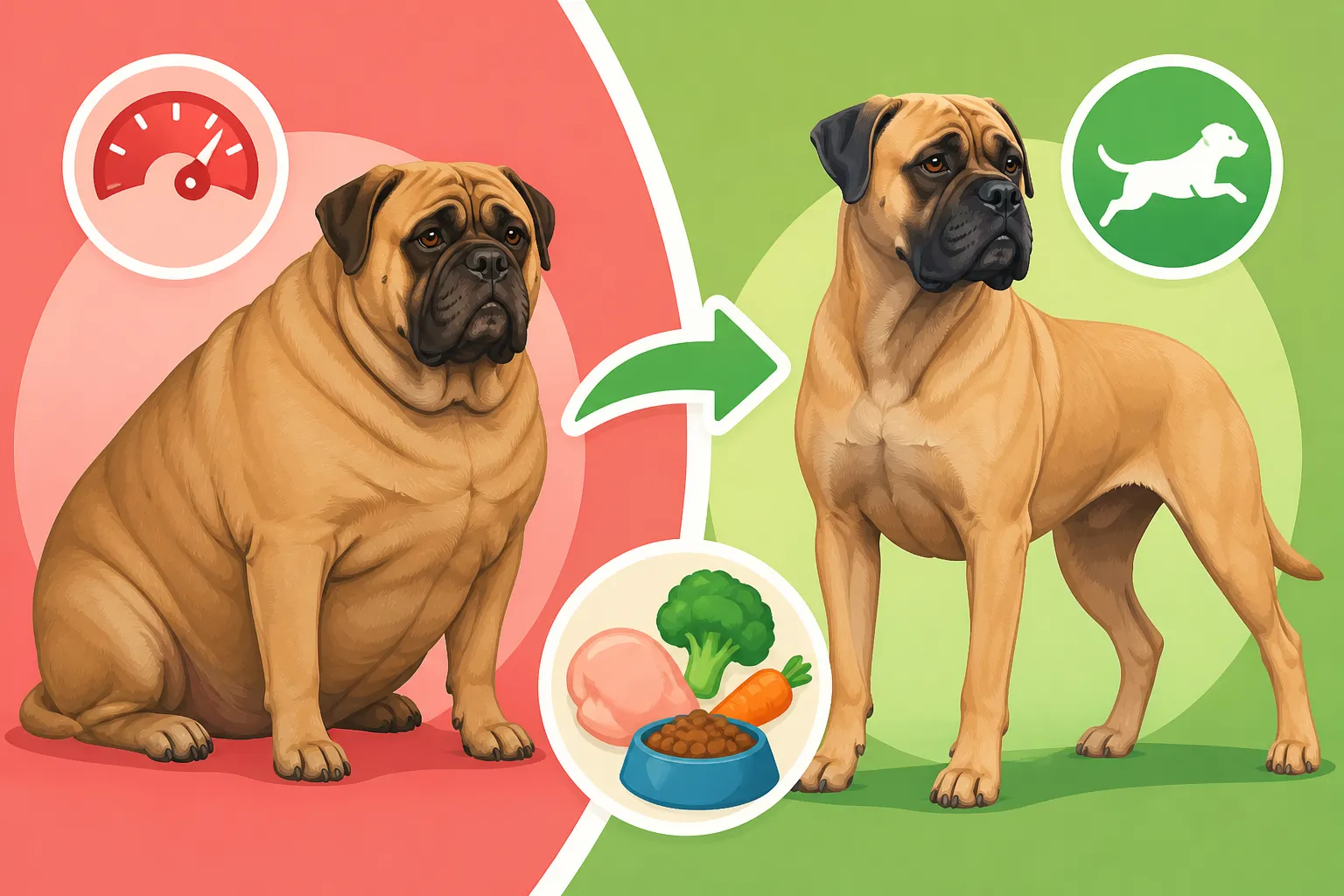
Weight on a scale can be misleading, especially with a breed as variable in size and build as the Bullmastiff. A large-boned male might weigh 140 pounds and be lean, while a smaller female might be overweight at 120 pounds. This is why veterinarians and experienced dog owners rely on Body Condition Scoring (BCS). BCS is a hands-on and visual assessment that helps you gauge the amount of fat cover over your dog's bones. It typically uses a 9-point scale, where 1 is emaciated, 9 is morbidly obese, and 4-5 is considered ideal.
Learning to accurately body condition score your Bullmastiff empowers you to make informed decisions about their diet and exercise. It allows you to track progress more effectively than just relying on numbers on a scale. Regular BCS checks, perhaps weekly or bi-weekly, can help you catch weight gain early before it becomes a significant health issue. Knowing how to feel for ribs, check for a waist, and assess abdominal tuck provides a critical, objective measure. If you're unsure, your veterinarian can demonstrate how to perform a BCS check during your next visit. For guidance on assessing their current state, take a look at Signs a Bullmastiff Is Overweight and How to Feel a Bullmastiff's Ribs.
Here's a simplified guide to Body Condition Scoring for your Bullmastiff:
| Score | Appearance | Feel |
|---|---|---|
| 1 | Ribs, spine, pelvis, prominent. No body fat. | Bones easily visible and felt. Severe muscle loss. |
| 3 | Ribs easily seen. Top of lumbar vertebrae visible. | Minimal fat cover. Ribs easily felt with no pressure. |
| 5 | Ribs palpable with slight fat cover. Waist visible. | Ribs felt easily, minimal fat. Abdomen tucked. Ideal. |
| 7 | Ribs difficult to feel. Noticeable fat deposits over spine. | Heavy fat cover over ribs, spine. Waist absent or barely visible. |
| 9 | Massive fat deposits everywhere. Abdomen distended. | Extremely difficult to feel ribs or other bones. Bloated appearance. |
Aim for a BCS of 4-5 for optimal health.
Consulting Your Veterinarian
Even with a good understanding of BCS, consulting your veterinarian is absolutely critical when embarking on a Bullmastiff weight loss journey. They can confirm your BCS assessment, rule out underlying medical conditions (like the aforementioned hypothyroidism or even conditions like Cushing's disease that can cause weight gain), and help you formulate a safe and effective weight loss plan. Your vet can also calculate the ideal target weight for your specific Bullmastiff and determine a safe caloric intake.
A vet visit should involve a thorough physical examination, and potentially blood tests, especially if your Bullmastiff is showing other symptoms like lethargy, skin issues, or changes in coat quality. These could all point to an underlying issue that needs medical intervention, not just a diet change. They can also advise on appropriate exercise levels, especially important for a large breed prone to joint issues. Never put your Bullmastiff on a drastic diet or exercise regimen without professional guidance; their health is too important.
Dietary Adjustments for Weight Loss
Once you know your Bullmastiff needs to lose weight and your vet has given the green light, the next critical step is overhauling their diet. This isn't just about cutting back; it's about making smart, sustainable changes to what and how they eat.
Choosing the Right Food
Not all dog foods are created equal, especially when it comes to weight management. You'll want to look for "weight management," "light," or "senior" formulas specifically designed for large breeds. These foods typically have a lower calorie density, higher fiber content to help your Bullmastiff feel full, and sometimes added L-carnitine to support fat metabolism. However, be cautious: some "light" foods might skimp on protein, which is essential for maintaining muscle mass during weight loss. Always check the ingredient list to ensure a high-quality protein source is the first ingredient. Many brands offer good options through retailers like Chewy, making it easier to compare nutritional profiles.
Beyond traditional kibble, some owners explore fresh food diets, like those from services like Ollie, or even raw feeding under veterinary guidance. These options can offer precise portion control and nutrient density, which might be beneficial for weight loss. However, they also require careful planning to ensure they are nutritionally complete and balanced, especially for a large breed with specific needs. Whatever food you choose, the key is consistency and ensuring it meets your Bullmastiff's nutritional requirements while promoting a caloric deficit. For general feeding advice, see How Much an Adult Bullmastiff Eats.
Portion Control and Meal Frequency
This is where many weight loss efforts succeed or fail: precise portion control. It's easy to eyeball a scoop of kibble, but those extra few kibbles every meal add up significantly over time for a big dog. Invest in a proper measuring cup or, even better, a kitchen scale to weigh out your Bullmastiff's food accurately. Your vet will provide a target daily caloric intake, and you can then determine the exact amount of your chosen food needed to meet that. Remember, the feeding guidelines on the bag are often for intact, active dogs and may need to be significantly reduced for an overweight, spayed/neutered Bullmastiff.
Consider breaking their daily allowance into two or three smaller meals. This can help prevent them from feeling overly hungry between meals and might even support a more stable metabolism. For Bullmastiffs, specifically, eating smaller, more frequent meals can also be a strategy to potentially reduce the risk of bloat, a life-threatening condition for large, deep-chested breeds. If your Bullmastiff tends to "inhale" their food, consider a slow feeder bowl, available on Amazon, to make them eat more slowly and feel fuller with less food.
Smart Snacking and Treats
Those irresistible Bullmastiff eyes can make you crumble and hand over an extra treat or table scrap. But these seemingly small indulgences are often the biggest sabotagers of a weight loss plan. Most commercial dog treats are surprisingly high in calories. When your Bullmastiff is trying to lose weight, treats should be drastically limited or swapped for low-calorie alternatives. Think small pieces of plain, cooked chicken, green beans, carrots, or apple slices (without seeds). These healthy snacks offer fiber and nutrients without the calorie bomb.
If you use treats for training, cut them into tiny, pea-sized pieces to maximize the number of rewards while minimizing calories. Better yet, try using a portion of their daily kibble allowance as training treats. This way, you're not adding extra calories, just redistributing them. Educate everyone in the household—family members, visitors, children—about the importance of sticking to the diet plan and avoiding unauthorized treats. Consistency from every person who interacts with your Bullmastiff is paramount for success.
Exercise Strategies for a Heavy Bullmastiff
Diet is king for weight loss, but exercise is its loyal companion, especially for a big breed like a Bullmastiff that needs to build and maintain muscle mass while shedding fat. However, exercising an overweight Bullmastiff requires a thoughtful, careful approach to prevent injury.
Low-Impact Activities
An overweight Bullmastiff already carries extra strain on its joints, particularly its hips and elbows, which are common areas of concern for the breed (see Hip Dysplasia in a Bullmastiff and Elbow Dysplasia in a Bullmastiff). High-impact activities like intense running, jumping, or prolonged, strenuous play can exacerbate existing joint issues or create new ones. Instead, focus on low-impact exercises that get their heart rate up without jarring their body.
Daily, leashed walks are your best friend. Start with short, gentle strolls, maybe 10-15 minutes, two or three times a day, and gradually increase the duration and pace as your Bullmastiff's fitness improves. The goal is steady, consistent movement. Swimming can also be an excellent low-impact option if your Bullmastiff enjoys it and has safe access to a pool or calm body of water. The buoyancy supports their weight, taking pressure off their joints while providing a great full-body workout. Even just walking around the yard with you, engaging in a gentle game of "find the treat" (using low-cal options, of course!), can contribute to their daily activity level.
Gradual Progression is Key
You wouldn't expect a person who hasn't exercised in years to run a marathon overnight, and the same goes for your Bullmastiff. Starting too intensely can lead to soreness, injury, and a negative association with exercise. It's crucial to adopt a philosophy of gradual progression. Monitor your Bullmastiff closely during and after exercise for signs of fatigue, lameness, or discomfort. Heavy panting, lagging behind, or limping are all signals to slow down or stop.
Increase walk times or distances by only a few minutes each week. For example, if you start with three 15-minute walks daily, you might increase them to 20 minutes each the following week. Listen to your dog's body language. Some days they might have more energy than others. Always end on a positive note, making exercise a pleasant experience rather than a chore. This gentle, consistent approach is far more effective and safer in the long run than trying to achieve quick results with overexertion. Remember, for older Bullmastiffs, who are already slowing down, exercise needs may need to be adjusted even more carefully (see Caring for an Aging Bullmastiff).
Mental Stimulation as Exercise
Don't underestimate the power of mental exercise, especially for Bullmastiffs who can sometimes be a bit particular about physical exertion. Engaging their minds can burn calories and energy, reducing boredom that can lead to destructive behaviors or excessive begging. Puzzle toys, snuffle mats, or interactive feeders (many found on Amazon or Chewy) that make them "work" for their low-calorie kibble or treats are fantastic.
Practicing obedience commands, learning new tricks, or playing scent games in the house or yard can also be incredibly stimulating. These activities engage their brains and can leave them pleasantly tired without putting undue stress on their bodies. Incorporating these mental workouts into your Bullmastiff's daily routine adds another layer to their weight loss efforts and keeps them happy and engaged. A mentally stimulated dog is generally a happier dog, less likely to resort to nagging for food out of sheer boredom.
Addressing Underlying Health Issues
Sometimes, despite your best efforts with diet and exercise, a Bullmastiff struggles to lose weight. This is when it's vital to consider that there might be an underlying health issue at play, beyond just caloric intake.
Thyroid Imbalance
One of the most common medical reasons for unexplained weight gain or difficulty losing weight in dogs, including Bullmastiffs, is hypothyroidism. This condition occurs when the thyroid gland doesn't produce enough thyroid hormone, which regulates metabolism. A sluggish thyroid means a sluggish metabolism, making it incredibly difficult for a dog to burn calories efficiently. Signs can include weight gain despite a controlled diet, lethargy, a dull or thinning coat, skin issues, and intolerance to cold.
If your Bullmastiff is struggling to lose weight, your vet will likely recommend a thyroid panel blood test. If hypothyroidism is diagnosed, it's typically managed with daily thyroid hormone replacement medication. This medication is usually lifelong, but with proper dosage and regular monitoring, your Bullmastiff's metabolism can return to normal, making weight loss and maintenance much more achievable. For a deeper dive into this, read Hypothyroidism in a Bullmastiff.
Joint Pain and Mobility Issues
An overweight Bullmastiff is already at a higher risk for joint problems, but sometimes existing, undiagnosed joint pain can also be a barrier to weight loss. If a dog is in discomfort, they will naturally be less active, creating a vicious cycle where pain leads to inactivity, which leads to more weight gain, which in turn worsens the pain. Bullmastiffs are predisposed to conditions like hip and elbow dysplasia, and arthritis is a common concern as they age.
Your vet can assess for joint pain through physical examination and potentially X-rays. If pain is identified, they may recommend anti-inflammatory medications, joint supplements (like glucosamine and chondroitin, discussed in Whether a Bullmastiff Needs Joint Supplements), physical therapy, or even alternative therapies to improve comfort and mobility. Addressing the pain can encourage your Bullmastiff to move more freely, making exercise both possible and enjoyable, and thus aiding in their weight loss journey. Don't let your Bullmastiff's stoic nature hide their discomfort; always investigate reduced activity.
Other Medical Conditions
While hypothyroidism and joint pain are common culprits, other medical conditions can also contribute to weight gain or hinder weight loss. Conditions like Cushing's disease, certain heart conditions, or even fluid retention (ascites) can manifest with an enlarged abdomen or overall weight increase. Additionally, some medications, such as certain steroids, can cause increased appetite and weight gain as a side effect.
This reinforces the importance of a thorough veterinary examination. Your vet is equipped to look at the complete picture of your Bullmastiff's health, not just their waistline. They can perform necessary diagnostics and tailor a treatment plan that addresses any underlying issues, paving the way for successful and healthy weight loss. Never assume weight gain is solely due to overfeeding; always consider the possibility of a medical explanation.
Maintaining a Healthy Weight Long-Term
Getting the weight off is a huge accomplishment, but the real challenge often lies in keeping it off. For a Bullmastiff, maintaining a healthy weight is a lifelong commitment that requires consistency, vigilance, and regular adjustments as they age.
Consistent Diet and Portioning
The moment your Bullmastiff reaches its ideal weight and body condition score, the temptation might be to relax the diet. Resist this urge! Weight management is a marathon, not a sprint. Continue to feed a carefully measured portion of appropriate, high-quality food. You might transition from a "weight loss" formula to a "maintenance" or "lean adult" formula, but the principle of precise portion control remains. If your Bullmastiff is particularly food-motivated, continue using slow feeder bowls or puzzle toys to extend mealtime enjoyment.
Regularly check your Bullmastiff's body condition score, perhaps weekly or bi-weekly. If you notice them starting to gain a pound or two, or if their ribs become harder to feel, adjust their food intake slightly immediately. It's much easier to shed a couple of pounds than to tackle a significant weight regain. Make diet consistency a non-negotiable part of their daily routine, and ensure all family members are on board.
Adapting Exercise Over Time
A Bullmastiff's exercise needs will change throughout their life. A young adult might enjoy slightly more vigorous walks than a senior dog. As your Bullmastiff ages, their joints may become stiffer, and their stamina might decrease. It's crucial to adapt their exercise routine accordingly. An aging Bullmastiff might benefit from shorter, more frequent walks, or more swimming sessions. Maintaining muscle mass becomes even more important for supporting their aging joints, so continued gentle exercise is vital.
Always observe your Bullmastiff for signs of discomfort or fatigue. In the summer months, be extra mindful of heatstroke, as Bullmastiffs can overheat easily; adjust walks to cooler parts of the day. Providing soft, supportive bedding is also critical for joint health, regardless of weight (see Which Bed a Bullmastiff Needs). Think of exercise as a living plan that needs constant tuning to your Bullmastiff's current age, health, and energy levels.
Regular Veterinary Check-ups
Even after successful weight loss, regular veterinary check-ups are essential for long-term weight management. Your vet can monitor their overall health, catch any subtle signs of recurring or new medical conditions, and provide guidance on diet and exercise adjustments as your Bullmastiff enters different life stages. They can also ensure that any medications for conditions like hypothyroidism are still at the correct dosage.
These check-ups are also a great opportunity to discuss any new concerns, such as changes in appetite, energy levels, or mobility. Proactive healthcare is the best way to ensure your Bullmastiff lives a long, healthy, and comfortable life at their ideal weight. Remember, the median Bullmastiff lives about eight and a half years, and keeping them lean is one of the best ways to maximize their comfort and potentially their lifespan during those precious years. The dedication you put into getting and keeping weight off your Bullmastiff is truly an act of love.
Disclaimer
This article is for general informational purposes only and does not constitute professional advice. Laws, prices and regulations vary by location and change over time. Consult a qualified professional for guidance on your specific situation.