When a Bullmastiff Drools Most
If you're living with a Bullmastiff, you've probably noticed that sometimes, it feels like they're less a dog and more a drool-generating machine. The sheer volume can be astonishing, leaving you wondering if it's normal or if your gentle giant is experiencing some secret issue. This guide is here to shed light on exactly when a Bullmastiff drools the most, helping you understand the common, the concerning, and the completely unavoidable moments of slobber.
The Anatomy of a Bullmastiff's Drool: It's More Than Just Saliva
Let's face it, one of the first things people notice about a Bullmastiff, besides their impressive size, is their magnificent jowls. These aren't just for show; they play a significant role in why our beloved Mastiff-type dogs are so prone to drooling. It's a combination of their unique facial structure and the sheer amount of saliva their bodies naturally produce. Understanding this basic biology can really help set expectations, both for new owners and those who've been wiping up puddles for years.
Why a Bullmastiff's Jowls Hold Saliva
The Bullmastiff's distinctive facial structure includes loose, pendulous lips, often referred to as jowls. Unlike breeds with tighter lips that form a neat seal around their mouths, a Bullmastiff's jowls don't effectively contain the saliva produced by their salivary glands. Think of it like a leaky bucket; the saliva is always being produced, and without a tight seal, it has nowhere to go but out. This isn't a flaw in their design, but rather a characteristic that comes with the territory of owning such a magnificent breed. You can learn more about this by checking out Why a Bullmastiff's Jowls Hold Saliva.
When your Bullmastiff drinks water, eats, or even just gets a little excited, those jowls can fill up quickly. Gravity, then, takes its course. You'll often see them shake their head, and that's when the "flinging" happens – a characteristic Bullmastiff owner experience that can redecorate your walls in a matter of seconds. It's not that they're producing more saliva than another dog; it's simply that their anatomy makes it much harder to keep it all contained.
This unique anatomy means that drooling is a constant, though sometimes subtle, part of Bullmastiff ownership. It's less about them being "sick" or "unhealthy" and more about how they are built. Accepting this as a fundamental aspect of the breed helps you prepare, both mentally and practically, for the reality of living with a drooler. It's just their way of being a Bullmastiff!
The Role of Breed Standard in Drooling
The Bullmastiff breed standard, which describes the ideal characteristics of the dog, implicitly influences drooling by emphasizing certain facial features. A broad skull, a deep, rather short muzzle, and well-developed flews (the upper lips) are all part of what makes a Bullmastiff a Bullmastiff. These traits, while visually striking and historically important for their original working role, also contribute directly to their propensity to drool. Breeders aim for these characteristics, and as a result, the "drool factor" remains a consistent trait within the breed.
There's a common misconception that a "tighter-lipped" Bullmastiff will drool less, and while there might be some minor variation between individuals, the fundamental anatomical reality remains. Even the best-bred Bullmastiff with perfect flews will still drool because their lips simply aren't designed to form a complete seal like, say, a Labrador Retriever's. It's ingrained in their genetics and their very appearance.
So, when you see a beautifully bred Bullmastiff at a show or in a photo, remember that those classic features, while gorgeous, are also part of the reason they'll leave a puddle on your floor. It’s not something that can be "bred out" without significantly altering the fundamental appearance and characteristics of the breed. It's just part of the package, a feature that comes with their wonderful, loyal nature.
Everyday Moments: When Your Bullmastiff's Drool is Completely Normal
Beyond their inherent anatomy, there are specific, predictable times when your Bullmastiff will turn into a veritable drool fountain. These are the moments that every Bullmastiff owner comes to anticipate and, with a bit of humor and preparation, manages. Understanding these normal drool triggers can help you differentiate between routine slobber and something more concerning. It's all part of the daily dance with these magnificent creatures.
Drooling During and After Meals
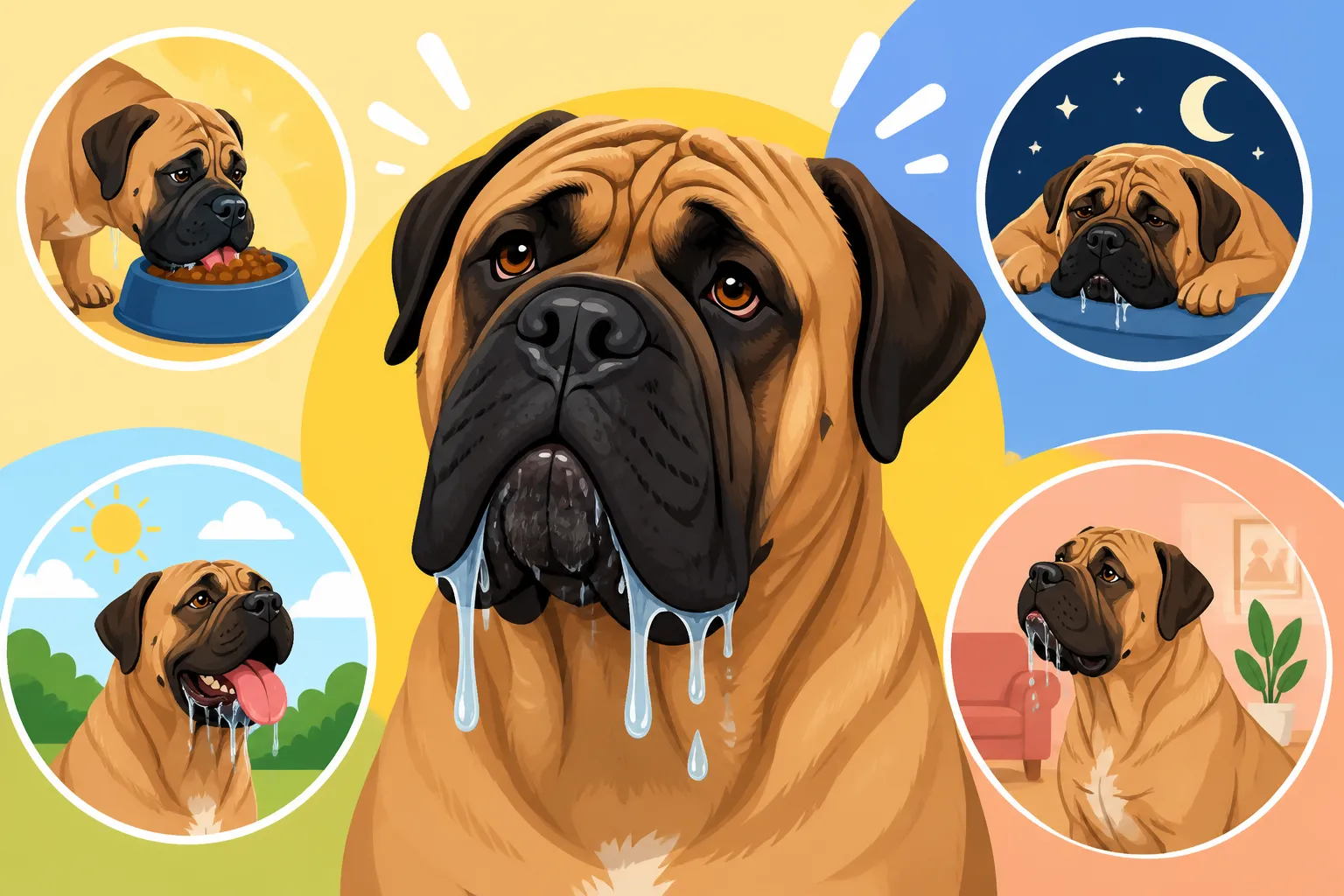
This is perhaps one of the most common and understandable times a Bullmastiff will drool. Just like humans salivate at the sight or smell of delicious food, a Bullmastiff's salivary glands kick into overdrive in anticipation of their meal. The moment you start rattling the food bag or opening the food container, you might notice strings of drool starting to form and drip. It's a natural physiological response to hunger and the promise of a tasty meal.
Beyond anticipation, the act of eating itself often leads to drooling. As they chew and gulp down their kibble or fresh food, their jowls can catch and hold some of the saliva mixed with food particles. Once they finish their meal, they might shake their head vigorously, sending a spray of drool (and sometimes bits of food!) across the kitchen. It’s all part of the dining experience with a Bullmastiff. You can find many robust food and water bowls on platforms like Amazon that are designed to minimize mess, and a good mat underneath is usually a lifesaver.
This mealtime drool is completely normal and healthy. It aids in digestion by moistening the food and starting the breakdown process. There’s really no way to avoid it entirely, so embracing it and having a dedicated "mealtime cleanup" routine is the best approach. Keep a designated "drool rag" handy to wipe their jowls after they've finished eating, which can significantly reduce the mess.
The Post-Water Bowl Flood
Ah, the water bowl. A necessary evil, perhaps, in a Bullmastiff owner's home. It's not just about drinking water; it's about the aftermath. When a Bullmastiff drinks, their large jowls scoop up a considerable amount of water, which doesn't always make it into their mouth. Instead, it gets trapped in those loose folds, only to be released with a shake of the head or a slow, steady drip across your floor. You can read more about this phenomenon in Whether a Bullmastiff Drools More After Drinking.
The moment they lift their head from the bowl, prepare for impact. Water-logged jowls will then release their contents, often creating a puddle that makes you wonder if they actually drank any of the water at all. This is an unavoidable part of their hydration routine, especially after vigorous exercise when they might drink more enthusiastically.
Specialized water bowls, sometimes called "no-splash" or "slopper stopper" bowls, can help contain some of the initial splash and encourage them to drink more neatly. However, the fundamental issue of water-filled jowls remains. Many owners keep towels near water stations and teach their Bullmastiffs to wait for a quick jowl wipe before moving away. It's a small routine adjustment that can save your floors and your sanity.
Excitement and Anticipation Drool
Bullmastiffs are sensitive souls, deeply attuned to their family's routines and emotions. This sensitivity, coupled with their strong anticipation, can often manifest in increased drooling. Think about the moments leading up to a walk, a car ride, or when a beloved family member returns home after a long day. The wagging tail and happy dances are often accompanied by a significant increase in saliva production.
For example, if you grab the leash for a walk, your Bullmastiff might start pacing, their eyes sparkling with excitement, and their jowls glistening with fresh drool. This isn't just because they're hot (though that can contribute, as we'll discuss later); it's a pure physiological response to happiness and the thrilling prospect of an outing. The brain sends signals to the salivary glands, preparing the body for action, and those leaky jowls simply can't hold it all in.
Similarly, if you’re cooking something particularly fragrant or preparing a special treat, your Bullmastiff might sit patiently, watching your every move, a steady stream of drool forming. This type of drooling is a testament to their emotional connection and their ability to anticipate. It’s harmless, utterly endearing (if a bit messy), and a clear sign of a happy, engaged Bullmastiff. Keeping a few dedicated towels or rags handy, perhaps purchased from Chewy or a local pet supply store, can make these joyful but messy moments much more manageable.
Environmental Factors That Amplify Drool
While some drooling is inherent to the Bullmastiff's design, and some is triggered by everyday events, there are also external environmental factors that can significantly increase the amount of slobber. These often relate to temperature and stress, and recognizing them is crucial for your Bullmastiff's comfort and health. As a devoted owner, you want to ensure your big pal is always feeling their best, and sometimes that means mitigating environmental challenges.
Heat and Humidity: A Bullmastiff's Arch-Nemesis
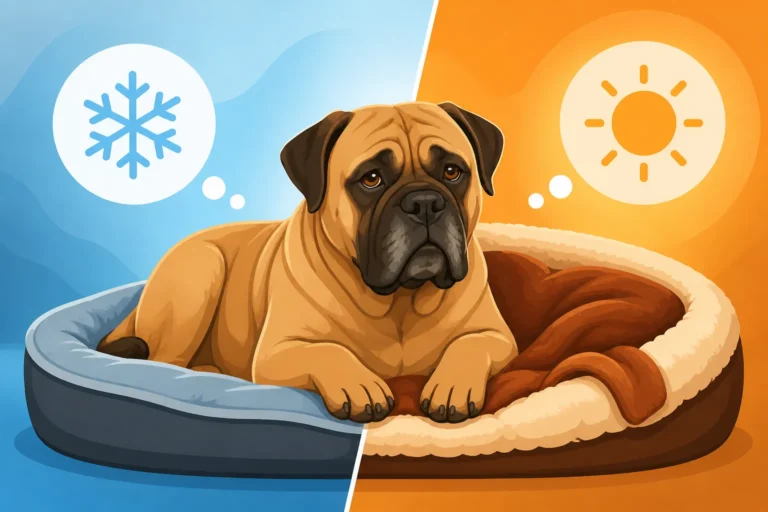
Bullmastiffs are incredibly sensitive to heat, and their short muzzles and dense bodies mean they don't cool down as efficiently as other breeds. When a Bullmastiff gets hot, one of their primary cooling mechanisms is panting. Increased panting naturally leads to increased saliva production, and with their jowls, that saliva has nowhere to go but out. This is why you'll often notice a significant uptick in drooling during warmer weather or after strenuous exercise, even if it doesn't seem that strenuous to you. You can delve deeper into this specific issue by reading Whether a Bullmastiff Drools More in Heat.
Imagine a warm summer day, even just a walk around the block. Your Bullmastiff, designed for cooler climates and less sustained activity, will heat up much faster than you realize. As their body temperature rises, they'll pant harder and faster, and the drool will flow more freely. This isn't just an inconvenience; it can be a warning sign of overheating, which is a serious concern for the breed. Understanding The Temperature at Which a Bullmastiff Struggles is vital for their safety.
To combat this, it's essential to keep your Bullmastiff cool and hydrated, especially in humid conditions where sweat evaporation is less effective for them. Avoid walks during the hottest parts of the day, ensure constant access to fresh, cool water, and provide shaded, well-ventilated resting areas. Cooling mats, kiddie pools, or even just a damp towel draped over them can help manage their body temperature and, consequently, their drooling levels.
Stress, Anxiety, and Car Rides
Just like humans might get a dry mouth when nervous, dogs can sometimes do the opposite and drool excessively when stressed or anxious. Bullmastiffs are generally calm and confident, but certain situations can cause them considerable stress, leading to a noticeable increase in drool. Common triggers include vet visits, thunderstorms, fireworks, separation anxiety, or unfamiliar environments. Checking out Whether a Bullmastiff Drools When Anxious can provide more insights into this behavior.
A prime example is a car ride. For some Bullmastiffs, a car ride is an exciting adventure, but for others, it's a source of anxiety or motion sickness. If your Bullmastiff is not fond of car travel, you might notice them drooling profusely, sometimes to the point of drenching their crate or the car seat. This isn't just about discomfort; it's a clear physical manifestation of their unease. Their body goes into a heightened state, and increased salivation is one of the responses.
If you suspect your Bullmastiff is drooling due to stress or anxiety, it's important to address the root cause. This might involve desensitization training, creating a calming environment (e.g., a quiet, dark room during thunderstorms), or consulting with your vet about anti-anxiety medications or supplements. For car rides, starting with short, positive trips and using a comfortable, secure crate can often help. Investing in absorbent crate liners or car seat covers from retailers like Amazon can make cleanup much easier in the meantime.
Recognizing Problematic Drooling: When to Pay Closer Attention
While a certain amount of drool is a given with a Bullmastiff, there are times when excessive or sudden drooling can signal an underlying health issue. As responsible owners, it's crucial to distinguish between normal Bullmastiff slobber and drooling that warrants a closer look by a veterinarian. Being observant can make all the difference in catching potential problems early.
Dental Issues and Oral Discomfort
Oral health plays a significant role in a dog's overall well-being, and dental problems are a common, yet often overlooked, cause of increased drooling in Bullmastiffs. Tartar buildup, gum disease (gingivitis or periodontitis), broken teeth, or foreign objects lodged in the mouth can all cause discomfort and stimulate excessive salivation. The body's natural response to pain or irritation in the mouth is to produce more saliva to help flush it out or soothe the area.
If you notice your Bullmastiff drooling more than usual, especially if the drool is thicker, discolored, bloody, or accompanied by bad breath, it's time to check their mouth. Look for redness in the gums, missing or discolored teeth, or any swelling. They might also show reluctance to eat hard kibble, paw at their mouth, or become irritable when you try to examine them. These are all clues that something is amiss inside their oral cavity.
Regular dental check-ups with your vet are essential for preventing and addressing these issues. Daily tooth brushing, if your Bullmastiff tolerates it, can also go a long way in maintaining good oral hygiene. Sometimes, a professional dental cleaning under anesthesia is necessary to remove tartar and address any underlying problems. Just like in humans, good dental health is paramount, and it can significantly impact their comfort and how much they drool.
Nausea, Upset Stomachs, and Other Illnesses
Sudden or persistent drooling can also be a clear indicator of an upset stomach or nausea. If your Bullmastiff is feeling queasy, their body often responds by producing excess saliva, sometimes even before vomiting occurs. This is a protective mechanism, as the saliva helps to buffer stomach acid and protect the esophagus. This type of drooling might be accompanied by lip-licking, gulping, restlessness, or lethargy.
Beyond simple nausea, drooling can be a symptom of a wide range of other illnesses, some minor and some very serious. Conditions like kidney disease, liver disease, pancreatitis, or even certain types of poisoning can manifest with excessive salivation. For instance, if your Bullmastiff has ingested something toxic, drooling is often one of the first and most obvious signs. If your Bullmastiff’s thyroid is low, for example, it might not directly cause drooling, but changes in metabolism can impact their overall health and how their body functions, so it’s always good to be aware of Signs a Bullmastiff's Thyroid Is Low.
If you observe sudden, unexplained drooling, especially if it's accompanied by other symptoms like vomiting, diarrhea, loss of appetite, lethargy, or behavioral changes, don't hesitate to contact your veterinarian immediately. It’s always better to be safe than sorry, as early intervention can be critical for many health issues.
Sudden, Excessive Drooling as a Warning Sign
Sometimes, the drooling isn't just "more" than usual; it's a dramatic, sudden gush that can be quite alarming. This kind of excessive, acute drooling should never be ignored. It can indicate a serious and potentially life-threatening emergency, particularly for large, deep-chested breeds like the Bullmastiff. This is the kind of situation where you need to act fast, and understanding When Sudden Drooling Means Something Is Wrong can guide your response.
One of the most critical concerns when you see sudden, severe drooling in a Bullmastiff is a possible foreign object lodged in their throat or mouth. A stick, a bone fragment, or a toy piece could obstruct their airway or cause significant irritation, leading to intense salivation as their body tries to dislodge it. In such cases, they might also paw at their mouth, gag, cough, or struggle to breathe.
Another severe condition that can cause sudden drooling, often combined with retching or dry heaving, is bloat (Gastric Dilatation-Volvulus or GDV). This is an emergency where the stomach fills with gas and can twist, cutting off blood supply. It's incredibly painful and rapidly fatal if not treated immediately. While bloat can have many symptoms, sudden, excessive drooling is often one of them. Any sign of such severe drooling, especially if your dog seems distressed, is reason for an immediate emergency vet visit.
Living with a Drooly Bullmastiff: Practical Management Strategies
Accepting that your Bullmastiff will drool is the first step, but the next is learning how to manage it effectively. It's not just about cleaning up; it's about making your home comfortable, keeping your dog hygienic, and having the right tools on hand to tackle the daily slobber. With a few smart strategies, you can minimize the mess and maximize your enjoyment of your wonderful Bullmastiff.
Keeping Your Home (and Dog) Clean
Living with a Bullmastiff means accepting that your home will likely bear the marks of their affection – and their drool. However, you don't have to live in a constantly sticky environment. Regular cleaning is key. For surfaces like walls and furniture, a simple spray cleaner and a soft cloth can work wonders on fresh drool. For dried drool, which can be surprisingly tenacious, a damp cloth might need a little extra scrubbing. Many Bullmastiff owners keep a dedicated spray bottle with a mild, pet-safe cleaner or just plain water and a dash of vinegar for quick cleanups. You can find many effective household cleaners at your local grocery store or on Amazon.
When it comes to your Bullmastiff themselves, routine hygiene is vital. Their jowls can accumulate not just saliva, but also food particles, dirt, and moisture, creating an ideal breeding ground for bacteria and yeast. This can lead to skin irritation, foul odors, or even infections in the folds of their skin. How to Clean a Bullmastiff's Jowls explains the process in detail. A soft, damp cloth used daily to wipe their jowls, especially after meals and drinks, is a simple yet effective practice. For their face wrinkles, which are notorious for trapping moisture, gentle cleaning with a pet-safe wipe or a damp cloth followed by thorough drying is crucial to prevent skin fold infections.
Investing in machine-washable covers for furniture, durable pet beds with removable covers, and even strategically placed towels can make a huge difference in maintaining cleanliness. Think about the high-traffic drool zones in your home – usually near food bowls, water bowls, and their favorite napping spots – and arm them with easy-to-clean solutions.
Tools and Tricks for Drool Control
While you can't stop a Bullmastiff from drooling, you can certainly equip yourself with the right tools to manage it. Having a designated supply of "drool rags" is paramount. These aren't just any old rags; you'll want absorbent, soft cloths that are easy to wash and always within reach. Many owners buy bulk packs of microfiber cloths or repurpose old towels specifically for this task. You can often find great value packs on Chewy or Amazon. Knowing What to Keep on Hand for a Bullmastiff's Drool is half the battle.
Another trick is strategic placement of water bowls. Some Bullmastiff owners opt for multiple water bowls around the house, all placed on easy-to-clean surfaces or large waterproof mats. Raised water bowls can sometimes help some dogs drink more comfortably, potentially reducing immediate spills, but it won't stop the jowl-drip. Consider a slow water feeder if your Bullmastiff gulps water too quickly, though the primary drool is often from the jowls themselves.
Some owners even consider specialized drool bibs or bandanas, especially for highly drooly individuals or during specific messy activities like car rides or visits to friends' houses. While not every Bullmastiff will tolerate wearing one, for those who do, it can be a lifesaver for keeping their chest and the immediate surroundings cleaner. Ultimately, patience, a good sense of humor, and a constant supply of absorbent cloths will be your best allies in living harmoniously with your wonderful, drooly Bullmastiff. For more tips on managing the mess, consider reading Which Fabric Handles a Bullmastiff's Drool to help choose the best materials for your home.
| Drooling Trigger | When It Happens Most | Why It Happens | Management Strategy |
|---|---|---|---|
| Anticipation/Excitement | Mealtime, walks, greeting people, car rides | Physiological response to positive stimuli, increased salivary flow | Keep drool rags handy, allow time for excitement to subside |
| Eating & Drinking | During and immediately after meals and hydration | Food/water trapped in jowls, stimulation of salivary glands | Wipe jowls after, use no-splash bowls, place bowls on mats |
| Heat/Humidity | Warm weather, after exercise, stuffy environments | Increased panting to cool down, leading to higher saliva production | Provide shade/AC, limit exercise in heat, offer cool water/mats |
| Stress/Anxiety | Vet visits, thunderstorms, separation, car sickness | Fight-or-flight response, heightened physiological state | Identify triggers, desensitize, vet consultation, calming aids |
| Oral Issues | Persistent, sudden increase, foul odor, pawing mouth | Pain/irritation from dental disease, foreign objects, injury | Regular dental checks, inspect mouth, vet visit |
| Nausea/Illness | Accompanying lethargy, vomiting, loss of appetite | Body's protective response to upset stomach, systemic illness | Monitor other symptoms, immediate vet contact if severe |
Disclaimer
This article is for general informational purposes only and does not constitute professional advice. Laws, prices and regulations vary by location and change over time. Consult a qualified professional for guidance on your specific situation.