When Sudden Drooling Means Something Is Wrong
It's incredibly unsettling when your usually calm Bullmastiff suddenly starts drooling like a faucet has been turned on. We all know Bullmastiffs are champions of drool – it's part of their charm, right? But there's a world of difference between their everyday dribbles and a sudden, alarming gush. This guide is here to help you distinguish between the normal Bullmastiff slobber and those worrying moments when excessive drooling signals something is genuinely wrong and might require immediate veterinary attention.
Understanding "Normal" Bullmastiff Drool vs. "Sudden" Excessive Drooling
Let's be real: living with a Bullmastiff means living with drool. It's just a fact of life when you share your home with these magnificent, jowly giants. But recognizing what's typical for your dog is the first step in knowing when something isn't right.
The Bullmastiff's Everyday Dribbles
A Bullmastiff's distinctive facial structure, with those lovely loose jowls and a slightly pendulous lower lip, is the primary reason they're often described as "wet-mouthed." This anatomical design isn't exactly built for containing every drop of saliva. So, when your Bullmastiff gets excited, anticipates food, or just had a big drink of water, a certain amount of drooling is completely normal and expected. You'll often find little puddles near their water bowl, or maybe a streak on your pants after a particularly enthusiastic greeting. It's part of their charm, and many Bullmastiff owners learn to carry a "drool rag" or keep towels strategically placed. For a deeper dive into this, you might find our article on How Much a Bullmastiff Drools really informative.
These everyday dribbles are usually consistent in volume and tied to specific, predictable events. For instance, when I'm preparing dinner, my Bullmastiff, Brutus, will start a steady stream in anticipation. Or after a long drink, he might leave a little trail from the bowl to his bed. This is just his natural way of being. The saliva itself looks normal – clear, watery, and without any unusual smell or discoloration. It's not something that comes on suddenly and without cause; it's just their standard operation.
What Constitutes "Sudden and Excessive"?
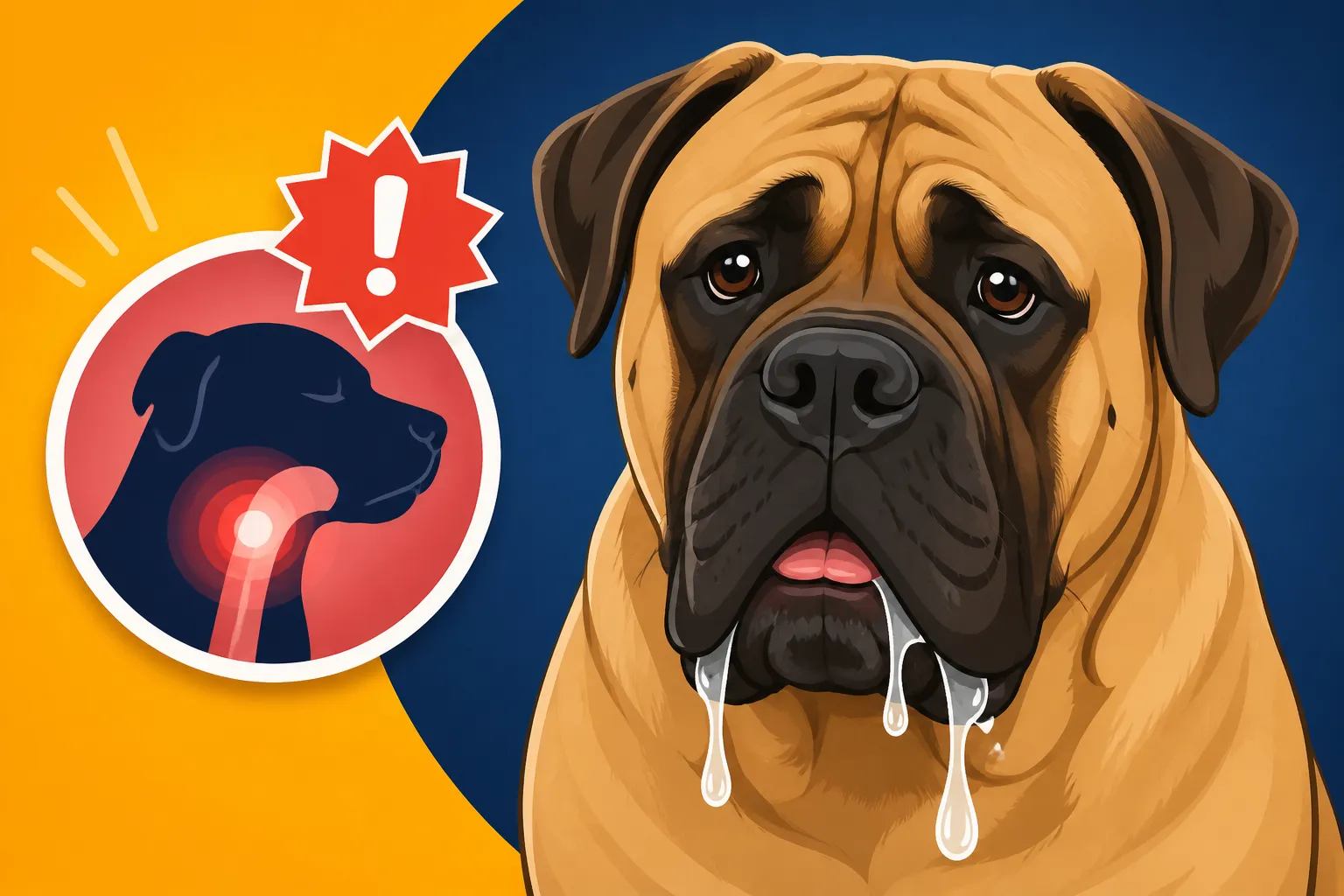
"Sudden and excessive" drooling is precisely what it sounds like: a dramatic, often unexpected increase in the amount of saliva your Bullmastiff is producing and losing, and it's happening outside of their usual drooling triggers. Imagine your dog, who normally just has a few drips after a meal, suddenly soaking the floor, or their jowls are visibly heavy with strings of thick, foamy drool, and they haven't eaten or exercised. That's a red flag.
This isn't just a little more slobber than usual; it's a significant, noticeable change in both quantity and often quality. The saliva might be thicker, stringier, discolored, or even have a foul odor. Crucially, it's often accompanied by other signs that your dog isn't feeling well, such as reluctance to swallow, pawing at their mouth, restlessness, gagging, difficulty breathing, or changes in their gum color. If you observe any of these additional symptoms alongside the sudden profuse drooling, it's a strong indicator that something more serious is at play, and it definitely warrants a closer look.
Common Causes of Sudden, Excessive Drooling
When your Bullmastiff's drool goes from endearing to alarming, it's time to consider what might be causing such an abrupt change. Often, the culprit is something directly affecting their mouth or digestive system.
Oral and Dental Issues
Think about it: anything that makes your Bullmastiff's mouth hurt or feel uncomfortable is going to make them drool more, partly due to pain and partly because they're struggling to swallow. A common scenario is a foreign object getting stuck. I once knew a Bullmastiff who managed to get a stick wedged across the roof of his mouth. He was pawing at his face, drooling profusely, and clearly distressed. Splinters from chews, small bones, or even pieces of toys can also get lodged, causing irritation and excessive salivation. Checking their mouth, if you can do so safely, is often the first step, though sometimes objects are too deep or uncomfortable for a non-professional to see.
Beyond foreign objects, dental problems are huge. A cracked or broken tooth can expose sensitive nerves, leading to extreme pain and drooling. An abscessed tooth, often hidden under the gum line, can cause swelling and constant discomfort. Tumors in the mouth, while less common in young dogs, can also grow and irritate the tissues, causing persistent drooling. Regular dental care, including routine vet checks and even at-home brushing if your Bullmastiff tolerates it, can help prevent some of these issues. For advice on ongoing dental care, read about How Often a Bullmastiff's Teeth Need Cleaning.
Gastrointestinal Upset
Nausea is a major trigger for increased salivation in dogs, just like in humans. If your Bullmastiff has eaten something they shouldn't have – a discarded treat found on a walk, a plant from the yard, or even just too much rich human food – their stomach might be protesting. They might drool excessively before vomiting, or simply due to feeling queasy. This kind of drooling might come with lip-licking, gulping, or dry heaving.
However, the most serious gastrointestinal concern that causes sudden, excessive drooling in Bullmastiffs is bloat, medically known as Gastric Dilatation-Volvulus (GDV). This is an absolute emergency. Bullmastiffs are a deep-chested breed, making them highly susceptible. In bloat, the stomach fills with gas and can twist, cutting off blood supply. Alongside profuse drooling, signs include a distended abdomen that feels hard, restlessness, pacing, unproductive retching (trying to throw up but nothing comes out), and signs of shock. If you suspect bloat, you need to act immediately. Learn more about Bloat in a Bullmastiff and Signs a Bullmastiff Is Bloating to understand the critical indicators. Time is of the essence in these situations.
Toxin Exposure
This is one of the scariest causes of sudden drooling. If your Bullmastiff ingests something poisonous, their body's immediate reaction can be excessive salivation, often accompanied by frothing at the mouth. This is a defense mechanism, an attempt to wash away or dilute the toxin. Common household items like cleaning products, certain human medications (even those that are safe for us can be lethal for dogs), rat poison, or toxic plants can all cause this reaction. The drooling might be coupled with other neurological symptoms like tremors, disorientation, or seizures, depending on the toxin.
Even insect stings or bites, especially inside the mouth or on the muzzle, can cause localized swelling and pain that leads to profuse drooling, often due to an allergic reaction. This can sometimes make it difficult for them to close their mouth or swallow normally. If you even suspect your Bullmastiff has come into contact with or ingested something toxic, don't wait. Gather any information you have about the suspected toxin (packaging, plant name) and call your emergency vet or a pet poison control hotline immediately. Every second counts when it comes to poisoning.
Other Medical Conditions Triggering Drooling
While oral issues and GI distress are common culprits, excessive drooling can also be a symptom of broader systemic problems or even emotional states. Remember, Bullmastiffs are stoic by nature; they're masters at hiding their discomfort until it becomes undeniable. How a Bullmastiff Hides Pain is something every owner should be aware of.
Pain or Discomfort
It might seem counterintuitive, but pain anywhere in the body can manifest as excessive drooling. When a dog is in severe pain, they might clench their jaw, become nauseated, or simply react with an increase in salivation as part of a general stress response. Imagine a Bullmastiff with sudden, severe neck pain – turning their head to swallow might be excruciating, leading to saliva pooling. Issues like disc disease in the back, or even an injury to a leg that makes lying down uncomfortable, can lead to subtle shifts in posture or behavior that result in drooling.
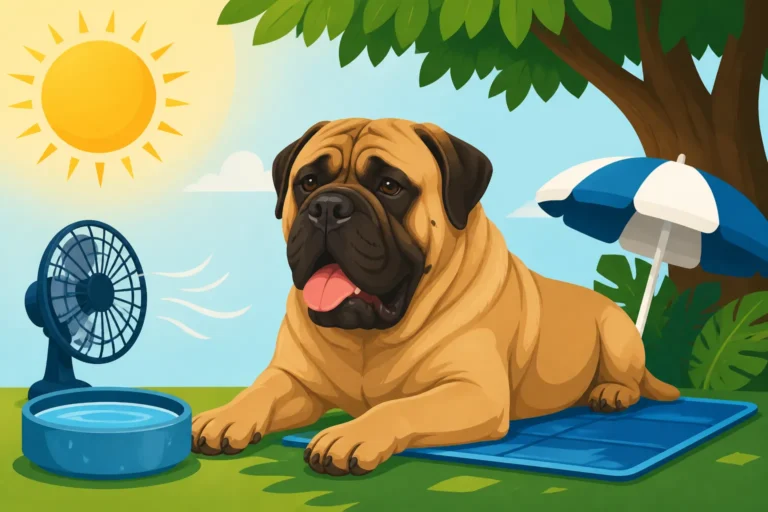
Another critical cause of drooling related to discomfort is heatstroke. Bullmastiffs are particularly vulnerable to overheating due to their brachycephalic (short-nosed) structure and dense coat. Excessive drooling, often thick and ropey, is one of the hallmark signs of heatstroke, accompanied by heavy panting, weakness, stumbling, bright red gums, and eventually collapse. This is an emergency. If your Bullmastiff has been exposed to heat and is drooling heavily, you need to act fast. Our articles on Why a Bullmastiff Overheats So Easily and Signs a Bullmastiff Has Heatstroke are essential reading for any Bullmastiff owner. Knowing What to Do When a Bullmastiff Overheats could save your dog's life.
Neurological Issues
While less common as a standalone cause of sudden drooling without other obvious symptoms, certain neurological conditions can certainly lead to increased salivation. Seizures are a prime example. During a seizure, a dog can lose control of their swallowing reflexes and muscle function, leading to profuse drooling, often with foaming at the mouth. Even mild or focal seizures, which might not involve full-body convulsions, can sometimes present with localized twitching and excessive salivation as a primary sign.
Other neurological disorders affecting the nerves that control the mouth and salivary glands could also be at play, though these are typically diagnosed by a veterinarian through a thorough examination. If the drooling is accompanied by any signs of disorientation, balance issues, unusual eye movements, or changes in consciousness, a neurological cause should definitely be investigated by your vet.
Stress and Anxiety
Sometimes, drooling, even excessive drooling, can stem from emotional distress. Bullmastiffs are sensitive souls, and extreme fear or anxiety can trigger a physiological response that includes increased salivation. Think about a trip to the vet, particularly if your dog is already nervous, or a stressful event like loud fireworks. Some Bullmastiffs with severe separation anxiety might drool excessively when left alone.
While this type of drooling isn't typically indicative of a life-threatening physical emergency, it certainly signals that your dog is experiencing significant emotional discomfort. The drooling itself might be clear and watery, but the context is key. If you notice this pattern, it's worth exploring ways to reduce your Bullmastiff's anxiety, perhaps with calming aids, behavioral training, or consulting with a professional. Understanding how your Bullmastiff copes with being alone, as discussed in How Long a Bullmastiff Copes Alone or How Many Hours a Bullmastiff Can Be Left, might offer some insight here.
What to Do When Your Bullmastiff Suddenly Starts Drooling Excessively
Seeing your beloved Bullmastiff drooling more than usual can be frightening. Knowing what steps to take, and when to seek professional help, is crucial for their well-being.
Initial Assessment at Home
First, take a deep breath. Your calm demeanor will help your dog. If you can safely do so without risking a bite – remember, a dog in pain might react unexpectedly – gently open your Bullmastiff's mouth and look inside. Check for foreign objects like sticks, toys, or bones wedged between teeth or across the roof of the mouth. Look for any obvious injuries, bleeding, or swelling. Is there a foul odor that suggests an infection or a rotting object? Check their gums – are they their normal healthy pink, or are they pale, blue, or bright red?
While checking the mouth, also observe their general behavior. Are they pacing restlessly, pawing at their face, gulping, or dry heaving? Is their abdomen distended or tender to the touch? Are they lethargic, weak, or having trouble breathing? Remove any potential hazards from their immediate environment that they might have ingested, and try to recall anything unusual they might have eaten or encountered in the last few hours. These observations are incredibly valuable for your veterinarian.
When to Call the Vet Immediately
It's always better to err on the side of caution with a Bullmastiff, given their stoic nature and susceptibility to certain critical conditions. If you notice any of the following alongside excessive drooling, don't hesitate: call your vet or an emergency veterinary clinic right away.
- Signs of Bloat: A distended, hard abdomen, unproductive retching, pacing, restlessness, and signs of shock. This is a true emergency. Refer to Signs a Bullmastiff Is Bloating.
- Difficulty Breathing: Labored breathing, gasping, or blue-tinged gums.
- Collapse or Severe Weakness: Your dog can't stand or is very wobbly.
- Known or Suspected Toxin Ingestion: If you saw them eat something suspicious or found evidence of it.
- Severe Pain: Whining, crying out, extreme sensitivity to touch, or inability to get comfortable.
- Seizures: Any uncontrolled twitching, loss of consciousness, or erratic behavior.
- Oral Trauma: Significant bleeding from the mouth, obvious broken bones in the jaw, or a severe injury.
Even if you're unsure, a phone call to your vet to describe the symptoms is always a good idea. They can help you determine the urgency.
Preparing for a Vet Visit
If your vet advises you to bring your Bullmastiff in, make sure you're prepared to provide as much information as possible. Be ready to tell them:
- When the drooling started and how suddenly it came on.
- The consistency and color of the drool (clear, thick, foamy, bloody).
- Any other symptoms you've observed (vomiting, diarrhea, lethargy, pain, lameness, distended belly, etc.).
- Anything your Bullmastiff might have eaten, chewed on, or been exposed to (plants, medications, chemicals, new toys, bones).
- Any recent changes in diet, routine, or environment.
- If your dog is on any medications.
Having this information ready will greatly assist the veterinary team in narrowing down the potential causes and initiating the right course of treatment. Remember, your Bullmastiff relies on you to advocate for their health, and being prepared helps them get the best care quickly. The cost associated with emergency care, especially for critical conditions like bloat which can involve What Bloat Surgery Involves on a Bullmastiff, can be substantial, so it's always wise to have an emergency fund or pet insurance. You can find many essential pet supplies, including safe chew toys and dental aids, on platforms like Chewy or Amazon to help prevent some of these issues.
Disclaimer
This article is for general informational purposes only and does not constitute professional advice. Laws, prices and regulations vary by location and change over time. Consult a qualified professional for guidance on your specific situation.