What a Bullmastiff Weighs at Six Months
Watching your Bullmastiff puppy grow is a whirlwind of excitement and a little bit of worry, isn't it? One moment they're a tiny fluffball, and the next they're a colossal creature with paws that seem to grow overnight. Many new owners find themselves constantly checking the scales, wondering if their big baby is on the right track. This guide is here to demystify the typical growth trajectory for a Bullmastiff at six months old, helping you understand if your puppy's development is healthy and what factors play a role in their impressive size.
The Six-Month Growth Spurt: What to Expect
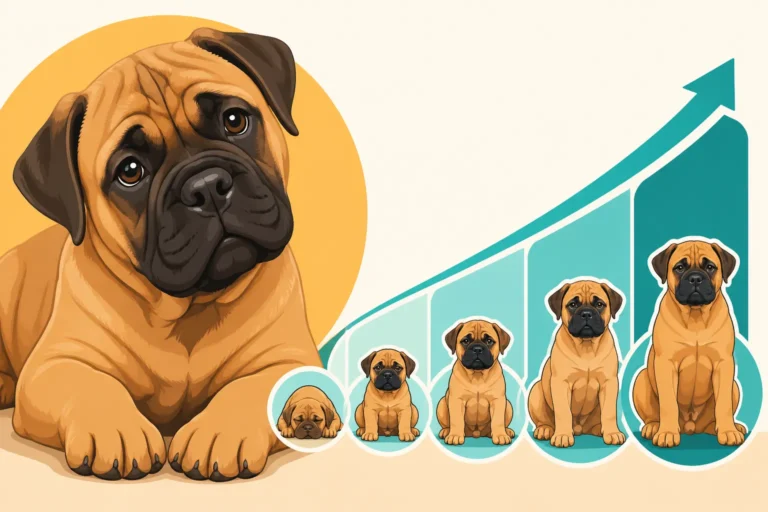
By six months old, your Bullmastiff puppy isn't quite an adult, but they're certainly no longer that tiny bundle of wrinkles you brought home. This period marks a significant growth spurt where they rapidly gain height and start to fill out, though their full musculature won't be apparent for quite some time. It's a fascinating stage, full of gangly limbs and an almost comical attempt to navigate the world with their rapidly changing proportions.
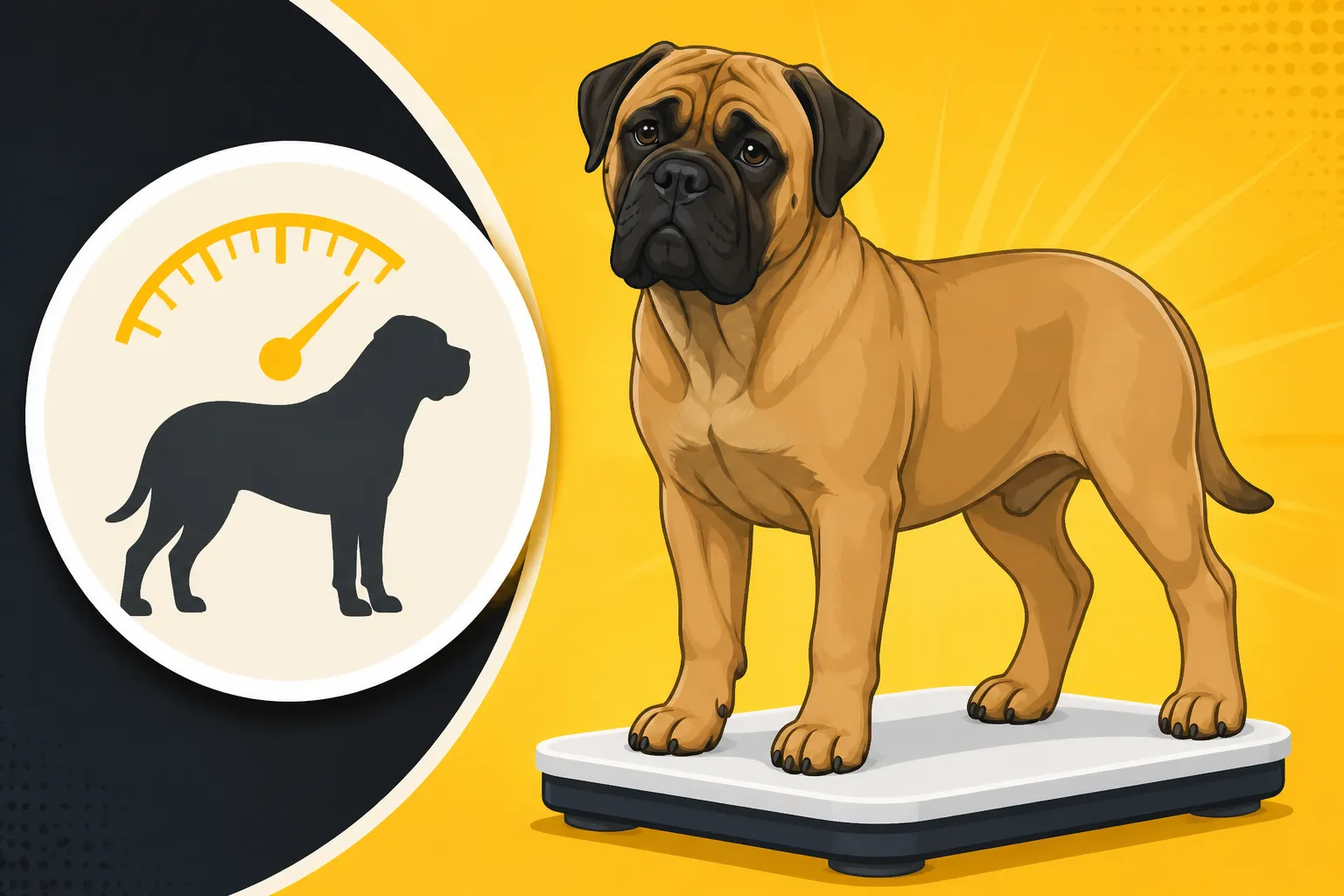
Generally speaking, a male Bullmastiff puppy at six months can weigh anywhere from 70 to 95 pounds (approximately 32 to 43 kilograms). Female Bullmastiff puppies tend to be a little lighter, typically ranging from 60 to 85 pounds (about 27 to 39 kilograms) at this age. This is a considerable amount of weight, and it's important to remember that these are average ranges. Individual puppies will fall within, or slightly outside, these figures based on a variety of influences. Don't be alarmed if your pup is a few pounds above or below; the key is healthy, steady growth, not hitting an exact number. It's truly amazing how quickly they transform from a manageable size to a formidable presence in your home during these crucial early months. Just imagine that little creature already weighing as much as a full-grown Labrador!
Average Weight Ranges by Sex at Six Months
To help visualize, here's a quick table outlining the typical weight ranges for Bullmastiff puppies at six months old. Remember, these are guidelines, not strict rules.
| Sex | Typical Weight Range (Pounds) | Typical Weight Range (Kilograms) |
|---|---|---|
| Male | 70 – 95 lbs | 32 – 43 kg |
| Female | 60 – 85 lbs | 27 – 39 kg |
You'll notice the significant difference between males and females even at this young age. Males are generally larger and heavier throughout their lives, and this difference becomes more pronounced as they mature. At six months, you're already seeing the beginnings of that divergence. It's less about the exact number on the scale and more about how your puppy looks and feels – are they lean, active, and well-proportioned for their frame? A healthy six-month-old Bullmastiff should still look a bit "leggy" and not overly bulky, as they are still growing into their eventual adult size. This gangly phase is completely normal and expected.
Beyond the Scale: Assessing Healthy Growth
While weight is a good indicator, it's not the only one. Just as important as the number on the scale is your puppy's overall body condition. You want your six-month-old Bullmastiff to be lean, with a visible waist when viewed from above, and ribs that you can feel easily when you run your hands along their sides, but not see. If you can see prominent ribs without touching, your pup might be a bit too thin. If you can't easily feel their ribs, or if they have a very rounded belly, they might be carrying too much weight, which we absolutely want to avoid at this critical stage of bone development. How to Feel a Bullmastiff's Ribs provides more detail on how to do this correctly.
Beyond their physical appearance, observe their energy levels, how they move, and their overall demeanor. A healthy Bullmastiff puppy should be playful and curious, with bursts of energy followed by long naps. If they seem lethargic, unwilling to play, or are showing any signs of discomfort when moving, those are far more significant concerns than being a few pounds off an average weight range. Trust your gut and your veterinarian's assessment.
Factors Influencing Your Bullmastiff's Six-Month Weight
It's tempting to compare your Bullmastiff puppy to others you see online or at the dog park, but remember that every dog is an individual. Several factors contribute to why one six-month-old Bullmastiff might be on the higher end of the weight range and another on the lower. Understanding these can help you manage your expectations and ensure you're providing the best environment for your pup's unique growth. This breed has a powerful build, and that starts developing early, but it's not a race to see who can be the biggest fastest.
Genetics and Lineage
Just like in people, genetics play a huge role in a Bullmastiff's mature size and, consequently, their growth rate. If your puppy comes from a line of large, robust Bullmastiffs, they are likely to follow a similar pattern. Conversely, if their parents were on the more moderate end of the breed standard, your puppy might also grow to be a slightly smaller adult. This isn't a sign of ill health; it's simply genetic predisposition. A reputable breeder can give you an idea of the parents' and even grandparents' sizes, offering a glimpse into your puppy's potential adult stature. They can also explain the typical What a Bullmastiff Puppy Should Weigh by Month for their lines.
The genetic blueprint dictates not just the ultimate size, but also the bone structure and muscle mass your Bullmastiff will develop. Some lines are naturally more heavily boned, which contributes to overall weight even if the dog isn't particularly tall. These genetic factors are largely out of your control, but they are crucial for understanding the natural variations within the breed. Your puppy's lineage is the primary predictor of their adult size, far more so than any dietary manipulation you might attempt.
Diet and Nutrition Quality
The quality and quantity of food your Bullmastiff puppy eats are paramount during this rapid growth phase. Feeding a high-quality, large-breed puppy formula is crucial. These diets are specifically formulated with controlled levels of calcium and phosphorus to support slow, steady bone growth, which is vital for preventing orthopedic issues down the line. Overfeeding, or feeding a diet not appropriate for large breeds, can lead to excessively rapid growth, putting undue stress on their developing joints. Why a Bullmastiff Puppy Needs Large Breed Food explores this in more detail.
It's not just about how much they eat, but what they eat. Many owners are surprised to learn that less isn't necessarily more when it comes to certain nutrients for giant breeds. For example, some large breed puppy foods actually have slightly lower calcium content than regular puppy foods because too much calcium can lead to skeletal problems. Always choose a reputable brand that has undergone feeding trials and is recommended by your veterinarian. Brands like Chewy, for example, offer a wide selection of large breed puppy foods that can support healthy growth. Or, if you're exploring alternatives, some specialized companies like Ollie offer fresh food options designed for large and giant breeds, though you'd want to consult with their nutritionists to ensure it's appropriate for a growing Bullmastiff.
Activity Levels and Exercise
While you might think more exercise means a leaner, healthier puppy, it's a delicate balance for a growing Bullmastiff. Excessive or inappropriate exercise can actually be detrimental to their developing joints and bones. At six months, your Bullmastiff's growth plates are still open and vulnerable. High-impact activities like jumping, long runs on hard surfaces, or repetitive stair climbing should be strictly limited. Instead, focus on short, controlled walks and supervised playtime on soft surfaces. The Exercise Limit for a Bullmastiff Puppy is a must-read for any Bullmastiff owner.
A puppy that gets appropriate exercise will develop strong muscles and maintain a healthy weight. One that is either over-exercised or under-exercised can run into problems. Too much activity can stress joints, while too little can lead to excess weight gain and poor muscle development. The goal is to build strength and stamina without causing undue strain. Think gentle play and exploration, rather than rigorous training sessions. Your six-month-old Bullmastiff is still very much a baby in terms of physical maturity, even if they look like a small horse.
Why Slow and Steady Wins the Race for Bullmastiff Puppies
The desire to have a huge, impressive Bullmastiff is understandable, but rushing their growth is one of the biggest mistakes an owner can make. For giant breeds like the Bullmastiff, rapid growth is directly linked to an increased risk of serious orthopedic issues, including hip and elbow dysplasia, osteochondritis dissecans (OCD), and other developmental bone and joint diseases. Their bones are growing incredibly quickly, and putting extra stress on them through too much weight or too much high-impact activity can have lifelong consequences.
The Dangers of Rapid Growth
Imagine trying to build a skyscraper as fast as possible without letting the concrete cure properly between floors. That's essentially what happens when a giant breed puppy grows too quickly. Their bones and connective tissues simply can't keep up with the rate of weight gain. This leads to weakened joints, poor bone density, and abnormal development. While genetics play a role in conditions like Hip Dysplasia in a Bullmastiff and Elbow Dysplasia in a Bullmastiff, environmental factors like diet and exercise during puppyhood can significantly exacerbate or mitigate these risks.
The concern isn't just about the joints. Rapid growth can also affect the soft tissues, ligaments, and tendons, making them more prone to injury. A Bullmastiff puppy should always be kept on the leaner side, even if it feels counterintuitive when you see their enormous paws and realize how big they're destined to be. Prioritizing slow, controlled growth is an act of love and responsible ownership that will significantly contribute to your Bullmastiff's long-term health and mobility. It's truly the best gift you can give them.
Feeding for Optimal Bone Development
To ensure slow and steady growth, stick rigorously to a high-quality large breed puppy food. These specialized formulas manage calorie density and mineral ratios to support the unique growth needs of giant breeds. Avoid "all life stages" foods or puppy foods designed for smaller breeds, as they may contain too many calories or imbalanced mineral levels for your Bullmastiff. Always follow the feeding guidelines on the bag for the target adult weight of your Bullmastiff, and adjust as needed to maintain a lean body condition. It's better for them to be slightly hungry at mealtime than overfed.
Portion control is key. Don't free-feed your Bullmastiff puppy. Instead, measure out their meals and feed them two or three times a day. If you find your puppy is consistently finishing meals quickly and still seems ravenous, consult your vet or a certified veterinary nutritionist before increasing the quantity dramatically. Sometimes, a "hungry" look is just a Bullmastiff being a Bullmastiff, not an actual caloric need. Feeding a Bullmastiff Puppy So It Grows Slowly offers more practical tips on this crucial topic. You can find excellent options for large breed puppy food on platforms like Amazon, offering a convenient way to get the right nutrition delivered.
The Role of Controlled Exercise
Just as with diet, controlled exercise is vital for healthy bone and muscle development. At six months, your Bullmastiff puppy's bones are still forming and hardening. Over-exercising them can put immense stress on their developing joints and lead to irreversible damage. Think gentle walks on varied terrain (grass, dirt paths) for 15-20 minutes, two or three times a day. Avoid forced runs, intense agility training, or long hikes.
Allow for plenty of free play in a safe, fenced yard, but monitor them closely to prevent excessive jumping or roughhousing that could lead to injury. Remember, Why a Bullmastiff Puppy Should Not Run on Concrete is critical advice; hard surfaces offer no give and can jar their soft joints. The goal is to build muscle tone and condition without putting undue strain on their skeletal system. This careful approach in puppyhood sets the stage for a lifetime of better joint health.
When to Worry: Underweight, Overweight, and What to Do
While a range of weights is normal at six months, there are certainly signs that indicate your Bullmastiff might be growing too slowly, too quickly, or simply isn't thriving. Being proactive and addressing these concerns early can make a significant difference in their long-term health. Don't hesitate to reach out to your veterinarian if you have any worries.
Signs Your Bullmastiff Puppy Might Be Underweight
An underweight Bullmastiff puppy at six months might appear unusually thin, with prominent ribs, hip bones, and vertebrae visible even without touching them. They may also lack the typical muscle definition you'd expect. Other signs of being underweight or failing to thrive include:
- Lethargy or low energy: They don't have the typical puppy bursts of energy.
- Dull coat: Their fur might look sparse or lack its natural sheen.
- Poor appetite: They consistently refuse meals or eat very little.
- Stunted growth: They seem significantly smaller than their littermates or other Bullmastiffs of the same age.
- Digestive issues: Persistent diarrhea or vomiting, which prevents nutrient absorption.
If you suspect your Bullmastiff puppy is underweight, the first step is always a veterinary visit. They can rule out underlying medical conditions such as parasites, malabsorption issues, or other illnesses that could be preventing healthy weight gain. Simply increasing food might not solve the problem if there's an underlying health issue at play. Your vet can also assess their overall health and advise on a specific dietary plan to help them gain weight safely. Signs a Bullmastiff Puppy Is Not Thriving further elaborates on warning signs.
Identifying an Overweight Bullmastiff Puppy
Just as dangerous as being underweight, carrying too much weight at six months can have severe consequences for a Bullmastiff puppy. An overweight pup at this age will typically have:
- No visible waistline: When viewed from above, their body might be straight or even bulge slightly.
- Difficulty feeling ribs: You'll need to press hard to feel their ribs under a layer of fat.
- Excessive fat deposits: Noticeable fat around the base of the tail or over the hips.
- Labored movement: They might seem less agile or more reluctant to play and move around.
- Heavy panting: Even mild exertion can cause them to pant excessively.
If you notice these signs, it's crucial to act immediately. Your veterinarian can confirm if your Bullmastiff is indeed overweight and help you devise a plan to get them back to a healthy weight. This will usually involve a combination of precise portion control with their existing large-breed puppy food and ensuring appropriate, low-impact exercise. Do NOT switch to an adult food or cut calories drastically without veterinary guidance, as puppies still need specific nutrient ratios for growth. Keeping a Bullmastiff Lean Is the Best Thing You Can Do is essential reading for understanding the lifelong benefits of a healthy weight.
The Importance of Regular Vet Check-ups
Regardless of whether you have concerns about your Bullmastiff puppy's weight, regular veterinary check-ups are non-negotiable during their first year. Your vet is your best resource for monitoring growth, catching potential issues early, and offering personalized advice. During these visits, they will:
- Weigh your puppy: Keeping a consistent record of their weight helps track their growth trajectory.
- Perform a physical examination: Checking their joints, assessing body condition, and listening to their heart. Why a Bullmastiff Puppy Needs a Cardiac Exam is particularly important for this breed.
- Discuss diet and exercise: Ensuring you're on the right track for healthy development.
- Address any concerns: Answering your questions and providing guidance.
Think of your vet as your partner in raising a healthy Bullmastiff. Their expertise is invaluable, especially during these critical growth stages. Don't hesitate to voice any concerns, no matter how small they may seem. Early intervention is always better than waiting for a problem to become severe.
Disclaimer
This article is for general informational purposes only and does not constitute professional advice. Laws, prices and regulations vary by location and change over time. Consult a qualified professional for guidance on your specific situation.