How to Feel a Bullmastiff’s Ribs
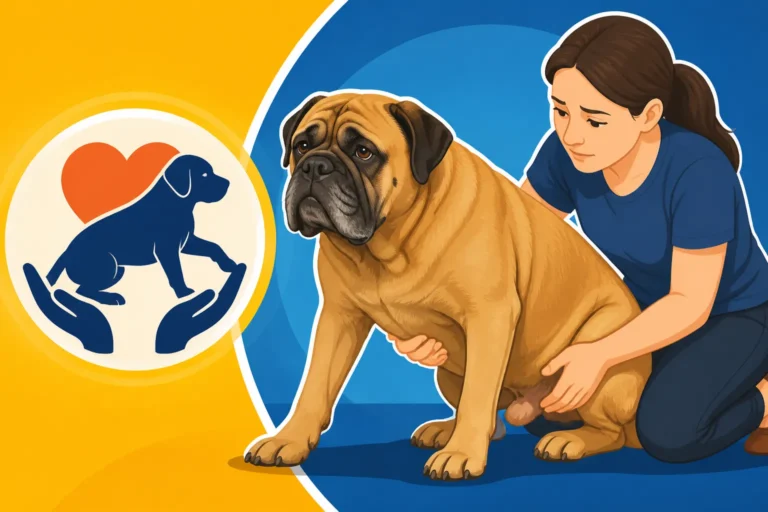
One of the biggest worries we have as Bullmastiff parents is making sure our giant companions are healthy and happy. With their substantial size, it's easy for weight fluctuations to go unnoticed until they become a real problem. This guide will walk you through the essential, hands-on method of checking your Bullmastiff's body condition by feeling their ribs, offering a practical way to stay on top of their health between vet visits.
The Critical Importance of a Healthy Weight for Your Bullmastiff
It’s easy to look at a Bullmastiff and think, "Wow, that's a lot of dog!" They are indeed impressive, powerful creatures, but that doesn't mean they should be carrying extra weight. In fact, maintaining a healthy, lean body condition is one of the single most impactful things you can do for their long-term well-being and overall quality of life. An overweight Bullmastiff faces a cascade of potential health issues that can significantly shorten their already too-brief lifespan.
Why Being Overweight Is So Dangerous for a Bullmastiff
Just like in humans, excess weight puts an enormous strain on a Bullmastiff's body. Their skeletal structure, already tasked with supporting a massive frame, isn't designed for additional pounds. This extra burden can exacerbate conditions like hip and elbow dysplasia, making movement painful and accelerating the onset of arthritis. Beyond joint issues, being overweight can lead to heart problems, diabetes, and even certain types of cancer. It affects their ability to cool themselves effectively, making them even more susceptible to overheating, which is already a significant concern for the breed. How Many Years an Overweight Bullmastiff Loses paints a stark picture of the consequences of allowing your Bullmastiff to become too heavy.
Think about it: every extra pound on your Bullmastiff is like asking them to carry a small backpack filled with bricks everywhere they go, all day, every day. Over years, this constant strain grinds down their joints, makes their heart work harder, and inflames their entire system. It’s not just about looking good; it's about giving them the best chance at a comfortable, active life. We want them to bound up the steps (or at least, lumber up them with enthusiasm) and enjoy their walks without unnecessary pain.
The Benefits of a Lean Body Condition
Conversely, a Bullmastiff kept at a lean, healthy weight often enjoys a much better quality of life. They are more agile, have more energy, and experience less strain on their joints. This isn't just theory; it's something you can observe directly in their playful demeanor and ease of movement. A lean Bullmastiff is a more comfortable Bullmastiff. It means they can enjoy their daily walks, play sessions in the yard, and generally participate more fully in family life without being hindered by their own body.
Keeping your Bullmastiff lean is arguably the single most important proactive health measure you can take. Keeping a Bullmastiff Lean Is the Best Thing You Can Do delves deeper into this philosophy, emphasizing that this isn't about deprivation, but rather intelligent, responsible care. A healthy weight helps prevent or delay the onset of many age-related ailments, making their senior years more comfortable. It’s an investment in their happiness and longevity, ensuring those precious years are as joyful and pain-free as possible.
Understanding Bullmastiff Body Condition Score: More Than Just the Scale
When you want to know if your Bullmastiff is at a healthy weight, simply looking at the number on the scale isn't enough. Weight varies greatly between individual dogs, even within the breed standard, depending on their bone structure, muscle mass, and gender. A truly heavy-boned male might weigh more than a lightly built female, even if both are at their ideal body condition. This is why veterinarians and seasoned Bullmastiff owners rely on a method called Body Condition Scoring (BCS). It’s a visual and tactile assessment that gives you a much more accurate picture of your dog's fat reserves.
Why the Scale Doesn't Tell the Whole Story
Imagine two human athletes: a bulky powerlifter and a lean marathon runner. Both might weigh the same, but their body compositions are vastly different. The same applies to Bullmastiffs. Your dog's official breed standard might list a weight range, but that's a guideline, not a strict rule for every single dog. Some Bullmastiffs naturally carry more muscle or have a denser bone structure, influencing their scale weight without indicating excess fat. Focusing solely on a number can be misleading and lead to either underfeeding or overfeeding.
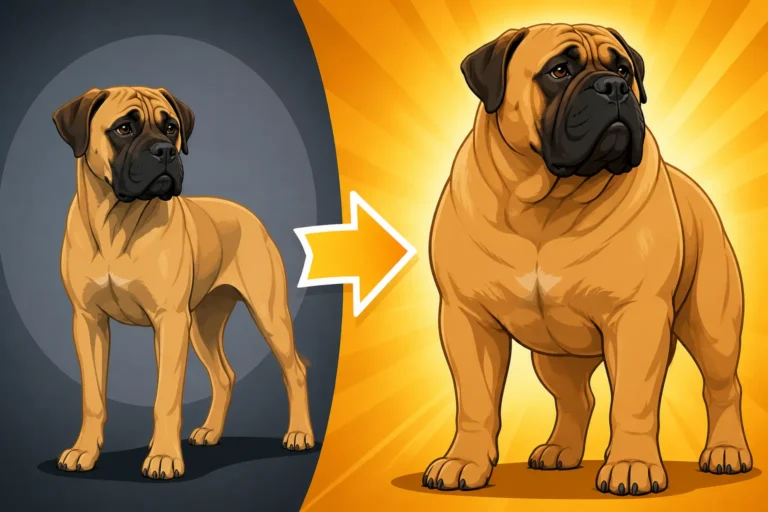
What we're truly interested in is the proportion of fat versus muscle and bone. A dog can be "underweight" by the numbers but still look well-muscled and healthy, or "overweight" by having too much fat padding their frame, even if they fall within a given weight range. What a Lean Bullmastiff Looks Like further elaborates on the visual cues of a healthy Bullmastiff, emphasizing that it's about shape and definition, not just raw pounds.
The General Principles of Body Condition Scoring
Body Condition Scoring systems typically use a scale of 1 to 5 or 1 to 9. A score of 1 or 2 (or 1-3 on a 9-point scale) indicates a dog that is too thin, bordering on emaciated. A score of 4 or 5 (or 6-7 on a 9-point scale) represents an ideal, healthy weight. A score of 6 or 7 (or 8-9 on a 9-point scale) means your dog is overweight or obese. The goal is to aim for that ideal middle ground where ribs are easily felt but not seen, and a distinct waistline is visible from above.
The beauty of BCS is that it's universal and doesn't require a fancy scale or vet visit every time you want to check. It empowers you, the owner, to regularly monitor your Bullmastiff's physical state. Regular checks allow you to catch subtle changes before they become significant health concerns. Below is a simplified table to help you visualize the different scores, focusing on key indicators, especially around the ribs and waist.
| BCS (5-point Scale) | Description | Ribs | Waistline/Abdominal Tuck | General Appearance |
|---|---|---|---|---|
| 1 (Emaciated) | Severely Underweight | All ribs easily visible, no fat covering | Extreme abdominal tuck | Severe loss of muscle mass, prominent bones, no body fat. |
| 2 (Thin) | Underweight | Ribs easily visible, minimal fat covering | Marked abdominal tuck | Ribs, spine, pelvic bones visible. Minimal fat. |
| 3 (Ideal) | Healthy/Ideal Weight | Ribs easily felt, not visible (or just barely) | Visible abdominal tuck | Well-proportioned, good muscle mass. Optimal fat coverage. |
| 4 (Overweight) | Overweight | Ribs difficult to feel, fat covering | Minimal or no abdominal tuck | Heavy fat deposits over back, tail base. Broad back. |
| 5 (Obese) | Obese | Ribs very difficult to feel, heavy fat | Abdomen rounded, no tuck | Massive fat deposits, distended abdomen, no waist or tuck. Significant health risk. |
The Hands-On Approach: How to Gently Feel Your Bullmastiff's Ribs
Now for the practical part: getting hands-on with your Bullmastiff. Don't worry, they usually love the attention, and it's a great way to bond while performing an important health check. The goal is to feel their ribs gently, assessing the amount of fat covering them. This isn't about pressing hard or causing discomfort, but rather a light, exploratory touch.
Locating the Rib Cage and What You're Feeling For
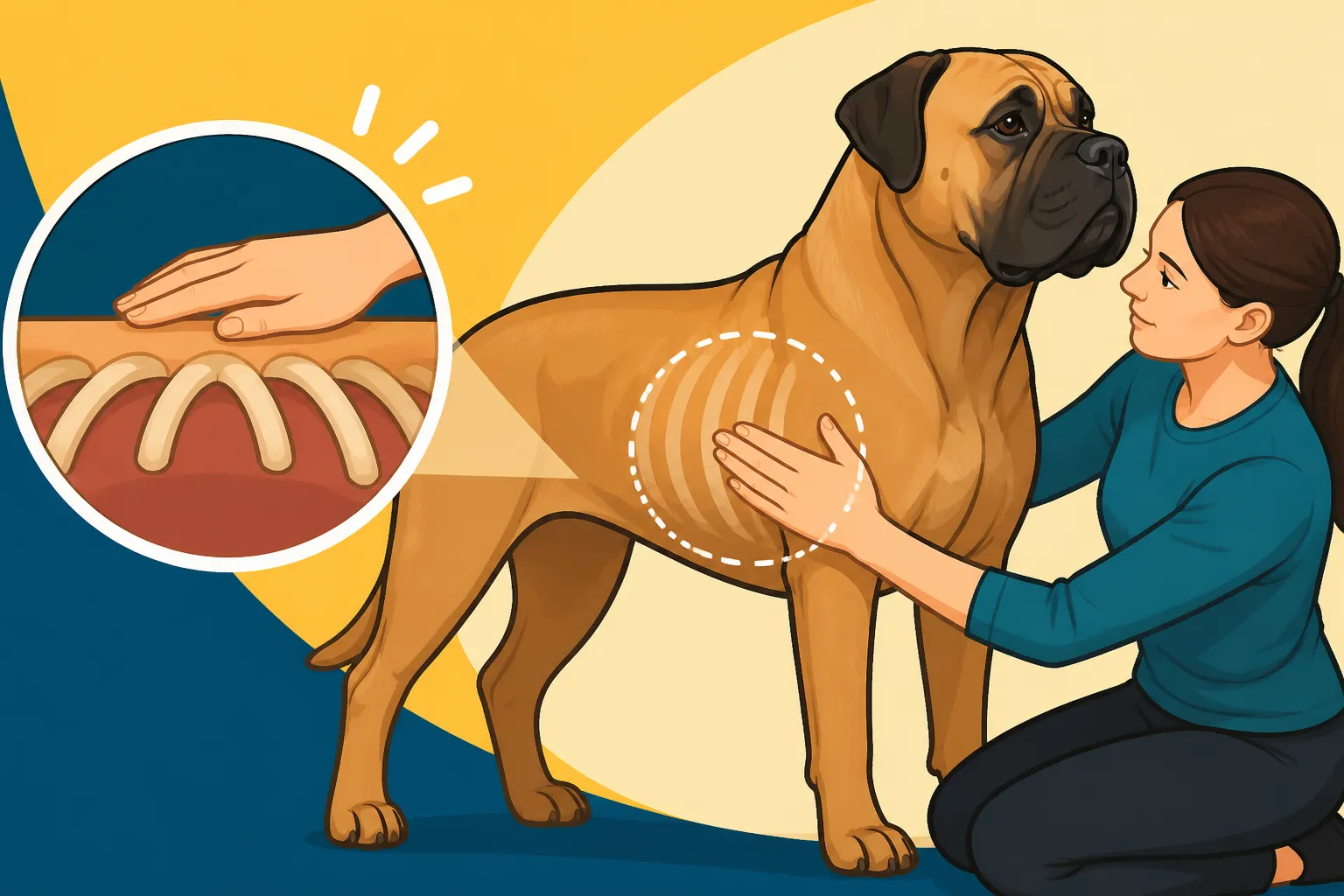
Your Bullmastiff's rib cage is a large, prominent structure on their sides, just behind their front legs. To start, stand over your Bullmastiff or kneel beside them, facing their side. Gently place both of your hands flat against their rib cage, one on each side. You want to feel for the individual ribs, almost like feeling the slats of a fence through a thin blanket. The "blanket" in this analogy is the layer of muscle and fat.
What you're feeling for is the ease with which you can identify each rib. In an ideal body condition, you should be able to feel each rib distinctly, without having to press hard. There should be a slight layer of fat and muscle, but not so much that the ribs are obscured or feel like they're deeply buried. If you can see the individual ribs without even touching, your Bullmastiff is likely too thin. If you have to really press to find them, they're probably carrying too much weight.
Step-by-Step Guide to the Rib Test
- Get Comfortable: First, make sure your Bullmastiff is relaxed and comfortable. This might be during a petting session, after a walk, or when they’re just lounging around. You can start by simply petting their sides as you normally would.
- Position Your Hands: Place both palms flat on either side of their rib cage, behind their shoulders.
- Use Your Fingertips: Begin to gently move your fingertips across their ribs, from front to back and top to bottom. Think of it like running your fingers over a washboard covered by a thin sheet. You should be able to count the ribs or at least distinctly feel the space between them.
- Assess the Padding:
- Ideal (BCS 3): You can feel the ribs easily, like the knuckles on the back of your hand when your palm is flat. There's a minimal, thin layer of fat, but no bony sharpness.
- Too Thin (BCS 1-2): The ribs feel very prominent and sharp, with little to no padding. You might even be able to see them visibly without much effort.
- Overweight (BCS 4-5): You have to press firmly to feel the ribs, and they feel indistinct or like they're cushioned by a thick layer. It's like feeling for knuckles through a thick, fluffy pillow.
- Check the Waist: While you’re at it, run your hands along their sides and hips. From above, your Bullmastiff should have a noticeable "tuck" or waistline behind their ribs, before their hips. From the side, their abdomen should tuck up slightly rather than hanging low. Signs a Bullmastiff Is Overweight outlines other key areas to check beyond the ribs.
This tactile examination is much more reliable than just looking, especially with a breed like the Bullmastiff where loose skin and heavy coats can sometimes obscure visual cues. Make it a regular part of your grooming or petting routine, so you can quickly notice any changes.
Interpreting Your Findings: What Your Bullmastiff's Ribs Are Telling You
So, you've felt your Bullmastiff's ribs. Now what? Understanding what those sensations mean for your dog's health is the next crucial step. It's not just about a single check, but about monitoring changes over time and knowing when to adjust their care.
When Your Bullmastiff Is Too Lean (BCS 1-2)
If your Bullmastiff's ribs feel very prominent, almost sharp, with little to no fat covering, and you can easily see them without touching, they are likely too lean. This can be alarming, as it indicates a lack of adequate nutrition or an underlying health issue. You might also notice their hip bones and spine are quite visible. While we advocate for a lean Bullmastiff, "lean" is not "scrawny."
Being too thin can stem from several factors:
- Insufficient Food: They might not be getting enough calories for their activity level, especially if they are still growing. How Much an Adult Bullmastiff Eats provides guidelines on appropriate portion sizes.
- High Metabolism: Some Bullmastiffs, particularly younger, more active ones, might just burn through calories faster.
- Underlying Health Issues: More seriously, being too thin can be a red flag for medical conditions like parasites, dental problems, thyroid issues, or even more serious chronic illnesses that impact nutrient absorption or cause muscle wasting. If you suspect this, especially if it's a sudden change or accompanied by other symptoms like lethargy, diarrhea, or vomiting, a vet visit is essential. Signs a Bullmastiff's Thyroid Is Low is a good resource if you are considering that.
If your Bullmastiff is too thin, it's important to increase their food intake gradually and monitor their weight closely. A high-quality kibble from brands like Chewy's selection of premium large-breed foods, or a fresh food diet like Ollie, can provide the necessary nutrients and calories.
When Your Bullmastiff Is Carrying Extra Weight (BCS 4-5)
If you have to press firmly to feel your Bullmastiff's ribs, and they feel heavily cushioned or you can barely distinguish them, your dog is likely overweight. This is a far more common scenario, given their love for food and their often-sedentary adult lifestyles. Other signs include a broad, flat back instead of a discernible waist, and fat deposits over the base of their tail and neck.
Excess weight is a critical concern, as we discussed earlier, linking to joint problems, heart disease, diabetes, and even a reduced lifespan. Many owners struggle with this, often because Bullmastiffs are masters of the "sad eyes" begging routine.
Potential reasons for excess weight include:
- Overfeeding: This is the most common culprit. It's easy to give too many treats, larger-than-necessary meal portions, or share too much human food.
- Lack of Exercise: While Bullmastiffs aren't hyperactive, they still need regular, moderate exercise. A lack of activity combined with too much food is a recipe for weight gain.
- Age and Metabolism: As Bullmastiffs age, their metabolism naturally slows down, and their activity levels might decrease. This means their caloric needs also drop, and old eating habits can quickly lead to weight gain. The Age a Bullmastiff Is Considered Senior notes when these changes might begin.
- Hypothyroidism: Less common but important to rule out, an underactive thyroid can lead to weight gain despite normal food intake. Why a Hypothyroid Bullmastiff Gains Weight explains this condition.
If your Bullmastiff is overweight, it's time for a dedicated weight loss plan. This involves carefully controlling their caloric intake and increasing their activity levels.
Adjusting Their Diet and Exercise for Optimal Health
Once you've assessed your Bullmastiff's body condition, the next step is to make appropriate adjustments to their diet and exercise routine. This is where you put your understanding into action to ensure they achieve and maintain that ideal, lean physique. Remember, consistency is key, and patience is a virtue, especially with a large breed.
Tailoring Their Nutrition for Weight Management
For a Bullmastiff needing to shed a few pounds, diet is often the most impactful place to start. It's crucial not to simply drastically cut their food, as this can lead to nutrient deficiencies or a feeling of constant hunger that makes them miserable. Instead, focus on a strategic approach:
- Portion Control: Measure out their food precisely. Don't eyeball it. If you're currently free-feeding, switch to scheduled meals. Consult your dog food bag's guidelines, but remember these are often on the generous side for less active dogs. You might need to reduce the suggested amount by 10-20% and monitor the results.
- Calorie-Reduced or "Light" Formulas: Many major pet food brands, including options available on Amazon or Chewy, offer formulations specifically designed for weight management. These typically have fewer calories but still provide essential nutrients.
- Healthy Treats: Swap out calorie-dense dog biscuits for healthier, low-calorie options like plain green beans, baby carrots, or apple slices (without seeds). Even small treats add up rapidly for a Bullmastiff! If using commercial treats, opt for single-ingredient, low-calorie options.
- Consider Fresh Food Options: Services like Ollie can provide pre-portioned, human-grade meals tailored to your dog's specific caloric needs and weight goals. This can be an excellent way to ensure balanced nutrition while managing calories.
- Meal Timing: Some owners find feeding smaller, more frequent meals (e.g., three smaller meals instead of two larger ones) can help manage hunger, but always adhere to the total daily calorie intake. Whether a Bullmastiff Should Be Fed Three Times a Day covers more on meal timing.
Before making significant dietary changes, especially if your Bullmastiff has other health concerns, it's always a good idea to chat with your veterinarian. They can help you calculate a target weight and daily caloric intake.
Smart Exercise Routines for Bullmastiffs
Exercise is the other half of the weight management equation. While Bullmastiffs are not endurance athletes, they do require consistent, moderate activity. Don't be fooled by their couch-potato tendencies; they need to move their bodies to burn calories and maintain muscle tone.
- Daily Walks: Aim for at least two moderate walks a day. These don't have to be marathons; 20-30 minutes at a steady pace is often sufficient. Focus on brisk walking rather than slow meandering.
- Mental Stimulation: Don't forget that mental exercise burns calories too! Puzzle toys, training sessions, and interactive games can keep them engaged and prevent boredom-induced snacking.
- Controlled Play: Short bursts of play in a securely fenced yard, such as a game of fetch or tug, can be beneficial. However, always be mindful of their joints and avoid overexertion, especially in warm weather. Why a Bullmastiff Overheats So Easily provides crucial information on temperature safety.
- Swimming (if they enjoy it): For Bullmastiffs with joint issues or those needing low-impact exercise, swimming can be an excellent option if they're comfortable in the water. Always supervise them closely.
- Gradual Increase: If your Bullmastiff is currently overweight or very inactive, start slowly with exercise and gradually increase intensity and duration. Pushing them too hard too fast can lead to injury.
Regular, consistent exercise, combined with a carefully managed diet, will help your Bullmastiff reach and maintain a healthy weight. This commitment will pay dividends in their overall health and happiness for years to come. Getting Weight Off a Bullmastiff offers more detailed strategies for reducing their weight safely and effectively.
Troubleshooting Common Weight Management Hurdles
Even with the best intentions, managing a Bullmastiff's weight can present unique challenges. Their size, propensity for certain health issues, and sometimes their sheer will (especially when food is involved) can make it feel like an uphill battle. But don't despair! Understanding these common hurdles and having strategies to overcome them can make all the difference.
Dealing with Stubborn Weight Loss or Gain
Sometimes, despite your best efforts, your Bullmastiff's weight just doesn't seem to budge, or they might even continue to gain. Conversely, some dogs struggle to put on weight. If you're meticulously measuring food and exercising consistently, and not seeing results after a few weeks, it's time to dig a little deeper.
- Re-evaluate Calorie Intake: Are you truly being honest about all the calories? Every tiny treat, every sample from a curious child, every lick of a dropped crumb adds up, especially for a dog on a diet. You might need to further reduce their main meal portions slightly or be even stricter with treats.
- Hidden Medical Conditions: As mentioned, underlying health issues can affect metabolism. A slow thyroid (hypothyroidism) is a common culprit for unexplained weight gain in large breeds. If your Bullmastiff is gaining weight and seems lethargic, has a dull coat, or is losing hair, get them tested. Similarly, if they're losing weight despite eating, a vet check for parasites, dental issues, or other conditions is paramount. Signs a Bullmastiff's Thyroid Has Failed lists other key indicators.
- Consult Your Vet or a Veterinary Nutritionist: If you're truly stuck, a professional can provide tailored advice. Your vet can rule out medical issues and help formulate a precise dietary plan based on your Bullmastiff's individual needs. They might recommend specific prescription weight-loss foods or dietary supplements.
Don't be afraid to ask for help. It's a sign of a responsible pet parent who wants the best for their dog.
The Role of Supplements and Joint Health
Large, heavy breeds like Bullmastiffs are predisposed to joint problems like hip and elbow dysplasia. Excess weight exacerbates these conditions significantly. Therefore, when managing a Bullmastiff's weight, it's crucial to also consider joint support.
- Joint Supplements: Many Bullmastiff owners proactively use joint supplements containing ingredients like glucosamine, chondroitin, and MSM. These aim to support cartilage health and reduce inflammation, which is especially important for dogs carrying extra weight or those with existing joint issues. Products available on platforms like Chewy or Amazon can be a good starting point, but discuss dosages with your vet. Whether a Bullmastiff Needs Joint Supplements provides more insight into this topic.
- Weight Loss Eases Joint Strain: Even with supplements, nothing helps a Bullmastiff's joints more than achieving and maintaining a healthy weight. Less weight means less physical stress on their hips, elbows, and spine, reducing pain and improving mobility. This, in turn, can allow them to be more active, creating a positive feedback loop for weight management.
- Orthopedic Bedding: Ensure your Bullmastiff has appropriate, supportive bedding. An orthopedic bed helps cushion their joints and prevent pressure sores, particularly important for an aging Bullmastiff or one with arthritis. Which Bed a Bullmastiff Needs discusses the importance of proper sleeping surfaces.
Managing a Bullmastiff's weight is a lifelong commitment, but one that is incredibly rewarding. By regularly checking their ribs, understanding their body condition, and making informed decisions about their diet and exercise, you're setting them up for a longer, happier, and much more comfortable life.
Disclaimer
This article is for general informational purposes only and does not constitute professional advice. Laws, prices and regulations vary by location and change over time. Consult a qualified professional for guidance on your specific situation.