Whether a Bullmastiff’s Water Bowl Should Be Raised
The question of how to best provide water for your Bullmastiff is one that often brings with it a surprising amount of confusion, especially when you start looking into advice about preventing bloat. Many of us have heard conflicting information about whether a raised water bowl is better or worse for our beloved big dogs. This guide will cut through the noise, explaining the science, and offering practical, realistic advice so you can make the best decision for your Bullmastiff's health and comfort.
The Long-Standing Debate: Raised Bowls and Bloat Risk
For years, it seemed like common sense: if your huge Bullmastiff has to bend all the way to the floor to drink or eat, it must be uncomfortable, and perhaps even lead to gulping too much air. This line of thinking led many well-meaning owners to invest in elevated feeders and water bowls, believing they were doing the absolute best for their giant companions. But the reality, as often happens with canine health, turned out to be more complex than simple intuition suggested.
Understanding Gastric Dilatation-Volvulus (Bloat) in Bullmastiffs
Before we dive into the bowl debate, it's crucial to understand why this topic even matters so much for Bullmastiff owners. Gastric Dilatation-Volvulus, commonly known as bloat, is an acute, life-threatening condition where a dog's stomach fills with gas, food, or fluid, and then twists on its axis. This twisting cuts off blood flow to the stomach and often the spleen, and without immediate emergency surgery, it's almost always fatal. Bullmastiffs, like many other large and deep-chested breeds, are unfortunately at a significantly higher risk for bloat. The shape of their chest seems to predispose them to it, and it's a fear that weighs heavily on the hearts of many Bullmastiff parents. Recognizing the signs and understanding prevention is paramount. For more on this serious condition, check out our article on Bloat in a Bullmastiff.
The Original Hypothesis: Raised Bowls Prevent Bloat
The theory behind raised bowls preventing bloat was quite logical on the surface. Proponents argued that by elevating the food and water, a dog wouldn't have to bend their neck and spine as much, leading to a more natural posture. This, in turn, was thought to reduce the amount of air swallowed during eating and drinking, which was believed to be a contributing factor to bloat. It made sense that if a dog was more comfortable, they'd eat and drink more calmly, ingesting less air. The less air in the stomach, the less chance of it distending and twisting. Many older dog care guides and even some breeders recommended them based on this very intuitive reasoning.
What Early Research Suggested
In the early days of studying bloat, scientific evidence was somewhat limited. Some smaller studies or anecdotal reports might have suggested a benefit, or at least no harm, from raised bowls. Without large, controlled studies, it was easy for the prevailing "common sense" wisdom to take hold. Owners observed their large dogs hunching over floor bowls and concluded that an elevated position looked more comfortable and thus, must be better. The veterinary community itself had a mixed stance for a while, reflecting the lack of definitive data. This created a landscape of conflicting advice, leaving many owners feeling uncertain and anxious about the right choice for their gentle giants.
Current Scientific Understanding and Expert Recommendations
Fast forward to more robust scientific inquiry, and the landscape of advice on raised bowls for bloat prevention has significantly shifted. What once seemed intuitive and beneficial has, for the most part, been contradicted by larger, more comprehensive studies. This change can be incredibly frustrating for owners who genuinely want to do the best for their dogs, only to find that previous advice might not have been accurate.
Surprising Research Findings: The Link to Increased Risk
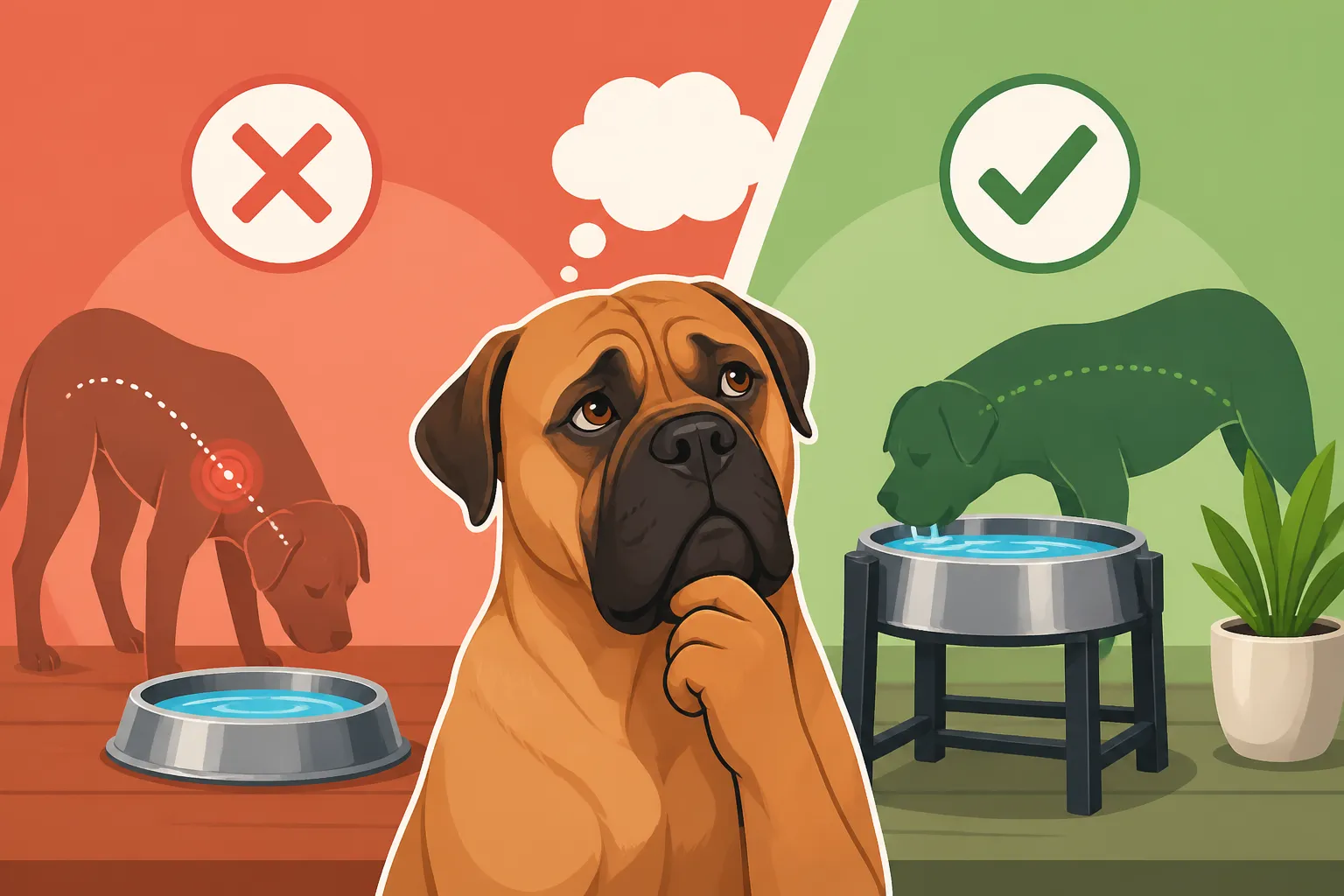
The most influential research on this topic came from a large-scale study conducted by Purdue University. This extensive study, which looked at hundreds of dogs and various risk factors for bloat, delivered a rather surprising conclusion: raised food and water bowls were actually associated with an increased risk of bloat in large and giant breeds. Instead of reducing air intake, it seemed that some dogs, when eating or drinking from elevated positions, might actually consume food and water faster, inadvertently gulping down more air in the process. This faster consumption, combined with the way their esophagus and stomach are positioned when drinking from a height, could potentially contribute to the very issue owners were trying to prevent. It's a prime example of how what looks logical isn't always what the science bears out, and it created a major shift in veterinary recommendations.
Veterinary Consensus on Raised Bowls
Today, the majority of veterinary professionals, particularly those specializing in internal medicine and surgery, generally advise against using raised bowls for bloat prevention in high-risk breeds like Bullmastiffs. While it feels counterintuitive to many, the evidence from larger studies simply doesn't support the benefit and, in fact, suggests a potential detriment. Their primary concern is always the health and safety of your dog, and based on current data, floor-level bowls are considered the safer option to minimize bloat risk. This recommendation is given with the understanding that every owner wants the best for their dog, and sometimes the best choice means setting aside long-held beliefs in favor of scientific findings. They emphasize that while one factor alone doesn't cause bloat, removing potential risk factors is always the wisest approach. For owners deeply concerned about bloat, a prophylactic gastropexy is often recommended as a far more effective preventative measure; you can learn more about this procedure in Whether a Bullmastiff Should Have a Gastropexy.
When Raised Bowls Might Still Be Considered
Now, this isn't to say raised bowls are always and in all circumstances bad. There are specific situations where an elevated bowl can genuinely improve a Bullmastiff's quality of life, but these reasons typically revolve around comfort rather than bloat prevention.
For older Bullmastiffs suffering from arthritis, hip or elbow dysplasia, or other mobility issues, bending down to a floor-level bowl can be painful and difficult. In these cases, a raised bowl can make eating and drinking much more comfortable, reducing strain on their joints and neck. If your senior Bullmastiff is struggling to rise or shows signs of discomfort when bending, a raised bowl, under veterinary guidance, might be a compassionate choice. Similarly, dogs with megaesophagus, a condition where the esophagus loses its muscle tone and struggles to move food and water to the stomach, often benefit from eating and drinking from an elevated position, sometimes even vertically, to help gravity do the work. However, these are medical accommodations for specific conditions, not general bloat prevention strategies. If you're considering a raised bowl for comfort reasons, especially for an aging dog, always discuss it with your veterinarian first. They can help you weigh the comfort benefits against the bloat risk for your individual dog. For insights into the challenges older Bullmastiffs face, consider reading Why an Aging Bullmastiff Struggles to Rise or The Age a Bullmastiff Gets Arthritis.
Practical Approaches to Hydration and Bloat Prevention
So, if raised bowls aren't the answer for bloat prevention, what can Bullmastiff owners do to ensure their dogs are well-hydrated and to minimize the risk of this terrifying condition? It comes down to a combination of common-sense practices and being mindful of your dog's eating and drinking habits. The goal is to encourage calm, measured intake of both food and water.
Encouraging Slower Drinking and Eating
One of the theories behind the increased bloat risk with raised bowls is faster consumption. So, promoting slower eating and drinking habits is a key strategy regardless of bowl height. For food, slow-feeder bowls are fantastic tools. They have ridges or obstacles that force your Bullmastiff to eat around them, preventing them from gulping down their entire meal in seconds. While primarily designed for food, the principle of slowing intake can extend to water as well. Some owners find that using a smaller, but still adequately sized, water bowl or even multiple smaller bowls placed around the house can encourage more frequent but less frantic drinking. You can find a wide variety of slow feeders and durable, large water bowls from retailers like Chewy or Amazon. These small changes can make a big difference in how quickly your Bullmastiff consumes their meals and water. Additionally, ensuring your Bullmastiff rests calmly after meals and drinking is critical, as discussed in Why a Bullmastiff Should Rest After Eating. If you want to explore more about slowing down mealtime, take a look at Whether a Slow Bowl Reduces a Bullmastiff's Bloat Risk.
The Importance of Fresh, Accessible Water
Beyond how your Bullmastiff drinks, what's most important is that they do drink enough. Bullmastiffs need constant access to fresh, clean water. Their large bodies, powerful muscles, and tendency to overheat, especially in warmer climates, mean they can dehydrate quickly. Always have at least one, and ideally several, large water bowls available throughout your home and yard. The water should be changed daily, and the bowls cleaned regularly to prevent bacterial buildup. A good quality stainless steel or ceramic bowl is ideal for hygiene and durability. Remember, consistent hydration is fundamental to overall health, helping with everything from kidney function to joint lubrication. Don't underestimate how much water your big dog needs each day; you might be surprised to learn the volume covered in How Much Water a Bullmastiff Drinks a Day.
Holistic Bloat Prevention Strategies
While the water bowl height might not be the magic bullet we once thought, there are several other proven strategies that contribute to reducing bloat risk in Bullmastiffs:
- Multiple Small Meals: Instead of one or two large meals a day, feed your Bullmastiff two or three smaller meals. This reduces the amount of food in the stomach at any one time. Our article How Many Meals a Bullmastiff Should Have delves deeper into this.
- Avoid Exercise Around Mealtimes: Do not allow strenuous exercise or intense play for at least an hour before and two hours after your Bullmastiff eats or drinks large quantities. This is a critical factor for many vets.
- Prophylactic Gastropexy: For high-risk breeds, a surgical procedure called gastropexy can be performed, often at the same time as spaying or neutering. This surgery permanently attaches the stomach to the abdominal wall, preventing it from twisting (though it doesn't prevent the initial gas distension). This is considered the most effective preventative measure.
- Minimize Stress: High stress levels are thought to contribute to bloat episodes. Try to maintain a calm and consistent routine for your dog.
- Avoid Rapid Diet Changes: Sudden switches in food types can upset a Bullmastiff's digestive system. Introduce new foods gradually.
By focusing on these broader prevention strategies, you can provide a more robust defense against bloat than by relying solely on bowl height. Bloat is unfortunately a leading cause of death in the breed, so understanding all aspects of prevention is vital, as highlighted in What Most Bullmastiffs Die Of.
Choosing the Right Water Bowl for Your Bullmastiff
Now that we've cleared up the bloat debate around raised bowls, let's talk about what makes a truly good water bowl for your Bullmastiff. It's not just about where it sits, but also its material, size, and how easily it can be kept clean. After all, your big dog deserves a setup that's both practical for you and healthy for them.
Material Matters for Durability and Hygiene
When choosing a water bowl, the material is more important than you might think. Here’s a breakdown of common options:
- Stainless Steel: This is often the gold standard. Stainless steel bowls are incredibly durable, won't chip or break, and are very easy to clean. They are non-porous, meaning they don't harbor bacteria, and they are generally dishwasher safe. They also don't impart any taste to the water, which some dogs prefer. You can find excellent, heavy-gauge stainless steel bowls on Amazon or Chewy.
- Ceramic: Ceramic bowls are heavy, which makes them stable and less likely to be knocked over by a rambunctious Bullmastiff or their powerful jowls. They can also be quite attractive. However, they can chip or crack if dropped, and any cracks can become breeding grounds for bacteria. Make sure to choose ceramic bowls that are glazed and lead-free.
- Plastic: While inexpensive and lightweight, plastic bowls are generally not recommended for Bullmastiffs. They scratch easily, and these scratches can harbor bacteria, leading to unpleasant smells and potential skin irritation around your dog's mouth. Some dogs also develop a contact allergy to plastic. If you must use plastic, ensure it's high-quality, food-grade plastic and replace it frequently.
Size and Stability are Key
A Bullmastiff isn't a Chihuahua; they need a big water bowl! A small bowl will require constant refilling, which is a hassle for you and potentially leads to your dog drinking from less ideal sources if it runs dry. Look for bowls with a capacity of at least 1-2 gallons.
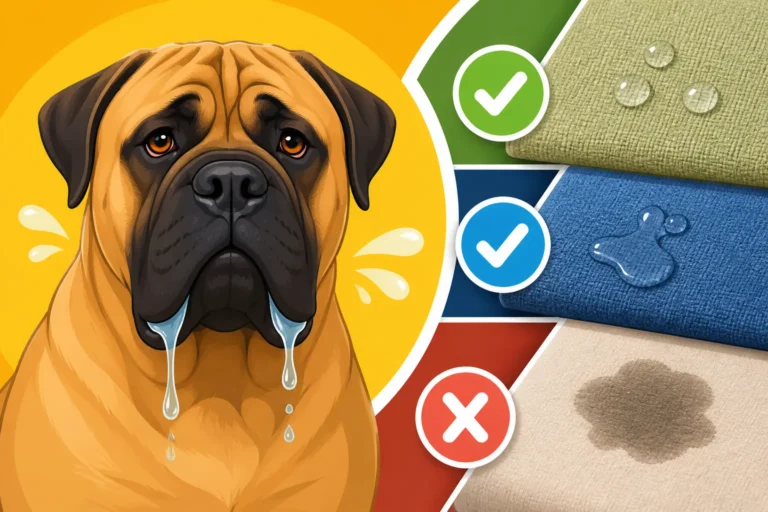
Stability is equally important. Bullmastiffs are large, sometimes clumsy, and often enthusiastic drinkers. Their broad muzzles and significant drool production can also contribute to splashing and pushing the bowl around. A heavy bowl, especially one with a rubber ring on the bottom, will stay put, preventing spills and reducing frustration for both of you. Imagine a 130-pound dog nudging a lightweight bowl across the kitchen floor – it's a mess waiting to happen! Speaking of drool, preparing for the daily clean-up is part of the Bullmastiff experience; learn more in Drool Is the Daily Job With a Bullmastiff.
Monitoring Your Bullmastiff's Drinking Habits
Ultimately, your Bullmastiff is an individual. Observe how they drink. Do they lap calmly? Or do they gulp frantically, seemingly inhaling water along with air? If your dog drinks very quickly, regardless of the bowl's position, consider introducing methods to slow them down, like a few clean, large rocks placed in the bowl (ensure they're too big to be swallowed), which forces them to navigate around obstacles to drink. The most important thing is that they stay hydrated safely.
| Feature | Floor-Level Bowl | Raised Bowl (for bloat prevention) | Raised Bowl (for comfort/medical needs) |
|---|---|---|---|
| Bloat Risk | Current research suggests lower risk | Current research suggests increased risk | Not for bloat prevention; focus on comfort |
| Comfort | May require bending for large breeds | Intuitively seems more comfortable | Highly beneficial for joint/neck issues |
| Air Swallowing | Thought to encourage slower drinking | May encourage faster drinking/gulping | Dependent on individual dog and medical need |
| Hygiene | Same as raised, depends on material & cleaning | Same as floor-level, depends on material & cleaning | Same as floor-level, depends on material & cleaning |
| Stability | Easier to find heavy, stable options | Can be prone to tipping if stand is flimsy | Stability important, especially for unsteady dogs |
| Primary Purpose | Hydration & general well-being | Misguided bloat prevention | Alleviating pain/difficulty for specific conditions |
Disclaimer
This article is for general informational purposes only and does not constitute professional advice. Laws, prices and regulations vary by location and change over time. Consult a qualified professional for guidance on your specific situation.