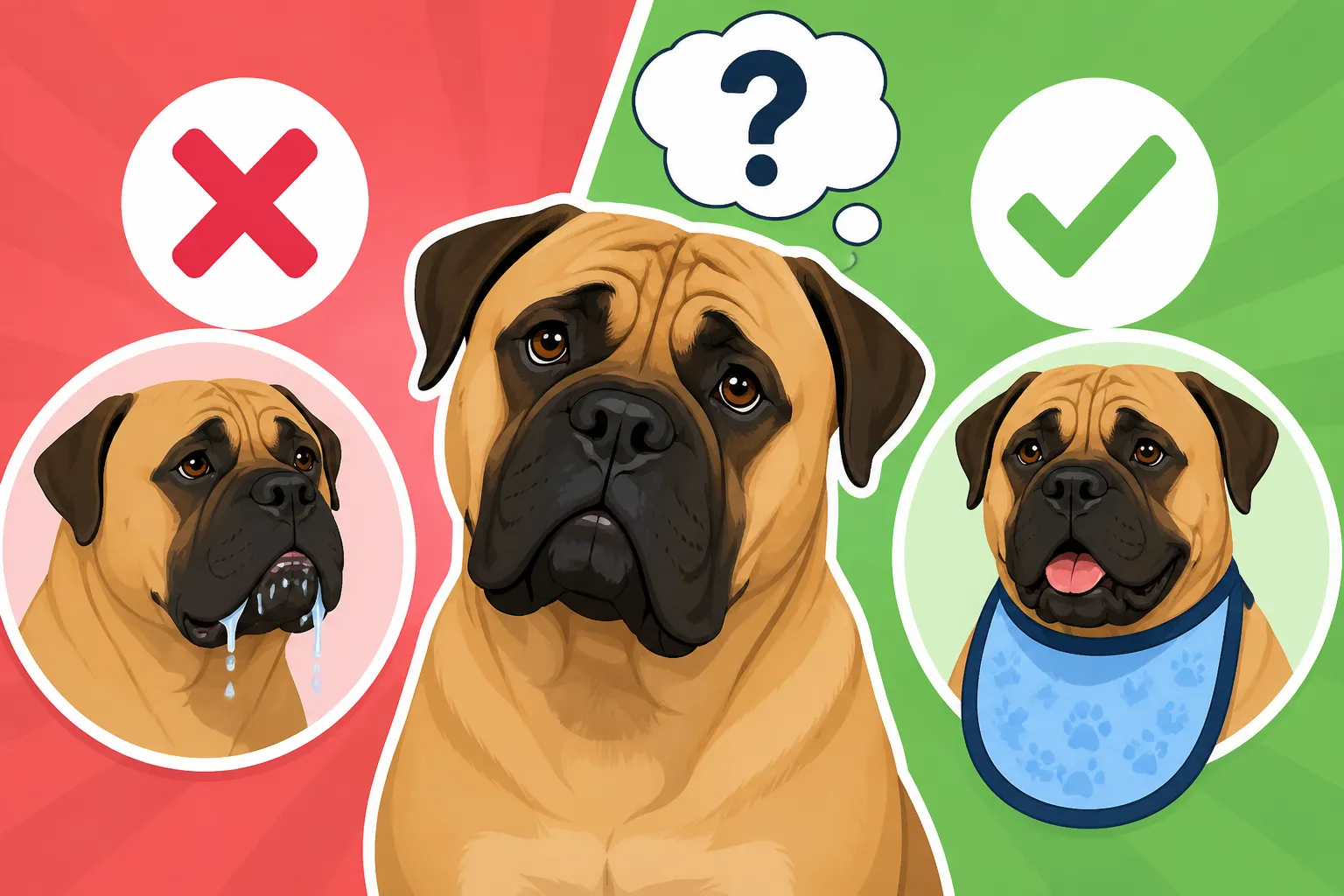
Whether a Bullmastiff Should Wear a Bib
Ah, the daily reality of loving a Bullmastiff! If you're living with one of these magnificent, jowly giants, you know that drool isn't just a possibility; it's a fundamental part of the experience. You've probably found slobber on your walls, your clothes, perhaps even in your hair, and you're wondering if there's any way to manage the constant dampness. This guide is here to dive deep into the age-old question for Bullmastiff owners: should your beloved slobber-monster wear a bib? We'll explore the messy truth, weigh the pros and cons of bibs, and offer some real-world strategies to help keep your home (and yourself) a little drier.
The Drool Dilemma: Understanding Your Bullmastiff's Salivary Output
Before we even consider a bib, let's get real about why your Bullmastiff is such a champion drooler. It's not a flaw; it's a feature, directly tied to their unique anatomy and sometimes their enthusiasm for life. Understanding the source of the slobber can help you manage it more effectively and even feel a little more zen about the whole thing.
Why Bullmastiffs Drool So Much
Let's face it, Bullmastiffs are built with those iconic, loose jowls for a reason – well, for many reasons, primarily related to their historical role as gamekeepers' companions. Those magnificent, pendulous lips and deep flews aren't just for aesthetics; they're incredibly efficient at holding moisture. This is why you often see a Bullmastiff take a drink of water, then pull their head back, and a whole waterfall seems to cascade from their mouth. They simply don't have tight lips to hold all that saliva and water in. It's part of their charm, yes, but it's also the root of much of our collective cleaning efforts.
Beyond the physical structure, a Bullmastiff's drooling can be triggered by a variety of factors. Food, naturally, is a huge one. The anticipation of a meal, the smell of your dinner cooking, or even just seeing you head towards their food bin can get those salivary glands working overtime. Excitement is another major trigger; a new visitor, a walk, or playtime can lead to an enthusiastic display of jiggle and slobber. Even temperature plays a role; dogs don't sweat like we do, so panting and sometimes drooling helps them regulate their body temperature, especially in warmer weather. It's a constant battle against gravity and biology, and as owners, we learn to adapt. Many new owners wonder How Much a Bullmastiff Drools, and the answer is usually: more than you'd expect!
The Types of Drool and Their Impact
Not all drool is created equal, as any seasoned Bullmastiff owner will tell you. There's the relatively benign, slow drip of saliva that might pool on the floor where they're resting. This is often just a normal amount of salivary production that their loose jowls can't quite contain. Then there's the post-drink deluge, where a substantial amount of water mixed with saliva exits their mouth in a dramatic, often widespread fashion. This is the one that really coats your kitchen floor and sometimes even your ceiling if they shake their head just right.
And of course, we can't forget the infamous "fling." This is when a Bullmastiff, often after a drink, a meal, or a moment of high excitement, gives a vigorous shake of the head, sending fine strings and globs of slobber flying through the air like a modern art installation. These sticky, often invisible (until they dry) projectiles can land anywhere: on your clothes, the furniture, the television screen, or even the dog's own ears. Where a Bullmastiff's Drool Ends Up is truly a mystery until it's too late.
The impact of all this varies. On your home, it means constant wiping of floors, walls, and furniture. On your clothes, it means carrying an emergency towel or bib for yourself. And for your dog, it can mean perpetually damp jowls, which, if not managed, can lead to skin irritation or unpleasant odors. It's a reality that we simply accept and manage, because the love these gentle giants give us is absolutely worth every damp spot.
Bibs for Bullmastiffs: A Practical Solution?
Given the drool deluge, it's natural to wonder if a bib could be a simple, elegant solution. Many owners try them, and for some, they become an indispensable part of daily life. Let's explore what wearing a bib entails for your Bullmastiff.
The Pros of Using a Bib
The most obvious benefit of a bib is its ability to act as a catch-all for that inevitable slobber. Think of it as a barrier between your Bullmastiff's prodigious jowls and your pristine living environment. For owners who are particularly sensitive to mess, or who have specific areas they want to protect (like a new sofa or a guest's lap), a bib can significantly reduce the spread of drool.
Bibs are fantastic for protecting your clothes. If your Bullmastiff is a leaner (and let's be honest, most are), or loves to lay their head on your lap, a bib can save your outfit from becoming a drool sponge. Many come in different sizes and materials, from simple cotton to more robust, waterproof-backed fabrics. You can find a wide variety online from pet supply retailers like Chewy or general marketplaces such as Amazon, offering different styles and absorption levels. Some are even quite stylish, turning a practical necessity into a bit of a fashion statement.
Beyond protecting your belongings, a bib can also help keep your Bullmastiff's chest and neck area cleaner and drier. This can be particularly helpful if your dog tends to get irritation from constant dampness in their neck folds. By absorbing the initial drips, a bib can help prevent moisture from soaking into their fur and skin, potentially warding off some minor skin issues. While it won't stop the flying slobber from a vigorous head shake, it can certainly mitigate the steady drip that accumulates.
The Cons and Challenges of Bibs
While bibs sound like a straightforward solution, they come with their own set of considerations and potential drawbacks that every Bullmastiff owner should ponder.
Firstly, hygiene is a big one. A bib, by its very nature, is designed to absorb moisture and saliva. If left damp for too long, it can become a breeding ground for bacteria and yeast, leading to unpleasant odors. Imagine wearing a perpetually wet towel around your neck – it wouldn't be comfortable, would it? For your Bullmastiff, a damp bib can cause skin irritation, rashes, or even yeast infections in the moist skin folds around their neck and chest. This is especially true if you don't clean and dry their jowls regularly. How to Clean a Bullmastiff's Jowls is an important routine to maintain, bib or no bib.
This brings us to the issue of maintenance. For a bib to be effective and hygienic, it needs to be changed frequently – often multiple times a day, depending on your dog's drooling habits. This means you'll need a sizable collection of bibs on hand, and you'll be doing a lot more laundry. The cost of purchasing multiple durable, absorbent bibs can add up, and the time spent washing and drying them is a commitment. If you forget or neglect to change a bib, you might be doing more harm than good for your dog's skin health.
Comfort for your Bullmastiff is another factor. While most dogs tolerate wearing collars and sometimes coats, a bib is a constant presence around their neck. Some Bullmastiffs might find it annoying, itchy, or restrictive, especially if it's too tight or made of an uncomfortable material. Others might try to chew on it, turning the bib into another item to replace. It’s also important to consider if the bib itself gets caught on things as your Bullmastiff moves around, though this is less common with well-fitting designs.
Finally, there's the aesthetic aspect. While some bibs are cute or stylish, not every owner wants their majestic Bullmastiff wearing what looks like a baby's feeding accessory all the time. This is purely a personal preference, but it's part of the overall decision. Ultimately, a bib is a tool, and like any tool, its effectiveness depends on proper use and whether it suits the specific needs of both the dog and the owner.
Beyond the Bib: Alternative Drool Management Strategies
If bibs aren't quite cutting it, or you're looking for a multi-pronged approach, there are plenty of other ways to manage Bullmastiff drool. Often, a combination of strategies works best to keep things as clean and dry as possible.
Proactive Cleaning and Hygiene
One of the most effective ways to manage drool, whether you use a bib or not, is through diligent and proactive cleaning. This means having the right tools on hand and making a habit out of wiping your Bullmastiff's face and jowls.
Keep a stack of dedicated "drool rags" or absorbent cloths in strategic locations around your home. Think microfibre towels, old hand towels, or even specific dog-wipes. Place them by the water bowl, near their favorite resting spots, and certainly by the front door for after-walk clean-ups. Many owners swear by a small hand towel draped over their arm or tucked into a pocket for quick access. This allows you to quickly catch drips before they hit the floor or wipe down jowls after a drink or meal. I know I always have a stack of What to Keep on Hand for a Bullmastiff's Drool in every room!
Regular wiping of their jowls, especially after they eat or drink, is paramount. This prevents saliva from sitting on their skin and causing irritation. For particularly deep folds, you might need to gently clean with a damp cloth and then thoroughly dry the area. Some owners use diluted witch hazel or a vet-approved antiseptic wipe for this purpose, especially if their Bullmastiff is prone to skin fold issues. Ignoring dampness can lead to Signs a Bullmastiff's Fold Is Infected, which is something you definitely want to avoid. Remember, consistency is key here.
Environmental Management and Training
Sometimes, managing drool is about managing the environment and subtly guiding your Bullmastiff's habits.
Consider where your Bullmastiff's water bowl is placed. Is it in a high-traffic area where flung drool will inevitably be tracked everywhere? Moving it to a less conspicuous spot, perhaps with a large, absorbent mat underneath, can make a difference. Some owners find Whether a Bullmastiff's Water Bowl Should Be Raised can impact how cleanly they drink, though opinion is divided on this in relation to bloat risk, so always consult your vet. What matters most is finding a bowl that works for your dog without promoting excessive splashing or slopping. Some extra-deep bowls or those with a "splash guard" rim can help contain water during drinking.
While you can't train a Bullmastiff not to drool, you can certainly train for better manners around water. Teach them to "wait" after drinking before moving, giving you a chance to quickly wipe their mouth. A simple cue like "clean up" followed by a gentle wipe can become a routine. For highly excitable droolers, try to manage situations that trigger excessive excitement, if possible, or have your drool rag ready for greetings. Remember that a Bullmastiff's jowls naturally Why a Bullmastiff's Jowls Hold Saliva, making it hard for them to be entirely "clean" after a big drink.
Dietary Considerations and Health Checks
While diet isn't usually a primary factor in the sheer volume of a Bullmastiff's drool, some owners report anecdotal connections. Highly processed foods or certain ingredients might, for some sensitive dogs, stimulate more salivary production, though this is rare. Ensuring your Bullmastiff is on a high-quality, balanced diet, perhaps from a reputable brand like Ollie or Chewy's own offerings, can support overall health, which in turn contributes to healthy skin and coat. However, don't expect a complete cessation of drooling just from a diet change; it's generally a minor contributing factor at best.
More importantly, sometimes a sudden or excessive increase in drooling can be a sign that something else is going on. Dental issues, such as a sore tooth or gum infection, can cause increased salivation. Nausea, anxiety, or even certain medical conditions can manifest with increased drooling. If you notice a significant, uncharacteristic change in your Bullmastiff's drooling habits, or if it's accompanied by other symptoms like lethargy, loss of appetite, or pawing at their mouth, it's always wise to consult your veterinarian. Don't ignore When Sudden Drooling Means Something Is Wrong, as it could indicate a health concern that needs attention. Regular vet check-ups, often including a look at their oral health, are a good idea.
Making the Right Choice for Your Bullmastiff
Deciding whether a bib is right for your Bullmastiff, or if you prefer other methods, really comes down to a few personal factors. There's no single "right" answer, only what works best for you and your beloved giant.
Assessing Your Dog's Needs and Lifestyle
Start by considering your Bullmastiff's individual drooling patterns. Is your dog a constant slow dripper, or do they mostly create a mess after drinking and eating? Do they have particularly deep jowls that hold a lot of moisture? Some Bullmastiffs are naturally more prolific droolers than others. Whether Every Bullmastiff Drools the Same is a common question, and the answer is absolutely not! Each dog is an individual.
Next, think about your lifestyle and tolerance for mess. Do you live in a house with all hardwood floors that are easy to wipe, or carpeted areas that are harder to clean? Are you comfortable with the laundry demands of multiple bibs, or do you prefer to keep things simpler? What about your Bullmastiff's personality? Some dogs simply don't tolerate wearing anything extra around their neck, while others might not mind it at all. It's a balance of practicality, hygiene, and your dog's comfort.
Combining Strategies for Best Results
Often, the most effective approach isn't an "either/or" but a "both/and" strategy. You might find that a bib is incredibly helpful for certain situations, like when guests are over or when your Bullmastiff is riding in the car (to protect upholstery). For day-to-day life, you might rely more heavily on proactive wiping and strategically placed absorbent mats.
Here’s a quick table to help you weigh the general pros and cons of each approach:
| Feature | Bibs for Bullmastiffs | No Bibs (with Alternative Strategies) |
|---|---|---|
| Primary Benefit | Direct containment of drool on the dog's chest/neck, protecting nearby surfaces. | Flexibility, natural airflow to jowls, potentially less laundry. |
| Hygiene | Requires frequent changing and washing to prevent odor/skin issues. Can trap moisture. | Relies on regular manual wiping of jowls and surrounding areas. Allows air circulation. |
| Maintenance | High laundry burden, need for multiple bibs. | Requires consistent manual wiping, availability of cleaning cloths. |
| Dog Comfort | Depends on individual dog's tolerance; can be restrictive or irritating if damp. | Natural, no additional garments. |
| Cost | Initial purchase of multiple bibs, ongoing laundry costs. | Cost of cleaning supplies (wipes, rags), potentially more frequent floor cleaning supplies. |
| Effectiveness | Good for containing drips, less effective for flung slobber. | Very effective for fresh drool with prompt wiping; requires vigilance. |
Ultimately, you know your Bullmastiff best. Try a few approaches, see what works, and don't be afraid to adjust your routine as you learn and grow together. The goal is to keep your gentle giant comfortable and healthy, and your home (relatively) clean, allowing you to fully enjoy all the love and companionship they bring, slobber and all. And trust me, after years with these wonderful dogs, you'll find How Often a Bullmastiff's Face Should Be Wiped becomes second nature, like breathing.
Disclaimer
This article is for general informational purposes only and does not constitute professional advice. Laws, prices and regulations vary by location and change over time. Consult a qualified professional for guidance on your specific situation.