Whether a Bullmastiff’s Drool Stains
One of the endearing, yet sometimes exasperating, realities of sharing your life with a magnificent Bullmastiff is the drool. Oh, the drool! It’s an undeniable part of their charm, a sign of their powerful jowls and that ever-present, watchful gaze. But a common worry I hear from fellow Bullmastiff parents, often whispered alongside exasperated sighs, is whether this constant flow of slobber will permanently mark our homes. It’s a valid concern – nobody wants their beloved furniture or freshly painted walls ruined by the love of their life. This guide is here to shed some light on the truth about Bullmastiff drool and its staining potential, offering practical advice to keep your home looking its best, even with a giant, jowly companion.
Understanding Bullmastiff Drool: More Than Just Water
It’s easy to think of drool as just… wet. But when you’re constantly wiping it off surfaces, you start to notice it has a distinct quality. Understanding what makes up your Bullmastiff’s saliva, and why they produce so much of it, is the first step to truly managing its impact on your home. It’s not just a watery mess; there’s more science behind it than you might expect.
The Composition of Canine Saliva: What's Really in There?
Think about your own saliva; it’s not just plain water, right? The same goes for our canine companions. A Bullmastiff's drool, while mostly water, is actually a complex mix of things. It contains enzymes like amylase, which helps break down starches, and lysozyme, which has antibacterial properties. There are also electrolytes, proteins, and mucin, which is what gives saliva its slightly slimy, viscous texture. This mucin is really the culprit that creates that "sticky" or "crusty" residue when drool dries.
Sometimes, you might also find tiny food particles mixed in, especially after a meal or if your Bullmastiff has been chewing on a favorite toy. Occasionally, a hint of blood from a minor gum irritation or a rough chew session can also be present, which can certainly impact any perceived staining. It’s this combination of organic compounds, coupled with whatever your dog might have recently ingested or chewed on, that determines how drool interacts with different surfaces and whether it leaves a noticeable mark. It's why a quick wipe isn't just about removing moisture, but actually about getting rid of these dissolved solids before they set in.
Why Bullmastiffs Drool So Much
Let's be honest, Bullmastiffs are champions of drool. But why? It largely comes down to their magnificent, distinctive breed conformation. Those impressive, loose jowls and deep flews around their mouth aren't just for show; they're designed in a way that creates natural "pockets" where saliva accumulates. Unlike breeds with tight, dry lips that can contain their saliva, a Bullmastiff's jowls act more like open-ended buckets.
When a Bullmastiff drinks water, eats, gets excited, anticipates food, or even just takes a deep breath, saliva production naturally increases. With nowhere for that excess to be fully contained within their mouth, it has only one way to go: out. It spills, it slings, it drips. It’s simply a physical characteristic of the breed, something they can't really control. This constant overflow is why you'll often find yourself grabbing a dedicated "drool rag" multiple times a day. If you want to dive deeper into this, you might find our article Why a Bullmastiff's Jowls Hold Saliva incredibly insightful. It's truly a defining feature of owning one of these gentle giants.
The Nature of the "Stain": Is It Truly Permanent?
The big question, of course, is whether that drippy evidence of your Bullmastiff's presence is going to ruin your home forever. The good news is that most drool marks are not permanent stains in the way a spilled glass of red wine might be. However, they can definitely leave behind unsightly residues that look a lot like stains if not addressed. The key is understanding what happens when drool dries and how different surfaces react.
What Drool Leaves Behind on Different Surfaces
The appearance and persistence of a drool mark really depend on where it lands. Each material in your home has a different porosity and texture, meaning they interact uniquely with the organic compounds in saliva. Knowing this can help you predict and react effectively.
Fabrics (Couches, Carpets, Clothes)
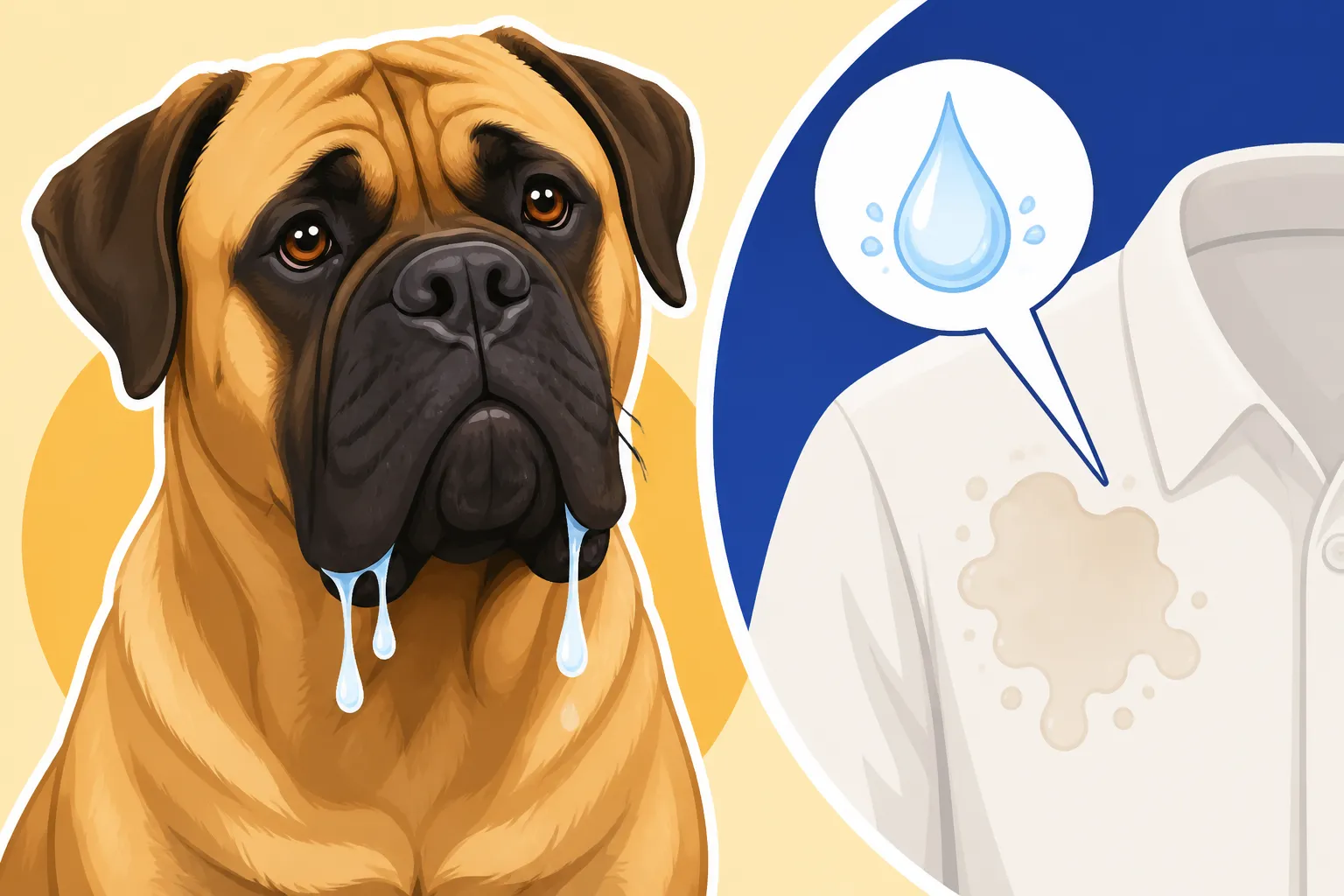
Ah, the soft surfaces, the biggest magnets for Bullmastiff drool. On fabrics like your sofa, throw pillows, carpets, or even your clothes, drool often leaves a damp patch that, once dried, might seem to disappear at first glance. However, what's left behind is a residue of proteins, enzymes, and mucin. Over time, and with repeated deposits in the same spot, this invisible residue can build up. It becomes a slightly stiff, crusty patch that attracts dirt and dust like a magnet, eventually leading to a visibly darker or discolored area. It can also create a rather distinctive, slightly sour odor, especially in humid conditions or if the drool has lingered. This isn't just an aesthetic issue; it can actually change the texture of the fabric, making it feel rough or matted. This is especially true for delicate fabrics or those with a higher pile.
Walls and Paint
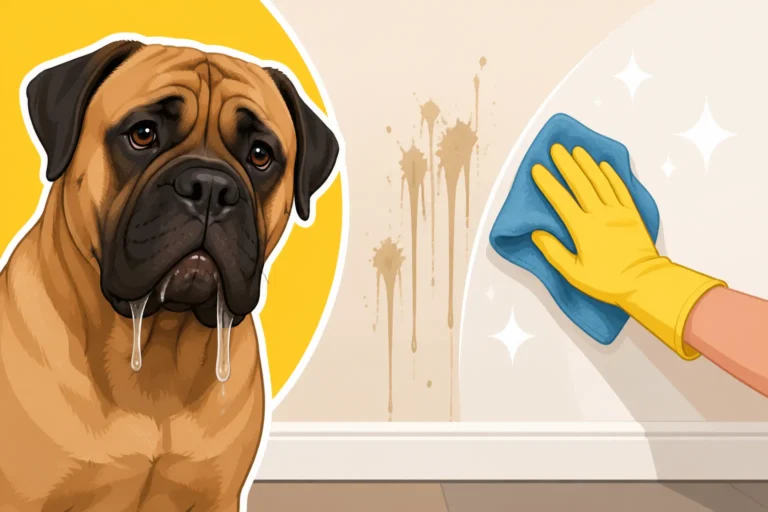
Bullmastiffs are leaners, and they love to rest their big, blocky heads against walls, especially after a drink or a long nap. On painted walls, drool typically dries clear or slightly yellowish, depending on the paint finish and color. On glossy or semi-gloss paints, it might just leave a streak that wipes away easily. However, on matte or flat finishes, which are more porous, the organic compounds can be absorbed more readily. Over time, repeated drool marks in the same spot can indeed cause a dulling or subtle discoloration of the paint. More commonly, though, the sticky residue attracts airborne dust and grime, creating dark, shadowy patches that make the wall look perpetually dirty. It's less a "stain" and more a "dirt magnet" effect, but the result is the same: an area that looks unclean. Our post How to Clean Bullmastiff Drool Off a Wall offers some excellent tips for these tricky situations.
Hardwood Floors and Tile
For hard surfaces like sealed hardwood, laminate, or tile, Bullmastiff drool usually dries into a relatively easy-to-manage crusty or slightly sticky white residue. You'll often see these little white spots or rings around their water bowl, or where they've given a particularly enthusiastic head shake. On sealed surfaces, it generally sits on top and can be wiped or mopped away without much fuss. If left for a very long time, especially in direct sunlight, it might become harder to remove, or on certain finishes, it could leave a faint dull spot if acidic elements in the drool interact with the sealant. Unsealed grout, however, is a different story. Grout is porous and can absorb liquids, so repeated drool could potentially lead to permanent discoloration if not cleaned regularly. Always keep an eye out for these marks, as they can sometimes become quite slippery if not addressed.
Windows and Glass
When a Bullmastiff decides to 'nose print' your windows or give them an affectionate slobbery lick, you'll definitely see the remnants. On glass and mirrors, drool dries into noticeable streaks, smudges, or spots. These are highly visible, especially when the light hits them just right. The good news is that they rarely cause any permanent damage to the glass itself. They're mostly a cosmetic nuisance, requiring a regular wipe-down with a glass cleaner to maintain clarity. It's a small price to pay for those adorable nose prints, I think!
The Role of Food and Environment in Drool Marks
It's not just the inherent composition of drool that dictates how it looks once dry; what your Bullmastiff consumes and the environment around them play a significant role. Imagine your Bullmastiff eating a vibrant, orange-colored carrot treat. If some of that pigment mixes with their saliva and lands on a light-colored carpet, it might leave a more noticeable, colored mark than if they had just been drinking water. Similarly, dog foods with strong dyes or highly pigmented natural ingredients could subtly alter the appearance of dried drool. While some brands, like Ollie, focus on fresh, less processed ingredients, even natural components can have color. It’s not that a specific food causes more staining, but rather that its components can make existing drool residue more visible.
Environmental factors are also crucial. A damp spot of drool on your floor or furniture is like a sticky trap for dust, pet hair, and airborne particles. As the drool dries, these particles become embedded, transforming an otherwise clear or faintly visible residue into a prominent, dirty-looking spot. In areas with high foot traffic or where dust tends to settle, these drool-laden spots can quickly darken and become much more noticeable. Humidity can also prolong drying times, giving drool more opportunity to settle into fibers or attract more grime.
Preventing and Cleaning Drool Marks Effectively
Living with a Bullmastiff means accepting a certain level of drool, but it doesn't mean resigning yourself to a permanently sticky, stained home. With a few proactive habits and the right cleaning arsenal, you can keep your living space fresh and tidy. It’s all about consistency and having the right tools on hand.
Daily Habits for a Drier Home
Consistency is truly your best friend when it comes to managing Bullmastiff drool. Developing a few simple daily habits can make a huge difference in preventing unsightly marks from accumulating. This isn't about being obsessive, but about being prepared and proactive.
Immediate Wiping
This is arguably the most important habit you can develop. The moment you see a fresh drool mark – whether it’s on the wall, the floor, or the side of the couch – wipe it up immediately. Don't let it dry! Dried drool is significantly harder to remove as the organic compounds bond more firmly to the surface. I always have a stack of dedicated "drool rags" strategically placed around the house – by the front door, next to the sofa, near the water bowl, and even in the car. Microfiber cloths are fantastic for this because they're super absorbent and can pick up both moisture and sticky residue effectively. You can buy these in bulk on Amazon or Chewy, making it easy to always have a clean one ready. For more on this, check out What to Keep on Hand for a Bullmastiff's Drool.
Managing Water Bowls
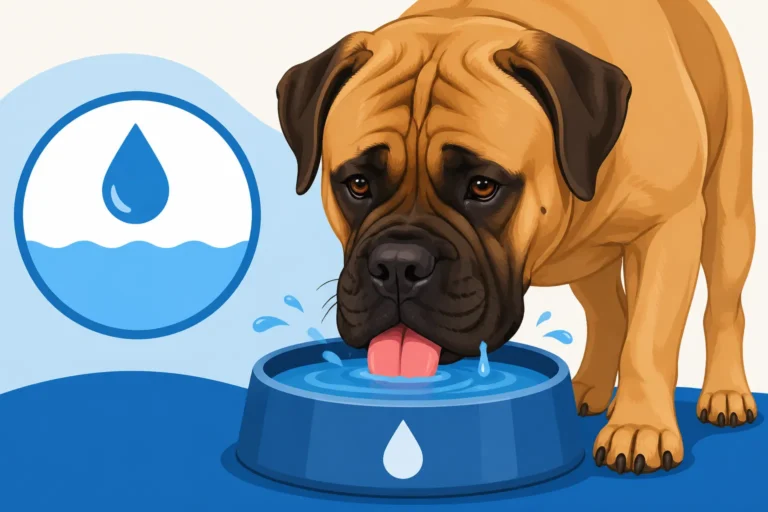
Water bowls are ground zero for drool production, especially when your Bullmastiff is hydrating. They drink, lift their head, and slosh. To minimize the watery mess, consider using a splash-proof or anti-spill bowl that restricts how much water they can gulp at once. Placing a large, waterproof mat or an old towel under the bowl is non-negotiable. This will catch the immediate drips and splashes, saving your floors. Some owners also prefer raised bowls, which can sometimes reduce gulping and subsequent drooling, though experiences vary from dog to dog. Remember that these large mats will need regular washing to stay fresh.
Face Wiping After Meals and Drinks
After your Bullmastiff finishes eating or, especially, after they’ve had a good long drink, take a moment to gently wipe their jowls and around their mouth. This simple act can prevent a significant amount of drool from being flung or dripped onto your furniture and walls. I keep a dedicated small towel right next to their food and water station for this purpose. A quick, gentle wipe can remove excess saliva and any lingering food particles before they become a problem. This is also covered in detail in our article How to Wipe a Bullmastiff's Mouth After Meals, which you might find really helpful for developing a consistent routine.
Tackling Stains on Various Surfaces
Despite your best efforts, some drool marks might dry before you catch them. Don't despair! With the right approach, most of these "stains" can be effectively removed, even those that have been there for a little while. The key is to use appropriate cleaning methods for each surface.
Fabrics
For dried drool marks on fabric furniture, carpets, or rugs, resist the urge to scrub vigorously, as this can push the residue deeper into the fibers or damage the fabric. Instead, start by gently scraping off any crusty bits with a dull knife or the edge of a credit card. Then, blot the area with a clean, damp cloth. For more stubborn or older marks, an enzymatic pet cleaner is your best friend. These cleaners contain enzymes that break down the organic proteins in saliva, effectively eliminating the "stain" and any associated odor. Products available on Chewy or Amazon often specify they are pet-safe and designed for biological stains. Always test any cleaner in an inconspicuous area first to ensure it doesn't cause discoloration. If your furniture has removable covers, washing them regularly, perhaps with a pet-specific laundry additive, is a fantastic solution. Consider using durable fabrics that handle a Bullmastiff's drool, as discussed in Which Fabric Handles a Bullmastiff's Drool.
Walls and Paint
For dried drool marks on walls, a gentle approach is vital to protect your paint. Start by lightly dusting the area to remove any embedded dirt or hair. Then, dampen a clean microfiber cloth with plain warm water. If the mark is persistent, add a tiny drop of mild, pet-safe dish soap to the water, wring out the cloth thoroughly, and gently wipe the affected area. Avoid harsh chemical cleaners or abrasive sponges, especially on matte paint, as these can strip paint or leave shiny spots. Always wipe from the outside of the mark towards the center to prevent spreading. Once clean, dry the area with a separate clean, dry cloth to prevent water spots.
Hard Floors
On sealed hardwood, laminate, or tile, dried drool often appears as a white, crusty film. This is usually the easiest to clean. A damp mop or a spray of pet-safe floor cleaner followed by a wipe with a microfiber cloth will typically do the trick. For very stubborn, baked-on spots, you might need a bit more elbow grease, possibly using a slightly abrasive but non-scratching pad (like a magic eraser, but test first on an unseen area). Always ensure you dry hard floors thoroughly, as standing water can damage certain finishes or create slip hazards. Regular sweeping and mopping will prevent buildup.
Glass
For drool streaks and smudges on windows and glass, your standard window cleaner works perfectly. Spray it on and wipe it away with a clean microfiber cloth or crumpled newspaper for a streak-free shine. There's usually no need for special pet-specific products here, as the drool on glass is mainly just surface residue without deep penetration.
Protective Measures for Furniture and Floors
Prevention is always better than cure, and that certainly holds true for Bullmastiff drool. Strategically placed protective covers and mats can save you a lot of cleaning hassle and keep your home looking good longer.
Washable Throws and Covers
Your couches and favorite armchairs are prime targets for drool, especially if your Bullmastiff loves to snuggle up beside you. Investing in a few durable, machine-washable throws or slipcovers can be a game-changer. Look for fabrics that are easy to clean, such as denim, canvas, or tightly woven microfibers. Drape them over your frequently used seating areas. When they get drool-splashed, simply toss them in the laundry. This not only protects your furniture from drool but also from hair, dirt, and general wear and tear. You can find a wide variety of stylish and functional options on sites like Amazon or Chewy.
Waterproof Mats and Rugs
Beyond just under the water bowl, strategically placed waterproof mats or small rugs can protect high-drool zones. Consider placing a mat where your Bullmastiff frequently lays down, especially if it's a spot where they tend to 'process' their excitement or anxiety with a bit more drool. Entryways are another good spot, as they might shake off excess moisture or excitement when coming inside. These mats act as a barrier, catching drool before it reaches your permanent flooring or carpet. Just ensure they have a non-slip backing to keep your big dog safe as they move around.
Strategic Placement
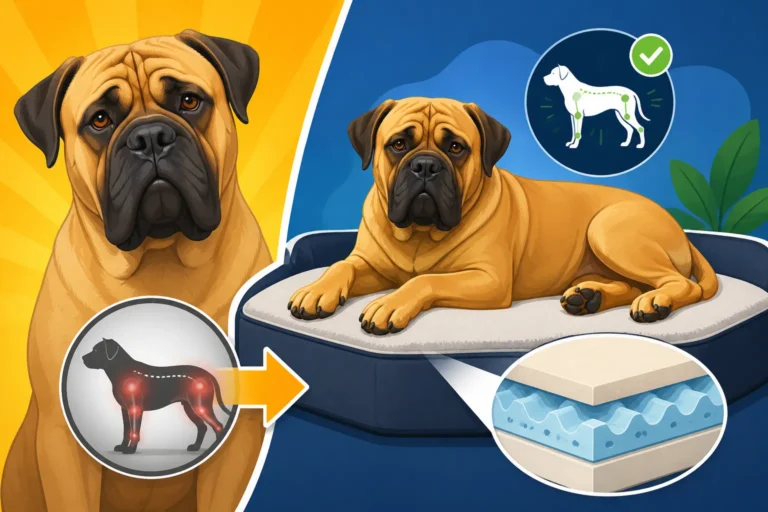
Sometimes, it's about managing access. If you have a particularly delicate rug or a brand-new, light-colored sofa you want to preserve, consider making certain areas or pieces of furniture off-limits to your Bullmastiff, at least when you're not there to supervise. This isn't always practical for a dog that loves to be with you, but it's an option for those truly prized possessions. For their own comfort, ensure your Bullmastiff has their own designated, drool-friendly spots, like a plush, easy-to-clean orthopedic bed. Speaking of beds, Which Bed a Bullmastiff Needs discusses options that are not only comfortable but also practical for managing drool and other large-breed considerations.
Long-Term Considerations and What to Expect
Embracing Bullmastiff drool is part of the journey. While you can manage it, you'll never eliminate it entirely. Understanding the realistic long-term picture and knowing when drool changes might signal a health concern will help you be the best Bullmastiff parent possible.
Accepting the Drool Factor
Let's be real: you chose a Bullmastiff, and with that choice comes a certain level of drool. It's a fundamental part of the breed's physical makeup and a charming, if sometimes messy, expression of their personality. Just like shedding, it’s a reality you learn to live with and manage, rather than trying to eradicate it entirely. Think of it as part of their unique signature, a small price to pay for the unwavering loyalty, gentle companionship, and protective presence they bring into your life.
The long-term strategy isn't about perfectly pristine, drool-free surfaces every second of every day. It's about developing a sustainable routine that allows you to maintain a clean home without feeling overwhelmed. It means always having those drool rags handy, doing a quick wipe-down after drinks, and regularly washing your protective covers. Over time, these actions become second nature, just like daily walks or meal prep. It truly becomes part of the daily rhythm of life with a Bullmastiff, as our article Drool Is the Daily Job With a Bullmastiff explains in detail. You'll likely find that the joy and love your Bullmastiff provides far outweigh the minor inconvenience of a little extra cleaning.
When Drool Might Signal a Problem
While a certain amount of drooling is normal for a Bullmastiff, it's crucial to distinguish between their usual jowly drips and something that might signal a health concern. A sudden, significant increase in drooling (hypersalivation or ptyalism), a change in the consistency of the drool, or the presence of blood, pus, or a foul odor within the drool should never be ignored.
These changes could indicate a variety of underlying issues, such as:
- Dental problems: A broken tooth, gum disease, an abscess, or even an object stuck between their teeth can cause excessive drooling and discomfort.
- Nausea or gastrointestinal upset: If your Bullmastiff is feeling nauseous, they might drool more. This could be accompanied by other signs like lip-licking, vomiting, or a decreased appetite.
- Foreign body: Something lodged in their throat or mouth that they can't dislodge.
- Oral masses: Tumors or growths in the mouth can obstruct swallowing and lead to drooling.
- Toxicity: Ingesting something poisonous can often manifest with excessive drooling.
- Pain: Any significant pain, especially in the head or neck, can sometimes cause increased salivation.
- Anxiety or stress: While usually not medically concerning, very anxious Bullmastiffs might drool more.
If you notice any unusual changes in your Bullmastiff's drooling habits, particularly if accompanied by other symptoms like lethargy, loss of appetite, or behavioral changes, it's always best to consult your veterinarian promptly. Early detection can make a big difference in addressing any potential health issues. For more information on this, our article When Sudden Drooling Means Something Is Wrong can provide further guidance. Your Bullmastiff's drool, while often just a quirky breed trait, can sometimes be a subtle indicator of their well-being.
Disclaimer
This article is for general informational purposes only and does not constitute professional advice. Laws, prices and regulations vary by location and change over time. Consult a qualified professional for guidance on your specific situation.