How a Bullmastiff Handles Cold Weather
When winter sets in, and the mercury plummets, many Bullmastiff owners find themselves scratching their heads, wondering exactly how well their big, seemingly tough dog handles the chill. While their imposing size might suggest they're built for all weather, the truth is, Bullmastiffs have specific needs when it comes to cold, and ignoring them can lead to real discomfort and even health issues. This guide is here to walk you through everything you need to know about keeping your beloved Bullmastiff warm, safe, and happy when the temperatures drop.
Understanding Your Bullmastiff's Natural Cold Tolerance
It's easy to look at a majestic Bullmastiff, all muscle and bone, and assume they're immune to cold. After all, they’re hefty dogs! But their heritage and physical characteristics actually make them quite vulnerable once the cold truly bites. Unlike some northern breeds with dense double coats, the Bullmastiff has a short, close-lying coat that offers minimal insulation.
The Short Coat Conundrum
Think about it: a Bullmastiff's coat is designed for practicality, not for insulation against Arctic blasts. Their short, dense fur is fantastic for shedding rain and dirt, and historically, it helped them blend into the low light while on patrol, but it doesn't provide the thick, fluffy underlayer you'd find on a Husky or a Malamute. This means that a Bullmastiff loses body heat much more quickly in cold, windy, or wet conditions. They don't have that extra buffer that other breeds possess, leaving them more exposed to the elements. For all their brawn, they're surprisingly delicate when it comes to sustained cold exposure.
Brachycephalic Breathing and Cold Air
Another factor often overlooked is their brachycephalic (short-nosed) structure, though not as extreme as a Bulldog, still plays a role. While we often discuss how their shorter muzzles can make them susceptible to overheating, especially when you consider Why a Bullmastiff Overheats So Easily, it also impacts their ability to process very cold air. Inhaling frigid air directly into their lungs can be irritating and even exacerbate respiratory issues, especially for older dogs or those with underlying conditions. Their respiratory system isn't designed for the gradual warming of air that a longer-nosed breed might experience, making them more sensitive to harsh, cold gusts.
Body Fat and Metabolic Rate
While a healthy Bullmastiff should have a lean, muscular build, some extra padding might seem like a benefit in cold weather. However, excessive fat is never healthy for a Bullmastiff and can actually hinder their ability to regulate body temperature effectively, rather than help. A truly lean Bullmastiff, while healthy, might have less natural insulation than a dog with a slight bit of acceptable healthy fat. The key is balance. Maintaining a healthy weight and ensuring adequate nutrition (we'll touch on that later) is crucial for their metabolic processes to generate internal warmth. If you're concerned about your Bullmastiff's weight, remember that Keeping a Bullmastiff Lean Is the Best Thing You Can Do for their overall health, not just for cold tolerance.
Identifying When Your Bullmastiff Is Too Cold
Your Bullmastiff can't tell you in words that they're chilly, but they certainly communicate it through their body language and behavior. Learning to recognize these subtle (and sometimes not-so-subtle) signs is vital for their well-being. Don't wait until they're shivering uncontrollably; catch the cues earlier.
Shivering and Hunching
This is often the most obvious sign, but sometimes it starts subtly. Your Bullmastiff might begin with a slight tremor, almost imperceptible, before progressing to full-body shivering. They might also hunch their back, tuck their tail tightly between their legs, and try to make themselves smaller, minimizing their exposed surface area to conserve warmth. This hunched posture is a clear indicator that they're uncomfortable and trying to get warm. Imagine yourself trying to bundle up – they're doing the canine equivalent.
Seeking Warmth and Reluctance to Move
If your Bullmastiff starts gravitating towards heat sources like radiators, fireplaces, or even just curling up in the sunbeam coming through a window, they're likely feeling the cold. They might burrow under blankets or try to get as close to you as possible, seeking your body heat. Another strong sign is a sudden reluctance to go outside for walks or potty breaks. If your normally enthusiastic dog suddenly drags their feet or actively tries to turn back towards the door, it's a good bet the cold is getting to them. They're telling you, loud and clear, that the conditions are not appealing.
Cold Extremities and Lethargy
Gently touch your Bullmastiff's ears, paws, and the tip of their tail. If these areas feel noticeably cold to the touch, it indicates that their body is diverting blood flow to their core to protect vital organs, a classic sign of being too cold. In more severe cases of prolonged cold exposure, you might notice lethargy, slower movements, or a general lack of enthusiasm. Their energy levels might dip, and they might seem subdued. This isn't just about comfort; it could be a precursor to hypothermia, which is a serious medical emergency. It's crucial to act quickly if you see these signs.
Practical Steps to Keep Your Bullmastiff Warm in Winter
Once you know your Bullmastiff is sensitive to cold, implementing practical measures to keep them warm becomes a top priority. It’s about creating a safe, cozy environment both indoors and out.
Indoor Comfort and Warmth
Your Bullmastiff should always have a warm, draft-free place to sleep. This isn't just about comfort; it's about protecting their joints and overall health. Bedding and Joints for a Hundred and Thirty Pound Bullmastiff are paramount year-round, but especially in winter. An orthopedic bed, raised off the cold floor, is ideal. You can find excellent options on sites like Chewy or Amazon. Consider adding extra blankets or a thermal mat for added warmth.
When they’re just lounging around the house, ensure they aren't directly in a draft. If you have older windows or doors that let in cold air, consider weather stripping or draft stoppers. Sometimes, even just moving their bed away from an exterior wall can make a huge difference. A cozy sweater or dog coat can also be worn indoors for very cold homes, especially for older or thinner Bullmastiffs.
Outdoor Protection: Coats and Boots
For outdoor excursions, a well-fitting dog coat or sweater is not a luxury, but a necessity for most Bullmastiffs when temperatures drop significantly. Whether a Bullmastiff Needs a Coat in Winter is often answered with a resounding "yes" for many owners. Look for waterproof and insulated options. You want something that covers their chest and belly, as these areas are particularly vulnerable to cold. Brands like Hurtta or Ruffwear offer durable, weather-resistant gear that can stand up to a Bullmastiff's size and activity level.
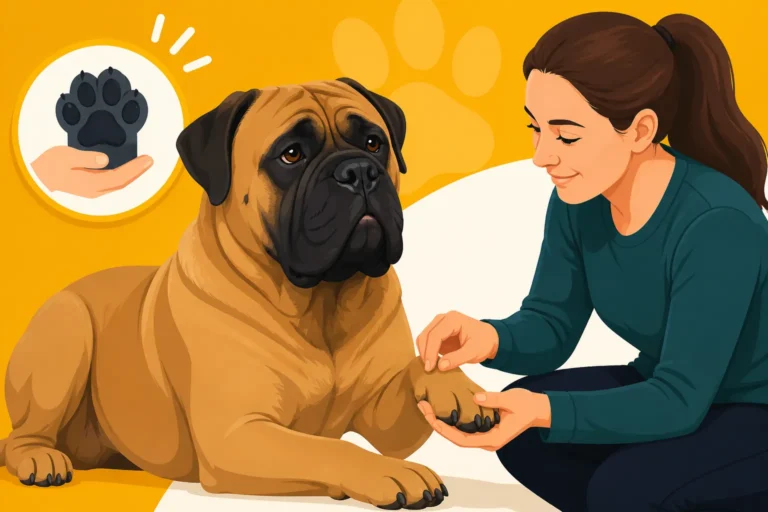
Paw protection is another important consideration. Snow, ice, and road salt can be extremely harsh on their paw pads. Dog boots can offer protection, or at the very least, use a paw balm before and after walks to create a barrier and prevent cracking. Sites like Amazon have a wide selection, so you can find something that fits their large paws.
Nutritional Adjustments for Cold Weather
While it’s rare to need to drastically increase a Bullmastiff's food intake solely for cold weather unless they are spending significant time outdoors, ensuring they are well-fed with a high-quality diet is important. Maintaining optimal body condition helps their metabolism function efficiently to produce heat. If your Bullmastiff is very active outdoors in cold weather, they might burn more calories, so a slight adjustment to their food intake could be beneficial, but always consult your vet.
For example, a nutrient-dense fresh food diet from a service like Ollie can provide high-quality protein and fats that contribute to a healthy coat and sustained energy, which is important for internal warmth. Always ensure they have access to fresh, unfrozen water, as hydration is just as important in cold weather as it is in heat. Feeding a Hundred and Thirty Pound Bullmastiff always requires careful consideration of their caloric needs and activity level.
Special Considerations for Bullmastiff Puppies and Seniors
Just like with humans, the very young and the very old are often more susceptible to extreme temperatures. Bullmastiffs are no exception, and these age groups require extra vigilance during cold weather.
Keeping Bullmastiff Puppies Warm
Bullmastiff puppies, with their smaller body mass and still-developing thermoregulation systems, get cold much faster than adults. They have less body fat to insulate them, and their internal organs are still growing. Extended periods outdoors in cold temperatures can quickly lead to hypothermia in a puppy. Always keep their outdoor time brief, focusing on potty breaks and short, controlled play sessions.
Indoors, make sure their sleeping area is extra cozy. A soft, warm bed with blankets, maybe even a snuffle mat to keep them engaged and active, can help. Avoid drafts completely. Monitor them closely for any signs of shivering or discomfort. Puppies are often too busy exploring to realize they're getting cold until it's too late. Remember, The First Year With a Bullmastiff Puppy is crucial for their development, and protecting them from extreme weather is a big part of that.
Caring for Senior Bullmastiffs in the Cold
As Bullmastiffs age, their metabolism often slows down, their circulation may not be as efficient, and their immune system can weaken. Caring for an Aging Bullmastiff means paying extra attention to temperature regulation. Older dogs are more prone to conditions like arthritis, and cold, damp weather can exacerbate joint pain.
Ensure their orthopedic bed is extra comfortable and warm. Heated dog beds or self-warming mats can be a godsend for arthritic seniors. Limit their time outdoors, and always dress them in a warm coat. If they have mobility issues, consider a ramp for getting into the car instead of stairs, and avoid icy surfaces where they might slip and injure themselves. What Changes in an Aging Bullmastiff's Care often includes a reduced tolerance for temperature extremes.
General Cold Weather Safety Tips
- Never leave your Bullmastiff unattended in a cold car. Just like hot cars, cold cars can become refrigerators very quickly, especially if the engine is off.
- Wipe paws after walks. This removes ice, snow, and any harmful de-icing chemicals.
- Provide fresh water. Check outdoor water bowls frequently to ensure they haven't frozen solid.
- Know when to stay inside. On days with extreme cold, heavy snow, or freezing rain, keep outdoor potty breaks as short as possible. Don't push them to exercise outdoors if the conditions are genuinely dangerous. Remember What Temperature Is Dangerous for a Bullmastiff applies to cold as well as heat.
- Consider their coat. While How Much a Bullmastiff Sheds varies, their short coat doesn't offer much protection, making external layers even more important.
Bullmastiff Cold Weather Checklist
To help you remember all the key considerations, here's a handy checklist for keeping your Bullmastiff warm and safe during colder months:
| Item | Importance | Notes |
|---|---|---|
| Indoor Bedding | Crucial for joint health & warmth | Orthopedic, raised off floor; add blankets or self-warming mat. |
| Draft Protection | Essential for preventing chill | Seal windows/doors, move beds away from drafts. |
| Outdoor Coat/Sweater | High, often necessary protection | Insulated, waterproof, covers chest/belly. |
| Paw Protection | Prevents injury from ice, snow, salt | Dog boots or protective paw balm. |
| Fresh Water Access | Prevents dehydration, maintains health | Check outdoor bowls for ice; ensure indoor water is always available. |
| Nutritional Review | Supports healthy metabolism & warmth | Ensure high-quality diet; slight increase for active outdoor dogs, consult vet. |
| Puppy/Senior Care | Increased vulnerability, requires extra vigilance | Shorter outdoor times, extra bedding, specialized care for existing conditions. |
| Car Safety | Never leave unattended in cold vehicles | Temperatures drop rapidly, risking hypothermia. |
| Post-Walk Routine | Removes irritants, prevents injury | Wipe paws thoroughly to remove snow, ice, salt. |
| Avoid Extreme Weather | Protects against hypothermia and frostbite | Limit outdoor time severely during blizzards, ice storms, or excessively low temperatures. |
Taking a proactive approach to your Bullmastiff's care in cold weather will ensure they remain comfortable and healthy, no matter how much the thermometer drops. Your big, loyal friend relies on you to be their protector, and that includes keeping them cozy through winter.
Disclaimer
This article is for general informational purposes only and does not constitute professional advice. Laws, prices and regulations vary by location and change over time. Consult a qualified professional for guidance on your specific situation.