What Changes in an Aging Bullmastiff’s Care
Watching your majestic Bullmastiff gracefully navigate their younger years is a joy, but as they age, many owners start to notice subtle shifts that bring a mix of concern and a desire to make their golden years as comfortable as possible. It’s tough to see our big, powerful companions slow down, and knowing what changes to expect in an aging Bullmastiff's care can feel like trying to hit a moving target. This guide is here to walk you through those changes, offering practical advice and empathetic understanding so you can confidently adapt your care routine and cherish every moment with your beloved senior dog.
Recognizing the Subtle Shifts in Your Senior Bullmastiff
It’s easy to miss the early signs of aging in a Bullmastiff because, let's be honest, they’re often masters of stoicism. One day they're bounding, the next they might hesitate at the stairs. These gentle giants, with their impressive size, can mask discomfort far longer than smaller breeds, making it crucial for us to become keen observers. The changes aren't always dramatic; sometimes, it’s just a flicker in their eyes or a slight shift in their routine.
Physical Changes You Might Observe First
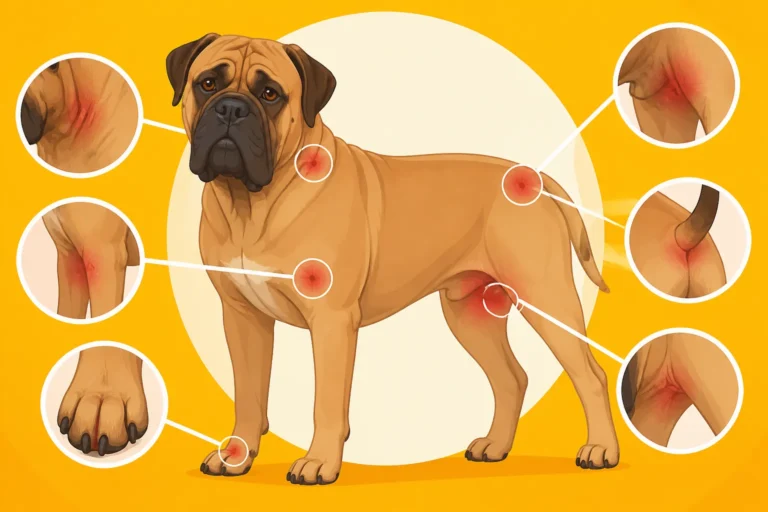
One of the most common early indicators that your Bullmastiff is entering their senior years is a change in their physical capabilities and appearance. You might notice they're not quite as quick to rise after a nap, or perhaps they seem a little stiff after a long walk that used to be a breeze. This isn't just them being lazy; it's often a sign of underlying joint discomfort or the natural stiffening that comes with age. Their powerful frame, once an asset, can become a burden as cartilage thins and muscles weaken.
Muscle loss, particularly over the hindquarters and along the spine, is another common physical change. Even if their weight stays the same, their body composition might shift, leading to a leaner look in some areas and perhaps a softer, less defined appearance overall. This muscle atrophy can impact their balance and strength, making previously simple actions like jumping into the car or navigating slippery floors more challenging. You might also notice their coat starting to thin or become coarser, or their skin losing some of its elasticity, perhaps looking a bit drier or more prone to minor abrasions. These are all part of the natural aging process, but they warrant extra attention in your daily grooming and health checks.
Perhaps the most heartbreaking aspect for us as owners is that Bullmastiffs, like many dogs, are experts at hiding pain. They don't want to show weakness, and their natural instinct is to power through discomfort. This means you might not see overt limping until the pain is quite severe. Instead, look for subtle cues: a reluctance to engage in play they once loved, a change in their preferred sleeping position, or even just a less enthusiastic wag of the tail. Understanding How a Bullmastiff Hides Pain is vital for proactive care. It’s up to us to interpret these quiet signals and address their needs before the discomfort escalates.
Behavioral and Cognitive Indicators of Aging
Beyond the physical, an aging Bullmastiff will often display shifts in their behavior and cognitive function. The most noticeable might be an increase in their desire to sleep. Where they once might have followed you from room to room, now they might choose to snooze soundly in their bed, only rousing themselves for meals or a quick potty break. Their boundless puppy energy, which slowly tapered into dignified adulthood, will now give way to a more sedate, reflective senior pace. They might still enjoy a short game of fetch, but the sustained bursts of activity are likely a thing of the past.
Alongside increased rest, you might observe signs of cognitive dysfunction, often referred to as "canine cognitive dysfunction syndrome" (CCDS). This can manifest in various ways: your Bullmastiff might seem disoriented in familiar surroundings, sometimes staring blankly at a wall, or they might have trouble remembering routines they’ve known for years. House-training lapses, even in a perfectly trained dog, can occur, not out of defiance, but due to a diminished awareness or control. They might also become more vocal, perhaps barking or whining without an apparent reason, especially at night.
Changes in appetite or thirst are also common behavioral indicators. Some senior Bullmastiffs might become pickier eaters, turning their nose up at food they once devoured, while others might develop an insatiable hunger, even if they’re still eating their regular meals. Similarly, you might notice them drinking more or less water than before. Any significant change in these habits warrants a check-up with your vet, as it could be an early sign of an underlying health issue, such as kidney disease or diabetes, which are more prevalent in older dogs. Keeping a close eye on these subtle shifts in behavior allows you to catch potential problems early and adjust their care accordingly.
Adapting Their Diet and Nutrition for Senior Years
Just like humans, a Bullmastiff’s nutritional needs evolve significantly as they age. What kept them thriving as a young adult might not be what's best for their senior body. Their metabolism slows down, their activity level decreases, and their bodies require different nutrients to maintain muscle mass, support organ function, and manage common age-related conditions. Ignoring these dietary shifts can lead to weight gain, exacerbating joint problems, or contribute to other health complications.
The Importance of a Senior-Specific Diet
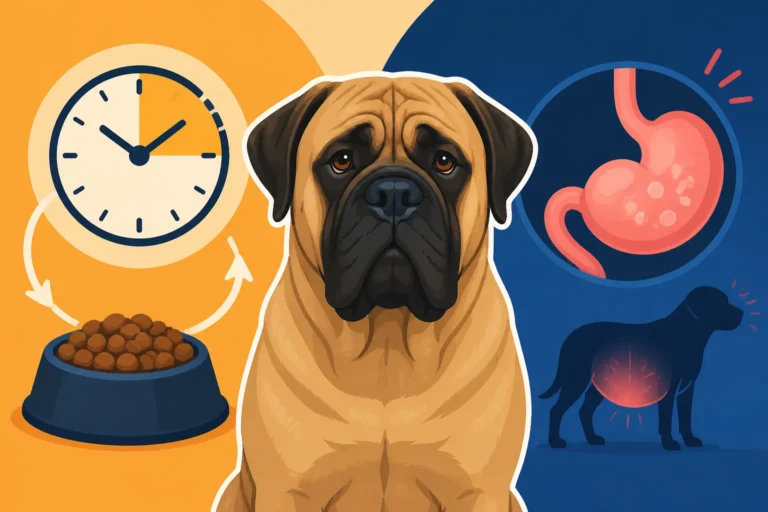
One of the most critical aspects of caring for an aging Bullmastiff is transitioning them to a diet specifically formulated for senior large breeds. As their activity naturally decreases, so does their caloric requirement. Continuing to feed them the same amount of a high-calorie adult formula can quickly lead to unwanted weight gain, placing undue stress on their already aging joints and internal organs. However, it's not just about fewer calories; the composition of those calories matters. Senior dogs benefit from diets that maintain a slightly higher protein content to help preserve muscle mass, which naturally declines with age. This protein needs to be highly digestible to be kind to their system.
Beyond macronutrients, senior diets are often fortified with specific ingredients to support common aging challenges. For instance, you'll often find added glucosamine and chondroitin, which are crucial for joint health, helping to maintain cartilage and reduce inflammation. These are things many owners start supplementing with earlier in their Bullmastiff's life, but in senior diets, they're often integrated to provide a consistent level of support. Whether a Bullmastiff Needs Glucosamine From Two is a common question, and by their senior years, it's almost a certainty. Omega-3 fatty acids, like EPA and DHA, derived from fish oil, are also incredibly beneficial for their anti-inflammatory properties, supporting joints, skin, and cognitive function. Antioxidants are often boosted to help combat cellular damage from aging. When transitioning your Bullmastiff's food, do it slowly over 7-10 days, gradually mixing the new food with the old to prevent digestive upset. Many excellent senior dog food options can be found on platforms like Chewy or Ollie, offering a variety of formulas to suit different dietary needs and preferences.
Managing Weight and Appetite Changes
For a Bullmastiff, maintaining a lean body condition throughout their life, and especially in their senior years, is paramount. Every extra pound puts stress on their already massive joints, accelerating the progression of conditions like arthritis and hip dysplasia. It genuinely can shorten their lifespan and diminish their quality of life. Keeping a Bullmastiff Lean Is the Best Thing You Can Do cannot be stressed enough, and it becomes even more critical as they enter their golden years. A lean Bullmastiff will move more freely, experience less pain, and generally have a better quality of life. Regularly assess their body condition: you should be able to feel their ribs easily with slight pressure, but not see them prominently. There should be a visible waist tuck when viewed from above, and an abdominal tuck from the side.
However, managing weight in seniors isn't always about restriction. Some aging Bullmastiffs become finicky eaters, leading to unintended weight loss. This could be due to dental pain, a diminished sense of smell, or underlying medical conditions. If your Bullmastiff is losing weight or refusing food, a vet visit is essential to rule out health issues. For picky eaters, try warming their food slightly to enhance the aroma, adding a little low-sodium chicken broth, or incorporating safe, palatable human foods like plain cooked chicken or pumpkin. For those with dental issues, switching to softened kibble or a canned food might make mealtime more comfortable. On the other hand, some seniors develop an increased appetite due to certain conditions (like Cushing's disease or hypothyroidism), making careful portion control even more important. Consulting with your veterinarian can help you craft a tailored diet plan that addresses your senior Bullmastiff’s specific weight and appetite challenges.
Supporting Their Mobility and Comfort
As your Bullmastiff reaches their senior years, supporting their mobility and ensuring their comfort becomes a top priority. Their powerful, heavy bodies, which once seemed indestructible, start to feel the effects of gravity and time. The joint stiffness, muscle weakness, and occasional aches and pains that come with age can significantly impact their quality of life if not addressed proactively and thoughtfully.
Providing Joint Support and Pain Management
One of the most immediate and impactful changes you can make for an aging Bullmastiff is providing superior joint support. An orthopedic bed is not a luxury; it's a necessity. Their massive weight needs proper cushioning to alleviate pressure points and support their joints while they rest. Look for beds with dense, supportive memory foam, not just soft batting that flattens out. A good quality orthopedic bed can make a world of difference in how easily they rise after a nap and how rested they feel. Understanding Which Bed a Bullmastiff Needs means prioritizing joint health over aesthetics. You can often find excellent, durable options specifically designed for giant breeds on Amazon or Chewy.
Beyond bedding, consider aids that reduce strain on their body. Ramps, for instance, can be invaluable for helping your Bullmastiff get into a car or navigate a few steps if they’re struggling. Instead of letting them try to jump, which can cause severe pain and injury, a sturdy ramp provides a gentle incline. While the idea of a majestic Bullmastiff using a ramp might seem odd at first, it's a practical solution that preserves their joints and prevents falls. When it comes to managing pain, your veterinarian is your best partner. They can assess your dog’s specific needs and recommend appropriate medications. This might include non-steroidal anti-inflammatory drugs (NSAIDs) for pain and inflammation, or other joint-specific supplements that go beyond what’s in their food, such as higher doses of glucosamine, chondroitin, or MSM. Acupuncture or physical therapy can also be wonderfully beneficial for some dogs, providing relief and improving flexibility.
Daily Adjustments for Easier Movement
Making small, daily adjustments to your Bullmastiff's routine and environment can have a huge positive impact on their ability to move comfortably. Instead of one long, strenuous walk, consider several shorter, gentler walks throughout the day. This keeps their muscles moving without over-exertion and helps maintain their mental well-being. Whether an Aging Bullmastiff Should Still Be Walked is an easy yes, but the type and duration of the walk needs modification. Pay attention to surfaces; walking on softer ground, like grass or dirt trails, is often much easier on their joints than hard pavement.
Within your home, address slippery surfaces. Hardwood, tile, or laminate floors can be treacherous for a senior Bullmastiff with reduced strength and coordination. Lay down non-slip rugs or runners in high-traffic areas to provide better traction. If your dog is struggling to stand or navigate stairs, a supportive harness designed to aid in lifting can be a lifesaver, both for them and for your back. These harnesses, often with handles over the hips and chest, allow you to provide gentle assistance. Knowing Which Harness Lifts an Aging Bullmastiff is key to choosing the right tool. Lastly, think about grooming. If your Bullmastiff is stiff, reaching certain areas for brushing or cleaning can be difficult. Make grooming sessions shorter, more frequent, and ensure they are comfortable throughout, perhaps by lying down or resting against you. Regular nail trims are also crucial, as overgrown nails can impact their gait and cause further discomfort.
Tailoring Their Routine and Environment
As our Bullmastiffs age, their world often shrinks, and their routines become even more important. The robust, adaptable dog of their youth might become more sensitive to change and more reliant on a predictable schedule. Tailoring their daily routine and modifying their living environment to accommodate their changing needs can significantly enhance their comfort, reduce stress, and improve their overall quality of life in their senior years.
Exercise and Mental Stimulation for Seniors
Even an aging Bullmastiff still needs exercise, albeit a modified version. While the days of long hikes or vigorous play might be behind them, consistent, gentle exercise is vital for maintaining muscle mass, joint flexibility, and healthy circulation. Short, slow walks several times a day are often ideal, allowing them to stretch their legs, sniff around, and stay connected to the outside world without overtaxing their system. Think of it as a leisurely stroll rather than a power walk. It’s not about burning off energy anymore, but about gentle movement and mental engagement.
Mental stimulation remains just as important, if not more so, for senior Bullmastiffs. Their bodies might be slowing down, but their minds can still be sharp, or, if cognitive decline is setting in, mental engagement can help slow its progression. Puzzle toys that dispense treats, simple scent games where they have to find hidden kibble, or even short, positive training refreshers of basic commands can keep their brains active and engaged. What Mental Work a Bullmastiff Needs doesn't always involve physical exertion. These activities offer a sense of purpose and prevent boredom, which can lead to anxiety or destructive behaviors, even in older dogs. A consistent daily routine—feeding times, potty breaks, short walks, and quiet cuddle sessions—provides security and predictability, which is especially comforting for a senior dog who might be experiencing some cognitive disorientation.
Environmental Modifications for Safety and Ease
Your Bullmastiff's home environment should evolve with them to become a sanctuary of comfort and accessibility. Temperature control is paramount, especially for a large breed with a shorter muzzle that can struggle with heat. A warmer bed in cooler months or a cooling mat in warmer ones, ensuring they are always at a comfortable temperature is essential. Drafty areas should be avoided, and a cozy, soft bed should always be available in a quiet, easily accessible spot where they won't be disturbed.
Consider simple modifications that make daily life easier. If your Bullmastiff has difficulty bending down to eat or drink, raised food and water bowls can alleviate strain on their neck and joints. Ensure their water bowl is always full and easily reachable, especially if mobility is a challenge. For dogs with declining vision or hearing, consistency in furniture placement and keeping pathways clear is crucial. Introducing night lights in hallways or rooms they frequent can help prevent bumps and falls, especially during nighttime potty breaks. A senior Bullmastiff thrives in an environment that anticipates their needs, reducing any potential frustration or discomfort that comes with age. These thoughtful adjustments allow them to retain independence and dignity, making their golden years truly golden.
Increased Veterinary Attention and Health Monitoring
The bond we share with our Bullmastiffs makes us acutely aware of their well-being. As they transition into their senior years, this awareness must be coupled with increased vigilance and a proactive approach to their health. Regular veterinary check-ups become even more critical, shifting from routine annual visits to a more frequent, preventative schedule, often twice a year. This isn't overkill; it's a vital strategy for detecting age-related conditions early, when they are most treatable.
The Criticality of Regular Senior Wellness Exams
When your Bullmastiff reaches about six or seven years old, they're officially considered senior, and their needs change dramatically. This is why most veterinarians recommend semi-annual (twice-yearly) wellness exams for older dogs. These visits aren't just a quick peek; they are comprehensive assessments designed to catch the subtle changes that can indicate the onset of age-related diseases. In a breed like the Bullmastiff, known for a shorter lifespan, early detection can literally add precious months or even years of quality life. How Often a Bullmastiff Needs a Wellness Exam should definitely increase as they age.
During these senior exams, your vet will perform a thorough physical, paying close attention to their joints, teeth, eyes, ears, and any new lumps or bumps. More importantly, they'll likely recommend a senior blood panel and urinalysis. Whether a Bullmastiff Needs Bloodwork Yearly becomes a resounding yes, and often twice a year, as these tests are invaluable tools for evaluating the function of vital organs like the kidneys, liver, and thyroid, as well as checking for early signs of diabetes, anemia, or infection. Catching issues like kidney disease, liver problems, or hypothyroidism in their initial stages, before your Bullmastiff even shows obvious symptoms, allows for earlier intervention and a better prognosis. It’s all about being proactive rather than reactive, giving your big dog the best fighting chance against the inevitable challenges of old age.
Addressing Specific Senior Health Concerns
Beyond general wellness, there are specific health concerns that become more prevalent in aging Bullmastiffs that warrant close monitoring. Dental health, for example, often deteriorates with age. Plaque and tartar buildup can lead to gum disease, tooth loss, and even systemic infections as bacteria enter the bloodstream. Regular brushing at home, combined with professional dental cleanings under anesthesia when recommended by your vet, are crucial. How Often a Bullmastiff's Teeth Need Cleaning will vary, but senior dogs often need more frequent attention. Dental issues can also make eating painful, contributing to weight loss or finicky eating habits.
Eye and ear health can also decline. You might notice cloudiness in their eyes (nuclear sclerosis, which is often harmless, but your vet can distinguish it from cataracts), or changes in vision or hearing. Whether a Bullmastiff's Eyes Should Be Checked Yearly is important to monitor for conditions like glaucoma or cataracts. Ear infections can still occur, so continued regular cleaning and checking for odors or discharge are important. And then there are the lumps and bumps. Bullmastiffs are unfortunately prone to various growths, some benign, others malignant. As they age, these skin changes become more common. Any new lump, or any existing lump that changes in size, shape, or texture, should be promptly evaluated by your veterinarian. Mast Cell Tumors and the Lumps on a Bullmastiff are a particular concern for the breed and should always be investigated. While it's tough to face these realities, understanding What Most Bullmastiffs Die Of (often cancer and cardiac issues) helps us prepare and focus our preventative care. Open communication with your vet about any changes you observe, no matter how minor they seem, is your Bullmastiff's best advocate in their golden years.
Here's a quick overview of some common aging changes and how you might need to adjust your care:
| Aging Change | What You Might Observe | Care Adjustment |
|---|---|---|
| Mobility Decline | Stiffness, slow to rise, reluctance for stairs | Orthopedic bed, ramps, shorter walks, joint supplements, vet check |
| Muscle Loss | Weakness in hindquarters, difficulty balancing | High-quality protein diet, gentle exercise, assistive harness |
| Increased Sleep | Less active, more naps | Respect their rest, gentle engagement when awake, cozy bed |
| Cognitive Changes | Disorientation, house-training lapses, anxiety | Consistent routine, mental stimulation, night lights, vet consult |
| Appetite Shifts | Picky eating, increased thirst/hunger | Senior diet, warmed food, vet check for underlying causes |
| Weight Fluctuations | Unintentional gain or loss | Calorie-controlled senior diet, regular body condition checks |
| Dental Issues | Bad breath, difficulty eating, gum inflammation | Regular brushing, professional dental cleanings, soft foods |
| Vision/Hearing Loss | Bumping into things, unresponsive to commands | Consistent environment, night lights, louder commands, vet check |
| Lumps & Bumps | New growths or changes to existing ones | Prompt vet evaluation, even if seemingly small |
| Coat/Skin Changes | Dryness, thinning coat, skin tags | Gentle grooming, moisturizing shampoos, vet check for irritations |
Disclaimer
This article is for general informational purposes only and does not constitute professional advice. Laws, prices and regulations vary by location and change over time. Consult a qualified professional for guidance on your specific situation.