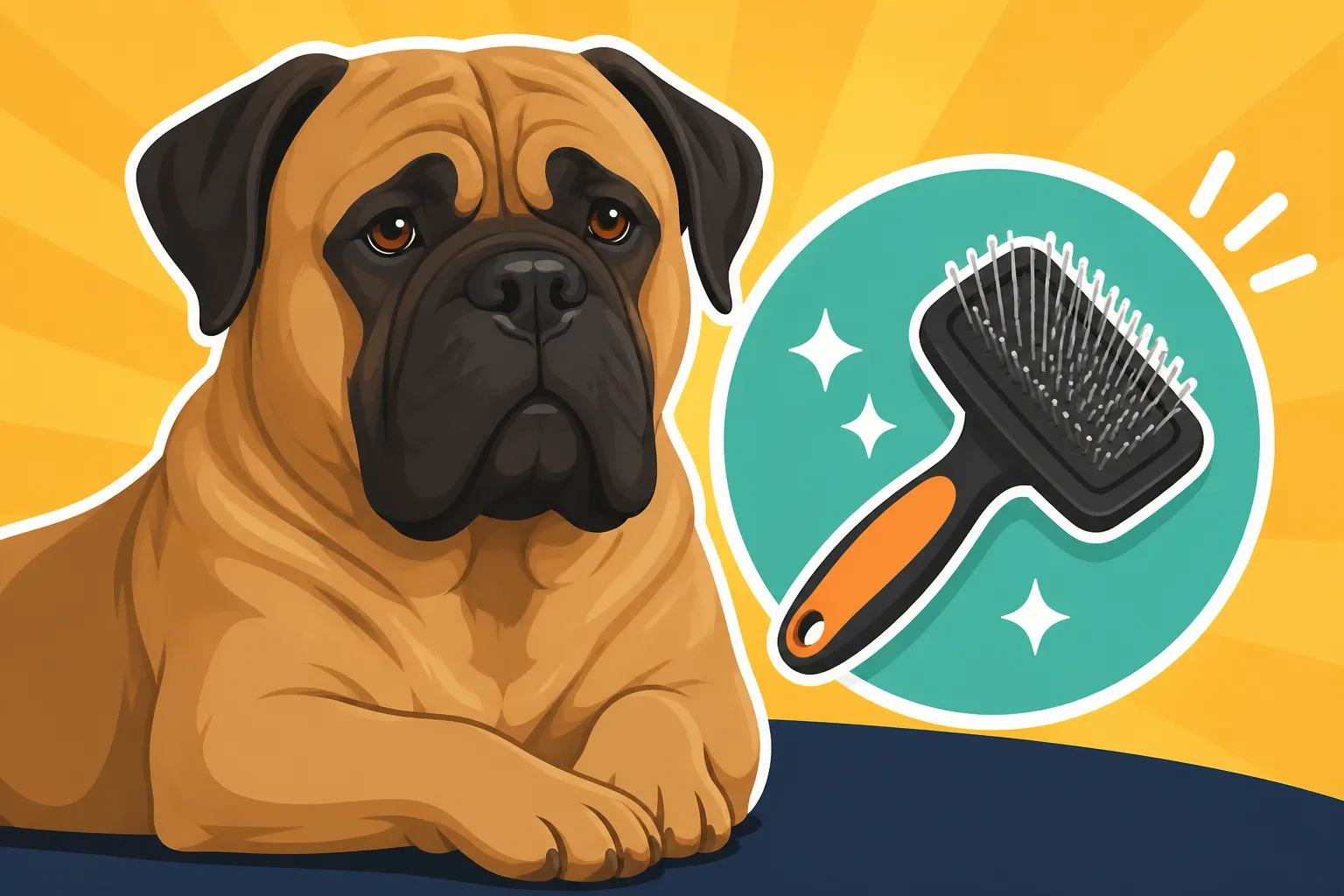
Why a Bullmastiff’s Coat Takes Ten Minutes a Week
One of the most surprising joys of owning a massive, majestic Bullmastiff is discovering how incredibly low-maintenance their coat actually is. You might expect a dog this size to come with a grueling grooming schedule, endless brushing, and a constant battle against shedding, but the truth is, caring for your Bullmastiff's coat typically takes a mere ten minutes a week. It’s a common relief for new owners and one of the many reasons these gentle giants are so beloved. This guide will walk you through everything you need to know to keep your Bullmastiff's coat healthy, shiny, and beautiful with minimal effort.
Understanding the Bullmastiff Coat: A Breed Overview
Before we dive into the nitty-gritty of grooming, it helps to understand why your Bullmastiff’s coat is so easy to manage. It's not by accident; it's a direct result of their history and the purpose they were originally bred for. These aren't fluffy show dogs; they were working dogs, and their coat needed to be practical above all else.
The Short, Dense Double Coat
Your Bullmastiff sports what's called a short, dense double coat. What does this mean in practical terms? Well, it's not a single layer of fur like some breeds have. Instead, they have two distinct layers:
- The Outer Coat: This layer consists of coarser, straight, and relatively short hairs. This is the protective layer, designed to shed water and dirt, and to offer some insulation against the elements. It’s what you primarily see and touch.
- The Undercoat: Tucked beneath the outer coat, this layer is softer, denser, and often a bit woollier. Its primary job is insulation – keeping your Bullmastiff warm in cooler weather and helping regulate their body temperature. It’s this undercoat that tends to "blow" or shed more heavily during seasonal changes.
This combination of layers creates a remarkably efficient natural defense system. It’s tough enough to withstand brambles and brush if they were out on patrol, yet smooth enough to resist excessive matting or trapping debris. What a Bullmastiff's Coat Should Feel Like is a dense, smooth surface that feels quite sturdy to the touch.
Why This Coat Type is Low Maintenance
So, why does a double coat, especially a short one, translate to low maintenance? The answer lies in its structure. Unlike breeds with long, flowing, or curly coats, a Bullmastiff's short, straight hair doesn't easily tangle or mat. You won't find yourself battling knots behind the ears or matted clumps under their legs after a romp in the park. The outer coat actively repels a lot of what other dogs pick up, meaning less dirt sticks, and less mud cakes on.
Furthermore, the dense nature of the coat means that while they do shed (and we'll talk about that next), the individual hairs are typically short and straight, making them relatively easy to clean up. They don't have the fine, wispy hairs that weave themselves into fabric, nor the long hairs that seem to multiply on every surface. It’s a coat designed for function over fuss, which is a huge win for busy owners.
Consider the practicalities: a dog bred to work silently at night, sometimes in damp or chilly conditions, needed a coat that offered protection without becoming a burden. A coat that picked up every burr or held onto mud would have hindered their job. The short, dense, weather-resistant coat was a deliberate feature, and it benefits us today as modern pet parents.
How Their Coat Reflects Their Origins
The Bullmastiff's coat is a direct reflection of its origins as a "Gamekeeper's Night Dog" in 19th-century England. The Bullmastiff Was Built to Catch Poachers in the Dark. Gamekeepers needed a dog that could blend into the shadows, navigate varied terrain, and withstand the elements without requiring constant attention. A coat that was dark, short, and protective was ideal.
The original Bullmastiffs were often dark brindle, a color that would have provided excellent camouflage in the dim light of dawn or dusk. Why Early Bullmastiffs Were Bred Dark Brindle. While fawn and red Bullmastiffs are common and accepted today, the practicality of the coat type remains. Their short hair wouldn't get caught on undergrowth, nor would it slow them down if it became wet or muddy. It was a utilitarian coat, designed for efficiency and minimal fuss in the field, and that heritage shines through in how easy it is to care for even in a modern home. This functional design is why Why a Bullmastiff's Coat Takes Ten Minutes a Week is a reality, not just a catchy phrase.
Shedding: Managing the Reality, Not the Myth
Alright, let's address the elephant in the room: shedding. No matter how low-maintenance a dog's coat is, if they have hair, they shed. Bullmastiffs are no exception, but the type and quantity of their shedding are often misunderstood. You won't be living in a perpetual snowstorm of fur, but you'll certainly want a plan for managing it.
Seasonal Shedding vs. Year-Round
Bullmastiffs, like many double-coated breeds, tend to have two main periods of heavier shedding throughout the year, often called "blowing their coat." These usually occur in spring, as they shed their thicker winter undercoat to prepare for warmer weather, and in the fall, when they shed their lighter summer coat to make way for a denser winter one. During these times, you'll definitely notice more hair around the house. It might feel like you're sweeping daily, and your clothes might become an impromptu fur magnet.
However, even outside of these seasonal periods, Bullmastiffs do shed year-round. It's typically a much lighter, more consistent shedding – a few hairs here and there, mostly manageable with regular cleaning. Think of it less as constant tumbleweeds and more like a daily sprinkling. This is where those "ten minutes a week" of brushing really earn their keep, by catching most of that loose hair before it finds its way to your couch or socks.
Tools for Effective Shedding Management
Managing Bullmastiff shedding effectively doesn't require a whole arsenal of expensive gadgets. A few key tools will do the trick:
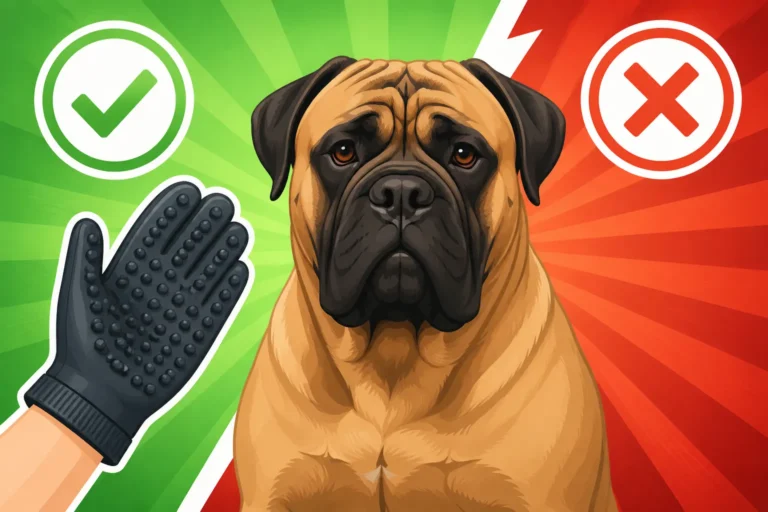
- Rubber Curry Brush or Grooming Mitt: These are fantastic for short-coated breeds. The rubber nubs gently massage the skin, stimulating circulation, while effectively grabbing and pulling out loose hair from both the outer and undercoat. They're also great for distributing natural oils, adding shine to the coat. Brands like Kong and Furminator make excellent rubber curry brushes, often available on sites like Chewy or Amazon.
- Slicker Brush (optional, for specific areas): While not typically necessary for the entire coat, a soft slicker brush can be useful for getting into areas with slightly denser fur or if you want to really smooth out the coat after using a curry brush.
- Vacuum Cleaner: A good quality vacuum designed for pet hair is a non-negotiable for any dog owner, Bullmastiff or otherwise. It’s your best friend for keeping your home relatively fur-free.
- Lint Rollers: Keep these handy for quick touch-ups on clothing or furniture.
Here's a quick comparison of essential grooming tools:
| Tool Type | Primary Function | Best For | Frequency of Use |
|---|---|---|---|
| Rubber Curry Brush | Loosening and removing dead hair, massaging skin | All-over body, weekly or bi-weekly | High |
| Grooming Mitt | Similar to curry brush, good for sensitive dogs | All-over body, can be used daily for bonding | High |
| Soft Bristle Brush | Smoothing coat, distributing oils, light shedding | Daily light brush, good for puppies | Medium |
| Lint Roller | Quick removal of stray hairs from fabric | Spot checks on clothing, furniture, car seats | As needed |
| Pet-Specific Vacuum | Thorough cleaning of floors, upholstery | Daily to weekly, depending on shedding season | High |
By having these basic tools on hand, you'll be well-equipped to tackle whatever level of shedding your Bullmastiff presents throughout the year.
When Shedding Might Signal a Problem
While shedding is normal, sometimes it can be a sign that something else is going on with your Bullmastiff's health. If you notice a sudden, dramatic increase in shedding that isn't consistent with seasonal changes, or if you see bald patches, excessive itching, skin irritation, or a dull, brittle coat, it's time to pay attention.
These symptoms could indicate a variety of issues, such as:
- Allergies: Environmental, food, or flea allergies can manifest as skin problems, leading to excessive itching, scratching, and subsequent hair loss. Skin Allergies in a Bullmastiff are quite common.
- Parasites: Fleas, mites, or other external parasites can cause intense itching and irritation, leading your Bullmastiff to scratch or chew, resulting in hair loss and skin damage.
- Nutritional Deficiencies: A diet lacking essential fatty acids, vitamins, or minerals can negatively impact coat health, leading to dullness, dryness, and increased shedding. This is why a high-quality diet, perhaps from a brand like Ollie, which focuses on fresh, balanced nutrition, can make a noticeable difference in coat quality.
- Hormonal Imbalances: Conditions like hypothyroidism, where the thyroid gland doesn't produce enough hormones, can severely impact skin and coat health, often leading to thinning hair, dullness, and increased shedding. Signs a Bullmastiff's Thyroid Has Failed can include poor coat condition.
- Stress or Anxiety: Just like humans, dogs can react physically to stress. Excessive licking or shedding can sometimes be a manifestation of anxiety.
If you observe any concerning changes in your Bullmastiff's coat or skin, don't hesitate to consult your veterinarian. They can help diagnose the underlying cause and recommend appropriate treatment, ensuring your Bullmastiff's health is optimal from the inside out.
Brushing: The Heart of Weekly Maintenance
This is where the "ten minutes a week" magic really happens. Regular brushing is the single most effective way to keep your Bullmastiff's coat healthy, minimize shedding around the house, and strengthen your bond with your dog. It's not just about aesthetics; it's about good hygiene and preventative care.
The Right Brush for a Bullmastiff
As discussed, the short, dense coat of a Bullmastiff doesn't require a fancy array of brushes. The main goal is to remove loose hair and stimulate the skin.
- Rubber Curry Brush or Grooming Mitt: These are truly your best friends. The rubber bristles are gentle on the skin but highly effective at grabbing loose undercoat and surface hair. They also distribute natural oils, leaving the coat shiny and healthy. Many dog owners find these brushes to be the most comfortable for their dogs, turning grooming into a pleasant massage rather than a chore.
- Soft Bristle Brush: For a final polish or for puppies, a soft bristle brush can be used. It helps to smooth the coat and give it a healthy sheen. While not essential for shedding control, it can be a nice finishing touch.
Avoid using sharp-toothed deshedding tools designed for long-haired breeds, as these can be too harsh for a Bullmastiff's skin and potentially cause irritation. The beauty of their coat is its simplicity, and your grooming tools should reflect that. Which Brush Suits a Bullmastiff is typically one that is soft yet effective at removing loose hair.
Step-by-Step Weekly Brushing Routine
Setting aside just a few minutes each week for brushing will make a world of difference. Here's a simple, effective routine:
- Find a Calm Spot: Choose a quiet area where both you and your Bullmastiff can be relaxed. A comfortable rug or a dog bed can make the experience more enjoyable for them. Some dogs even enjoy being brushed while lying down.
- Start with Gentle Strokes: Begin brushing from head to tail, following the natural direction of hair growth. Use firm but gentle strokes with your rubber curry brush or grooming mitt. You'll quickly see loose hair accumulating on the brush or mitt.
- Work in Sections: While their coat is short, working in small sections can ensure you don't miss any spots. Pay particular attention to their back, flanks, and hindquarters, as these areas often hold more loose hair.
- Focus on Problem Areas (if any): If your Bullmastiff has any skin folds (like around their muzzle, though less pronounced than some other mastiff types), ensure you're gently cleaning these areas as well, even if not directly brushing the folds themselves.
- Clean the Brush Frequently: As hair builds up on your brush, pull it off and discard it. This ensures the brush remains effective.
- Reward and Praise: Always end the grooming session with praise, a treat, or some playtime. This positive reinforcement makes future sessions easier and helps your Bullmastiff associate grooming with pleasant experiences.
This routine should take no more than 10-15 minutes, even for a very large Bullmastiff. It's a quick, easy way to keep their coat clean, reduce shedding in your home, and check their skin for any unusual lumps or bumps – an important part of How Often a Bullmastiff Should Be Checked for Cancer.
Beyond Brushing: The Importance of a Quick Wipe Down
While brushing removes loose hair, Bullmastiffs, with their distinctive jowls, are prone to a bit of drool. How Much a Bullmastiff Drools can vary, but it's a fact of life for the breed. This isn't strictly about their coat, but it impacts the cleanliness and health of the areas around the coat.
A quick daily wipe-down of their face, especially around the muzzle and jowls, can prevent drool from drying and causing skin irritation or odor. You can use a soft, damp cloth or unscented pet wipes. This simple habit takes less than a minute but contributes significantly to their overall cleanliness and comfort. Think of it as part of their "coat care" routine, even though it's technically skin care. It keeps those precious wrinkles clean and fresh. How to Clean a Bullmastiff's Face Wrinkles is a simple task that prevents bigger problems.
Bathing: Less Is Often More
Unlike many breeds that require frequent baths to maintain their coat or control odor, the Bullmastiff's short, dense coat is surprisingly self-cleaning. Over-bathing can actually do more harm than good, stripping natural oils and potentially leading to dry, irritated skin.
How Often a Bullmastiff Really Needs a Bath
For most Bullmastiffs, bathing every 2-3 months is perfectly adequate. Some owners find they only need to bathe their dog a few times a year, especially if their Bullmastiff doesn't roll in anything particularly smelly or get excessively muddy. Regular brushing helps immensely by removing dirt and debris, making baths less frequent.
Of course, if your Bullmastiff has an unfortunate encounter with a mud puddle, a skunk, or something equally fragrant, an impromptu bath is definitely in order! The key is to bathe when necessary, rather than adhering to a strict, frequent schedule. In between baths, spot cleaning with a damp cloth or a pet-friendly dry shampoo can keep them fresh without drying out their skin. How Often a Bullmastiff Needs a Bath is truly less often than you might think.
Choosing the Right Shampoo and Conditioner
When you do bathe your Bullmastiff, selecting the right products is important to protect their skin and coat.
- Gentle, pH-Balanced Dog Shampoo: Look for shampoos specifically formulated for dogs, preferably those that are gentle, hypoallergenic, or designed for sensitive skin. Avoid human shampoos, as they have a different pH balance and can irritate your dog's skin. Products with oatmeal or aloe vera can be soothing. Brands like Earthbath or Burt's Bees are often good choices and can be found on Chewy or Amazon.
- Conditioner (optional but recommended): A dog-specific conditioner can help restore moisture to the skin and coat after shampooing, especially for Bullmastiffs prone to dry skin. It also helps to keep the coat soft and shiny.
- Warm Water: Always use lukewarm water – never too hot or too cold – to ensure your Bullmastiff is comfortable during the bath.
Remember, a good quality shampoo will clean effectively without harsh chemicals, helping to maintain the natural integrity of your Bullmastiff's coat and skin barrier.
The Bathing Process for a Giant Breed
Bathing a Bullmastiff can be a physical undertaking due to their sheer size and strength. Planning ahead makes the process much smoother for everyone involved.
- Gather Supplies: Have your shampoo, conditioner, towels, a non-slip mat, and possibly a helper ready before you even get your Bullmastiff wet. For a dog this size, a walk-in shower, a large utility tub, or even an outdoor area with a hose (weather permitting) can work better than a standard bathtub.
- Brush First: Always give your Bullmastiff a thorough brush before bathing. This removes loose hair and any surface dirt, making the shampoo more effective and preventing matting (though rare for this breed).
- Wet Thoroughly: Use a shower sprayer or a cup to thoroughly wet your Bullmastiff's coat from head to tail, being careful to avoid getting water in their eyes or ears. Protect their ears with cotton balls if they are prone to ear infections.
- Lather and Rinse: Apply shampoo, working it into a good lather all over their body. Pay attention to their belly, armpits, and paws. Rinse thoroughly. Residue can cause skin irritation, so rinse until the water runs clear and their coat feels squeaky clean. This is crucial for a healthy coat.
- Condition (if using): If using conditioner, apply it, let it sit for a few minutes as directed, and then rinse even more thoroughly.
- Towel Dry: Bullmastiffs don't have extremely long hair, so towel drying is usually sufficient. Use several large, absorbent towels to blot and rub away as much moisture as possible. You might not get them completely dry, but getting the majority of the water off will speed up air drying and prevent chills.
- Air Dry (or low-heat dryer): Most Bullmastiffs can air dry, especially indoors. If you use a dog-specific blow dryer, ensure it's on a low, cool setting and keep it moving to prevent skin burns.
- Reward: A treat and praise are well-deserved after a successful bath!
Remember, patience and positive reinforcement are key. If your Bullmastiff is nervous about baths, introduce them gradually, making it a positive experience with treats and gentle handling. How to Dry a Bullmastiff After a Bath quickly is important, especially in cooler weather, to prevent them from getting too cold.
Dealing with Bullmastiff-Specific Coat Concerns
While their coat is generally low maintenance, Bullmastiffs aren't entirely immune to skin and coat issues. Being proactive and knowing what to look for can help you address problems quickly and keep your gentle giant comfortable.
Skin Fold Care and Preventing Infections
Bullmastiffs typically have some adorable wrinkles, especially around their muzzle and forehead. While not as deep or numerous as some other brachycephalic breeds, these folds can still trap moisture, dirt, and yeast, creating an ideal environment for bacterial or yeast infections if not properly maintained. The Wrinkles and Folds on a Bullmastiff's Face are part of their charm, but they need attention.
- Daily or Every-Other-Day Wipes: Make it a habit to gently wipe inside these folds. You can use a soft, damp cloth, an unscented baby wipe, or a pet-specific medicated wipe. The goal is to remove any accumulated moisture, food debris, or dirt.
- Thorough Drying: After wiping, it's crucial to ensure the folds are completely dry. Dampness is the enemy! A dry cotton pad or a soft cloth can be used. Air drying is often sufficient if you've only used a slightly damp cloth.
- Watch for Signs of Infection: Keep an eye out for redness, foul odor, discharge, or sensitivity in these areas. These are all signs of a potential skin fold infection. Signs a Bullmastiff's Fold Is Infected can often be identified by a distinct, yeasty smell and inflammation.
- Veterinary Consultation: If you suspect an infection, don't try to treat it with home remedies. A vet can accurately diagnose the type of infection (bacterial or yeast) and prescribe appropriate topical or oral medications.
Proper fold care is a small but important part of your Bullmastiff's overall grooming and health routine, helping to prevent uncomfortable and potentially painful skin issues.
Managing Dry Skin and Hot Spots
Even with their robust coat, Bullmastiffs can experience dry skin or hot spots, particularly if they have allergies or if their environment is very dry.
- Dry Skin: Symptoms of dry skin include flakiness, dandruff, dull coat, and sometimes itching. This can be caused by over-bathing, harsh shampoos, low humidity, or nutritional deficiencies.
- Solution: Reduce bathing frequency, use a moisturizing dog shampoo, consider adding omega-3 fatty acid supplements (like fish oil) to their diet, and ensure they have a balanced, high-quality dog food. Some premium foods, like those from Ollie, often include ingredients that support skin and coat health.
- Hot Spots (Acute Moist Dermatitis): These are localized, red, moist, and often painful skin lesions that appear suddenly. They're usually caused by an underlying irritant (like an insect bite, allergy, or matting, though less common in Bullmastiffs) that the dog licks, chews, or scratches excessively, leading to a bacterial infection.
- Solution: Hot spots require immediate attention. If you spot one, gently trim the hair around the affected area to allow air to reach it. Clean the area with a gentle antiseptic solution (like diluted chlorhexidine or povidone-iodine, as directed by your vet). Preventing your dog from licking the area (e.g., with an Elizabethan collar) is crucial for healing. Veterinary care is often needed, as antibiotics or anti-inflammatory medications may be prescribed. Where a Bullmastiff Gets Hot Spots can be anywhere they can reach to lick or scratch repeatedly.
Being observant during your weekly brushing session is the best way to catch these issues early before they become more severe.
The Impact of Diet on Coat Health
You truly are what you eat, and the same goes for your Bullmastiff! Their diet plays a monumental role in the health, shine, and overall condition of their coat. A dull, dry, flaky coat can often be a sign that something is amiss nutritionally.
- High-Quality Protein: Protein is the building block of hair. A diet rich in high-quality animal protein provides the amino acids necessary for strong, healthy hair growth.
- Essential Fatty Acids (Omega-3 and Omega-6): These are powerhouses for skin and coat health. Omega-3s (found in fish oil, flaxseed) reduce inflammation and contribute to a shiny, soft coat. Omega-6s (found in vegetable oils, poultry fat) support skin barrier function. Look for foods that have a good balance of these, or consider a supplement.
- Vitamins and Minerals: Zinc, biotin, and vitamins A and E are particularly important for skin and coat health. A complete and balanced dog food should provide adequate amounts of these.
If your Bullmastiff's coat is looking lackluster despite regular grooming, take a close look at their food. Switching to a higher-quality kibble or considering fresh food options might make a noticeable difference. Reputable brands like Ollie, for instance, prioritize fresh, human-grade ingredients that are packed with the nutrients vital for a lustrous coat. A healthy diet contributes significantly to What a Bullmastiff's Coat Should Feel Like – smooth, soft, and vibrant.
Beyond the Coat: Holistic Grooming for a Healthy Bullmastiff
Grooming isn't just about the fur; it's a holistic process that includes all aspects of your Bullmastiff's physical well-being. Regular checks of their nails, ears, and eyes are essential for preventing health problems and maintaining their comfort. Plus, these sessions offer a fantastic opportunity for you to give your dog a quick, full-body health check.
Nail Trims and Paw Care
Untrimmed nails can cause significant discomfort, pain, and even lead to skeletal issues in large breeds like Bullmastiffs. They can splay the toes, make walking awkward, and even grow into the paw pads, causing infection.
- Frequency: Bullmastiffs generally need their nails trimmed every 2-4 weeks. If you can hear their nails clicking on the floor, they're too long.
- Tools: For such large, thick nails, you'll need heavy-duty dog nail clippers (scissor or guillotine style) or a Dremel-style grinding tool. Many owners prefer a Dremel as it's less likely to cut into the quick (the sensitive part of the nail) and can smooth the edges better.
- The Process:
- Introduce Tools Slowly: If your Bullmastiff is new to nail trims, introduce the clippers or Dremel gradually, associating them with treats and praise.
- Locate the Quick: The quick contains blood vessels and nerves. On light-colored nails, it's a pinkish area. On dark nails, it's harder to see, so trim tiny amounts at a time.
- Trim or Grind: Cut or grind just the tip of the nail, angling slightly away from the paw. If using clippers, make a clean, quick cut. If using a Dremel, hold it steady on the nail for a few seconds, then move to the next.
- Paw Pad Check: While you're at it, check their paw pads for cracks, cuts, foreign objects, or excessive hair between the toes. Trim any long hair that might collect debris.
- Stop Bleeding: Keep styptic powder (available on Amazon or Chewy) on hand in case you accidentally cut into the quick. Apply pressure and the powder to stop any bleeding.
- Positive Reinforcement: Always keep it positive with treats and praise. If your Bullmastiff is struggling, do a few nails at a time rather than trying to do all four paws in one go. How Often a Bullmastiff's Nails Need Trimming is a critical part of their care.
Ear Cleaning and Eye Health
These sensitive areas require gentle, regular attention to prevent infections and irritation.
- Ear Cleaning: Bullmastiffs have drop ears, which can trap moisture and debris, making them susceptible to ear infections.
- Frequency: Check their ears weekly and clean them as needed, typically every 2-4 weeks, or if you notice any dirt or wax buildup.
- Process: Use a vet-approved ear cleaning solution and cotton balls or gauze. Never use Q-tips, as they can push debris deeper into the ear canal. Gently wipe the visible parts of the ear, being careful not to go too deep.
- Signs of Infection: Watch for redness, swelling, discharge, foul odor, excessive head shaking, or scratching at the ears. Ear Infections in a Bullmastiff can be quite painful.
- Eye Health: Bullmastiffs' eyes are generally low maintenance, but routine checks are important.
- Daily Check: Look for any redness, discharge, squinting, or excessive tearing.
- Gentle Wipes: If you notice any crust or discharge, gently wipe it away with a soft, damp cloth or a pet-specific eye wipe, always wiping away from the eye.
- Signs of Trouble: Persistent redness, thick discharge, cloudy eyes, or sensitivity to light warrant a vet visit. Bullmastiffs can occasionally suffer from conditions like entropion (eyelids rolling inward) or cherry eye, so early detection is key. Whether a Bullmastiff's Eyes Should Be Checked Yearly by a vet is a good practice.
Regular Health Checks During Grooming
One of the most valuable aspects of a regular grooming routine, even one as quick as 10 minutes, is the opportunity it provides for you to perform a hands-on health check of your Bullmastiff. As you brush, feel their skin and body for anything unusual.
- Lumps and Bumps: Systematically run your hands over their entire body. Feel for any new lumps, bumps, or swollen areas. Early detection of issues like Mast Cell Tumors and the Lumps on a Bullmastiff or swollen lymph nodes is crucial.
- Skin Condition: Check for any dryness, redness, rashes, scabs, or irritation that might be hidden by their coat.
- Paws and Pads: Inspect their paw pads for cuts, cracks, thorns, or any tenderness.
- Body Condition: Feel their ribs. You should be able to feel them easily without seeing them prominently. This helps you monitor their weight and ensure they are Keeping a Bullmastiff Lean Is the Best Thing You Can Do.
- Behavioral Changes: Pay attention to how your Bullmastiff reacts to being touched in different areas. Any sensitivity or pain could indicate an underlying issue.
By incorporating these checks into your routine, you become your Bullmastiff's first line of defense against potential health problems. This proactive approach ensures that while their coat care is minimal, their overall well-being is maximized. It’s a small investment of time that pays dividends in your dog's health and your peace of mind.
Disclaimer
This article is for general informational purposes only and does not constitute professional advice. Laws, prices and regulations vary by location and change over time. Consult a qualified professional for guidance on your specific situation.