What a Bullmastiff’s Coat Should Feel Like
One of the first things you notice about a Bullmastiff, beyond their sheer impressive size and stoic gaze, is the texture of their coat. It's not just about aesthetics; a Bullmastiff's coat is a vital indicator of their overall health and well-being. This guide will walk you through what a healthy Bullmastiff coat should feel like, what those sensations tell you about your dog's health, and how to maintain that robust, protective layer.
The Ideal Bullmastiff Coat: Texture and Characteristics
When you run your hand over a healthy Bullmastiff, you're not just feeling fur; you're feeling a finely tuned piece of natural engineering. The breed standard calls for a "short and hard" coat, which might sound a bit vague, but it describes a very specific sensation to the experienced Bullmastiff owner. It's a coat designed for protection, not for showy fluff.
The Signature Short, Hard Feel
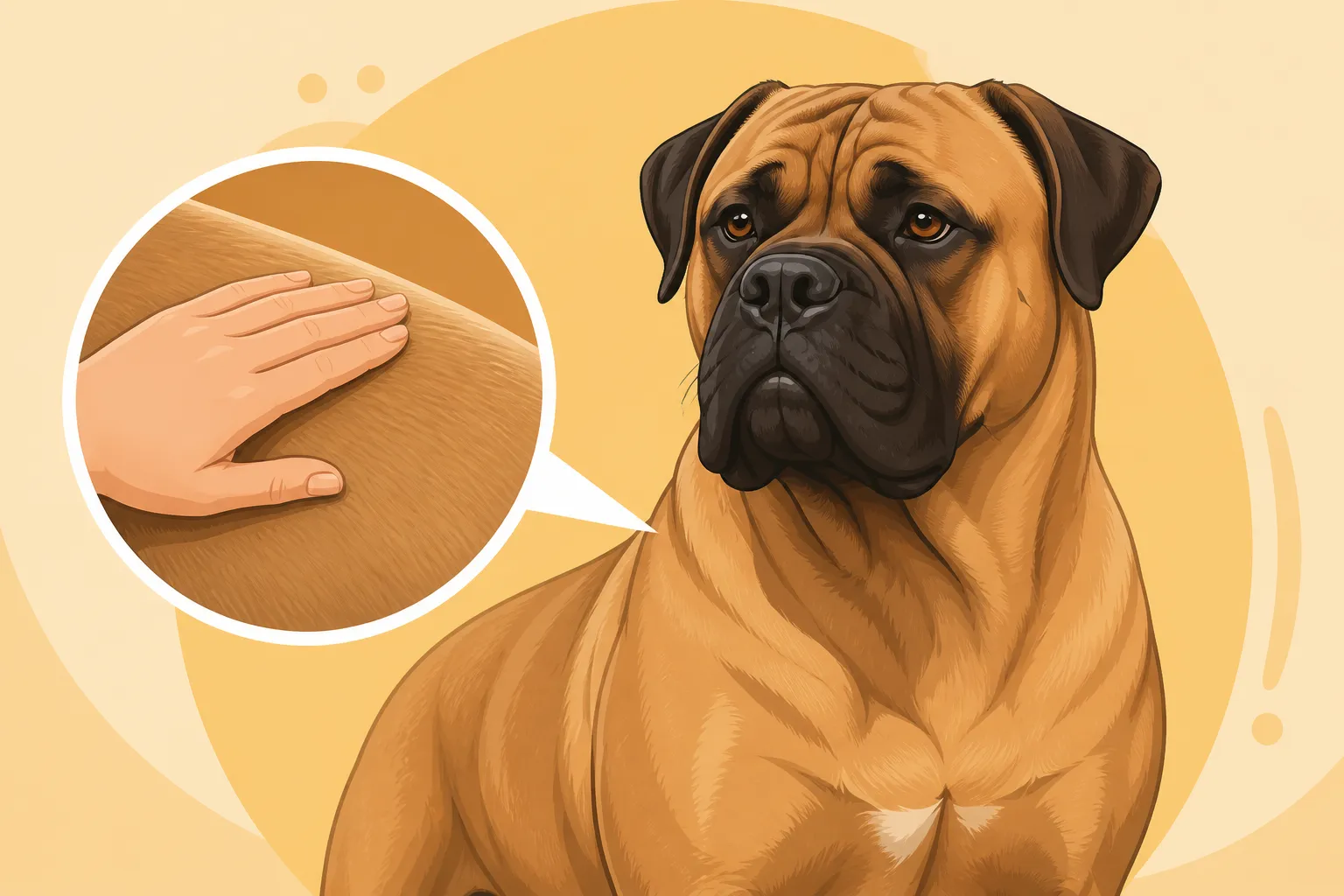
So, what does "short and hard" actually mean on a Bullmastiff? Imagine a velvet cushion that has been brushed firmly in one direction. It shouldn't be bristly or wiry like a terrier's coat, nor should it be silky soft and flowing like a retriever's. Instead, it has a definite coarseness to the touch, a dense, smooth quality that lies very flat against the body. When you stroke it with the grain, it feels incredibly smooth and firm, almost like a tightly woven carpet. However, if you run your hand against the grain, you'll feel that "hard" quality more distinctly – it resists the movement slightly, indicating the density and stiffness of the individual hairs. This isn't a coat that sheds easily at a light touch; it holds its place.
This unique texture is a direct result of their history as a gamekeeper's night dog, bred to withstand the elements and minor scrapes while moving through rough terrain. It acts like a protective armor, shedding water and dirt efficiently. It's a low-maintenance marvel, but its feel tells you a lot. A coat that feels excessively soft, thin, or plush might indicate a deviation from the healthy standard, potentially hinting at underlying issues or simply a poor genetic coat type not suited for the breed's historical function.
How a Healthy Coat Lays
Beyond the individual hair texture, how the coat lies on the body is just as important to its overall feel and function. A healthy Bullmastiff coat should lie perfectly flat and close to the skin, almost like a sleek, protective shell. There should be no lifted areas, no fluffiness, and certainly no waves or curls. This sleekness contributes to their formidable silhouette and is essential for preventing snags and minimizing exposure to cold or moisture.
When you pet a Bullmastiff, your hand should glide smoothly over their contours. Any areas where the hair seems to stand up, or appears sparse, could be cause for concern. For instance, a thin, patchy coat might feel different not just in texture but in density, signaling something amiss. This tight-lying coat also plays a role in keeping them warm in cooler temperatures and helps them shed debris naturally. The ideal coat is a testament to good breeding and proper care, reflecting their heritage as robust, working dogs. You'll notice that with regular, light brushing, such as with a rubber mitt or a soft bristle brush, the coat maintains this sleek appearance and firm feel, removing any loose undercoat that might otherwise disrupt its flat lay. For more on this, check out Why a Bullmastiff's Coat Takes Ten Minutes a Week.
What a Healthy Bullmastiff Coat Signifies About Overall Health
A Bullmastiff's coat is far more than just insulation; it's a window into their internal health. When you know what a healthy coat should feel like, any deviation can become an early warning sign that something might be off with your gentle giant.
Dietary Foundations for a Lustrous Coat
The adage "you are what you eat" holds incredibly true for our dogs, and nowhere is this more apparent than in their coat. A truly healthy Bullmastiff coat—one that feels "short and hard" yet supple, with a noticeable sheen—is often the direct result of a high-quality, balanced diet. The right food provides the essential building blocks for healthy skin and hair, including proteins, vitamins, and crucial fatty acids.
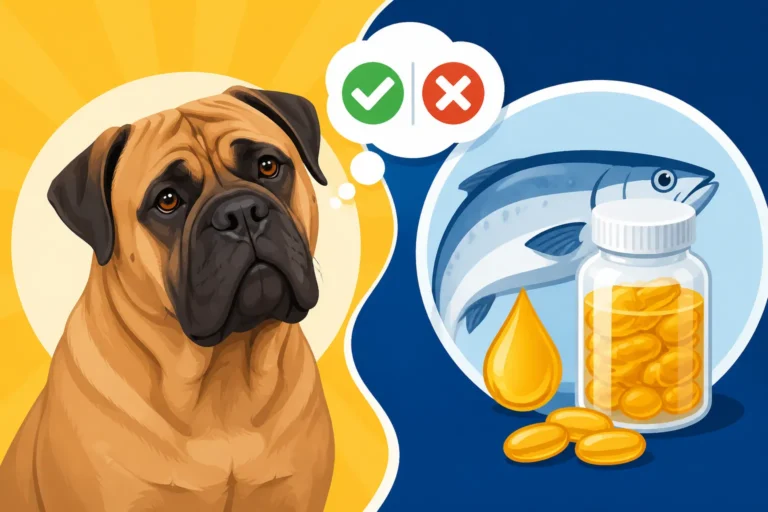
Think about it: protein is the primary component of hair, so a diet lacking in sufficient, digestible protein can lead to a dull, brittle, or sparse coat. Omega-3 and Omega-6 fatty acids, often found in fish oil or flaxseed supplements, are particularly vital. These healthy fats help maintain skin hydration, reduce inflammation, and contribute to the coat's natural luster and strength. If your Bullmastiff's coat feels dry, flaky, or lacks that characteristic smooth firmness, one of the first things to evaluate is their diet. Are they getting a high-quality kibble, or perhaps a fresh food option like what Ollie provides? Some owners find adding a fish oil supplement, readily available on platforms like Amazon or Chewy, makes a noticeable difference. A healthy diet directly translates to a healthy skin barrier and robust hair follicles, making the coat feel strong and well-conditioned. This ties into the broader concept of Keeping a Bullmastiff Lean Is the Best Thing You Can Do, as proper nutrition also helps maintain an ideal weight, which can indirectly impact coat health and overall vitality.
Unseen Health Issues Reflected in the Coat
Beyond diet, various internal health issues can manifest as changes in your Bullmastiff's coat. A dull, greasy, excessively shedding, or thin coat might be a subtle cry for help from your dog's body, indicating underlying problems that aren't immediately obvious. It's why paying attention to the feel and appearance of their fur during your daily cuddles is so important.
For example, hormonal imbalances, particularly those associated with thyroid issues, frequently impact coat health. A Bullmastiff suffering from hypothyroidism might develop a dry, brittle coat that feels thin and sparse, often accompanied by excessive shedding or even bald patches, especially on the flanks and tail. Signs a Bullmastiff's Thyroid Has Failed often include these coat changes. Similarly, internal parasites, bacterial or fungal skin infections, and even systemic diseases can reduce the coat's vitality, making it feel less resilient and less smooth than it should. Stress or anxiety can also sometimes lead to dullness or increased shedding. When your Bullmastiff's coat feels "off," it's not just a superficial problem; it's a signal that a visit to the veterinarian might be in order to rule out any medical conditions. Regular wellness exams, as discussed in How Often a Bullmastiff Needs a Wellness Exam, are crucial for catching these subtle changes early.
Common Coat Issues and What They Feel Like
Even with the best care, Bullmastiffs can occasionally experience coat issues. Knowing what these problems feel like is key to identifying them early and addressing them effectively.
When the Coat Feels Dry, Brittle, or Flaky
If you run your hand over your Bullmastiff's coat and it feels rough, dry, or even brittle, almost like straw, that's a definite red flag. A healthy Bullmastiff coat should have a natural resilience and a slight oiliness, not a parched feel. This dryness is often accompanied by flaky skin, what we commonly call dandruff, which you might see when you part their fur or notice on their bedding.
This sensation can stem from several issues. Diet is a primary culprit; a lack of essential fatty acids or a lower-quality food can deprive the skin and hair of necessary nutrients. Environmental factors also play a role; dry indoor air, especially during winter months, can strip moisture from the skin. However, it's also a classic sign of certain health conditions. Hypothyroidism in a Bullmastiff is a common endocrine disorder that manifests with a dry, coarse coat, often accompanied by weight gain and lethargy. Allergies, whether environmental or food-related, can also cause dry, itchy skin, leading to a dull, damaged coat from constant scratching. If you feel this dryness, consider reviewing their diet, ensuring good hydration, and consulting your vet, especially if other symptoms are present. They might suggest specific supplements, like those rich in Omega-3s, or a change in food. You can find many beneficial supplements, such as fish oil or skin-and-coat blends, on marketplaces like Amazon or specialized pet retailers like Chewy.
Tackling an Oily or Greasy Coat
Conversely, a coat that feels excessively oily or greasy is another indicator that something isn't quite right. Instead of the firm, clean smoothness of a healthy coat, it might feel slick to the touch, and the hairs could clump together easily. Often, a greasy coat comes with a distinct, sometimes unpleasant, odor, even shortly after a bath.
This excessive oil production, known as seborrhea, can be a primary skin condition or secondary to other problems. Bacterial or yeast infections are common culprits, thriving in the moist, oily environment. These infections often result in redness, itching, and that characteristic greasy feel and smell. In some cases, allergies can trigger an overproduction of skin oils as the body tries to combat irritation. While less common, certain metabolic or hormonal disorders can also contribute to an oily coat. Regular bathing with a vet-recommended medicated shampoo might be part of the solution, alongside addressing the underlying cause. Keeping the coat clean helps, but it won't resolve the root issue. It's crucial to identify why the skin is overproducing oil to restore the coat to its ideal "short and hard" feel.
Identifying Patchy or Thinning Hair
When your Bullmastiff's coat starts to feel uneven, with areas that are noticeably thinner or even bare, it's a concerning change. You might feel less density when you run your hand over certain spots, or see patches of skin where the hair is sparse or completely absent. This can feel very different from their normally thick, dense covering.
Hair loss (alopecia) can be caused by a wide range of factors. Parasites like fleas, mites (mange), or even ringworm (a fungal infection) are common culprits, causing intense itching that leads to scratching and hair breakage. Allergies are another frequent cause; constant licking, chewing, or scratching at itchy spots can thin the coat over time, especially around the flanks, tail base, or paws. Hormonal imbalances, such as those associated with Hypothyroidism in a Bullmastiff or Cushing's disease, can also lead to symmetrical hair loss. Stress, poor nutrition, or even genetic predispositions can contribute. Any significant thinning or patchiness warrants a visit to your veterinarian to pinpoint the cause and get your Bullmastiff back to a full, healthy coat. Early detection makes treatment much more straightforward, so don't hesitate to seek professional advice.
| Coat Condition | What It Feels Like | Potential Causes |
|---|---|---|
| Healthy | Short, hard, dense, smooth, lies flat, supple | Balanced diet, good hydration, regular grooming, overall good health |
| Dry/Brittle | Rough, coarse, easily broken hairs, flaky skin | Poor diet, low humidity, hypothyroidism, allergies, dehydration |
| Oily/Greasy | Slick, heavy, clumpy, often strong odor | Skin infections (bacterial/yeast), allergies, seborrhea, hormonal imbalances |
| Patchy/Thinning | Uneven density, sparse areas, visible skin | Parasites (fleas, mites), allergies, hormonal issues, stress, poor nutrition |
| Matted/Tangled | Knots, clumps (less common for short coats) | Infrequent brushing, heavy shedding (rarely severe for Bullmastiffs) |
Maintaining That Pristine Bullmastiff Coat Feel
Achieving and maintaining that ideal "short and hard" yet supple Bullmastiff coat isn't complicated, but it does require consistency and attention to detail. It's an ongoing commitment that contributes significantly to their comfort and health.
Routine Brushing and Bathing for Optimal Texture
Even though Bullmastiffs have short coats, regular grooming is still incredibly important for keeping their fur feeling its best. You might think a short coat needs little attention, but a consistent routine helps distribute natural skin oils, remove loose hair, and stimulate circulation, all of which contribute to that healthy, firm feel.
For brushing, a rubber curry comb or a grooming mitt works wonders. These tools are fantastic for short-coated breeds because they effectively grab loose hair and massage the skin without being harsh. Aim for a quick brush-down a few times a week. It literally only takes a few minutes, as highlighted in Why a Bullmastiff's Coat Takes Ten Minutes a Week. This helps prevent the accumulation of dead hair that can make the coat feel dull or slightly uneven. As for bathing, Bullmastiffs don't need frequent baths unless they've rolled in something particularly smelly or dirty. Over-bathing can strip their skin of essential oils, leading to dryness and an unhealthy-feeling coat. When you do bathe them, use a mild, dog-specific shampoo and rinse thoroughly. Focus on cleaning their facial wrinkles as well, which can harbor moisture and bacteria if neglected, impacting skin health around those areas. For more detailed advice, refer to How Often a Bullmastiff Needs a Bath and How to Clean a Bullmastiff's Face Wrinkles. After bathing, ensure they are thoroughly dry, especially in their folds, to prevent skin irritation.
Beyond the Brush: Diet and Supplements
While brushing and bathing are essential external care, the foundation of a great-feeling coat truly begins internally, with nutrition. What your Bullmastiff eats profoundly impacts the quality and feel of their coat. A diet rich in high-quality protein, essential fatty acids, and vitamins will ensure the skin and hair follicles have all the necessary building blocks to produce strong, healthy fur.
Consider the source and quality of your dog's food. Brands like Ollie focus on fresh, human-grade ingredients that can often lead to a noticeable improvement in coat luster and texture. If a fresh food diet isn't feasible, opt for a premium kibble that lists real meat as the first ingredient and avoids excessive fillers. Even with a good diet, some Bullmastiffs benefit from supplemental fatty acids. Omega-3 and Omega-6 supplements, often derived from fish oil, are fantastic for skin and coat health, helping to reduce dryness, itching, and inflammation while promoting a healthy sheen. You can find a wide variety of these supplements on platforms like Amazon or through pet supply retailers like Chewy. Before adding any supplements, it's always a good idea to chat with your vet to ensure it's appropriate for your individual dog's needs. Ultimately, a holistic approach combining good nutrition, regular internal parasite control, and consistent grooming will result in a Bullmastiff coat that not only looks magnificent but feels wonderfully healthy and robust beneath your hand. Don't forget, a good diet also supports slow growth in puppies, which is vital for their long-term joint health, as discussed in Why a Bullmastiff Puppy Should Not Grow Fast.
Disclaimer
This article is for general informational purposes only and does not constitute professional advice. Laws, prices and regulations vary by location and change over time. Consult a qualified professional for guidance on your specific situation.