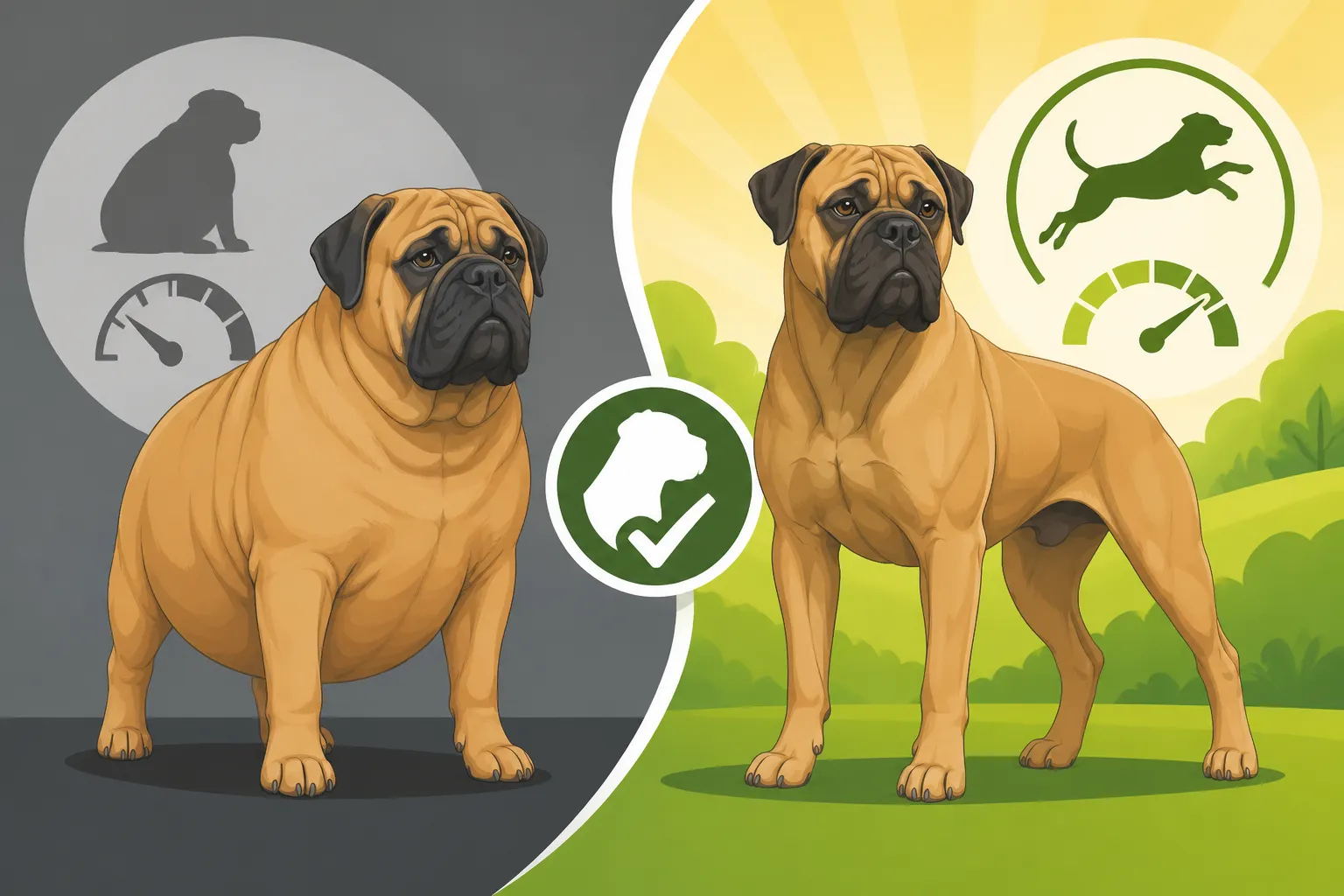
Keeping a Bullmastiff Lean Is the Best Thing You Can Do
The truth about living with a Bullmastiff is that while their huge, loving presence fills your home, it's also a constant battle against the scale. These magnificent dogs are prone to putting on weight far too easily, and every extra pound places immense strain on their already overburdened joints and overall health, often tragically shortening their already limited lifespans. This guide isn't just about diet; it's a comprehensive look at why keeping your Bullmastiff lean is arguably the single most important thing you can do for their well-being, and how to achieve and maintain that optimal body condition throughout their lives.
The Harsh Reality: Why Weight Matters So Much for Bullmastiffs
It's easy to look at a big, solid Bullmastiff and think a little extra weight just adds to their impressive stature. But as someone who has lived with and adored these gentle giants for years, I can tell you that nothing could be further from the truth. For a breed already predisposed to a host of health challenges, carrying even a few extra pounds can turn minor issues into major crises, dramatically impacting their comfort and longevity. We owe it to these wonderful dogs to understand the critical link between their weight and their health.
The Strain on Their Joints and Structure
Imagine carrying a backpack filled with bricks all day, every day. That's essentially what an overweight Bullmastiff experiences. Their massive frames are already under significant stress, even at an ideal weight. Conditions like hip and elbow dysplasia, which are sadly common in the breed, are exacerbated exponentially by excess weight. A Bullmastiff's hundred-plus pounds need strong, healthy joints to move comfortably and without pain. When you add more weight, those joints degenerate faster, leading to debilitating arthritis much earlier than necessary.
Think about the sheer force involved when a 130-pound Bullmastiff gets up from lying down or takes a short trot across the yard. Every movement sends shockwaves through their hips, elbows, and spine. If those structures are already compromised by genetics or injury, extra weight acts like a relentless hammer, grinding them down. I've seen too many owners heartbroken as their beloved Bullmastiffs struggle to rise or walk by the age of six or seven, a struggle often made worse by years of carrying too much weight. Keeping them lean helps cushion those joints, reducing inflammation and slowing the progression of degenerative diseases, giving them more comfortable, active years. It’s an investment in their comfort and mobility for the long haul. You might be interested in Hips and Elbows Under a Hundred and Thirty Pound Bullmastiff for more details.
Exacerbating Cardiac and Respiratory Issues
Bullmastiffs are a brachycephalic breed, meaning they have those adorable, squished-in faces. While endearing, this conformation comes with significant health trade-offs, particularly concerning their breathing and heat regulation. Their shortened airways make them prone to overheating and struggling for breath, especially during exercise or in warm weather. Any excess fat around their neck, chest, and abdomen further constricts these already compromised airways, making it even harder for them to breathe efficiently. This isn't just uncomfortable; it's dangerous.
When a Bullmastiff is overweight, their heart has to work much harder to pump blood through a larger body mass. For a breed already susceptible to cardiac conditions like subaortic stenosis, this added strain can be life-threatening. The heart muscle is put under constant stress, accelerating heart disease and making them more vulnerable to collapse or sudden cardiac events. Imagine trying to run a marathon while holding your breath – that's a bit what it's like for an overweight Bullmastiff to simply exist on a hot day. The heavy panting, the labored breathing, the visible effort just to cool down – it's a stark reminder of Why a Bullmastiff Overheats So Easily and struggles with excess body fat.
Increased Risk of Cancer and Other Diseases
It’s a heartbreaking reality that cancer, particularly lymphoma, is a significant concern for Bullmastiffs. Lymphoma Kills More Bullmastiffs Than Anything Else is a somber but important read for any owner. While weight isn't a direct cause of all cancers, obesity in dogs, as in humans, is strongly linked to chronic inflammation and metabolic dysfunction, which can create an environment ripe for cancerous cell growth. Adipose tissue (fat) is not just inert storage; it's an active endocrine organ, producing hormones and inflammatory substances that can influence cell proliferation and survival.
Beyond cancer, being overweight significantly increases a Bullmastiff's risk of developing other serious health problems. These include conditions like diabetes mellitus, where the body struggles to regulate blood sugar, and pancreatitis, a painful inflammation of the pancreas. Overweight dogs are also more susceptible to skin fold infections (especially in their facial wrinkles and jowls), urinary tract infections, and even immune system suppression. Managing their weight is a proactive step in preventing a cascade of health issues, offering them a better chance at fighting off or avoiding some of these common large breed ailments.
Understanding Your Bullmastiff's Ideal Body Condition
Okay, so we know why keeping them lean is crucial. But what does "lean" actually mean for a Bullmastiff, a dog bred for substance and power? It's not about making them look like a greyhound, but rather ensuring they have a healthy amount of muscle mass with a minimal, healthy layer of fat. Learning to assess your dog's body condition accurately is a powerful tool in your preventative health arsenal, and it's something you can do right in your own living room.
What "Lean" Really Looks Like on a Bullmastiff
A Bullmastiff at an ideal weight is a picture of controlled power, not bulky fat. You should be able to feel their ribs easily when you run your hands along their sides, but not see them protruding, except perhaps the last two ribs faintly. When viewed from above, there should be a distinct, albeit slight, waist or "tuck" behind their ribs, before their broad hips. From the side, their abdomen should tuck up slightly from their chest, not hang low or be straight across like a barrel.
It’s important to distinguish between muscle and fat. A Bullmastiff is a heavily muscled dog, and that's good! You want to feel firm, dense muscle, not soft, squishy fat over their topline, hips, and shoulders. Their tail base shouldn't be thick with fat, and you shouldn't see significant fat pads over their lumbar region. Achieving this ideal is about supporting their natural, powerful physique without burying it under excess adipose tissue. Getting a visual sense of What a Lean Bullmastiff Looks Like can be incredibly helpful when you're first learning to gauge your dog's condition.
The Body Condition Scoring System
Veterinarians use a standardized Body Condition Score (BCS) system to assess a dog's fat reserves, usually on a 9-point scale (though some use a 5-point scale). A score of 4 or 5 out of 9 is generally considered ideal. This system helps you objectively evaluate your Bullmastiff's weight beyond just the number on the scale, which can be misleading for large, muscular breeds.
Here's a simplified breakdown of the 9-point scale:
| Score | Description | Visual Cues | Palpation Cues | Action |
|---|---|---|---|---|
| 1 | Emaciated | Ribs, lumbar vertebrae, pelvic bones easily visible. | No discernible fat; severe muscle loss. | Urgent vet consultation and nutritional plan. |
| 2 | Very Thin | Ribs, lumbar vertebrae, pelvic bones easily visible. | Minimal fat; obvious muscle loss. | Urgent vet consultation and nutritional plan. |
| 3 | Thin | Ribs easily visible; prominent waist and abdominal tuck. | Minimal fat; slight muscle loss. | Increase food intake slowly, monitor closely. |
| 4 | Underweight (Ideal for some active breeds) | Ribs easily palpable with minimal fat; obvious waist and tuck. | Minimal fat cover. | Maintain or slightly adjust. |
| 5 | Ideal | Ribs palpable without excess fat; well-proportioned waist and tuck. | Thin fat cover over ribs. | Maintain current feeding and exercise. |
| 6 | Overweight | Ribs palpable but with slight difficulty; waist barely discernible. | Slight excess fat over ribs, lumbar. | Reduce food, increase exercise moderately. |
| 7 | Heavy | Ribs difficult to feel; no waist; abdominal tuck absent. | Moderate fat deposits. | Reduce food, increase exercise significantly. |
| 8 | Obese | Ribs not palpable; abdomen distended; heavy fat deposits. | Heavy fat deposits over chest, spine, tail base. | Vet consultation needed for weight loss plan. |
| 9 | Severely Obese | Massive fat deposits; abdomen very distended. | Extremely heavy fat deposits everywhere. | Urgent vet consultation for medical intervention. |
To use the BCS, you need to not just look at your Bullmastiff but feel them too. Run your hands firmly along their sides to assess their ribs, then over their spine and hips. Stand above them to look for that waist. Squat down to see their abdominal tuck. It becomes second nature once you practice a few times. Don't be afraid to ask your vet for a demonstration during your next check-up – they'll be thrilled you're taking such an active interest in your Bullmastiff's health!
Crafting a Balanced Nutritional Plan
The foundation of a lean Bullmastiff is a carefully considered nutritional plan. It's not just about what they eat, but how much and when. With so many food options out there, it can feel overwhelming, but focusing on quality ingredients and precise portion control will get you most of the way there. Remember, every calorie counts, especially for a dog whose metabolic rate isn't as high as, say, a Border Collie.
Choosing the Right Food for Your Bullmastiff
When it comes to feeding your Bullmastiff, opt for a high-quality, large-breed formula. These foods are specifically designed with appropriate protein levels to maintain muscle mass without over-stressing kidneys, and crucially, they tend to have carefully balanced calcium and phosphorus levels to support slow, healthy bone growth in puppies, which is vital for preventing orthopedic issues later on. For adult Bullmastiffs, look for ingredients lists where a named meat source (chicken, beef, lamb) is the first ingredient, and avoid excessive fillers like corn or wheat, which can contribute to unnecessary calories and potential digestive upset.
Many reputable brands offer excellent large breed formulas. You can find a wide variety of options on platforms like Chewy or Amazon, allowing you to compare ingredients and customer reviews. Some owners also opt for fresh-cooked or raw food diets, such as those offered by services like Ollie, tailoring meals to their dog's specific needs. Regardless of the type, the key is to choose a diet that provides complete and balanced nutrition, is appropriate for your Bullmastiff's life stage, and most importantly, one that your dog thrives on. Pay attention to their coat condition, energy levels, and stool quality as indicators of how well a particular food agrees with them. For more on what they typically eat, check out How Much an Adult Bullmastiff Eats.
Portion Control and Feeding Schedules
This is where many well-meaning Bullmastiff owners go astray. It’s easy to think "more food equals happier dog," especially with their endearing begging faces. However, free-feeding – leaving a bowl of kibble out all day – is a recipe for weight gain in most Bullmastiffs. They are simply too efficient at converting food into fat. Instead, measured meals are non-negotiable. Use an actual measuring cup, not just scooping haphazardly. The feeding guidelines on dog food bags are a starting point, not a strict rule. Many Bullmastiffs do well on 10-20% less than the recommended amount for their ideal weight, especially if they aren't highly active.
Dividing their daily caloric intake into two or even three smaller meals can also be beneficial. This not only helps manage hunger but can also be a crucial preventative measure against bloat, a life-threatening condition common in deep-chested breeds. Meal Timing and Bloat in a Bullmastiff goes into more detail on this critical topic. Stick to a consistent schedule, and don't be swayed by those big, sad eyes! If you're unsure about the exact amount, start with the lower end of the recommended range for their ideal weight, and adjust gradually based on their body condition score over a few weeks. It's much easier to add a little food than to take off pounds once they've gained them.
Navigating Treats and Table Scraps
Treats are not inherently bad; they're valuable tools for training and strengthening your bond. However, they are also a huge source of hidden calories. A single larger dog biscuit can have as many calories as a small meal. When choosing treats, opt for low-calorie, healthy options. Things like plain green beans, carrot sticks, apple slices (without seeds), or small pieces of cooked lean meat are excellent choices. Many pet stores also offer specific low-calorie training treats.
Table scraps, on the other hand, are generally a no-go for Bullmastiffs trying to maintain a lean physique. Even small amounts of fatty human food can quickly add up and upset their sensitive digestive systems. Beyond the caloric intake, many human foods contain ingredients that are toxic or unhealthy for dogs. Establish a firm "no human food" rule early on, and stick to it. It might be tough initially, especially with their persuasive techniques, but it's essential for their long-term health. If you absolutely must share, make it a tiny, vet-approved piece of plain cooked chicken or a bite of their regular kibble from your hand, counting it towards their daily intake.
Exercise: Finding the Right Balance for a Giant Breed
Exercise is the other half of the weight management equation, but it's not as simple as "the more, the better" for a Bullmastiff. These are not dogs built for endurance running or extreme sports. Their heavy build, potential for orthopedic issues, and brachycephalic nature mean their exercise regimen needs to be carefully tailored to their age, health, and the climate. The goal is consistent, moderate activity that builds muscle and burns calories without overstraining their bodies.
Appropriate Exercise for Bullmastiff Puppies
Bullmastiff puppies grow incredibly fast, but their bones and joints mature slowly. Over-exercising a growing Bullmastiff puppy is one of the quickest ways to cause permanent joint damage, exacerbating conditions like hip and elbow dysplasia later in life. Their growth plates are open and vulnerable, and excessive impact or strenuous activity can lead to painful, long-lasting problems. For this reason, intense running, jumping, long hikes, or repetitive stair climbing should be strictly limited.
Instead, focus on short, frequent play sessions on soft surfaces like grass, and controlled walks. A good rule of thumb is 5 minutes of structured exercise per month of age, twice a day. So, a 4-month-old puppy would get two 20-minute walks. This isn't a hard and fast rule, but a guide to prevent overexertion. Allow for plenty of self-directed play in a safely enclosed yard, but don't encourage endless fetch sessions. The goal is to build strong muscles around healthy joints without putting undue stress on the growing skeletal structure. Remember, The Exercise Limit for a Bullmastiff Puppy is all about protecting their future mobility.
Daily Activity for Adult Bullmastiffs
Once your Bullmastiff is fully grown, typically around 18-24 months, their exercise needs shift to maintaining muscle tone and cardiovascular health. They don't need hours of intense activity. Instead, aim for 30-60 minutes of moderate exercise daily, broken into one or two sessions. This could be a leisurely walk around the neighborhood, a supervised play session in the yard, or a sniff-filled stroll through a local park. The key is consistency.
Avoid high-impact activities like agility or sustained running, especially on hard surfaces. On hot days, modify their exercise significantly or move it to the cooler parts of the day, early morning or late evening, to prevent overheating. Swimming in a safe, monitored environment can be a fantastic low-impact exercise for Bullmastiffs, as long as they are comfortable in the water and well-supervised. Remember their brachycephalic nature means they can overheat quickly. For more guidance on their daily activity, refer to How Far a Bullmastiff Should Walk Daily. Mental stimulation, through training sessions or puzzle toys, is also a vital part of their overall well-being and can help burn energy without physical strain.
Adapting Exercise for Senior Bullmastiffs
As your Bullmastiff enters their senior years, typically around age six or seven, their exercise needs will change again. They might slow down, show stiffness, or tire more easily. This is a natural part of aging, but it doesn't mean they should stop moving altogether. Gentle, regular exercise remains crucial for maintaining muscle mass, joint flexibility, and good circulation. Think of it as "movement therapy."
Short, frequent, slow walks are often ideal. Instead of one 30-minute walk, try two 15-minute strolls. Monitor their comfort level closely. If they're limping, lagging, or seem reluctant, it's time to reduce the duration or intensity. Consider exploring canine massage, hydrotherapy, or physical therapy, which can be immensely beneficial for easing joint pain and improving mobility in older dogs. A supportive orthopedic bed at home is also vital for their comfort. The goal is to keep them as active and comfortable as possible, acknowledging their changing physical capabilities. For insights into caring for them during this stage, read Caring for a Bullmastiff Past Six.
Monitoring Weight and Recognizing Red Flags
Effective weight management is an ongoing process, not a one-time fix. It requires vigilance and a keen eye for subtle changes. Just like people, dogs can fluctuate in weight, and understanding how to routinely monitor your Bullmastiff's condition is vital. Catching weight gain early makes it much easier to correct before it becomes a significant health issue.
Regular Weigh-Ins and Body Condition Checks
Make a habit of weighing your Bullmastiff regularly, ideally once a month. For puppies, weekly weighing is important to ensure healthy, steady growth. For adult Bullmastiffs, monthly checks can help you track trends. This might require a trip to your vet's office if you don't have a large enough scale at home; most vet clinics are happy for you to pop in just for a weigh-in. Record the weight and date in a journal or on your phone so you can easily see if there are any upward trends.
Equally important, and perhaps even more telling, is performing a hands-on body condition check every week or two. Get familiar with how their ribs feel when they're at an ideal weight. Run your hands over their spine, hips, and tail base. This tactile check is often more accurate than just looking, especially with a thick-coated breed. If you notice it's getting harder to feel their ribs, or their waist seems to be disappearing, it’s a clear sign that you need to adjust their food intake or increase their activity. Consistency in these checks is what truly empowers you to keep them lean.
Signs Your Bullmastiff Might Be Gaining Weight
Beyond the numbers on the scale, there are several visual and behavioral cues that indicate your Bullmastiff might be packing on pounds. Visually, look for:
- Disappearing Waistline: That subtle tuck behind the ribs becomes straight or even bulges out.
- Ribs Hard to Feel: You have to press firmly to feel their ribs, or can't feel them at all.
- Wider Profile: From above, they look more rectangular or even rounded, rather than having that slight taper.
- Fat Pads: Noticeable deposits of fat around the base of their tail, over their lower back, or a thicker, wobbly neck.
- Sagging Abdomen: Their belly hangs lower than their chest.
Behaviorally, you might observe:
- Slowing Down: Less enthusiasm for walks, moving more slowly, or reluctance to play.
- Difficulty Getting Up: Struggling to rise from a lying position, especially on slick floors.
- Increased Panting: Panting more heavily with less exertion, or struggling more in mild temperatures.
- More Resting: Spending more time napping or simply lying around.
Don't dismiss these signs! Signs a Bullmastiff Is Overweight outlines these indicators in more detail. These aren't just cosmetic issues; they are serious warnings that your Bullmastiff's health is at risk.
When to Consult Your Veterinarian
If you notice your Bullmastiff gaining weight despite your best efforts, or if they're struggling to lose weight, it's always wise to consult your veterinarian. Weight gain can sometimes be a symptom of an underlying medical condition, such as hypothyroidism, which is fairly common in Bullmastiffs. Your vet can perform a physical exam and recommend blood tests to rule out any medical causes.
They can also help you devise a safe and effective weight loss plan, including calculating precise caloric needs based on your Bullmastiff's ideal body weight, current activity level, and any existing health issues. They might suggest a prescription weight-loss diet or provide guidance on modifying their current food. Don't be shy about asking for help – your vet is your best partner in ensuring your Bullmastiff's health. Regular wellness exams, as discussed in How Often a Bullmastiff Needs a Wellness Exam, are also excellent opportunities to discuss weight concerns and get professional advice.
Practical Strategies for Weight Management
Keeping a Bullmastiff lean isn't just about food and exercise; it's about making smart, consistent choices every single day. It requires a bit of strategy, a dash of creativity, and a whole lot of commitment from everyone in the household. But trust me, the effort you put in will be repaid tenfold in the form of a happier, healthier, and more comfortable dog.
Addressing Begging and Counter Surfing
Bullmastiffs are notoriously persistent when it comes to food. Their deep, soulful eyes and impressive stature can make even the most resolute owner crumble. They are also adept counter-surfers, capable of reaching surprising heights to "sample" unattended snacks. To keep your Bullmastiff lean, you need a zero-tolerance policy for begging and counter-surfing.
Training is key here. Never reward begging, not even with a tiny crumb. Redirect their attention with a toy or send them to their bed when you're eating. If they counter surf, immediately interrupt the behavior with a firm "no" and remove them from the area. Management is equally important: keep food off counters, secure trash cans, and never leave food unattended. Consistency across all family members is crucial. If one person occasionally gives in, it undermines all your hard work. You might also find some excellent management tips in Why a Bullmastiff Counter Surfs. Consider using puzzle feeders for their regular meals to slow down their eating and provide mental stimulation, making them feel more satisfied.
Hydration and Supplementation
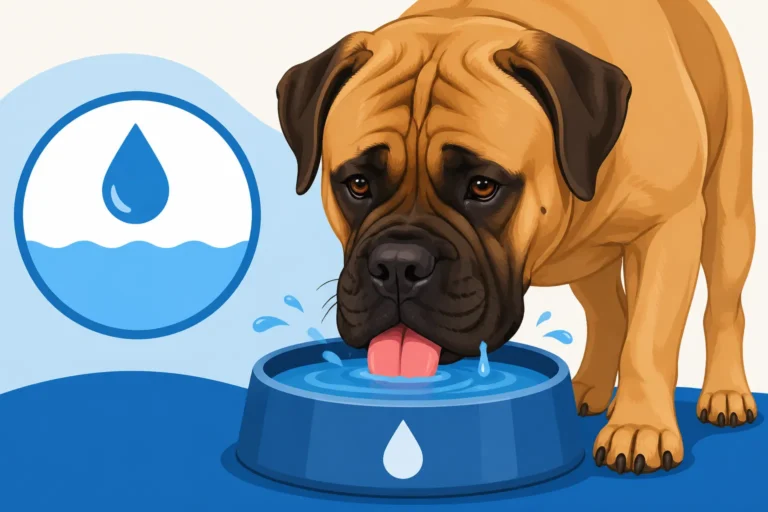
Water is essential for overall health and can play a small but significant role in weight management. Ensure your Bullmastiff always has access to fresh, clean water. Sometimes, a well-hydrated dog feels more full, and it's vital for all metabolic processes. For dogs on a diet, sometimes adding a little water or low-sodium broth to their kibble can help them feel more satisfied.
When it comes to supplements, always consult your vet first. However, for large breeds like Bullmastiffs, joint supplements like glucosamine and chondroitin are often recommended proactively, especially as they age, to support cartilage health. While not directly a weight-loss aid, healthier joints mean they can move more comfortably, which in turn encourages activity and helps with weight maintenance. Some supplements, like certain types of fiber, might also be suggested by your vet to aid in satiety or digestive health during a weight loss program. To dive deeper into joint care, consider Whether a Bullmastiff Needs Glucosamine From Two.
Lifestyle Adjustments for the Whole Family
For a Bullmastiff to thrive at a healthy weight, the entire household needs to be on board with the plan. This is not a solo mission. If one family member is secretly slipping extra treats or sharing their dinner, your efforts will be constantly undermined. Have an open discussion with everyone living in the house about the importance of consistent feeding, no table scraps, and appropriate treat giving.
Establish clear rules: who feeds the dog, how much, and when. Keep a designated measuring scoop with the food. Place a small container of approved, low-calorie treats in a central location so everyone knows what can be given. Communicate about what your Bullmastiff ate during the day to avoid accidental double feeding. Remember, your Bullmastiff loves you unconditionally, and part of that love means making the hard choices for their health, even when they give you those big, pleading eyes. Your commitment to their well-being is the greatest gift you can give them.
The Long-Term Benefits of a Lean Bullmastiff
While the journey to maintaining a lean Bullmastiff can sometimes feel like an uphill battle, especially with their talent for looking perpetually hungry, the rewards are immeasurable. You're not just reducing a number on a scale; you're actively contributing to their happiness, comfort, and the overall quality of the precious years you have together.
Enhanced Quality of Life
A Bullmastiff at an ideal weight is a dog that moves with more ease, plays with more enthusiasm, and generally experiences less discomfort. Imagine the difference in an older dog who can still comfortably climb a few steps or get up from their bed without groaning, versus one whose joints are screaming under the burden of excess fat. Lean Bullmastiffs have more energy for walks, can enjoy playtime longer, and are simply more agile and engaged in their daily lives.
This enhanced quality of life extends beyond just physical comfort. When a dog is feeling good, their temperament often reflects it. They might be more playful, less irritable from pain, and generally more joyful companions. They'll greet you at the door with more vigor and cuddle on the couch without struggling to adjust their position. Every wag of their tail, every happy sigh, is a testament to the fact that they are living their best life, unburdened by preventable physical strain.
Potentially Longer Lifespan
The sad reality for Bullmastiffs is that their lifespan is already shorter than many smaller breeds. Anything we can do to extend their healthy years is a gift. While genetics play a huge role, managing weight is one of the most significant environmental factors within our control that can directly impact longevity. Studies have consistently shown that dogs maintained at an ideal body condition live, on average, two years longer than their overweight counterparts. For a breed that often only graces us for eight to ten years, two extra years is an incredible amount of time.
Those extra years aren't just about quantity; they're about quality. They're years where your Bullmastiff is more likely to be active, comfortable, and free from chronic pain or debilitating conditions that arise from obesity. You're investing in more sunsets, more car rides, more quiet evenings curled up together. This is perhaps the most compelling reason to commit to keeping your Bullmastiff lean – it offers them the best chance at a full, vibrant life. For more on this, consider reading Whether a Leaner Bullmastiff Lives Longer.
Reduced Vet Bills in the Long Run
Let's be realistic – owning a Bullmastiff isn't cheap, and their vet bills can be substantial, especially as they age or if they develop common breed-specific ailments. The cost of managing weight-related conditions like severe arthritis, diabetes, heart disease, or even increased anesthesia risks for overweight dogs can quickly add up. Think about the ongoing cost of pain medications, specialized diets, physical therapy, or even emergency interventions that might be necessitated or exacerbated by excess weight.
By keeping your Bullmastiff lean, you are actively working to prevent or mitigate many of these expensive health issues. Fewer vet visits for preventable conditions mean more money in your pocket, or at least, available for routine care and quality-of-life improvements rather than crisis management. It’s an investment in preventative care that can genuinely save you significant financial strain down the road. While we all know that Why a Bullmastiff's Bills Come Early for many reasons beyond weight, reducing the burden of obesity-related issues can only help your budget and your peace of mind.
Disclaimer
This article is for general informational purposes only and does not constitute professional advice. Laws, prices and regulations vary by location and change over time. Consult a qualified professional for guidance on your specific situation.