Whether a Bullmastiff Should Be Hosed Down
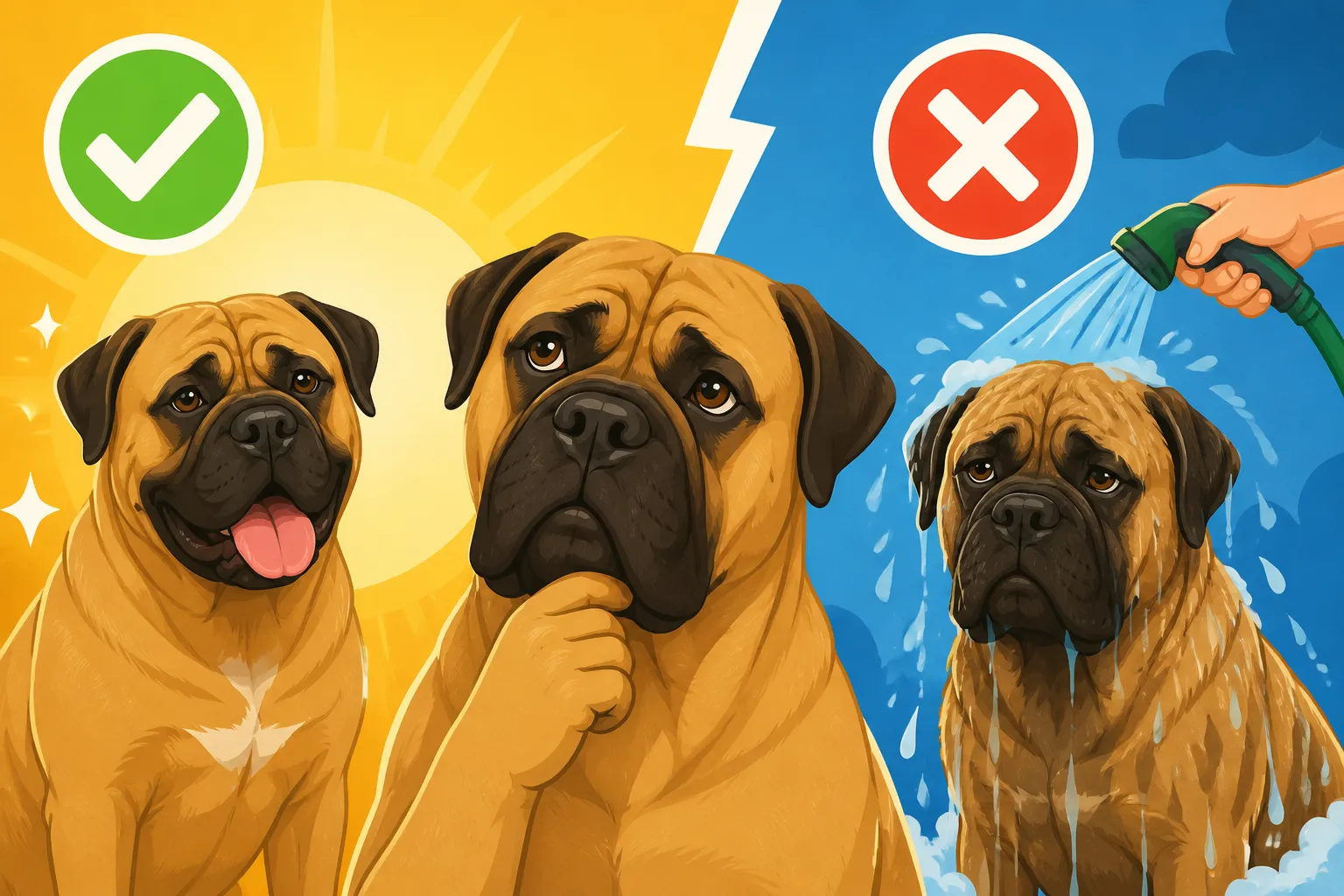
It’s a common scenario for any Bullmastiff owner: you glance outside and there’s your majestic, typically dignified dog, either panting heavily on a scorching summer day, looking utterly miserable, or having just completed an impromptu mud-wrestling match with the backyard. Your first instinct might be to grab the garden hose and douse them from head to toe. While hosing down your Bullmastiff can be a quick and effective solution for cooling them down or cleaning off stubborn grime, it’s not always as straightforward as it seems. This guide will walk you through the nuances of when hosing is appropriate, how to do it safely and effectively, and what precautions you should always take to ensure your big companion remains comfortable and healthy.
The Urgent Need: Cooling Down a Bullmastiff
Bullmastiffs, with their short muzzles and dense bodies, are notoriously susceptible to overheating. Unlike many other breeds, they aren't equipped to regulate their body temperature as efficiently, making them vulnerable to heatstroke even on days that might feel pleasant to us. When your Bullmastiff starts showing signs of distress from the heat, a quick cool-down is paramount.
Why Bullmastiffs Overheat Easily
Imagine wearing a heavy fur coat in the middle of summer – that's often how our Bullmastiffs feel. Their heavy musculature and thick skin mean they retain heat more readily. Coupled with their brachycephalic (short) muzzle, which makes panting, their primary cooling mechanism, less efficient, they can quickly go from warm to dangerously hot. They don't have the same surface area for evaporative cooling as a dog with a longer snout. This inherent physiological challenge means that even a temperature that might seem moderate to us can be genuinely risky for them. We often see them struggling in temperatures above What Temperature Is Dangerous for a Bullmastiff, even when just lounging in the yard.
A Bullmastiff's body isn't designed for sustained exertion in warm weather, and even a short walk on a humid day can be enough to push them over the edge. It’s crucial to understand these limitations, as waiting too long can lead to serious health complications like heatstroke. Recognizing the early Signs a Bullmastiff Has Heatstroke is vital, which can include excessive panting, drooling, weakness, stumbling, or even collapsing. In these critical moments, immediate action is required, and judicious use of a hose can be part of that life-saving intervention.
How Hosing Down Helps with Cooling
When your Bullmastiff is truly overheated, applying cool (not icy!) water to their body helps in several ways. The water itself absorbs some of the body heat, and more importantly, as the water evaporates from their fur and skin, it draws heat away from their body, much like sweat does for humans. This evaporative cooling effect can rapidly lower their core temperature. Focusing on areas with less fur and major blood vessels close to the surface, like the belly, groin, and paw pads, can be particularly effective.
It’s important to avoid using extremely cold water, as this can cause the blood vessels on the skin surface to constrict, trapping heat inside the body and potentially inducing shock. Think cool tap water, not ice bath cold. A gentle stream from a garden hose can be directed over their legs, belly, and chest. Avoid blasting water directly into their face or ears, as this can be frightening and lead to further distress or ear infections later on. The goal is a controlled, gentle cool-down, not a shock to their system. Always monitor their breathing and demeanor throughout the process, and if they don't improve quickly or seem to worsen, veterinary attention is needed immediately.
The Practical Need: Cleaning Your Big Dog
Beyond emergencies, the hose can also be an invaluable tool for maintaining your Bullmastiff’s cleanliness. These big, wonderful dogs aren't exactly known for their pristine habits, and their short coats, while easy to maintain most of the time, can certainly pick up a lot of dirt.
Dealing with Mud, Muck, and Smells
A Bullmastiff's short, dense coat might seem low-maintenance, but it's remarkably effective at clinging onto dirt, mud, and all sorts of other interesting garden debris. If your Bullmastiff has had a grand time romping through a muddy field, or perhaps decided a fresh pile of leaves was actually a giant dirt bath, a full immersion bath might not be necessary, but a targeted rinse certainly is. Trying to rub off caked-on mud from their short hair when it's dry often just pushes the dirt deeper into the coat or makes a bigger mess on your floors.
Hosing them down outside, especially if you have a designated "dog washing" area, can save your bathroom from becoming a swamp. It allows you to remove the bulk of the dirt and debris without the commitment of a full shampoo and towel dry indoors. For persistent smells, however, a proper bath with dog-specific shampoo is usually required. But for that superficial grime that always seems to find its way onto a Bullmastiff, a quick spray can be a real time-saver. You might find a good selection of specialized shampoos for sensitive skin or odor control on sites like Chewy, which can be beneficial if you opt for a full wash after the initial hose-down.
Cleaning Face Folds and Paws
Bullmastiffs are known for their magnificent, wrinkled faces. These charming folds, while adorable, are also prime real estate for dirt, food particles, and moisture to accumulate, leading to potential irritation or Skin Fold Infections on a Bullmastiff. While a full hose-down isn't usually the go-to for daily face cleaning, the hose can be useful for quickly rinsing out debris that gets trapped deep within the jowls after a particularly messy meal or an enthusiastic dig.
When it comes to cleaning face folds, precision is key. A very gentle stream, or even a damp cloth after a light rinse, is preferred. The critical step after any water application to these areas is thorough drying. You can gently pat the folds dry with a soft towel. For routine cleaning of the face, a specialized wipe or a damp cloth is often better than a hose. The paws, however, are a different story. Bullmastiffs can track in an incredible amount of dirt. Hosing down their paws and lower legs can quickly remove mud, sand, or snowmelt, preventing it from ending up all over your home. Always make sure to dry between their paw pads thoroughly to prevent yeast or bacterial growth, especially if they have deeper crevices there.
Best Practices for Hosing Down Your Bullmastiff
Alright, so you’ve decided the hose is the right tool for the job. But before you start spraying, let's cover some best practices to ensure it's a positive and safe experience for your Bullmastiff.
Water Temperature and Pressure Considerations
As mentioned, lukewarm or cool water is always preferred over icy cold water. Imagine stepping into an ice bath unexpectedly – it's a shock to the system. The same applies to your big, sensitive Bullmastiff. A moderate temperature avoids startling them and helps their body adjust without stress. When checking the water temperature, use your hand; it should feel pleasant, neither hot nor cold.
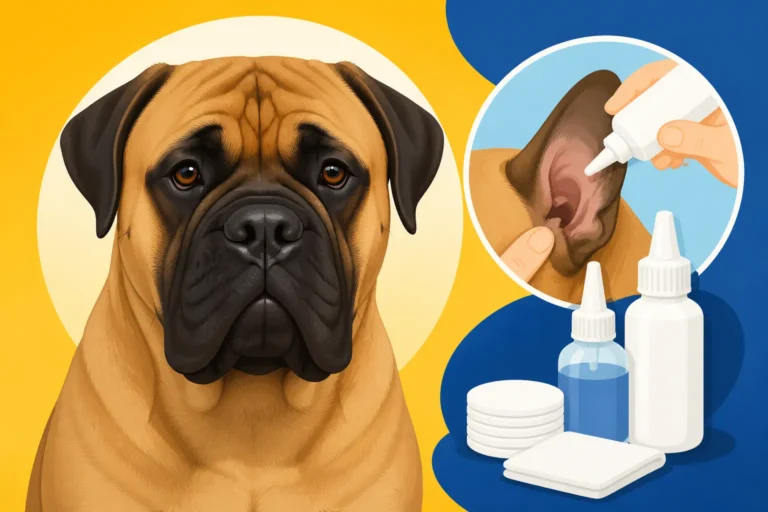
The pressure of the water stream is equally important. A full-blast spray from a powerful garden hose can be painful and frightening. Always use a gentle, diffused spray. Many garden hoses have adjustable nozzles (you can find various options on Amazon) that allow you to select a soft shower setting, which is ideal. Start by spraying their lower legs, away from their face and sensitive ears, and gradually work your way up their body. Pay particular attention to their belly, armpits, and groin area for cooling purposes, and any visibly dirty spots for cleaning. Avoid spraying directly into their eyes, nose, or ears, as this can cause discomfort, panic, or lead to future Ear Infections in a Bullmastiff.
Thorough Drying and Aftercare
This is arguably the most critical step after hosing down your Bullmastiff, especially if you’ve aimed for more than just a quick paw rinse. Bullmastiffs have dense coats and deep wrinkles that can trap moisture, creating a perfect breeding ground for bacteria and yeast. If left damp, they can quickly develop skin irritation, hot spots, or fungal infections, particularly in their characteristic face folds or under their jowls.
After hosing, use highly absorbent towels to pat and rub your Bullmastiff dry. For their face folds, be meticulous. Gently separate the wrinkles and use a corner of a dry towel or even a soft cloth to ensure every crevice is as dry as possible. A powerful, quiet pet dryer on a cool or low-heat setting can also be a game-changer, but introduce it slowly and positively so your dog doesn't become afraid of it. Even after towel drying, allow your Bullmastiff to air dry thoroughly in a warm, comfortable spot. If it's a hot day and they're drying outside, ensure they're in a shaded area and continue to monitor them for any signs of discomfort.
When to Hose Down vs. Other Methods
While the hose is convenient, it's not always the best tool. Consider the situation:
| Scenario | Best Approach | Why |
|---|---|---|
| Severe Overheating | Hose (cool water, low pressure) to belly, armpits, groin | Rapid evaporative cooling, veterinary visit if no immediate improvement |
| Muddy Paws & Lower Legs | Hose (gentle spray), then towel dry | Quick removal of surface dirt, prevents tracking indoors |
| Minor Spot Cleaning | Hose (gentle spray) or damp cloth, then towel dry | Efficient for targeted dirt removal without a full bath |
| Routine Full Bath | Bathtub/shower, gentle hose/shower sprayer, dog shampoo | Ensures thorough cleaning, shampoo penetration, and proper rinsing |
| Face Fold Cleaning | Damp cloth or pet wipe (very gentle hose rinse only if necessary) | Prevents water in eyes/ears, allows precise drying of delicate folds |
| Daily Exercise Cool-down | Cooling vest, wet towels, Cooling Mat Helps a Bullmastiff | Less invasive, prevents over-wetting, sustained cooling |
For general cooling on a warm day when your Bullmastiff isn't in heat distress, a cooling mat (many are available on Amazon), a damp towel draped over their back, or a cooling vest might be a gentler alternative than a full hose-down. You can learn more about managing their comfort in the heat in articles like How to Cool a Bullmastiff Down or Whether a Bullmastiff Needs Air Conditioning. If you’re dealing with a truly smelly situation, or if their coat feels greasy, a full bath with a good quality dog shampoo (easily found on Chewy) is the most effective approach. Ultimately, knowing when and how to use the hose is about balancing efficiency with your Bullmastiff's comfort and health.
Disclaimer
This article is for general informational purposes only and does not constitute professional advice. Laws, prices and regulations vary by location and change over time. Consult a qualified professional for guidance on your specific situation.