How to Cool a Bullmastiff Down
Summer can be a beautiful time for enjoying the outdoors, but for us Bullmastiff owners, it brings a very real and often terrifying concern: overheating. These magnificent, loyal giants are incredibly susceptible to heatstroke, and a fun afternoon can turn into a life-threatening emergency in mere minutes. This guide is here to walk you through exactly what to do when your Bullmastiff starts getting too hot, and, just as importantly, how to prevent that dangerous situation from happening in the first place.
Understanding Why Bullmastiffs Overheat So Easily
It's not just their size; several factors conspire against our beloved Bullmastiffs when the temperatures rise. Understanding these inherent predispositions is the first step in keeping them safe. We need to remember that what feels like a pleasant, warm day to us can be a serious health risk for them.
Their Brachycephalic Anatomy
One of the primary reasons Bullmastiffs struggle with heat is their brachycephalic, or "short-nosed," head structure. Unlike dogs with longer muzzles, Bullmastiffs have compacted airways, which makes it incredibly difficult for them to cool themselves efficiently. Dogs primarily cool down by panting, a process that involves rapid, shallow breathing to evaporate moisture from their tongues, nasal passages, and lungs. With their restricted airways, Bullmastiffs can't move air as effectively, meaning this natural cooling system is severely compromised. Imagine trying to breathe through a narrow straw during a workout; that's a bit like what a Bullmastiff experiences on a hot day. This is why you'll often hear us Bullmastiff parents talk about Why a Bullmastiff's Short Muzzle Cannot Cool It as a critical topic.
This anatomical challenge means that even moderate temperatures can be dangerous. They work harder just to breathe, which in turn generates more body heat, creating a vicious cycle. Their soft palates can also be longer and thicker than average, sometimes partially obstructing the airway even further when they're trying to pant. Combine this with swelling that can occur in the tissues of the throat when they become overheated, and you have a recipe for rapid escalation of heat stress. It’s a constant battle against their own build, and we, as their guardians, must be vigilant.
Dense Coat and Body Mass
Beyond their unique facial structure, Bullmastiffs carry a significant amount of body mass, which also contributes to their heat intolerance. They are dense, muscular dogs, and this sheer volume of tissue retains heat rather than dissipipating it quickly. Think of it like a large, well-insulated thermal mass; once they get hot, it takes a long time for that heat to escape their bodies. Their short, dense coat, while lovely to pet, doesn't offer much in the way of insulation against the heat, nor does it allow for much airflow to their skin to aid in evaporative cooling.
Furthermore, their substantial size means their internal organs are also working harder to support a larger body, generating more metabolic heat. Unlike smaller, leaner breeds that can more readily dissipate heat into the environment, a Bullmastiff's large surface area relative to its core temperature makes this exchange less efficient. They simply have more "furnace" and less "radiator," if you will. This is why What Temperature Is Dangerous for a Bullmastiff isn't a universally fixed number, but something we need to be acutely aware of for our specific breed. Even if the air feels mild, the energy expended by a large dog to simply exist can be enough to start pushing their core temperature up.
Immediate Actions When You Suspect Overheating
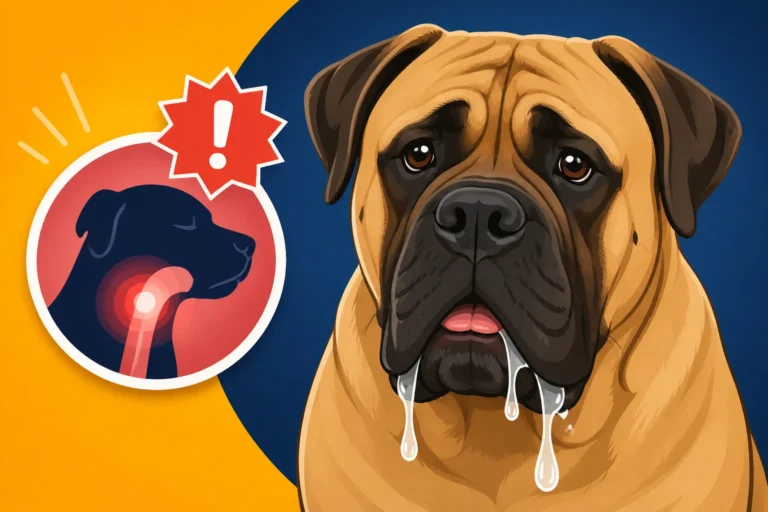
Recognizing the early signs of overheating is crucial. If your Bullmastiff is panting excessively, drooling more than usual, appears lethargic, or has red gums, you need to act fast. These are the tell-tale Signs a Bullmastiff Has Heatstroke, and time is of the essence. Don't wait until things escalate; immediate intervention can prevent a crisis.
Moving to a Cooler Environment
The very first and most critical step is to get your Bullmastiff out of the heat source immediately. This means moving them indoors, ideally into an air-conditioned space. If AC isn't available, a shaded area with good airflow, like under a large tree with a breeze, is the next best thing. Never, ever confine them to a hot car, even for a few minutes; the temperature inside a vehicle can skyrocket in an instant, making it incredibly dangerous. How Fast a Bullmastiff Overheats in a Car is truly shocking, and it's something we should all be aware of.
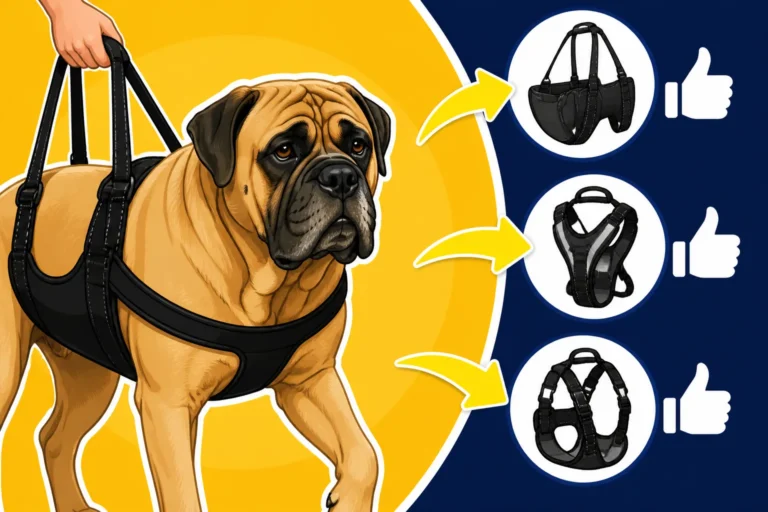
Once you're in a cooler spot, encourage them to lie down and rest. Avoid any further exertion, even if they seem to be recovering quickly. Their body needs to focus all its energy on cooling down. If they are particularly distressed or struggling to move, you may need to assist them gently, perhaps with a sturdy sling or by having two people support their weight. The goal here is to halt the immediate progression of heat absorption and give their body a fighting chance to stabilize.
Applying Cool Water and Airflow
Once you've relocated your Bullmastiff, the next step is to actively cool their body. Resist the urge to use ice-cold water, as this can cause blood vessels to constrict, which actually traps heat within the body and can lead to shock. Instead, use cool (not freezing) water. Focus on areas where blood vessels are close to the surface of the skin: the armpits, groin, belly, and paw pads. You can use soaked towels, or if accessible, a hose on a gentle setting. Gently wet their entire coat, making sure the water penetrates down to the skin.
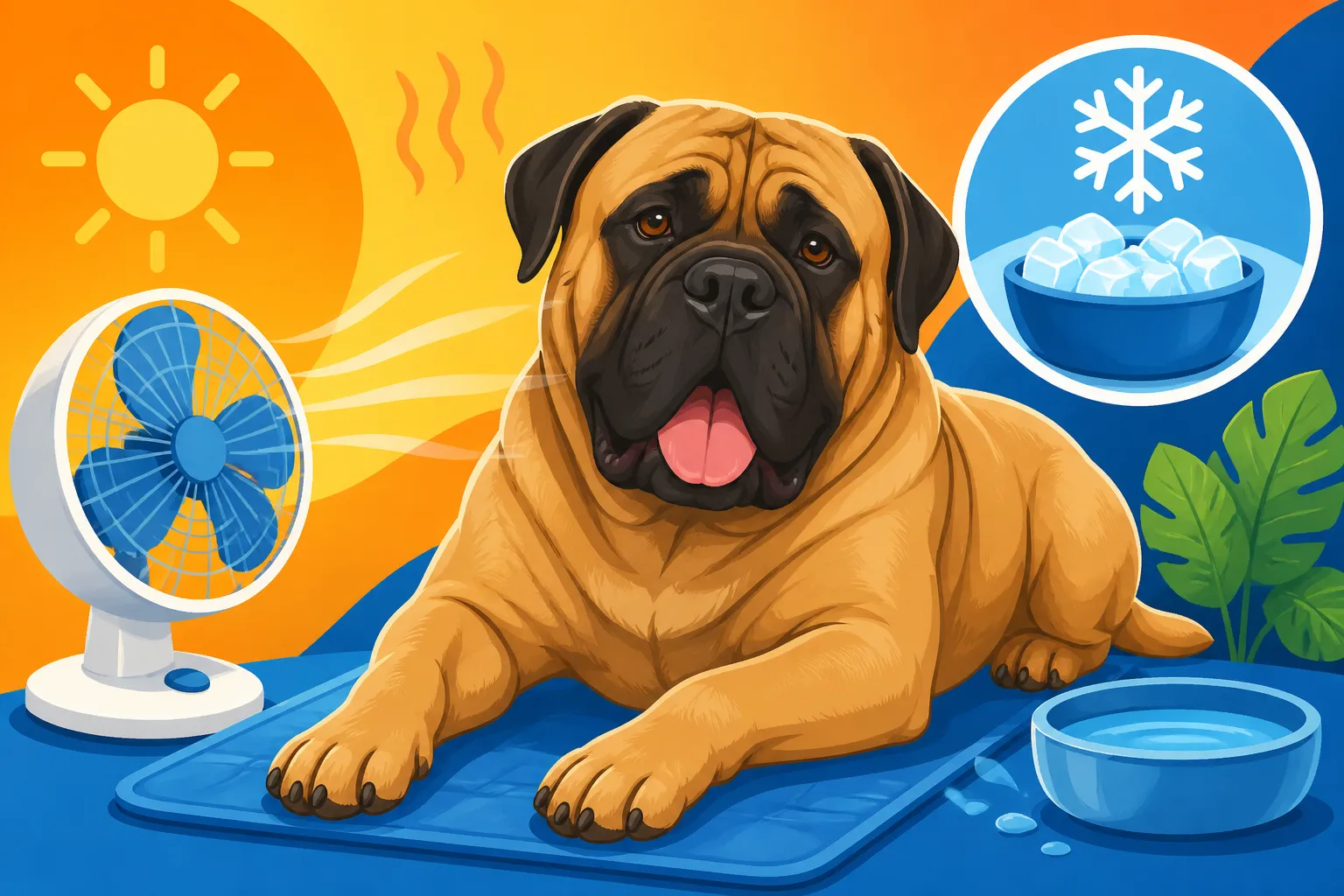
After wetting them, direct a fan onto their body. Evaporation is a powerful cooling mechanism, and the fan will help draw heat away as the water evaporates from their fur and skin. If you're indoors, position them directly in front of an air conditioning vent or a strong fan. Outdoors, look for a breezy spot or create one with a portable fan. Remember, the goal is not to chill them, but to bring their core temperature down gradually and safely. Continuously monitor their breathing and demeanor as you apply these cooling techniques. This is truly the core of What to Do When a Bullmastiff Overheats.
Offering Small Sips of Water
Dehydration often accompanies overheating, but it's important to offer water carefully. Do not force your Bullmastiff to drink large quantities of water all at once, especially if they are panting heavily or seem disoriented. Gulping too much water too quickly can lead to aspiration or even the serious condition of bloat, which Bullmastiffs are already prone to. Instead, offer small, frequent sips of cool (not ice-cold) water.
You can also offer ice chips or frozen chicken broth pops, which can be enticing and provide hydration in a more controlled manner. If your Bullmastiff is refusing water or seems too weak to drink, don't panic, but continue with the other cooling methods and prepare to seek veterinary help. Hydration is vital for all bodily functions, including temperature regulation, so getting some fluids into them is important once they've started to stabilize a little.
Practical Tools and Methods for Active Cooling
Beyond the immediate crisis, there are many tools and techniques that can help you proactively manage your Bullmastiff's temperature, especially during warmer months. These can be lifesavers in preventing an emergency from even starting.
Cooling Vests and Mats
There's a fantastic array of products designed specifically for keeping dogs cool, and many Bullmastiff owners swear by them. Cooling vests, which often work by holding moisture that evaporates to cool the dog, can be incredibly effective. They cover a large portion of the dog's torso, mimicking the natural evaporative cooling process. Brands like Ruffwear offer vests that are well-regarded for their design and effectiveness, and you can often find a good selection on Amazon or Chewy. Just make sure to get the right size for your big guy or girl!
Cooling mats are another excellent option, especially for use indoors or in a crate. These mats typically contain a gel that activates when pressure is applied, providing a cool surface for your dog to lie on. They don't require refrigeration or electricity, making them convenient. Placing one of these in your Bullmastiff's favorite napping spot can make a huge difference in their comfort level throughout the day. I’ve personally seen these Whether a Cooling Mat Helps a Bullmastiff for my own dogs, and they make a noticeable difference in how relaxed they are on a warm afternoon.
Using Fans and Air Conditioning
Never underestimate the power of simple air circulation. A strong fan can do wonders, especially if your Bullmastiff has just been wet down. The airflow significantly increases the rate of evaporative cooling. Position a box fan or even a large industrial fan where your Bullmastiff likes to relax. For dogs that spend time outdoors in a shaded kennel, an outdoor-rated fan can provide a vital breeze.
However, for true comfort and safety during hot weather, air conditioning is often indispensable for a Bullmastiff. If you live in an area prone to high heat and humidity, having reliable AC is not a luxury, it's a necessity for this breed. Many of us find that Whether a Bullmastiff Needs Air Conditioning isn't a question, but a fundamental requirement for their well-being. Keeping your home's thermostat set to a comfortable, cool temperature, even when you're not home, can prevent your Bullmastiff from ever reaching dangerous heat levels.
The Role of Paws and Ear Flaps
While a Bullmastiff's large body mass retains heat, there are specific areas of their body that are crucial for heat dissipation. Their paw pads, for instance, contain sweat glands and are an important area for exchanging heat. Lightly wetting their paw pads with cool water can help them cool down. Similarly, the thin skin on their ear flaps contains a network of blood vessels. Gently wiping their ears with a cool, damp cloth can offer some relief.
These areas act like small radiators. When their core temperature rises, blood flow is directed to these peripheral areas to try and shed excess heat. By focusing cooling efforts on these "radiator" zones, you can help their body more efficiently lower its overall temperature. Think of it as opening the vents to let the hot air out; these small actions can contribute to a larger cooling effect for their massive bodies.
Preventive Measures to Keep Your Bullmastiff Cool
An ounce of prevention is worth a pound of cure, especially when it comes to Bullmastiff heatstroke. Proactive measures are the best way to ensure your dog stays safe and comfortable during hot spells. These are habits we adopt as Bullmastiff owners, making them part of our daily routine.
Adjusting Exercise Schedules
During warm weather, you absolutely must adjust your Bullmastiff's exercise routine. Gone are the midday walks and runs. Instead, opt for early morning strolls before the sun has fully heated the pavement, or late evening excursions once the heat has subsided. Remember, asphalt and concrete can get incredibly hot, burning paw pads and radiating heat back up into your dog's body. A good rule of thumb is to place the back of your hand on the pavement for seven seconds; if it's too hot for you, it's too hot for their paws. Whether a Bullmastiff Should Be Walked in Summer is a resounding "yes, but carefully."
Keep walks short and focused on shade. Avoid vigorous play or intense training sessions during the heat of the day. Even a seemingly cool morning can become dangerous quickly if your Bullmastiff is exerting themselves. If you normally enjoy dog parks or long hikes, substitute them with mental enrichment indoors or short, calm potty breaks outside. Their health and safety always come first.
Providing Ample Shade and Water
If your Bullmastiff spends any time outdoors, whether in a yard or on a patio, access to abundant shade is non-negotiable. Natural shade from trees is ideal, but a sturdy, well-ventilated canopy or shade cloth is also excellent. The shade should be large enough to completely cover them, regardless of the sun's position throughout the day. Never leave them tied out or in an unshaded run during hot weather.
Alongside shade, constant access to fresh, cool water is paramount. Have multiple water bowls available, both indoors and out. Consider adding ice cubes to their water bowls to keep the water cooler for longer. A heavy ceramic bowl can also help keep water temperatures down. For those who travel, a portable water bottle with an attached bowl is a must-have. Hydration isn't just about quenching thirst; it's a vital component of their internal cooling system. Keeping them hydrated is just as important as knowing What Temperature a Bullmastiff Is Comfortable At and ensuring they stay within that range.
Diet and Hydration Strategies
Beyond simply providing water, there are dietary considerations that can help with hydration. Wet dog food or adding water/broth to kibble can increase their overall fluid intake. Some owners even make frozen treats, like Kongs stuffed with wet food and frozen, or simple ice cubes with a bit of peanut butter (xylitol-free, of course) for a refreshing snack. These treats are not only mentally stimulating but also contribute to their hydration.
Consider the timing of their meals as well. Feeding during the coolest parts of the day can prevent their body from generating additional metabolic heat during peak temperatures. Heavy meals require more energy to digest, which means more internal heat generation. While Feeding a Hundred and Thirty Pound Bullmastiff requires a significant amount of food, breaking meals into smaller, more frequent portions might also be beneficial during the hottest days. Always consult your vet for specific dietary advice tailored to your dog's needs and health.
When to Seek Veterinary Attention for Heatstroke
Despite all our best efforts, sometimes a Bullmastiff can still succumb to heatstroke. It's a medical emergency, and knowing when to rush to the vet is critical for their survival. Do not delay if you see severe symptoms; every minute counts.
Recognizing Critical Symptoms
While initial signs like excessive panting and lethargy demand immediate home cooling, certain symptoms signal a severe medical emergency. These include:
- Persistent Vomiting or Diarrhea: Especially if it contains blood.
- Staggering, Disorientation, or Collapse: Your Bullmastiff might look drunk, unable to stand, or simply fall over.
- Seizures: Uncontrolled muscle spasms.
- Bright Red or Pale Gums: An unusual color indicates a circulatory problem.
- Thick, Ropy Saliva: This indicates severe dehydration.
- Unresponsiveness or Loss of Consciousness: This is a dire sign.
If you observe any of these severe signs, contact your emergency veterinarian immediately. Call ahead if possible, so they can prepare for your arrival. While en route, continue active cooling measures like wetting your dog and using AC in the car. Knowing these advanced Signs a Bullmastiff Has Heatstroke can literally be the difference between life and death.
What to Expect at the Vet
When you arrive at the emergency clinic, the veterinary team will immediately assess your Bullmastiff's core body temperature, typically rectally. They will continue aggressive cooling measures, often using intravenous fluids to combat dehydration and support organ function. They might also use cool water enemas or even administer cool oxygen. Blood tests will likely be run to check for organ damage, especially to the kidneys, liver, and clotting factors, as heatstroke can cause widespread internal injury.
Recovery from severe heatstroke can be complex and may require hospitalization for several days, even if their temperature comes down quickly. They'll monitor for secondary complications like kidney failure, neurological issues, and disseminated intravascular coagulation (DIC), a severe bleeding disorder. The costs associated with such intensive care can be substantial, which is why topics like What Insurance Covers on a Bullmastiff are so important for owners of this breed. While it's a terrifying experience, swift and professional veterinary care gives your Bullmastiff the best chance for a full recovery.
Here's a quick comparison of common cooling methods:
| Method | Description | Best Use Case | Pros | Cons |
|---|---|---|---|---|
| Cool Water Application | Wetting coat, paw pads, armpits, groin with cool water. | Immediate relief for overheating; emergency cooling. | Fast-acting; easily accessible; highly effective. | Can cause shivering if water is too cold; messy; temporary. |
| Fans/Air Conditioning | Circulating air over the dog's body. | Indoor comfort; aids evaporative cooling. | Constant cooling; comfortable; no direct contact needed. | Requires electricity; less effective in high humidity without AC. |
| Cooling Vests | Garments that use evaporative cooling from absorbed water. | Outdoor activity; walks; light exertion. | Hands-free; sustained cooling; portable. | Can be bulky; needs re-wetting; not for extreme heat. |
| Cooling Mats | Gel-filled mats that absorb heat when laid upon. | Indoor resting; crates; travel. | Requires no power; self-cooling; comfortable. | Only cools areas in contact; less effective if dog moves off mat. |
| Frozen Treats/Ice | Ice cubes, frozen broth, stuffed Kongs. | Hydration; mental enrichment; mild internal cooling. | Enticing for dogs; simple to make. | Limited cooling effect; can cause tummy upset if consumed too fast. |
This article is for general informational purposes only and does not constitute professional advice. Laws, prices and regulations vary by location and change over time. Consult a qualified professional for guidance on your specific situation.