Whether a Cooling Mat Helps a Bullmastiff
One of the constant worries for Bullmastiff owners, especially as the temperatures climb, is keeping their big, wonderful companions cool and comfortable. These magnificent dogs are notoriously susceptible to overheating, and finding effective ways to mitigate that risk is always a priority. This guide will delve deep into whether cooling mats genuinely help a Bullmastiff, examining their effectiveness, different types available, and how to best integrate them into your dog's heat management strategy.
The Bullmastiff's Unique Struggle with Heat
It’s no secret that Bullmastiffs don't handle warm weather well. They weren't bred for it, and their physical characteristics make them particularly vulnerable when the mercury rises. Understanding why they struggle so much is the first step in providing effective cooling solutions.
Why a Bullmastiff Overheats So Easily
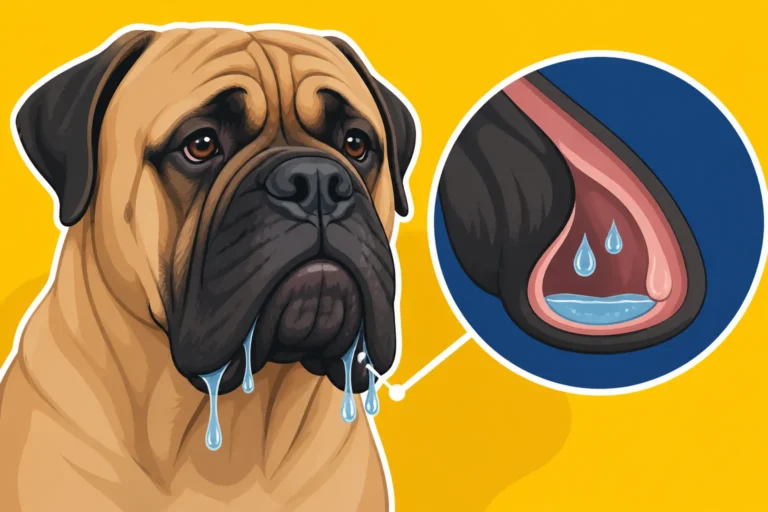
Our Bullmastiffs are incredible, loyal dogs, but they face a significant physiological disadvantage when it comes to heat regulation. Their short, dense coats, combined with their sheer body mass, mean they retain heat easily. Imagine wearing a heavy fur coat in the middle of summer – that's a bit like what they experience. Beyond that, their brachycephalic, or short-nosed, structure is a major factor. Unlike dogs with longer snouts, Bullmastiffs can’t pant as efficiently to cool themselves down. Panting is a dog’s primary method of evaporative cooling, and a squished airway makes this process much harder. This means even a relatively mild increase in ambient temperature can quickly become dangerous for them, turning a pleasant afternoon into a potential emergency. Owners often ask What Temperature Is Dangerous for a Bullmastiff because the threshold is lower than many realize.
Breathing Difficulties and Heat Exchange
The unique skull structure that gives the Bullmastiff their distinct look also creates challenges for breathing, especially in heat. Their elongated soft palates and sometimes narrow nostrils make it harder for air to flow freely. When they pant, their bodies are trying to move a large volume of air over moist surfaces to evaporate water and shed heat. If this airflow is restricted, the cooling process becomes incredibly inefficient. They work harder to breathe, which in turn generates more body heat, creating a dangerous cycle. This is why you'll often see a Bullmastiff struggling, even when other breeds seem perfectly fine. It's not just about comfort; it’s about their ability to perform a vital physiological function.
Dense Coat and Large Body Mass
Think about the sheer volume of our Bullmastiffs. A hundred-plus-pound dog has a lot of mass, and that mass, combined with a relatively short, dense coat, acts like a thermal blanket. This coat, while protective in cooler weather, traps heat close to their body in warmer conditions. They don't have the luxury of shedding a thin undercoat that many other breeds do, and their skin isn't designed for extensive sweating like humans. This means that once their body temperature starts to climb, it takes a significant effort and time to bring it back down. This is why proactive measures, like using a cooling mat, are so important before they even start to show Signs a Bullmastiff Has Heatstroke.
How Cooling Mats Offer Relief to Your Bullmastiff
Given their challenges with heat, it’s only natural for owners to seek out every possible tool to help their Bullmastiff stay cool. Cooling mats have become a popular option, and for good reason. They offer a direct, passive way to help manage body temperature.
Different Types of Cooling Mats Available
Not all cooling mats are created equal, and understanding the differences can help you pick the best one for your giant companion.
- Gel-Filled Mats: These are perhaps the most common type. They contain a non-toxic gel that, when pressure is applied (i.e., your Bullmastiff lies on it), activates a cooling effect. They don't require refrigeration or electricity, making them very convenient. The gel absorbs and dissipates body heat, offering a cool surface. Brands like The Green Pet Shop or K&H Pet Products often offer popular gel mats that can be found easily on platforms like Amazon or Chewy.
- Water-Filled Mats: These mats are filled with water, which acts as a heat sink. Some require you to fill them with a hose, while others have a built-in reservoir. They can be very effective and often offer a deeper, longer-lasting coolness than gel mats. However, they can be heavier and potentially messier if punctured.
- Elevated Beds with Mesh or Cooling Fabric: While not strictly "mats," elevated beds (often made with a durable mesh fabric) promote airflow around your Bullmastiff's entire body. They don't actively cool with gel or water, but by lifting your dog off a hot floor and allowing air to circulate underneath, they prevent heat buildup. Sometimes these beds can be fitted with a cooling mat on top for double the relief.
- Phase Change Material (PCM) Mats: Less common but highly effective, these mats use materials that solidify and liquefy at certain temperatures, absorbing and releasing heat to maintain a consistent cool temperature. They often stay cool longer than gel mats.
When you're looking at options on Chewy or Amazon, you'll see a wide variety. Remember to consider the size and weight of your Bullmastiff when choosing, as a flimsy mat won't last long under their bulk.
Direct Heat Absorption and Dissipation
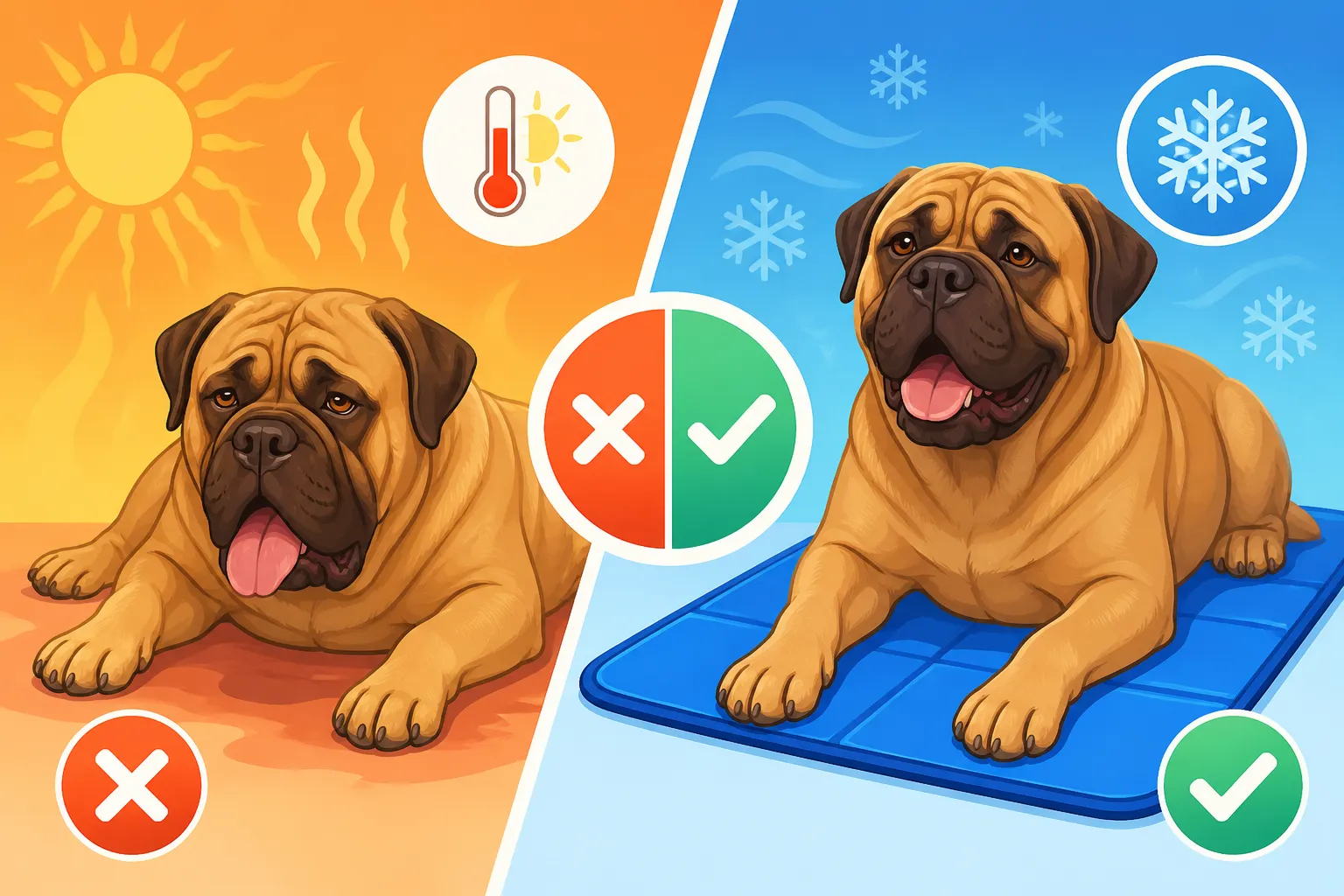
The core principle behind most cooling mats is simple: thermodynamics. Heat naturally flows from a warmer object to a cooler one. When your Bullmastiff, who is radiating body heat, lies on a cooling mat, the cooler surface of the mat absorbs that heat. For gel or water mats, this absorption gradually warms the mat, but the mat itself takes a while to reach your dog's body temperature. This provides a period of welcome relief. Elevated beds, on the other hand, don't absorb heat directly but rather prevent it from being trapped. By allowing air to circulate freely beneath your dog, they ensure that the heat your Bullmastiff is radiating has somewhere to go, rather than getting trapped between their body and a solid floor. This constant exchange helps keep their overall body temperature lower.
Preventing Heat Stress and Enhancing Comfort
The primary benefit of a cooling mat for a Bullmastiff is its ability to help prevent heat stress before it becomes a serious issue. Instead of waiting for your dog to show Signs a Bullmastiff Has Heatstroke, a cooling mat provides a proactive way for them to regulate their temperature. Imagine your Bullmastiff coming in from a short potty break on a warm day. Instead of crashing onto a carpet that will only absorb and radiate heat back, they can immediately seek out a cool spot. This helps them recover faster and prevents their core temperature from spiking too high. It contributes significantly to their overall comfort, allowing them to rest more deeply and peacefully during warmer periods. For a breed that already requires a lot of rest, ensuring that rest is comfortable and safe is paramount. What a Bullmastiff's Ideal Day Looks Like certainly includes plenty of cool lounging!
Limitations and Important Considerations
While cooling mats are a fantastic addition to a Bullmastiff owner's toolkit, they aren't a standalone solution. It’s crucial to understand their limitations and incorporate them wisely into a broader heat management strategy.
Not a Substitute for Primary Cooling Measures
A cooling mat is a supportive tool, not a replacement for essential cooling practices. Think of it as an extra layer of defense, not the main shield. You still absolutely need to ensure your Bullmastiff has access to plenty of fresh, cool water at all times. They need ample shade when outdoors, and ideally, access to air conditioning indoors, especially when the temperature hits The Temperature at Which a Bullmastiff Struggles. Never leave your Bullmastiff in a car, even for a few minutes, even with a cooling mat. The interior of a car heats up incredibly fast, rendering any mat useless. Cooling mats are best used in conjunction with other methods to How to Cool a Bullmastiff Down and not as a singular answer to a hot day. Whether a Bullmastiff Needs Air Conditioning is often a question with a clear "yes" for most owners.
Durability, Safety, and Potential Hazards
Our Bullmastiffs are big, strong, and sometimes have a mischievous side. This means that durability and safety are major considerations when choosing a cooling mat.
- Chewing Risk: Puppies and even adult Bullmastiffs can be curious chewers. A gel or water-filled mat, if punctured, can create a mess and potentially expose your dog to the internal contents. While most manufacturers claim their gel is non-toxic, it's always better to avoid ingestion. Look for mats made from robust, bite-resistant materials, or supervise your dog closely.
- Leaking: Water-filled mats, especially, can leak if not properly sealed or if damaged. This can create slippery floors and potential water damage.
- Over-cooling: While rare, some dogs might get too cold if they lie on an intensely cold mat for an extended period, especially if they are elderly or have underlying health conditions. Most passive cooling mats don't get cold enough to cause this, but it's something to be aware of.
- Heat Retention of the Mat Itself: After a while, the mat will absorb enough body heat from your Bullmastiff that its cooling effect diminishes. It needs time to "recharge" by simply being exposed to cooler ambient air. This means it won't provide continuous, indefinite cooling.
Always inspect the mat regularly for any signs of wear, tears, or damage, especially if your Bullmastiff is known to chew or dig.
Dog's Preference and Training Considerations
Just like humans, dogs have preferences. Some Bullmastiffs will immediately take to a cooling mat, while others might view it with suspicion or ignore it entirely.
- Initial Hesitation: Don't be surprised if your Bullmastiff sniffs it, steps on it briefly, and then walks away. Introduce it in a positive way, perhaps by placing a favorite toy or treat on it.
- Comfort vs. Curiosity: Some dogs might try to "dig" at it or chew it out of curiosity. If this happens, you might need to try a different type of mat or supervise them more closely.
- Finding the "Sweet Spot": The mat might need to be placed in a favored resting spot to encourage use. If it's in a noisy, high-traffic area, they might avoid it.
Ultimately, if your Bullmastiff simply doesn't like the cooling mat, it's not going to be effective. There's no point in forcing them to use something they dislike, especially if it causes stress. Keep an eye on their cues.
Choosing and Using the Right Cooling Mat for Your Bullmastiff
Selecting the best cooling mat for your Bullmastiff involves more than just picking the first one you see. Careful consideration of size, material, and how you integrate it into their daily routine will make all the difference.
Material, Size, and Durability Considerations
When you're dealing with a majestic, large breed like a Bullmastiff, "one size fits all" simply doesn't apply.
- Size: Your Bullmastiff needs to be able to stretch out comfortably on the mat without any part of their body hanging off. A mat that's too small defeats the purpose. Look for extra-large or giant sizes. Measure your dog when they are lying down to get an accurate idea.
- Material:
- Outer Fabric: Seek out durable, puncture-resistant materials. Nylon, sturdy polyester, or reinforced vinyl are good choices. Avoid thin, flimsy fabrics that can easily tear.
- Inner Contents: For gel mats, ensure the gel is non-toxic. For water mats, check the quality of the seals and valves.
- Non-Slip Bottom: A mat that slides around on hardwood or tile floors can be frustrating for a large dog trying to settle, and it could even be a tripping hazard. A non-slip backing is a huge plus.
- Portability/Storage: Consider if you'll need to move it frequently or store it seasonally. Some mats fold or roll up easily, while others are quite rigid.
You can often find good quality, large cooling mats on sites like Amazon or Chewy, which cater to a wide range of pet products. Reading reviews from other large breed owners can give you valuable insights into real-world durability.
Placement and Pairing with Other Cooling Tools
Strategic placement and combining a cooling mat with other methods will maximize its benefits.
- Favorite Resting Spots: Place the cooling mat in areas where your Bullmastiff naturally gravitates to for naps. This might be under a window (if shaded), in a quiet corner, or near their bed.
- Coolest Parts of the House: Position the mat in the coolest parts of your home, away from direct sunlight and heat sources. Hard-surfaced floors (like tile or concrete) are often cooler, and placing the mat there will help it stay cooler longer.
- Combined with Elevated Beds: For ultimate comfort and cooling, place a gel or water-filled mat directly on an elevated mesh bed. This provides both passive cooling and crucial airflow around their entire body.
- Near Water Bowls: Encouraging them to lie near their water source can also prompt them to hydrate more frequently, another key component of heat management.
- During Recovery: If your Bullmastiff has been out for a short walk or playtime (always be careful about When It Is Too Hot to Walk a Bullmastiff), guide them to the mat immediately upon returning indoors to help them cool down efficiently.
A cooling mat should be part of a comprehensive strategy that includes constant fresh water, shade, Whether a Bullmastiff Needs Air Conditioning indoors, and careful monitoring of outdoor activity. Consider combining it with other items like a chilled bandanna or a kiddie pool if your dog enjoys water.
Monitoring Your Bullmastiff's Comfort and Safety
Even with all the right tools, vigilant monitoring of your Bullmastiff is essential, especially on warm days. They are stoic dogs and can often hide discomfort until a situation becomes critical.
- Observe Their Behavior: Watch for signs that they are seeking out cool spots, panting excessively, or seem restless. If they are actively choosing to lie on the cooling mat, it's a good sign it's working for them.
- Check the Mat's Temperature: Periodically feel the mat. If it feels warm to the touch, it has likely absorbed a lot of heat and might need some time to "recharge" in a cooler spot or away from your dog.
- Physical Checks: Gently feel your Bullmastiff's ears and armpits. If they feel excessively warm, the mat alone might not be sufficient, and more active cooling measures might be needed.
- Hydration: Ensure they are drinking enough water. A dehydrated dog is much more susceptible to heatstroke.
- Adjust as Needed: If you notice your Bullmastiff avoiding the mat, or if they still seem overheated, don't hesitate to adjust your cooling strategy. Maybe the mat isn't cool enough, or perhaps they need to move to an even cooler room. Remember, a healthy, lean Bullmastiff, for whom Keeping a Bullmastiff Lean Is the Best Thing You Can Do for their overall health, will naturally tolerate heat better than an overweight one, but no Bullmastiff is impervious to heat.
In conclusion, a cooling mat can indeed be a very helpful tool for your Bullmastiff, providing a comfortable, cool surface for them to rest and helping to mitigate the risks associated with their poor heat tolerance. However, it's crucial to select a high-quality, appropriately sized mat and use it as part of a multi-faceted approach to keep your beloved Bullmastiff safe and happy during warmer weather.
| Cooling Mat Type | Pros | Cons | Ideal Use |
|---|---|---|---|
| Gel-Filled Mat | No electricity/refrigeration; portable | May warm up after prolonged use; puncture risk | Indoor resting; travel; quick relief after exercise |
| Water-Filled Mat | Deeper, longer-lasting coolness | Heavier; potential for leaks; less portable | Dedicated indoor spot; outdoor shaded areas |
| Elevated Mesh Bed | Excellent airflow; durable; no active cooling | Doesn't actively cool; can be bulky | Year-round comfort; combined with active cooling mats |
| Phase Change Mat | Consistent, long-lasting cool | More expensive; less common to find | Premium indoor comfort; critical cooling situations |
Disclaimer
This article is for general informational purposes only and does not constitute professional advice. Laws, prices and regulations vary by location and change over time. Consult a qualified professional for guidance on your specific situation.