Whether a Bullmastiff Should Be Left Outside in Summer
It's heartbreakingly common for Bullmastiff owners, especially new ones, to underestimate just how vulnerable these magnificent dogs are to warm weather. You might see other dogs happily lounging in the backyard, or even working outdoors in the summer, and naturally assume your big, robust Bullmastiff can do the same. But the harsh truth is, leaving a Bullmastiff outside in the summer, even for short periods, is incredibly risky and can quickly become a life-threatening situation. This guide is here to explain exactly why this breed struggles so much with heat and what you absolutely need to do to keep them safe when temperatures rise.
The Unique Vulnerability of Bullmastiffs to Heat
Bullmastiffs, with their impressive size and distinctive physical characteristics, are simply not built to handle heat like many other dog breeds. Their physiology makes them highly susceptible to overheating, turning a pleasant summer day into a dangerous threat if proper precautions aren't taken. Understanding these inherent vulnerabilities is the first step toward safeguarding your gentle giant.
Brachycephalic Challenges and Respiration
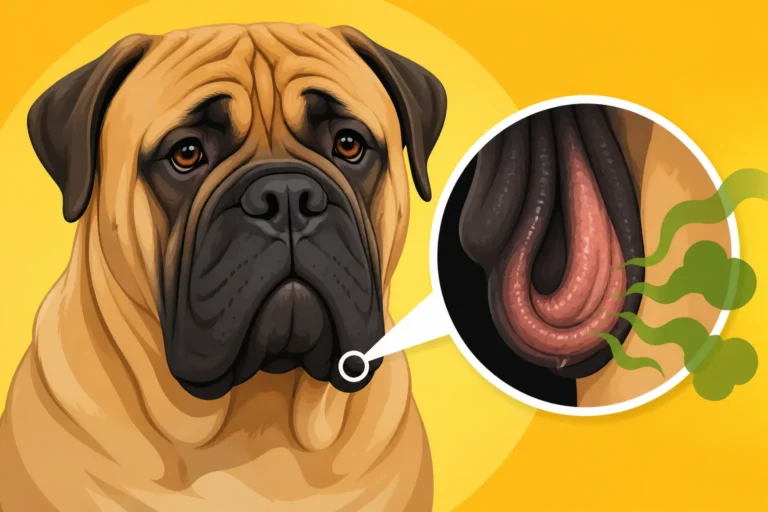
One of the most significant factors contributing to a Bullmastiff's heat intolerance is their brachycephalic (short-nosed) facial structure. While not as extreme as a Bulldog or Pug, their shorter muzzle means they have a less efficient respiratory system compared to long-nosed breeds. Dogs primarily cool themselves by panting, which allows moisture to evaporate from their tongue and upper respiratory tract, carrying heat away from the body.
However, for a Bullmastiff, that shorter airway means there's less surface area for this evaporative cooling to occur. The nasal passages are often narrower, and the soft palate can be elongated, causing increased resistance to airflow. This makes their panting less effective at shedding heat. Imagine trying to breathe through a straw during a workout; that's somewhat analogous to the struggle a Bullmastiff faces in warm weather. They have to work much harder to move air, which paradoxically generates more body heat, creating a vicious cycle. You might notice your Bullmastiff breathing heavily and loudly even when the temperature seems only moderately warm. This labored breathing is a clear sign their body is already struggling. Why a Bullmastiff's Short Muzzle Cannot Cool It goes into even more detail about this specific challenge.
Body Mass and Metabolic Heat
Beyond their facial structure, a Bullmastiff's sheer size and muscle mass are also major contributors to their heat sensitivity. These are big, powerful dogs, often weighing well over 100 pounds. All that body mass, particularly muscle, generates a significant amount of metabolic heat, even when they're at rest. Think about how much warmer you feel next to a large person compared to a small child – it's a similar principle with dogs.
This internal heat production means their body has a higher baseline temperature to manage before external factors even come into play. When the ambient temperature rises, their body already has a greater thermal load to dissipate. Their dense musculature also acts as an insulator, making it harder for heat to escape through their skin. Unlike a leaner, smaller dog that can radiate heat more easily, a Bullmastiff's substantial frame retains heat, making them slow to cool down once they start to warm up. This is a critical point: once a Bullmastiff begins to overheat, reversing the process can be incredibly difficult and rapid, often requiring immediate veterinary intervention.
The Dangers of High Humidity
Humidity is often an overlooked villain in the summer heat equation, but for a Bullmastiff, it can be just as dangerous, if not more so, than high temperatures alone. As mentioned, dogs cool themselves through evaporative cooling when they pant. When the air is saturated with moisture (high humidity), the water vapor from their breath has nowhere to go. The air around them is already full of water, so evaporation slows down dramatically or even stops.
This means their primary cooling mechanism becomes largely ineffective. A day that's 80 degrees Fahrenheit with 90% humidity can feel, and be, far more dangerous for a Bullmastiff than a dry 90-degree day. The body struggles to release heat, leading to a rapid and dangerous rise in core body temperature. It's a bit like trying to dry clothes in a damp basement – it just doesn't work efficiently. Even if the sun isn't directly beating down, high humidity can trap heat within their massive bodies, leading to heatstroke symptoms with alarming speed. What Temperature Is Dangerous for a Bullmastiff highlights the specific temperature and humidity combinations that pose the most risk.
Immediate Risks of Leaving a Bullmastiff Outside in Summer
Given their unique vulnerabilities, leaving a Bullmastiff outdoors in summer exposes them to several immediate and severe health risks. These aren't minor discomforts; they are potentially fatal conditions that can develop with frightening speed.
Rapid Onset of Heatstroke
Heatstroke is not just "getting hot"; it's a medical emergency where a dog's core body temperature rises to dangerous levels, causing systemic organ damage. For Bullmastiffs, this can happen incredibly fast, often much quicker than owners anticipate. Even on what seems like a mild summer day, direct sunlight, insufficient shade, or strenuous activity can push their body temperature past the critical threshold. Because they struggle to cool themselves effectively due to their brachycephalic nature and large body mass, a Bullmastiff can go from looking a little warm to being in full-blown heatstroke in minutes.
The signs can be subtle at first: excessive panting, drooling, restlessness, and seeking shade. But they quickly escalate to more alarming symptoms like wobbly gait, vomiting, diarrhea (sometimes bloody), bright red gums, stupor, and ultimately, collapse and seizures. Once these severe symptoms appear, time is absolutely of the essence. Brain damage, kidney failure, and other catastrophic organ damage can occur swiftly. It's a terrifying experience for any owner, and sadly, many Bullmastiffs do not survive severe heatstroke, even with aggressive veterinary care. Signs a Bullmastiff Has Heatstroke provides a comprehensive list of symptoms to watch for. If you ever suspect heatstroke, immediate action is crucial, and What to Do When a Bullmastiff Overheats provides vital first steps.
Sunburn and Skin Issues
While their short coat might seem like it offers some protection, Bullmastiffs, especially those with lighter fawn or red coats, are susceptible to sunburn. Areas with thinner hair, such as their nose, ear tips, and belly, can burn quickly. Just like in humans, sunburn in dogs is painful and increases the risk of skin cancer over time. This isn't just about cosmetic damage; it's a genuine health concern that can lead to blistering, peeling, and secondary infections.
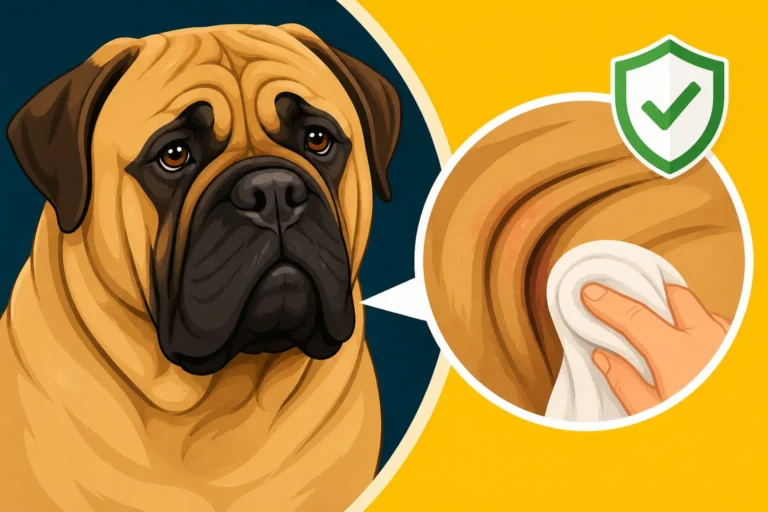
Beyond sunburn, their deep facial wrinkles and skin folds can become hot and moist in summer, creating a perfect breeding ground for bacterial and yeast infections. These "hot spots" can develop rapidly, becoming intensely itchy, painful, and inflamed. What starts as a small patch of redness can quickly spread, requiring veterinary intervention to clear up. Regular cleaning of these folds is important year-round, but even more so in summer, to prevent moisture and heat from accumulating. Neglecting these areas when your Bullmastiff is consistently exposed to outdoor summer conditions can lead to chronic skin problems.
Dehydration and Exhaustion
Leaving a Bullmastiff outside in the summer, even if they have access to water, puts them at high risk for dehydration and exhaustion. They require a substantial amount of water daily, and even more when it's hot. A bowl of water sitting out in the sun will quickly become warm or even hot, and a Bullmastiff might not drink enough of it if it's not refreshing. Water can also evaporate quickly or be spilled, leaving them without a vital resource.
Dehydration can lead to lethargy, loss of appetite, and kidney problems. Exhaustion, especially when combined with heat, can rapidly progress to heatstroke. A Bullmastiff left outside might exert themselves trying to find a cooler spot, chasing a squirrel, or simply pacing anxiously, further raising their internal temperature. They don't always know their limits, or rather, their instincts to guard or play can override their body's need to rest and cool down. Without constant, monitored access to cool, fresh water and a truly cool environment, they can quickly deplete their fluid reserves and become dangerously exhausted. This is why supervision is paramount, as is ensuring their water supply is always cold and readily available, perhaps even with ice cubes. You can find excellent, large capacity water bowls on sites like Chewy or Amazon.
Creating a Safe Summer Environment for Your Bullmastiff
Given the serious risks, the absolute best approach for Bullmastiff owners during the summer months is proactive prevention. It means understanding that their comfort and safety must be prioritized, often meaning adjustments to your daily routine and providing a dedicated, cool sanctuary.
Indoor Sanctuary and Air Conditioning
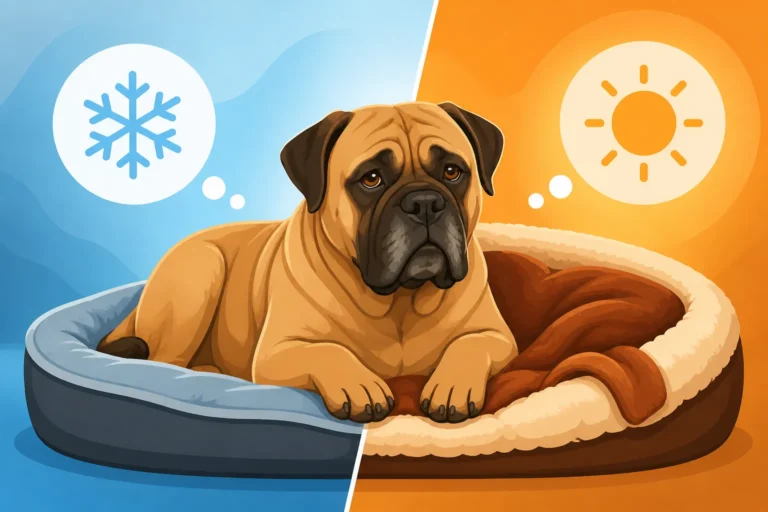
Let's be blunt: if you own a Bullmastiff, air conditioning is not a luxury; it's a necessity during summer. Your home should be their primary refuge from the heat. On warm days, even if you find it comfortable, your Bullmastiff needs to be indoors, in an air-conditioned space. Ceiling fans, while helpful for airflow, are not enough to cool a Bullmastiff whose internal temperature is rising. Their heavy coats and inefficient panting mean they need actively cooled air to properly regulate their body temperature.
Think of it this way: your Bullmastiff is wearing a permanent, thick fur coat. You wouldn't leave a person in a heavy winter coat outside in the summer sun, so why would you do it to your dog? Designate a cool room or area in your home where your Bullmastiff can relax, preferably on a tile floor or a cooling mat. Ensure they have constant access to cool, fresh water. If you're going to be out of the house, keep the air conditioning running at a comfortable temperature for them. Trust me, the electricity bill is a small price to pay compared to an emergency vet visit for heatstroke. Whether a Bullmastiff Needs Air Conditioning delves deeper into why this is non-negotiable.
Supervised Outdoor Time and Cooling Aids
While their main living space should be indoors, controlled and supervised outdoor time is still possible, but it requires careful planning and a lot of vigilance. Avoid the hottest parts of the day entirely. Early morning or late evening walks are the only safe options when temperatures are lower and the sun's intensity has waned. Even then, keep walks short and focused on potty breaks, not strenuous exercise. When It Is Too Hot to Walk a Bullmastiff offers guidance on safe walking times.
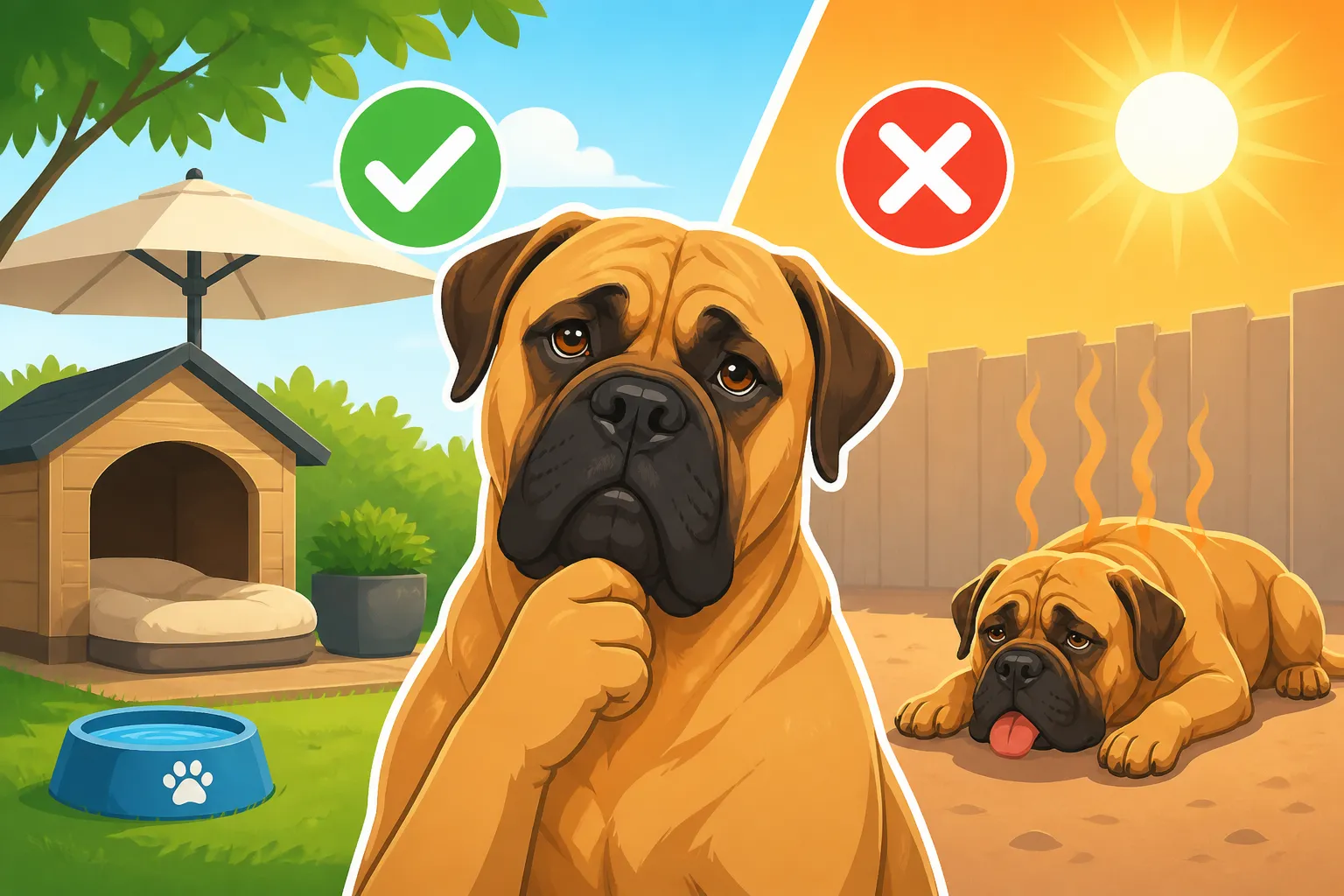
When they are outside, even for a quick trip to the yard, always ensure there is ample shade. A sturdy shade cloth, a large umbrella, or natural tree cover can help, but it's rarely enough on its own. Provide multiple bowls of cool water. Consider filling a kiddie pool with a few inches of water for them to wade in – many Bullmastiffs enjoy this, and it helps cool their paws and belly. Cooling vests or bandanas, which you can find readily on platforms like Amazon or Chewy, can also provide temporary relief by facilitating evaporative cooling from their fur. Just make sure they are properly sized for your large Bullmastiff. Remember, never leave them unattended outside in the summer, even in the shade. They can overheat quickly without you even realizing it. Whether a Cooling Mat Helps a Bullmastiff discusses another valuable aid.
Essential Hydration Strategies
Keeping your Bullmastiff well-hydrated is critical during warmer months. It goes beyond just having a water bowl out. You need to actively encourage and ensure they are consuming enough fluids.
- Multiple Water Stations: Place several large water bowls around your home and yard. The more accessible water is, the more likely they are to drink.
- Cool Water Always: Regularly refresh their water bowls with fresh, cool water. Add ice cubes to keep it chilled. Some Bullmastiffs enjoy crunching on ice cubes as a treat!
- Wet Food: Consider incorporating wet food into their diet or adding water to their dry kibble. Many premium dog food brands, like Ollie, offer fresh, high-moisture options that can contribute significantly to their daily fluid intake.
- Water on Walks: Always carry water with you on walks, even short ones. Collapsible bowls are excellent for this purpose.
- Frozen Treats: Homemade frozen treats made from diluted, low-sodium broth or plain yogurt can be a refreshing and hydrating snack.
Summer Safety Checklist for Bullmastiffs
To make sure you've covered all your bases, here's a quick checklist for Bullmastiff summer safety:
| Safety Measure | Description | Frequency | Urgency |
|---|---|---|---|
| Indoor Access | Always allow access to a cool, air-conditioned indoor space. | Constant | Critical |
| Air Conditioning | Keep AC running at a comfortable temperature (e.g., 72-75°F). | Daily (Summer) | Critical |
| Shade Outdoors | Ensure ample, immediate shade if they are briefly outside. | Whenever outdoors | High |
| Cool Water Access | Provide multiple bowls of fresh, cool water (add ice). | Constant | Critical |
| Avoid Peak Heat | Only go outside for walks or potty breaks in early morning/late evening. | Daily | Critical |
| Supervision | Never leave your Bullmastiff unsupervised outdoors in warm weather. | Whenever outdoors | Critical |
| Cooling Aids | Use cooling mats, vests, or kiddie pools as needed for temporary relief. | As needed | Medium |
| Hydrating Treats/Food | Offer ice cubes, frozen treats, or add water to food. | Daily | High |
| Know Heatstroke Signs | Be familiar with symptoms of heatstroke and act quickly. | Always | Critical |
| Vet Contact Info Ready | Have your vet's number and emergency clinic details easily accessible. | Always | Critical |
It's a lot to consider, but the lifespan of these magnificent dogs is already tragically short, The Median Bullmastiff Lives Eight and a Half Years, so every measure we take to ensure their health and comfort is well worth the effort. By understanding their unique needs and taking these precautions, you can help your Bullmastiff enjoy the summer safely and comfortably, mostly from the comfort of your cool home.
Disclaimer
This article is for general informational purposes only and does not constitute professional advice. Laws, prices and regulations vary by location and change over time. Consult a qualified professional for guidance on your specific situation.