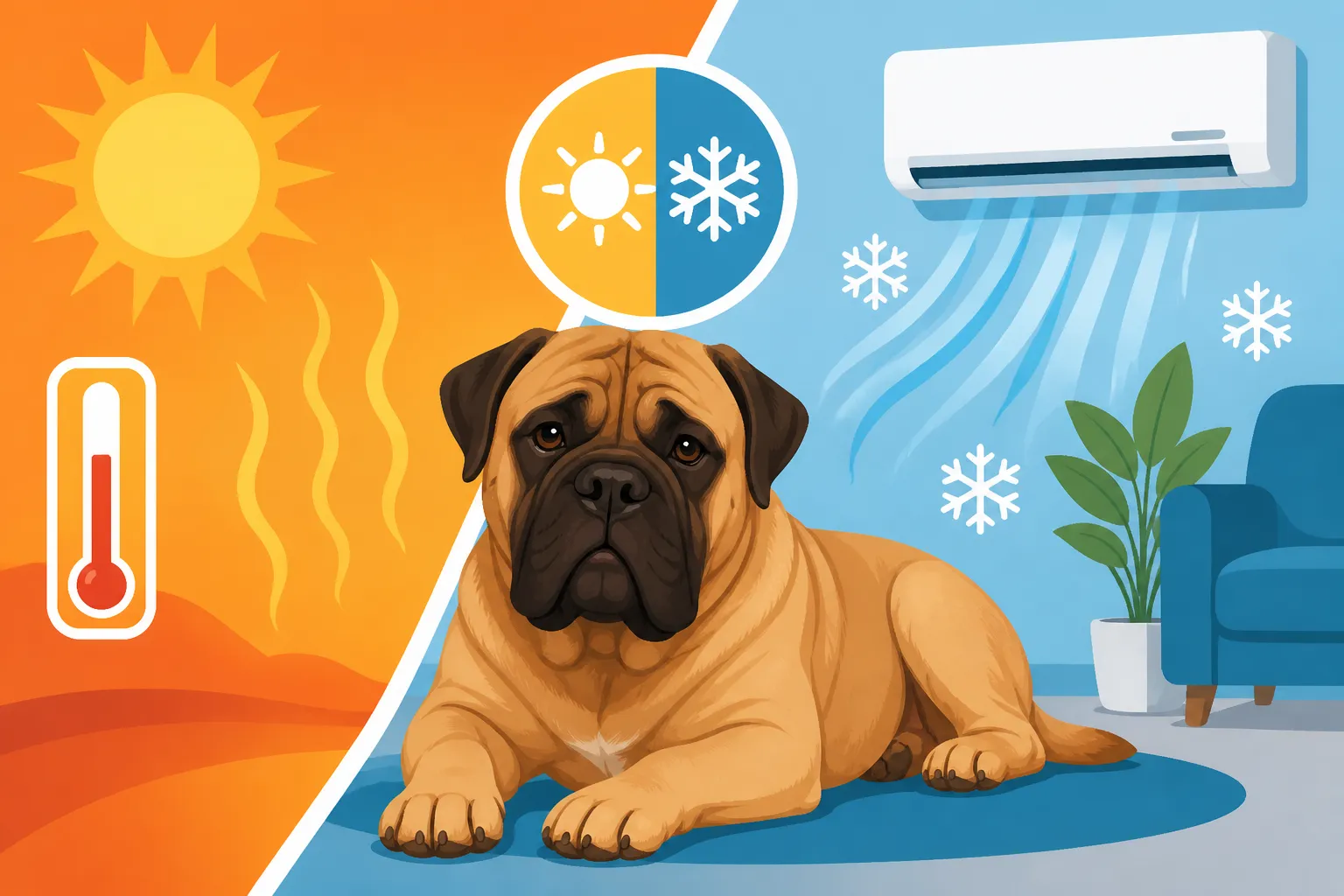
Whether a Bullmastiff Needs Air Conditioning
The scorching summer months can bring a unique kind of worry for Bullmastiff owners, as we know all too well how quickly these magnificent, heavy-coated companions can succumb to the heat. It’s not just about comfort; it's about their very health and safety. This guide will walk you through why Bullmastiffs are particularly sensitive to high temperatures, how to spot the dangerous signs of overheating, and explore whether air conditioning is truly a necessity for them, along with other crucial strategies to keep your beloved gentle giant cool and comfortable.
Understanding the Bullmastiff's Vulnerability to Heat
Bullmastiffs are undeniably impressive dogs, built with power and presence. But those very traits, combined with their physiology, make them highly susceptible to heat-related issues. It’s a reality every owner faces, and it can be downright terrifying to see your big dog struggling.
Why Their Anatomy Makes Them Heat-Prone
Think about a Bullmastiff's physical makeup. They are massive dogs, often weighing well over 100 pounds, with a dense, short coat that offers insulation. Unlike humans who sweat profusely across their skin, dogs primarily cool themselves by panting. However, a Bullmastiff's brachycephalic (short) muzzle, while not as extreme as a Bulldog's, still impacts their ability to efficiently exchange heat through respiration. Their airways are often less open, making that panting mechanism less effective than in a long-nosed breed. This reduced airflow means they have to work harder to cool down, which ironically generates more heat internally. It’s a vicious cycle that can quickly spiral out of control in warm weather. Many owners don't fully grasp Why a Bullmastiff's Short Muzzle Cannot Cool It as efficiently as other breeds.
Furthermore, their substantial body mass means there's a lot of tissue to warm up and cool down. A larger volume retains heat longer, and it takes more effort and time for that heat to dissipate. Imagine wearing a heavy winter coat on a mild day – that's a bit like what a Bullmastiff experiences even in temperatures that feel pleasant to us. Their musculature and thick skin contribute to this effect. It’s not just about the external temperature, but how their entire system processes and releases heat. This is why even a seemingly mild increase in ambient temperature can become a significant challenge for them.
The Role of Exercise and Humidity in Overheating
We all want our Bullmastiffs to be happy and healthy, which often includes regular exercise. However, when the mercury rises, that daily walk or romp in the yard can quickly become a dangerous proposition. Any physical exertion generates internal body heat, and when the external temperature is also high, their cooling system can become overwhelmed. What might be a brisk, enjoyable walk for a person could push a Bullmastiff into a dangerous overheating zone, especially if they are enthusiastic and don’t self-regulate their activity. Knowing What Temperature Is Dangerous for a Bullmastiff is critical, and for many, that threshold is far lower than they expect.
Humidity compounds the problem exponentially. When the air is thick with moisture, the evaporative cooling that panting provides becomes much less effective. The air is already saturated with water vapor, so it's harder for your dog's panting to evaporate moisture from their respiratory tract, which is a key way they shed heat. This means they're not only struggling to cool down due to their body type, but the environment itself is actively hindering their primary cooling mechanism. A day that's 75 degrees Fahrenheit and muggy can be far more dangerous than a dry 85-degree day. It's truly a silent threat that can catch owners off guard, highlighting why vigilance is paramount. Even simple activities like a short walk can become hazardous when both temperature and humidity are high. Whether a Bullmastiff Should Be Walked in Summer is a question with a clear answer on certain days.
The Dangers of Overheating: Recognizing Heatstroke in Bullmastiffs
Heatstroke is not just "getting hot"; it's a life-threatening medical emergency where a dog's body temperature rises to dangerous levels, causing systemic organ damage. As Bullmastiff owners, this is our worst nightmare, and understanding the signs, no matter how subtle, can be the difference between a scare and a tragedy.
Early Warning Signs of Heat Stress
It's easy to dismiss early signs of heat stress, especially if your Bullmastiff is usually a bit of a lazy lump. But catching these subtle cues can prevent a full-blown emergency. One of the first things you’ll notice is excessive panting, often heavier and more rapid than usual, sometimes with a loud, raspy sound. They might seem more restless, trying to find cooler spots on the floor or in the shade, unable to settle. Their gums might appear brighter red than normal, indicating increased blood flow as their body tries to dissipate heat.
Another common sign is an increased heart rate, though this can be harder for an untrained owner to discern. They might also appear a bit dizzy or disoriented, especially after even mild exertion in warm weather. You might notice they're drinking more water than usual, which is their natural response to try and rehydrate and cool down. Their body language might be subtly off – a bit more sluggish, less responsive to commands, or just generally not themselves. These are not signs to ignore; they are urgent calls for intervention. At this stage, you need to be thinking about How to Cool a Bullmastiff Down immediately.
Progressive Symptoms of Full-Blown Heatstroke
When heat stress escalates to full-blown heatstroke, the symptoms become far more alarming and demand immediate veterinary attention. The panting will become even more labored and desperate, potentially accompanied by drooling that is thick and ropey, not just the usual Bullmastiff slobber. Their gums might turn a very dark red, almost purplish, or, in severe cases, even pale or bluish if they are going into shock. They might start staggering, lose coordination, or even collapse. This is often followed by vomiting and diarrhea, sometimes bloody, as their internal organs begin to suffer damage.
As their condition worsens, their mental state will deteriorate. They might become unresponsive, glassy-eyed, or even have seizures. Their body temperature will be dangerously high – anything over 104°F (40°C) is a serious concern, and it can climb even higher. At this point, irreversible damage to organs like the brain, kidneys, liver, and heart can occur rapidly. Never delay in seeking emergency vet care if you suspect heatstroke. Time is absolutely critical, and even a few minutes can make a difference in their prognosis. Understanding Signs a Bullmastiff Has Heatstroke can literally save their life. This is a point where you need to know What to Do When a Bullmastiff Overheats.
Beyond AC: Comprehensive Strategies for Keeping Your Bullmastiff Cool
While air conditioning is a powerful tool, it's just one piece of the puzzle. Effective heat management for a Bullmastiff involves a multi-faceted approach, combining environmental control, smart routine adjustments, and readily available cooling aids.
Adapting Your Routine for Hot Weather
One of the simplest yet most effective ways to protect your Bullmastiff from the heat is to completely rethink your daily schedule during warm months. Those long afternoon walks? They need to stop. Instead, shift all outdoor activity to the coolest parts of the day – early morning, just after the sun rises, and late evening, once the sun has set and the pavement has had a chance to cool down. Even then, keep walks short and focused. Pavement and asphalt can get incredibly hot, easily burning their paw pads, and reflecting heat back up onto their bodies. A good rule of thumb is if you can't comfortably hold your hand on the pavement for five to seven seconds, it's too hot for your dog's paws.
Limit intense play sessions to inside the house or a shaded, grassy area. Even just a few minutes of zoomies can significantly raise their internal temperature. Consider moving training sessions indoors during the summer, or focusing on mental stimulation that doesn't involve physical exertion. Remember that Why Eighty Degrees Is Dangerous for a Bullmastiff isn't just about direct sun exposure; exertion in that temperature is equally, if not more, risky. During the hottest parts of the day, your Bullmastiff should be indoors, resting in a cool environment, not outside unsupervised, even in a yard with shade.
Essential Cooling Aids and Hydration
Having a variety of cooling aids on hand can make a huge difference in managing your Bullmastiff's comfort and safety. Cooling mats, for instance, often use gel that absorbs heat or provides a cool surface for them to lie on without needing refrigeration or electricity. These can be particularly helpful for dogs who like to stretch out on cool floors. You can find a good selection of these on sites like Amazon or Chewy. Another great option is a kiddie pool filled with just a few inches of cool water. Many Bullmastiffs enjoy wading or even lying down in shallow water, which helps to cool their bellies and paws, where heat can dissipate effectively. Just make sure the water isn't icy cold, as too sudden a temperature change can be a shock to their system.
Hydration is also non-negotiable. Always ensure your Bullmastiff has constant access to fresh, cool water. Add ice cubes to their water bowl to keep it colder for longer, or consider a large water fountain designed for big breeds to encourage more drinking. Some owners even freeze water or low-sodium broth in large ice molds for a refreshing treat. Whether a Cooling Mat Helps a Bullmastiff is often a resounding yes from owners in warm climates. Another practical item is a cooling vest or bandanna, which can provide evaporative cooling on their core and neck. These typically need to be soaked in water and then wrung out, offering a cool, damp layer against their skin.
Here's a quick comparison of common cooling aids:
| Cooling Aid | Description | Pros | Cons | Best Use Case |
|---|---|---|---|---|
| Air Conditioning | Regulates ambient room temperature to a set, cool level. | Most effective for overall room cooling; constant relief. | High energy consumption; power outages; not portable. | Primary indoor cooling, especially in hot climates. |
| Cooling Mat | Gel-filled or water-activated mats that absorb heat or provide a cool surface. | Portable; no electricity needed for gel mats; immediate cool spot. | Can be punctured; limited to one spot; may not be enough in extreme heat. | Supplemental cooling, travel, specific resting spots. |
| Kiddie Pool | Shallow pool for wading or lying in water. | Excellent for core body cooling; fun activity; active cooling. | Requires outdoor space; can be messy; supervision needed. | Outdoor play, post-walk cool down. |
| Elevated Bed | Beds with a mesh surface that allows air circulation underneath. | Promotes airflow; keeps dog off hot floor/ground. | Not actively cooling; only works if ambient air is moving/cool. | All-day resting, especially for outdoor shade. |
| Cooling Vest/Bandana | Worn on the dog, soaked in water for evaporative cooling. | Portable; good for short outings or active cooling. | Dries out; needs re-wetting; not for prolonged intense heat. | Short walks, quick outdoor breaks. |
Creating a Cool Home Environment: AC and Alternatives
Your home is your Bullmastiff's sanctuary, and making it a refuge from the heat is paramount. While air conditioning is often the gold standard, there are other considerations to ensure every corner of your home offers some relief.
The Undeniable Benefits of Air Conditioning
For a Bullmastiff, air conditioning isn't just a luxury; in many climates, it's an absolute necessity. The ability to maintain a consistent indoor temperature, typically between 70-75°F (21-24°C), creates a safe haven where your dog can genuinely cool down and rest without their body constantly struggling against the heat. This is especially true in regions with high humidity, where other cooling methods are significantly less effective. AC removes moisture from the air, making it easier for your Bullmastiff to cool themselves through panting.
Without AC, especially during peak summer heat waves, you run a very real risk of heatstroke, even indoors. Temperatures inside a home can quickly climb, sometimes exceeding the outdoor temperature if the house isn't well-insulated or has a lot of sun exposure. Having reliable air conditioning means you can leave your Bullmastiff at home during the day with peace of mind, knowing they are in a controlled, cool environment. For breeds like Bullmastiffs, a fully functioning AC unit is often the single most impactful investment you can make for their summer health. Think of it as preventative care; it's much cheaper and less heartbreaking than a vet bill for heatstroke.
When AC Isn't an Option: Creative Cooling Solutions
We understand that not everyone has or can afford constant air conditioning. If AC isn't a continuous option, you need to get creative and diligent with alternative cooling methods. Start by maximizing natural airflow: open windows on opposing sides of your home at night or in the early morning to create a cross-breeze, but be sure to close them, along with curtains or blinds, once the sun begins to heat up the day. This traps cooler air inside. Strategic placement of fans can also make a huge difference, directing air across your Bullmastiff's favorite resting spots. Just ensure the fans are secure and can't be knocked over or accessed by a curious dog. You can even place a bowl of ice in front of a fan to create a DIY evaporative cooler, though the effect is localized.
Consider designating the coolest room in your house as your Bullmastiff's summer sanctuary. Often, this is a basement or a north-facing room that gets minimal direct sunlight. Lay down cooling mats or wet towels (changed frequently) in these areas. For dogs that enjoy it, a cool bath or a quick rinse with the hose (again, not icy cold water) can provide immediate relief. Some owners swear by damp towels laid over their dog's back, particularly in their groin and armpit areas, but these need to be refreshed constantly. Remember, these methods require much more active management and constant monitoring than simply setting a thermostat, but they can be vital life-savers when Whether a Bullmastiff Can Live in a Hot State without AC is a serious concern.
When Air Conditioning Becomes Non-Negotiable
While we've discussed various cooling strategies, there are specific scenarios and climates where air conditioning transcends being a comfort and becomes an absolute, non-negotiable requirement for a Bullmastiff's survival. Ignoring this truth can have dire consequences.
Living in Hot, Humid Climates
If you live in a region that experiences prolonged periods of high temperatures combined with significant humidity, such as the southeastern United States or many tropical/subtropical zones, reliable air conditioning for your Bullmastiff isn't just a good idea; it's essential. In these environments, ambient temperatures can remain above safe thresholds for days or even weeks, and the moisture in the air prevents effective evaporative cooling through panting. This creates a constant, inescapable struggle for your dog to regulate their body temperature.
In such climates, even a well-shaded yard might not offer enough relief, as the air itself is hot and stagnant. A Bullmastiff left without air conditioning in these conditions is at extreme risk of heatstroke, organ damage, and even death. It’s a harsh reality, but an owner in, say, Florida or Louisiana during July simply must provide a climate-controlled indoor environment. Trying to rely solely on fans, kiddie pools, or frozen treats when it's 95°F with 80% humidity is gambling with your Bullmastiff's life.
Special Circumstances: Puppies, Seniors, and Health Conditions
Beyond general climate, certain Bullmastiffs have an even lower tolerance for heat, making air conditioning critical regardless of where you live. Very young Bullmastiff puppies, for example, have immature thermoregulation systems and can overheat much faster than adults. Their bodies are still developing, and they cannot handle environmental extremes. Likewise, senior Bullmastiffs often have underlying health issues, such as heart conditions or arthritis, that make them less resilient to heat stress. Their bodies are simply not as efficient at cooling themselves, and the added strain of high temperatures can exacerbate existing problems. The Age a Bullmastiff Is Considered Senior is typically around six years, and their care needs definitely shift then.
Dogs with pre-existing medical conditions like heart disease (What Subaortic Stenosis Does to a Bullmastiff), respiratory issues, or obesity are also at a significantly elevated risk. Their bodies are already working harder to function, and adding heat stress on top of that can push them over the edge very quickly. For these vulnerable Bullmastiffs, air conditioning provides a vital layer of protection, ensuring their internal systems aren't constantly taxed by trying to maintain a safe body temperature. It removes a significant environmental stressor, allowing their bodies to focus on managing their other health challenges. Even Caring for a Bullmastiff Past Six often includes heightened awareness of heat.
In summary, while there are many proactive steps you can take to keep your Bullmastiff cool, for many, air conditioning moves from being a convenience to a critical component of responsible ownership. Understanding your dog's unique needs and the environmental factors at play is key to ensuring they live a long, comfortable, and healthy life.
Disclaimer
This article is for general informational purposes only and does not constitute professional advice. Laws, prices and regulations vary by location and change over time. Consult a qualified professional for guidance on your specific situation.