The Age a Bullmastiff Is Considered Senior
It's heartbreaking to realize that our big, magnificent Bullmastiffs, those gentle giants, have a shorter lifespan than many other breeds, meaning they hit their senior years much faster than we might expect. Knowing exactly when your Bullmastiff is considered senior is absolutely crucial because it dictates a shift in their care, diet, and veterinary attention, ensuring their comfort and health in these precious later years. This guide is here to walk you through those changes, helping you recognize the signs and proactively support your beloved companion.
Defining Seniority in Bullmastiffs: It's Not Just a Number
The concept of "senior" can feel a bit arbitrary, but for dogs, especially large and giant breeds like our Bullmastiffs, it's a very real and distinct phase of life. It’s not just about counting candles on a birthday cake; it’s about understanding the physiological changes that mark this transition.
The General Guideline for Large and Giant Breeds
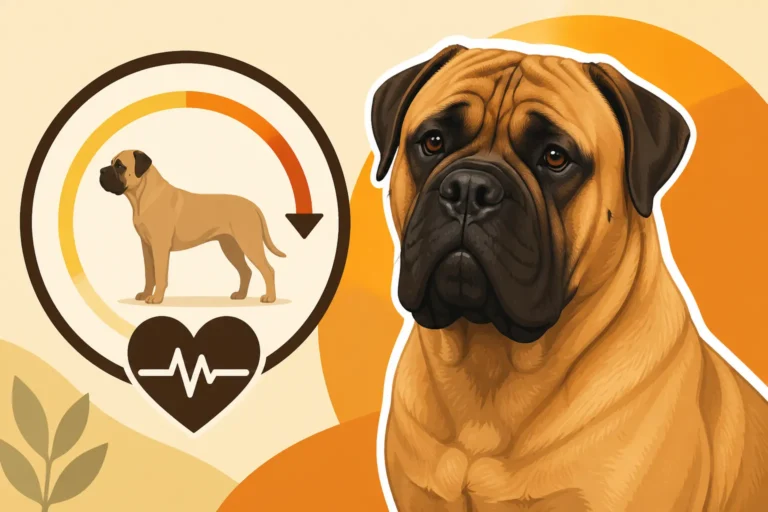
For most dogs, senior status typically kicks in around 7 to 8 years of age. However, when you have a large or giant breed like a Bullmastiff, this timeline is significantly accelerated. While a small Chihuahua might be considered middle-aged at seven, a Bullmastiff is already deep into their golden years. Generally, Bullmastiffs are considered senior when they reach about 6 to 7 years old. Some might show signs even a little earlier, others a little later, but this 6 to 7-year mark is a good rule of thumb to start thinking about their changing needs. It's a bittersweet milestone, reminding us how quickly their lives pass.
This earlier onset of seniority is a direct consequence of their size and rapid growth during puppyhood. Their bodies simply undergo more stress and wear over a shorter period. It's why articles like The Median Bullmastiff Lives Eight and a Half Years are so important, highlighting just how much of their life is spent as a mature or senior dog.
Why Bullmastiffs Age Faster Than Smaller Dogs
It seems unfair, doesn't it? Our big, lovable Bullmastiffs often don't get as many years as smaller breeds. The reason lies in their sheer size and how quickly they grow. From tiny puppies, they explode into formidable adults, sometimes gaining over 100 pounds in their first year. This rapid growth puts immense strain on their joints, organs, and overall bodily systems. Think about the impact on their heart, which has to pump blood through a much larger body, or their joints, which bear a significant amount of weight from a very young age. This accelerated development and sustained physical demand mean that their cells and systems experience more "wear and tear" at a faster rate.
Additionally, larger breeds tend to have a higher metabolic rate during their growth phases, which can contribute to oxidative stress on cells over time. This biological reality means that while they fill our lives with immense joy and presence, they do so for a more concentrated period. Understanding How Long a Bullmastiff Lives on Average helps set realistic expectations and emphasizes the importance of making every year count.
Individual Variation and Life History
While 6 to 7 years is a general guideline, it’s vital to remember that every Bullmastiff is an individual. Just like people, some dogs age more gracefully than others. Genetics play a massive role; if your Bullmastiff comes from a line of long-lived dogs, they might surprise you by remaining spry well into their later years. Conversely, those with predispositions to certain health issues might show signs of aging earlier.
Lifestyle factors are equally important. A Bullmastiff kept at a healthy weight, fed a high-quality diet, and given appropriate, consistent exercise throughout their life will likely age better than one who has been overweight or sedentary. Proactive veterinary care, including regular check-ups, can also significantly influence how well and how long your Bullmastiff thrives. It's a combination of nature and nurture that determines each dog's unique aging journey.
Early Signs of Aging in Your Bullmastiff
Recognizing the subtle cues that your Bullmastiff is entering their senior years is key to providing them with the best possible care. These changes aren't always dramatic; sometimes, they're just slight shifts in behavior or appearance that, when noticed, tell a bigger story.
Changes in Mobility and Activity Levels
One of the most common and often heartbreaking signs of aging in a large breed like a Bullmastiff is a noticeable change in their mobility and activity. The once bounding, playful giant might start to slow down. You might observe them being less enthusiastic about their daily walks, taking longer to get up after a nap, or hesitating before jumping into the car – if they ever did that with much enthusiasm! Stairs, which were once a minor inconvenience, can become a significant challenge. You might also notice a subtle stiffness in their gait, especially after resting. They might struggle to rise, or appear more hesitant on slippery floors. This often signals underlying joint discomfort, a common issue in large breeds, and a prime reason to start considering joint supplements early in life.
This reduction in activity can be tricky because Bullmastiffs are naturally fairly laid-back, but a distinct change from their established pattern is what to watch for. If your typically energetic (for a Bullmastiff!) dog is now opting out of play or shortening their walks, it's a sign their body might be telling them to take it easy. Understanding Why an Aging Bullmastiff Struggles to Rise can help you empathize and find solutions.
Cognitive and Behavioral Shifts
Aging doesn't just affect the body; it can also impact the mind. Many senior Bullmastiffs experience cognitive decline, often referred to as Canine Cognitive Dysfunction (CCD), similar to dementia in humans. You might notice changes in their sleep-wake cycles, perhaps sleeping more during the day but becoming restless or disoriented at night. They might start to forget their house training, having accidents indoors despite being perfectly trained for years. Some dogs become more withdrawn, less interested in interactions they once enjoyed, while others might become more clingy or anxious.
Confusion can manifest in various ways, such as getting "stuck" in corners, staring blankly at walls, or failing to recognize familiar people or places for a moment. They might forget commands they've known their whole lives or seem less responsive to their name. These changes can be distressing for owners, but recognizing them allows you to provide a more supportive and understanding environment. It’s not your dog being disobedient; it’s their brain aging, and patience is paramount.
Physical Manifestations of Aging
Beyond mobility and behavior, several physical signs can indicate your Bullmastiff is entering their senior years. Their coat might start to thin, become duller, or you might notice more gray hairs, especially around their muzzle and eyes – a classic sign of wisdom! Their skin might become less elastic, and they might develop benign lumps and bumps, though any new lump should always be checked by a vet. Dental health often declines with age; tartar buildup, bad breath, and even missing teeth are common. This can impact their ability to eat comfortably.
Weight fluctuations can also occur; some senior Bullmastiffs gain weight due to decreased activity and a slower metabolism, while others might lose weight due to underlying health issues or dental pain. Their senses, too, can start to dull. You might notice their hearing isn't as sharp, or their eyesight might not be what it once was, causing them to bump into things or be more startled by sudden movements. Regular vet visits become incredibly important to monitor these changes, and sometimes, adjusting their diet can help maintain a healthy weight. Knowing Why an Aging Bullmastiff Loses Muscle is also important for adjusting their nutrition and exercise.
Understanding the Health Implications of Senior Bullmastiff Status
As Bullmastiffs transition into their senior years, their vulnerability to certain health issues increases significantly. This isn't a cause for panic, but rather a call to heightened awareness and proactive veterinary partnership.
Increased Risk of Common Senior Ailments
Unfortunately, with age comes an increased risk of a variety of health problems. For Bullmastiffs, this often includes orthopedic issues like arthritis, which can exacerbate the mobility problems mentioned earlier. Their large joints, having borne so much weight over the years, are prone to degenerative changes. Conditions such as Hip Dysplasia in a Bullmastiff or Hips and Elbows Under a Hundred and Thirty Pound Bullmastiff might become more apparent or painful.
Cancer is another major concern, as Bullmastiffs are sadly predisposed to certain types. Conditions like Lymphoma and mast cell tumors are more prevalent in this breed, and their incidence often increases with age. Heart disease, though sometimes present from a young age like Subaortic Stenosis Is There Before a Bullmastiff's First Birthday, can also progress or new forms can develop. Kidney disease, liver issues, and endocrine disorders like Hypothyroidism in a Bullmastiff also become more common. This is why vigilance and early detection are absolutely critical.
The Importance of Regular Senior Vet Checks
If you were seeing your vet once a year for your adult Bullmastiff, now is the time to switch to twice-yearly wellness exams. This might seem excessive, but for senior dogs, a lot can change in six months. These more frequent visits allow your veterinarian to catch subtle signs of disease before they become advanced and difficult to manage. During these exams, your vet will perform a thorough physical check, paying close attention to their weight, muscle mass, joint health, dental condition, and any new lumps or bumps.
They'll likely recommend routine bloodwork, including a complete blood count and a chemistry panel, to assess organ function (kidneys, liver, thyroid) and look for signs of infection or other systemic issues. Urinalysis is also a common and valuable diagnostic tool. These tests provide a baseline and can flag problems that aren't yet visible on the outside. Early detection of conditions like Signs a Bullmastiff's Thyroid Is Low through routine blood tests can mean the difference between minor management and significant health complications down the line. It's truly one of the best investments you can make in their comfort.
Proactive Care and Early Intervention
Catching health issues early means you have more options for treatment and can often significantly improve your Bullmastiff's quality of life. For example, if arthritis is detected, your vet might recommend a combination of pain management, anti-inflammatory medications, joint supplements, and even physical therapy. For conditions like hypothyroidism, a simple daily medication can dramatically improve their symptoms.
Early detection of cancers might allow for more effective treatment protocols, such as chemotherapy or surgical removal, before the disease progresses too far. This is where having pet insurance, like a plan from Healthy Paws, can be an absolute lifesaver. Knowing that a significant portion of unexpected veterinary bills might be covered gives you the freedom to make choices based on your dog's best interest, rather than your wallet. Proactive care is about staying one step ahead, armed with knowledge and the resources to act swiftly when needed.
Tailoring Care for Your Aging Bullmastiff
As your Bullmastiff enters their senior years, their needs will shift. What worked for them as a rambunctious youngster or even a stately adult might not be ideal now. Adjusting their daily routine and environment can make a world of difference to their comfort and well-being.
Nutritional Adjustments for Senior Dogs
Nutrition is paramount for an aging Bullmastiff. As their metabolism slows and their activity decreases, their caloric needs often drop. Continuing to feed them the same amount of food can lead to unhealthy weight gain, which puts even more strain on their already aging joints. Many commercial brands offer specific senior dog formulas that are lower in calories, higher in fiber to aid digestion, and often fortified with supplements like glucosamine and chondroitin for joint support, and omega-3 fatty acids for anti-inflammatory benefits and cognitive health.
It's also important to ensure their food is easy to chew and digest. If dental issues are present, you might need to soften their kibble with water or switch to a wet food. Always consult your veterinarian before making significant dietary changes, as they can recommend the best food specific to your Bullmastiff's individual health needs and body condition. Remember, keeping a Bullmastiff lean is one of the best ways to extend their healthy years.
Maintaining Comfort and Mobility
Ensuring your senior Bullmastiff remains comfortable and able to move around is crucial. An orthopedic dog bed is no longer a luxury; it's a necessity. These beds provide superior support for their heavy joints, relieving pressure points and making it easier for them to get up. Consider placing multiple beds around the house, in their favorite resting spots.
Ramps can be incredibly helpful for accessing elevated surfaces like the car or even a few steps into the house, preventing painful jumps and strains. Non-slip rugs on hardwood or tiled floors can give them better traction, reducing the risk of falls and making them feel more secure. While their exercise needs might decrease in intensity, gentle, consistent activity is still important for maintaining muscle mass and joint flexibility. Short, frequent walks are often better than one long, strenuous outing. Be mindful of extreme temperatures, as senior dogs are often less tolerant of heat and cold.
Mental Stimulation and Emotional Support
Just like their bodies, senior Bullmastiffs benefit from continued mental engagement. This can help combat cognitive decline and keep them feeling involved and purposeful. Simple puzzle toys with low-calorie treats, short training sessions reviewing familiar commands, or even just regular conversations and cuddle time can provide valuable mental stimulation.
They might also become more sensitive to changes in routine or household dynamics. Maintaining a predictable daily schedule can help reduce anxiety. As their senses decline, they might become more dependent on you for guidance and reassurance. Extra patience, gentle handling, and plenty of loving attention are essential. They've given you their best years; now it's our turn to return that unconditional love with compassionate care and understanding as they navigate this new chapter.
Preparing for the Financial Realities of an Aging Bullmastiff
Let's be honest, owning a Bullmastiff is an investment from day one, but the costs can definitely climb during their senior years. It’s not a pleasant topic, but it’s a realistic one, and being prepared can ease a lot of stress down the line.
Estimating Increased Veterinary Costs
As we’ve discussed, senior Bullmastiffs often require more frequent veterinary visits and diagnostics. Those twice-yearly wellness exams, bloodwork, and urinalysis add up. Beyond routine care, there's a higher likelihood of needing medications for arthritis, heart conditions, thyroid issues, or other age-related ailments. These medications can range from inexpensive generics to more specialized and costly drugs, and for a large dog like a Bullmastiff, dosage amounts mean higher prices per prescription. If they develop more serious conditions like cancer or advanced heart disease, the costs for specialized treatments, consultations with specialists (like oncologists or cardiologists), and advanced diagnostics (X-rays, ultrasounds, MRIs) can quickly reach into the thousands of dollars.
It's not uncommon for a senior Bullmastiff to have ongoing prescriptions, necessitating monthly outlays that were not present when they were younger. This is simply the reality of providing comprehensive care for an aging giant breed. Looking at What a Bullmastiff Costs Over Its Lifetime can give you a sobering but realistic picture.
The Value of Pet Insurance for Senior Care
This is where pet insurance truly shines, and why I often advocate for getting it when your Bullmastiff is still a puppy. While policies might have exclusions for pre-existing conditions if you enroll an older dog, if you've had coverage from a young age, it can make a substantial difference in managing the costs of senior care. For instance, a reputable provider like Healthy Paws can help cover a large percentage of eligible veterinary expenses, from accidents and illnesses to diagnostics and medications.
Imagine facing a diagnosis that requires extensive treatment – the emotional toll is enough without the added stress of crushing vet bills. Pet insurance doesn't just save you money; it gives you the peace of mind to focus on your Bullmastiff's health and well-being, rather than agonizing over treatment costs. It essentially provides a financial safety net, allowing you to say "yes" to treatments that might otherwise be out of reach. This is especially pertinent when considering What an Aging Bullmastiff Costs a Year, which can be significantly higher than their younger years.
Budgeting and Planning Ahead
Even if pet insurance isn't an option or you have an older dog with pre-existing conditions, planning ahead is still crucial. Consider setting up a dedicated "senior pet" savings fund. Even putting aside a small amount each month can build up over time, providing a cushion for unexpected vet bills or ongoing medication costs. Research common senior ailments in Bullmastiffs (like those mentioned in What Most Bullmastiffs Die Of) and familiarize yourself with potential treatment costs.
Talk to your veterinarian about what to expect financially as your dog ages. They can often provide estimates for common senior care needs. Prioritize necessary expenses and make informed decisions. Sometimes, palliative care, focused on comfort and quality of life, is the most humane and financially manageable option. Being financially prepared allows you to provide the best possible care for your cherished Bullmastiff without added financial strain during an already emotional time.
Bullmastiff Seniority Milestones
Here’s a general overview of when to expect certain changes as your Bullmastiff transitions into their senior years. Remember, these are averages, and your dog's experience may vary.
| Age Range (Years) | Bullmastiff Life Stage | Key Considerations & Expected Changes | Proactive Steps |
|---|---|---|---|
| 0-1.5 | Puppy/Adolescent | Rapid growth, high energy, foundational training. | Puppy food, socialization, basic obedience, vet check-ups. |
| 1.5-5 | Adult | Peak physical condition, strong guarding instincts, generally healthy. | Adult food, consistent exercise, annual vet checks, dental care. |
| 6-7 | Early Senior | First signs of slowing, minor stiffness, subtle coat changes. | Transition to senior food, twice-yearly vet checks, joint supplements. |
| 8-9 | Mid-Senior | More noticeable mobility issues, potential cognitive changes, increased risk of chronic diseases. | Orthopedic bedding, ramps, advanced diagnostics (bloodwork), medication discussions. |
| 10+ | Geriatric | Significant aging signs, potential for multiple health issues, increased dependency. | Enhanced comfort care, specialized diets, frequent vet check-ins, palliative care planning. |
These milestones serve as a guide. The important thing is to be observant and responsive to your individual dog's needs. Regularly checking in with your vet, especially for a discussion on How Often a Bullmastiff Needs a Wellness Exam, is vital throughout these stages.
Disclaimer
The information provided in this article is for general informational purposes only and is not intended as a substitute for professional veterinary advice. Always consult with a qualified veterinarian for any health concerns or before making any decisions related to your Bullmastiff's care, diet, or treatment.