What an Aging Bullmastiff Costs a Year
Welcoming an aging Bullmastiff into their golden years is a profound joy, but it also brings a shift in the financial landscape of ownership. Many of us find ourselves unprepared for the escalating veterinary bills, specialized care, and daily adjustments that become necessary as our gentle giants slow down. This guide will walk you through the typical annual costs associated with caring for a senior Bullmastiff, helping you understand where your money will likely go and how to plan for these crucial expenses.
The Escalating Costs of Veterinary Care for Your Senior Bullmastiff
As your beloved Bullmastiff moves into their senior years – typically around six to seven years old, which feels so young for such a big dog, doesn't it? – their veterinary needs invariably increase. That yearly check-up that used to feel like a breeze often transforms into a more comprehensive assessment. It's not about being alarmist, but realistic: an older dog just needs more oversight to catch potential issues early.
Routine Senior Wellness Exams and Diagnostics
Gone are the days when a quick once-over and annual vaccinations were enough. For a senior Bullmastiff, most veterinarians will recommend at least two wellness exams per year. This isn't just to generate more appointments; it's because health conditions in older dogs, especially large breeds like Bullmastiffs, can progress rapidly. A small change unnoticed for six months could become a significant problem. These exams often include comprehensive blood panels to check organ function (kidneys, liver, thyroid), urinalysis to detect infections or kidney issues, and sometimes blood pressure measurements. These routine diagnostic tests are vital for early detection of common senior ailments like Hypothyroidism in a Bullmastiff or the subtle onset of kidney disease.
Imagine you bring your seven-year-old Bullmastiff, Brutus, in for his check-up. The vet might notice he's gained a little weight, or perhaps his coat isn't as lustrous as it once was. A full thyroid panel could reveal Signs a Bullmastiff's Thyroid Is Low, leading to medication that can greatly improve his quality of life. These tests, while an added expense, are your best defense against more serious, costly conditions down the line. It's about proactive care, catching things before they turn into emergencies. You'll likely find these expenses adding up, with each visit potentially involving more than just the consultation fee.
Managing Chronic Conditions and Medications
Sadly, with age often comes chronic conditions that require ongoing management and medication. Arthritis is almost a given for a dog weighing well over 100 pounds, and a Bullmastiff's heavy frame certainly puts stress on joints. You might find yourself managing Hip Dysplasia in a Bullmastiff or other joint issues that have become more pronounced. This means a regular prescription for anti-inflammatory drugs or pain relievers. Many owners also opt for joint supplements, which, while not always cheap, can significantly improve comfort and mobility.
Beyond joint issues, Bullmastiffs are prone to certain breed-specific health concerns that can become more prevalent in their senior years. Heart conditions, for example, might be monitored more closely. If your Bullmastmastiff has been diagnosed with a condition like Subaortic Stenosis Is There Before a Bullmastiff's First Birthday, ongoing medication and regular cardiac check-ups will be part of the routine. The cost of these medications, especially for a large dog, can be substantial because the dosage is determined by weight. A bottle of pain medication that lasts a smaller dog a month might only last your Bullmastiff a week or two, increasing monthly expenditure. You'll want to factor in these recurring medication costs when looking at your annual budget, as they are often a significant portion of senior dog care.
Adjustments to Daily Care and Comfort for an Aging Bullmastiff
Caring for an aging Bullmastiff isn't just about vet visits and pills; it's about making their daily life as comfortable and enriching as possible. As their energy levels wane and their bodies ache a bit more, you'll find yourself investing in things that simply weren't necessary when they were boisterous puppies or sturdy adults. These adjustments, while seemingly small, contribute significantly to the annual cost of owning a senior Bullmastiff.
Specialized Nutrition and Supplements
As a Bullmastiff ages, their dietary needs change. They might become less active, meaning fewer calories are needed, but their bodies also benefit from specific nutrients to support aging joints, maintain muscle mass, and support cognitive function. Many owners switch to a high-quality senior dog food, which is often formulated with lower calorie counts, higher fiber, and added joint support like glucosamine and chondroitin. Brands like Ollie offer fresh, personalized meal plans that can be tailored to a senior dog's specific needs, and while they might be a higher upfront cost per meal, many owners feel the nutritional benefits are worth it for their aging companions. These specialized foods, especially premium or prescription diets, usually come with a higher price tag than standard adult formulas.
Beyond food, supplements often become a fixture in an aging Bullmastiff's routine. We've already touched on joint supplements, but some senior dogs might also benefit from Omega-3 fatty acids for skin and coat health, probiotics for digestive issues, or even cognitive support supplements to help with age-related mental decline. These aren't always cheap, and if you're trying to figure out Whether a Bullmastiff Needs Joint Medication Early, the answer often becomes a resounding "yes" in their later years. You can often find a wide array of these specialized foods and supplements on platforms like Chewy, making it convenient to compare options and have them delivered right to your door, which is a blessing when you're managing a large, less mobile dog.
Mobility Aids and Home Modifications
One of the most heart-wrenching things to witness is an aging Bullmastiff Why an Aging Bullmastiff Struggles to Rise or navigate stairs that were once so easy. Their sheer size means that once mobility becomes an issue, it's a significant challenge. This is where investments in mobility aids and home modifications come into play. A good orthopedic dog bed is no longer a luxury; it's a necessity for cushioning aching joints and preventing pressure sores. These beds, especially large ones designed for breeds like Bullmastiffs, can be a considerable expense, but they are crucial for comfort and sleep quality. You might also consider ramps for the car or to help them get onto furniture, or even traction mats for slippery floors.
For dogs with severe mobility issues, a lifting harness or sling can be invaluable for helping them up stairs, into the car, or just outside for potty breaks. While these items don't typically break the bank individually, the cumulative cost of creating a senior-friendly home can add up. It's about ensuring your dog can maintain as much independence and comfort as possible, even if it means altering your living space to accommodate their changing needs. If you're wondering What an Orthopedic Bed for a Bullmastiff Costs, prepare for it to be one of the more significant single purchases for their comfort.
Grooming and Hygiene Needs
While Bullmastiffs are generally low-maintenance in terms of grooming, an aging dog can present new challenges. Stiff joints might make it difficult for them to stand for long periods, making brushing or bathing at home a struggle. You might find yourself paying for professional grooming more frequently, not for fancy cuts, but for basic bathing, nail trims, and thorough cleaning of their facial wrinkles, which can become prone to infection if they struggle to clean themselves.
Beyond regular grooming, incontinence can become an issue for some senior Bullmastiffs. This means purchasing absorbent pads for bedding, specialized cleaning supplies for accidents, or even dog diapers, which again, for a Bullmastiff's size, will be larger and potentially more costly per unit. These aren't glamorous expenses, but they're part of maintaining hygiene and dignity for your aging companion.
Financial Planning for the Unexpected and Support for Bullmastiff Owners
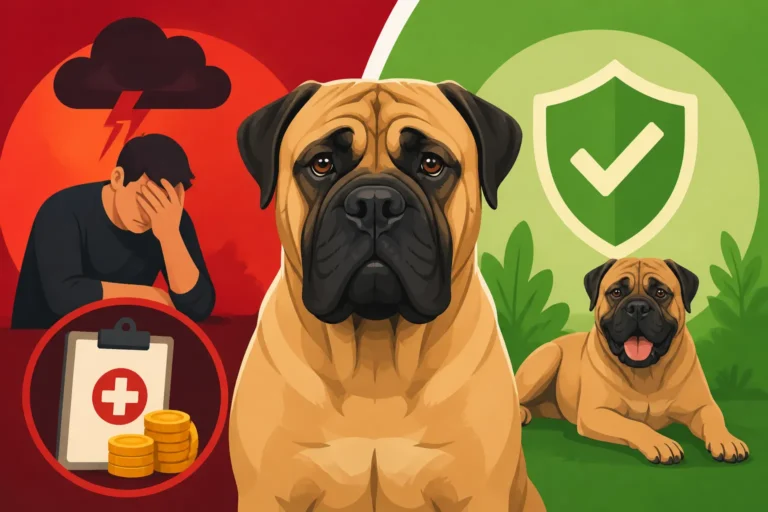
Even with the most diligent routine care and comfort adjustments, an aging Bullmastiff is still susceptible to unexpected health crises. From sudden illnesses to the unfortunate diagnosis of a serious condition, these events can lead to significant, unplanned expenses. Understanding these possibilities and exploring financial support options is a crucial part of responsible senior Bullmastiff ownership.
Emergency Situations and Palliative Care
It's a harsh truth that as our Bullmastiffs get older, the likelihood of an emergency vet visit increases. This could be anything from a sudden decline due to an existing chronic condition, a fall that leads to an injury, or an acute illness. Emergency veterinary care is almost always more expensive than routine care, with after-hours fees, immediate diagnostics, and potentially life-saving interventions. These situations are emotionally draining, and the financial stress can compound the difficulty. Sometimes, these emergencies lead to decisions about palliative care, which focuses on providing comfort and managing pain during the final stages of life.
Palliative care, while not curative, is about ensuring the highest possible quality of life for your Bullmastiff when treatments are no longer effective or desired. This can involve ongoing pain medication, fluid therapy, nutritional support, and regular check-ins with a vet who specializes in hospice care. These services, while invaluable for your dog's comfort and your peace of mind, still incur costs. It's important to discuss options and costs openly with your vet to make informed decisions during these sensitive times. Knowing What a Bullmastiff's Last Months Cost can help you prepare for this challenging period.
The Role of Pet Insurance for Senior Bullmastiffs
When it comes to managing the costs of an aging Bullmastiff, pet insurance can be a contentious topic. While it's ideal to enroll a Bullmastiff puppy from a young age to ensure coverage for potential future conditions, getting insurance for a senior dog can be tricky. Many pet insurance providers have age limits for new enrollments, or they may exclude pre-existing conditions that are more common in older dogs. If you have a senior Bullmastiff without prior coverage, it's still worth exploring options, but be prepared for potentially higher premiums and careful review of what is and isn't covered.
However, if your Bullmastiff has been insured since they were young, then maintaining that policy into their senior years can be a lifesaver. Providers like Healthy Paws can offer significant relief by covering a portion of unexpected veterinary bills, including those for accidents and illnesses that are common as dogs age. Even if a Bullmastiff's cancer risk is high, or they develop heart issues, having a policy in place from a young age means those conditions are more likely to be covered (provided they weren't pre-existing before enrollment). You should still carefully review the policy's annual limits, deductibles, and reimbursement percentages. It's truly a personal decision, but for many, pet insurance provides crucial financial peace of mind when Why a Bullmastiff's Vet Bills Arrive at Six and beyond.
Budgeting for an Aging Bullmastiff: A Summary of Potential Annual Costs
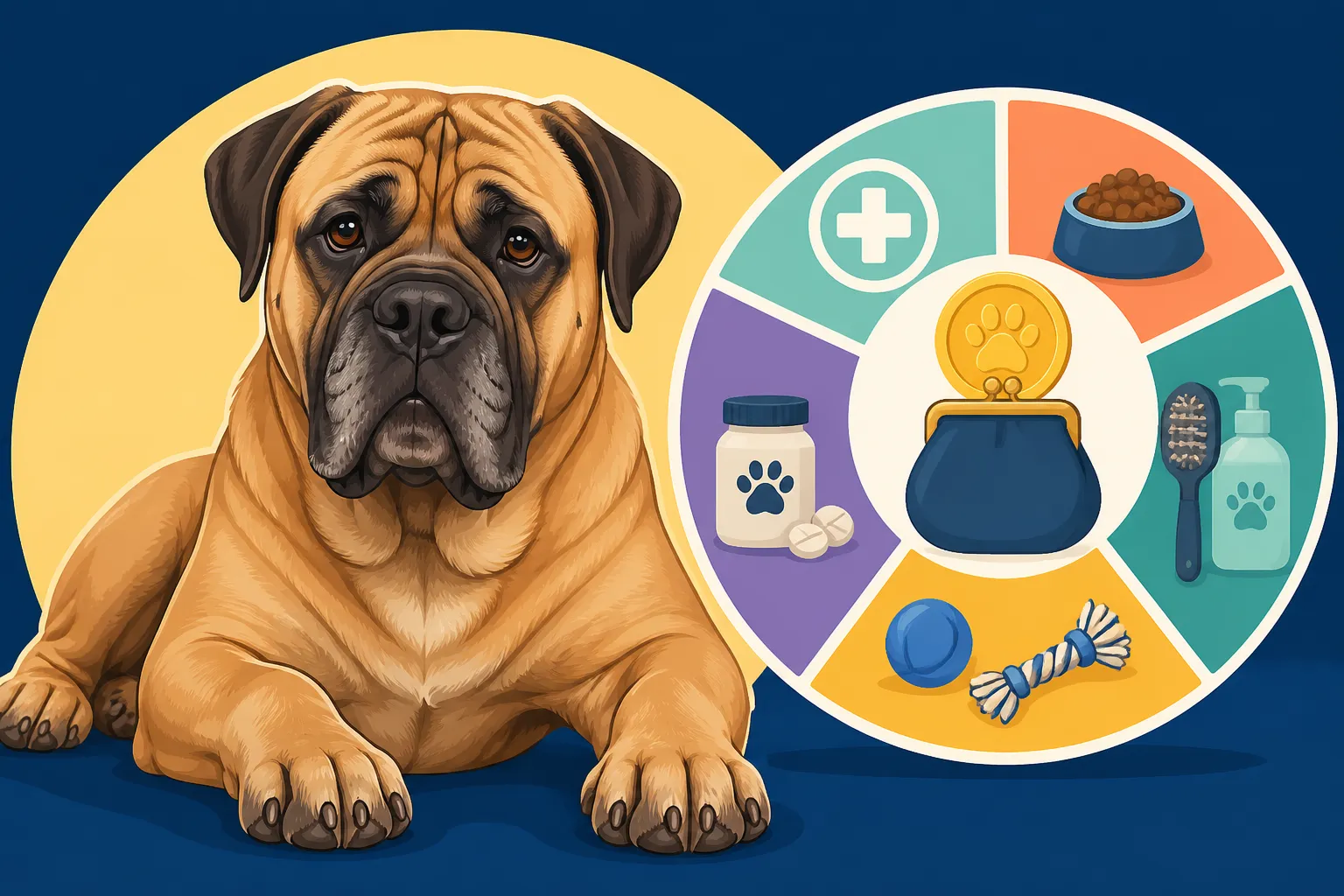
Let's break down some of the potential annual costs you might face with an aging Bullmastiff. Keep in mind these are estimates, and individual situations vary greatly based on your dog's specific health, your location, and your vet's fees. However, this table can give you a general idea of how expenses might shift from their adult years.
| Category | Typical Annual Cost (Adult Bullmastiff) | Typical Annual Cost (Aging Bullmastiff) | Notes |
|---|---|---|---|
| Routine Vet Care | $200 – $400 | $500 – $1,000+ | Includes 1-2 exams, vaccinations, fecal/heartworm tests. Senior dogs need more frequent exams, blood work, urinalysis, and potentially specialized screenings for organ function or common breed issues. |
| Medications/Supplements | $0 – $200 | $300 – $1,500+ | For joint support, thyroid medication, heart meds, pain relief, or other chronic condition management. Dosage by weight means higher costs for Bullmastiffs. |
| Specialized Food/Diet | $800 – $1,200 | $1,000 – $1,800+ | Senior formulas, prescription diets, or fresh food options like Ollie tailored for aging needs often cost more. What a Bullmastiff's Monthly Food Bill Runs typically increases. |
| Mobility Aids/Comfort | $0 – $100 (basic bed) | $100 – $500+ | Orthopedic beds, ramps, slings, non-slip mats. These are crucial for comfort and preventing injuries. What Mobility Aids Cost for a Bullmastiff varies widely. |
| Grooming/Hygiene Supplies | $50 – $150 | $100 – $300+ | Professional grooming for difficult-to-reach areas, cleaning supplies for accidents, dog diapers. |
| Emergency Fund/Insurance | $300 – $800 (premium) | $500 – $1,200+ (premium/deductibles) | Pet insurance premiums typically rise with age, and you might hit deductibles or annual limits more frequently. What Insuring a Bullmastiff Costs a Month can become a significant factor. |
| Miscellaneous | $50 – $100 | $100 – $200 | Toys for less active dogs, extra treats, cleaning supplies. |
| Total Annual Estimate | $1,400 – $2,850 | $2,500 – $5,400+ | These are rough estimates and can be significantly higher with complex health issues or emergencies. |
Remember, these numbers can feel daunting, but the love and companionship an aging Bullmastiff brings are truly priceless. By understanding and planning for these potential costs, you can ensure their golden years are filled with comfort, care, and all the love they deserve.
Disclaimer
This article is for general informational purposes only and does not constitute professional advice. Laws, prices and regulations vary by location and change over time. Consult a qualified professional for guidance on your specific situation.